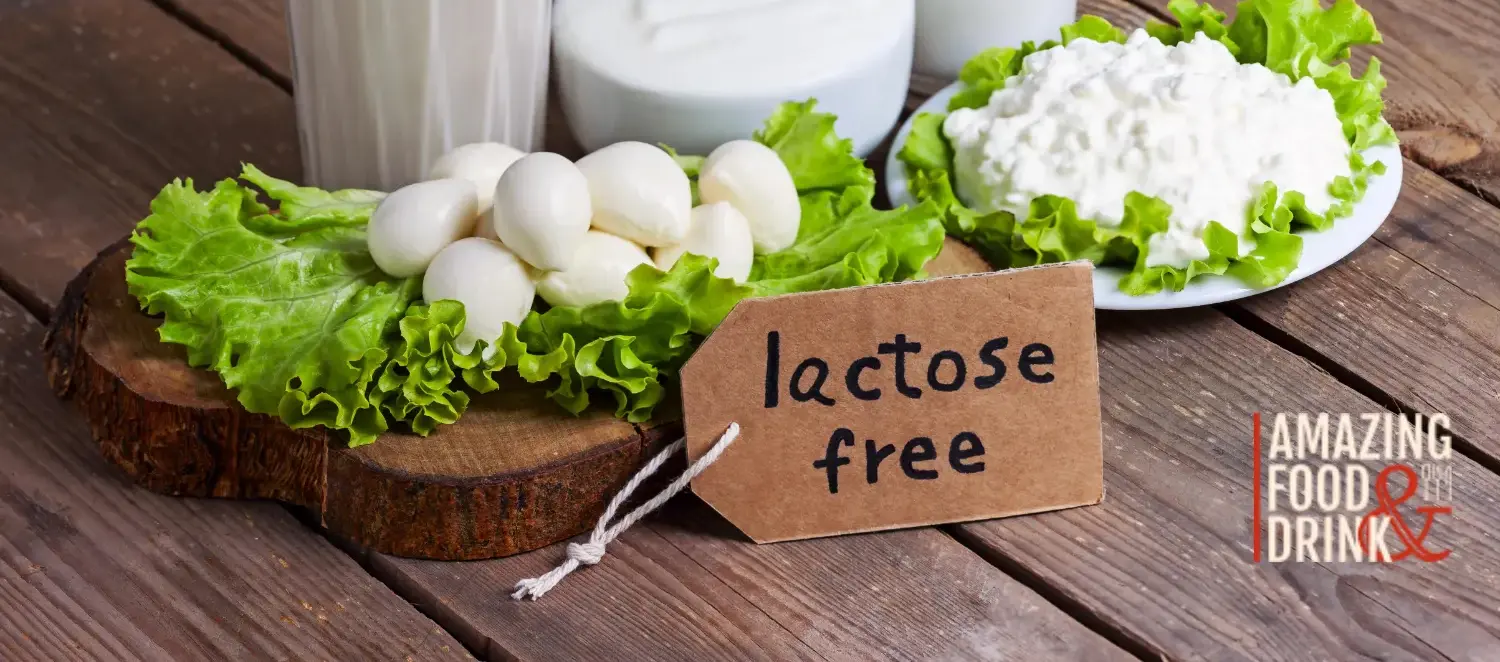
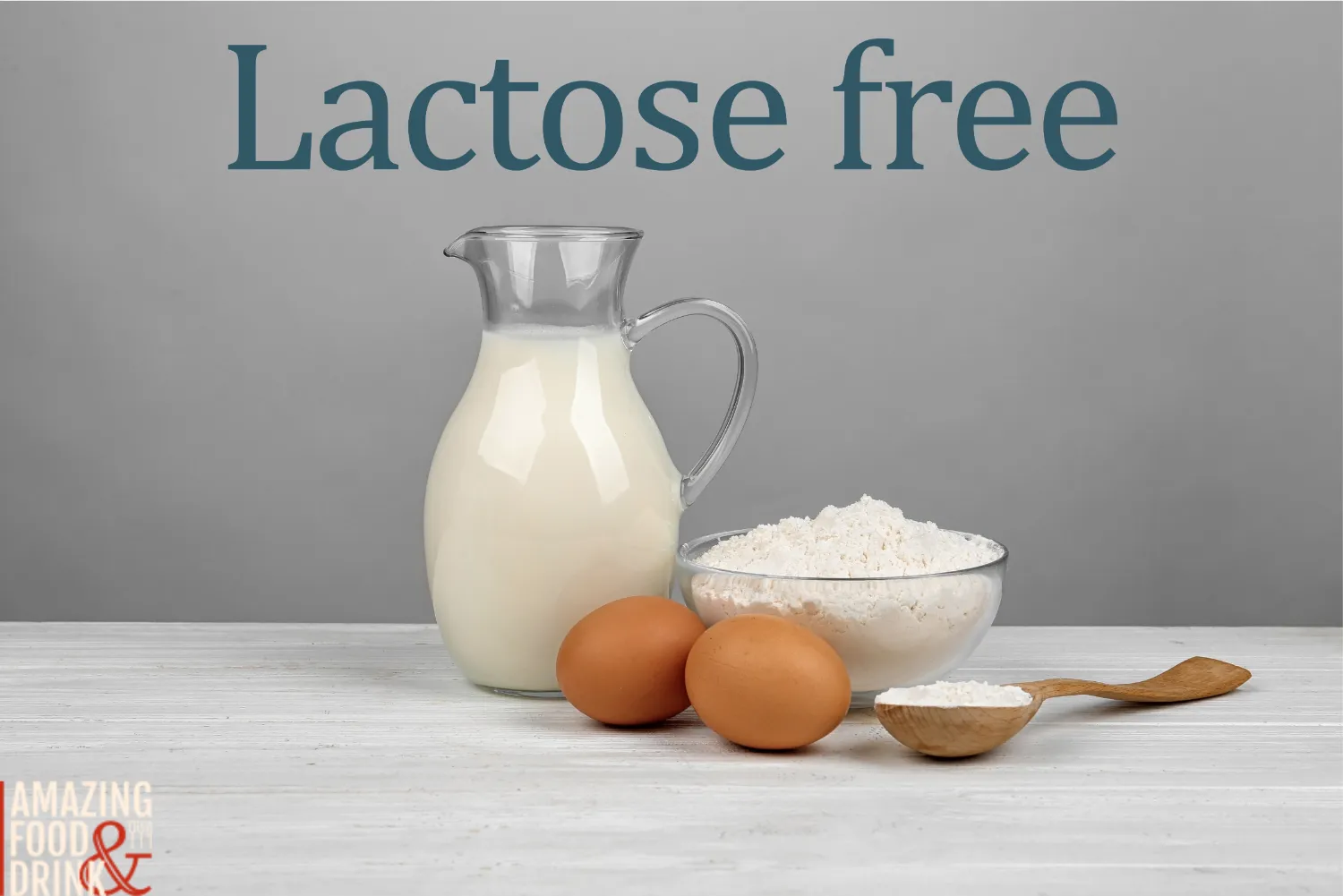
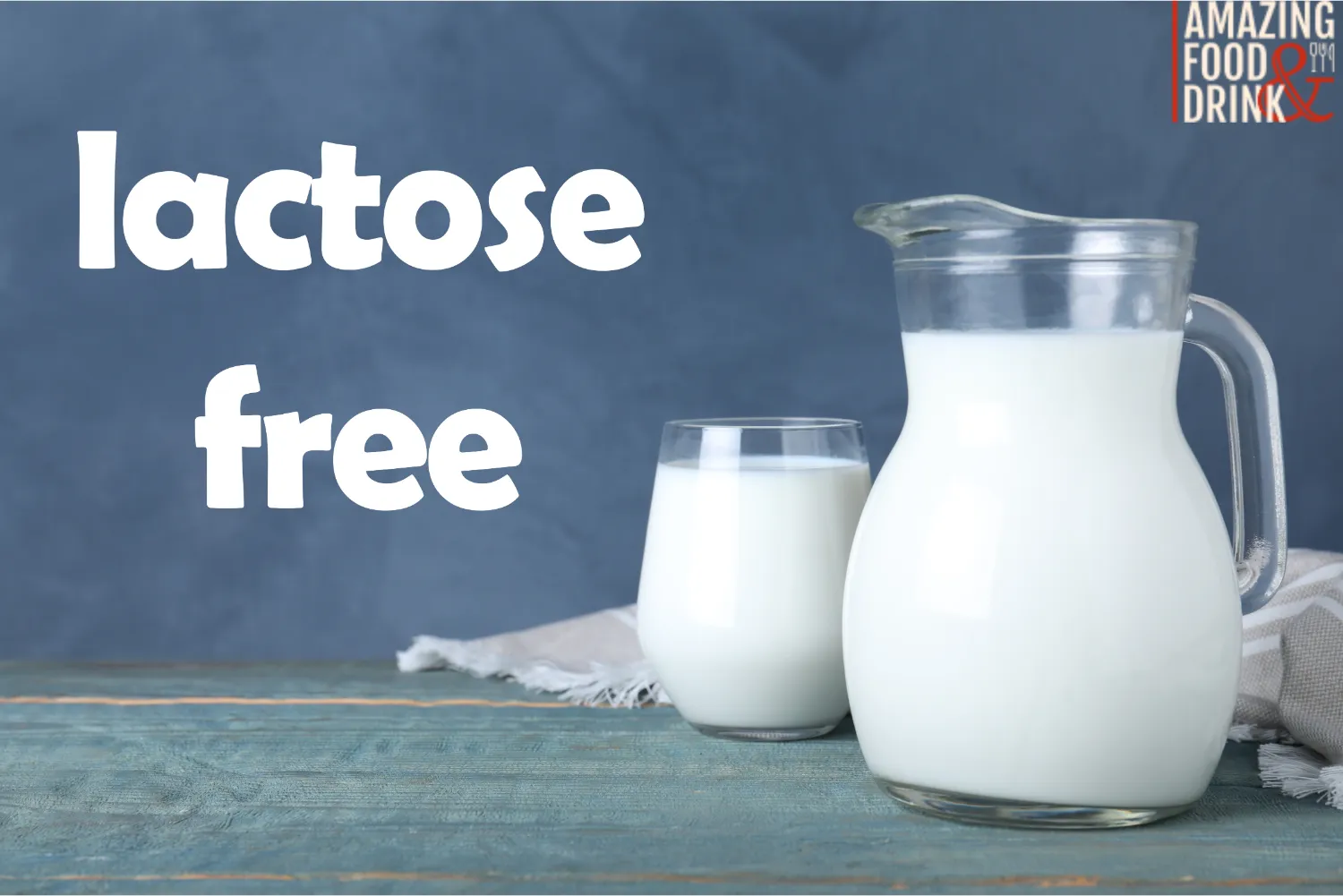
Some of those who suffer from lactose intolerance syndrome can avoid foods that contain it and resort to some lactose-free choices, as their consumption of its sources may result in some symptoms, including flatulence and diarrhea, for lacking the lactase enzyme in their digestive system.
A lactose-free diet may help avoid the appearance of these symptoms associated with the syndrome. If you need to choose between a lactose-free diet and a low-lactose diet, it is preferable to speak with a specialist physician or nutritionist.
It should be noted that when suffering from lactose intolerance syndrome, it is important to test different types of foods instead of those that contain dairy products that are rich in some important nutrients, including calcium, because it is one of the main sources of the sugar lactose, and the following are mentioned lactose-free foods.
Lactose-free Choices
Vegetables and fruits: All types of fruits and vegetables are devoid of lactose sugar, regardless of whether they are fresh, cooked, or grilled, or even if dishes are prepared from them without adding milk products, as well as fruit and vegetable juices. On the other hand, some vegetable and fruit products may contain milk, including vegetables prepared with cream, fruit smoothies prepared with the addition of milk, and vegetables coated with batter, which is defined as a liquid mixture made of flour and often contains milk.
Meat and protein sources: some of these products may contain milk and its products, such as Meat dishes prepared with cream and cheese sauces, omelettes with added milk, and meat made with milk, such as sausages, and here are the sources of lactose-free meat and protein:
All kinds of fresh and cooked meat, in addition to chicken and fish.
Peas, dried and cooked beans, and all other legumes, too.
Lactose-free dairy products: Dairy products are the main source of lactose sugar, as we mentioned earlier, such as milk, whether free, reduced or whole, evaporated and condensed milk, spreadable cheese, yoghurt, cream and hot chocolate mixes, as well as ice cream, low-lactose milk, sour cream, yoghurt and whey as well, while many of these products are gluten-free lactose, including the following:
Canned food drinks made with soy instead of milk.
Types of cream not made from milk.
Milk alternatives include Lactose-free milk, rice milk, almond milk, oat milk, coconut milk, cashew milk, hemp milk, and other milk alternatives.
Types of lactose-free yoghurt include coconut yoghurt, almond milk yoghurt, soy yoghurt, and cashew yoghurt.
Lactose-free starches: Many baked goods and different types of bread may contain milk or its products, such as pancakes, tea cakes, and chips, especially the type which has milk. In addition to local bread, waffles, biscuits of all kinds, mashed potatoes which have milk, instant mashed potato mixture, pancakes, and lactose-free starches as follows:
Whole grains include barley, buckwheat, quinoa, couscous, wheat, and oats.
Types of bread to which milk is not added when preparing them include French bread and Italian bread, but as we mentioned earlier, some types of bread may contain milk or milk products, so it is necessary to read the food label or ask the manufacturer before using it.
Breakfast cereal made without adding milk.
Rice cakes are prepared without the use of cheese.
Crackers, salty biscuits.
Lactose-free fats: Some sources of fat may contain lactose, including butter and cream cheese, in addition to obesity to which butter or milk is added, and some types of lactose-free fats are included:
Obesity without adding butter or milk, with the need to read the food label before using it.
Coffee creamer, however, you need to read the food label before using it.
Salad dressings, however, you need to read the food label before using it.
Condiments, sauces and ready-made soups: There are some foods that contain milk and its products, including creamy soups and ready-made soup mixes to which milk or its products are added, in addition to whipped cream and béchamel sauce, while meat broth, vegetable soup and spices prepared without adding milk are lactose-free.
Desserts: Most sweets may contain milk or its products in their ingredients, so it is necessary to ask this question to the manufacturer or read the food label before using them and from sources of sugars that do not contain lactose; gelatin desserts without milk or whipping cream, honey, and sugar, plus molasses, syrups, and some artificial sweeteners.
Lactose on product ingredients and food labels It is advised when buying food products to read the food labels on them to ensure that they do not contain milk products as previously mentioned, especially if a warning about that is written on them, to avoid complications that may occur as a result of their use, depending on the degree of suffering from intolerance syndrome Lactose, and among the most important milk-derived products that contain lactose:
Egg white pancakes, chia seed pudding, avocado toast and sweet potato salad are just a few healthy recipes for those with lactose allergies and intolerance. These dishes are appropriate for these people and give them access to nutritious food that is rich in proteins that are good for the body.
Place the pieces of chicken and cauliflower on top of it.
Then, a lemon mixture is prepared with pepper, salt, olive oil and garlic and poured over the dish.
It takes at least an hour to cook, and it is better to wait a whole night, and then this delicious dish is cooked for 45-50 minutes in the oven.
Fried Rice with Pineapple
This is a delicious dairy-free dish that is quite easy to prepare.
Ingredients
2 counts of cooked brown rice.
1 cup of pineapple.
2 pcs. of sausages.
1 green and 1 red capsicum.
2 carrots.
1 tablespoon of soy sauce.
1 tablespoon of lemon juice.
3 tablespoons of coriander.
How to prepare
After preparing the brown rice, coconut oil is heated,
Then place the pieces of sausages on top of it for 4 minutes over medium heat.
Carrots and bell peppers are added to it, and it is stirred for another 4 minutes.
Soy sauce is mixed with lemon juice, pineapple pieces, and coriander with each other and added to the rice.
Stir until smooth, and then serve alongside fried sausage with bell peppers and carrots.
Vegetarian Pizza
If you are one of the people with a lactose intolerance or allergy, this does not mean that you should refrain from pizza completely. There are delicious recipes for vegetarian pizza, which make you forget about the delicious flavour of mozzarella cheese. Here is one of them.
The oven is prepared and preheated for 5 minutes before the pizza is placed in it.
The top layer of the pizza is prepared.
After heating, the tablespoon of olive oil with mushrooms, onions, garlic, spinach, chopped red peppers and salt are placed, and this mixture is fried for 5 minutes.
After the oven is ready, we put the dough in the tray for the pizza and extend it in a circular way.
Then put a layer of tomatoes or a special sauce on top of it, and the fried vegetables are placed on top of it.
Vegan Pumpkin with Sauce Recipe
To prepare this recipe, you need a mixture of olive oil, vegetable broth, garlic, onions, Italian pasta and sauce.
Ingredients
2 tablespoons of olive oil.
1 tablespoon of chopped fresh sage.
1 medium-sized onion, chopped.
2 minced garlic cloves.
⅛ teaspoon red pepper powder and salt to taste.
Freshly ground black pepper.
2 cups of vegetable broth.
340 grams of Italian pasta.
900 grams of diced butternut squash.
How to prepare
Heat the oil in a large frying pan over low heat, and as soon as it shines.
Add the sagebrush to it, leave it until it becomes crunchy before transferring it to a small bowl, then sprinkle a little salt and set the bowl aside.
Add zucchini, onions, garlic and red pepper slices and season with salt and pepper.
Cook and stir occasionally until the onions are golden, about 8-10 minutes, then add the broth and bring to a boil.
Simmer until it gets tender, and the liquid is reduced by half, about 15-20 minutes.
Boil water, add salt and pasta, and cook it until it’s done, according to the instructions provided, stirring occasionally.
Once the zucchini mixture is done, allow it to cool slightly, then transfer the contents of the pan to a blender, puree until smooth, and then season with salt and pepper to infuse the flavours.
Combine the pasta and squash and cook over medium heat; add more water until the sauce coats the pasta for about 2 minutes.
It is one of the delicious recipes filled with slices of grilled meat, peppers and onions. It may be served hot or cold. To prepare it, you can read the following:
Rub the steak with salt, cumin and pepper, and mix pepper, corn and onions with oil.
Place the steak covered over medium heat for 6-8 minutes on each side or until the meat reaches the required degree of doneness,
Grill the vegetables, covered, for 8-10 minutes, or until tender, and can be flipped over from time to time.
Cook the pasta, and during the process, cut the corn from the cob.
Chop the peppers, onions and tomatoes; then, place the vegetables in a large bowl.
Whisk lemon juice, oil, salt, cumin, and pepper until combined in a small bowl, then sprinkle cilantro over the top.
Drain the pasta from the water and add the vegetables to the mixture, then add the meat pieces to the salad.
Grilled Chicken with Peppers and Potatoes
This recipe contains grilled chicken thighs seasoned with olive oil and fresh herbs. To prepare it, you can follow the following:
Ingredients
900 grams of red potatoes (6 medium-sized grains).
2 large, sweet peppers.
2 large green peppers.
2 medium-sized onions.
2 tablespoons of olive oil.
4 teaspoons chopped fresh thyme or ½ teaspoon dried thyme.
1 teaspoon dried rosemary.
8 skinless chicken thighs.
½ teaspoon of salt.
¼ teaspoon of pepper.
How to prepare
Preheat the oven to 450 degrees, during which potatoes, peppers and onions are cut into medium pieces.
Put the vegetables with 1 tablespoon of olive oil, sprinkle with 2 tablespoons of thyme and rosemary in a frying pan and stir.
Lay the chicken over the vegetables and brush with olive oil; sprinkle the remaining thyme and rosemary.
Then, sprinkle the vegetables and chicken with salt and pepper.
Grill the chicken and vegetables for 35-40 minutes.
Beef Stroganoff
Traditional Stroganoff is prepared with cream and milk, but this recipe does not contain dairy products and contains meat instead of onions and mushrooms. To prepare it, you need the following:
Ingredients
1 slice of beef.
1 chopped onion.
350 grams of white mushroom slices.
2 tablespoons of a gluten-free flour mix.
2 tablespoons of gluten-free Worcestershire sauce.
¼ teaspoon salt. 1/8 teaspoon pepper.
340 grams of cooked gluten-free pasta.
How to prepare
Cut the meat into thin slices.
Cook it lightly with onions and mushrooms in a large frying pan.
Add the gluten-free flour, pepper and Worcestershire sauce.
Then, add the meat and vegetables and heat the ingredients.
Place the fish slices in a grill pan greased with olive oil, and grill for 6-8 minutes or until the fish begins to soften.
Heat the remaining oil over low heat, then add the garlic and sauté for 15-30 seconds.
Add beans, salt, and pepper, stirring until beans are blended with garlic oil.
Add spinach until wilted, then serve salmon with spinach sauce and lemon slices.
Italian Soup with Sausage and Zucchini
It can be prepared as follows:
Ingredients
Include the following:
500 grams of Italian sausage.
1 medium onion, chopped.
1 medium green pepper, chopped.
3 cups of beef broth.
1 can of tomato paste.
1 teaspoon of dried basil.
1 tablespoon of chopped fresh parsley.
1 medium zucchini, sliced.
½ cup uncooked pasta.
How to Prepare
Cook the sausages, onions and peppers over medium heat until the sausages are no longer pink and the vegetables are tender.
Add broth, tomatoes, basil, and parsley until it boils, and add zucchini after that.
Cook until zucchini and sausage are tender, 10-12 minutes.
Desserts for People with Lactose Allergy or Intolerance
No one can dispense with delicious desserts, especially after light meals, but people with milk allergies should be very careful in choosing the items they can eat. Here are some delicious recipes that are free of milk proteins or their derivatives.
The crunchy biscuits are placed on a tray covered with butter paper.
Then, these chips are covered with marshmallows and chocolate.
They are placed in the oven for 5 minutes at 400˚.
After they are removed from the oven, the crunchy biscuits are added on top of each piece separately.
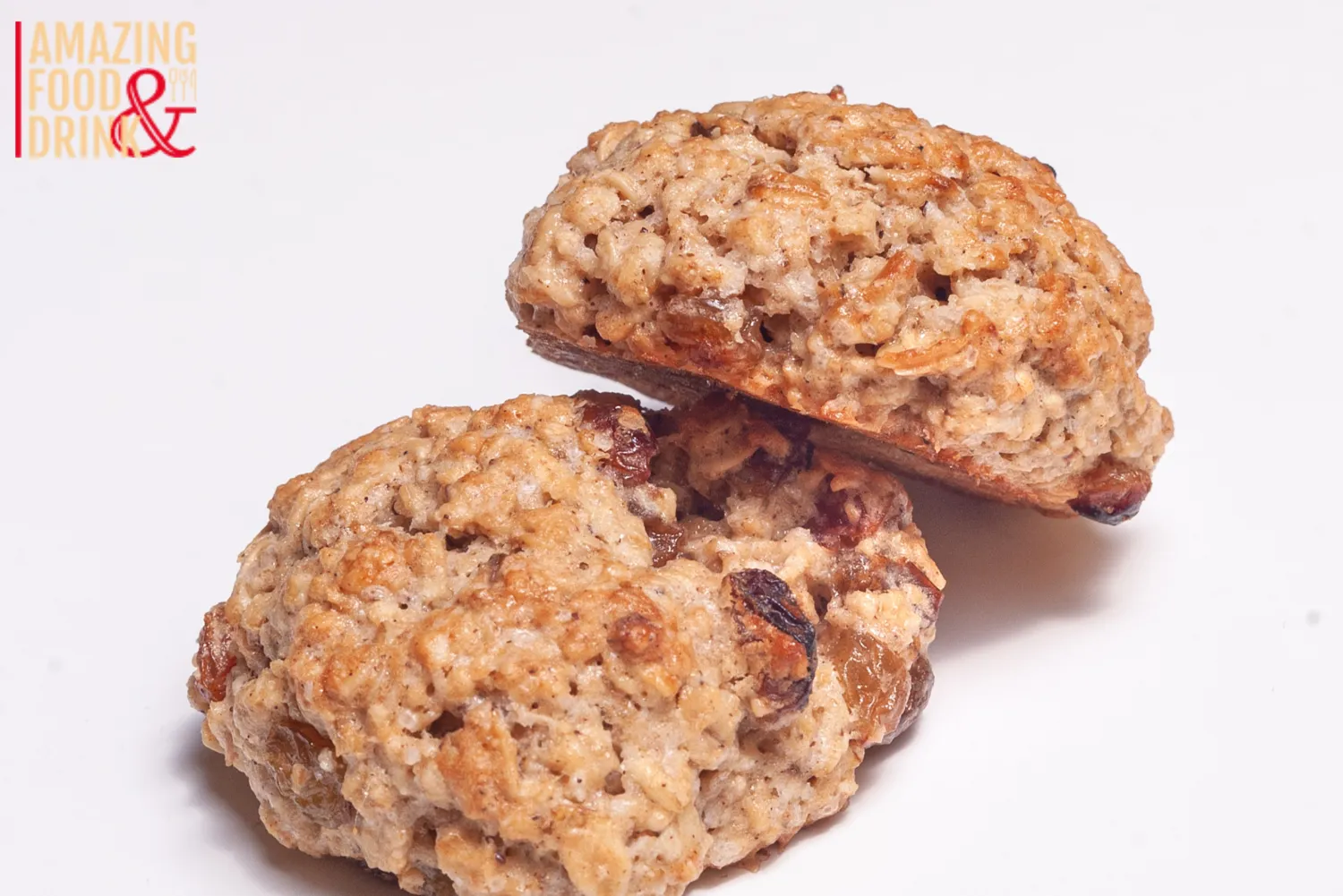
Strawberry Oatmeal Cookies
In this recipe, the gluten-free flaxseed replaces the eggs.
Ingredients
½ a cup of vegetable butter.
½ a cup of brown sugar.
½ a cup of cane sugar.
1 tablespoon of ground flaxseeds.
1 teaspoon of vanilla.
1 cup of gluten-free flour
1 teaspoon of baking soda.
2 cups of oats.
1 cup of fresh strawberries, cut into small pieces.
3 tablespoons of water.
How to prepare
Mix water with flaxseeds and leave for 5 minutes until they become gelatinous.
In another bowl, butter, sugar and vanilla are mixed, and then flaxseeds are added.
The next step is to add the flour, baking soda and oatmeal.
Continue mixing until the mixture is homogeneous together.
Put it on the tray and add the strawberries on top, then put it in the oven at 350˚ for 12–15 minutes.
To conclude, a lactose-free diet may help relieve several symptoms associated with lactose intolerance and bowel irritation. If you need to choose between a lactose-free diet and a low-lactose diet, it is preferable to speak with a specialist physician or nutritionist and prepare some of these delicious recipes.



 Eman Sameh
 Maha Yassin