Soup is a favourable dish to have anywhere around the world, and while there are some pretty common recipes of Egyptian Soups, some soups travel down from generation to generation. These delicious recipes are so varied, that they suit every season of the year.
It’s true that legumes are used widely in Egyptian cuisine, in soups as well, to accommodate for vegetarians and Christians fasting during the year. If Egyptians love something, they will use it in almost every meal they make, and yes soups included. They use the goodness of the land as well as some interesting ingredients to make the most delicious dishes.
There are various types of soups in Egypt, some of which are tied to certain seasons, whether seasons of the earth or holiday seasons and feasts. In almost every Egyptian feast you will find at least one type of soup, made using the protein served on the table along with the soup.
Whether it is warmth you seek, a hearty soup to fill your soul on a gloomy day, are on a budget or looking for a healthy dish to add to your diet, you’ll surely find what you’re looking for in this article.
Let’s get to know the best of Egyptian Soups!
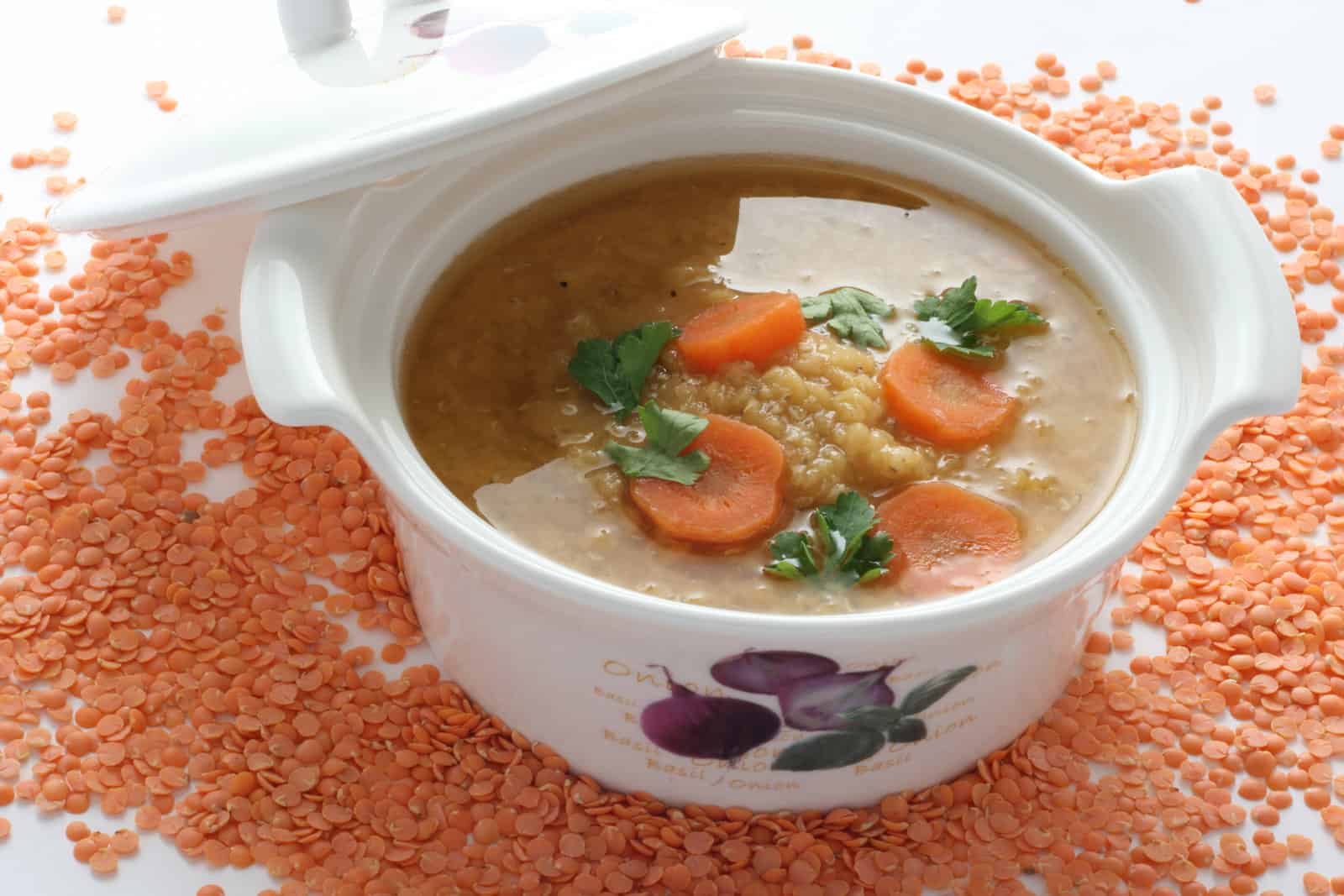
1. Quick Lentil Soup with Carrots:
Lentil Soup with Carrots
Carrots are great for you, in addition to helping you control blood sugar levels, they’re also proven to reduce the risk of diabetes. Good for your bones by being full of Calcium and Vitamin K, Potassium, Vitamin A, Vitamin C and Iron. Not to mention, carrots’ most prominent super power is actually true; they’re good for your eyes, especially yellow carrots which are rich in Lutein.
This warming soup is not only known in Egypt but also in many Arabian Cuisine. The soup is very similar to the traditional Egyptian Lentil Soup, which is full of different vegetables from your kitchen, but this time you’ll use only carrots, red lentils as well as some flavouring vegetables.
Recipe
Cooking Time: 30 minutes.
Ingredients:
I large onion.
2 cloves of garlic.
2 teaspoons of fresh ginger.
½ kilo of carrots.
1 cup red lentils.
2 cups chicken broth.
Salt.
Black pepper.
1 TBS vegetable oil.
Parsley leaves and yoghurt, for serving (optional).
How to make it:
Dice the onion, finely chop the garlic and add them both to the tablespoon of oil, in a pot on the stove. Then add the ginger.
Grate the carrots and add to the pot, season according to preference and stir everything well together, cook for 5 minutes.
Wash the lentils and add them to the mix, combine everything well together.
Add the chicken broth, when the mix comes to a boil, lower the heat.
Let cook until the lentils have absorbed the liquid.
Take off the stove, using a hand blender to whizz everything together.
Put back on the stove, bring to a boil, and then serve.
You can serve the Lentil Soup with Carrots with a dollop of yoghurt on top and a few leaves of parsley.
2. Lentil Soup with Green Onions:
Green onions, also known as Spring Onions are a great anti-inflammatory, they help lower cholesterol levels, boost your immunity, good for diabetes, good for your heart, help in keeping your intestines clean and they can even prevent cancer. That’s why green onions are usually known as the cheapest superfood you can find anywhere.
You might think that using lentils in different soups will make them all taste the same. However, lentils greatly absorb all the delicious ingredients you add to them, creating a unique and mouthwatering dish. This recipe also uses one of the most lovable greens in the Egyptian Cuisine; green onions, which they love to incorporate into their cooking, or by eating it raw alongside many dishes.
Recipe
Cooking Time: 1 hour.
Ingredients:
1 cup yellow lentils.
1 cup chickpeas.
1 medium sized carrot.
3 green onions, or you can use leeks if green onions aren’t available.
1 ½ litre of water.
¼ tomato salsa or tomato juice.
1 TBS of curry powder.
1 TBS raisins.
1 cup milk of choice.
2 teaspoons of grated ginger.
1 TBS olive oil, or butter.
Salt, to taste.
Fresh coriander for garnishing.
How to make it:
Add the chickpeas, the lentils, the carrot and 1 teaspoon of ginger to a pot with the water, and leave to cook until the chickpeas are cooked well.
In a small pan, roast the curry powder until it starts to release its aroma and lift off the heat before it burns.
In a small pot, add the olive oil or the butter, add the green onions, the remaining teaspoon of ginger, and the raisins and stir well. Cook well for a couple of minutes.
Add the tomato salsa to the green onion pot and cook for a couple of minutes before adding the curry powder to the salsa and mixing well.
Add the green onion and tomato salsa mixture to the other pot with the chickpeas.
Season with salt and add a cup of milk.
Leave the soup to cook as much as you want, the longer you cook it, the thicker it will become.
Your Lentil Soup with Green Onions is ready to serve with a sprinkle of chopped green onions and fresh coriander.
3. Rice, Oatmeal and Chicken Soup:
Oatmeal is known to be one of the healthiest fibre-filled foods that you can include in your diet. Perhaps one of the main reasons why many love to eat it is how filling it is. Oatmeal is packed with antioxidants, will ease constipation, keep blood sugar levels under control and helps in relieving skin irritations and itching
Many love oatmeal and it’s a very healthy ingredient to eat alone with some milk and honey, to use in healthy snacks because many see it has a bland taste. Oatmeal will suck all the goodness from anything you add to it, all while adding its unlimited healthy benefits and creaminess to the soup, making the end result anything but bland. This recipe is one you’re going to love!
Recipe
Cooking Time: 35 minutes.
Ingredients:
½ cup white rice.
2 chicken breasts.
¼ cup oats.
1 small onion.
5 cups of water.
1 lime.
3 cloves.
Salt and black pepper as preferred.
How to make it:
Cut the chicken breasts into small pieces, then add it with 2 cups of water and the cloves in a pot on the stove.
When the chicken pieces are cooked, chop and add the onion then add salt as you desire.
Wash and rinse the rice, then add it with the remaining 3 cups of water to the pot, and cover till the rice is cooked.
Roughly blitz the ingredients using a hand blender.
Put the pot back on the stove, and then you can add the oats. If the texture is too thick, you can use additional water to lighten it up.
Add black pepper and the lime juice, as desired.
Your refreshing and creamy soup is ready to be eaten right out of the pot, I promise you won’t be able to wait.
4. Cabbage and Basil Soup:
Basil is known for its anti-inflammatory features, which help in avoiding and easing many diseases such as heart disease, arthritis and bowel problems. It also helps you in the fight against infections, good for your mental health as well as containing many nutrients such as Calcium, Vitamins A and K, Iron, Zinc, and Potassium just to name a few.
One of the many things distinguishing Egyptian Cuisine is the unlikely mixing of ingredients. Yet, the outcome is always tasteful. This soup is one of those mixes, despite the fact that both cabbage and basil are used widely in the Egyptian Cuisine, but not many dishes actually combine the two together. Another common dish that sees the mixing of these two is the mixture used to make Mahshy or stuffed vegetables, where many add chopped basil to the leafy greens of the mixture, to add a fresh touch.
Recipe
Cooking Time: 40 minutes.
Ingredients:
1 medium sized cabbage.
1 TBS chopped basil.
4 medium sized tomatoes.
2 green chilli peppers, you can choose regular green peppers if you don’t want the heat.
6 small onions, green onions are preferred.
6 cloves of garlic.
2 TBS tomato salsa.
2 cubes of chicken stoke, or you can replace them with 1 cup of chicken broth.
1 ½ litre of water.
Salt as desired.
How to make it:
Chop and add all the ingredients into a large pot with the water.
When all the vegetables are cooked, take off the heat.
Let the soup cool down before blitzing everything together.
Put on the heat again, and add the chicken stoke cubes or the chicken broth.
Season it with salt as you want.
You’re ready to enjoy this tasty and healthy soup!
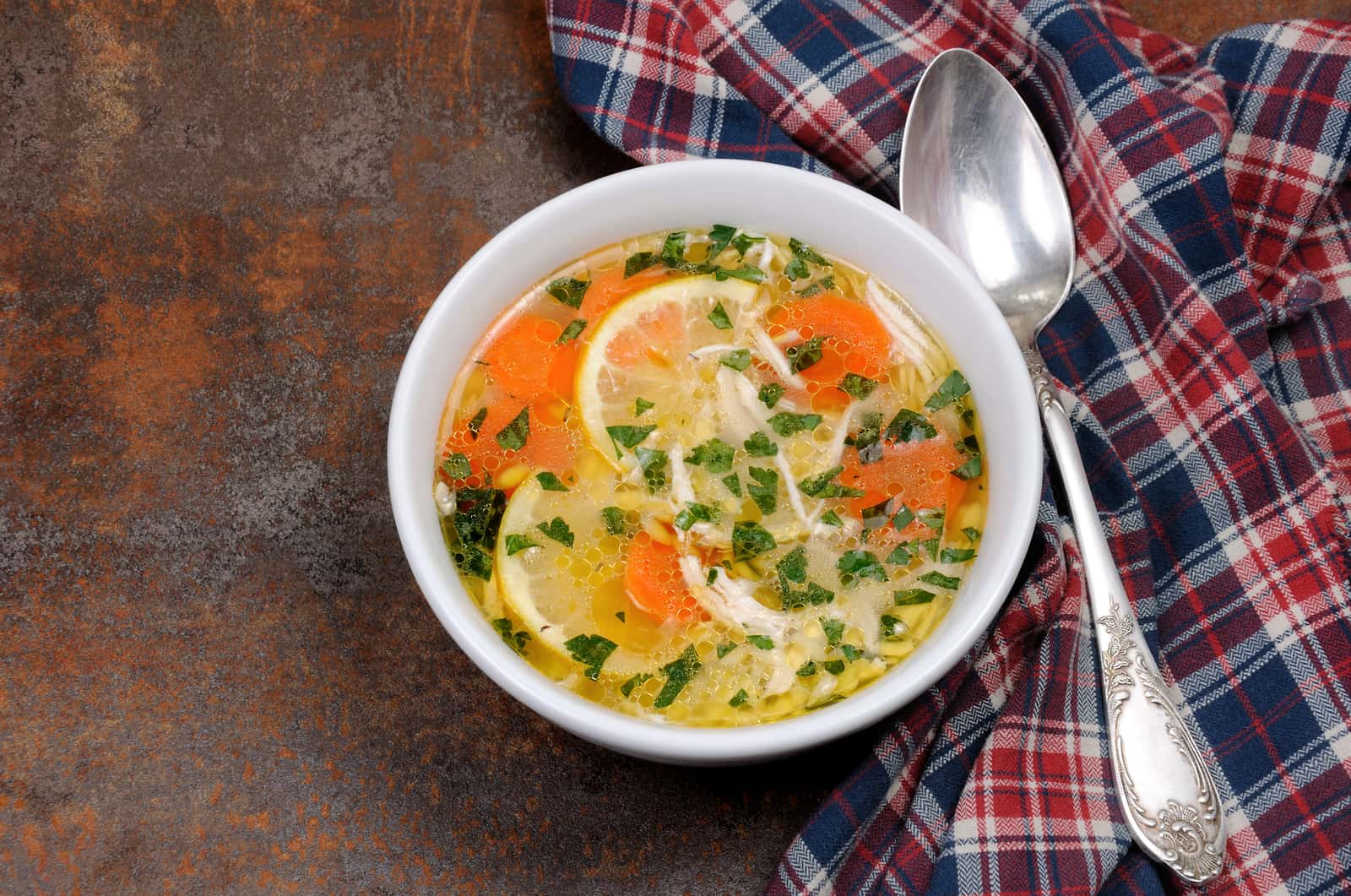
5. Lesan Asfour (bird’s tongue) with Vegetables Soup:
Orzo Soup
Lesan Asfour or the bird’s tongue is the Egyptian name for the Orzo shape of pasta. Why this funny name? Well, it’s sort of obvious, the pasta looks like the tongue of a bird. This pasta shape is used in many dishes in Egypt, where it’s mainly toasted in a spoon of oil and then added to soups for thickening; since like all pasta, Orzo will absorb the deliciousness it’s cooked in.
This is one simple recipe for soup using Orzo!
Recipe
Cooking Time: 30 minutes.
Ingredients:
½ cup of Orzo.
1 medium sized onion.
4 cloves of garlic.
½ cup chopped zucchini, into cubes.
½ cup oven roasted aubergine.
¼ cup fresh button mushroom, sliced.
¼ cup chopped parsley.
1 cup red and yellow peppers, chopped.
¼ cup soy sauce.
3 cups of water.
2 teaspoons olive oil.
1 teaspoon green chilli pepper, optional.
Salt and pepper, as desired.
How to make it:
In a non-sticking pan, add the oil, the chopped onions, garlic, the green chilli, the mushroom, the coloured peppers and the zucchini and roast everything together.
Add the aubergine, and the soy sauce, and season as desired.
Add the Orzo, then the chopped parsley and mix everything well together.
Add the water and let the soup simmer on low heat, until the Orzo is cooked.
Serve hot and bubbling!
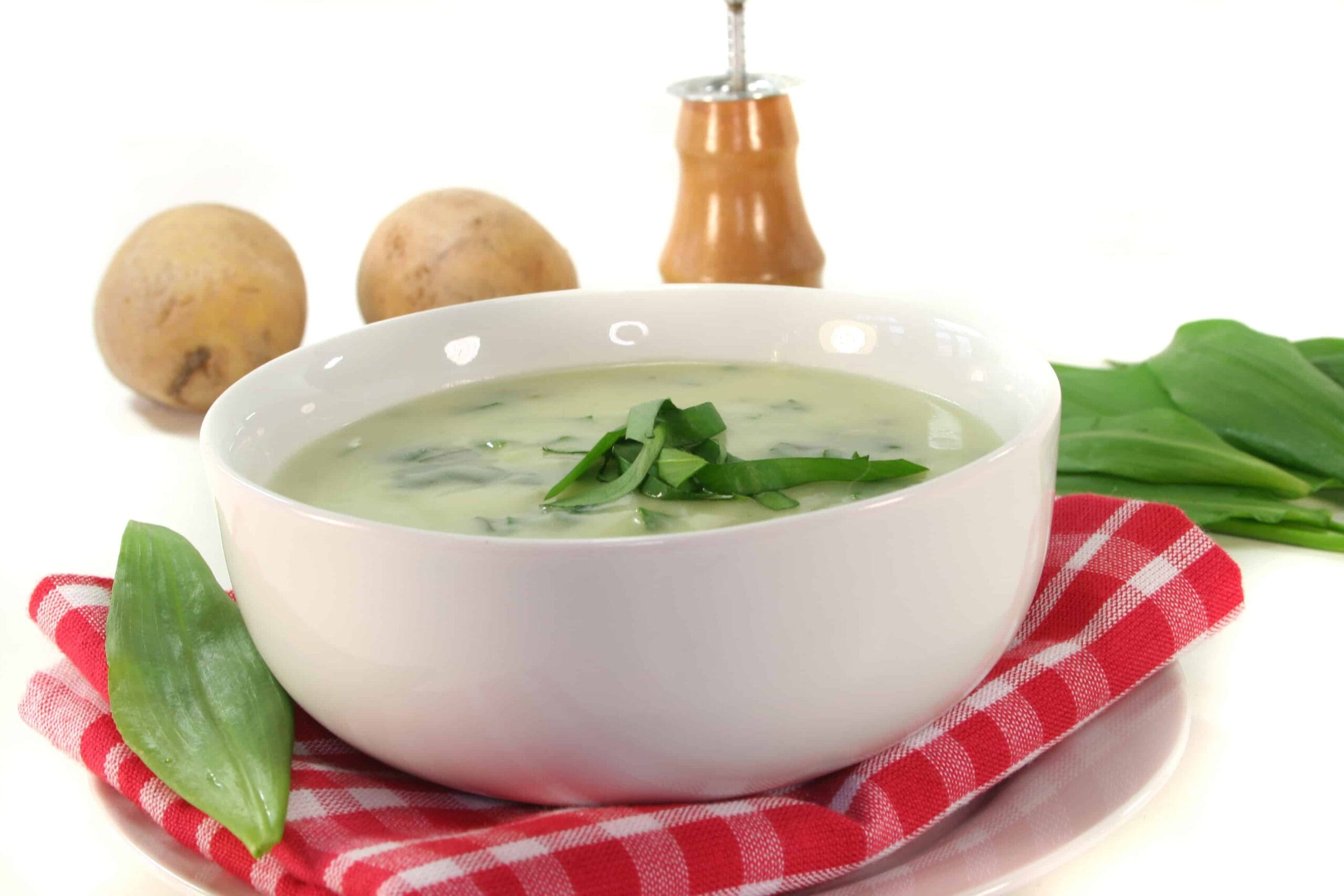
6. Garlic Soup:
Garlic Soup
Garlic is a powerful immunity booster since it helps in battling against many of this era’s diseases such as high blood pressure and the antioxidants in garlic can help in preventing Alzheimer’s disease and dementia. These are only a couple of the benefits of this smelly vegetable, and some of them are still under scientific study.
What’s for sure though is that garlic is almost indispensable in the majority of dishes not only the Egyptian Cuisine but in the world cuisine in general. You might not always be able to taste the strong taste of garlic in the food you’re eating, but without it, most likely the food will have little to no taste.
So here’s a soup recipe, just for the love of garlic.
Recipe
Cooking Time: 20 minutes.
Ingredients:
5 cloves of garlic, crushed.
1 TBS tomato salsa.
1 cube of chicken stoke.
Salt and black pepper, as desired.
2 cups of water.
1 TBS chopped parsley.
How to make it:
Add the water to a medium sized pot on the heat, until it starts to boil.
Add the cube of chicken stoke, followed by the garlic and season to your taste.
When the aroma of the garlic starts to fill the room, add the tomato salsa and let the soup simmer.
Serve with a sprinkle of chopped parsley on the top. A slice of toasted garlic bread, to dip in, will be impeccable.
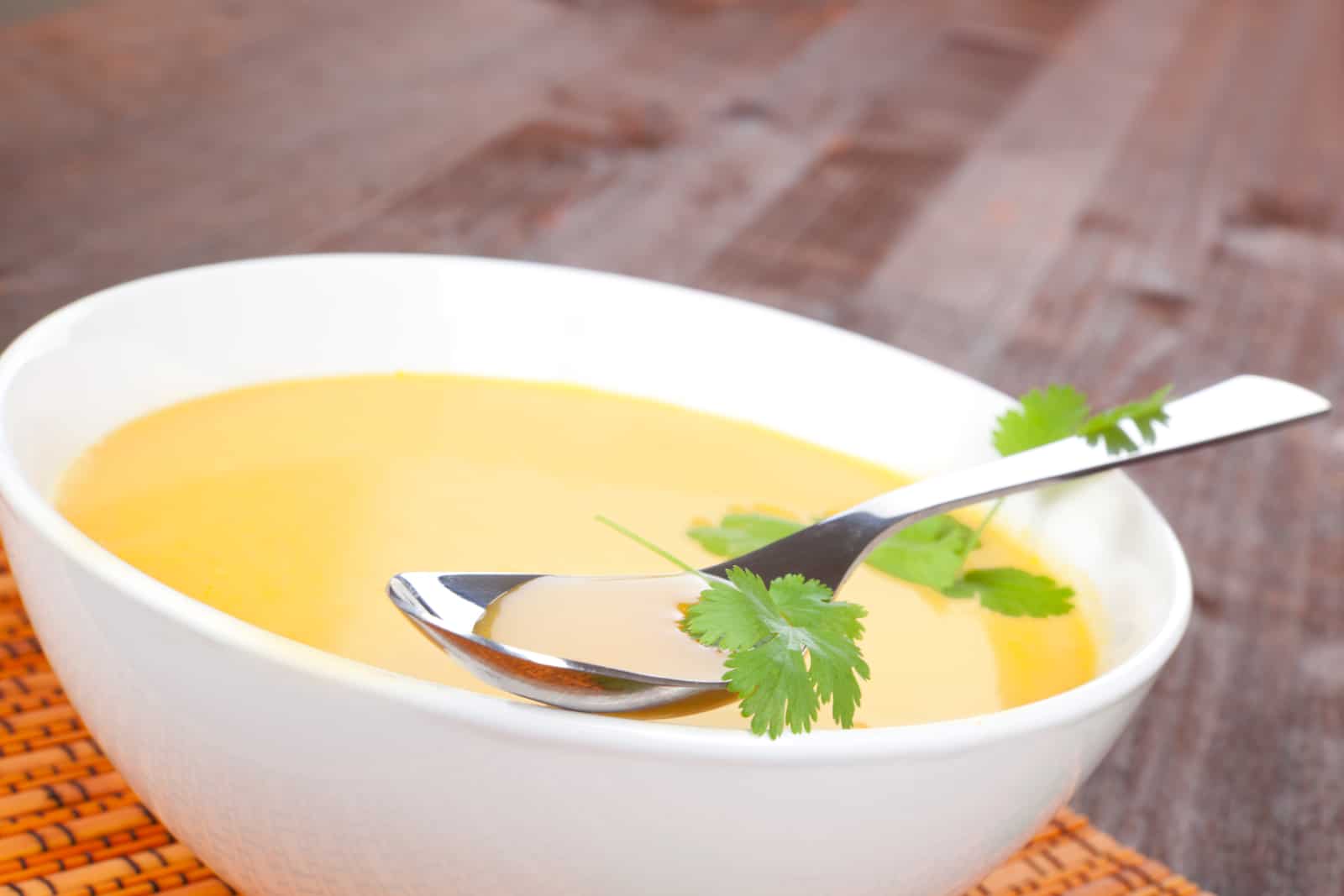
7. Carrot Soup with Curry:
Carrot Soup
Carrots and curry go well together, carrots are delicious to eat raw and cooked. They are filled with beta-carotene and vitamin A, which can help in lowering the risk of getting diabetes, they can help you control your blood sugar levels and strengthen your bones with tonnes of calcium and vitamin K.
Somehow both carrots and curry enhance the flavour of one another, the curry brings out the sugary taste of the carrots, while the carrots help in highlighting the earthly warmth of curry. Even though curry is mostly associated with Indian Cuisine, this soup from the Egyptian one promises tastefulness and good feels.
Recipe
Cooking Time: 20 minutes.
Ingredients:
5 medium sized carrots, chopped.
1 medium sized onion, chopped.
½ cup milk.
2 cups of water.
2 teaspoons of curry powder.
1 TBS chopped parsley.
Salt and pepper as desired.
How to make it:
In a medium pot, add the carrots, the onion and the water. Leave until the ingredients are cooked.
Add the curry and mix well before seasoning with salt and pepper.
Add the milk and let the soup come to a boil.
Take the pot off the heat, and let it cool before blitzing everything together.
Put the pot back on to reheat the soup then serve.
Add a generous sprinkle of chopped parsley to your soup and enjoy!
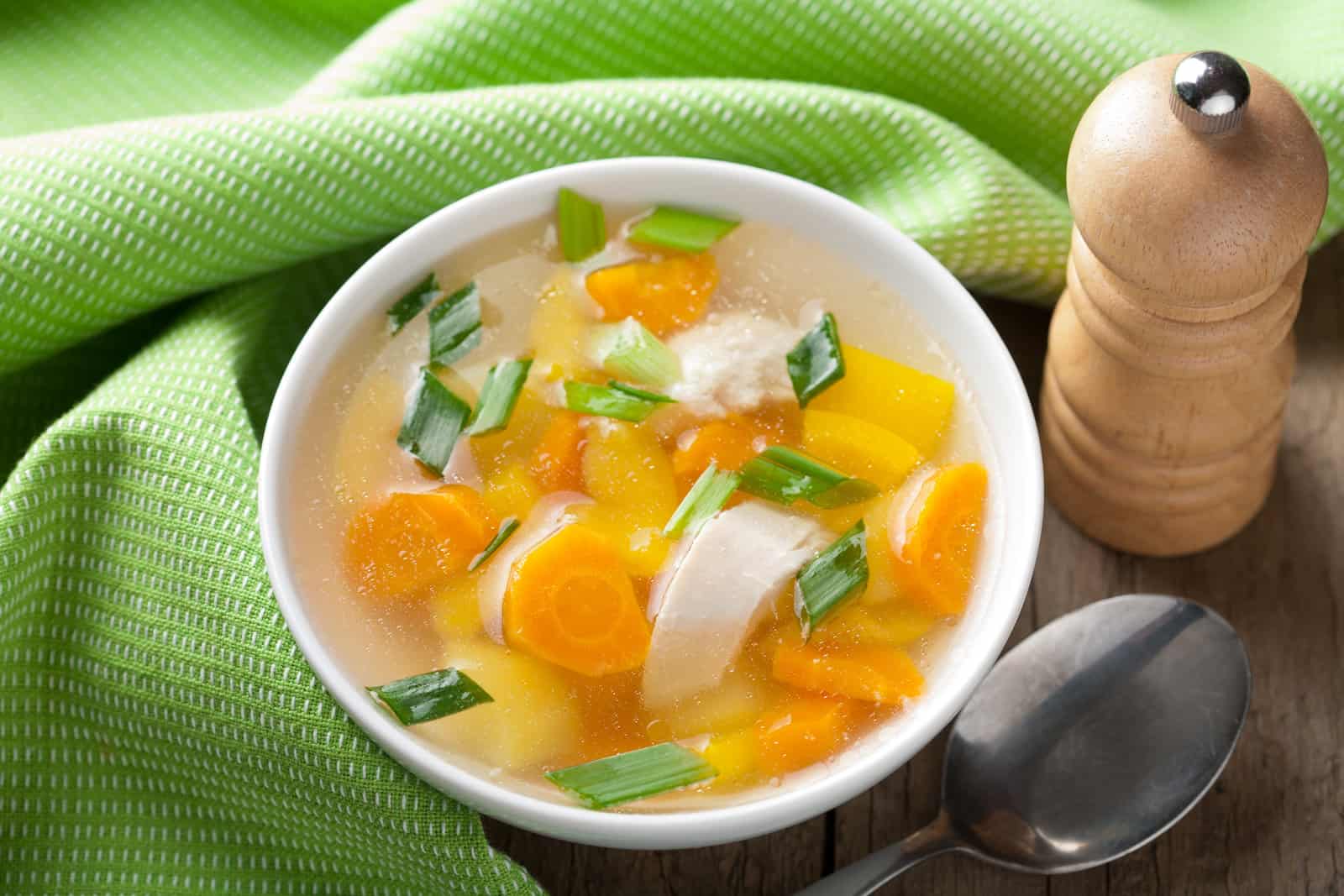
8. Hot Soup with Chicken:
Chicken soup is one of the most popular soups in Egyptian Cuisine, there are even some interesting myths regarding chicken soup. They say if you have a cold, all you need to do to boost your immunity is to have some chicken soup, for a couple of days and you’ll be all good. Our mothers used to say, there’s nothing chicken soup can’t do!
What happened in reality actually proves these myths about chicken soup, so generation after generation, we’ve held onto our tradition regarding this soup and whenever someone has a bad cold or needs a good boost to their immune system, the chicken soup comes right at the top of the list. Chicken soup or broth to be exact is also the most commonly used broth in Egyptian Cuisine.
Recipe
Cooking Time: 50 minutes.
Ingredients:
2 chicken breasts.
½ cup of rice, soaked in water for 15 minutes.
1 ½ litre of water.
½ cup parsley.
1 teaspoon of mixed spices.
½ teaspoon ground cardamom.
½ teaspoon ground ginger.
Salt to taste.
Oil for frying.
How to make it:
Brown the chicken breasts in 2 TBS of oil until they’re golden.
Add the mixed spices with 1 ½ teaspoon of salt, the ginger and cardamom.
Cover with the water, then leave until the chicken is fully cooked.
Add the rice and parsley, and wait until the rice is cooked.
Lightly whizz everything together, and keep some pieces of chicken intact.
Lightly sprinkle with some chopped parsley when serving.
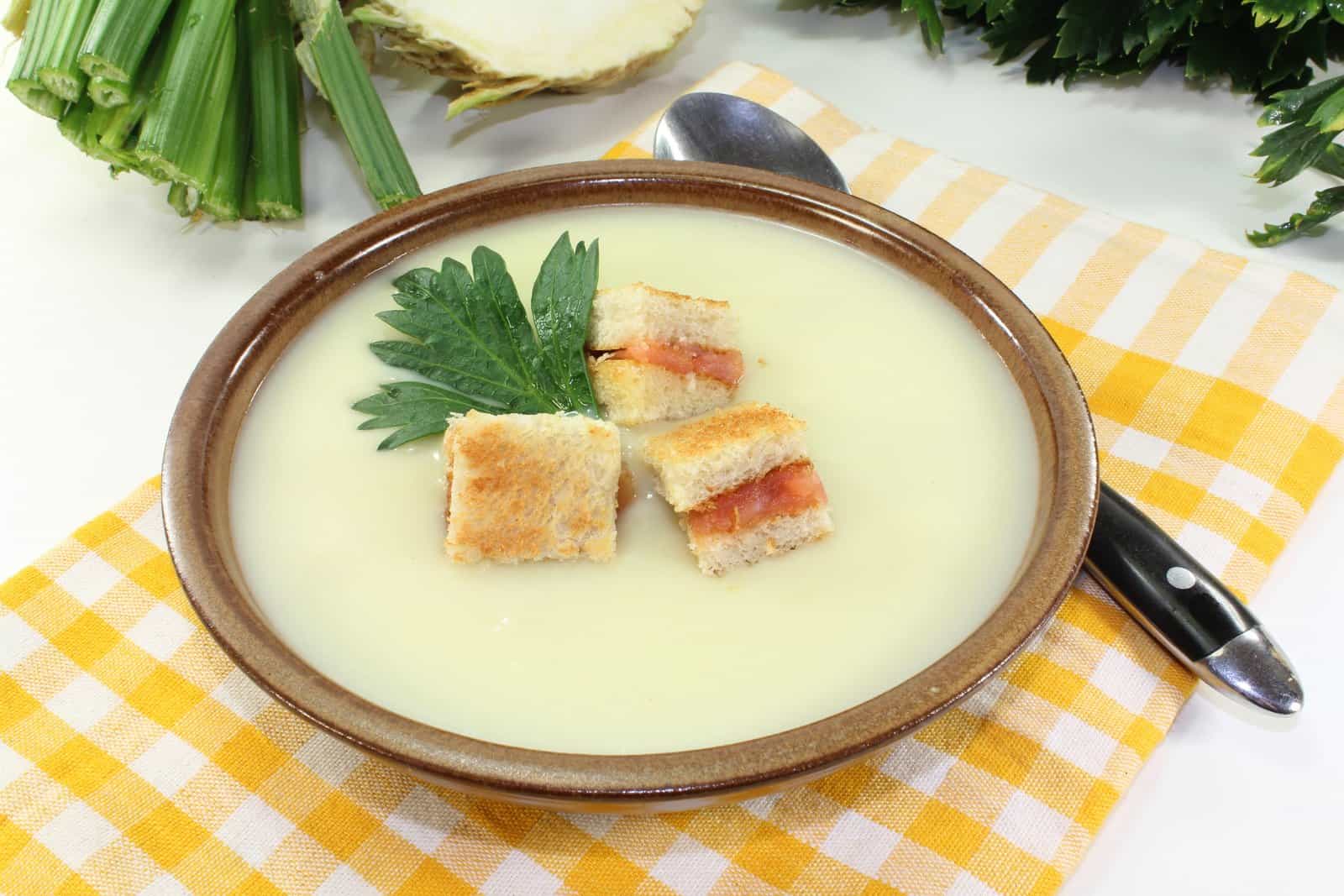
9. Celery Soup:
Celery Soup
Greatly incorporated in many of the vegetarian dishes in Egyptian Cuisine, celery is packed with nutrients and has only recently begun to get worldwide attention. A great anti-inflammatory, good for your memory, your heart, and your digestive system and can help you in managing your blood sugar levels. These are just a few of the benefits of celery.
Most recently celery has been used widely in detoxifying and nutritious juices. Blitzed with apples to counteract the swivel of the bitterness of celery, you’ve got yourself a very beneficial juice that is packed with immunity boosters that will help in flushing out toxins from your body as well as provide great hydration for your body, just to name a couple of benefits of this juice.
This is one recipe to enjoy the benefits of this underrated vegetable.
Recipe
Cooking Time: 30 minutes.
Ingredients:
3 medium sized carrots, grated.
2 celery sticks, finely chopped.
1 medium sized onion, chopped.
3 TBS vegetable oil.
4 cups chicken broth.
1 cube chicken stoke (can be removed).
½ teaspoon cumin.
½ teaspoon black pepper.
½ teaspoon curry.
Salt to taste.
How to make it:
In a large pot, add the vegetable oil and the chopped onion.
When the onion is golden brown, add the grated carrots and chopped celery.
As the vegetable welt, add the chicken broth and cube of chicken stoke if you have it.
When all the ingredients are well cooked, add all the seasonings, and salt to taste, and let it simmer to combine everything.
If you’d like, you can add a spoon of yoghurt upon serving, would be great with a slice of roasted toast as well.
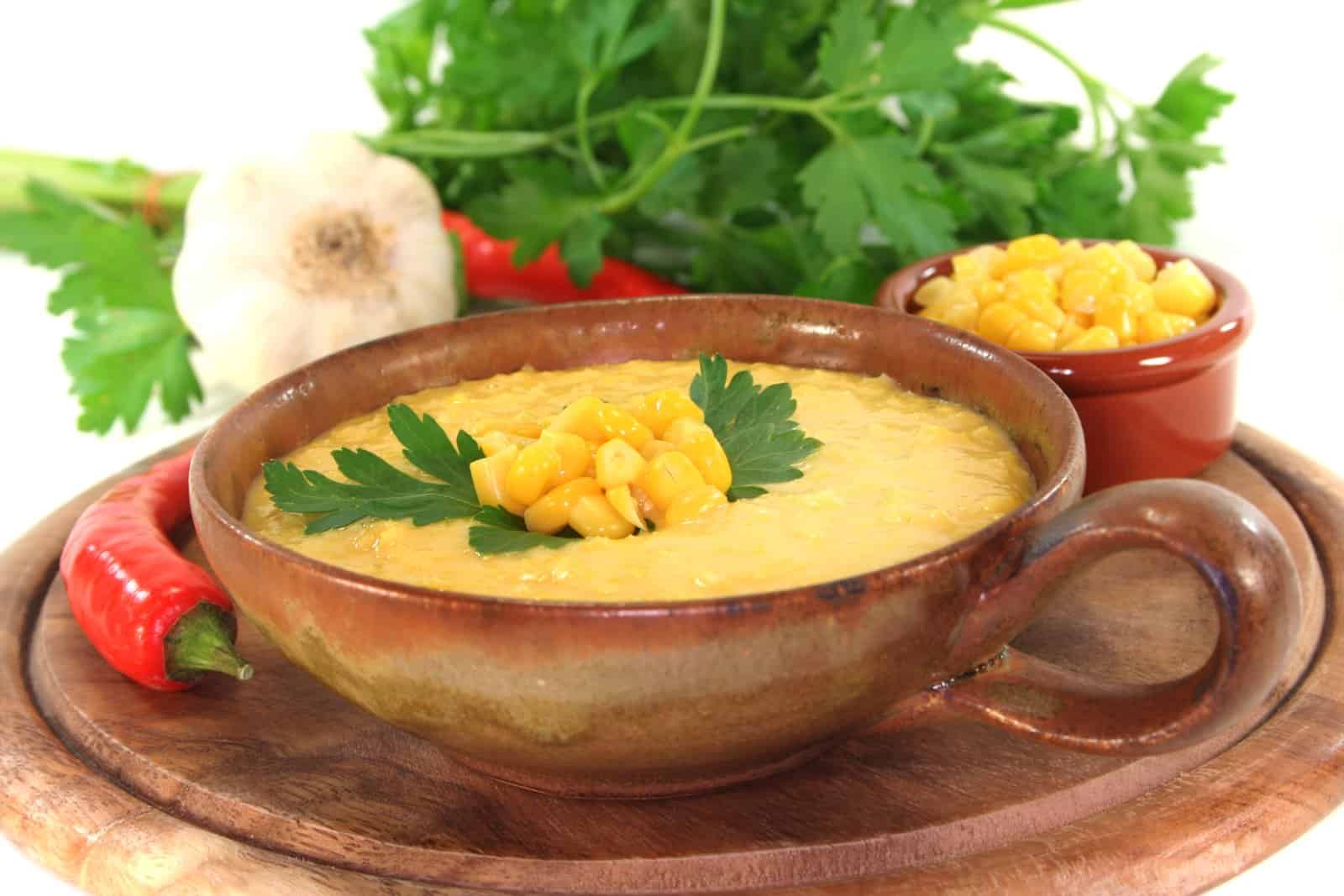
10. Corn Soup with Cream:
Corn Soup
Even though corn tastes earthy and tasteful on its own, cream somehow adds thickness and richness to its taste. Corn is also great to snack on or incorporate into your dishes, from salads, and pies to one pot recipes. Enjoying this vegetable and maximizing its taste doesn’t need much thinking. Corn is packed with Vitamin C, and antioxidants and is the perfect remedy for all diseases related to eye health, can help in driving away diseases such as heart disease and cancers.
Egyptians love to eat grilled corn on the cob, found everywhere both on the chilly winter nights and summer evenings, where they’re grilled in a small oven in the street. The sweet taste of these cobs somehow fills you with hope.
This recipe is an easy one to make and enjoy.
Recipe
Cooking Time: 50 minutes.
Ingredients:
3 cups precooked corn.
1 cup cream.
1 medium sized onion, chopped.
2 cups chicken or vegetable broth.
1 TBS regular flour.
2 TBS vegetable oil.
1 teaspoon salt.
1 teaspoon pepper.
How to make it:
In a large pot, brown the onion in the vegetable oil.
Add the flour, the corn and the cream, and mix everything together well until the flour is dissolved.
Add the broth, season with salt and pepper, and let simmer for 10 minutes.
Blitz everything together using the hand blender, then let it simmer for 10 more minutes.
Serve hot with some cooked corn added on top for garnish!
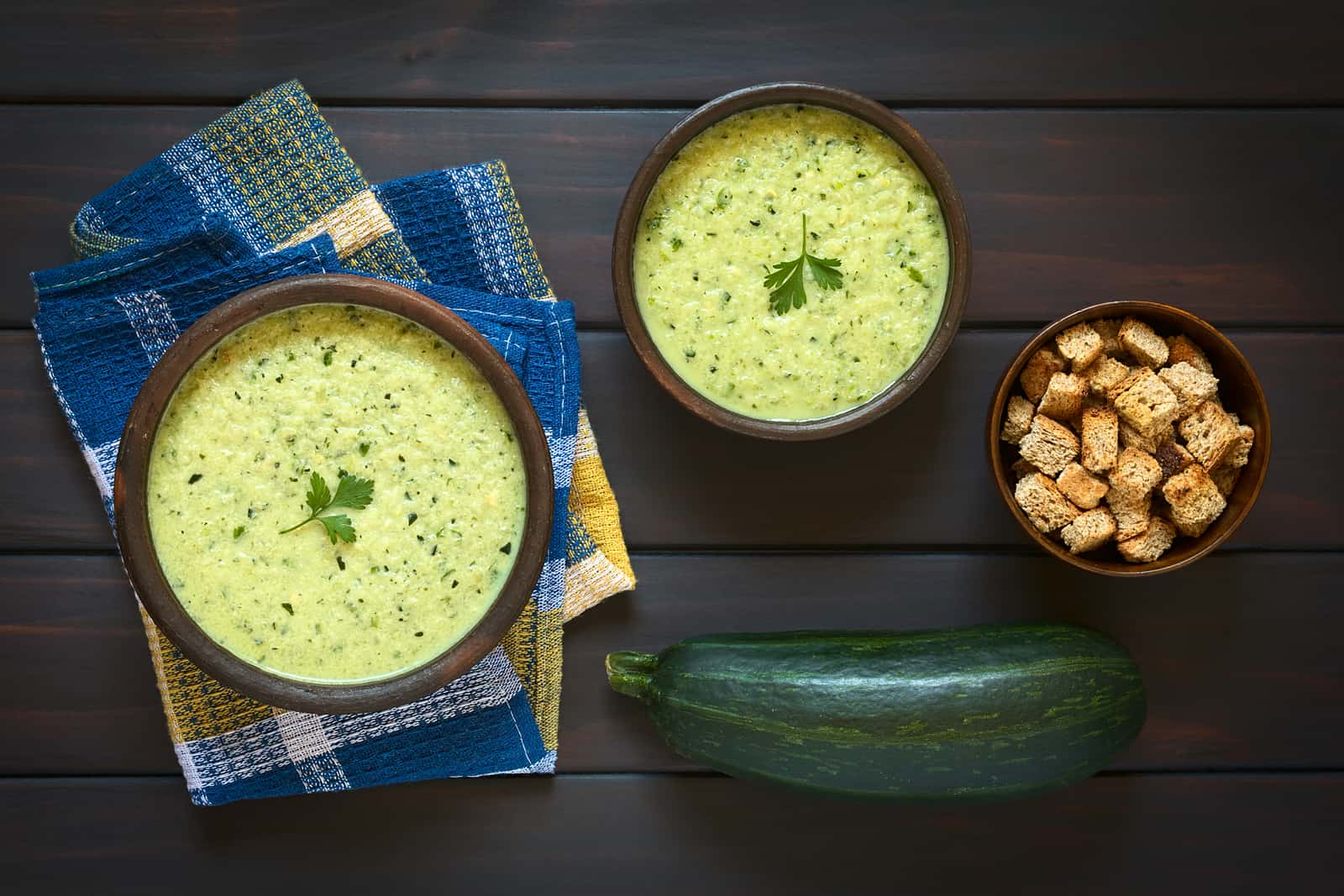
11. Zucchini and Oatmeal Soup:
Zucchini and Oatmeal Soup
Admittedly, zucchini is not a favourite vegetable for kids; they aren’t attracted to its light earthly taste, they say it tastes really green. However, soup is always a great way to encourage children to take part in the kitchen, as well as incorporating some of the vegetables they don’t like to see in the food, but only eat.
Zucchini is rich in antioxidants, and nutrients, aids digestion, is good for your vision, and your heart, said to help reduce blood sugar levels as well as help in losing weight. So let’s get to making this yummy soup to enjoy the unlimited benefits of both zucchini and oatmeal.
Recipe
Cooking Time: 40 minutes.
Ingredients:
2 large zucchinis, cut into circles.
1 medium sized carrot, chopped into small cubes.
1 medium sized onion, finely chopped.
3 TBS oatmeal.
4 cups of water.
½ cup milk, low fat preferred.
1 clove of garlic, can be replaced with ¼ teaspoon of garlic powder.
1 clove of cardamom.
1 bay leaf.
1 TBS chopped parsley.
1 TBS chopped celery.
How to make it:
In a non-sticking pot, add the onion and garlic and saute for a minute before adding the zucchini, the carrot and the celery.
Season with salt and black pepper and combine everything together well.
Add the cardamom and bay leaf before adding the water.
Let the mix simmer for 10 minutes.
Remove the bay leaf and cardamom clove, then add the parsley and the oats and let cook for a few more minutes.
Take off the heat, and use the hand blender or the mixer to puree the soup.
Put back on the heat, add the milk and stir well.
Take off the heat, and serve with a few leaves of fresh parsley garnishing the top of this surprisingly delicious green soup.
12. Cabbage and Celery Soup:
Cabbage and celery might sound a bit bitter for some, but they both taste surprisingly good, especially when cooked. They offer great health benefits when added together as well. They are both incorporated into Egyptian Cuisine separately but they blend together in this easy to make and delicious soup.
The benefits of cabbage are unlimited, packed with nutrients, Vitamins C and K, good for digestion, good for your heart, and may lower both blood pressure and cholesterol levels.
Recipe
Cooking Time: 40 minutes.
Ingredients
1 medium sized green or white cabbage, roughly chopped.
1 pack of celery, chopped.
4 medium sized tomatoes, diced.
6 small onions, spring onions preferred, chopped.
6 medium cloves of garlic, sliced.
2 green chilli peppers, optional.
2 TBS tomato juice.
1 litre water.
2 cubes of chicken stoke, if you have them.
Salt, to taste.
How to make it:
Add the water to a large pot, and add all the vegetables.
When the vegetables have cooked, take off the heat and let the soup cool.
Blitz everything together.
Put the pot back on the heat, and add the cubes of chicken stoke and salt to taste.
Let simmer for 10 minutes before serving.
A spoonful of chopped spring onions is great to add on the top of this heart-filling soup!
13. Sweet Corn Soup:
Sweet Corn Soup
Can you believe the sweet taste of this type of corn is due to a genetic mutation that controls the transformation of sugar into starch in the heart of the corn? Either way, sweet corn is widely enjoyed whether by eating it on the cob, by grilling or boiling it, smothering it with butter and a light sprinkle of salt, or by enjoying the cob right after boiling it, sweet as it is.
Corn in general has many health benefits, it’s good for treating Anemia, rich in Folic Acid, Iron, and Vitamin B12, good for your energy levels, boosts digestion, good for your vision, diabetes, cardiovascular health and the fibre in the sweet corn works great in lowering cholesterol levels.
Let’s get to making this benefit and deliciousness packed soup.
Recipe
Cooking Time: 50 minutes.
Ingredients:
1 can of sweet corn.
1 cup of chopped carrots.
½ cup chopped cabbage.
2 cups chicken or vegetable broth.
1 TBS corn starch.
½ teaspoon sugar.
1 teaspoon salt.
½ teaspoon black pepper.
How to make it:
Add the broth to a large pot on the stove, when it comes to a boil, add the corn.
When the corn starts to cook, add the carrots and cabbage and leave until the vegetables have cooked completely.
Take off the heat and blitz with the hand blender, season with the salt, and black pepper and add the sugar.
Finally, add the starch and mix well with the soup.
Put the soup back on the heat for a quick simmer.
Add some corn kernels on the top and grab a seat to enjoy!
14. Tomato Soup with White beans:
Tomato Soup with White Beans
A rich source of fibre, protein and fat-regulating alpha-amylase, white beans are also loaded with antioxidants. White beans take some time to cook, this is probably why not many people prefer cooking them. However, they are very delicious and are even considered a superfood by the American Diabetes Association, due to the tonnes of nutrients.
White beans can also be used as a substitution for potatoes in many dishes since they offer the same creaminess and richness potatoes offer.
Recipe
Cooking Time: 1 ½ hour.
Ingredients:
1 cup white beans.
2 medium sized tomatoes, peeled and juiced.
1 medium sized onion, finely chopped.
1 carrot, chopped.
3 cloves of garlic, minced.
3 TBS olive oil.
1 teaspoon dried rosemary.
1 teaspoon tomato salsa.
Salt and black pepper, to taste.
2 litres of water.
How to make it:
In a large pot, saute the onion and garlic in the olive oil.
Add the beans, the carrot, the rosemary, the tomato, and tomato salsa.
Stir everything together before adding the water.
Season well with salt and black pepper, and leave until the beans have cooked completely.
Serve with a few shreds of colourful carrots.
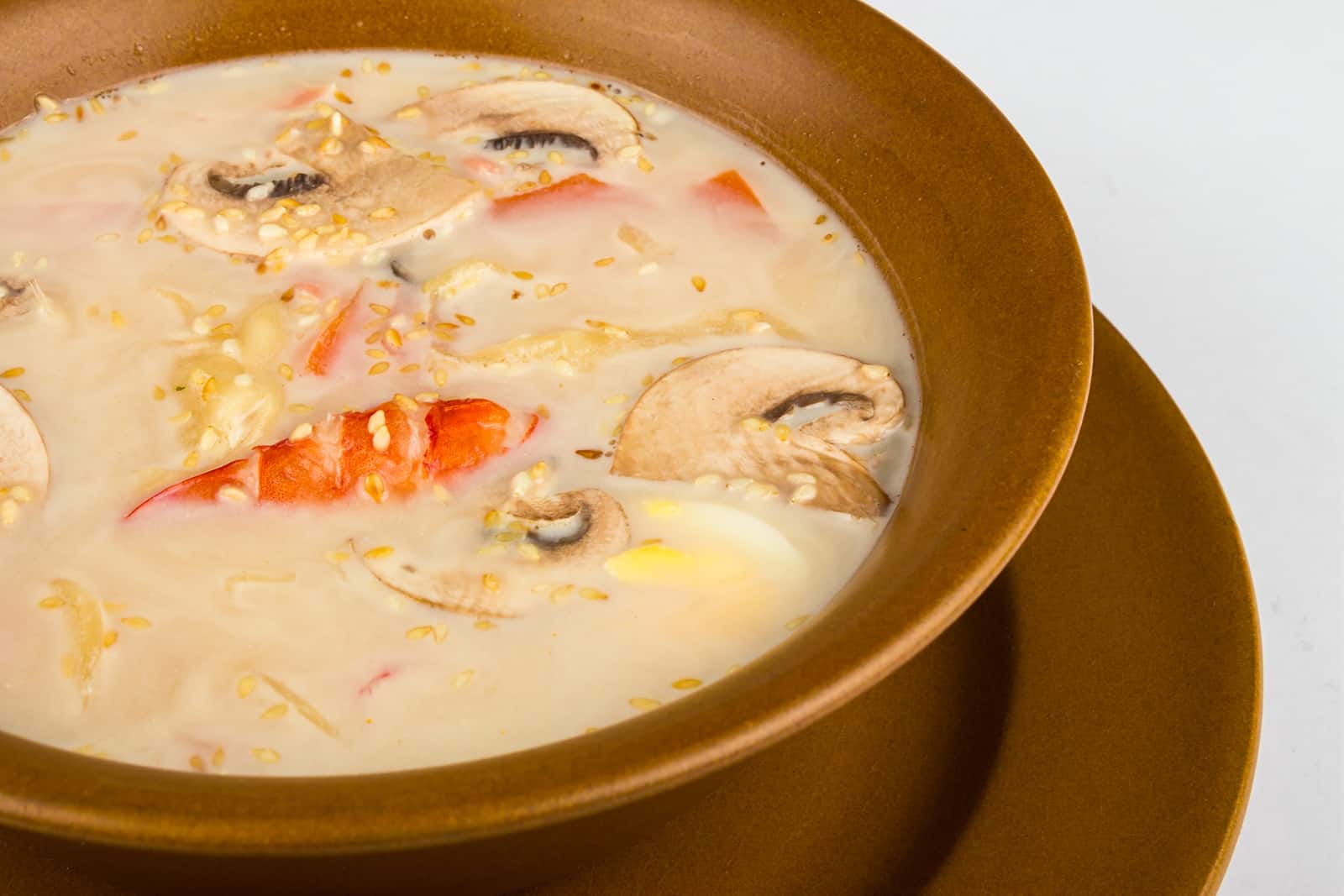
15. Seafood and Mushroom Soup:
Seafood and Mushroom Soup
While different seafood dishes have their roots in the Egyptian Cuisine, mushroom on the other hand is still gaining popularity only recently. This meaty vegetable didn’t get its reputation only as being a great substitute for meats, but also it absorbs sauces, gravies and all sorts of dipping.
Mushrooms are low in calories but offer great amounts of fibre, antioxidants and protein. Studies have shown that mushrooms can help in reducing the risk of many diseases such as heart disease, Alzheimer’s, diabetes and even cancer.
On the other side, seafood is also a great protein that has a low level of saturated fats and is most importantly rich in Omega-3 fatty acids, since the body cannot produce these important fatty acids on its own. They are essential for the structure of our body cells and they make sure that each part of our body works as it should.
This recipe is dedicated to the incomparable deliciousness of combining seafood with mushrooms.
Recipe
Cooking Time: 1 hour.
Ingredients:
1 cup button mushrooms, chopped.
1 cup shrimps, with the scales.
1 cup calamari.
2 small crabs.
3 TBS olive oil.
1 TBS regular flour.
1 cup cream.
3 cups of water.
1 medium sized onion, finely chopped.
2 cloves of garlic, minced.
1 teaspoon salt, black pepper and paprika.
How to make it:
Wash and peel the shrimps, add the shrimp scales in 3 cups of water.
In another pot, saute the onion and garlic in the olive oil.
Add the mushrooms to the onion and garlic, then the calamari, followed by the shrimps and the crabs.
Stir well then add the water of the shrimp scales.
Add the flour and mix well with the ingredients before adding the cream.
Season with salt, black pepper and paprika.
Leave to simmer on low heat for 10 minutes then serve.
This soup doesn’t need any garnish, it’s so delicious it won’t last this far to be honest!
16. Corn Soup with Chicken:
We’ve known that chicken broth is the most commonly used broth in the Egyptian Cuisine, not only for its great taste but also for its various benefits for the health. Combining corn with chicken creates almost a natural blend of flavours, that you’re surely going to enjoy.
Corn on the other hand is a widely used legume in Egyptian Cuisine, different types of corn also dictate different uses and gives different flavours, all with the great nutrients it contains. Chicken is considered a lighter source of protein in comparison to meat, with less fat and definitely less cholesterol.
Recipe
Cooking Time: 30 minutes.
Ingredients:
1 cup chicken breast, skinless, poached and cut into cubes.
3 cups chicken stoke.
1 cup milk.
1 TBS lemon juice.
1 TBS corn starch.
1 teaspoon soy sauce.
1 egg.
3 TBS water.
How to make it
Drain the liquid from the corn, add with the chicken, the chicken stoke, the milk and the lemon juice in a medium sized pot, and leave them until they boil.
Dissolve the corn starch in the water, then add to the pot.
Use a hand blender to whizz everything, and leave it to boil.
Add the soy sauce and the egg then whizz again with the hand blender.
Leave to simmer for 5 minutes then serve.
If you’ve got a few kernels, they’d be great to add on top as a garnish, or perhaps some fresh leaves of parsley or fresh coriander.
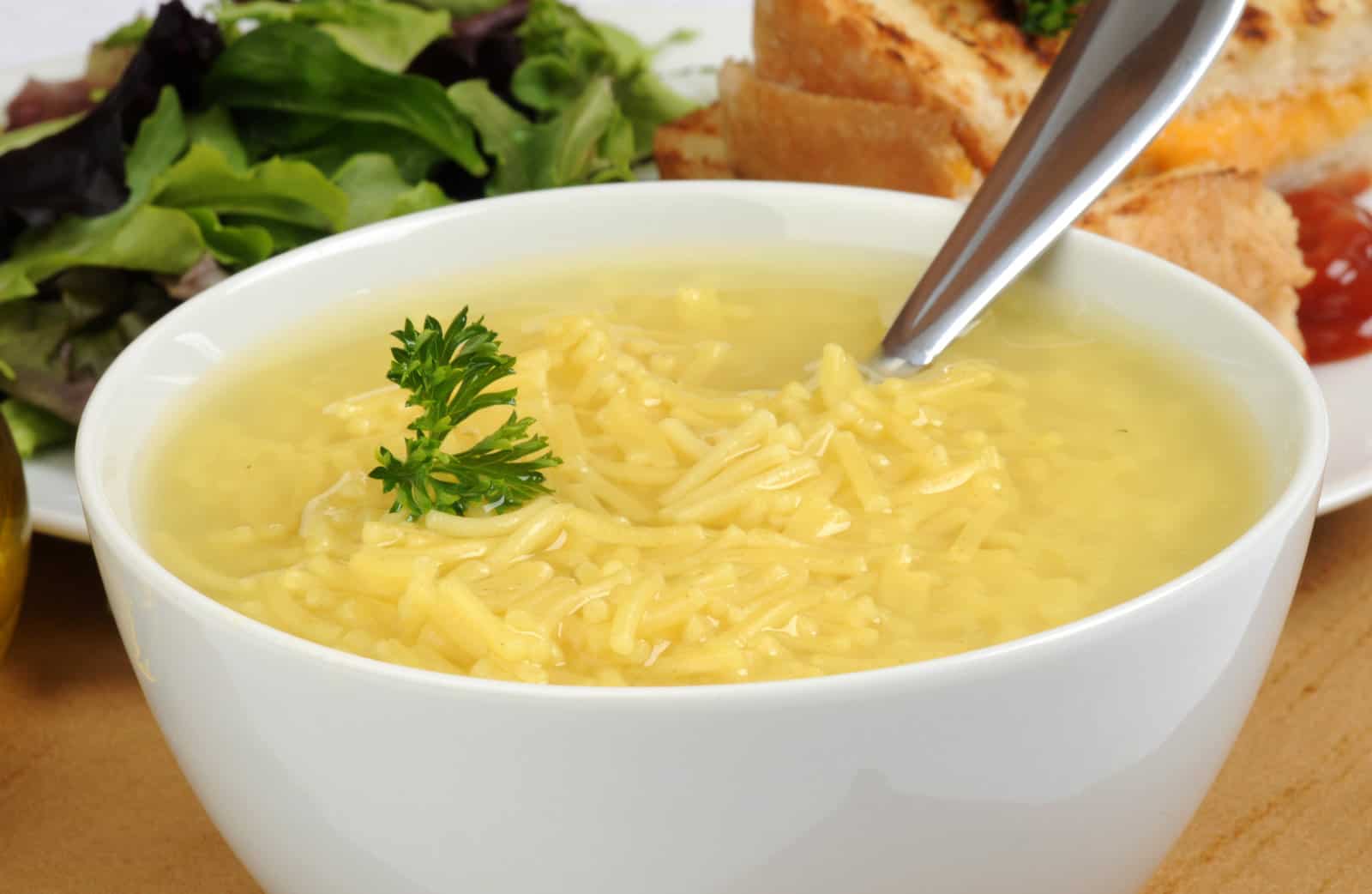
17. Shorbet Shea’reya (Fideo Soup):
Like Orzo, this type of small sized pasta is used in various dishes, many of them are types of soups, but with the varying ingredients, the taste of the pasta also differs. This soup is also served in many countries around the world, from east to west. It can also be made using broth made with protein, or vegetables or sometimes plain water. There’s a sweet type of this soup, where milk is used instead and is considered a form of sweet soup.
This particular pasta shape is commonly paired with rice, where you toss the pasta with a tablespoon of oil, when it becomes golden brown you add your rice and water and season with salt, to make the famous Roz bel Shea’reya or Rice with Fideo. This is considered another example of everyday rice in Egypt, not something unusual!
This recipe is a basic Shorbet Shea’reya!
Recipe
Cooking Time: 40 minutes.
Ingredients:
2 cups different veggies, whatever you have available, chopped.
1 cup Shea’reya (Fideo pasta).
1 medium sized onion, sliced.
3 cloves of garlic, minced.
2 TBS vegetable oil.
1 cube chicken stoke, if you have it.
1 TBS regular flour.
4 cups of water.
1 teaspoon of salt, black pepper and cumin.
How to make it:
In a medium sized pot, add the oil, and begin to saute the onion and garlic.
Add the vegetables you’ve chosen to the pot, season to taste, then add the water.
Add the pasta and mix well with the vegetables.
Dissolve the flour in a couple of spoons of water, then add to the pot.
Put the stoke cube, if you have it, then let simmer for 10 minutes.
Serve just like that, perhaps a small squeeze of lemon if you’d like. But it’s perfect just this way!
18. Dill Soup:
Dill has been one of the leafy vegetables only used in salads, as a seasoning or a garnish, in the Egyptian Cuisine and the international cuisine. But it’s been gaining more attention lately due to its many benefits for our health. Dill has been found to contain a large amount of Calcium, which is good for the bone and in preventing Osteoporosis.
This is in addition to being a great anti-bacterial and is a great disinfectant. Dill also helps in energizing the digestive system, as well as helping in the protection against some of this era’s diseases such as cancer, heart disease and diabetes. Not to mention, it’s a magical cure for bad breath!
Looking to benefit from everything this vegetable has to offer? Read on for the recipe for Dill Soup!
Recipe:
Cooking Time: 30 minutes.
Ingredients:
1 cup chicken or vegetable stoke, whichever you have.
½ dill.
½ cup sliced onions.
½ teaspoon salt.
½ teaspoon black pepper.
1 TBS ghee, you can use olive oil if you like.
1 TBS regular flour.
½ teaspoon mastic.
How to make it:
In a pot, add the ghee, followed by the onions and the mastic.
Add the flour, and mix well with the ghee before adding the dill.
Add the stoke and make sure the flour has dissolved well.
Leave to simmer for 20 minutes then season with salt and black pepper.
Save a few springs of dill to garnish the top of the soup when you serve it. Eat it as hot as you can, it tastes better!
19. Kawarea’ (Trotters) Soup:
Kawarea’ or Trotters Soup is an acquired taste, not all people can eat it, despite the huge health benefits they are said to have. Kawarea’ or Trotters are the feet of cows or buffalos and they are packed full of calories, that’s why many like to eat it after a long day at work, to compensate for the effort they exerted or chosen to eat it during the freezing winter days, for a boost of energy and warmth!
Despite the fact that having too much of this soup, can make you gain weight, except that it has great benefits. Kawarea’ are full of Calcium, Magnesium, Iodine and Phosphorous. Natural collagen is one of the most important reasons why many have started to lean towards incorporating this soup into many dishes.
Kawarea’ is good for your skin, empowers the blood cycle, and helps in the regeneration of cells due to the massive amounts of proteins and vitamins it has. The gelatin resulting when cooking the Kawarea’ and into the soup, helps in easing joint pains and knee roughness. It’s also one of the reasons, older people are advised to have Kawarea’ Soup often.
Let’s get to learning how to make this interesting soup!
Recipe
Cooking Time: 2 hours.
Ingredients:
2 Kawarea’ or feet, you can get the Kawarea’ or the feet from the butcher’s, and he can cut it for you into pieces, so they’re easier to cook.
1 large onion, quartered.
1 TBS regular flour.
1 teaspoon of mastic.
2 cloves of cardamom.
3 litres of water.
1 teaspoon salt.
1 teaspoon black pepper.
How to make it:
Wash the feet well using the flour then rinse well.
In a large pot, add 1 litre of water, bring it to a boil then add the feet, as an extra step for cleaning. Dump this water and don’t use it.
In another pot, add the feet with the 2 litres of water, the onion, the cardamom, the mastic as well as the salt and black pepper.
When the soup comes to a boil, cover and let simmer until it’s cooked.
Kawarea’ Soup is best served hot, you can use this soup in making many other soups, as a replacement for using water, in order to multiply the great benefits you can get!
20. Egyptian Vegetables Soup:
Vegetables Soup
Traditional Egyptian Vegetable Soup can be made using only vegetables, but can also be made with the addition of lightly roasted Orzo or Fideo pasta. The soup either way will give you all the great benefits the vegetables have to offer, as well as the light, delicious taste.
This soup is perfect to make in the summer, since it’s packed with flavours, and filling but doesn’t give an overwhelming feeling. We’ll get to know how to make the basic soup, you can add the pasta if you feel like it.
Recipe
Cooking Time: 50 minutes.
Ingredients:
½ cup green peas.
½ cup green beans.
½ cup carrots.
½ cup potatoes.
½ cup zucchini.
1 small onion, finely chopped.
1 teaspoon butter.
1 teaspoon vegetable oil.
Salt and black pepper, to taste.
6 cups of water.
How to make it
Wash and dice all the vegetables.
In a large pot, add the butter and oil, followed by the onion until it’s golden brown.
Add the green peas and green beans first and mix.
Add the water and let it come to a boil.
Add the carrots, and let simmer for 5 minutes.
Add in the potatoes and the zucchini, then season with salt and black pepper.
Let the soup simmer until all the vegetables have cooked.
A generous serving with a few leaves of fresh parsley or some dill is the perfect midday snack!
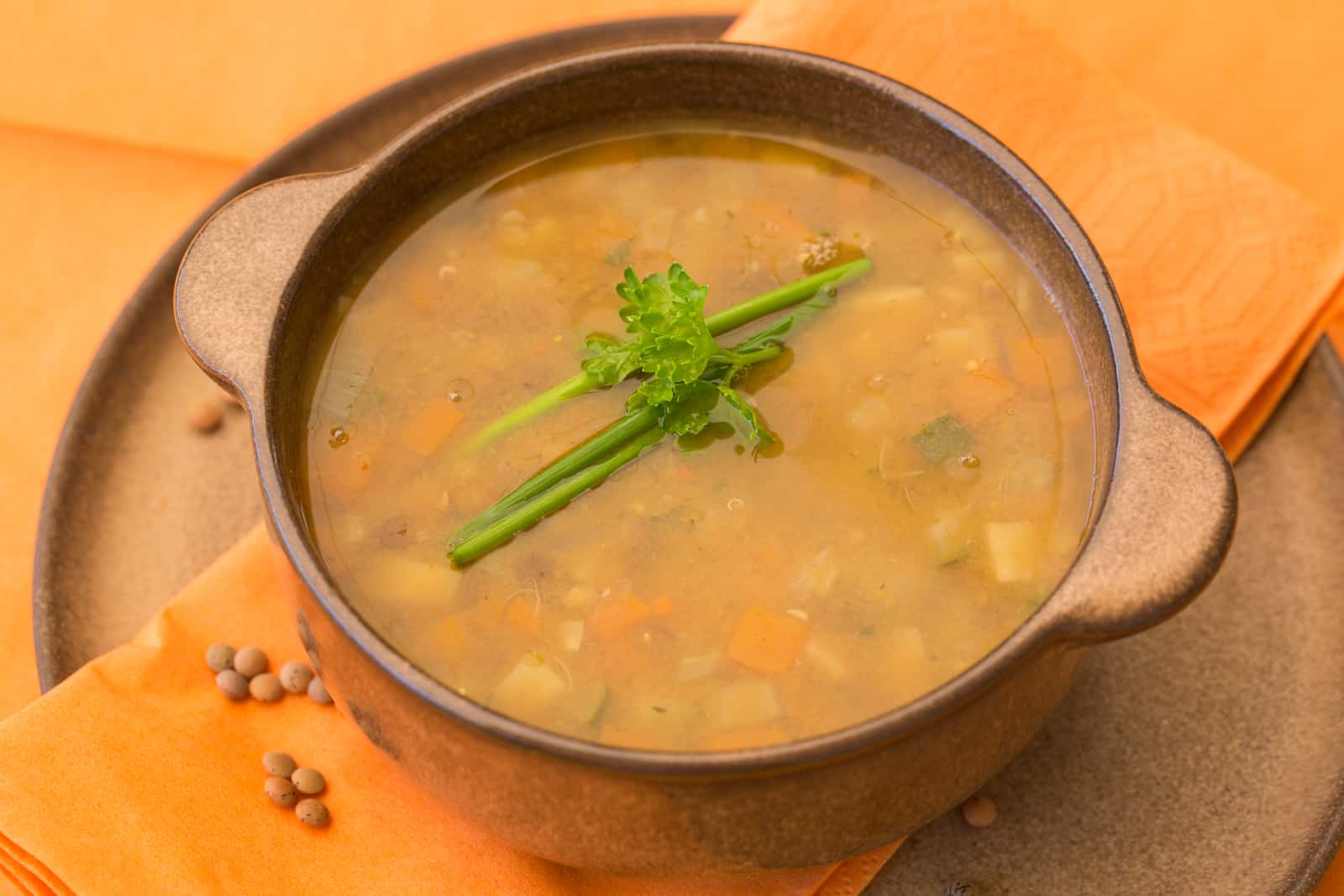
21. Traditional Egyptian Lentil Soup:
Traditional Egyptian Lentil Soup
Traditional Egyptian Lentil Soup is made using yellow or orange lentils, most commonly the yellow ones. Adding all the vegetables you have in your refrigerator, except maybe for cucumbers and cabbages, a seasoning of salt, turmeric and a pinch of paprika or chilli flakes, then you’re good to go.
There isn’t a specified ingredient list for this soup, since it depends on what you’ve got available. This also means you can make this soup at any time, as long as you have the lentils at home. Traditional Egyptian Lentil Soup is the most common Egyptian Soup made during the winter season, due to the filling and warmth it gives during and after eating it.
Recipe
Here’s a quick recipe for this another simple yet delicious soup:
Cooking Time: 45 minutes.
Ingredients:
1 medium sized onion.
1 medium sized tomato.
1 medium sized potato.
1 medium sized green pepper.
1 medium sized carrot.
3 cloves of garlic.
1 cup yellow lentils.
5 cups of water.
Salt.
Turmeric.
Paprika.
Remember you can use any vegetables you have available, even zucchini, squash and eggplant.
How to make it:
In a pot, add the water on the stove.
Wash and roughly chop all vegetables and add to the water.
Wash the lentils well and when the water starts to boil, add the lentils.
The lentils will puff and start absorbing the liquids.
Take the pot off the heat and blitz the ingredients together using a hand blender.
Put the pot back on the stove and season according to taste.
Turn off the heat when the soup comes to a boil.
Ready to serve with some toasted bread or garlic butter toast.
I hope you’ve found these recipes worth a try, they’re all pretty simple to make, once you make them once, you can make them by heart the following time. And I’m sure there will be a next time!





 Esraa Ali
 Eman Sameh