Baked Irish Desserts are undoubtedly known for their simplicity, authenticity and deep flavours. Here are our favourite 15 baked Irish desserts recipes for you to try. Let’s dig deeper!
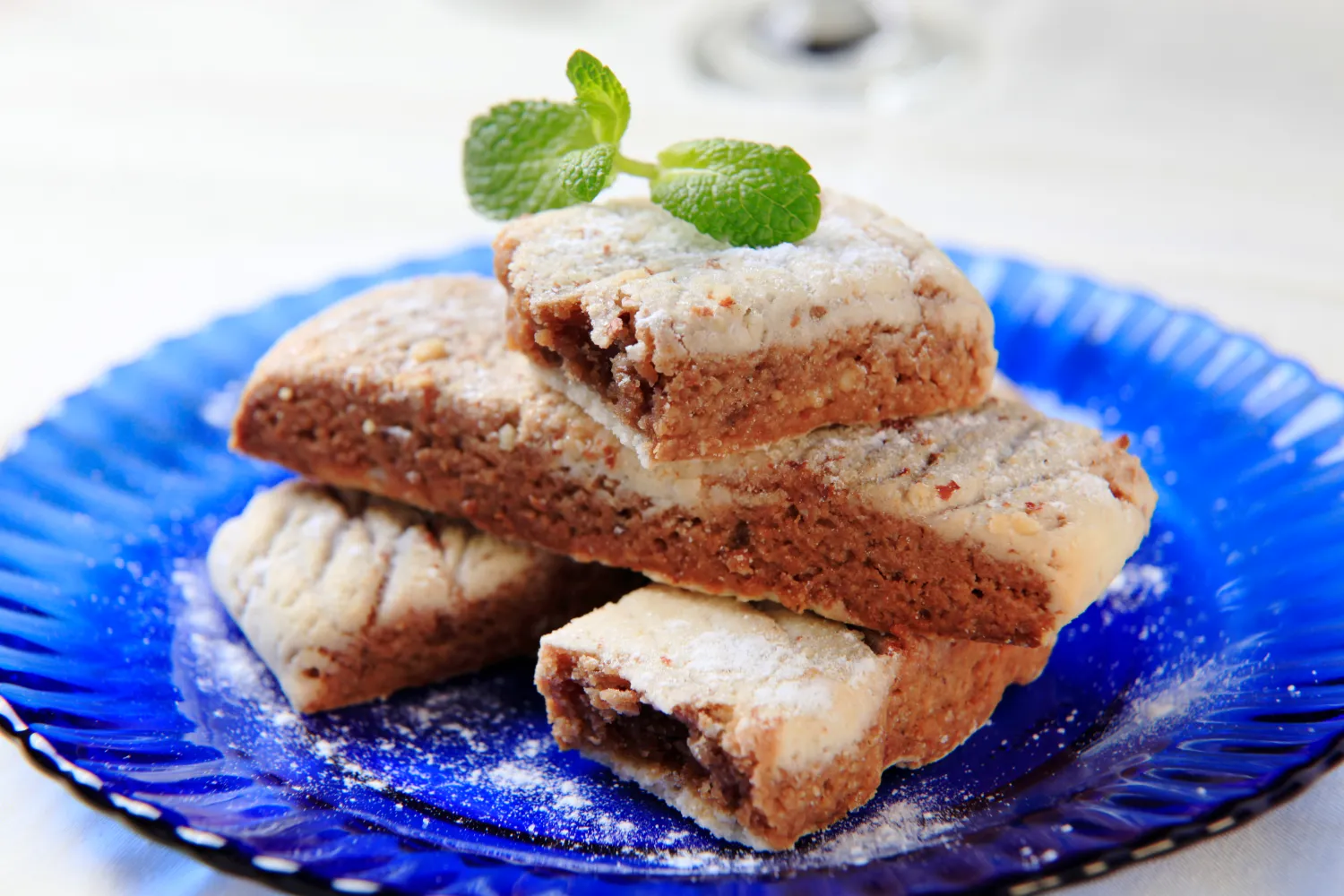
Chocolate Mincemeat Bars
Regardless of its name, mincemeat combines dried chopped fruit, spices and distilled spirits, and sometimes beef suet or fat. Many modern mincemeat versions substitute the beef suet with vegetable shortening. The original mincemeat combination had meat; the most popular were beef and venison.
The use of mincemeat in recipes is most common around Christmas time. Still, these tasteful chocolate mincemeat bars are enjoyable any time of the year.
Recipe
Cooking Time: 35 minutes.
Ingredients:
1 ¾ cups of mincemeat.
2 cups of semisweet chocolate chips.
½ cup of shortening.
1 cup of sugar.
3 large eggs at room temperature.
2 cups of regular flour.
2 teaspoons of baking soda.
Confectioner’s sugar for garnish.
How to make it
Preheat the oven to 375 degrees Celsius.
Whip the shortening with the sugar in a large bowl for 5 to 7 minutes until fluffy.
Add the eggs to the shortening mixture, one at a time, and beat well after each egg.
Combine the flour and the baking soda before adding them gradually to the shortening mixture.
After the flour is well combined with the shortening mixture, mix in the mincemeat, followed by the chocolate chips.
Spread the mixture in a greased baking tray and bake for 15 to 20 minutes until it turns dark golden brown.
When out of the oven, remove from the baking tray and let the cake cool on a wire rack, then cut into bars before dusting them with confectioner’s sugar!
Two-Berry Pavlova
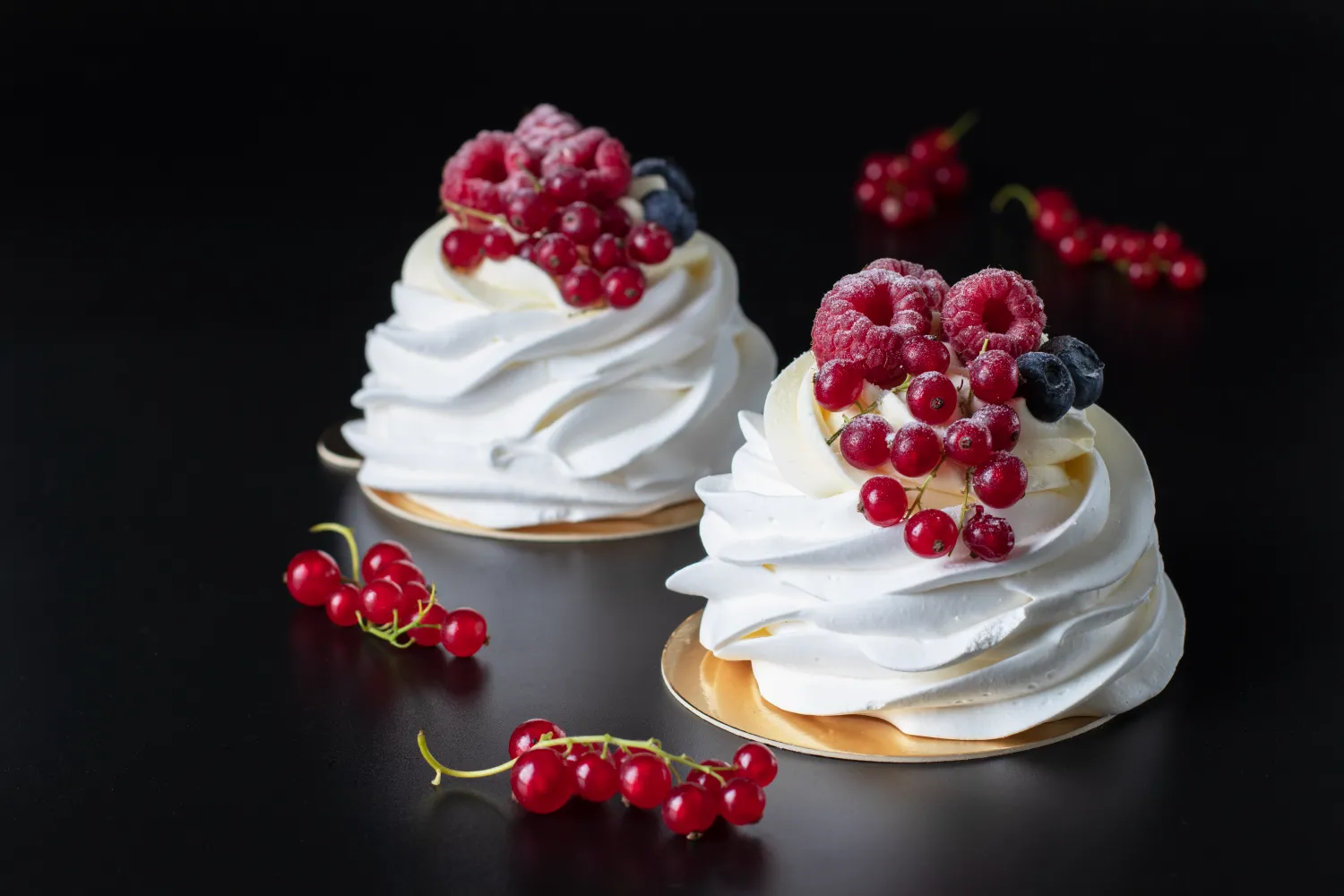
Pavlova is an elegant dessert, almost too good-looking to eat. This royal dessert, like meringues, is made using egg whites and is traditionally topped with whipping cream and fresh fruit. You know you’ve succeeded in making the perfect pavlova when it’s crisp from the outside and light and airy from the inside.
Pavlova is said to have originated in Australia or New Zealand at the beginning of the 20th century. The elegance of Pavlova comes from the person after whom it was named, a Russian ballerina named Anna Pavlova.
Making pavlova couldn’t be easier; just follow this recipe!
Recipe
Ingredients for the Pavlova:
4 large egg whites at room temperature.
1 cup of sugar.
1 TBS of cornstarch.
½ teaspoon of cream of tartar, substitute with 1 teaspoon of either white vinegar or lemon juice.
1 teaspoon of lemon juice.
Cooking Time: 1 hour, plus standing and cooling time.
How to make the Pavlova:
Preheat the oven to 300 degrees Celsius.
In a large bowl, add the egg whites and the cream of tartar and beat them on medium speed until soft peaks form.
Add 1 TBS of sugar to the egg whites while beating on high until all the sugar is incorporated.
Keep beating the egg whites until soft glossy peaks are formed.
Gently fold in the cornstarch and the lemon juice.
Add parchment paper to the baking tray, draw a 25 cm circle and flip the paper to the other side.
Start spooning the meringue out using the back of a spoon, following the shape of the circle, making the edges thicker than the centre.
Bake for 45 to 55 minutes until the meringue is set and dry.
Turn off the oven and leave the meringue inside for 1 hour without opening the oven door.
Take the pavlova out of the oven and leave it to cool completely.
Ingredients for the berry topping:
2 cups of fresh strawberries, sliced.
2 cups of fresh blackberries.
1 ¼ of heavy whipping cream.
¼ cup sugar, plus 3 TBS.
How to make the berry topping:
Toss the strawberries and the berries together with ¼ cup of sugar.
Beat the whipping cream until it thickens, then start adding the sugar.
Keep beating until soft peaks begin to form.
Transfer the pavlova onto the serving dish, spoon the whipped cream on top, then add the berries before serving!
Mudslide Cheesecake
If you can’t imagine anything that can beat cheesecake, then you haven’t tried this Mudslide Cheesecake; chocolate takes everything to the next level—the earliest known cheesecake dates back to the 5th century BC to the island of Samos in particular. Back then, the cake was made by pounding together cheese patties with flour and honey, then baked in an earth oven.
When this yummy invention travelled to different parts of Europe, it took the form of a tart. In 1390, the first English cookbook included many cheesecake forms with different flavours. Each English cookbook included at least one cheesecake recipe for the following centuries, indicating how popular this dessert was and still loved in the UK.
This time, we’ll learn a new variation of this lovable dessert!
Make the base of the cheesecake by mixing the butter, the wafer crumbs and the sugar.
Wrap a greased tin in a double layer of heavy-duty foil, and press the base into the tin.
To start making the filling, microwave the semisweet chocolate chips for 1 minute until they melt.
Mix the cream cheese and the sugar in the bowl, then beat until smooth.
Add the flour to the cream cheese mixture and blend well.
Add the vanilla and the eggs and beat until all is blended.
Take 2 cups of the batter out, then add the coffee liqueur and melted chocolate and blend well together.
Pour the finished batter into the base of the cheesecake.
Add the Irish cream liqueur to the 2 cups of batter and mix well before pouring atop the previous layer of cheese.
Carefully place the baking tin into a large baking tray, and pour hot water into the baking tray, about 3 cm high.
Bake for 60 to 75 minutes or until the top appears set.
Remove the baking tin from the tray and let the cheesecake cool for 10 minutes before using a knife to loosen the sides of the cake and remove the foil.
Cool for an additional hour before covering it and leaving it in the fridge overnight.
Add the whipping cream to the chocolate chips for the ganache topping, and microwave them together until melted.
Let the ganache cool before pouring this shiny slick layer of goodness on top of the chilled cheesecake. Be prepared to be amazed!
Butterscotch Apple Cake
Butterscotch is a delightful little confection that promises to bring instant happiness. Made using brown sugar and butter, everyone, for its taste’s creaminess, loves it—other butterscotch recipes use corn syrup, vanilla, cream and salt. In a sense, butterscotch also resembles toffee, except that the main difference is how the sugar is cooked; in toffee, the sugar is boiled up to the hard crack stage, while butterscotch stops at the soft crack stage.
The making of butterscotch is attributed to Parkinson from Doncaster, who made butterscotch sweets and used to sell them in tins, making the confection one of the town’s famous exports. When Queen Victoria visited Doncaster in 1851, she was presented with a can of butterscotch. Hence the confection made its worldwide debut.
Butterscotch is now a confection and a flavour used in desserts, even if the confection itself was not used in the recipe. However, this recipe we’re about to get into definitely has some butterscotch!
Recipe
Cooking Time: 1 hour, 30 minutes.
Ingredients:
4 cups of tart apples, peeled and chopped.
1 pack of butterscotch chips.
2 ½ cups regular flour.
3 large eggs at room temperature.
1 cup of canola oil.
2 cups of sugar.
1 cup of pecans, chopped.
1 teaspoon of vanilla.
2 teaspoons of baking powder.
1 teaspoon of baking soda.
1 teaspoon of salt.
1 teaspoon of ground cinnamon.
How to make it:
Preheat the oven to 325 degrees Celsius.
Add the sugar, eggs, oil and vanilla in a large bowl and blend well.
Mix the dry ingredients in another large bowl: flour, sugar, baking powder, baking soda, salt and cinnamon.
Gradually add the dry mixture into the egg mixture until thoroughly blended, then add the apples and pecans.
Grease the baking dish, pour in the mixture, then sprinkle the butterscotch chips.
Bake for 55 to 60 minutes until a toothpick comes out clean.
Suppose the cake reaches a beautiful golden brown. In that case, you can cover it with foil to prevent additional surface browning in the last 10 minutes.
Take your cake out and let it cool for about 10 minutes before cutting it in, or let it cool completely first!
Cinnamon Apple Tart
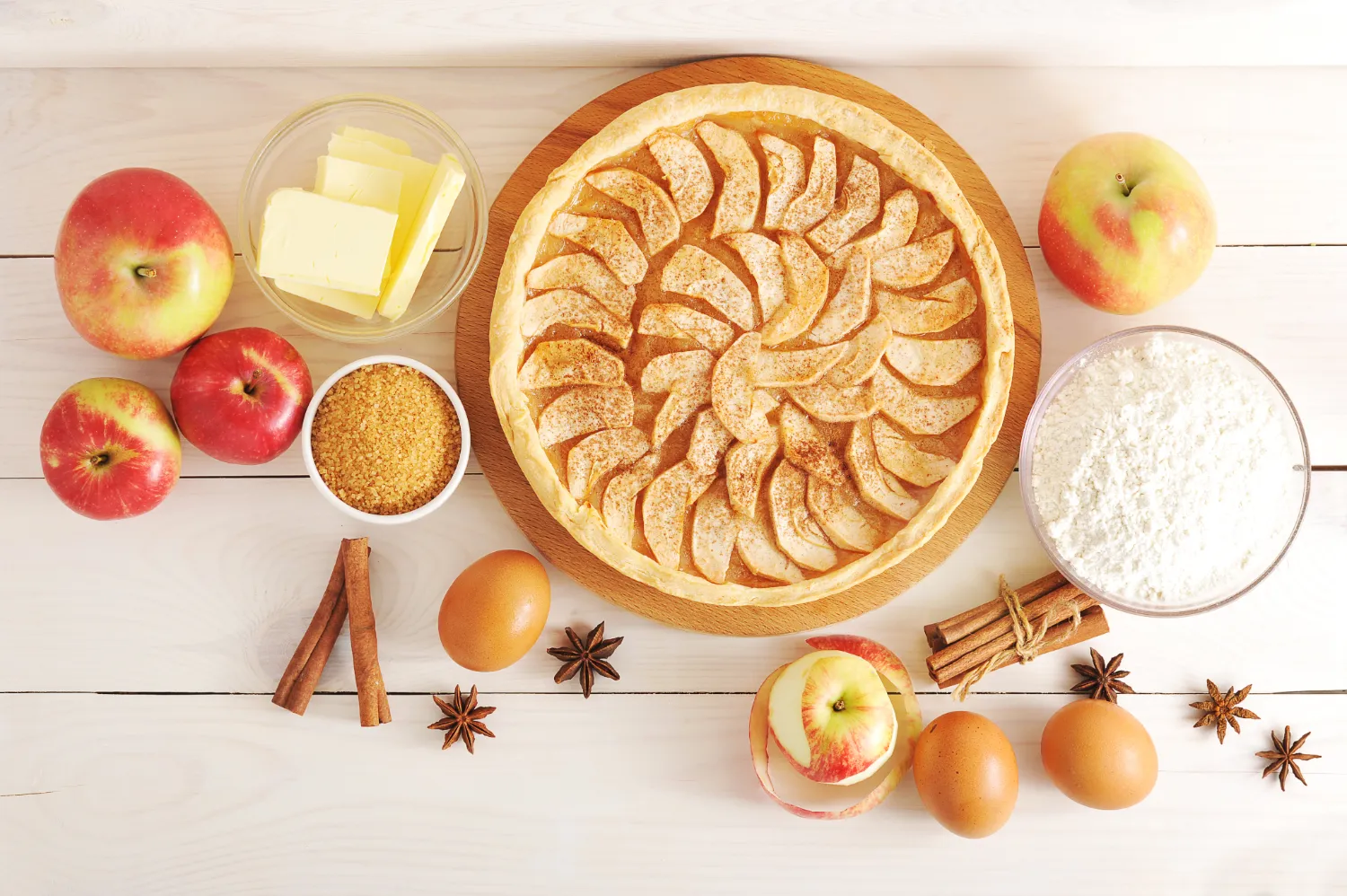
Somehow the earthy flavour of cinnamon enriches and deepens the tanginess of apples. Combining both in recipes is also very common, where you toss the apple slices in cinnamon before cooking them, whether it’s a tart, pie or even apple bread.
Cinnamon is an excellent anti-bacterial, anti-viral, anti-fungal, helps in managing blood pressure, is proven to help in lowering the risk of type 2 diabetes and helps in reducing blood sugar levels. A spoonful of ground cinnamon and ground ginger help in combating stored fat and aids digestion.
Let’s make this flavourful tart, but we’re also taking a shortcut by using premade pie crust and apple jelly!
Recipe
Cooking Time: 40 minutes.
Ingredients for the tart:
1 large apple, peeled and sliced.
1 premade pie crust.
¼ cup cinnamon chips.
1/3 cup almonds, sliced.
2 TBS apple jelly.
2 TBS sugar.
1 teaspoon lemon juice.
1 teaspoon milk.
Ingredients for the icing:
1 cup of confectioner’s sugar.
¼ teaspoon almond extract.
1 to 2 TBS milk.
How to make it:
Preheat the oven to 400 degrees Celsius.
Mix the apple with the lemon juice.
Put the pie crust on a parchment sheet, roll it to make a 30 cm circle, and then slide it onto the baking sheet.
Spread the jelly on the crust, leaving a 5cms edge.
Sprinkle the apple slices, the cinnamon chips, the sugar and the almonds on the jelly.
Fold the edge over the filling and leave the centre open.
Brush the edge of the crust with milk.
Bake for 20 to 25 minutes, until golden brown and let it cool on a wire rack before drizzling the icing.
Mix the ingredients and drizzle over the tart to make the icing!
It is a quick and a bit unusual recipe, but definitely delicious.
Grandma’s Molasses Fruitcake
Molasses is a sweet dark syrup, a byproduct resulting from extracting sugar from sugar beets and sugarcane. It is widely used in baking, but most notably to make brown sugar; the darker the molasses, the darker the brown sugar will be. Molasses is rich in Iron, Copper, Selenium and even a percentage of Calcium which are all great for the health of your bones. The syrup is also rich in vitamin B6 and Potassium.
In Arabic, molasses is called Black Honey in reference to its dark colour. A common way to eat Molasses in Egypt would be to add tahini to eat, mix and enjoy! The mixture might sound unlikely, but somehow, the richness of tahini with the sweet taste of the molasses enters your heart immediately.
You can enjoy the deep rich taste of the molasses and reap its benefits by adding a tablespoon to your coffee instead of using regular sugar. But here, we’ll learn how to use it in baking!
Recipe
Cooking Time: 1 hour, 40 minutes plus cooling time.
Ingredients:
4 cups regular flour, divided.
1 cup of molasses.
1 cup of butter, softened.
1 cup of strong coffee.
2 cups of brown sugar.
4 large eggs at room temperature.
3 ¼ cups of dried currants.
2 2/3 cups of raisins.
1 cup of walnuts, chopped.
2/3 cup of candied lemon peel.
1 teaspoon of baking soda.
1 teaspoon ground cinnamon.
1 teaspoon of ground nutmeg.
1 teaspoon of ground cloves.
How to make it:
Preheat the oven to 300 degrees Celsius.
Lightly grease and flour three baking tins, line their bottoms with parchment paper, then grease and flour the paper.
Combine the dried fruits, black currants, raisins, walnuts and candied lemon peel. Add ¼ cup of flour and coat them well; set them aside.
Add the butter and sugar to a mixing bowl, and blend for 5 to 7 minutes until light and fluffy.
Add 1 egg at a time and blend well after each one.
Beat the molasses well in the butter mixture.
In another bowl, combine the rest of the flour, the spices and the baking soda, then alternate adding from this dry mixture to the butter molasses mixture with the coffee.
After the flour and coffee are well blended into the butter-molasses mixture, add the dried fruit mixture and combine well.
Equally, divide the batter between the baking tins and bake for 1 ¼ hours or 1 ½ hours, or until a toothpick comes out clean when inserted.
Let the cakes cool in their tins for 10 minutes before removing them to cool completely.
For a deeper and darker flavour, you can tightly wrap the cakes and store them in the fridge for up to two days.
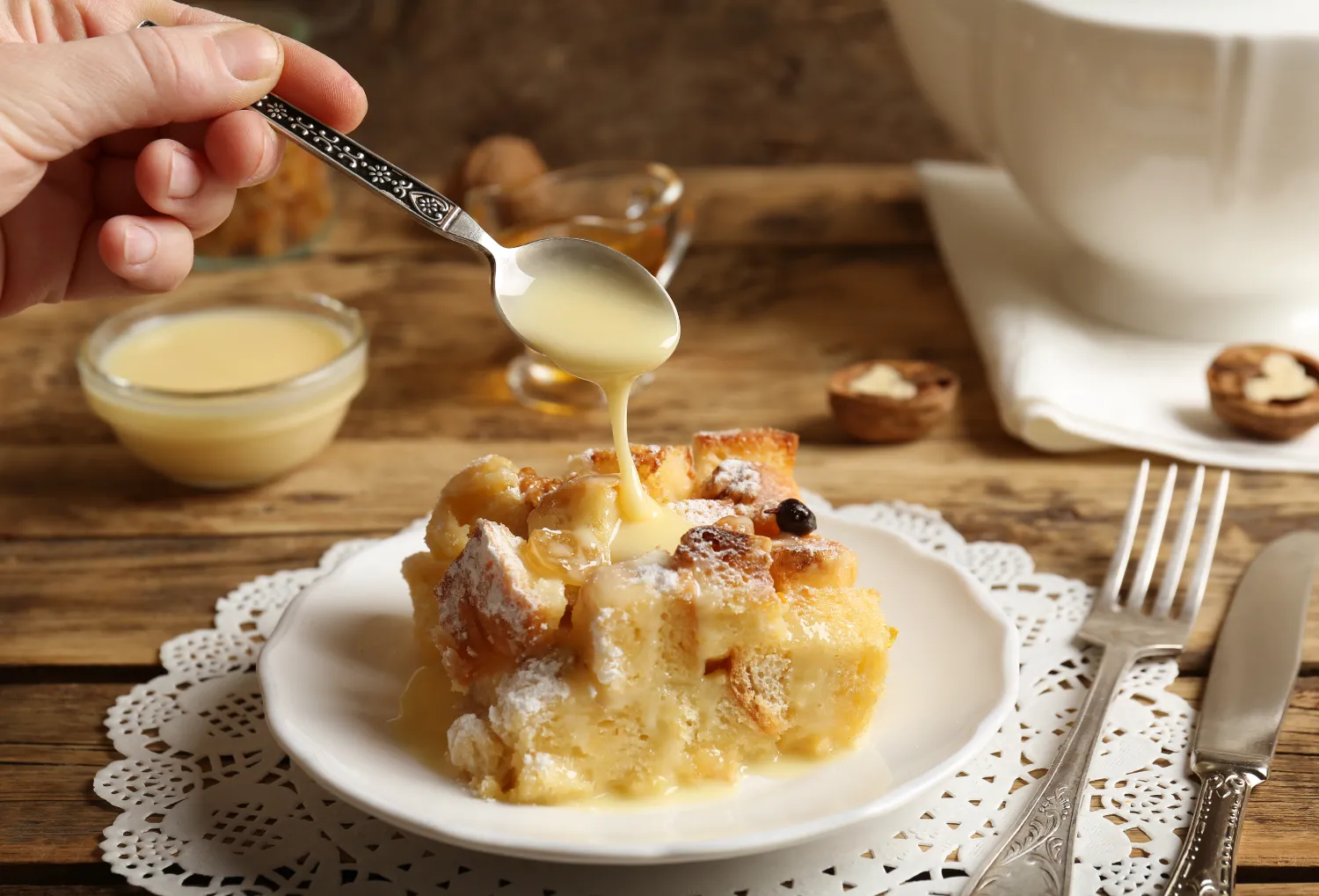
Bread Pudding with Nutmeg
Puddings are a warm winter dish, or when you’ve come home tired at the end of the day and need a good pick me up. Many don’t like to make pudding, not because it can require many ingredients, depending on what you’re making, but because they feel it won’t turn out great. Well, here’s a foolproof recipe that’s a keeper.
Recipe
Cooking Time: 1 hour.
Ingredients for the pudding:
9 bread slices, cut into cubes.
2 large eggs at room temperature.
2 cup milk, full cream preferred.
¼ cup butter, cut into cubes.
¾ cup of sugar.
½ cup raisins, optional.
1 teaspoon of ground cinnamon.
1 teaspoon vanilla.
¼ teaspoon of salt.
½ teaspoon of ground nutmeg.
How to make the pudding:
Preheat the oven to 350 degrees Celsius.
In a large bowl, beat the eggs lightly.
Mix the milk and the butter, then add to the eggs.
Add the salt, sugar, vanilla and spices.
Add the bread cubes and raisins if you’re using them.
Pour into a greased baking pan, then bake for 40 to 45 minutes or until a toothpick comes out clean.
Ingredients for the Vanilla Sauce:
1/3 cup of sugar.
1 2/3 cups of cold water.
2 TBS corn starch.
3 TBS butter.
¼ teaspoon salt.
2 teaspoons of vanilla.
¼ teaspoon of ground nutmeg.
How to make the Vanilla Sauce:
Add the sugar with the cornstarch and salt in a small pan.
Stir in the water gently until all smooth.
Bring to a boil, then cook for a few minutes until it thickens.
Take off the heat, add in the butter, the vanilla and the nutmeg.
Serve yourself with a good slice of pudding with a drizzle of this buttery sweet sauce!
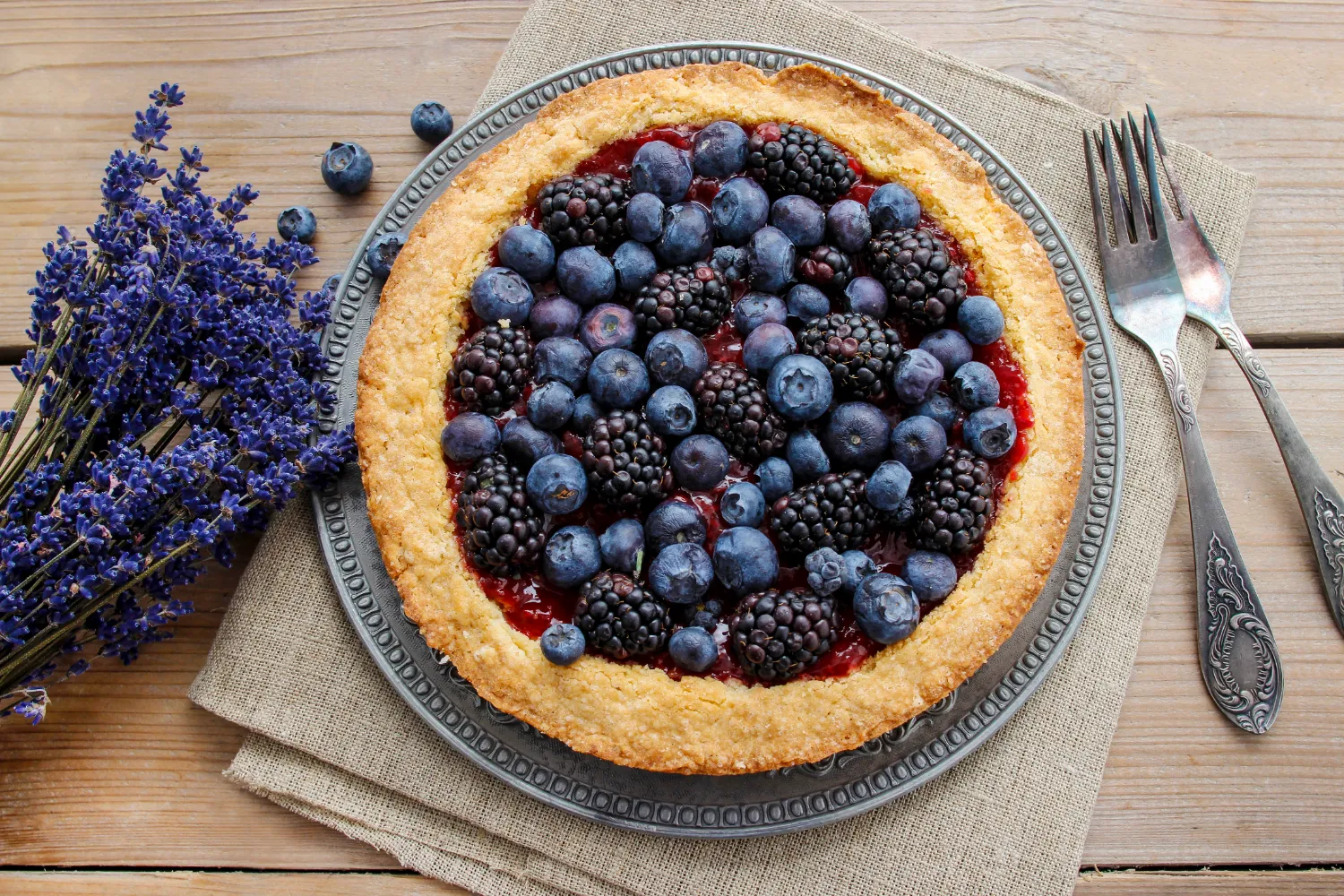
Blueberry-Blackberry Rustic Tart
Blueberries are one of the richest fruits in antioxidants. Hence they can help protect against many diseases, such as heart disease, are good for eye health and blood sugar, and even reduce DNA damage. Blackberries, on the other hand, are rich in vitamins C and K; Manganese is excellent for brain health and oral health and is high in fibre.
Incorporating more vitamin-packed fruits into your diet will promote better health! Such as the recipe we’re about to learn.
Recipe
Cooking Time: 75 minutes, plus chilling time.
Ingredients for the base:
2 cups regular flour.
½ cup buttermilk.
2/3 cup cold butter, cut into cubes.
1/3 cup of sugar.
¼ cup of yellow cornmeal.
Ingredients for the filling:
4 cups of fresh blueberries.
2 cups of fresh blackberries.
1/3 cup of regular flour.
2/3 cup of sugar.
2 TBS of lemon juice.
1 large egg.
2 TBS coarse sugar.
Whipped cream for the top is optional.
How to make it:
Preheat the oven to 375 degrees Celsius.
To make the base, in a large bowl, mix the flour, cornmeal and sugar well.
Mix in the cold butter to reach a crumbly texture.
Gradually add the buttermilk to form a dough.
Refrigerate for 30 minutes; overnight would be even better.
Roll the dough on a lightly floured surface to make a 35 cm circle.
Put parchment paper on the baking sheet, then put the dough circle on it.
To make the filling, combine the fruit with the flour, sugar and lemon juice and mix them well until the fruit is well coated.
Spoon the filling in the middle of the crust, leaving a 5cm edge, then fold the crust over the filling.
Beat the egg, brush the crust’s sides, and sprinkle coarse sugar.
Bake for 55 to 60 minutes until golden brown, and the filling is bubbling.
Use the parchment paper to transfer the tart to cool on a wire rack. During this time, prepare the whipped and make a cup of tea!
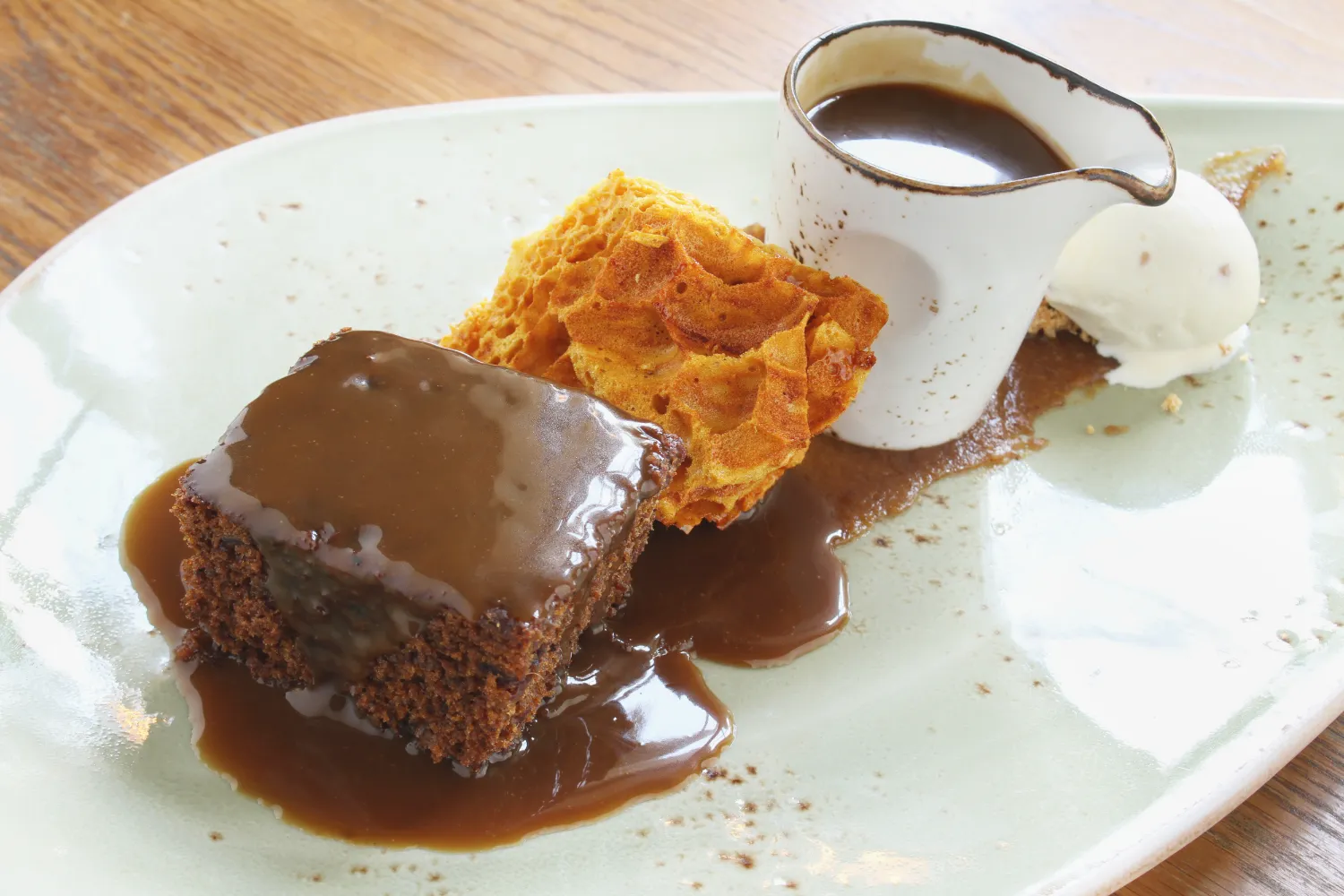
Warm Sticky Toffee Pudding
Sticky Toffee Pudding is a British classic dessert with a luscious combination of date-filled cake and a sweet toffee sauce served with vanilla custard or ice cream. While the exact origin place of the satisfactory dessert is disputed, it’s agreeable that its roots belong to the UK, and that’s also been agreed upon by many culinary experts.
The current version of the Sticky Toffee Pudding dates back to the 1970s. While the first version of this dessert made to be taken home, heated and eaten was developed at the end of the 1980s, even though it had been in the making since 1984.
One distinguishing feature of STP is that the cake it’s made from is usually lighter than the usual British sponge cake. It can sometimes contain unique flavours enhancing that of the dates, such as cloves or cardamom. This recipe will substitute the dates for a mixture of dried fruit in mincemeat, giving it a rather interesting flavour than the traditional Sticky Toffee Pudding.
Recipe
Cooking Time: 1 hour, 15 minutes.
Ingredients for the cake:
1 cup regular flour, plus 1 TBS.
¾ cup brown sugar.
¼ cup soft butter.
2 1/3 cup mincemeat.
¾ cup walnuts, toasted and chopped.
1 large egg.
1 teaspoon vanilla.
1 teaspoon of baking powder.
1 teaspoon of baking soda.
½ teaspoon of salt.
Ingredients for the toffee sauce:
1 cup brown sugar.
½ cup butter, cut into cubes.
½ cup of heavy whipping cream.
How to make the cake:
Preheat the oven to 325 degrees Celsius.
Add the butter and the brown sugar in a large bowl, and blend them well.
Add the egg and vanilla.
Mix the dry ingredients; flour, baking powder, baking soda and salt.
Gradually add the dry mixture to the wet mixture and blend well.
Add the walnuts and mincemeat and mix all ingredients well.
Grease a square baking tin and add the mixture.
Bake for 45 to 50 minutes until the inserted toothpick comes out clean.
Leave the cake in the tin to cool down while you make the toffee sauce.
How to make the toffee sauce:
Melt the butter in a small saucepan before adding the sugar and cream.
After the mixture boils, keep stirring so the sugar dissolves completely.
Lower the heat, with continuous stirring and let simmer for 5 minutes until the mixture thickens.
Your Sticky Toffee Pudding is ready for its toffee sauce!
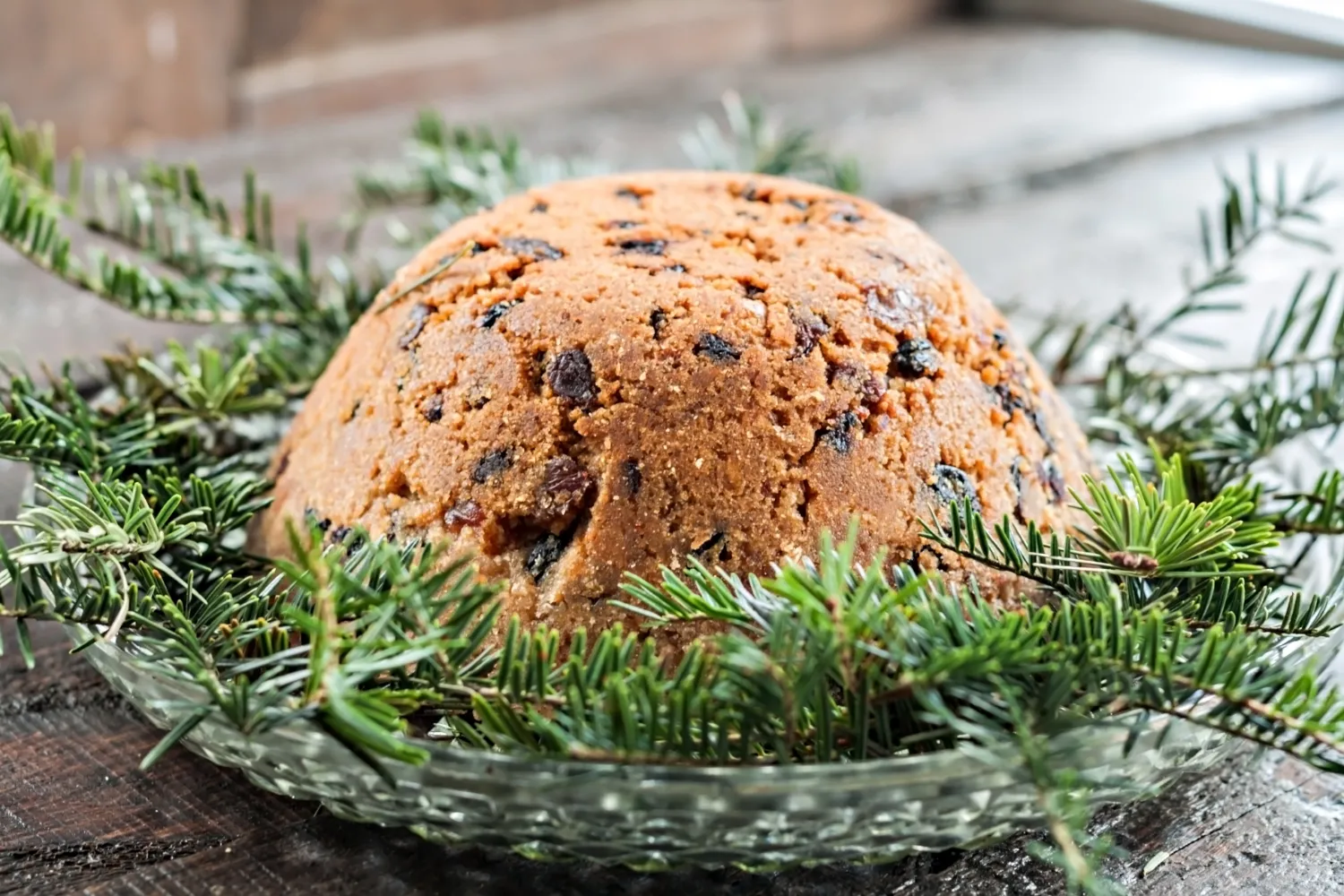
Tiny Tim’s Plum Pudding
Plums or prunes are a super fruit; research proven this tangy fruit is great for bone health and can even reserve bone injuries. Plums are full of nutrients and antioxidants that are good for diabetes and heart disease, will help lower your blood sugar, especially after eating carbs, and are excellent in easing constipation, not to mention how easy it is to add them to your diet.
On the other hand, Plum Pudding is widely known to be the Christmas Pudding in the UK and many countries that follow the tradition. One distinct feature of Christmas Pudding is that it’s cooked by boiling it or steam boiling it on the stove. The pudding goes back to Medieval England, and back then, the word “plum” was used to name what we now call “raisins”, and the recipe didn’t contain any actual plums.
Even if it’s not the holidays, making this delicious pudding, which in our recipe contains plums, will make your kitchen smell heavenly and your stomach squeak!
Recipe
Cooking Time: 2 hours, 30 minutes.
Ingredients for the pudding:
½ cup regular flour.
¾ cup brown sugar.
½ cup butter, soft.
¾ cup of dry bread crumbs.
1 ¾ dates, chopped.
1 cup of golden raisins.
1 cup carrots, shredded.
½ cup of dried currants.
2 cans of plums, pitted and chopped.
3 large eggs at room temperature.
1 TBS orange zest.
1 teaspoon of ground cinnamon.
½ teaspoon of baking soda.
½ teaspoon of ground nutmeg.
¼ teaspoon of salt.
¼ teaspoon of ground cloves.
Ingredients for the sauce:
½ cup of softened butter.
3 cups of confectioner’s sugar.
¼ cup of orange juice or dark rum.
How to make it:
Grease the pudding mould you will use, then set it aside.
Mix the butter and brown sugar in a large bowl for 5 to 7 minutes until light and airy.
Add one egg at a time, making sure to beat and blend well after each egg.
In another bowl, add dry ingredients; the flour, the bread crumbs, orange zest, baking soda, cinnamon, salt, nutmeg and cloves.
Gradually add the dry mixture to the egg mixture until thoroughly blended.
Fold in plums, raisins, dates, currants and carrots.
Pour the batter into the greased pudding mould and cover it with foil; use a kitchen string to secure it around it.
Add the pudding mould and up to 7cms of hot water to the pot in a large pot and let the water boil to steam cook the pudding.
Keep an eye on the water, and keep adding water when needed for about two or two and half hours until a toothpick comes out clean from the centre.
Let the pudding stand for 5 minutes before removing it from the mould.
In the meantime, make the hard sauce by mixing the butter, the confectioner’s sugar and the rum or orange juice.
When your pudding is ready to unmold, let it join the hard sauce on the serving plate!
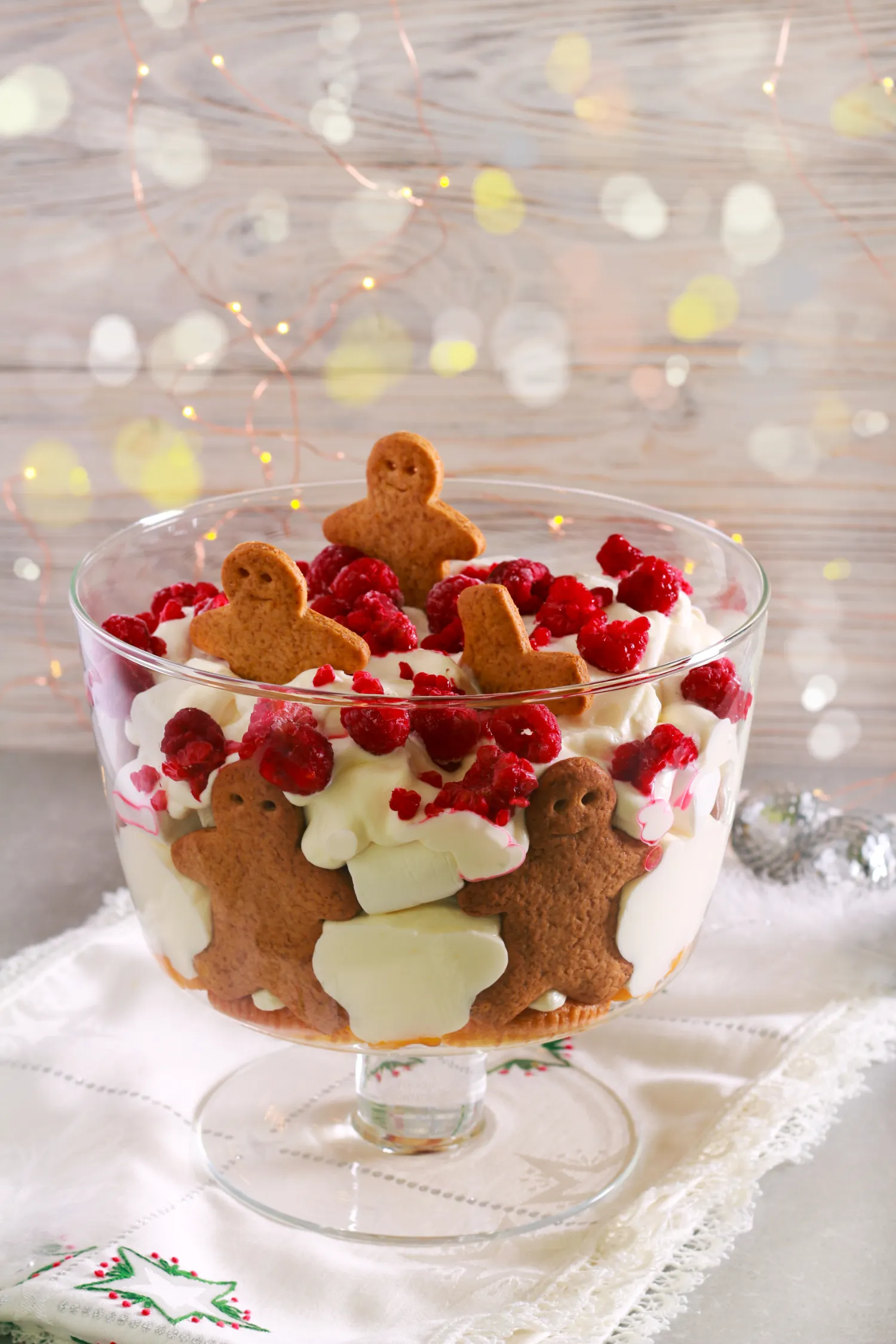
Honey Gingerbread Trifle
Gingerbread is typically associated with Christmas, making little human-shaped gingerbread cookies or houses to decorate the Christmas table and enjoy later. The main ingredient in any gingerbread food is ginger. Still, this particular assortment is usually flavoured with nutmeg, ground cinnamon and cloves, then sweetened using sugar, honey or even molasses.
On another note, can you believe the earliest mention of “trifle” to describe this layered dessert goes back to 1585? It was in the English Cookery: Good Huswifes Jewell, a book in which Thomas Dawson wrote that “trifle” was first mentioned. The recipe back then included cream flavoured with ginger, sugar and rosewater.
Trifle was the perfect way to reuse leftovers at home, especially leftover or stale cake. The layering of cream, cake and fruit sounds so simple, yet the end taste is far away from that, up to heavenly. Like the trifle, we have in this recipe!
To begin with, the cake layer, preheat the oven to 350 degrees Celsius.
Add the cream, egg, honey, and oil in a large bowl, and blend well.
Mix the dry ingredients; flour, salt, baking powder, baking soda, ground ginger and cinnamon.
Gradually add the dry mixture to the wet mixture and blend well together.
Grease a 22 cm baking pan and pour the mixture in.
Bake for 25 to 30 minutes until a toothpick comes out clean.
Let the cake cool in the pan for 5 minutes before taking it out and leaving it to cool completely on a wire rack.
To make the pudding: whisk the milk and the instant white chocolate pudding for 2 minutes. Then let it set for 5 minutes and refrigerate.
To make the pumpkin mousse layer: mix the milk and the instant pumpkin spice pudding until well combined, then whisk in the whipped topping. Refrigerate.
When the trifle cake has cooled completely, cut the cake into about 2 to 2.5cms pieces, place the first layer of the cake at the bottom of the serving dish or trifle dish, followed by a layer of white chocolate pudding then pumpkin spice mousse. Keep repeating the layers until all ingredients are finished. Cover the trifle, and let it cool for at least 4 hours, overnight would be even better.
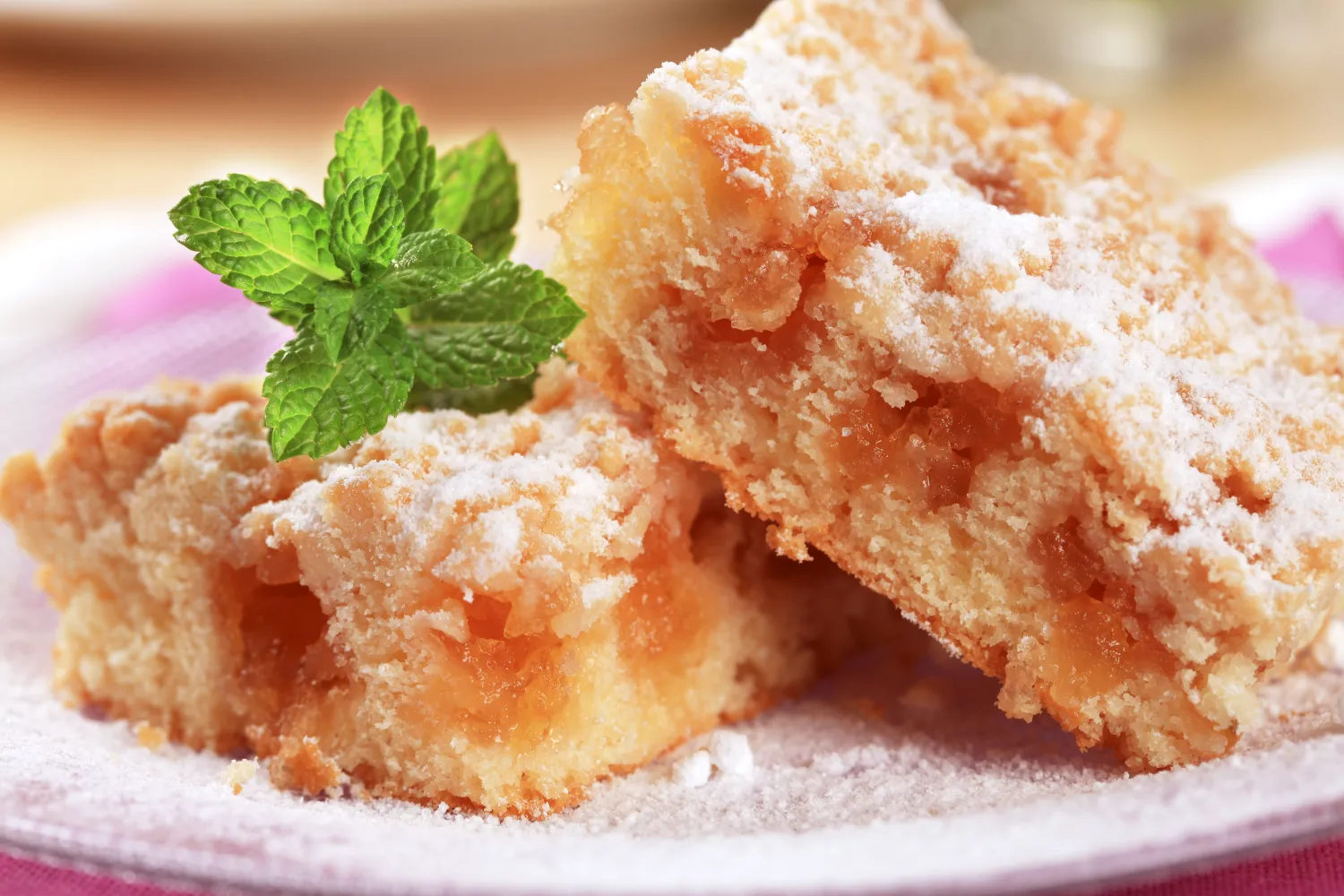
Chunky Apple Cake
When using apples in desserts, most of the time, they are made into pies. While Apple Pie is inarguably delicious, incorporating this loveable fruit into a cake adds to the list of things apples can do. Either way, it’s a great way to reap the benefits of apples, which are rich in fibre, can lower cholesterol levels, help in combating diabetes, and heart disease, are also good for your bones and can help combat obesity.
Let’s find out together another way to enjoy pommes!
Recipe
Cooking Time: 1 hour, plus cooling time.
Ingredients for the Apple Cake:
6 cups apples, peeled and chopped.
2 cups of sugar.
2 large eggs at room temperature.
2 cups regular flour.
½ cup of butter softened.
½ teaspoon vanilla.
1 ½ teaspoons of ground cinnamon.
1 teaspoon of ground nutmeg.
½ teaspoon of salt.
½ teaspoon of baking soda.
How to make the Apple Cake:
Preheat the oven to 350 degrees Celsius.
Add the butter with the vanilla and sugar in a large bowl, and mix them well until the butter is creamed.
Add one egg at a time and mix well.
Mix the flour, cinnamon, salt, nutmeg, and baking soda in a separate bowl.
Gradually add the dry mixture to the butter mixture until both are thoroughly combined. The batter will be a little stiff.
Add the apples and stir well.
Grease the baking dish, pour in the mixture, and bake from 40 to 45 minutes until the top is golden and bounces back when you touch it.
Make sure to cool for 30 minutes before digging in.
Ingredients for the Butterscotch Sauce:
½ cup brown sugar.
½ cup of butter, cut into cubes.
½ cup whipping cream.
How to make the Butterscotch Sauce:
Add the brown sugar and the butter in a small pan, and cook until the butter melts.
Gradually add the cream, then bring to a gentle boil, with constant stirring.
Indulge with the sauce beside the cake; prepare a cup of tea as well!
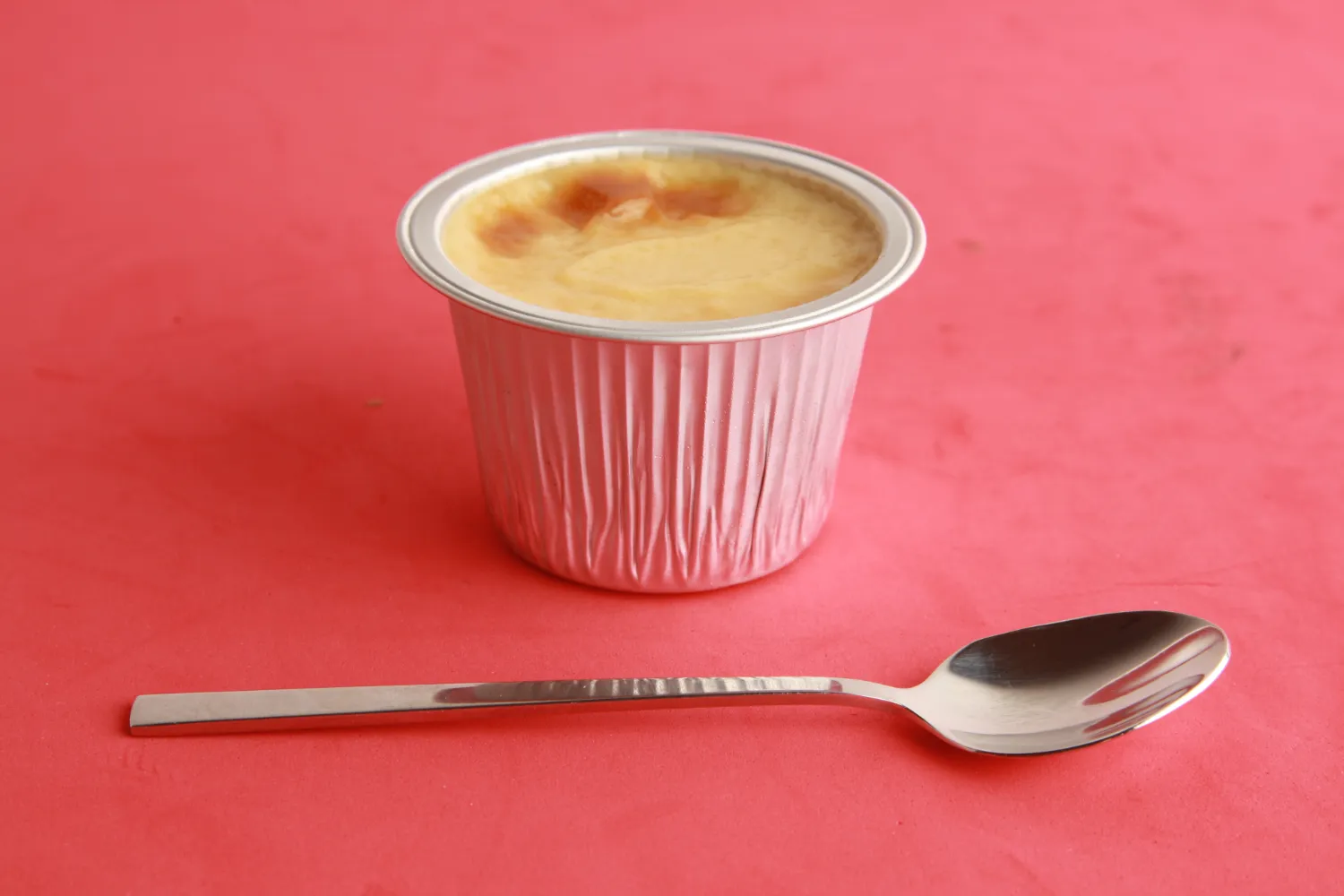
Caramelised Baked Custards
Who doesn’t like Baked Custard? That subtle sound of breaking the top and digging into the warm luscious custard on a cold winter night sounds like heaven. These individual custards will leave you only wanting more. Do not worry; we’ll take the fuss out of making them, and you’ll be a staple in your home.
Recipe
Cooking Time: 1 hour.
Ingredients:
2 cups of heavy whipping cream.
¼ cup of Irish cream liqueur.
¾ cup sugar, plus 2 TBS.
3 large eggs.
2 egg yolks.
1 teaspoon of vanilla extract.
How to make it
Preheat the oven to 325 degrees Celsius.
Add the whipping cream with the liqueur in a small pot and whisk lightly until bubbles form around the sides, then remove.
In a large bowl, blend the eggs and the egg yolks with ¾ cup of sugar.
Slowly start whisking the cream mixture into the egg mixture until fully blended.
Add the vanilla.
Choose a baking pan large enough to hold 6 small ramekins without touching, and divide the mixture equally between the ramekins.
Put the baking pan on the oven rack before adding hot water into the pan, enough to reach halfway up the ramekins.
Bake between 20 to 25 minutes until a toothpick comes out clean. The centre will still be a bit gooey.
Remove the ramekins from the baking tray and let them cool for 20 minutes before placing them in the fridge to cool completely.
The easy way to caramelise the top of the custards is by using a kitchen torch. Sprinkle sugar on top of the custards, then caramelise using the torch while rotating the custards. You can serve them immediately or put them in the fridge to cool again for 1 hour.
To caramelise the top using the broiler, you can get them out of the fridge, leave them at room temperature for 15 minutes, turn on the broiler, sprinkle the top with sugar and place under the broiler between 5 to 7 minutes until the sugar caramelises. You can have them immediately after taking them out or refrigerate them for 1 hour first.
Whichever way you choose to caramelise your custards, Crème Brule is one dessert loved by all!
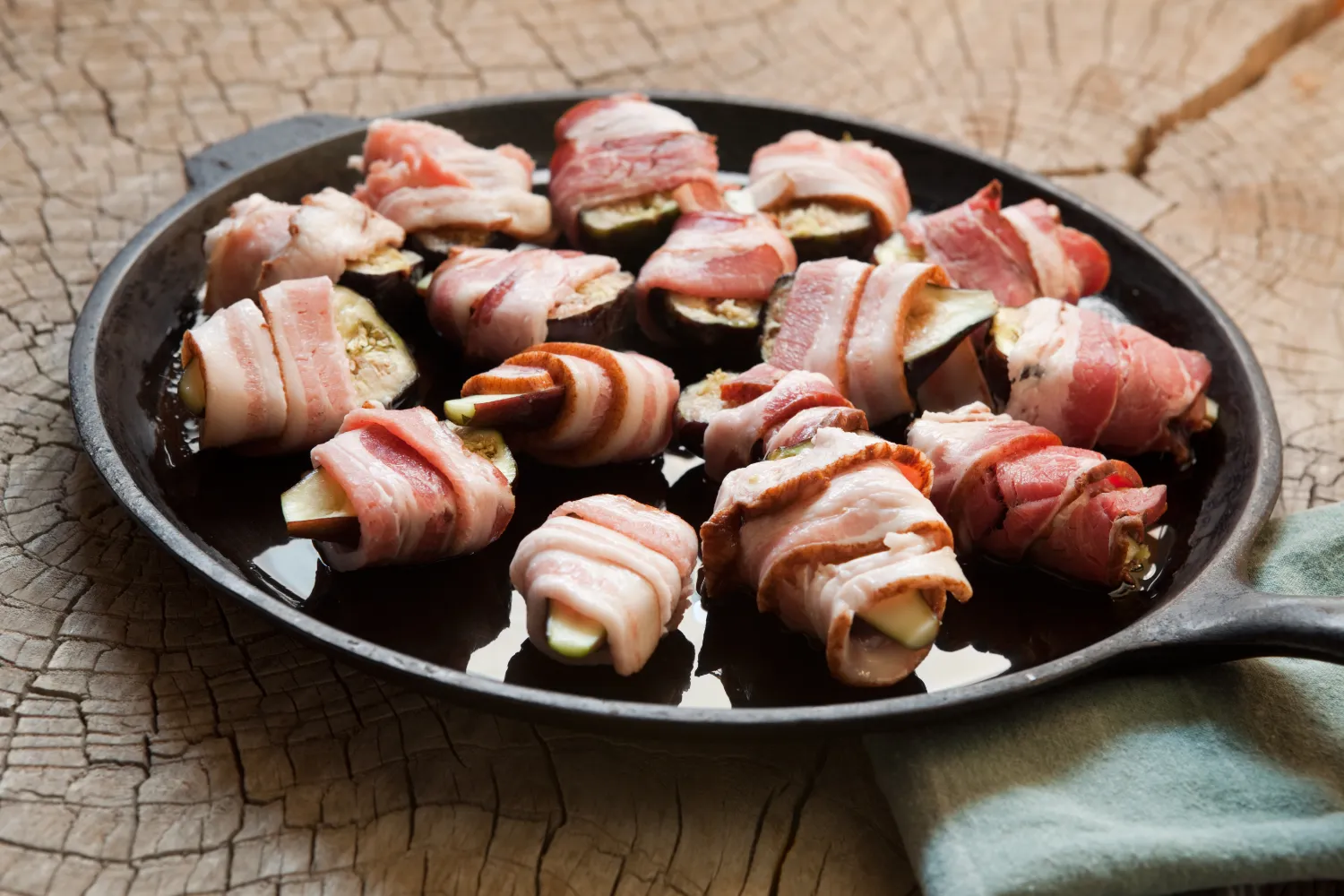
Candied Bacon-Wrapped Figs
Not only are figs a tasty fruit, but they’re also perfect for you. Packed with nutrients, they can help relieve constipation, they’re good for your digestion, are a killer to cancel cells, helps manage blood sugar levels and blood fat, can reduce high blood pressure and can help in increasing bone density—Chockfull of vitamins such as A, C, Calcium, Iron, Potassium and Magnesium.
Figs might not be too sweet, but when you combine them with bacon, somehow, the contrast between the figs’ sweetness and the bacon’s saltiness just makes sense to put them together. This unlikely combination will be at the centre of every lunch or dinner table.
Recipe
Cooking Time: 30 minutes.
Ingredients:
12 bacon strips.
24 figs, dried.
¼ cup of cream cheese softened.
¼ cup of brown sugar.
2 TBS of cocoa Chile powder.
1 teaspoon of ground cinnamon.
How to make it:
Preheat the oven to 375 degrees Celsius.
Cut each bacon strip in half, then place in a large skillet to cook on medium heat to cook them. Make sure that the strips are still tender and not crisp.
Remove the bacon strips to the plate with paper towels to drain the fat.
Mix the brown sugar, cinnamon, and Chile powder in a small bowl, and set aside.
Make a lengthwise cut from the centre of each fig and fill it with ½ a teaspoon of cream cheese.
Dip one of the sides of the figs in the sugar mix.
Wrap each fig with a bacon strip, leaving the sugar-coated side out.
Seal each fig and bacon strip with a toothpick.
Put the wrapped figs in a baking pan, then bake for 12 to 15 minutes until the bacon becomes crisp.
You’ll want to devour these as soon as they come out of the oven; give them a few minutes to cool first, then dig in!
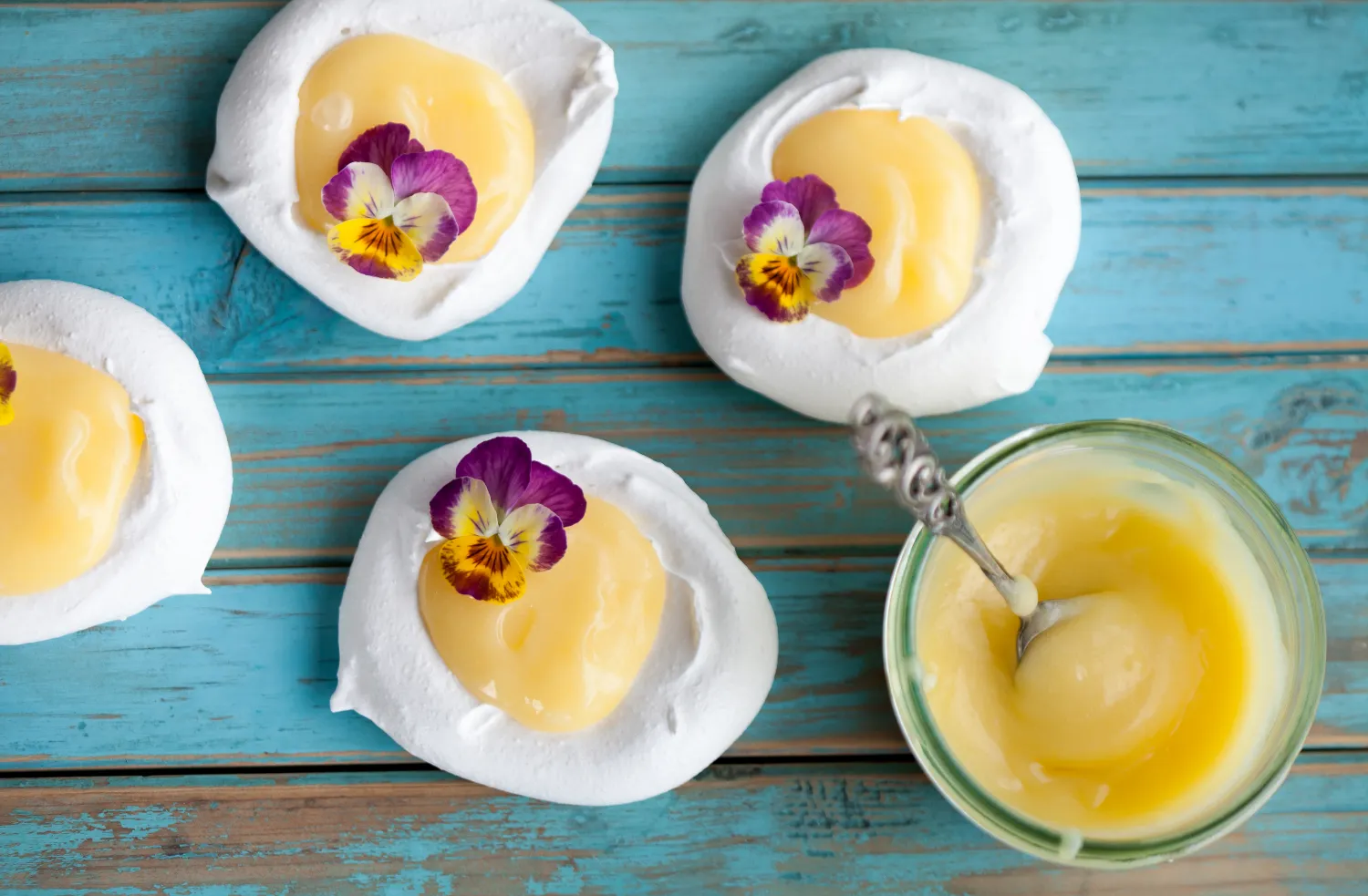
Meringue Shells with Lemon Curd
These light and airy pieces of happiness originated in Switzerland, using the main ingredients of egg whites and sugar and adding an acidic element such as vinegar or lemon juice. The key to making good meringue is using the kitchen machine to whip the egg whites long enough to reach the stage of stiff peaks. That, in addition to strictly following the measurements set to the ingredients.
The most common flavours of meringues are vanilla, apple juice and orange juice. Except that, you must be aware not to use these flavours with an extract containing an oil infusion since the extra bit of fat in the oil can hinder the process of making stiff peaks.
These meringues will be filled with lemon curd, a favourite in many places in the UK, Scotland, Ireland and Wales. The freshness of the lemon is the perfect match for the light sweetness of the meringues. And I assure you, this recipe is easier than you think!
Recipe
Cooking Time: 1 hour, plus standing and chilling time.
Ingredients for the meringues:
6 egg whites, large and at room temperature.
1 ½ cups of sugar.
1 teaspoon of white vinegar.
1 teaspoon vanilla.
¼ teaspoon of salt.
¼ teaspoon of cream of tartar. You can substitute it with an additional ½ teaspoon of white vinegar or lemon juice.
How to make it:
Preheat the oven to 225 degrees Celsius.
In a large bowl, add the egg whites, vanilla, vinegar, salt and cream of tartar, then beat everything on medium speed to reach a foamy texture.
Gradually add 1 TBS of sugar at a time, and beat the egg whites quickly. Continue until you’ve added all the sugar and stiff peaks are formed.
Fill a piping bag, which you can substitute with a safe plastic bag, cut the tip-off with the meringues, and then add a star-shaped tip.
Start piping the meringues on a tray lined with parchment paper, making round-shaped discs.
Bake the meringues for 45 to 50 minutes, until they’ve set and dried. Turn off the oven and leave inside for 1 hour. Do NOT open the oven before 1 hour.
Remove the meringues from the oven, then allow them to cool off completely.
Ingredients for the Lemon Curd:
½ cup of sugar.
1 cup of water.
½ cup lemon juice, plus 1 TBS.
3 large eggs.
2 TBS potato starch.
2 teaspoons lemon zest.
Fresh berries and whipped cream for topping, optional.
Add the sugar and potato starch in a small saucepan and mix them well.
Add the water and lemon juice and ensure the sugar and starch dissolve.
Cook the mixture until it thickens, then reduce the heat and cook for a couple more minutes.
Take off the heat and add a small amount of the mixture to the eggs, stirring well so as not to cook the eggs.
Add the egg mixture to the saucepan and stir everything together.
Put back on the heat until it comes to a boil, and cook it for two minutes while stirring.
Take off the heat, add 1 TBS of lemon juice and zest, and mix everything gently together.
Empty the lemon curd into a small bowl, cover it and refrigerate it.
When the meringues have cooled completely and the lemon curd has chilled, spoon the curd into their little sweet nest, adding a dollop of whipped cream and fresh berries for an extra sweet taste.
We know you’re probably confused about which recipe to try first; just go for any, and we promise you won’t regret it!




 Shaimaa Olwan
 Nouran Ashraf