Noodles and pasta have earned their place as the world’s most beloved comfort foods. Whether simmered in a rich broth, tossed in fragrant sauces, or stir-fried to perfection, these humble strands of dough transcend borders and bring people together around the table. With roots stretching from East Asia to Southern Europe and beyond, every culture has shaped its own signature version — each one telling a story of tradition, creativity, and flavour.
In this article, we’re embarking on a global culinary journey through 20 of the most iconic noodle and pasta dishes from around the world. From the bold spices of Thailand’s Pad Kee Mao to the creamy simplicity of Italy’s Cacio e Pepe, we’ll explore the origins, ingredients, and cultural significance behind each dish. Alongside these recipes, we’ll also delve into the different types of noodles, the countries most associated with them, and answer some of the most frequently asked questions about these versatile staples.
Whether you’re a noodle novice or a pasta connoisseur, this guide offers a taste of the world’s most comforting and flavour-packed dishes — all in one place.
Table of Contents
What Are Noodles and How Do They Differ from Pasta?
Though they may appear similar on the surface, noodles and pasta are distinct in both origin and composition. Often used interchangeably, especially in casual language, these two staples have evolved independently across different regions of the world, each carrying unique cultural, culinary, and nutritional significance.
Before we dive into our list of iconic dishes, it’s important to understand what separates a noodle from a pasta, and why it matters when discussing international recipes.
Defining Noodles
Noodles are one of the world’s oldest and most adaptable staple foods. Traditionally made from a simple mixture of flour and water, they can take on many forms depending on the region, culture, and ingredients available. Asian noodles, for instance, might use rice flour, buckwheat, or sweet potato starch, while other regions rely on wheat or egg-based variants.
What makes noodles distinct is their wide range of textures and cooking methods — boiled in soups, stir-fried, deep-fried, or even served cold. From silky strands of udon to the chewy bite of glass noodles, their versatility lies at the heart of their enduring popularity across continents.
What Counts as Pasta?
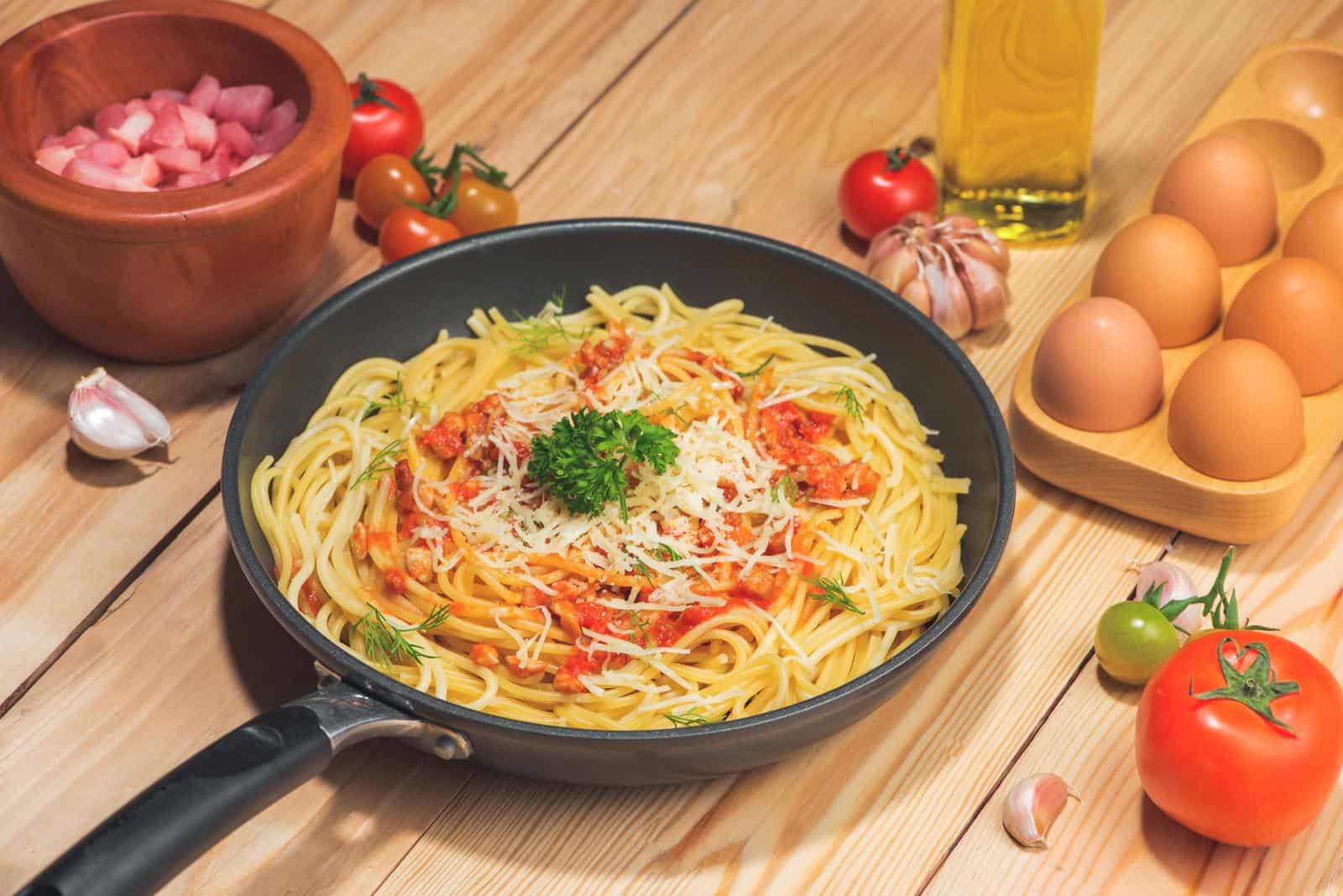
Pasta, on the other hand, is most commonly associated with Italian cuisine and is typically made from durum wheat semolina mixed with water or eggs. It includes familiar shapes like spaghetti, penne, fusilli, and farfalle, designed to pair with specific sauces and methods of preparation.
Unlike noodles, pasta often relies on its structure and shape to define both its cooking time and culinary pairing. Whether served al dente with a tomato-based sauce or baked into rich casseroles, pasta is a cornerstone of Mediterranean diets and cooking traditions.
Are All Pastas Noodles?
Not quite — and not all noodles are pasta either.
The terms noodle and pasta are often used interchangeably, especially in casual conversation, but they refer to distinct food traditions and ingredient profiles. While both are dough-based strands, pasta is a subset of noodles, primarily shaped by Italian culinary heritage and a more rigid definition of ingredients.
For example, ramen is a noodle but not a pasta, and spaghetti is both a noodle and a type of pasta. The key differences lie in:
Ingredients (durum wheat vs rice or other flours)
Preparation methods
Cultural origin
Feature
Noodles
Pasta
Common Ingredients
Wheat, rice, buckwheat, mung bean starch
Durum wheat semolina, eggs
Typical Origins
Asia (China, Japan, Thailand, Korea)
Europe (primarily Italy)
Texture Range
Soft, chewy, springy
Firm (al dente), dense
Shapes & Forms
Long strands, flat sheets, stuffed parcels
Tubes, spirals, ribbons, filled varieties
Cooking Techniques
Boiled, stir-fried, steamed, cold
Boiled, baked, sautéed
Examples
Udon, Ramen, Glass noodles, Rice vermicelli
Spaghetti, Penne, Ravioli, Fusilli
Types of Noodles Around the World
With countless varieties available across every continent, noodles are as diverse as the cultures that created them. From thick, chewy wheat strands to delicate rice vermicelli, the world of noodles offers a near-endless menu of textures, shapes, and cooking styles. While some are best known for soaking up rich broths, others shine when stir-fried or paired with bold sauces.
In this section, we explore the main categories of noodles found globally — from traditional Asian staples to European pasta types — and highlight what makes each one unique. Whether you’re trying to identify your favourite or expand your culinary knowledge, understanding these types is essential to appreciating their global appeal.
Wheat-Based Noodles (e.g. ramen, udon, spaghetti)
Wheat noodles are among the most widely consumed worldwide. Typically made with wheat flour and water, some may also include salt or alkaline agents for elasticity and bite.
Ramen (Japan): Thin and springy, often served in flavoured broths.
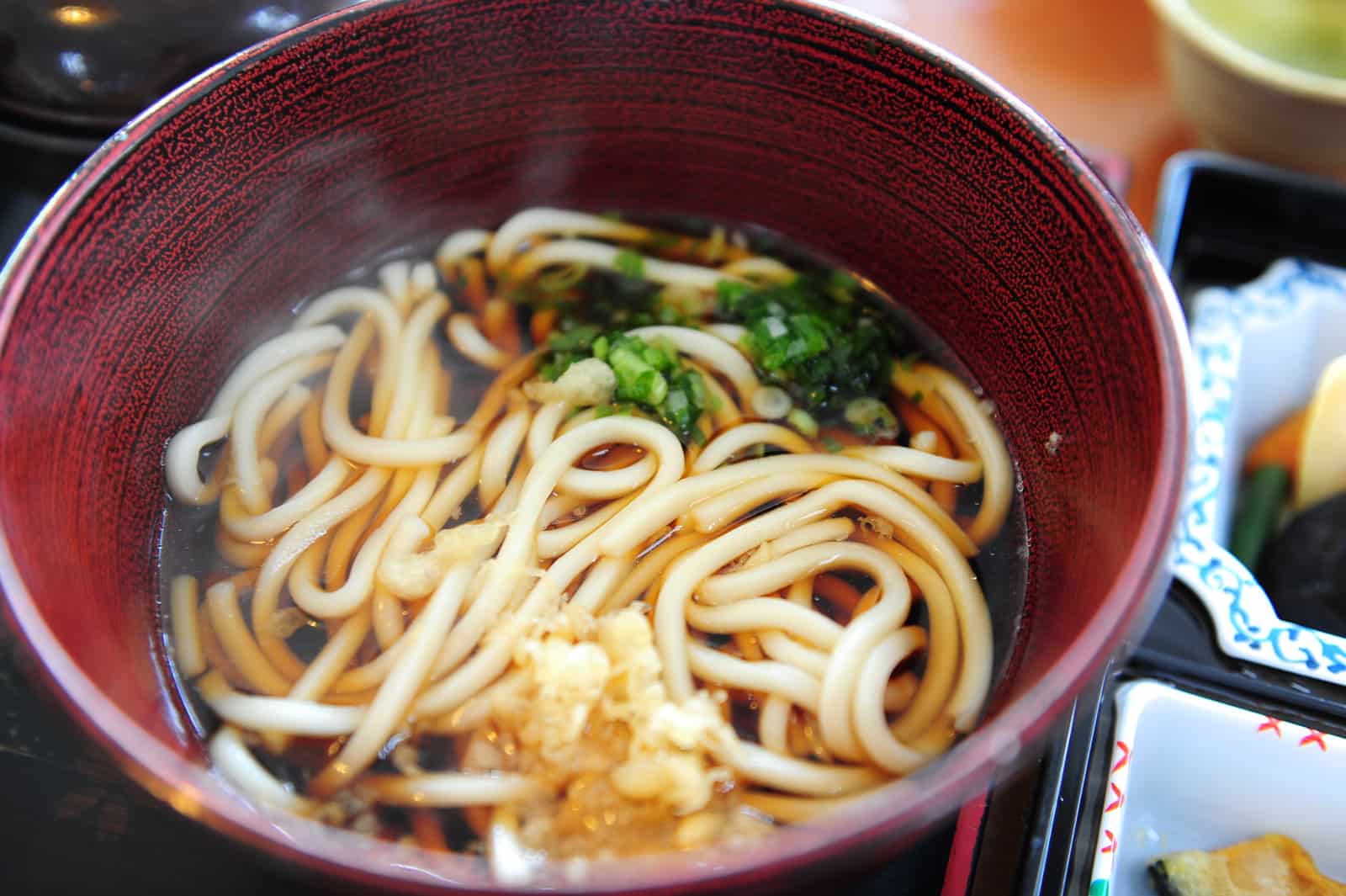
Udon (Japan): Thick and chewy, often used in hearty soups.
Spaghetti (Italy): Classic Italian pasta, usually served al dente with tomato or oil-based sauces.
These noodles offer versatility and are found in a wide range of savoury dishes, from simple broths to complex, sauce-laden plates.
Rice Noodles (e.g. pho, pad thai)
Made from rice flour and water, rice noodles are gluten-free and extremely popular across Southeast Asia.
Pho noodles (Vietnam): Flat and slippery, ideal for soups.
Pad Thai noodles (Thailand): Medium-width, slightly chewy, perfect for stir-frying.
Rice vermicelli: Thin, delicate strands used in salads and rolls.
These noodles are valued for their lightness and their ability to absorb bold flavours without overpowering the dish.
Egg Noodles
Egg noodles are made by enriching wheat dough with eggs, giving them a richer taste and golden colour.
Common in Chinese and European cuisines.
Used in dishes like lo mein, chow mein, and spaetzle.
Their slightly firmer texture makes them perfect for stir-fries and casseroles.
Their versatility and subtle flavour make them ideal for both dry and saucy preparations.
Glass or Cellophane Noodles
Also known as bean thread or mung bean noodles, these transparent noodles are made from starches such as mung bean, potato, or tapioca.
Often used in Korean japchae, hot pots, and spring rolls.
They absorb flavour exceptionally well and have a slippery, jelly-like texture when cooked.
Naturally gluten-free and low in calories.
Their translucent appearance makes them instantly recognisable, while their texture adds contrast to many Asian dishes.
Regional Styles (Asian vs European vs American)
Different regions have developed noodle traditions based on local ingredients and cooking techniques:
Asian Noodles: Tend to be softer, served in broths or stir-fried. A variety includes ramen, rice noodles, soba, and glass noodles.
European Pasta: Usually firmer, often served al dente. Includes spaghetti, fettuccine, penne, and gnocchi.
American Fusion: This style incorporates influences from both, often using instant noodles or pasta in comfort dishes like mac and cheese or stir-fried ramen burgers.
Understanding these regional nuances helps explain why the word noodle can mean different things depending on where you are, and why it’s often the same dish that brings people comfort all over the world.
Countries Famous for Noodles and Pasta
Across the world, certain countries have become synonymous with noodles or pasta, either through historic innovation or cultural influence. These nations have shaped how we understand and enjoy these dishes, from ancient traditions to modern culinary trends. Understanding the role each region plays offers critical context and builds topical authority when exploring global noodle cuisine.
Below, we highlight the countries most famously associated with noodles and pasta, their signature dishes, and how they’ve impacted global food culture.
Japan
Signature dishes: Ramen, Udon, Soba
Japan is known for its sophisticated noodle craft, where ingredients and preparation are elevated to an art form. Noodles are integral to both daily life and ceremonial tradition.
Ramen originated from Chinese wheat noodles but has been adapted into an iconic Japanese dish with deep regional variations, such as Tonkotsu (pork bone broth), Miso (fermented soybean), and Shoyu (soy sauce-based).
Udon is a thick, soft wheat noodle served in comforting broths or cold with dipping sauces. Variants like Kitsune Udon and Tempura Udon offer different textures and toppings.
Soba, made from buckwheat, carries a nutty flavour and is popular as a healthy option. Served hot or cold, it holds seasonal and symbolic significance, particularly during New Year celebrations.
Noodles in Japan are not just food but expressions of balance, regional pride, and attention to craft.
China
Signature dishes: Chow Mein, Dan Dan Noodles, La Mian
China is widely recognised as the birthplace of noodles, with archaeological evidence of noodle production dating back over 4,000 years. It also boasts the most diverse range of noodle types in the world.
Chow Mein is a Cantonese-style stir-fried noodle dish that has been embraced globally. It typically features thin egg noodles, vegetables, and a protein source.
Dan Dan Noodles, from Sichuan province, deliver bold flavours through spicy chilli oil, sesame paste, and preserved vegetables.
La Mian, or hand-pulled noodles, showcase incredible skill, with dough stretched into thin strands without cutting tools.
Every region in China offers a unique approach to noodle preparation, from wheat-based dishes in the north to rice-based ones in the south. The country’s noodle diversity is unmatched and continues to influence cuisines worldwide.
Italy
Signature dishes: Cacio e Pepe, Carbonara, Tagliatelle
Italy’s pasta culture is foundational to Western cuisine. Its influence stretches far beyond its borders, but at home, pasta is treated with deep respect and regional variation.
Cacio e Pepe is a minimalist Roman pasta dish that uses Pecorino Romano cheese, black pepper, and starchy pasta water to create a creamy sauce.
Carbonara is another Roman favourite. It combines eggs, Pecorino, guanciale, and pepper. It is often misunderstood but rarely replicated authentically.
Italy boasts over 300 distinct pasta shapes, each suited to a specific sauce or method of preparation, from broad lasagne sheets to thin angel hair.
When people ask, “Which country is pasta famous in?” The answer is indisputably Italy. It has elevated pasta into a cultural emblem and culinary science.
Southeast Asia
Signature dishes: Laksa, Pad Thai, Mie Goreng
Southeast Asia offers bold, vibrant noodle dishes that balance flavour, texture, and aroma. Noodles here are deeply embedded in everyday life, from bustling street stalls to home kitchens.
Pad Thai is Thailand’s national dish — stir-fried rice noodles combined with tamarind sauce, crushed peanuts, and often prawns or chicken.
Laksa, found in Malaysia and Singapore, exists in two primary forms: Curry Laksa (coconut milk-based) and Asam Laksa (tamarind-based). Both are spicy, rich, and deeply satisfying.
Mie Goreng, Indonesia’s signature fried noodle dish, is flavoured with sweet soy sauce (kecap manis), garlic, shallots, and chillies.
These dishes represent the interplay of indigenous ingredients and multicultural influences, resulting in a regionally diverse, globally respected noodle identity.
Middle East and Africa
Signature dishes: Kushari, Makaronia tou Fournou
Though not traditionally associated with noodles, the Middle East and North Africa have developed unique pasta-based dishes that reflect resourcefulness and fusion.
Kushari, Egypt’s national comfort food, combines pasta, rice, lentils, chickpeas, and fried onions with spiced tomato-vinegar sauce. Originally a street food, it has become a symbol of Egyptian identity.
In Cyprus and Lebanon, Makaronia tou Fournou (similar to Greek pastitsio) layers tubular pasta, minced meat, and béchamel sauce, baked to perfection.
These dishes show how pasta has been adopted and transformed across cultures to fit local taste and tradition.
Central and Eastern Europe
Signature dishes: Spaetzle, Haluski, Pastitsio
Beyond Italy, Europe has a rich noodle heritage shaped by climate, agriculture, and rural cooking traditions.
Spaetzle, found in Germany and Austria, are small, hand-pressed noodles often paired with cheese, fried onions, or stews. They offer a soft, doughy texture unique to the region.
Haluski, popular in Poland and Slovakia, is a hearty dish made with egg noodles, fried cabbage, and onions, often enriched with bacon or butter.
Pastitsio, the Greek cousin of lasagne, layers pasta with spiced minced meat and creamy béchamel, combining Italian technique with Mediterranean flavour.
These dishes demonstrate how noodles and pasta are not just Italian exports but part of a wider European comfort food tradition.
Top 20 Noodle and Pasta Dishes from Around the World
From bustling street food stalls in Bangkok to rustic kitchens in Rome, noodle and pasta dishes have carved out a place in nearly every culinary tradition. While ingredients, preparation methods, and cultural contexts vary, the core idea remains the same — these dishes offer warmth, nourishment, and a connection to something deeply rooted in heritage.
In this section, we explore 20 of the most celebrated noodle and pasta dishes worldwide. Each one reflects the history, geography, and flavour preferences of its origin, and many have transcended borders to become international favourites. From the hearty broths of Japan to the creamy sauces of Italy, this curated list showcases just how universal and diverse noodle-based comfort food can be.
Each dish below is described in terms of its cultural context, key ingredients, and unique characteristics, offering inspiration and insight for food lovers and curious cooks alike.
1. Udon – Japan
Udon is not your typical noodle dish. Thick, chewy, and satisfying, these wheat-based noodles offer a texture that’s as comforting as the flavours they carry. Unlike thin or delicate varieties, udon noodles are known for their robust bite, making them ideal for hearty soups and broths. They’ve long been a staple in Japanese cuisine, celebrated for their versatility and year-round appeal.
One of the most popular ways to enjoy them is in Kake Udon, a simple noodle soup that perfectly captures the essence of Japanese comfort food. The broth — made from dashi (Japanese soup stock), soy sauce, mirin, and a touch of sugar — is light yet deeply savoury. It’s the kind of dish you turn to on a cold day, but it’s equally enjoyable served chilled during the summer months, where it offers a refreshing change of pace.
Beyond the basic version, udon serves as the base for a wide variety of regional and seasonal interpretations. Curry Udon sees the noodles bathed in a rich Japanese curry sauce — sweeter and milder than its Indian counterpart, but just as warming. Yaki Udon, on the other hand, skips the broth entirely and stir-fries the noodles with soy sauce, vegetables, and a choice of protein for a smoky, savoury result. Then there’s Tempura Udon, topped with crispy prawn or vegetable tempura, and Kitsune Udon, garnished with sweet fried tofu — each offering a unique spin on this beloved classic.
Whether served hot or cold, in soup or stir-fried, udon remains one of the most adaptable noodle dishes in the world. It embodies the Japanese culinary philosophy of simplicity, balance, and seasonal variation. With every bowl, there’s an opportunity to experience tradition, comfort, and an appreciation for ingredients done right. In Japan, udon isn’t just a meal — it’s a reflection of thoughtful cooking and the subtle power of well-balanced flavour.
2. Cacio e Pepe – Italy
No discussion about noodles or pasta from around the world would be complete without highlighting the timeless brilliance of Italian cuisine, and few dishes embody its essence better than Cacio e Pepe. Literally translated as “cheese and pepper”, this Roman staple is a masterclass in simplicity. Just a few humble ingredients come together to create a dish that’s comforting, rich in flavour, and undeniably iconic.
At its core, Cacio e Pepe consists of three components: spaghetti (or occasionally tonnarelli), finely grated Pecorino Romano cheese, and freshly cracked black pepper. What makes this dish exceptional isn’t the ingredient list, but rather the technique. As the hot, starchy pasta water meets the cheese and pepper, it emulsifies into a silky, creamy sauce that clings to every strand, without the need for cream or butter. It’s culinary alchemy, Roman style.
Although you’ll find countless adaptations around the world, some incorporating butter or cream for added richness, purists stick to tradition. The beauty of Cacio e Pepe lies in its restraint. It demonstrates how high-quality ingredients, used with care, can deliver far more than the sum of their parts. It’s not only a favourite in homes across Italy, but also a must-try in trattorias throughout Rome.
More than just a comfort dish, Cacio e Pepe is a symbol of Italy’s culinary philosophy: respect for ingredients, precision in preparation, and an emphasis on taste over embellishment. Its enduring popularity across generations, and now across borders, proves that sometimes the simplest recipes leave the strongest impression.
3. Chow Mein – China
Chow Mein is one of the most recognisable Chinese noodle dishes worldwide. It is a mainstay of takeaway menus and a beloved comfort food that bridges East and West. Translating directly to “fried noodles” (chow meaning stir-fry and mein meaning noodles), this dish offers the perfect combination of crisp textures, savoury sauces, and adaptable ingredients.
Originating in northern China, Chow Mein has since been adapted across countless cultures, particularly in Western countries where it’s often tailored to local palates. At its heart, however, the dish remains a stir-fried medley of egg noodles, vegetables, and a protein of choice — typically chicken, pork, beef, prawn, or tofu. The noodles are first parboiled and then tossed in a hot wok with garlic, scallions, and a savoury soy-based sauce until slightly crisped and golden.
The sauce itself is deceptively simple: a combination of dark and light soy sauce, oyster sauce, and black pepper. What brings it all together is the coating mixture often used on the protein — a blend of water, cornstarch, and sesame oil that adds tenderness and helps lock in flavour. The result is a glossy, fragrant dish that’s savoury, satisfying, and incredibly moreish.
What makes Chow Mein so universally loved is its flexibility. It can be made vegetarian or meat-heavy, spicy or mild, soft or crispy, depending on regional variation and personal preference. In China, you’ll find both crispy Chow Mein, where the noodles are fried until crunchy, and soft Chow Mein, which maintains a tender chew. In the West, it’s often seen as the quintessential Chinese takeaway dish — and with good reason.
Chow Mein isn’t just fast food; it’s a celebration of texture, balance, and bold flavour. Whether enjoyed from a street vendor in Guangdong or a box on your sofa at home, this dish captures the spirit of Chinese cuisine in every bite.
4. Pho – Vietnam
Among Vietnam’s many beloved dishes, Pho stands out as a national treasure — and one of the most internationally recognised noodle soups in the world. This comforting, aromatic bowl brings together delicate rice noodles, richly seasoned broth, and tender slices of meat. Though seemingly simple at first glance, a well-made pho is a product of patience, balance, and meticulous layering of flavour.
Pho (pronounced fuh) is traditionally made with beef broth simmered over several hours — sometimes even overnight — to extract depth from bones, marrow, and aromatic vegetables. Commonly used ingredients include charred onions, ginger, and a distinctive blend of spices: star anise, cardamom, cinnamon, cloves, and fennel seeds. This spice profile is what gives pho broth its signature warmth and fragrance. While beef pho (pho bo) is the classic version, chicken pho (pho ga) and vegetarian adaptations have become equally popular in modern kitchens.
The noodles used are soft, flat rice noodles, which soak up the flavour of the broth without overpowering it. A standard bowl is topped with slices of rare or braised beef, with optional additions like meatballs or tendon. Served steaming hot, pho is always accompanied by a generous plate of fresh herbs and garnishes — Thai basil, bean sprouts, lime wedges, sliced chilli, and hoisin or sriracha sauce — allowing each person to customise their bowl to taste.
Pho is more than a dish; it’s a cornerstone of Vietnamese culinary identity. Eaten at breakfast, lunch, or dinner, and often made in large batches for the family or community, it symbolises warmth, nourishment, and hospitality. Its rise on the global food stage has introduced many to the intricacies of Vietnamese noodle soup — a dish that’s as versatile and soulful as the country it comes from.
5. Japchae – South Korea
As Korean cuisine continues to gain international recognition, few dishes better represent its balance and flavour profile than Japchae. A celebratory staple often served during Korean holidays and special occasions, Japchae is a beautifully composed Korean noodle dish that brings together glossy glass noodles, stir-fried vegetables, and marinated beef in perfect harmony.
The foundation of Japchae is glass noodles (also known as dangmyeon), which are made from sweet potato starch. These noodles are translucent when cooked and have a chewy, springy texture that sets them apart from other noodle types. Light but satisfying, they absorb flavours exceptionally well, making them the ideal vehicle for the dish’s signature savoury-sweet profile.
What truly elevates Japchae is its careful seasoning and preparation. Beef is typically marinated in a mixture of soy sauce, sugar, minced garlic, sesame oil, mirin, and black pepper, giving the meat a deep, umami-rich flavour. Vegetables — commonly carrots, spinach, onions, mushrooms, and bell peppers — are stir-fried individually to retain their colour and texture before being combined. The noodles are then mixed with the beef and vegetables and coated in the same seasoning to bring everything together. Optional toppings such as thin slices of egg omelette or toasted sesame seeds can be added for extra colour and richness.
One of Japchae’s most appealing qualities is its versatility. It can be served hot or cold, as a main dish or a side dish, and is equally suitable for weeknight dinners or festive banquets. While traditionally reserved for Korean New Year and birthdays, its rise in global popularity has made it a year-round favourite in both home kitchens and Korean restaurants abroad.
Japchae exemplifies the Korean culinary philosophy of balance — sweet and savoury, soft and crunchy, warm and cool. It’s a dish that highlights technique, respect for ingredients, and vibrant presentation, making it a must-try for anyone exploring the world of traditional Korean food.
6. Laksa – Southeast Asia
Among the many noodle dishes that Southeast Asia has given the world, few are as bold, complex, and beloved as Laksa. A fiery and fragrant noodle soup, Laksa is a signature of Peranakan cuisine — a vibrant blend of Chinese and Malay culinary traditions that originated in coastal trading communities across Malaysia, Indonesia, and Singapore. Whether enjoyed from a bustling hawker stall or prepared at home, Laksa represents the region’s love for spicy, aromatic, and deeply satisfying food.
There are two primary types of Laksa, each offering a distinct taste experience: Curry Laksa and Asam Laksa.
Curry Laksa is the richer and more widely recognised version. The base is a creamy, spicy broth made from coconut milk and curry paste, often infused with chillies, lemongrass, garlic, and galangal. The soup is then generously filled with a mix of ingredients such as fish balls, tofu puffs, prawns, or shredded chicken, along with yellow wheat noodles or thin rice noodles. The result is a full-bodied, indulgent bowl that delivers both heat and creaminess in equal measure. It’s hearty, comforting, and often considered the ultimate Southeast Asian noodle soup.
In contrast, Asam Laksa is a tangier, lighter version, primarily found in Malaysia. Instead of coconut milk, it features a fish-based broth (typically mackerel or sardine) combined with tamarind (asam), giving the soup its distinctive sour profile. It’s typically served with thick rice noodles and garnished with ingredients like shredded cucumber, pineapple, mint leaves, and a dollop of shrimp paste, which adds an umami depth. Asam Laksa offers a refreshing counterpoint to the richness of Curry Laksa, and is especially popular in Penang and northern regions.
What unites these two styles is their bold use of local spices and the balance of sweet, sour, salty, and spicy flavours — a hallmark of Southeast Asian cuisine. Whether you prefer the richness of Curry Laksa or the zesty kick of Asam Laksa, both variations reflect the layered complexity of the region’s food culture.
Laksa is not just a dish — it’s a sensory journey. It captures the diversity of its origins, the creativity of fusion cooking, and the unapologetic boldness that defines so much of Southeast Asian street food. For lovers of spicy, flavour-packed meals, this is one noodle soup that simply can’t be missed.
7. Kushari – Egypt
Among Egypt’s most cherished street foods, Kushari (also spelt Koshari) holds a special place — not only for its rich, hearty composition but also for its role as a deeply satisfying comfort food. This carb-loaded, plant-based dish is a culinary symbol of Egypt’s working-class heritage, loved equally by locals and visitors alike. Though it may appear simple at first glance, Kushari is a flavour-packed mosaic of textures and ingredients that reflect the diversity and ingenuity of Egyptian cuisine.
The base of Kushari is built on an unconventional but incredibly effective combination of carbohydrates: rice, lentils, chickpeas, and not one but two types of pasta — usually spaghetti and ditalini or elbow macaroni. These elements are cooked separately and then layered together in a bowl, creating a dish that is filling, nutrient-dense, and naturally vegan. This unique pairing of pasta and rice may seem unusual, but it delivers a satisfying contrast of chew and softness that makes Kushari distinct.
What truly elevates Kushari is its generous garnish of crispy fried onions, added just before serving to provide crunch and aroma. A spiced tomato sauce, typically made with garlic, cumin, and vinegar, is poured over the base and ties everything together with tang and warmth. Some versions include a separate vinegar-chilli sauce (da’a) served on the side, allowing diners to adjust the heat and acidity to their liking.
Despite its humble ingredients, Kushari is a dish of depth and balance. It’s hearty without being heavy, spicy without being overwhelming, and satisfying in every sense of the word. Whether enjoyed from a street vendor in Cairo or prepared in large batches at home, this Egyptian pasta dish represents both nourishment and national pride.
As far as Middle Eastern comfort food goes, Kushari stands out for its ability to deliver bold flavour using inexpensive, accessible ingredients. It’s a perfect example of how creativity in the kitchen can turn everyday staples into a meal that’s memorable, meaningful, and wholly satisfying.
8. Pad Thai – Thailand
Among the most internationally beloved dishes from Southeast Asia, Pad Thai is undoubtedly Thailand’s culinary ambassador to the world. Found everywhere from street vendors in Bangkok to high-end fusion restaurants abroad, this Thai stir-fried noodle dish is a masterclass in balance, blending sweet, sour, salty, spicy, and nutty elements into one unforgettable plate.
At its core, Pad Thai is made with flat rice noodles that resemble fettuccine in shape and texture. These noodles are stir-fried over high heat, which helps them retain a chewy consistency while absorbing the rich flavours of the sauce. The word “Pad” in Thai means “to stir-fry”, which speaks to the cooking method that defines the dish. It’s fast, hot, and requires precision — a technique honed by Thai street food chefs across generations.
The signature Pad Thai sauce is what sets this dish apart. It’s a complex blend of tamarind paste, fish sauce, chilli garlic sauce, dried shrimp, and palm sugar, sometimes enhanced with garlic or shallots. The result is a glossy, savoury coating that ties the ingredients together with depth and vibrancy. While shrimp Pad Thai is the most traditional version, other common proteins include chicken, beef, or tofu, making it an adaptable choice for a variety of dietary preferences.
Additional components add colour, crunch, and freshness: eggs scrambled directly into the wok, bean sprouts, grated carrots, spring onions, and a generous sprinkle of crushed peanuts just before serving. A wedge of lime on the side allows each diner to adjust the citrus balance to their taste, further customising the experience.
Pad Thai represents the traditional Thai noodle dish at its best — affordable, flavourful, and deeply satisfying. Its appeal lies not just in its taste but in its sensory layers: from the aroma of sizzling garlic to the crunch of peanuts and the tang of tamarind. Whether eaten at a roadside stall in Chiang Mai or recreated at home, Pad Thai continues to be one of the world’s most popular Asian noodle dishes, and with good reason.
9. Ramen – Japan
Few dishes have captured global attention in recent decades quite like ramen. Once a humble street food, ramen has grown into an international culinary phenomenon, representing the heart of Japanese noodle soup culture. Often referred to as Japan’s national dish, second only to sushi in cultural recognition, ramen is beloved for its comforting warmth, depth of flavour, and near-infinite customisation.
At its core, ramen is built on three key components: the broth, the noodles, and the toppings. Each element varies according to region, chef, and personal preference, making ramen one of the most dynamic noodle dishes in the world.
The broth forms the foundation of any good bowl. There are four main types of ramen broth, each named for its flavour base:
Shoyu Ramen: The most common variety in Japan, made with a clear, brown soy sauce–based broth. It’s typically prepared with chicken, but pork, beef, or fish may also be used.
Shio Ramen: A lighter broth, seasoned with salt (shio), often paired with delicate proteins and vegetables.
Miso Ramen: Made from fermented soybean paste (miso), this version is rich and creamy, offering deeper umami flavour.
Tonkotsu Ramen: Perhaps the most indulgent, Tonkotsu features a cloudy, collagen-rich broth made by simmering pork bones for hours — a staple in Fukuoka and Kyushu.
The ramen noodles themselves vary in thickness, texture, and shape, from thin and straight to thick and wavy. They are typically made from wheat flour, water, salt, and an alkaline mineral called kansui, which gives them their signature chew and yellow hue.
Toppings are what bring personal expression to each bowl. Common additions include:
Chashu: Slices of slow-braised or roasted pork belly.
Tamago: Marinated soft-boiled eggs with creamy yolks.
Nori: Dried seaweed sheets for added umami.
Menma: Seasoned bamboo shoots for crunch.
Spring onions, corn, bean sprouts, and even a dollop of spicy miso are all regularly used to tailor flavour and texture.
Whether you’re slurping noodles at a tiny Tokyo ramen-ya or making your own version at home, ramen is the epitome of comfort in a bowl. Its evolution from working-class meal to gourmet dish speaks to its versatility, depth, and global appeal.
10. Dan Dan Noodles – China
For lovers of bold, spicy cuisine, Dan Dan noodles deliver on all fronts. Hailing from the Sichuan province of China, this fiery, savoury noodle dish is a street food staple that has become a cult favourite far beyond its place of origin. Known for its rich, numbing spice and nutty depth, Dan Dan noodles are a defining example of Sichuan noodle dishes — unapologetically flavourful and deeply satisfying.
Traditionally served as a single-portion street snack, Dan Dan noodles (Dan Dan Mian) have three core components that create their distinctive taste: the spicy sauce, the toppings, and the noodles themselves.
The sauce is where the magic begins. A typical Dan Dan sauce includes Chinese sesame paste, chilli oil, soy sauce, black vinegar, and the unmistakable tingle of Sichuan peppercorns. The result is a thick, complex base that hits all five flavour notes — spicy, savoury, nutty, tangy, and aromatic. Unlike thinner broths used in other Chinese noodle soups, this sauce coats the noodles rather than drowning them, intensifying every bite.
The toppings are equally important. Authentic versions usually feature minced pork, preserved mustard greens (ya cai), chopped spring onions, and crushed peanuts or fried peanuts for texture. These layers not only contribute additional umami and crunch, but also offer contrast to the slick, spicy sauce beneath.
The noodles are typically plain wheat noodles, cooked to a slightly firm texture to hold up against the weight of the sauce. While traditionally served dry or with minimal broth, some modern variations offer a soupier presentation, but the core flavour remains unmistakably Sichuan.
What makes Dan Dan noodles truly special is the balance they strike between heat, richness, and mouth-numbing spice — a signature of Sichuan cuisine. Every element is bold yet considered, turning a simple bowl of noodles into a sensory experience. Whether you’re sampling them at a roadside stall in Chengdu or preparing them at home, this is one spicy Chinese noodle dish you won’t soon forget.
11. Pad Kee Mao – Thailand
If you’re after a spicy, savoury, and deeply satisfying noodle dish, Pad Kee Mao — also known as Drunken Noodles — is a Thai classic you need to try. Bold, aromatic, and packed with heat, this Thai stir-fried noodle dish is a favourite among locals and tourists alike. The name “Drunken Noodles” doesn’t refer to alcohol in the recipe, but rather to its reputation as the perfect cure for a hangover, or simply a great match for a cold beer.
Pad Kee Mao is made using wide rice noodles, which are broader and flatter than those used in Pad Thai. Their width allows them to soak up the punchy sauce and retain a pleasantly chewy texture. Stir-fried quickly over high heat, these noodles take on a smoky, caramelised flavour that gives the dish its signature intensity.
The flavour foundation of Pad Kee Mao sauce is a robust blend of Thai red chilli paste, soy sauce, oyster sauce, fish sauce, and a touch of brown sugar to balance the salt and spice. The dish is usually cooked with a variety of vegetables such as bell peppers, onions, baby corn, and green beans. Proteins such as chicken, beef, prawns, or tofu are often added, making it a versatile and hearty meal.
What truly sets Drunken Noodles apart is the use of Thai holy basil — a fragrant herb with a slightly peppery taste and an aroma that intensifies as it hits the wok. Unlike sweet basil, Thai holy basil adds a sharp, almost liquorice-like dimension that cuts through the heat and umami, elevating the dish beyond your typical stir-fry.
Pad Kee Mao is a prime example of Thai street food — quick to cook, bold in flavour, and unapologetically fiery. Whether enjoyed at a market stall in Bangkok or recreated in your home kitchen, it’s a dish that captures the soul of Thai cuisine: vibrant, spicy, and impossible to forget.
12. Spaetzle – Germany
When thinking of German cuisine, hearty meats and stews may come to mind, but no traditional Bavarian or Swabian meal is complete without a side of Spaetzle. These soft, chewy egg noodles are a cornerstone of southern German cooking and have also earned their place in the culinary traditions of Austria and Switzerland. Unlike long, stringy noodles, Spaetzle has a short, irregular shape more akin to small dumplings than typical pasta, giving it a uniquely comforting texture.
Spaetzle is a Swabian noodle dish that’s typically made from a simple batter of flour, eggs, and salt — sometimes with a splash of milk or sparkling water for lightness. The dough is pushed through a special colander or Spaetzle press directly into boiling water, forming small, uneven pieces that are cooked until just tender. The result is a bowl of German egg noodles that are soft but slightly chewy, making them the perfect base for rich sauces and hearty toppings.
Traditionally, Spaetzle is served as a side dish, often paired with meat stews, roasted pork, or sausages. However, one of the most beloved versions is Kaesespaetzle — a cheese spaetzle casserole layered with grated cheese (usually Emmental or Gruyère) and topped with crispy fried onions. Sometimes referred to as Germany’s answer to mac and cheese, it’s creamy, savoury, and deeply satisfying.
This noodle dish is a staple at celebrations like Oktoberfest, where it’s often enjoyed with beer and roasted meats. Its popularity has also made it a common feature on Alpine menus and in family-style German restaurants across Europe and beyond.
Spaetzle is a dish that speaks to comfort and simplicity. Whether you enjoy it drenched in gravy, baked with cheese, or as a rustic accompaniment to a main course, It is a shining example of how regional pasta traditions can hold their own against global classics.
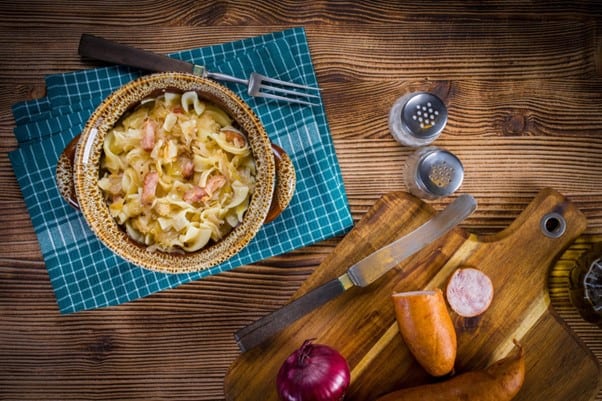
13. Haluski – Poland
Comfort food doesn’t get much simpler — or more satisfying — than Haluski. This humble yet hearty Polish noodle dish is a staple in many Eastern European households, celebrated for its warming ingredients and no-fuss preparation. Often enjoyed as a side dish or a main in itself, Haluski brings together soft egg noodles, caramelised cabbage, sweet onions, and crispy bacon or sausage — all cooked together in lashings of butter.
Originating in Poland and also common in Slovakia and parts of Ukraine, Haluski exemplifies Eastern European comfort food. The star of the dish is cabbage and noodles, sautéed until golden and tender. The cabbage and onions are slowly caramelised in butter, allowing their natural sweetness to develop and providing a flavourful base. Once soft and fragrant, they’re tossed with cooked egg noodles, and traditionally finished with pieces of bacon, kielbasa, or smoked sausage for added richness and texture.
Though simple, Haluski can be easily adapted. Some versions use mushrooms, caraway seeds, or garlic for extra depth. Vegetarian adaptations skip the meat and focus on the buttery vegetables, while others dial up the indulgence with sour cream or cheese. Regardless of variation, what remains constant is the dish’s rustic charm and homestyle appeal.
Haluski is particularly popular during the colder months, served during holidays or Sunday dinners, and frequently found at Polish-American community events. It’s quick to make, economical, and perfect for feeding a crowd — all reasons why it has stood the test of time.
Whether you call it cabbage and noodles, buttered noodles with cabbage, or simply Haluski, this dish embodies the heartiness and hospitality of Polish cuisine. One bite and it’s easy to see why it remains a comfort classic across generations and borders.
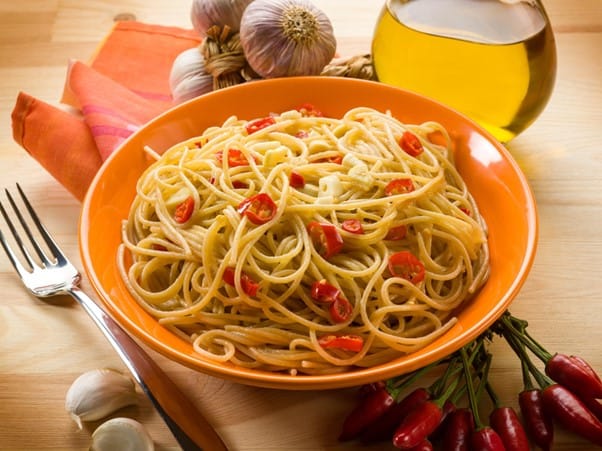
14. Aglio e Olio – Italy
When it comes to mastering flavour through simplicity, few dishes compete with Aglio e Olio. This traditional Italian pasta dish hails from Naples and is revered for doing a lot with very little. Translating to “garlic and oil”, spaghetti aglio e olio is exactly that: a minimalist recipe where each ingredient plays a vital role in creating something greater than the sum of its parts.
The dish begins with spaghetti, typically cooked al dente to maintain the perfect bite. While the pasta boils, fresh garlic is gently sautéed in extra virgin olive oil until golden and aromatic, infusing the oil with its signature fragrance. This garlic-infused oil is the flavour base of the dish, coating every strand of spaghetti without overpowering it. Some versions also include a splash of pasta water to help emulsify the oil and create a subtle, glossy sauce.
What gives Aglio e Olio its edge is the finishing touch: a generous pinch of red pepper flakes (or finely chopped fresh chilli) for a mild heat that complements the richness of the oil. A bit of black pepper rounds out the seasoning, and although not strictly traditional, some cooks add parsley or a sprinkle of Parmesan to finish.
Despite its short ingredient list, Italian garlic pasta like this is deeply satisfying. It’s a go-to meal for late nights, quick dinners, or when the pantry is nearly bare — yet it always feels like a treat. The beauty lies in technique: browning the garlic just right, not overcooking the pasta, and allowing the oil to cling rather than pool.
Pasta with garlic and oil is more than just a backup meal — it’s a celebration of essential ingredients done well. It represents the Italian philosophy of letting simple elements shine through quality and care. Quick, affordable, and endlessly flavourful, Aglio e Olio proves that true comfort food doesn’t need to be complicated.
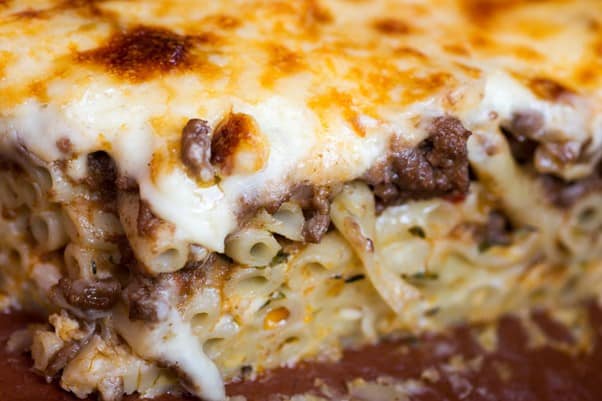
15. Pastitsio – Greece
If there’s one dish that embodies Greek comfort food, it’s Pastitsio. Often described as Greece’s answer to lasagne, Pastitsio is a rich, satisfying pasta casserole that layers tubular pasta with fragrant meat sauce and creamy béchamel. Served at family gatherings, Sunday lunches, and festive occasions, it’s a staple of Greek home cooking and a favourite in tavernas across the country.
Pastitsio is typically made using bucatini, a long pasta similar to spaghetti but with a hollow centre, perfect for catching sauce. However, penne or ziti pasta are also commonly used, particularly in modern or home-style versions. The pasta layer is partially cooked, lightly coated in egg or cheese, and forms the structural base of the dish.
The meat sauce is what gives Pastitsio its character. Unlike a standard Bolognese, the Greek version is subtly spiced with cinnamon, clove, and sometimes allspice, giving it warmth and depth. Made from minced beef (or lamb), onions, red wine, and tomato paste, the sauce is reduced until thick and aromatic, then spread evenly over the pasta.
At the heart of this Greek pasta bake is the luxurious béchamel sauce, made from a simple roux of butter and flour, combined with milk and gently whisked until velvety smooth. Often enriched with egg yolks and grated cheese, the béchamel forms the final layer, creating a golden, creamy crust once baked. When sliced, Pastitsio reveals clean layers — tender pasta, savoury meat, and a soft, cheesy topping.
Much like moussaka (which uses aubergine in place of pasta), Pastitsio is more than just a meal; it’s a dish steeped in tradition, family, and celebration. Its balance of spice, richness, and texture makes it a standout among baked pasta dishes, and its popularity continues to grow far beyond Greek borders.
Whether you’re looking for a showstopping dinner or a hearty make-ahead dish, Pastitsio delivers on both taste and tradition.
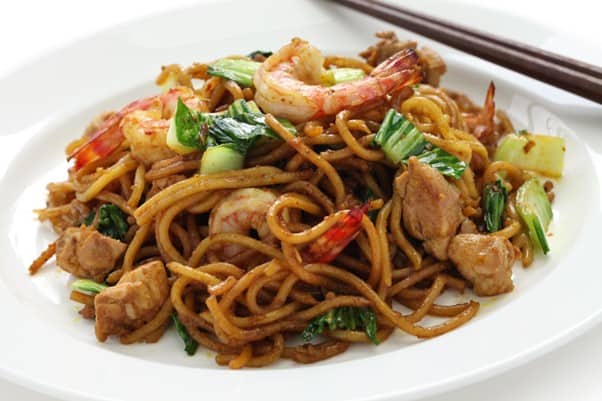
16. Mie Goreng – Indonesia
If you enjoy noodles that strike a perfect balance between sweet and savoury, Mie Goreng will likely become a firm favourite. This classic Indonesian stir-fried noodle dish is beloved not only across Indonesia, but also in Malaysia, Singapore, and other parts of Southeast Asia. It’s bold, rich, and deeply comforting — a dish that delivers big flavours with humble ingredients.
At the heart of Mie Goreng is its distinctively sweet, umami-rich sauce. The signature ingredient is kecap manis, a thick, caramelised Indonesian sweet soy sauce that gives the dish its dark colour and signature flavour. This is typically blended with standard soy sauce, oyster sauce, a touch of ketchup, and a drizzle of sesame oil to create a sticky, glossy coating that clings beautifully to the noodles. The sauce is slightly smoky, sweet, salty, and packed with umami — ideal for high-heat wok cooking.
The noodle base can vary. While instant noodles are common for quick versions, traditional recipes use egg noodles, which are boiled and then stir-fried until lightly crisped at the edges. A typical plate of Mie Goreng includes a medley of proteins — usually a combination of shrimp and chicken — paired with shredded cabbage, spring onions, and egg ribbons for colour and texture. It’s not unusual to find this dish topped with fried shallots, a lime wedge, and a fried egg for added indulgence.
Mie Goreng is considered everyday fare in Indonesia. It can be found at street food stalls, home kitchens, or upscale restaurants. Its versatility means it can be adjusted to suit vegetarians, spice lovers, or those seeking a milder version.
As far as Southeast Asian noodle dishes go, Mie Goreng offers something special: a balance of sweet soy, wok char, and well-seasoned ingredients that make every bite irresistible. Whether served as a quick meal or part of a larger spread, it embodies the comfort, speed, and flavour of Indonesian cooking.
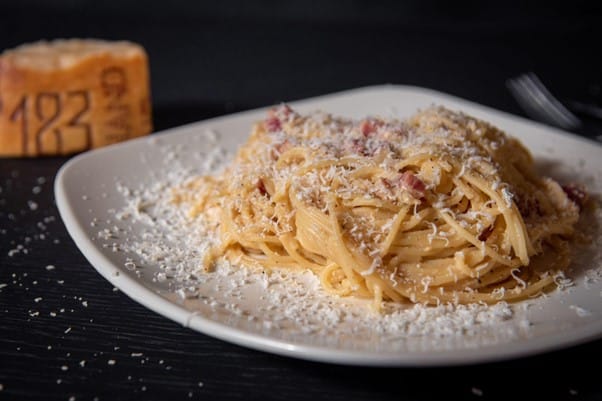
17. Carbonara – Italy
Few dishes define Roman cuisine quite like Spaghetti alla Carbonara. Rich, creamy, and undeniably indulgent, Carbonara is one of the most iconic and beloved pasta dishes to emerge from Italy’s capital. At first glance, it may seem like another simple Italian egg pasta, but its technique and balance of ingredients require attention to detail, and reward you with mouth-watering results.
The dish is traditionally made with just a handful of ingredients: spaghetti, guanciale (cured pork cheek), pecorino Romano cheese, eggs, and black pepper. What makes Carbonara unique is the absence of cream — the silky, luscious sauce is created by emulsifying the beaten eggs with the rendered fat from the guanciale and a splash of the starchy pasta water. When done correctly, the sauce clings to each strand of spaghetti, creating a luxurious texture without ever being heavy or greasy.
In Rome, authenticity matters — and the use of guanciale and pecorino Romano is non-negotiable. However, outside Italy, variations often substitute pancetta or bacon for guanciale, and parmesan for pecorino. While these adaptations can still produce a tasty result, they slightly shift the flavour profile of this traditional Italian pasta dish.
Carbonara is more than a comfort food — it’s a study in contrast: salty and creamy, rich yet balanced, quick to prepare but deeply satisfying. Though it’s now found on menus worldwide, the best place to try an authentic Roman pasta dish like this is, of course, in Rome itself. Served piping hot with a twist of black pepper, it’s a dish that manages to feel both rustic and refined.
Whether you recreate it at home or order it in a trattoria, spaghetti alla carbonara delivers the warmth and complexity that make Italian food so universally loved.
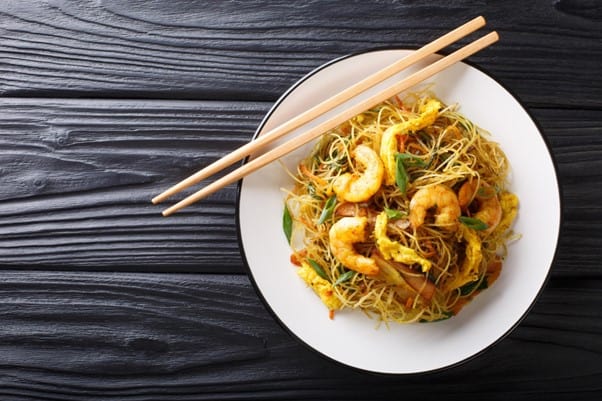
18. Mei Fun – Singapore
Despite its name, Singapore Mei Fun isn’t a traditional Singaporean dish — in fact, it has no direct roots in Singaporean cuisine. Rather, this vibrant rice vermicelli stir-fry is believed to have been created by chefs in Hong Kong, drawing influence from Southeast Asian flavours and adapted widely across Chinese takeaways around the world. Today, it’s one of the most popular items on Cantonese restaurant menus, particularly in the UK and North America.
At its core, Mei Fun (also spelt Mai Fun) refers to thin rice noodles, also known as rice vermicelli. These noodles are soft yet springy, making them ideal for fast stir-frying over high heat. In the Singapore-style version, the noodles are tossed with a colourful mix of ingredients: shredded carrots, bell peppers, spring onions, scrambled eggs, shrimp, and often char siu (Chinese BBQ pork). The combination of textures — soft noodles, crisp vegetables, and juicy protein — makes for a dynamic eating experience.
What gives Singapore noodles their distinctive character is the use of curry powder, which lightly coats the noodles and imparts a warm, aromatic depth without overwhelming heat. This curry seasoning is typically paired with soy sauce and a touch of sesame oil, which adds gloss and nuttiness to the dish. The result is a stir-fry that’s fragrant, balanced, and bursting with flavour.
One of the reasons for the global popularity of Singapore Mei Fun is its adaptability. It can be made vegetarian, spiced up with chillies, or customised with different proteins like chicken, tofu, or beef. It’s quick to cook, easy to reheat, and always delivers on flavour, making it a staple in both restaurants and home kitchens.
Whether enjoyed from a cardboard takeaway box or served freshly made from a hot wok, Mei Fun is a brilliant example of fusion noodle cuisine. It combines Chinese techniques, Southeast Asian spices, and Westernised convenience into a dish that feels both familiar and exciting.
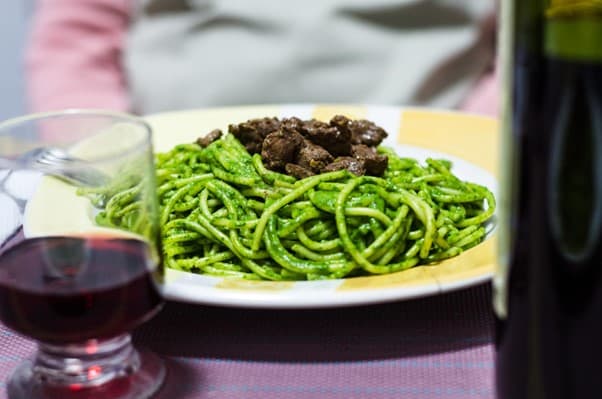
19. Tallarines Verdes – South America
Tallarines Verdes, or Green Spaghetti, is a comforting and vibrant Peruvian pasta dish inspired by Italian culinary traditions, yet adapted with a distinctly South American twist. While it bears a visual and textural resemblance to classic pesto pasta, the flavour profile is richer, creamier, and uniquely Peruvian, making it a standout on any Latin American table.
The name Tallarines Verdes translates directly to “green noodles” in Spanish and refers to the vivid green sauce that coats the pasta. This sauce is made primarily from spinach and basil, blended to a smooth consistency and combined with evaporated milk, onions, garlic, and fresh cheese (typically queso fresco or ricotta). The addition of evaporated milk — a staple in many South American pasta dishes — gives the sauce a silky, creamy texture without making it overly oily, distinguishing it from its Italian counterpart.
This spinach-basil pasta sauce is tossed with spaghetti or linguine and often served with a side of grilled steak, pan-fried chicken, or even a fried egg, making it a complete and hearty meal. The subtle earthiness of the spinach, the freshness of the basil, and the creaminess of the dairy come together to create a dish that’s balanced, nourishing, and deeply satisfying.
Tallarines Verdes is a perfect example of Peruvian fusion cuisine, blending Italian immigrant influence with local ingredients and cooking techniques. It is commonly served in home kitchens throughout Peru and Ecuador, particularly during family gatherings or casual lunches, and is increasingly making its way into modern Peruvian restaurants around the world.
Whether you’re a fan of pesto-style pasta or simply looking for a new way to enjoy leafy greens, Tallarines Verdes offers a flavourful alternative that’s both familiar and refreshingly different.
20. Túrós Csusza – Hungary
To close our culinary journey, we head to Central Europe for one of Hungary’s most beloved comfort foods: Túrós Csusza. This rich and rustic Hungarian noodle dish is centred around one key ingredient — cottage cheese — and brings together textures and temperatures in a way that is as unique as it is satisfying. Often served as a main course or hearty side, it’s a shining example of Hungarian home cooking at its best.
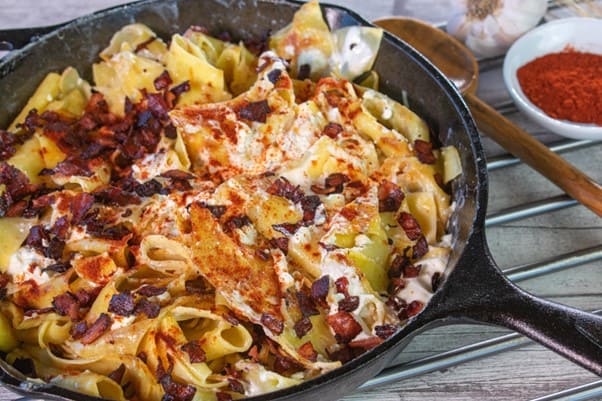
Túrós Csusza begins with fresh egg noodles, typically homemade and slightly thicker than standard pasta. These noodles are cooked and then tossed with warm cottage cheese, creating a creamy base that’s both savoury and mildly tangy. What makes the dish especially distinctive is its layering of hot and cold components. After mixing the noodles with the cheese, the dish is topped with crispy fried bacon bits or lardons, adding saltiness and crunch.
To finish, a generous dollop of cold cottage cheese and a scoop of cold sour cream are placed on top, creating contrast in both flavour and temperature. The result is a warm, indulgent dish complemented by the cool creaminess of dairy — a combination that’s deeply rooted in Hungarian culinary tradition.
While Túrós Csusza might be unfamiliar outside of Hungary, it has long been a staple in Hungarian households, particularly in rural regions. It can be served plain as a vegetarian dish or enhanced with bacon for added depth. Either way, it offers a comforting, carb-rich experience that showcases how simple ingredients — egg noodles, cheese, and cream — can be transformed into something truly memorable.
If you’re looking to explore Eastern European comfort food, Túrós Csusza is a lesser-known gem that deserves a place on your table.
Nutritional Notes and Healthier Noodle Options
While noodles and pasta are undoubtedly a comfort food staple across the globe, it’s worth considering their nutritional profiles, particularly when choosing ingredients for daily meals or health-conscious diets. From gluten content to cooking techniques, there are many ways to enjoy noodles without compromising on nutritional value.
Below, we explore the differences between common noodle bases, highlight key allergens, and suggest healthier preparation methods to help you make more informed choices at mealtimes.
Wheat vs Rice vs Low-Carb Noodles
Traditional wheat noodles, including pasta, ramen, and egg noodles, are high in carbohydrates and typically made with refined flour. While they provide energy and a pleasant chew, they can also spike blood sugar when eaten in large quantities, especially if served with rich or oily sauces.
Rice noodles, commonly used in Southeast Asian dishes such as Pad Thai or Pho, are naturally gluten-free, making them suitable for people with coeliac disease or gluten sensitivity. They tend to have a lighter texture and are often easier to digest, though they’re still high in carbohydrates.
For those seeking low-carb noodle options, several alternatives are now widely available:
Shirataki noodles (also known as konjac noodles) are virtually carb-free and very low in calories.
Zoodles (spiralised courgette) and other vegetable-based noodles provide a fresh, fibre-rich alternative.
Wholegrain and legume-based pastas, such as lentil or chickpea pasta, offer added protein and slow-release energy.
Choosing the right noodle base often comes down to your dietary goals — whether you’re seeking gluten-free, high-protein, or low-GI options.
Common Allergens in Noodles
Noodles often contain common allergens, with gluten and egg being the most prevalent.
Wheat-based noodles and pasta contain gluten and are unsuitable for those with coeliac disease or gluten intolerance unless explicitly labelled gluten-free.
Egg noodles, including many types of Chinese and European varieties (like Spaetzle or Haluski), are not suitable for vegans or individuals with egg allergies.
Cross-contamination in manufacturing facilities can also pose a risk, so those with allergies should always read labels carefully or prepare noodles from scratch using allergen-free ingredients.
For allergen-free cooking, look for certified gluten-free rice noodles, plant-based alternatives, or make homemade noodles using safe flours such as buckwheat, quinoa, or tapioca.
Healthier Cooking Methods: Steaming vs Frying
The method of preparation can significantly impact the healthiness of your noodle dish.
Stir-frying, while popular, often involves generous amounts of oil, which can increase the fat and calorie content of the meal — particularly in dishes like Chow Mein or Mie Goreng.
Deep-frying or crisping noodles (as in some instant or snack-style dishes) should be enjoyed in moderation due to the high saturated fat content.
Steaming, boiling, or blanching noodles is a healthier alternative, especially when paired with steamed vegetables and lean proteins.
Incorporating more vegetables, using light sauces, and avoiding over-salting can help balance the dish without compromising flavour. Using home-made broths, especially in soups like Pho or Udon, can also provide a lower-sodium and more nutrient-rich base.
Whether you’re following a specific diet, managing allergies, or simply aiming for better balance in your meals, there are countless ways to make your noodle dishes healthier. With thoughtful ingredient swaps and smarter cooking techniques, it’s entirely possible to enjoy your favourite global noodle recipes in a way that aligns with your lifestyle and wellbeing.
From the bustling street stalls of Bangkok to the rustic kitchens of Rome, noodles and pasta dishes have proven to be a truly global comfort food. Each variation tells a story of culture, migration, innovation, and heritage. Whether it’s the spicy heat of Sichuan’s Dan Dan noodles, the creamy simplicity of Italy’s Aglio e Olio, or the herbal freshness of Peru’s Tallarines Verdes, the diversity is as endless as the shapes, sauces, and ingredients used.
This guide has explored 20 of the world’s most iconic noodle and pasta dishes, their origins, and their cultural significance, alongside practical insights on nutrition, preparation methods, and healthier alternatives. The aim is to equip both curious readers and culinary explorers with inspiration, education, and appreciation for a dish that’s as versatile as it is comforting.
As you recreate these recipes or seek them out in restaurants, remember that noodle culture is not just about the food itself — it’s about connection, history, and flavour. And most importantly, it’s about enjoying every bite.