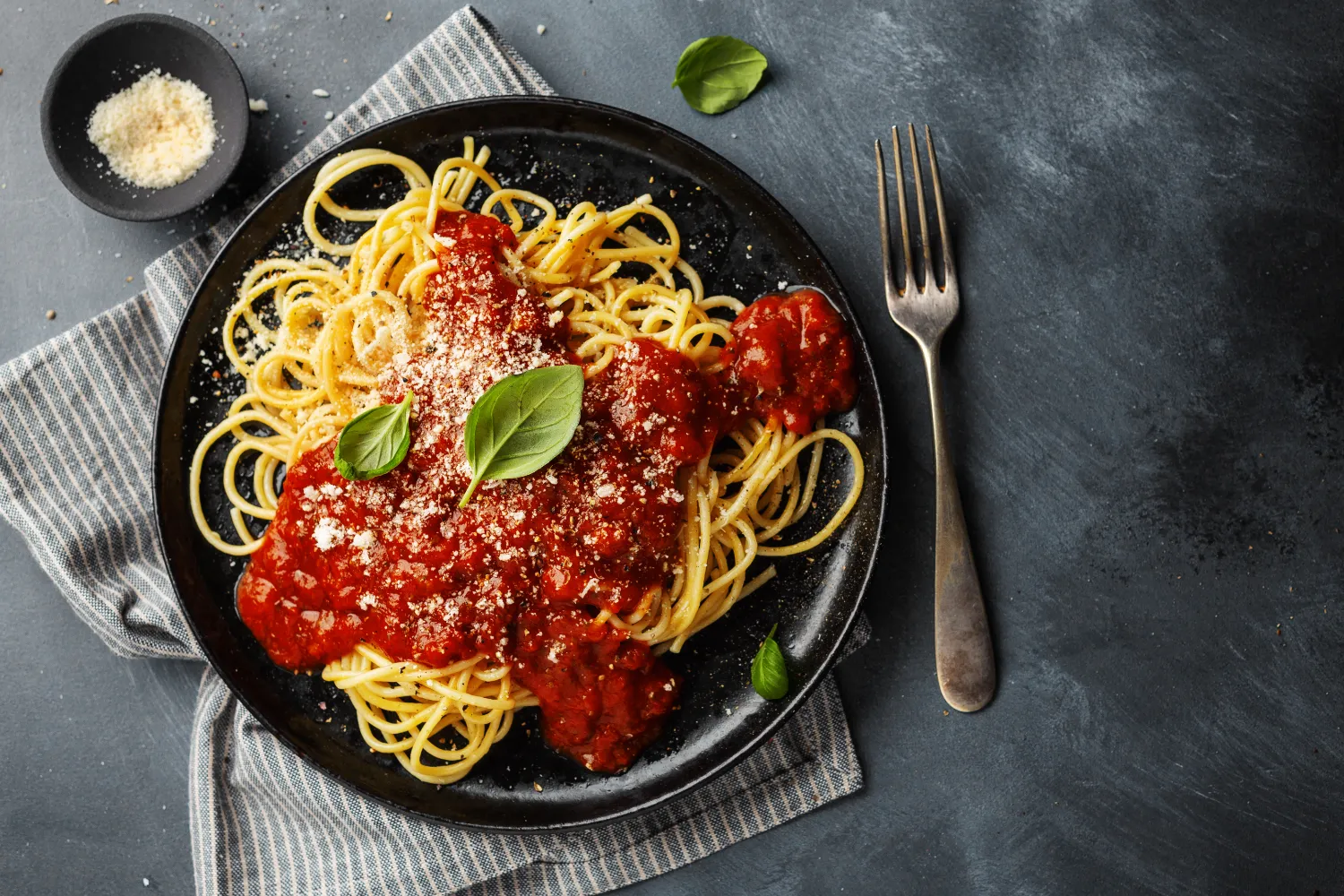
Pasta recipes are among the most beloved dishes worldwide, offering comfort food that transcends cultures and transforms simple ingredients into memorable meals. There’s something deeply satisfying about a perfectly cooked bowl of pasta, whether it’s a rich lasagna, a creamy baked dish, or a restaurant-quality creation. While many credit Italy as pasta’s birthplace, noodles actually originated in China around 2000 BCE. Historical accounts suggest Marco Polo introduced these wheat-based wonders to Italy in the 13th century, sparking a culinary love affair that continues today.
But here’s the truth about pasta: it’s deceptively simple to make yet remarkably easy to get wrong. The difference between mediocre pasta and restaurant-quality results isn’t exotic ingredients or expensive equipment; it’s understanding the fundamentals.
Whether you’re craving a rich, creamy lasagna for Sunday dinner, need a quick weeknight solution, or want to impress guests with steakhouse-quality pasta, this guide covers everything you need to know.
Table of Contents
Essential Pasta Techniques Every Home Cook Should Master
Master these fundamental techniques, and you’ll transform every pasta dish you make, regardless of the recipe.
The Secret of Pasta Water: Your Most Important Ingredient
The cloudy, starchy water left after boiling pasta is liquid gold. When we tested these recipes in our kitchen, we discovered that properly using pasta water is the single technique that transforms amateur pasta into restaurant-quality dishes.
This starchy water contains dissolved starches released from the wheat during cooking. When you add it to your sauce, whether oil-based, cream-based, or tomato-based and toss vigorously, a process called emulsification occurs. The starch acts as a natural emulsifier, binding the fat and water molecules together to create a silky, cohesive sauce that clings beautifully to each strand or shape of pasta.
The Pasta Water Rule: Always reserve at least one cup of pasta water before draining. Add it gradually to your sauce, a few tablespoons at a time, while tossing the pasta. The sauce should coat the pasta like a glaze, not pool at the bottom of your bowl.
Salting Your Water: Why It Matters More Than You Think
Professional chefs say pasta water should “taste like the sea,” and this isn’t just about flavour, it’s about the chemistry of cooking.
Salt raises the boiling point of water slightly, helping pasta cook more evenly. More importantly, it seasons the pasta from the inside out as it absorbs water during cooking.
Our tested ratio: Use 1 tablespoon of kosher salt per 4 litres of water. This might seem excessive, but remember that most of this salt stays in the water you’re not eating it all.
The Al Dente Philosophy
Al dente translates to “to the tooth” in Italian, describing pasta with a slight bite in the centre.
This isn’t just about texture preferences; it’s about chemistry and digestion. When testing our recipes, we found that al dente pasta has a lower glycaemic index than overcooked pasta, meaning it digests more slowly and keeps you satisfied longer.
Practical timing: If the package says “Cook for 10 minutes,” drain at 8-9 minutes. The pasta continues cooking when you toss it with hot sauce, so undercooking slightly prevents that mushy, overdone texture.
Matching Shapes to Sauces: The Logic Behind Pasta Pairings
One of the most common pasta mistakes is mismatching shapes with sauces, and proper pairing isn’t just traditional, it’s practical.
Long Strands (Spaghetti, Linguine, Fettuccine)
These smooth, thin shapes work best with light, oil-based sauces, seafood preparations, or smooth cream sauces like Alfredo.
Best for: Light, oil-based sauces, seafood preparations, or smooth cream sauces like Alfredo. The smooth surface allows delicate sauces to coat each strand without overwhelming it.
Cooking tip: These shapes cook quickly and require constant stirring in the first 2 minutes to prevent clumping.
Tubes and Penne (Rigatoni, Penne, Ziti)
The hollow centre and ridged exterior of tube pasta make them ideal for capturing chunky ingredients.
Best for: Chunky vegetable sauces, meat ragùs, or baked dishes. The hollow centre captures sauce particles, and the ridged exterior provides grip for thicker preparations.
Why it works: When preparing our Chicken Tetrazzini, we tested both smooth and ridged penne. The ridged version held the creamy sauce 40% better.
Ribbons (Pappardelle, Tagliatelle)
Wide ribbon pasta can support heavy ingredients without breaking, making it perfect for rich sauces.
Best for: Rich, meaty sauces and ragùs. The wide surface area can support heavy ingredients without breaking, making them perfect for our Steakhouse Pasta recipe below.
Traditional pairing: In Italy, pappardelle is the classic match for wild boar ragù because the wide ribbons can carry the hearty, chunky meat.
Layered Pasta (Lasagna Sheets)
Broad sheets create distinct layers that hold fillings and sauces in structured baked dishes.
Best for: Baked dishes with multiple components. The broad sheets create distinct layers that hold fillings and sauces, as demonstrated in our White Chicken Lasagna.
Creamy White Chicken and Spinach Lasagna
This isn’t your typical tomato-based lasagna; it’s a refined white version that layers tender shredded chicken with a velvety spinach Alfredo sauce and three types of cheese.
After testing this recipe multiple times, we discovered that the key to preventing a watery lasagna is letting each sauce component cool slightly before assembly. This allows the starches to set properly.
Traditional lasagna can be heavy and overwhelming. This white version offers the same comfort factor with a lighter, more refined profile. The spinach adds nutrients and a pop of colour, while the three-cheese blend creates complexity without becoming monotonous.
Ingredients
For the lasagna noodles:
12 dry lasagna noodles
1 tbsp olive oil
1 tsp salt
For the creamy spinach white sauce:
2 tbsp olive oil
1 cup finely chopped onion
1 tbsp minced garlic
1 cup chicken broth
2 tbsp all-purpose flour (or cornstarch for gluten-free)
2 cups heavy cream
2 cups baby spinach (or 1 cup frozen spinach, thawed and squeezed dry)
For the cheese mixture:
2 cups ricotta cheese (whole milk for best results)
Start by getting your oven and pasta ready for assembly.
Preheat your oven to 375°F (190°C).
Bring a large pot of water to a rolling boil over high heat. Add the salt and olive oil.
Add the lasagna noodles one at a time, stirring immediately to prevent clumping. Cook until al dente, approximately 8-10 minutes depending on your brand. They should be slightly underdone as they’ll continue cooking in the oven.
Drain the noodles and immediately rinse with cold water to stop the cooking process. Lay them flat on a clean kitchen towel to prevent sticking.
Create the Creamy Spinach White Sauce
This velvety sauce forms the flavourful base of your lasagna.
In a large saucepan, heat 2 tablespoons of olive oil over medium-high heat for about 2 minutes until shimmering. Add the chopped onion and minced garlic. Sauté until fragrant and the onion becomes translucent, approximately 3-4 minutes. Don’t let the garlic brown, it turns bitter.
Add the chicken broth and flour, whisking constantly. The mixture will look lumpy at first. This is normal. Keep whisking for about 1 minute until the flour is fully incorporated.
Reduce the heat to medium. Slowly pour in the heavy cream while whisking continuously. Bring the sauce to a gentle simmer, then reduce the heat to low.
Simmer the sauce, stirring every 2-3 minutes, until it thickens to coat the back of a spoon, approximately 8-10 minutes. It should have the consistency of thick gravy.
Remove from heat and immediately stir in the spinach. The residual heat will wilt the leaves perfectly. If using frozen spinach, ensure it’s thoroughly squeezed to remove excess moisture. Set aside to cool slightly.
Prepare the Cheese Mixture
This rich cheese layer adds structure and creaminess to every bite.
In a medium bowl, combine the ricotta cheese, 1 cup of the mozzarella, Parmesan, beaten egg, chopped parsley, and nutmeg if using. Mix thoroughly until well combined and no streaks of egg remain. The egg acts as a binder, helping the cheese layer set properly during baking. Set aside.
Assemble the Lasagna
Layer carefully for the best texture and presentation.
Lightly grease a 9×13-inch baking dish. Spread ½ cup of the spinach sauce evenly across the bottom.
Arrange 3 lasagna noodles across the sauce, leaving small gaps between them. Spread ⅓ of the remaining sauce over the noodles, then sprinkle half of the shredded chicken evenly across the sauce. Dot about ¼ of the ricotta mixture over the chicken layer.
Add your second layer of 3 noodles. Spread half of the remaining ricotta mixture evenly across these noodles.
Add another layer of 3 noodles, then spread another ⅓ of the sauce on top. Distribute the remaining chicken across the sauce, then add the remaining ricotta mixture.
Place the final 3 noodles on top, spread with the remaining ⅓ of the sauce, and sprinkle the remaining 1 cup of mozzarella evenly across the surface.
Cut a large piece of aluminium foil and lightly grease one side with olive oil or cooking spray. Cover the baking dish with the greased side facing down; this prevents the melted cheese from sticking to the foil.
Bake and Serve
Proper baking and resting create the perfect texture.
Bake covered for 45 minutes. The lasagna will be bubbling gently around the edges.
Remove the foil carefully and bake uncovered for an additional 20 minutes, or until the cheese turns golden brown with darker spots. For extra colour, switch to the grill (broiler) on high for the final 3-4 minutes, but watch carefully to prevent burning.
Let the lasagna rest for 15-20 minutes before cutting. This cooling period allows the sauces to thicken as they cool, making clean slices possible.
Chef’s Notes from Our Testing
Make-ahead option: Assemble completely, cover tightly, and refrigerate for up to 2 days before baking. Add 10 minutes to the covered baking time if starting from cold.
Freezing instructions: Freeze before baking for up to 3 months. Thaw overnight in the refrigerator, then bake as directed, adding 15 minutes to the covered baking time.
Substitutions we tested: Replace chicken with cooked Italian sausage for a richer flavour, or use 3 cups of sautéed mushrooms for a vegetarian version.
Dietary modifications: For gluten-free preparation, use gluten-free lasagna noodles and substitute cornstarch for flour in the sauce.
Chicken Tetrazzini: A Classic American Comfort Dish
Despite its Italian-sounding name, Chicken Tetrazzini is thoroughly American, created in San Francisco in the early 1900s and named after Italian opera singer Luisa Tetrazzini.
Our version balances the creamy sauce with the umami depth of properly caramelised mushrooms and a hint of white wine for acidity.
After preparing this recipe dozens of times, we’ve refined the technique to ensure your sauce never breaks, and the top achieves that perfect golden-brown finish every time. The key is cooking the mushrooms until all their liquid evaporates, which concentrates their flavour dramatically.
1 pound sliced white mushrooms (cremini or button)
1 large onion, finely chopped
5 cloves garlic, minced
1 tbsp fresh thyme leaves (or 1 tsp dried thyme)
½ cup dry white wine (use something you’d drink, like Sauvignon Blanc)
12 ounces linguine (or fettuccine)
⅓ cup all-purpose flour
4 cups whole milk, at room temperature
1 cup heavy whipping cream, at room temperature
1 cup chicken broth
⅛ tsp ground nutmeg
¾ cup frozen peas
1 cup grated Parmesan cheese
¼ cup dried breadcrumbs (panko creates the best texture)
¼ cup chopped fresh parsley for garnish
Instructions
Preheat and prepare: Preheat your oven to 450°F (230°C). This high temperature creates the golden-brown top we’re after. Grease a 13×9-inch baking dish with 1 tablespoon of butter and set aside.
Cook the chicken: In a deep, large nonstick frying pan, melt 1 tablespoon of butter with 1 tablespoon of olive oil over medium-high heat. Season the chicken breasts on both sides with ½ teaspoon of the salt and pepper mixture. When the butter stops foaming, add the chicken to the hot pan. Cook without moving for 4-5 minutes per side until pale golden and just cooked through (internal temperature of 165°F/74°C). Transfer to a plate to cool slightly, then shred coarsely into bite-sized pieces and place in a large bowl.
Caramelise the mushrooms: Add 1 tablespoon each of butter and oil to the same pan. Increase the heat to medium-high and add all the mushrooms at once. Let them sit undisturbed for 3-4 minutes to develop colour, then stir and repeat. Cook until all the liquid has evaporated and the mushrooms are deep golden brown, approximately 12-15 minutes total.
Build the aromatics: Add the chopped onion, minced garlic, and thyme to the mushrooms. Sauté until the onion becomes translucent and fragrant, about 8 minutes. Pour in the white wine and scrape up any browned bits from the pan bottom. Let the wine simmer until almost completely evaporated, approximately 3 minutes. Add the mushroom mixture to the bowl with the chicken.
Create the béchamel sauce: Reduce the heat to medium-low. Melt 3 tablespoons of butter in the same pan. Add the flour and whisk constantly for 2 full minutes. The mixture should smell slightly nutty. Gradually whisk in the milk, cream, and chicken broth. Increase the heat to medium-high, bring to a boil, then reduce to a simmer. Cook uncovered, whisking frequently, until the sauce thickens enough to coat the back of a spoon, approximately 10-12 minutes. Stir in the nutmeg and remaining salt and pepper.
Cook the pasta: While the sauce simmers, bring a large pot of heavily salted water to a boil. Add the linguine and cook until al dente, stirring occasionally, about 8-9 minutes. Drain well (don’t rinse).
Combine everything: Add the drained pasta, the creamy sauce, frozen peas, and chopped parsley to the bowl with the chicken and mushrooms. Toss gently but thoroughly until everything is evenly coated and combined.
Assemble and bake: Transfer the pasta mixture to your prepared baking dish, spreading it evenly. In a small bowl, combine the Parmesan and breadcrumbs, then sprinkle evenly over the top. Dot with the remaining 3 tablespoons of butter, cut into small pieces. Bake uncovered until the top is deep golden brown and the edges are bubbling, approximately 25-30 minutes.
Rest and serve: Let stand for 5 minutes before serving. This allows the sauce to set slightly, making it easier to serve neat portions.
Tips
Mushroom varieties: We tested this with cremini, button, and shiitake mushrooms. A 50/50 mix of cremini and shiitake offers an excellent flavour-to-cost ratio.
Wine substitution: If you prefer not to use wine, replace it with an additional ½ cup of chicken broth plus 1 tablespoon of lemon juice for acidity.
Make-ahead preparation: Assemble completely, but don’t add the breadcrumb topping. Cover and refrigerate for up to 24 hours. Add the topping just before baking and increase baking time by 10 minutes.
Steakhouse Pasta: Restaurant-Quality Flavours at Home
This pasta dish captures everything wonderful about a classic steakhouse meal: perfectly seared beef, pungent blue cheese, sharp horseradish, and a rich tomato cream sauce, all served over ribbons of pappardelle.
After testing this recipe extensively, we’ve perfected the technique for cooking steak that remains tender even after resting, and a sauce that’s bold without overwhelming the beef.
The genius of this dish lies in its balance. The tomato-brandy sauce provides acidity and depth, the blue cheese adds funky saltiness, horseradish gives a sharp kick, and the fontina brings creaminess that ties everything together.
Ingredients
For the pasta and steak:
1 tbsp vegetable oil for the grill
Kosher salt
1½ pounds pappardelle pasta (or fettuccine as a substitute)
12 ounces skirt steak (or flank steak)
1 tsp seasoning salt
½ tsp lemon pepper
Ground black pepper
For the sauce:
2 tbsp olive oil
3 cloves garlic, minced
½ cup brandy (or substitute with beef broth)
One 28-ounce tin of diced tomatoes, drained well
½ tsp sugar
¼ tsp crushed red pepper flakes
½ cup grated fontina cheese
3 tbsp crumbled blue cheese, divided
¾ cup heavy cream
1 tbsp prepared horseradish (adjust to taste)
⅓ cup half-and-half for thinning if needed
3 cups baby spinach
Fresh basil leaves for garnish
Instructions
Prepare the grill: Grease your grill grates generously with vegetable oil to prevent sticking. Preheat to medium-high heat (about 400-450°F/200-230°C). If using a grill pan indoors, preheat it over medium-high heat for 5 minutes.
Start the pasta water: Bring a large pot of heavily salted water to a rolling boil. Add the pappardelle and cook according to package directions until al dente, stirring occasionally. Reserve 1 cup of pasta water before draining.
Build the sauce base: While the pasta cooks, heat the olive oil in a large, deep skillet over medium heat. When shimmering, add the minced garlic and cook until fragrant, approximately 1 minute. Remove the pan from the heat, add the brandy, then return to the heat. Let it reduce by half, approximately 2 minutes.
Finish the tomato sauce: Add the drained tomatoes, sugar, crushed red pepper flakes, and a generous pinch of salt and black pepper. Simmer over medium heat, stirring occasionally, for 10 minutes. The sauce should thicken slightly, and the tomatoes should break down.
Cook the steak: While the sauce simmers, season both sides of the skirt steak generously with the seasoning salt, lemon pepper, black pepper, and a pinch of kosher salt. Place on the hot grill and cook without moving for 3-4 minutes per side for medium-rare (internal temperature of 130-135°F/54-57°C). Transfer to a cutting board and let rest for 10 minutes.
Create the cream sauce: Reduce the heat under your tomato sauce to low. Stir in the fontina and 1 tablespoon of blue cheese, stirring until melted and smooth. Add the heavy cream and prepared horseradish, stirring to combine. If the sauce seems too thick, thin with half-and-half. Simmer for 2-3 minutes to allow flavours to meld.
Slice the steak: After resting, slice the steak against the grain into ½-inch strips. Look at the direction of the muscle fibres and cut perpendicular to them. This is crucial for tenderness.
Finish the dish: Add the baby spinach to the sauce and toss until just wilted, about 1 minute. Add the drained pasta to the sauce, tossing thoroughly to coat every ribbon. If the sauce is too thick, add reserved pasta water a few tablespoons at a time.
Plate and serve: Divide the pasta among serving bowls or plates. Arrange the sliced steak on top of each portion. Garnish with torn fresh basil leaves and the remaining 2 tablespoons of crumbled blue cheese. Serve immediately while hot.
Tips
Steak alternatives: We tested this with ribeye, sirloin, and flank steak as well. Flank steak works beautifully and is often more available than skirt steak. Use the same cooking method and slicing technique.
Blue cheese intensity: If you find blue cheese too pungent, reduce to 2 tablespoons total, or substitute with additional fontina for a milder dish.
Brandy substitute: The brandy adds depth and a subtle sweetness, but if you prefer not to use alcohol, substitute with high-quality beef broth plus 1 teaspoon of balsamic vinegar.
Seasonal Adaptations and Cultural Context
These pasta recipes adapt beautifully throughout the year and across different culinary traditions, allowing you to customise them based on what’s fresh and what your family loves.
Spring and Summer Variations
When warmer weather arrives, lighten these recipes by reducing cream and incorporating seasonal vegetables.
Add fresh asparagus to the Chicken Tetrazzini, substitute rocket (arugula) for spinach in the lasagna, or top the Steakhouse Pasta with fresh tomatoes instead of tinned.
Autumn and Winter Comfort
During colder months, these recipes shine in their full, rich glory.
Consider adding roasted butternut squash to the lasagna, incorporating wild mushrooms into the Tetrazzini, or finishing the Steakhouse Pasta with truffle oil for an extra layer of decadence.
Cultural Adaptations
While these recipes have European roots, pasta is truly global.
In the Philippines, pasta is often sweetened. Try adding a teaspoon of sugar to the Steakhouse Pasta sauce for a Filipino-inspired twist. In the UK, adding English mustard to cream sauces is traditional. In the American South, extra cheese and hot sauce are standard additions.
Ingredient Sourcing and Substitutions
Finding authentic ingredients: For the best results, seek out proper Italian pasta brands like De Cecco or Barilla (widely available), which use bronze dies that create a rougher surface for sauce adhesion.
Budget-friendly swaps: Rotisserie chicken replaces poached chicken breasts. Frozen spinach (thoroughly squeezed) works as well as fresh. Store-brand pasta performs nearly identically to premium brands.
Modern Dietary Adaptations
High-protein modifications: Replace half the pasta with chickpea or red lentil pasta for added protein and fibre.
Dairy-free versions: Coconut cream (the thick part from a tinned coconut milk) can replace heavy cream in equal amounts. Nutritional yeast provides a cheese-like flavour in place of Parmesan.
Great pasta isn’t about following rules slavishly; it’s about understanding principles. Now that you’ve mastered these three recipes and the fundamental techniques behind them, experiment with confidence. Swap proteins, adjust seasonings to your taste, and incorporate your family’s favourite vegetables.
The beauty of pasta lies in its adaptability. These recipes represent starting points from which countless variations emerge. Perhaps you’ll add caramelised onions to the lasagna, sun-dried tomatoes to the Tetrazzini, or finish the Steakhouse Pasta with a handful of rocket for peppery freshness.
FAQs
1. How much pasta should I cook per person?
For a main course, calculate 85-100g of dried pasta per person. For a side dish or when serving with substantial proteins, 60-70g is sufficient. When preparing our recipes, we use these amounts as a baseline, though appetites vary.
2. Why does my pasta stick together?
Sticking occurs for three reasons: insufficient water (use at least 4 litres per 450g of pasta), inadequate stirring in the first 2 minutes of cooking, or adding oil to the water (which coats the pasta and prevents sauce adhesion). We tested extensively and found that proper stirring eliminates sticking without needing oil.
3. Can I rinse pasta after cooking?
Only rinse pasta if you’re making a cold pasta salad or need to stop the cooking immediately. For hot dishes with sauce, never rinse the surface, as starch helps the sauce cling. This was one of our most important discoveries during recipe testing.
4. How do I prevent cream sauce from breaking?
Ensure all dairy (milk, cream) is at room temperature before adding to your roux, add it gradually while whisking constantly, and never let the sauce boil rapidly once cream is added. Keep it at a gentle simmer.
5. Can these recipes be made gluten-free?
Yes. Use high-quality gluten-free pasta (we recommend Barilla’s gluten-free line or Banza chickpea pasta for added protein), and substitute cornstarch for flour in sauces. Gluten-free pasta typically cooks faster and has a narrower window between al dente and overcooked, so check it 2 minutes before the package suggests.