Northern Ireland produces some truly exceptional local salmon, and if you’ve ever wondered how to make the most of this fantastic local ingredient, you’re in the right place. Whether you’re completely new to cooking fresh Northern Irish salmon or looking to perfect your technique, this guide will walk you through everything you need to know about preparing, cooking, and serving Northern Irish salmon with our best local recipes.
There’s something special about cooking with local ingredients; our salmon is no exception. The clean waters around our coast produce fish with incredible flavour and texture that’s hard to beat. Once you learn a few key techniques, you’ll find that cooking salmon becomes second nature, and you’ll be confident to create restaurant-quality meals at home.
From choosing the freshest fish at your local market to mastering different cooking methods, we’ll cover all the basics and share some tips to help you get perfect results every time. Let’s dive in and discover why Northern Irish salmon deserves a regular spot on your dinner table.
Table of Contents
Why Choose Local Northern Irish Salmon?
When shopping for salmon, you might wonder if it’s worth seeking out the local stuff instead of grabbing whatever’s on offer. The truth is, there are some real advantages to choosing Northern Irish salmon that go beyond just supporting local businesses.
Superior Quality and Freshness
You can definitely taste the difference with Northern Irish salmon. Our local farms, mainly along the Antrim coast and around Strangford Lough, benefit from really clean, cold waters that produce salmon with better texture and more flavour than fish travelling halfway around the world.
When you buy salmon from a Belfast fishmonger or pick it up in Derry, you often get fish that have been swimming just a few days ago. That freshness makes all the difference; it tastes better, has a nicer texture, and is more nutritious.
Environmental and Economic Benefits
Choosing local salmon is a win-win situation. You’re supporting jobs in places like Bushmills and Newcastle, whilst also reducing your carbon footprint. Less packaging, shorter transport distances, and fresher fish add up.
Our local salmon farms also tend to have higher standards than many international operations. They have regular inspections and more sustainable practices that are better for both the fish and our marine environment.
Seasonal Availability and Peak Quality
While you can get Northern Irish salmon year-round, there are better times for peak quality. Spring and early summer are fantastic for wild-caught salmon, and farmed salmon stays consistently good throughout the year. Knowing when to buy helps you plan your meals and always cook with the best local ingredients available.
Essential Preparation Techniques
Getting salmon ready to cook doesn’t have to be intimidating. A few simple steps will set you up for success, regardless of your chosen cooking method.
Selecting the Freshest Salmon
When you’re shopping for salmon, there are a few telltale signs that’ll help you pick the best fish. Fresh Northern Irish salmon should have bright, clear eyes if you’re buying a whole fish, and the flesh should be firm and spring back when you press it gently.
Here’s a tip that never fails: give it a smell. Fresh salmon should smell like the sea, clean and fresh, never fishy or sharp. If you’re shopping at St George’s Market in Belfast or visiting local fishmongers in places like Coleraine or Bangor, don’t hesitate to ask when the salmon came in and where it’s from.
Look for salmon with good colour, it should be vibrant orange-pink with no brown edges or dull patches. The flesh should look moist but never slimy, and if you’re buying fillets, they should be cut cleanly with smooth edges.
Essential Storage Methods
Once you’ve got your salmon home, storing it properly keeps it at its best. Fresh salmon should be used within 2-3 days of buying it, and it needs to stay in the coldest part of your fridge; if you can keep it on ice, even better.
If you need to keep it longer, freezing works brilliantly. Just wrap individual portions in cling film first, then pop them in freezer bags. Properly frozen salmon stays good for up to three months. Thaw it slowly in the fridge overnight when you’re ready to use it.
Pre-Cooking Preparation
A bit of prep before you start cooking makes all the difference. Pat the fish dry with kitchen paper, check for any pin bones, remove them with tweezers, and season your salmon 15-30 minutes before cooking. This gives the salt time to work its way into the fish, making the whole thing taste better.
Understanding Your Ingredients: How Each Component Enhances Your Salmon
Before we get into the actual cooking, it’s worth understanding what each ingredient contributes. This knowledge helps you make smart substitutions and adjustments based on what you have in your kitchen.
The Essential Components
Salmon has a firm texture that handles different cooking methods well, and its natural oils keep it moist and flavourful. Different cuts behave differently. Belly sections are more forgiving for beginners, centre cuts cook most evenly, and tail pieces cook faster.
Salt does much more than season. Applied 15-30 minutes before cooking, it draws out moisture and concentrates flavours whilst helping proteins firm up. Fine sea salt works best, whilst flaky salts like Maldon are lovely for finishing.
Oils and fats serve different purposes. Neutral oils like vegetable oil are perfect for high-heat searing, whilst olive oil adds complexity but should be saved for medium-heat cooking. Butter added at the end creates lovely nutty flavours and attractive browning.
Acids like lemon juice cut through salmon’s richness and provide essential balance. Lemon zest adds bright citrus notes without the sharpness of juice.
Fresh herbs like dill and parsley complement salmon beautifully. Sturdy herbs can handle longer cooking, whilst delicate ones are best added at the end.
5 Best Cooking Methods for Northern Irish Salmon
Each cooking method brings out different qualities in salmon. Understanding these techniques will give you the confidence to choose the right method for any occasion.
Start with a heavy-based pan over medium-high heat. Pat your salmon completely dry and season generously. Add oil when the pan is hot and immediately place the salmon skin-side up. Press gently for 30 seconds to prevent curling, then don’t move it for 4-5 minutes.
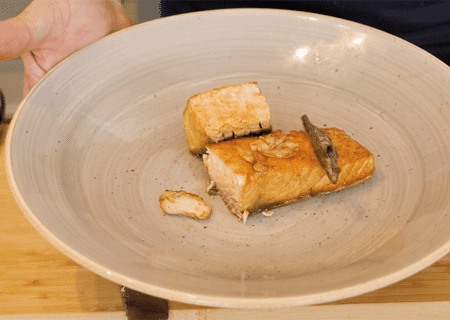
The salmon is changing from translucent to opaque, creeping up from the bottom. When this reaches halfway up the fillet, it’s time to flip. Cook the second side for 2-3 minutes, add butter in the final minute for extra richness, then finish with lemon juice.
Oven-Baked Salmon: Foolproof and Flavourful
Baking is perfect for multiple portions and virtually foolproof. The gentle, even heat ensures consistent results every time.
Preheat your oven to 200°C and line a baking tray with parchment paper. Place seasoned salmon fillets with space between each piece. Drizzle with olive oil and season well. Try a herb crust with breadcrumbs, herbs, and lemon zest for extra flavour.
Bake for 12-15 minutes, depending on thickness. The salmon is done when it flakes easily with a fork and has lost its translucent appearance throughout.
Grilled Salmon: Perfect for Summer Cooking
Grilling adds wonderful smoky flavour through high heat and flame contact. The key is clean, well-oiled grates and proper heat management.
Heat your grill to medium-high and ensure the grates are spotless. Oil the grates, not the fish, to prevent sticking. Place the salmon skin-side down and resist moving it too early. It’ll release naturally when properly seared, typically after 4-5 minutes. Flip carefully and cook for another 2-4 minutes.
Poached Salmon: Delicate and Healthy
Poaching preserves salmon’s delicate texture whilst keeping it incredibly moist. This gentle method uses no added fats and produces supremely tender fish.
Create a poaching liquid with water, white wine, herbs, and aromatics like bay leaves and peppercorns. Bring to a gentle simmer, never boiling vigorously. Lower the seasoned salmon into the liquid and cook for 8-12 minutes, depending on thickness. The liquid should barely move during cooking.
Cedar Plank Cooking: A Unique Twist
Cedar plank cooking adds a subtle smoky flavour while protecting the salmon from direct heat. Soak the planks for at least two hours, then heat in a 220°C oven until smoking lightly. Place the seasoned salmon on the plank and cook for 12-15 minutes.
Seasonal Recipe Variations for Northern Irish Salmon
One of the best things about cooking with salmon is how well it adapts to different seasons and ingredients. These local recipes showcase Northern Irish salmon at its finest, whether you’re looking for something light and fresh for spring, perfect for summer barbecues, warming for autumn evenings, or comforting during winter months.
Mastering the art of cooking fresh Northern Irish salmon means understanding how seasonal ingredients enhance this exceptional fish.
Spring: Fresh and Light Preparations
Spring calls for bright, fresh flavours. Try salmon with new potatoes and asparagus, or create a salmon and watercress salad with light vinaigrette. The key is letting the fish’s natural flavour shine with minimal, fresh accompaniments.
Summer: Barbecue and Outdoor Cooking
Summer is perfect for grilled salmon with Ulster potato salad or cold poached salmon platters for entertaining. Outdoor cooking methods really come into their own during warmer months.
Autumn: Hearty and Warming Dishes
As temperatures drop, try salmon and leek pie or roasted salmon with root vegetables. These heartier preparations provide comfort while showcasing seasonal ingredients.
Winter: Comfort Food Preparations
Winter calls for traditional salmon fish cakes with mashed potatoes, or rich salmon and potato gratin. These warming dishes are perfect for cold evenings.
Nutritional Benefits of Local Northern Irish Salmon
Beyond just tasting great, Northern Irish salmon is one of the healthiest foods you can put on your plate. It’s packed with nutrients that are hard to get from other sources, making it an excellent choice for anyone wanting to eat well without sacrificing flavour.
Omega-3 Fatty Acids and Heart Health
Northern Irish salmon is an excellent source of omega-3 fatty acids, particularly EPA and DHA, crucial for heart health and brain function. A typical 150g serving provides more than the recommended weekly intake of these essential fats. The cold waters around Northern Ireland produce salmon with particularly high omega-3 levels.
High-Quality Protein and Nutrients
Salmon provides complete protein with all essential amino acids. A single fillet typically provides 40-50g of high-quality protein. It’s also rich in B vitamins, particularly B12, selenium, potassium, and vitamin D, which are especially important during Northern Ireland’s darker winter months.
Comparison with Imported Salmon
Local salmon often contains higher nutrient levels than imported alternatives. The shorter time from water to plate means less nutrient degradation, whilst our local farming practices often result in fish with better fatty acid profiles.
Local Sourcing and Suppliers
Finding good quality salmon doesn’t have to be complicated, but knowing where to look and what to ask for can make all the difference. From traditional markets to independent fishmongers and even supermarkets, there are plenty of options for getting the best Northern Irish salmon.
Where to Buy the Best Northern Irish Salmon
Belfast’s St George’s Market remains one of the best places to source fresh salmon, with several fishmongers offering daily deliveries from local farms. Independent fishmongers in towns like Portrush, Ballycastle, and Portaferry often have direct relationships with local salmon farms throughout Northern Ireland.
Major supermarket chains now stock locally-sourced salmon, often clearly labelled with the farm of origin. While convenient, building a relationship with a local fishmonger often provides access to better quality fish and expert advice.
Supporting Sustainable Practices
When buying Northern Irish salmon, seek certification from recognised bodies like the Aquaculture Stewardship Council (ASC). Many Northern Irish salmon farms operate visitor centres where you can learn about sustainable practices and sometimes purchase fish directly.
4 Northern Irish salmon fillets (150-200g each), skin on
2 tablespoons vegetable oil
1 teaspoon sea salt
½ teaspoon freshly ground black pepper
2 tablespoons butter
1 lemon, juiced
Fresh dill or parsley for garnish (optional)
Instructions:
Prep the salmon: Remove from fridge 15-20 minutes before cooking. Pat completely dry and season both sides with salt and pepper.
Heat the pan: Place a heavy-based pan over medium-high heat for 3-4 minutes until very hot.
Sear first side: Add oil to the pan, and immediately place the salmon skin side up. Press gently with a spatula for 30 seconds. Cook undisturbed for 4-5 minutes.
Flip and finish: Carefully turn the salmon and cook 2-3 minutes more. In the final minute, add butter, spooning it over the fish.
Serve: Remove from heat, squeeze lemon juice over salmon, and garnish if desired.
Chef’s Tips:
Doneness test: Salmon should feel firm but give slightly when pressed
Internal temperature: 52-54°C for medium, 60°C for well-done
Visual cue: Fish is ready when opaque throughout with no translucent areas
Storage: Leftover cooked salmon keeps 2-3 days refrigerated
Serving Suggestions:
Serve with roasted new potatoes and seasonal vegetables, or flake over mixed greens for a healthy salad. Perfect with hollandaise, herb butter, or a wedge of fresh lemon.
Cooking fresh Northern Irish salmon is both an art and a science. It combines respect for quality ingredients with proven techniques that bring out the best in this exceptional fish. Whether you choose pan-seared, baked, grilled, poached, or cedar plank methods, the key lies in starting with the finest local salmon and treating it with care.
These local recipes and techniques will serve you well for years, whether preparing a simple weeknight dinner or hosting a special celebration. You support local communities, sustainable farming practices, and centuries of maritime tradition by choosing Northern Irish salmon.
Start with the basics, experiment with different cooking methods and seasonal variations, and, most importantly, enjoy the process. With Northern Irish salmon as your starting point, you’re well on your way to creating exceptional meals celebrating our local waters and skilled farmers.
FAQs
1. How long should I cook salmon?
Cooking time depends on thickness and method. For pan-searing, allow 4-5 minutes per side for fillets 2-3cm thick. Oven-baked salmon needs 12-15 minutes at 200°C. The fish is done when it flakes easily and reaches an internal temperature of 52-60°C.
2. How do I know when salmon is cooked?
Properly cooked salmon flakes easily when tested with a fork and is opaque throughout. The flesh should be moist, never dry. The salmon is likely overcooked if you see white albumin on the surface.
3. What’s the difference between farmed and wild Northern Irish salmon?
Wild salmon is caught in natural waters and is available seasonally. It typically offers a firmer texture and more intense flavour. Farmed salmon is available year-round and is of consistent quality and often has higher fat content. Both are excellent choices when sourced locally, with farmed salmon being more sustainable and readily available.
4. Where can I buy fresh salmon in Northern Ireland?
Belfast’s St George’s Market, local fishmongers in coastal towns, and many supermarkets stock fresh Northern Irish salmon. For the best quality, develop a relationship with a local fishmonger who can advise on the freshest available options.
5. Can I freeze Northern Irish salmon?
Yes, salmon freezes excellently. Wrap individual portions in cling film, then place in freezer bags. Properly frozen salmon maintains quality for up to three months. Thaw slowly in the refrigerator overnight before cooking.