If you are someone who is trying to stick to a diet and watch what you put in your body, you are most likely always looking for new and interesting food options that fit within your dietary restrictions.
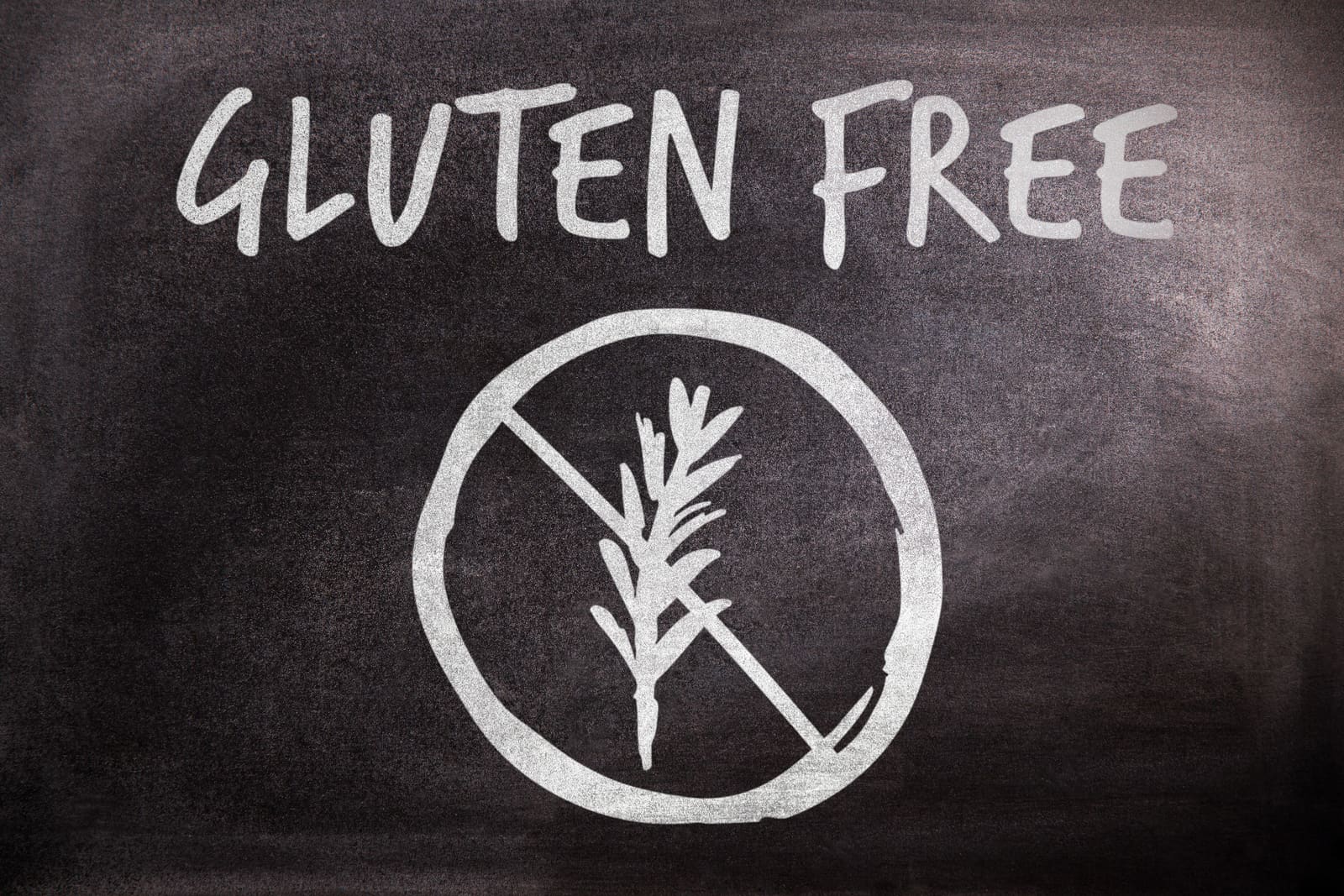
A gluten-free diet is one that excludes gluten. Gluten is a protein found in rye, barley, wheat, and other grains. Gluten-free diets are ideal for people with gluten intolerance, celiac disease, or dermatitis herpetiformis. A gluten-free diet may also benefit people with Crohn’s disease, autism spectrum disorders, and other conditions. There are many gluten-free foods available, including gluten-free bread, pasta, flour, and snacks. Most gluten-free products are made with rice, tapioca, potato, or bean flour. Some gluten-free products may also contain gluten-free oats.
Dairy-free means that food does not contain any milk products. This includes milk from cows, goats, sheep, and other animals. Dairy-free foods may be made with plant-based milks such as soy milk, almond milk, or coconut milk. There are many other dairy-free foods available on the market, including dairy-free cheese, ice cream, yoghurt, and butter.
If you are on a gluten and dairy-free diet, it can be tough to find foods that satisfy your cravings while adhering to your dietary restrictions. However, there are many delicious and nutritious gluten-free and dairy-free foods available if you know where to look. This list of nine gluten and dairy-free food categories will help get you started the right way!
1. Fruits
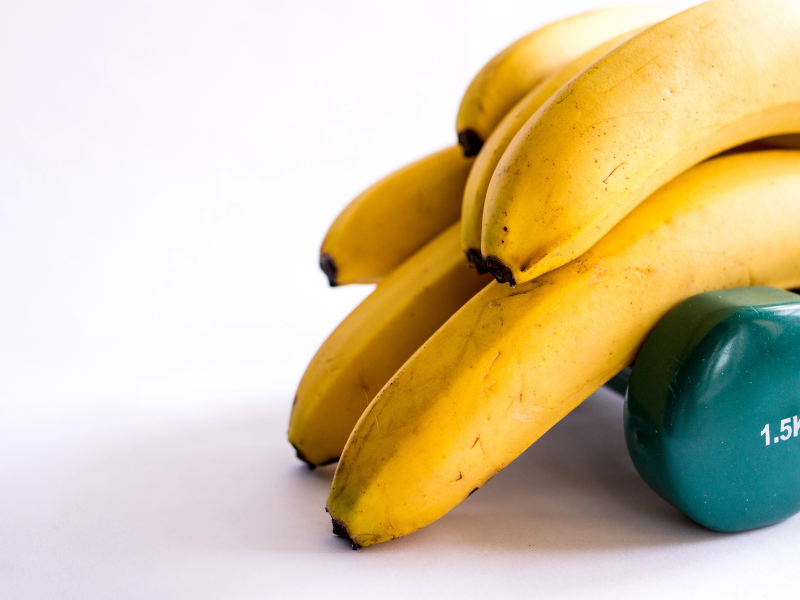
There are lots of different types of fruit to go for when you are on a gluten and dairy-free diet, each with its own unique flavour, texture, and nutritional value. While all fruits are gluten and dairy-free, they do contain natural sugars. Therefore, it is important to consume them in moderation as part of a healthy diet.
Fruits are packed with vitamins and minerals, making them an excellent source of nutrition. They are also low in calories and fat, making them a healthy snack option. In addition, many fruits contain fibre which can help promote digestive health. So next time you’re looking for a healthy snack, reach for some fruit instead of a bag of chips. Your body will thank you!
Fruits can be enjoyed solo as a healthy snack, in salads, in desserts, in smoothies, or as oatmeal toppings.
All fruits are gluten and dairy-free. Here are some of the most popular and healthy fruit options to keep in mind next time you are looking for a healthy snack:
Apples
Bananas
Plums
Oranges
Berries
Cherries
Grapes
Grapefruit
Watermelon
Kiwi
Pineapples
Grapes
Mangoes
Nectarines
2. Vegetables
For many people, going gluten and dairy-free can seem like a daunting task. However, with a little bit of knowledge and effort, it can be surprisingly easy to find delicious gluten and dairy-free foods. There is an incredibly wide variety of gluten and dairy-free vegetables that can be easily incorporated into any sort of diet. These vegetables can be used in various recipes or enjoyed on their own as a hearty snack.
Regardless of how you choose to consume veggies, there is no doubt that they are an essential part of any healthy dietary system. So make sure to incorporate your favourite gluten and dairy-free veggies into your everyday diet; you will soon see a huge difference in your health, energy, and overall mood.
Here are a few suggestions for vegetables that are popularly incorporated into gluten and dairy-free diets.
Carrots
Potatoes
Zucchini
Kale
Spinach
Broccoli
Eggplant
Asparagus
Sweet potatoes
Butternut Squash
Beets
Mushrooms
Avocado
Garlic
Onion
3. Nuts and Seeds
Nuts and seeds are gluten-free and dairy-free foods that are packed with nutrients. They are a good source of protein, essential fatty acids, vitamins, minerals, and antioxidants. Additionally, they are low in carbohydrates and sugars. This makes them an ideal food for people who are gluten-sensitive or have celiac disease.
Seeds, in particular, are also a good source of fibre. There are several different types of nuts and seeds, and each type of nut or seed has its own unique flavour and texture. You can enjoy them on their own as a snack or use them to add flavour and nutrition to your favourite recipes.
Here are some of the tastiest and most popular nuts and seeds to keep in mind next time you are looking for a gluten and dairy-free snack.
Nuts:
Pecans
Walnuts
Almonds
Cashews
Pine nuts
Peanuts
Seeds:
Chia seeds
Sunflower seeds
Pumpkin seeds
Hemp seeds
Sesame seeds
Flax seeds
4. Beans and Legumes
Beans and legumes are gluten and dairy-free foods that are packed with nutrients and offer several health benefits. They are an excellent source of protein, fibre, and minerals and contain phytochemicals that can protect against several diseases.
Beans and legumes can be cooked in various ways, making them a versatile addition to any diet. In addition, they are relatively inexpensive and shelf-stable, making them a great choice for those cooking on a budget. Whether you’re looking for a hearty main dish or a nutritious side dish, beans and legumes are a delicious and healthful choice.
Here are some examples of beans and legumes that will make an excellent addition to your diet.
Black beans
Lentils
Fava beans
Kidney beans
Pinto beans
Chickpea
Soybeans
Clover
5. Whole Grains
Gluten and dairy-free foods are becoming more and more popular as people learn about their dietary benefits. As mentioned above, gluten is a protein found in wheat and rye that can cause digestive problems for some people. Dairy products are another common source of digestive distress for many people.
Whole grains are a great alternative to gluten and dairy-free foods because they are packed with nutrients and fibre. They also have a variety of health benefits, including helping to reduce the risk of cancer, stroke, and heart disease. When choosing whole grains, look for those that are high in fibre and low in sugar.
Here are some excellent examples of gluten and dairy-free whole grains to add to your diet.
Quinoa
Brown rice
Jasmine rice
Wild rice
White rice
Gluten-free oats
Popcorn
6. Herbs and Spices
Gluten and dairy-free foods can be a bit difficult to find anywhere since many restaurants and processed food companies use these ingredients in their products. However, some herbs and spices are naturally gluten- and dairy-free, making them ideal for those with allergies or sensitivities. For example, garlic, ginger, turmeric, and cumin are all gluten-free, while oregano, basil, and thyme are dairy-free.
These herbs and spices can be used to add a bit of flavour to any dish, making it easier to enjoy gluten and dairy-free meals and dishes. In addition, many of these herbs and spices have health benefits that make them worth including in your diet. For example, garlic is known for its immunity-boosting properties, while ginger has been shown to help with nausea and stomach pain. So next time you’re looking for gluten and dairy-free options, reach for the spice cabinet instead of the fridge.
Here are some examples of gluten and dairy-free herbs and spices to keep in stock in your pantry.
Sea salt
Pepper
Cumin
Onion powder
Garlic powder
Italian seasoning
Bay leaves
Basil
Oregano
Cinnamon
Thyme
Rosemary
Smoked paprika
Ground ginger
Mustard powder
Nutmeg
Curry powder
7. Meat, Poultry, Fish, and Eggs
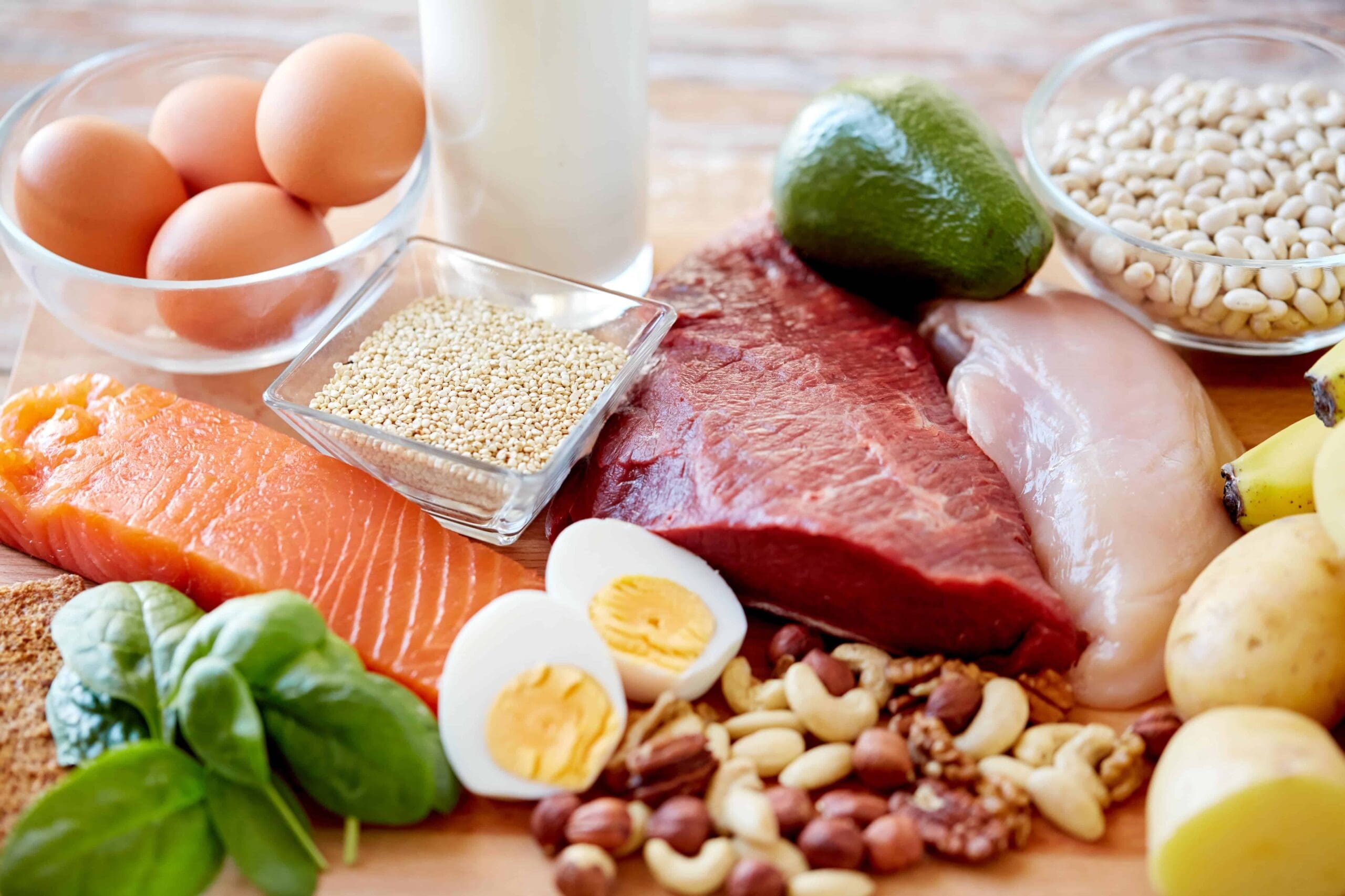
Meat, poultry, fish, and eggs are all gluten and dairy-free foods. They are also a good source of protein and essential nutrients. However, they can sometimes be high in saturated fat and cholesterol. For this reason, it is important to choose lean cuts of meat or poultry and limit your intake of fatty fish.
Eggs are versatile food that can be enjoyed in several different ways. They can be cooked in multiple ways and are a good vegetarian source of protein.
Fish is also an excellent choice because it is low in saturated fat and high in omega-3 fatty acids, which are great for promoting heart health. Choose fish that is high in omega-3 fatty acids, such as sardines, tuna, salmons, and trout.
Gluten and dairy-free meat, poultry, and fish include:
Looking for an alternative to dairy milk? You’re not alone. Many people are searching for a gluten and dairy-free option to limit or even eliminate their daily dairy intake! So, what are the most popular dairy alternatives?
One of the most popular choices is almond milk. To make almond milk, all you have to do is blend almonds with water and then strain the mixture to remove any solid pieces. It’s a good source of calcium and vitamin E and doesn’t contain any cholesterol or saturated fat. Plus, it’s gluten-free and low in calories.
Another popular choice is soy milk. Soy milk is made from soybeans that have been ground up and soaked in water. The mixture is then filtered to remove any solid pieces. Soy milk is a good source of protein and essential vitamins and minerals, such as calcium, iron, and potassium. It’s also low in calories and fat, and it’s cholesterol-free. Plus, like almond milk, soy milk is gluten-free.
There are also several other dairy alternatives available on the market; each has its own unique flavour and nutritional profile, so you’ll need to experiment to find the one that best suits your needs. But with so many delicious options available, you’re sure to find the perfect dairy-free milk for your morning cup of coffee or bowl of cereal.
Here are some of the most popular dairy alternatives available on the market.
Coconut milk
Cashew milk
Rice milk
Soy milk
Hemp milk
Oat milk
Coconut cream
Dairy-free cream cheese
9. Plant-based Oils
Gluten and dairy-free plant-based oils are oils that are derived from plants. There are various plant-based oils, including olive oil, coconut oil, and vegetable oil. Each type of oil has its own unique properties and uses. For example, olive oil is high in healthy monounsaturated fats and is often used in salad dressings as well as cooking. Coconut oil is rich in saturated fats and has been shown to have lots of health benefits. Vegetable oil is a versatile product that can be used for both cooking and baking.
Plant-based oils are a healthy alternative to animal-based oils, such as butter or lard. They are also gluten-free and dairy-free, making them a good option for those with gluten or dairy allergies.
When choosing a plant-based oil, it is important to select one appropriate for its intended use. For instance, olive oil is great for cooking but not for baking. Coconut oil can be used for both cooking and baking, but it has a strong flavour that some people may not enjoy. Vegetable oil is a good all-purpose option that can be used in several various recipes. Experiment with different plant-based oils to find the ones that you like best!
Here are further examples of plant-based oils to keep in your pantry for the next time you put your chef’s hat on.
Sesame oil
Toasted sesame oil
Grapeseed oil
Sunflower oil
Corn oil
Cottonseed oil
Flax seed oil
Almond oil
Avocado oil
Adopting a gluten and dairy-free diet can be a bit daunting at first, but it doesn’t have to be all green smoothies and quinoa salads. With a little creativity, you can enjoy a variety of delicious and nutrient-rich foods that will help you feel your best. From fruits and vegetables to dairy alternatives and plant-based oils, there are plenty of options to choose from. And if you need some inspiration, be sure to check out our post containing 34 gluten-free recipes for a healthy diet.




 Noha Basiony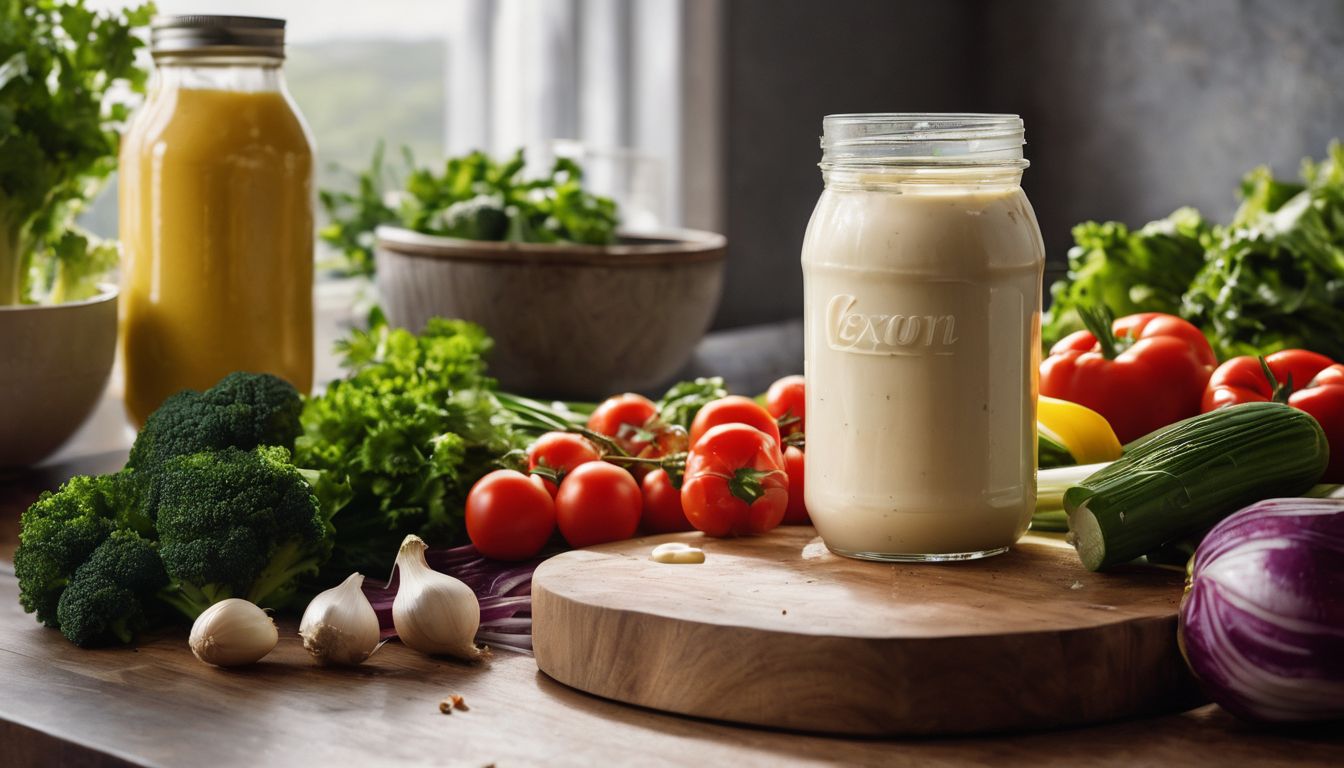
 Salma Ihab