None of us like sweets, especially those that can change our mood in a moment. So today, we will shed light on the Top 20 Most Famous Turkish Desserts.
“Life is short and unpredictable. Eat dessert first!” – Helen Keller.
There is no doubt that Turkish desserts are the legacy of the Ottoman Empire. The great cultural diversity of the countries under the Ottoman Empire’s rule caused great diversity in the varieties of Turkish food and sweets. They still exist and are accepted to this day. There is a kind of Turkish dessert for everyone. You will indeed find something to satisfy your taste buds in Turkish cuisine.
That’s precisely why we chose delicious Turkish desserts for you this week. So, let’s go through them together!
1. Baklava
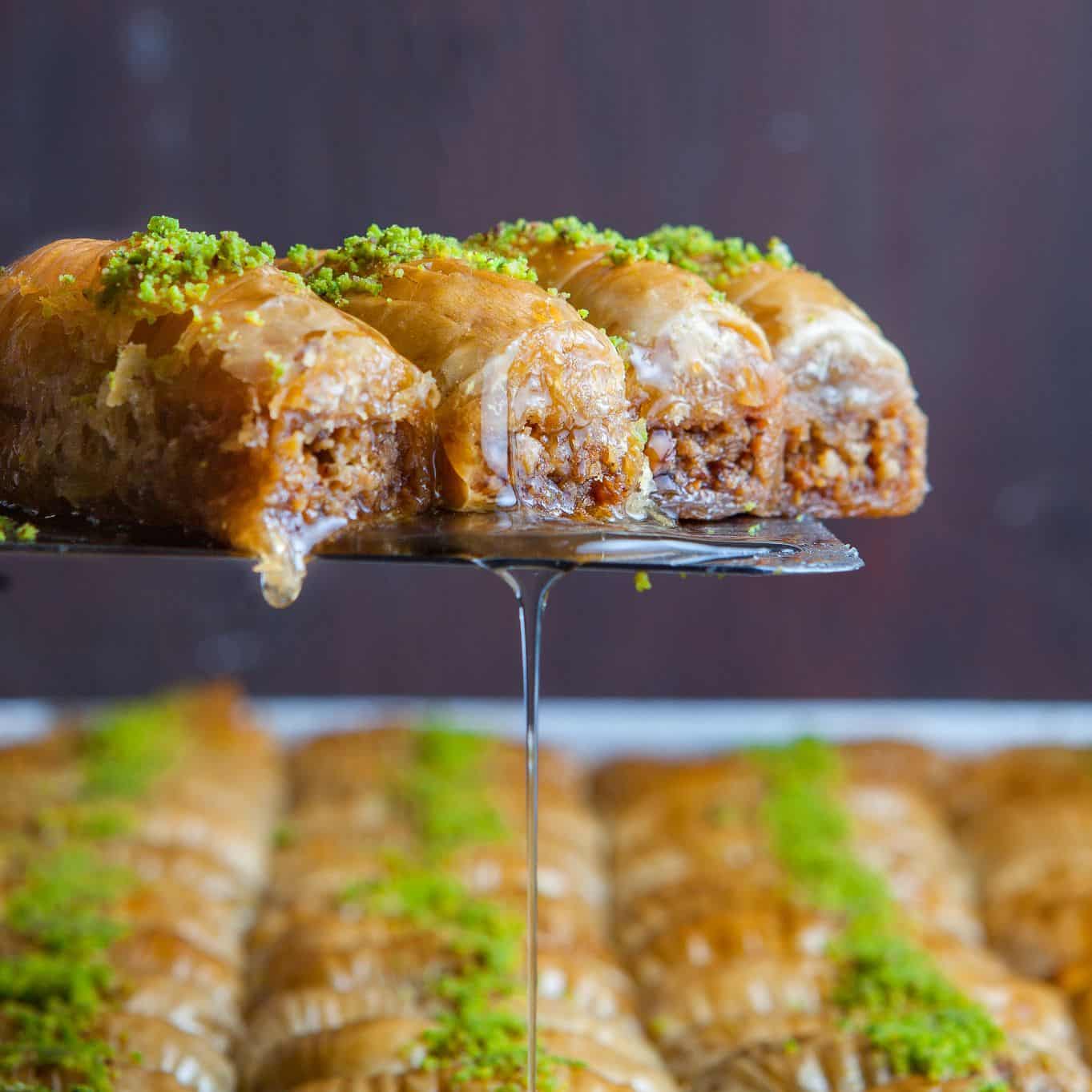
If you are a big fan of food videos, you must have seen those Turkish desserts, especially Baklava. The king of sorbet desserts, Baklava is a top-rated recipe in Turkey and globally.
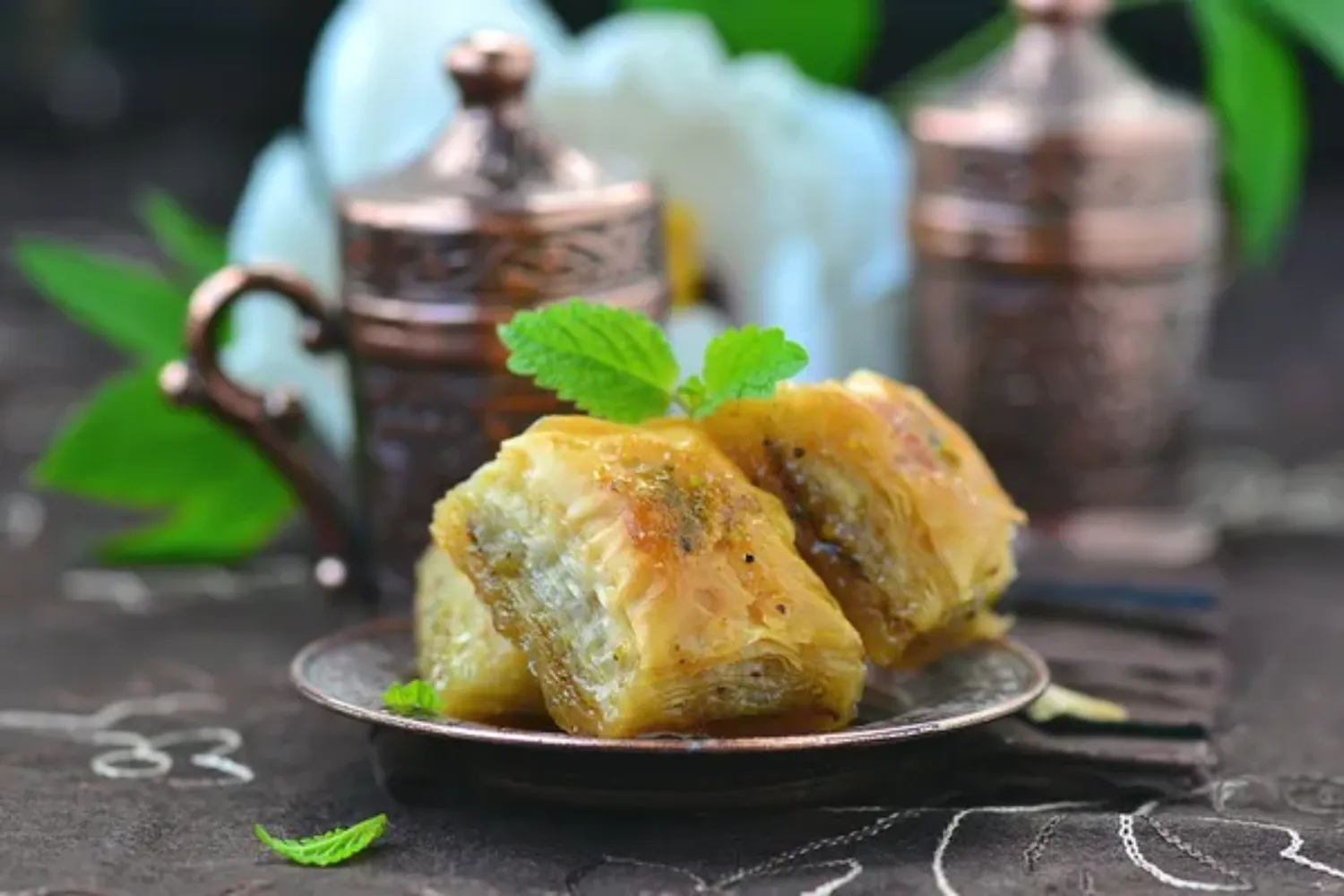
Baklava was invented in Ottoman Topkapı Palace kitchens in the middle centuries. It is a rich pastry made of filo dough, nuts, honey, or sugar syrup. Often, it is flavoured with lemon rind, cinnamon or cloves. The dessert is usually cut into diamond or square-shaped pieces. In addition, you can find versions filled with walnuts, hazelnuts, almonds, fresh clotted cream fillings, and even chocolate! It is often served with Turkish coffee or tea. It is possible to find Baklava in many countries, from Europe to Asia and the Middle East. So, it’s a flavour that has already crossed the country’s borders.
2. Künefe
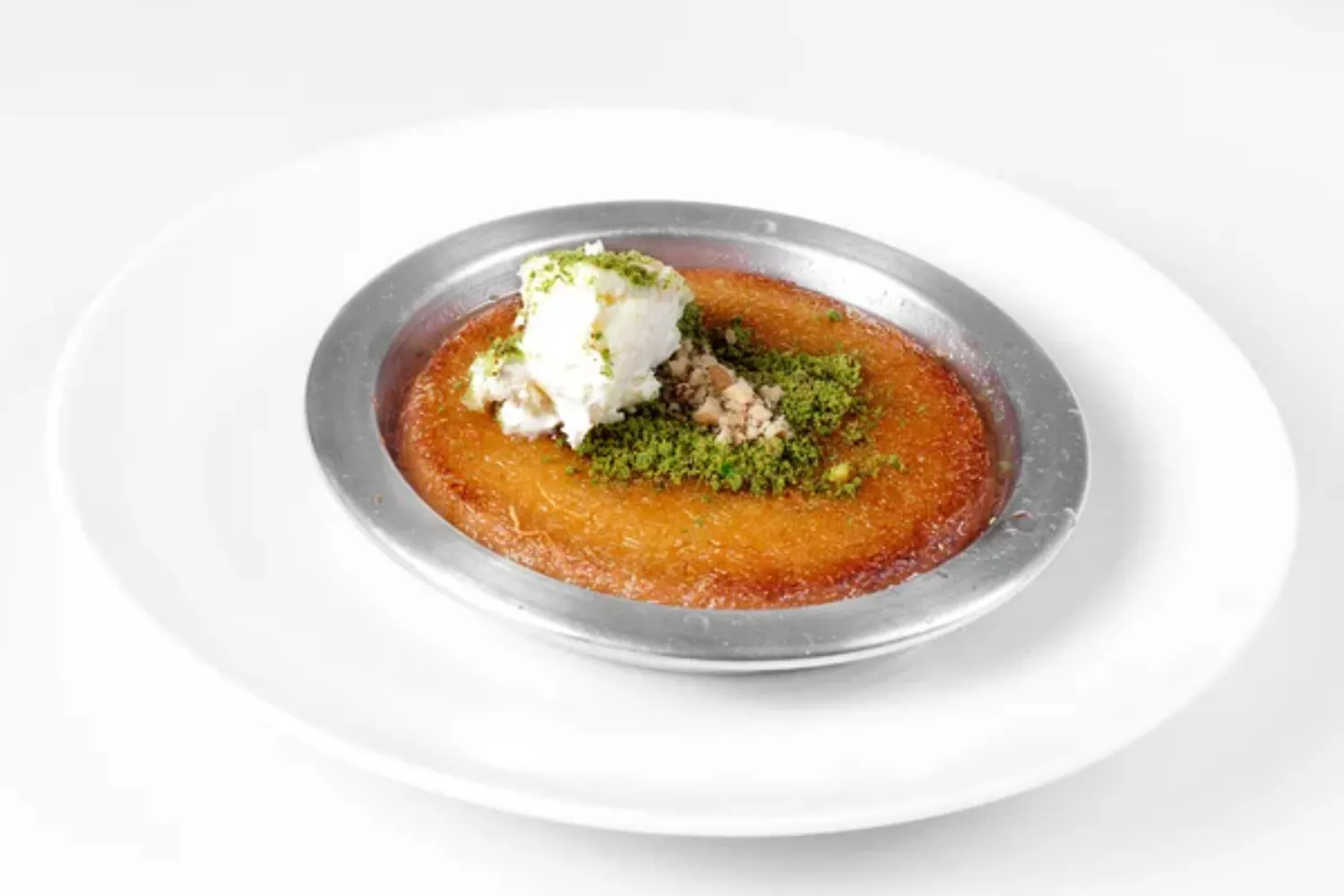
Kunefe is a traditional Middle Eastern dessert. It is made with shredded filo dough or delicate semolina dough. It’s infused with sugar-based syrup. It can also include other ingredients such as clotted cream, peanuts, or hazelnuts.
This iconic dessert originated centuries ago. It is popular in Turkey, Greece, the Balkans, and Arab countries. However, Turkey’s taste for Kunefe is exceptional. It is made with string pastry (shredded wheat or kadayif) soaked in sweet sugar syrup. The creamy, unsalted goat’s cheese inside will surprise you. It can be eaten with Turkish tea or coffee.
3. Lokum (Turkish Delight)
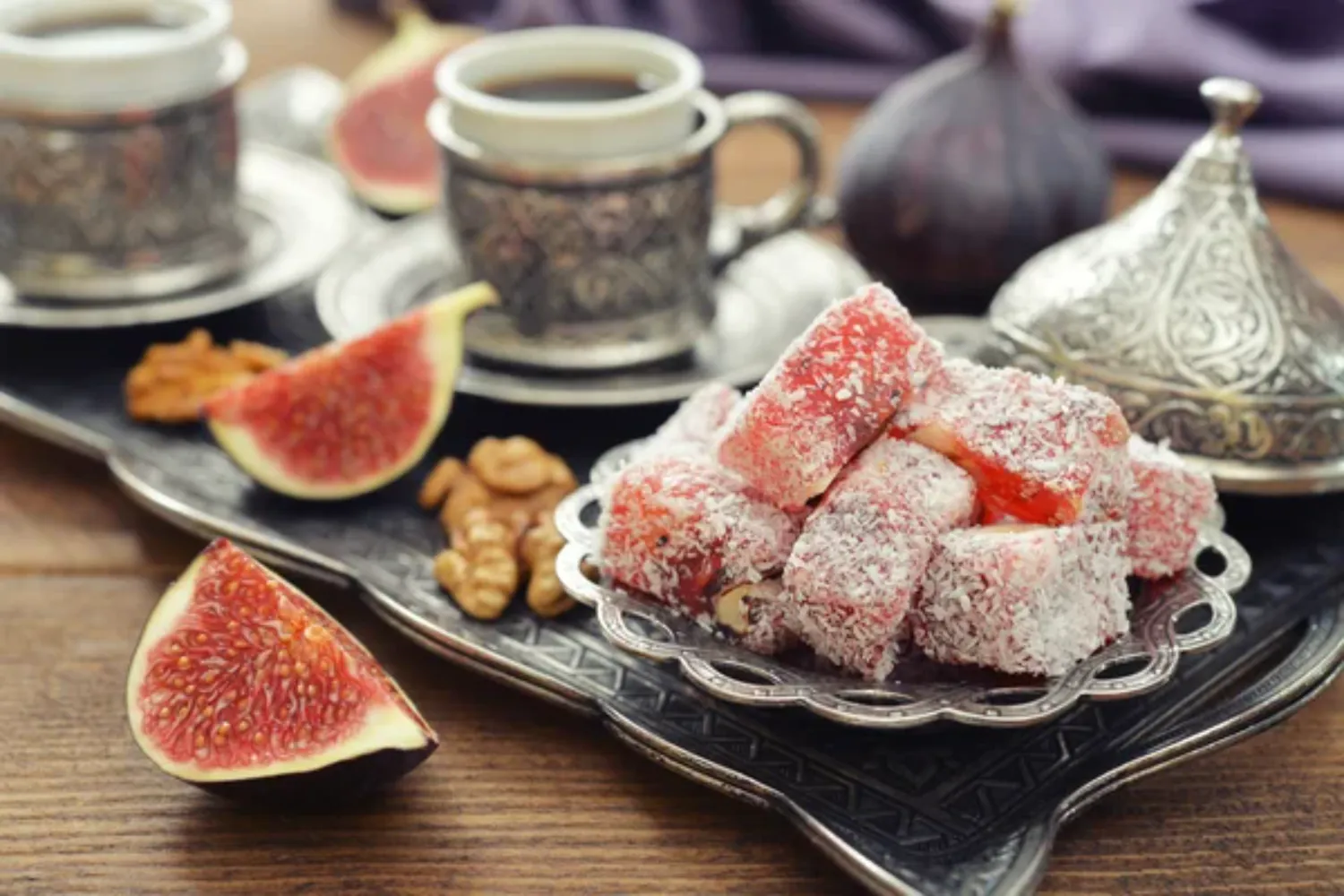
Turkish Delight is a little bite of heaven. The name is derived from the Arabic phrase “Rahat-ul hulküm” (throat relief). It was made in Anatolia in the 15th century due to some resources. However, it is prepared in almost every region of Turkey with distinctive touches. It has dozens of varieties according to the materials used in its preparation. The dessert is also known as the traditional accompaniment of Turkish coffee. It is one of the most popular flavours in Turkey’s name worldwide. English travellers introduced it to Europe as the “Turkish Delight” in the 19th century. Don’t miss trying it at least once!
4. Ekmek Kadayıfı
Ekmek Kadayıfı goes back to Ottoman cuisine. It is a dessert that originated in Afyonkarahisar, a city in Turkey. It was made for the first time with a kind of bread called ‘mirahor bread’ in Ottoman cuisine.
It’s made with a special dry bread soaked in sugar syrup. The sugar syrup can be flavoured with lemon juice for those who like desserts to be a little lower on the sweet scale, adding a hint of fresh tartness to this heavily sweetened bread pudding. Finally, it is topped with Kaymak a special Turkish clotted cream- or ice cream.
The delicious dessert is traditionally prepared during Turkish religious celebrations such as Ramadan – the holy Islamic fasting month- and Eid Al-Fitr.
5. Tavukgöğsü (Chicken Pudding)
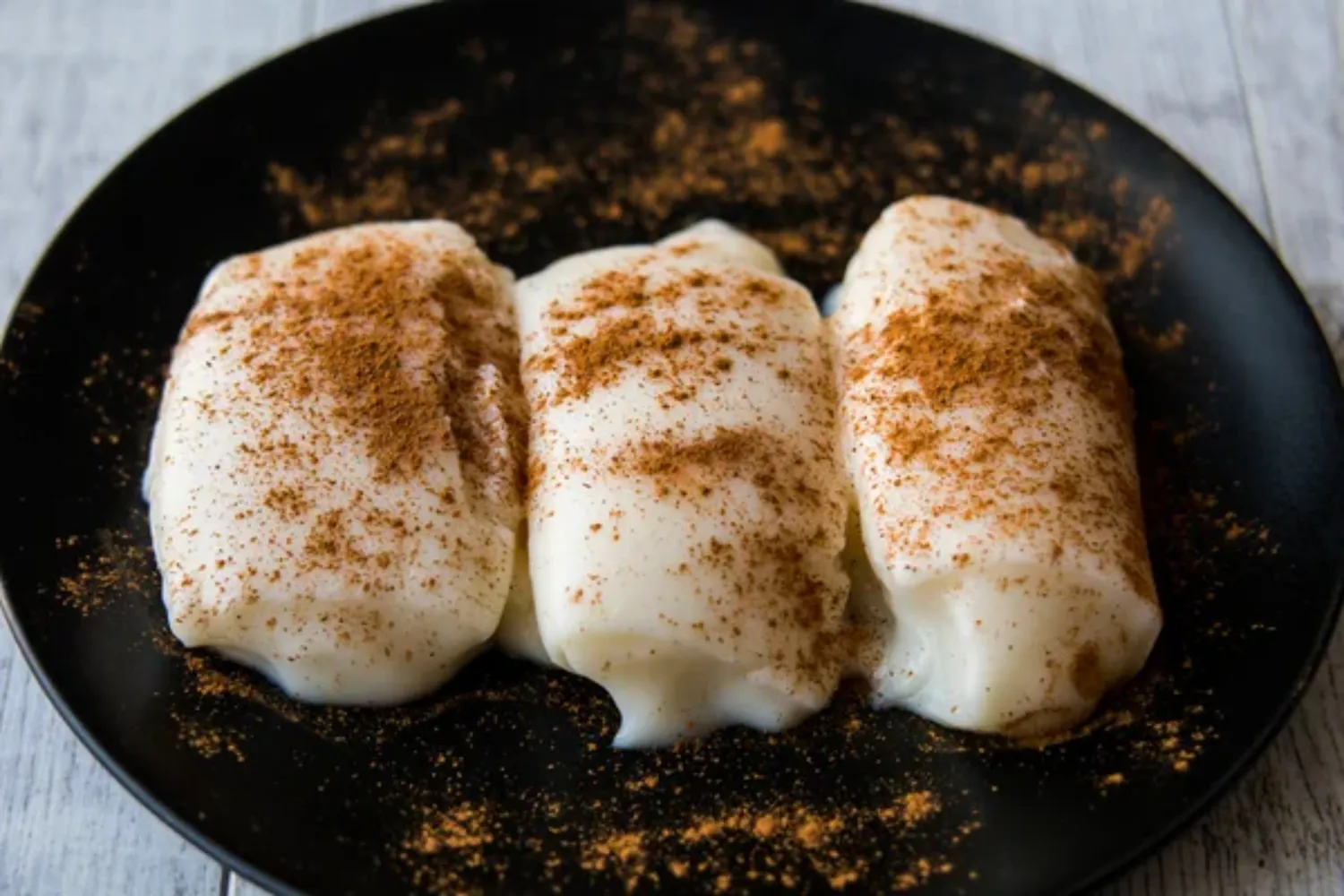
Chicken Breast, yes! That’s right; this thick milk pudding is considered one of Turkey’s signature dishes. This classic Turkish chicken breast pudding doesn’t taste like chicken. Instead, it is often flavoured with cinnamon and vanilla. It is reminiscent of a thick, creamy, and smooth milk or rice pudding, both in flavour and appearance. This dish was previously a delicacy served to the sultans. It is topped with cinnamon. The pudding is shaped like a log; you would never guess what’s inside! There is a meat-free version for vegetarians. The type of dessert will shock your senses.
The Turkish phrase Tavukgöğsü means in English: “The Chicken Breast”, which is the main ingredient in this dessert. First, boiled chicken is shredded into smaller chunks. Later, it is cooked with sugar, water, milk, and rice. Finally, when it is ready, cinnamon is used for flavouring.
6. Revani
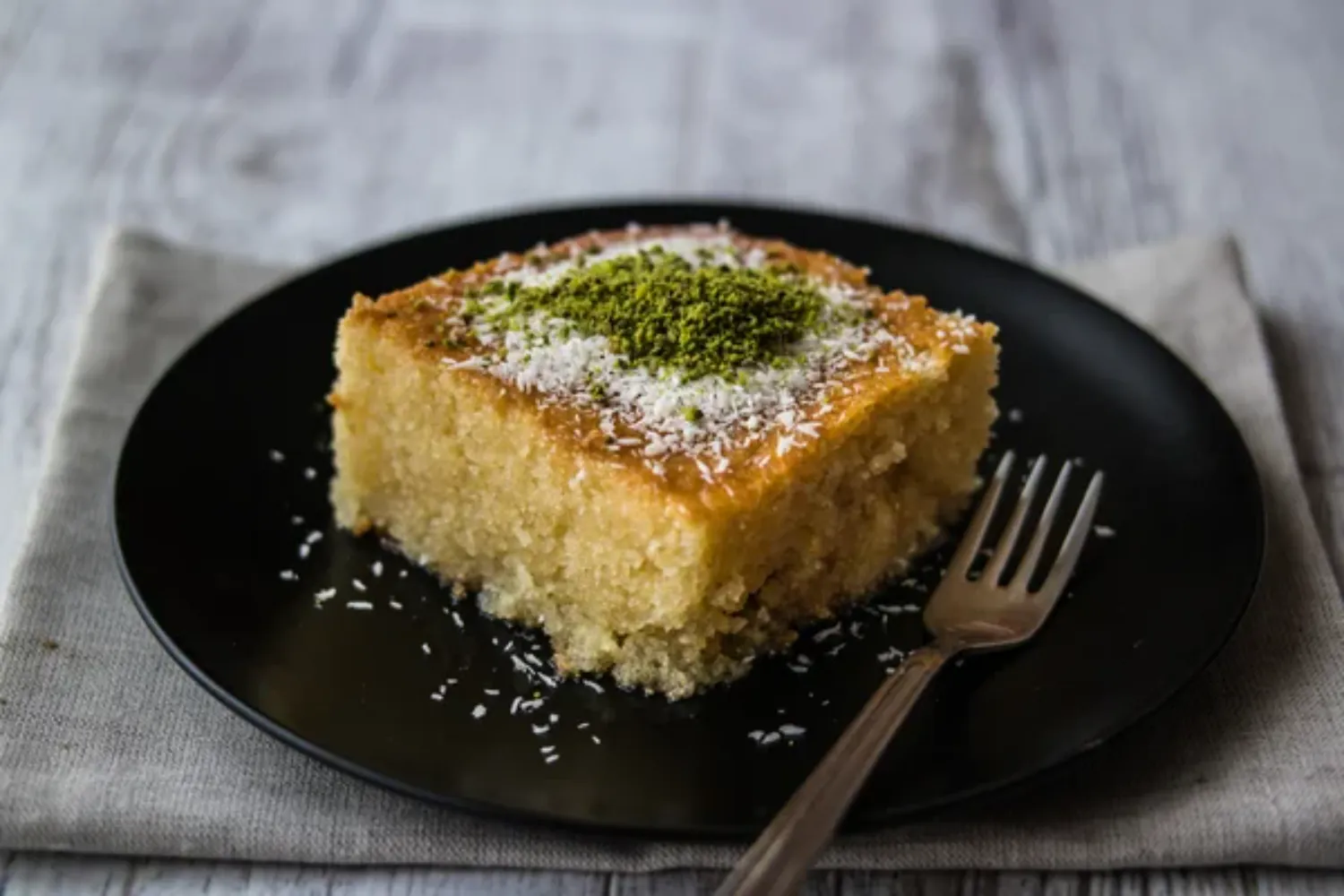
Revani is one of the Turkish desserts that can take you to another world by its taste. The dessert originated in the 16th century. It’s orange-scented, syrup-soaked semolina cake. Revaniye is also called sponge dessert or yoghurt dessert in some places.
It is one of Turkey’s most home-cooked desserts. However, you can find this dessert in other countries, such as the Arab countries.
Revani dessert is a preferable one among sorbet desserts. It has developed this unique taste. It is a dessert almost everyone enjoys. If you visit Turkey once, don’t miss trying it!
7. Fırın Sütlaç
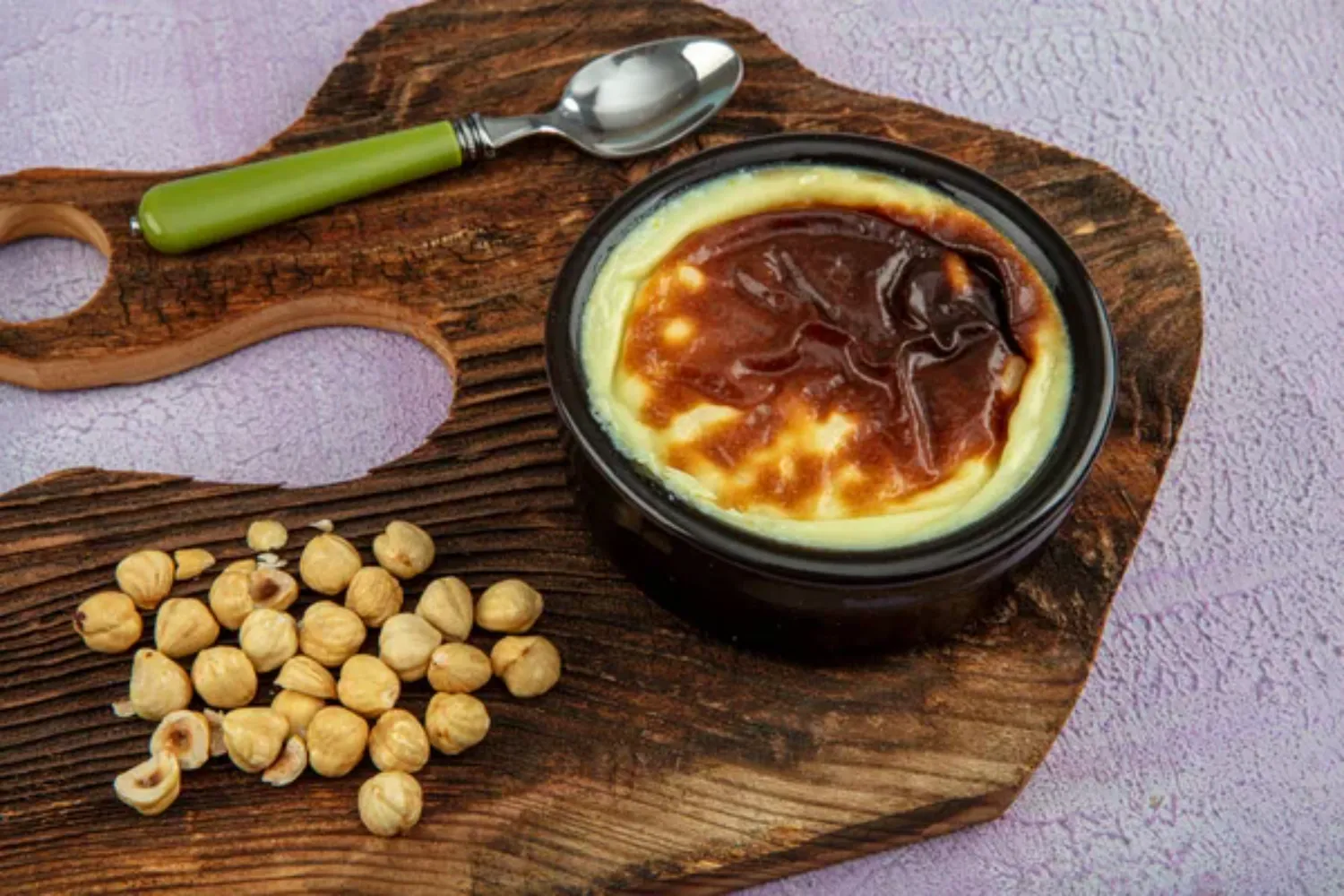
The Turkish phrase “fırında sütlaç” means rice pudding in the oven. It is another Ottoman cuisine dessert and is still prevalent in Turkey. Ingredients for the rice pudding include rice, sugar, milk and water. The pudding is made in an oven. In addition, the modern version of this pudding includes vanilla instead of rosewater for flavouring and aroma.
However, it’s a straightforward dessert recipe; it tastes fantastic. You will be amazed by the caramel-coloured, sweeter version of the rice pudding. Typically, it’s served cold but can also be eaten warm. This friendly version of dessert is what you need during tough times.
8. Tulumba
Tulumba dessert is a Turkish dessert in which fried dough is served in a sugary syrup—made in Turkish cuisine. If you’re curious about its taste, you can think of the juiciest doughnut you have ever eaten and then imagine it to be twice as moist. It is like a doughnut, deep-fried- in oil before being immersed in sweet syrup. Tulumba is soft and crispy at the same time.
The dessert is also found in the Middle East, Asia, and the Balkans, and it has different names. For example, Tulumba is known in Iranian cuisine with ‘Bamiyeh’ and ‘Balah el-sham’ in Egypt.
These deep-fried, crisp-shelled treats deliver a severe kick of sugar. They are soaked in thick, sometimes lemon-flavoured syrup. Lebanon and Syria often use orange blossoms and rose water for flavouring.
9. Kazandibi
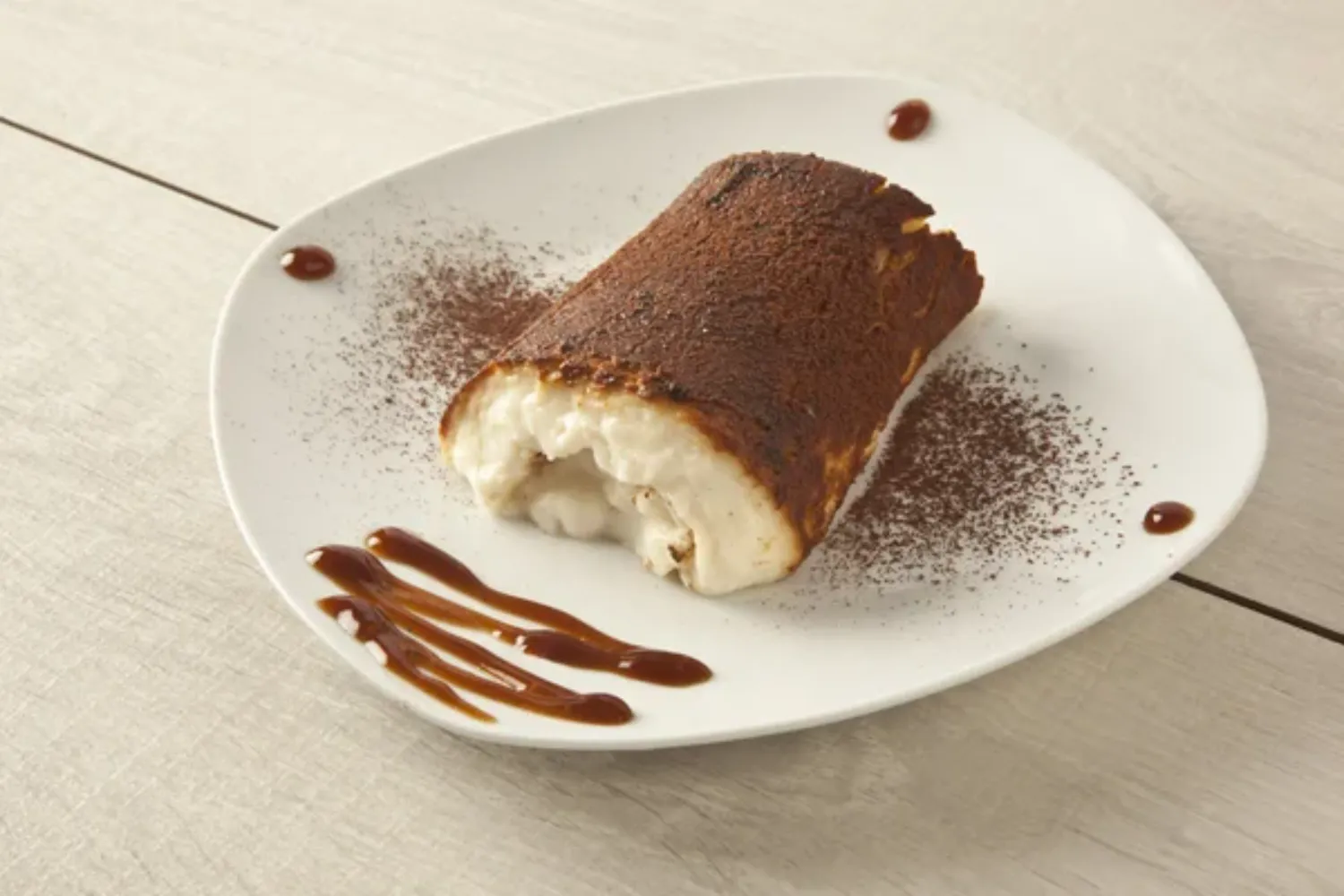
Kazandibi is a Turkish milk pudding dessert with a burnt top layer. It originated in the kitchens of the Ottoman palace centuries ago and is still a trendy dessert in Turkey.
It’s one of the wealthiest puddings, almost like custard. It has a unique earthy caramel flavour in addition to the freshness of a pudding. Kazandibi is made with sugar, starch, butter, rice flour, milk and vanilla flavours—the caramelised top contrasts nicely with the milky taste of its ingredients. In Turkish, Kazandibi means “bottom of the pot”, owing to the unique burnt quality. In Turkey, Kazandibi is usually served as thin ribbons, then rolled. However, it can also be made in thick squares.
10. Aşure (Ashura)
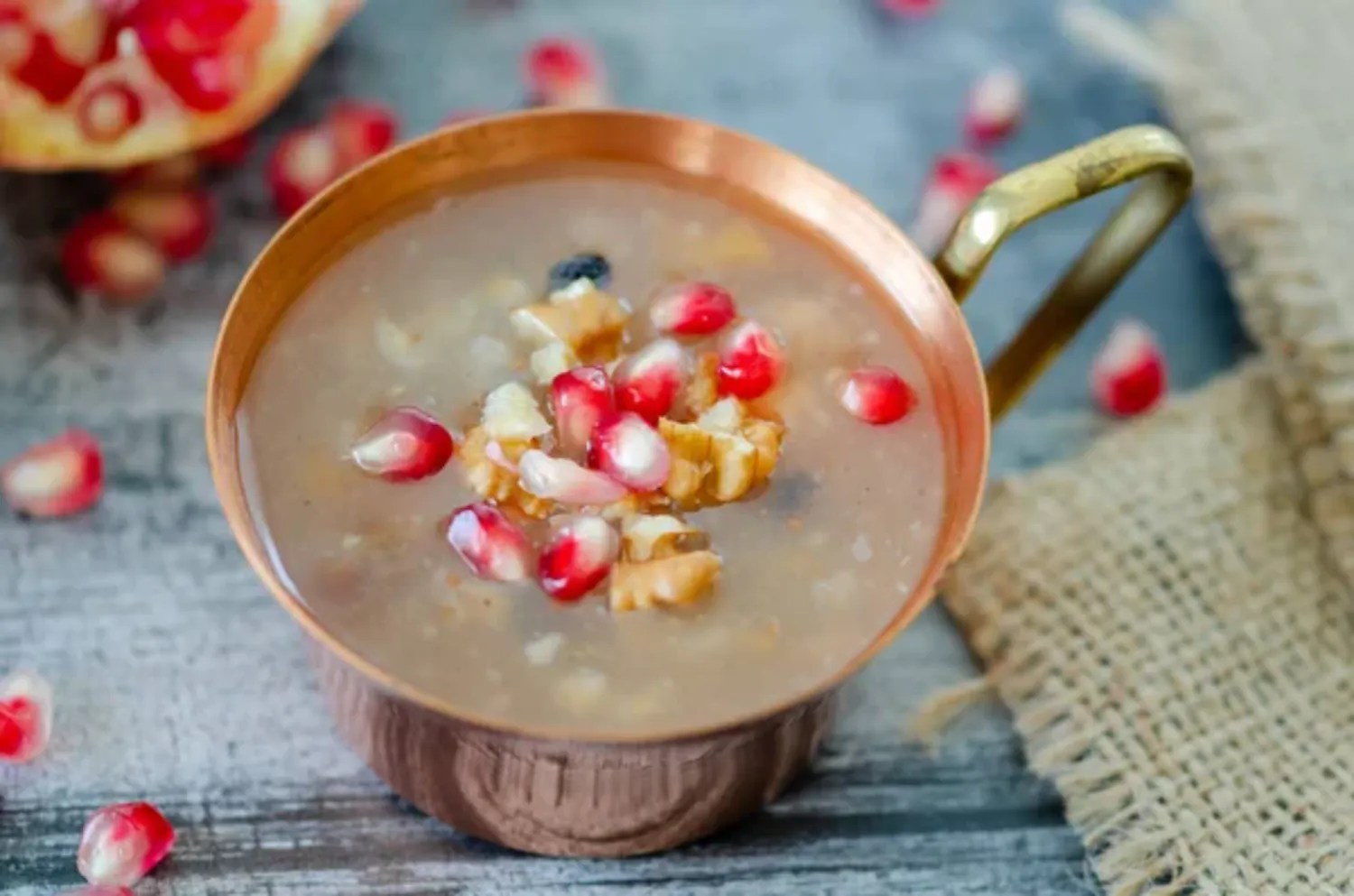
Ashura is a dessert consisting of a mixture of cereals, fresh fruits, dried fruits and nuts that are usually eaten on the Day of Ashura.
There are recipes for Ashura in several countries, but they differ in each country. In Egypt, it is prepared from a mixture of wheat, milk and sugar, and raisins, coconut and nuts are sprinkled over the dish. In Turkey, Aşura’s plate consists of the same Egyptian ingredients; still, it adds beans, chickpeas, and some fruits such as pomegranates and oranges.
The dish’s ingredients are similar in almost all countries, even among non-Muslims. Still, the dish’s origins differ according to each country.
The legend, tracing back to Armenia, says that Noah began collecting leftovers and cooking them in a pot when food began to run out on the ship. The result was “Noah’s Dessert”, which later took the name Ashura. According to Islamic tradition, Muslims make Ashura on the 10th of the Muharram and distribute it among their neighbours.
11. Dondurma
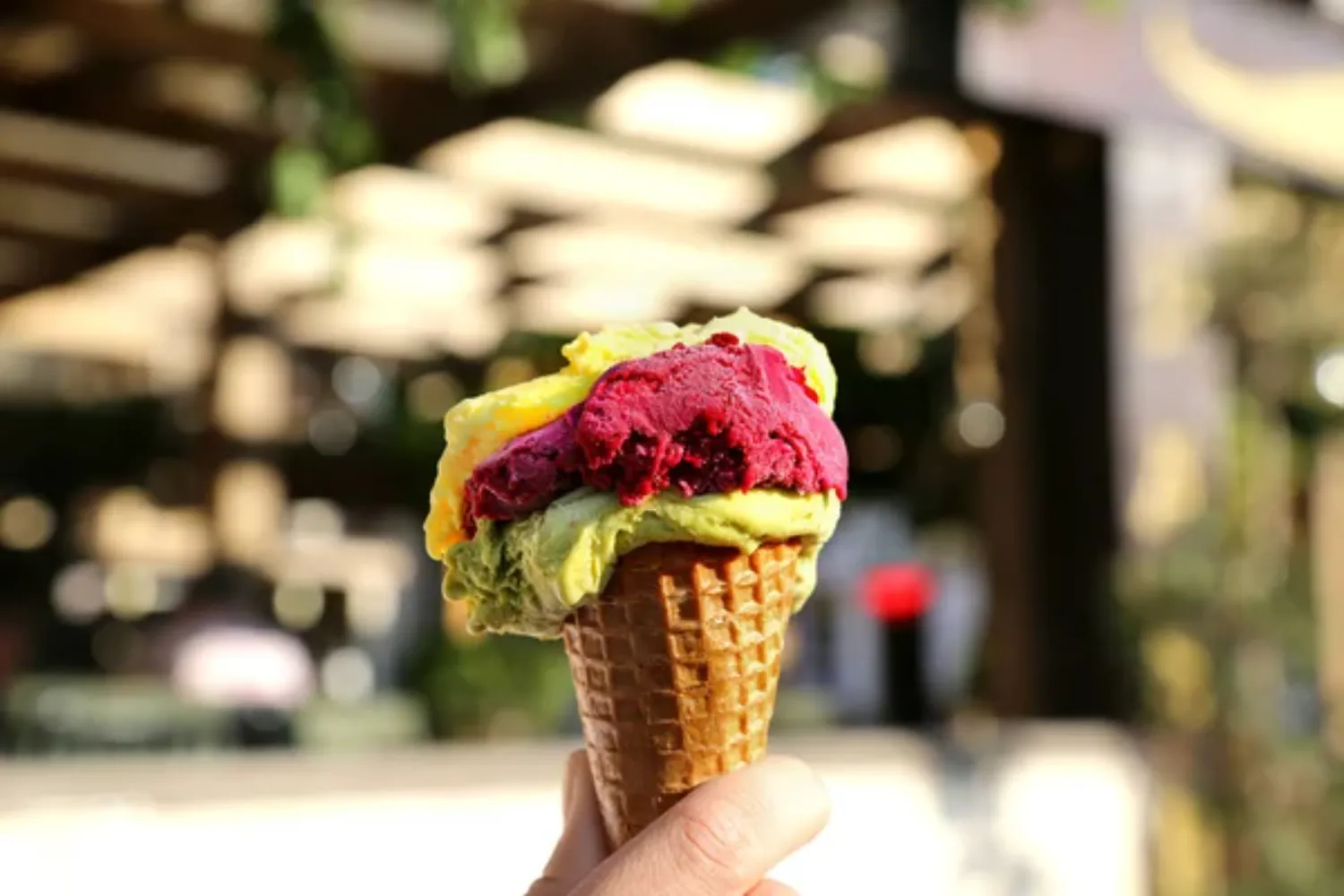
Dondurma, or Turkish Ice Cream, originated from the city of Maraş. Its resistance to melting and chewy, thick texture distinguish it from other types.
They brought these qualities by adding two agents thickening the basic mixture of milk and sugar: Arab gum and salep. As a result, the ice cream in the Kahramanmaraş region contains more sugar than usual. For that reason, they sometimes called it kesme dondurma—from the Turkish verb kesmek, meaning to cut. Because of its crazy feats, this ice cream is so tough that it is usually eaten with a knife and fork.
Remember to try that version of Ice Cream from vendors in the street who are dressed in exotic Ottoman clothing.
12. Pişmaniye
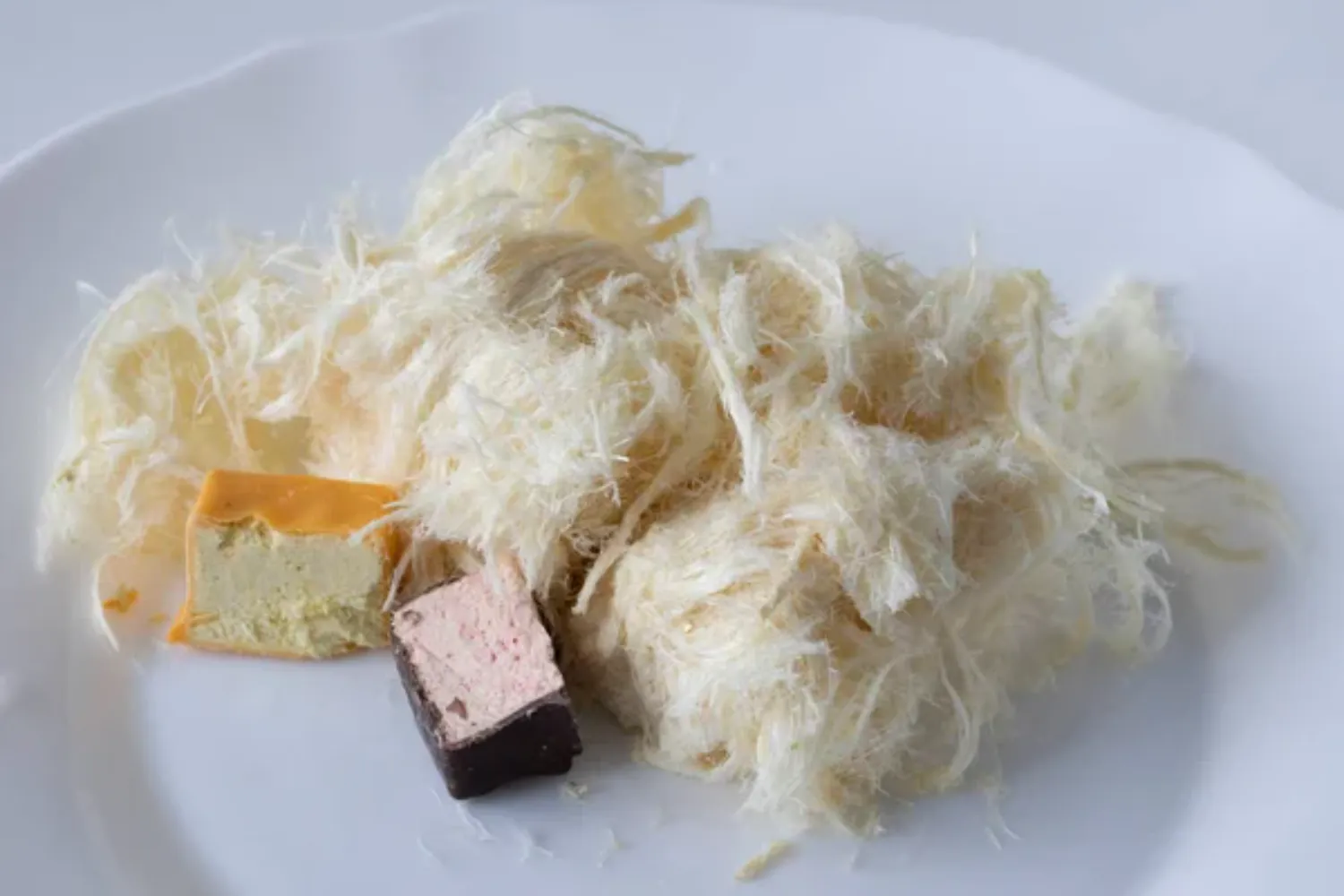
We can say Pişmaniye is the traditional taste of Turkish desserts. Kocaeli city is its origin. The ingredients include roasted flour, sugar and butter. The final touch of the dish is similar to cotton candy, though the texture is slightly different.
The dessert is garnished with nuts like walnuts, pistachios, or cacao. It’s called ‘Turkish candy floss’ or ‘cotton candy’. You could find the original ones or another chocolate version in gift shops as a souvenir.
One piece of Pişmaniye – that small, delicious bite- can handle any problem you face.
The legend says that a confectioner created this type of dessert after falling in love with a curvy lady. However, he won her heart, but she was jealous and moody; those bad characteristics left him pişman (regretful), hence the name.
13. Güllaç
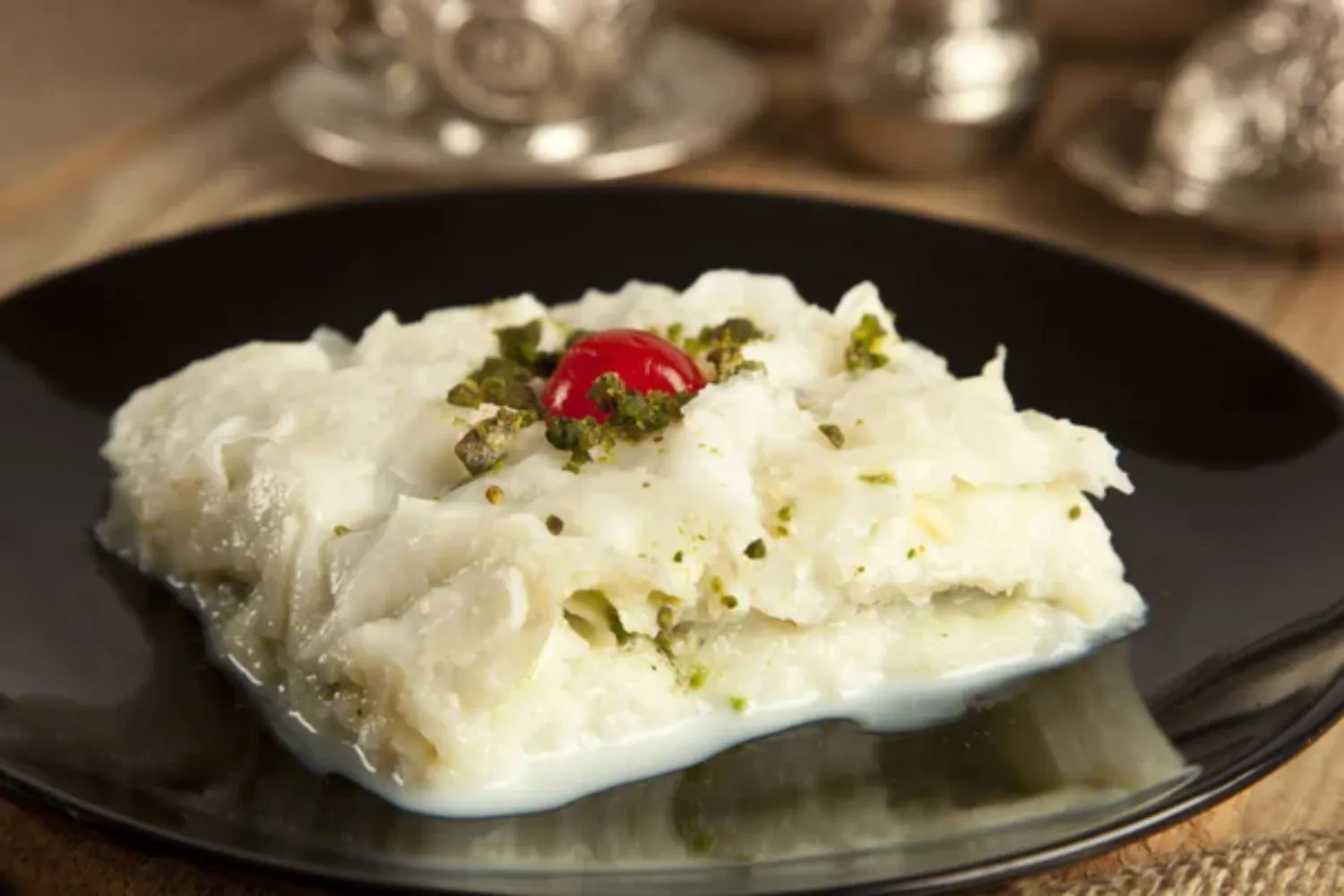
Güllaç (Gullash) is a Turkish dessert with a special pastry, pomegranate and milk. It is consumed especially during Ramadan. It is a sensuously soft, cotton-like dessert. According to some records, the first mention of that delicious dessert was in the 14th century.
However, those who prefer to avoid the delightful taste of the Baklava can find a classier and lighter version. The thin, corn-starch-based ‘pastry’ layers are immersed in warm milk with rose water. It is flavoured with nuts and pomegranate. Imagine it’s similar to a delicate cake without the sponge taste.
The dessert is at the top of the list of milky Turkish desserts. It is a dessert you can’t get enough of. A cross-country dessert that you can also see in some Arab countries. It’s worth the experience.
14. Lokma
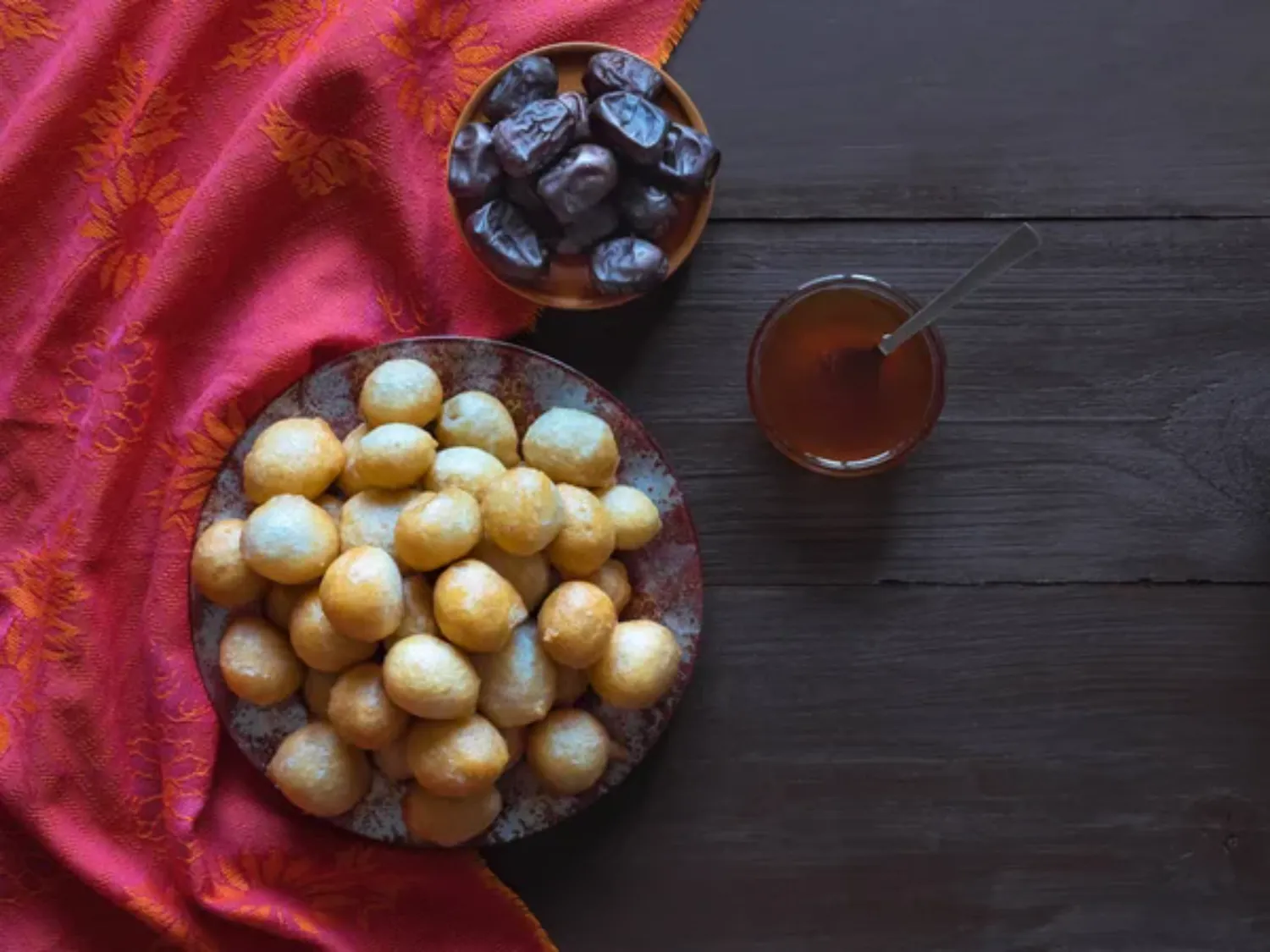
The Turkish word “lokma” comes from the Arabic word “لقمة”. So, it means “lokma”, a small piece of food. It is a Turkish dessert prepared by frying the dough, made with flour, yeast, salt and sugar in oil, sweetened with a thick syrup and served. Although its source is based on the Ottoman Palace, its construction has become widespread among the people. It is happiness in a small piece of fried dough.
The origin of lokma fritters is ancient but often debated. It is presumed that they first appeared in Greece or Turkey, though some suggest Arabic origin. For example, you can find it in Egypt with the name “Lukma-at-ul kadi” or “Zalabya”. Many versions of it are covered with chocolate or powdered sugar.
15. Keşkül
Keşkül (Keshkul) is a milky dessert in Turkish cuisine. The dessert is made with milk, crushed almonds, sugar, rice flour and potato flour. The cooking technique is like pudding. As the boiling ends, coconut powder is poured into the milk. The bowls are decorated with ground almonds, pine nuts and pistachios.
The dessert’s name is derived from the Ottoman Turkish idiomatic expression “keşkül-i fukara”, which means “beggar’s bowl”. The word Keşkül and its respective idiom is ultimately traced back to Persian kaşkūl (كشكول), meaning “beggar” or “beggar’s bowl”. It’s the ideal dessert for those who like the creamy and milky taste. Although Sütlaç is more famous worldwide, this almond pudding is equally tasty and deserves more value.
16. Katmer
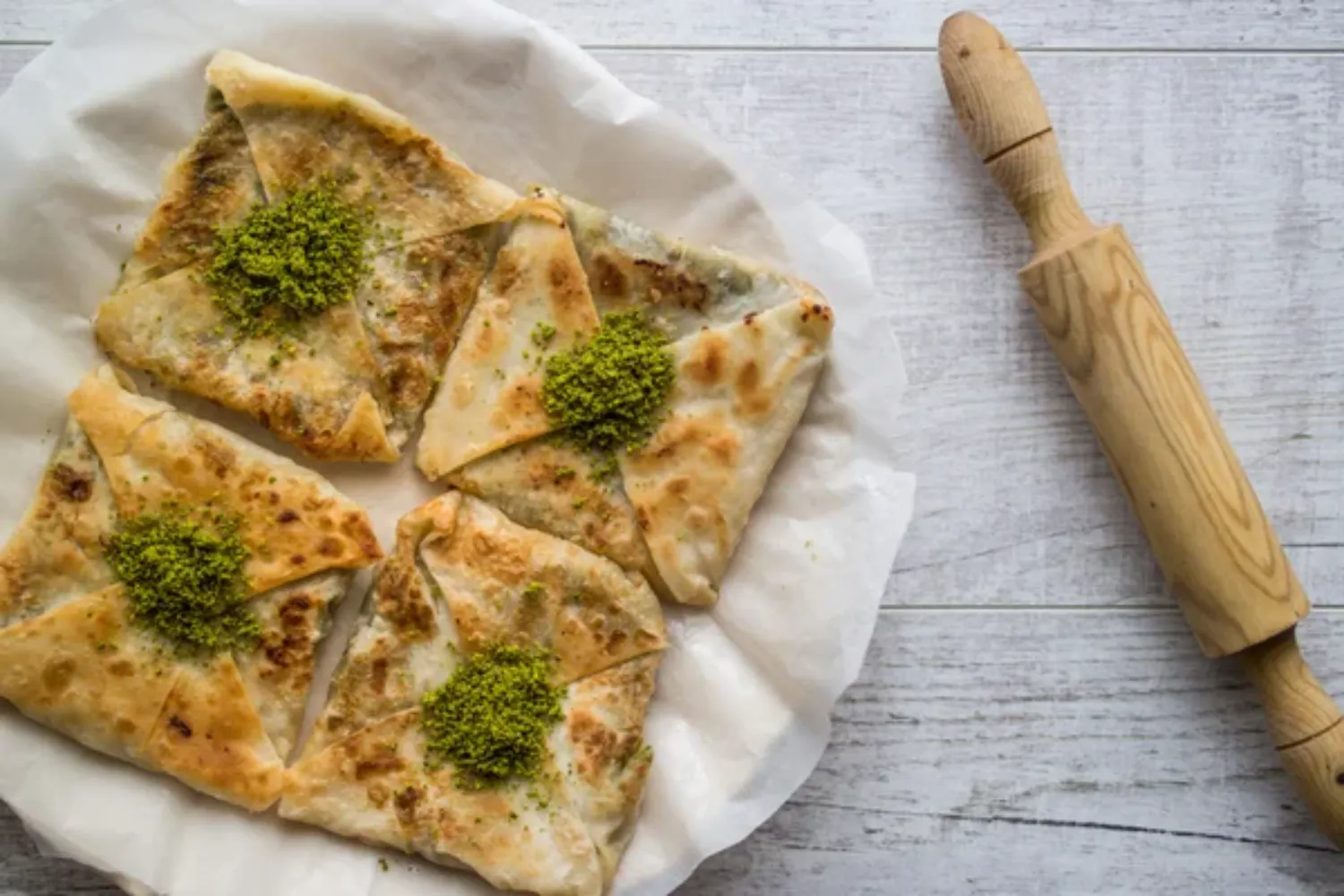
Katmer is a delicious and light dessert from Turkey, especially in Gaziantep and its neighbouring regions, made with pistachios. It is a savoury pastry in the Aegean region.
The -melted-in-mouth dessert- is served with breakfast in the mornings. Try this delightful dessert with fragile dough when you come to Turkey. Also known as ‘Groom Katmer,’ the groom’s father would send a helping of Katmer to the house of the newlyweds and the bride’s father on the first morning of the wedding.
This butter and sugar-based sweet treat symbolised wishing for a lovely marriage, allowing the newlyweds to regain strength after an exhausting wedding. Although it’s similar to a Börek or Baklava, this pastry is made via the lamination of the dough. In other words, it has that same flaky, buttery feel of a croissant. However, it is far sweeter and with a pistachio coat.
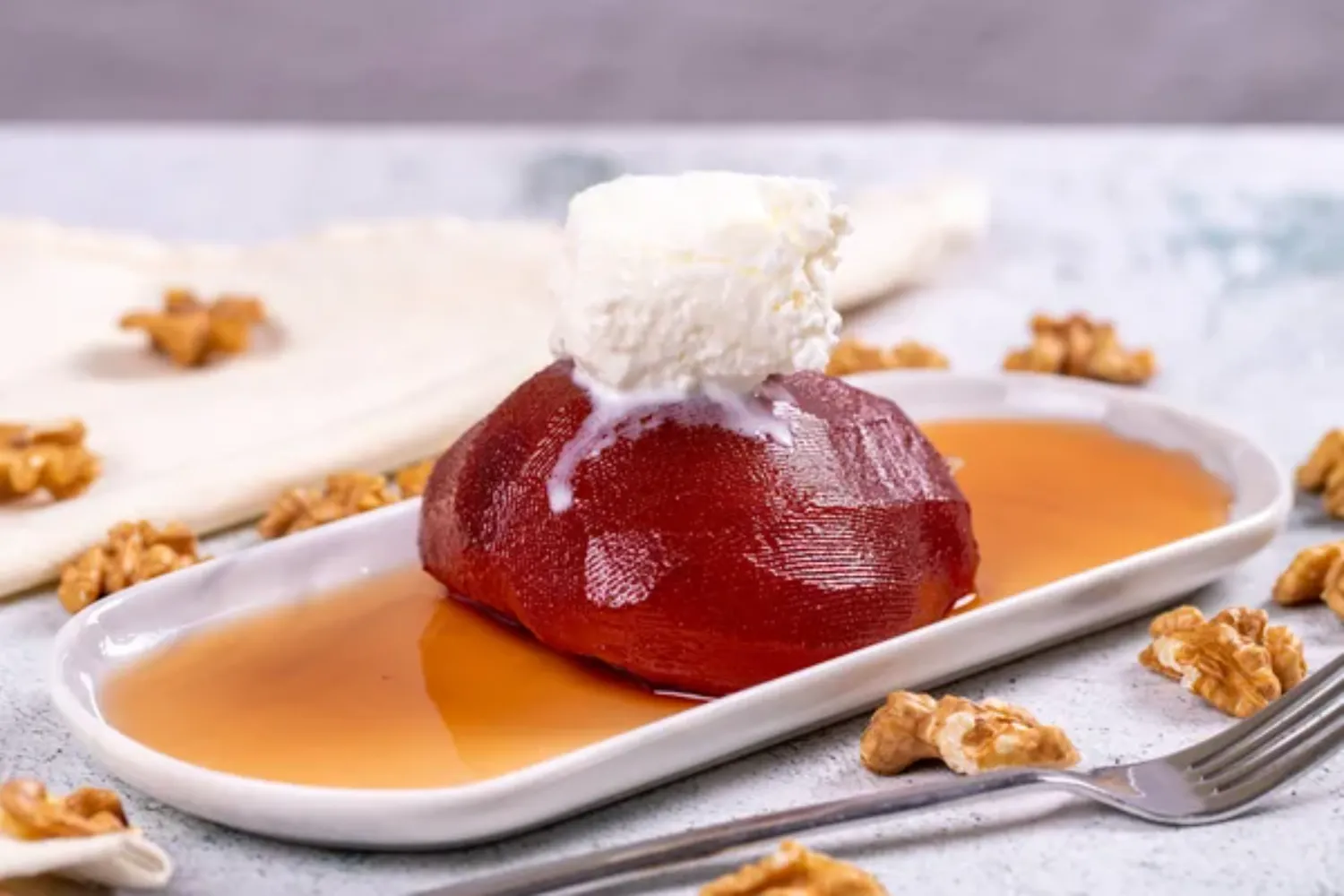
17. Ayva Tatlısı (Quince Dessert)
Quince dessert is a sherbet Turkish dessert made from bread quince. It is usually served with cream and pistachios. This well-known Turkish dessert will remind you of the famous Goblin Market if you are a fan of Christina Rossetti. It would be a piece of advice not to underestimate this seductive Turkish dessert, just like in the poem.
It is made by poaching quince fruit in hot, sugary water. Then, it’s thickened with pectin to create a dense, soft, delicate, yet aromatic dessert. As cosy as a fireplace, this sweet treat is one for the winter. The Christmassy spices like cloves and cinnamon give this pleasure its treasure-like quality. Usually served with a touch of cream and a sprinkling of nuts, this may become your new annual tradition. That dessert dish is a different taste to try once in Turkey!
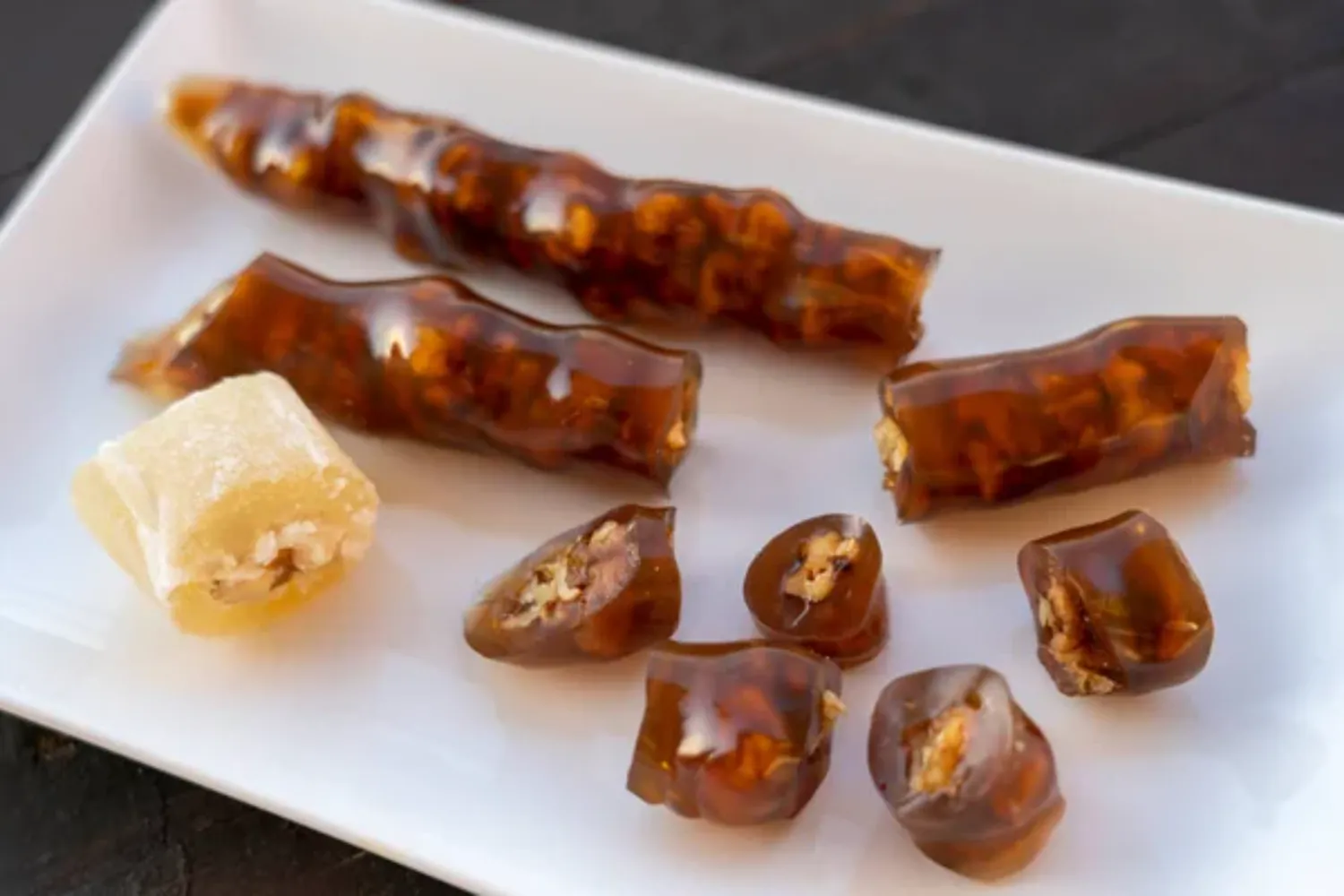
18. Cevizli Sucuk (Walnut Sausage)
When you hear the name of that dessert, you will wonder if it contains meat. Don’t worry; it doesn’t have any meat. The main ingredients of this dessert, which is prepared in several different ways, are grapes, hazelnuts and flour.
It is a dessert made by dipping walnuts in grapes or berries. The main ingredient is boiled molasses or grape, or raspberry juice. It was given this name because it looks like a sausage.
It is made by dipping and pulling the nut one or more times into a boiling wort, then hanging and drying it. Starch can also be applied to the outside of the sausages so they don’t stick together.
This vegan-friendly feature is more similar to a delicious trail mix than candy. Walnuts are known for their omega-3 qualities, lowering cholesterol, and their minerals.
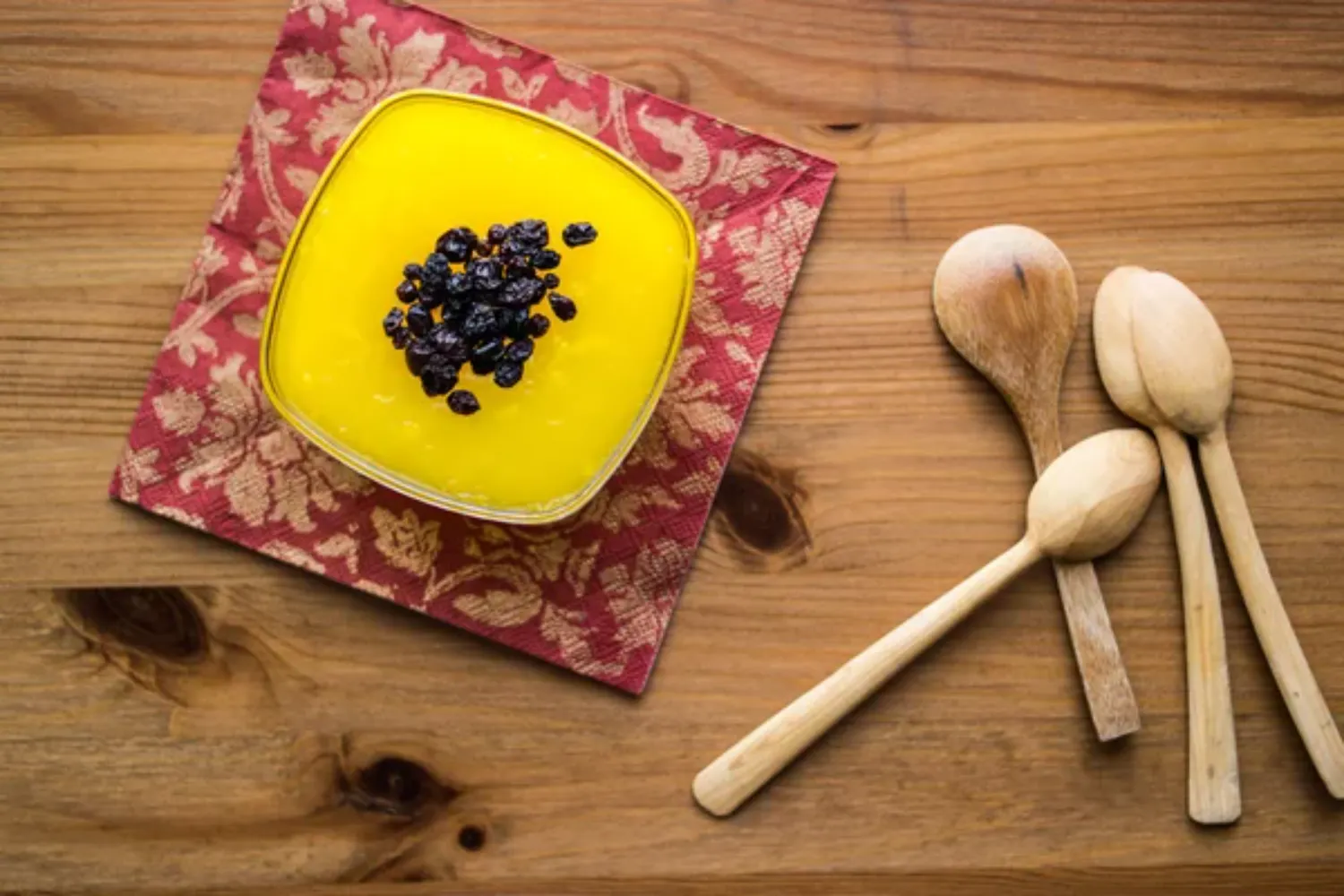
19. Zerde
Zerde is a traditional dessert in Turkish cuisine. It is prepared by cooking rice with water and adding barberry sugar (contrast sugar) and cloves. It is a sugary rice jelly that is coloured and flavoured with saffron.
It is made with ingredients such as cornstarch, rice, water, and saffron for a lovely flavour and turmeric for the yellow colour. Once cooked, the dish is garnished with nuts and local fruits.
People mainly use pistachios, pine nuts and pomegranates. Zerde is a favourite type of dessert in weddings, birth celebrations, and Muharram’s first ten days of the Islamic calendar.
It is one of the famous Turkish desserts that you usually find people enjoying.
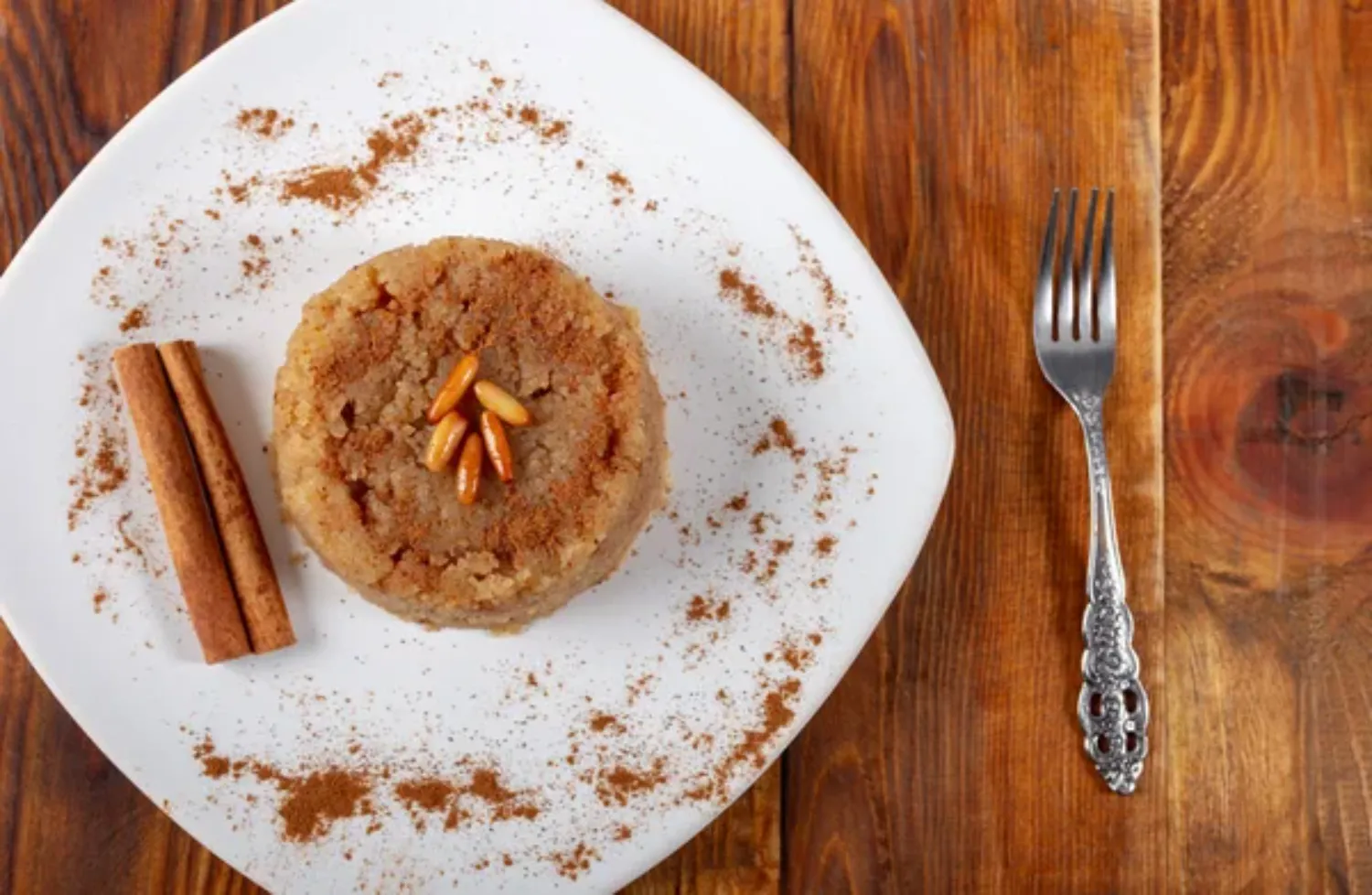
20. Un Helvası
Un Helvasi means “Flour dessert”. It is a famous Turkish dessert, specially made on holidays, special days and Thursday nights. Its main ingredients are flour, water, butter and sugar. Turkey has a variety of sweets. However, the flour dessert is identically shaped like the small biscuits.
Sometimes it is done to share the joys with our neighbours and loved ones. The dessert is a palate-pleasing flavour in Turkish cuisine and is obtained financially cheaply. This silky soft treat will dissolve in your mouth just like butter (made with flour roasted in butter). The dessert is the perfect helping accompaniment to balance tea/coffee’s bitter taste.
Linda Sunshine once said: “Desserts are the most crucial part of any meal”.
In this article, you’ve learned more about the Top 20 Most Famous Turkish Desserts. It is highly recommended that you try them one day! If you want a tasty way to spend your vacation in Turkey, these dishes may be just what you need. Just visit Turkey to taste the best Turkish desserts! Afiyet Olsun! Or Bon Appetit!


 Shaimaa Olwan
 Noha Basiony