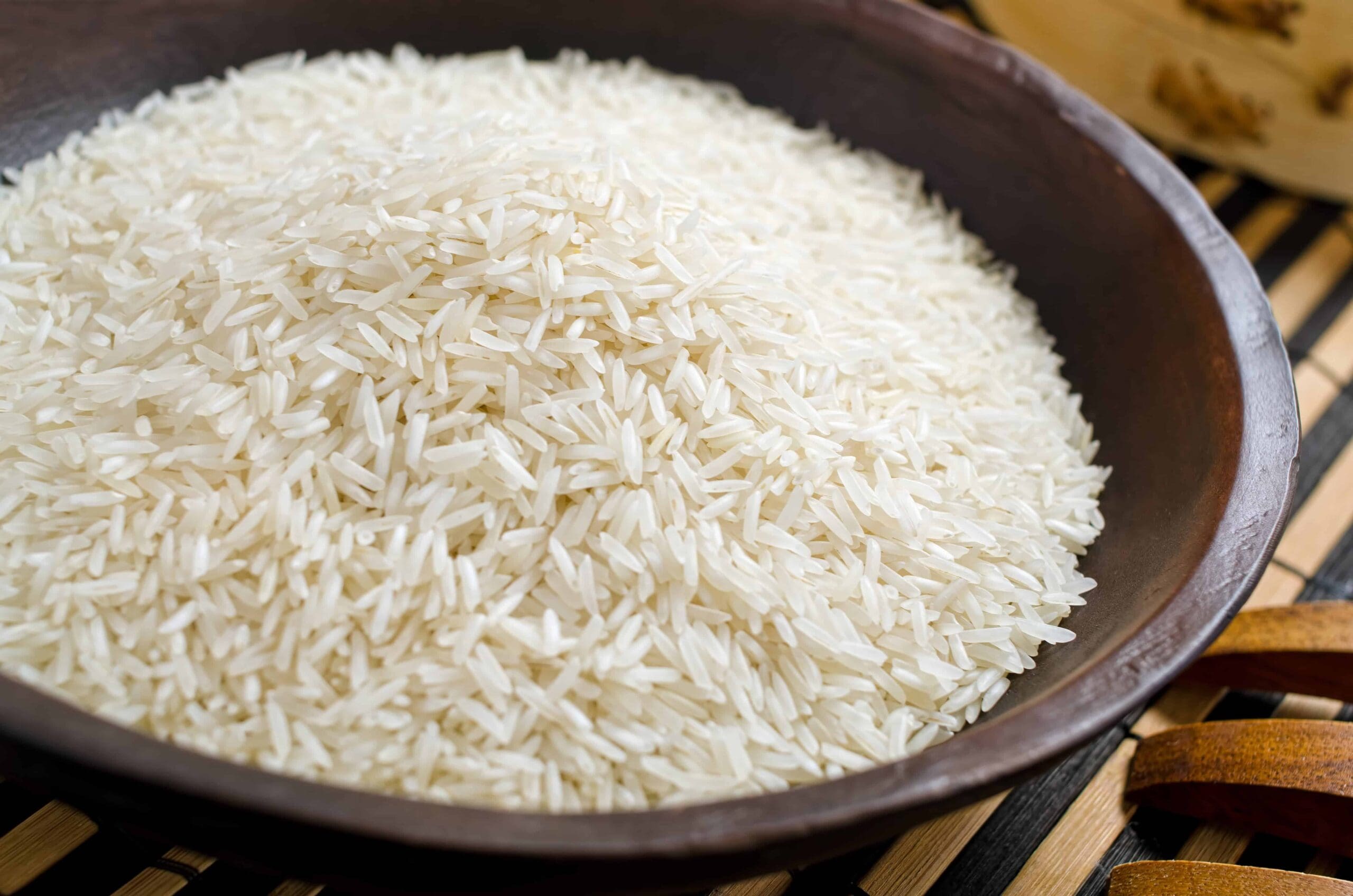
Rice is an essential food for more than half of the world’s population. It is mainly composed of carbohydrates, which are the source of food energy for human beings. Most of these carbohydrates are starch, the most familiar form of carbohydrate in foods. Starch is composed of glucose chains called amylose and amylopectin.
More than 90% of rice from all over the world is grown in China, India, Indonesia, and other Asian countries. It is the most significant food crop in the developing world. People mainly depend on rice in most recipes as it is rich in nutrients and has high levels of fibre. These glutinous grains have low amounts of sodium, cholesterol, and fats, so they are a great option to be incorporated into most people’s diets. Unless you have a gluten-related disorder, rice is an excellent option to get your daily intake of carbohydrates from it.
There are many types of rice, which may exceed 120,000 kinds worldwide. It is classified according to the kernel size, degree of milling, starch content, and flavours. Different types include Arborio rice, Basmati rice, Black rice, Bomba rice, Brown rice, Jasmine rice, Long Grain White rice, Parboiled rice, Carnaroli rice, Carolina rice, and Kalijira rice.
Rice Recipes
Having 120,000 different kinds of rice from around the world makes an endless number of rice recipes. Here are some of the mouthwatering recipes you would definitely want to try!
1. Rice Balls
Rice balls are steamed and compressed. They typically are shaped into a triangle, ball, or cylinder shape. They may be slightly flavoured with salt or have a variety of fillings.
Ingredients
200g of white rice
150ml of cream
150g of grated cheddar cheese
Two eggs
Flour
Breadcrumbs
Cooking Steps
Heat the cream, and then mix it with the grated cheese.
Stir well until the cheese melts.
Add rice and stir.
Put the rice in a mould, press it well, and refrigerate until it cools.
When the rice becomes cool, cut it into pieces of any shape.
Before frying, roll each rice piece in flour, egg, and breadcrumbs.
Fry it on all sides until golden brown.
Preparation time: 30 minutes
Cooking time: 20 minutes
Total time: 50 minutes
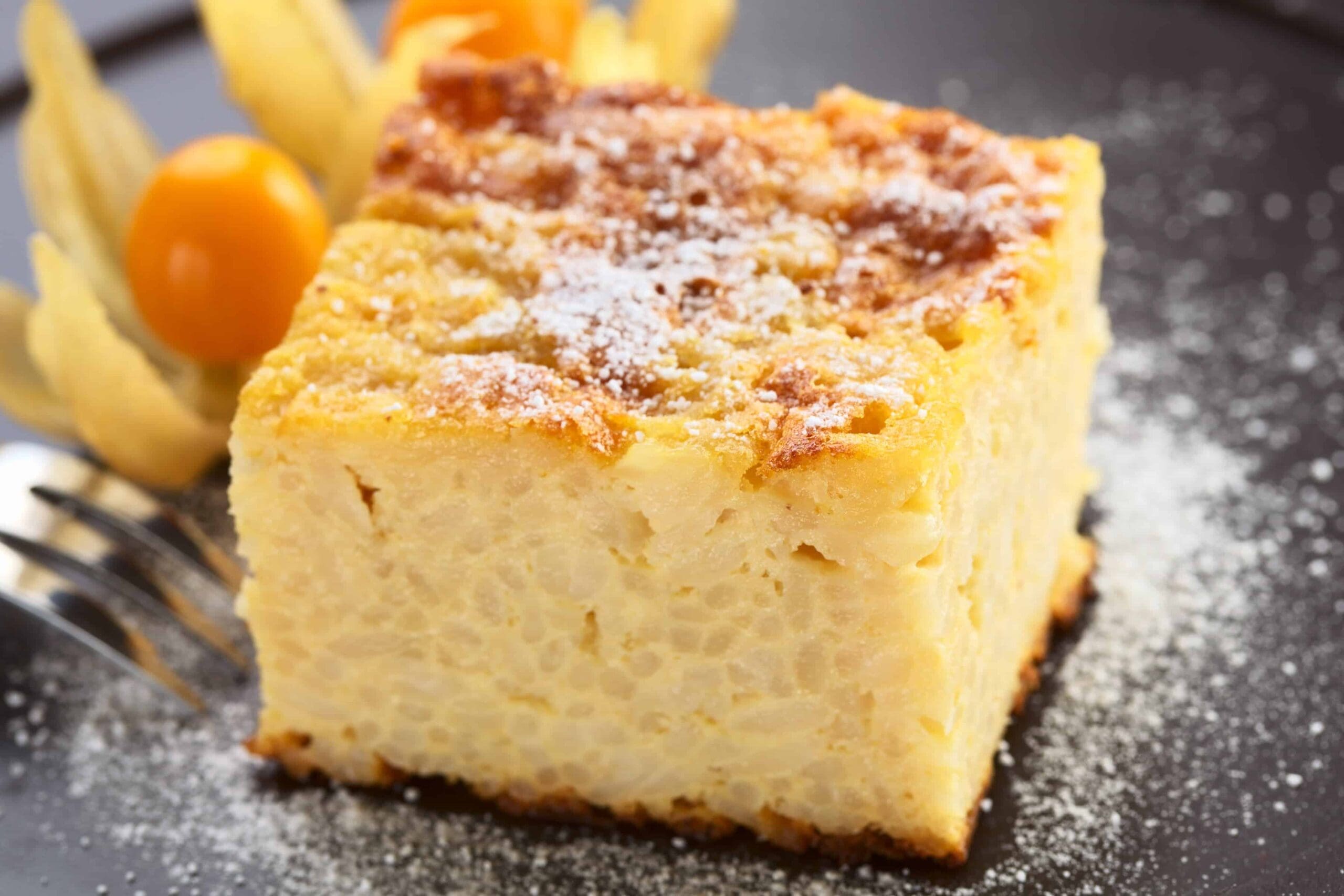
2. Rice Pudding
Rice pudding is actually a very simple recipe. You just need rice, water, and milk. You can add meat or veggies -or even leave it plain- for a savoury option or sweeten it with sugar, cinnamon, and raisins. It is an excellent option for dinner, but our recipe is on the sweeter side.
Ingredients
100g of round-grain rice
500ml of milk
50g of sugar
2 tbsp starch
One lemon
¼ tsp vanilla
Two egg
Cooking Steps
Add sugar, starch, and lemon zest or vanilla to the milk.
Boil the milk, add the rice, and cook for 10 minutes with continuous stirring.
Preheat the oven to 120 degrees, and put the rice pot in it for 40 minutes.
Stir a few times. Take the pot out of the oven, and check the rice, which must be cooked well. Leave the pot aside to cool the rice a bit.
Pour the yolks into the rice and mix.
Add a few lemons juice drops to the whites, beat into a firm foam and mix gently with the rest.
Put it in the oven for 10-15 minutes.
You can immediately spread the pudding on small bases and serve them.
Preparation time 30 minutes
Cooking time 60 minutes
Total time 90 minutes
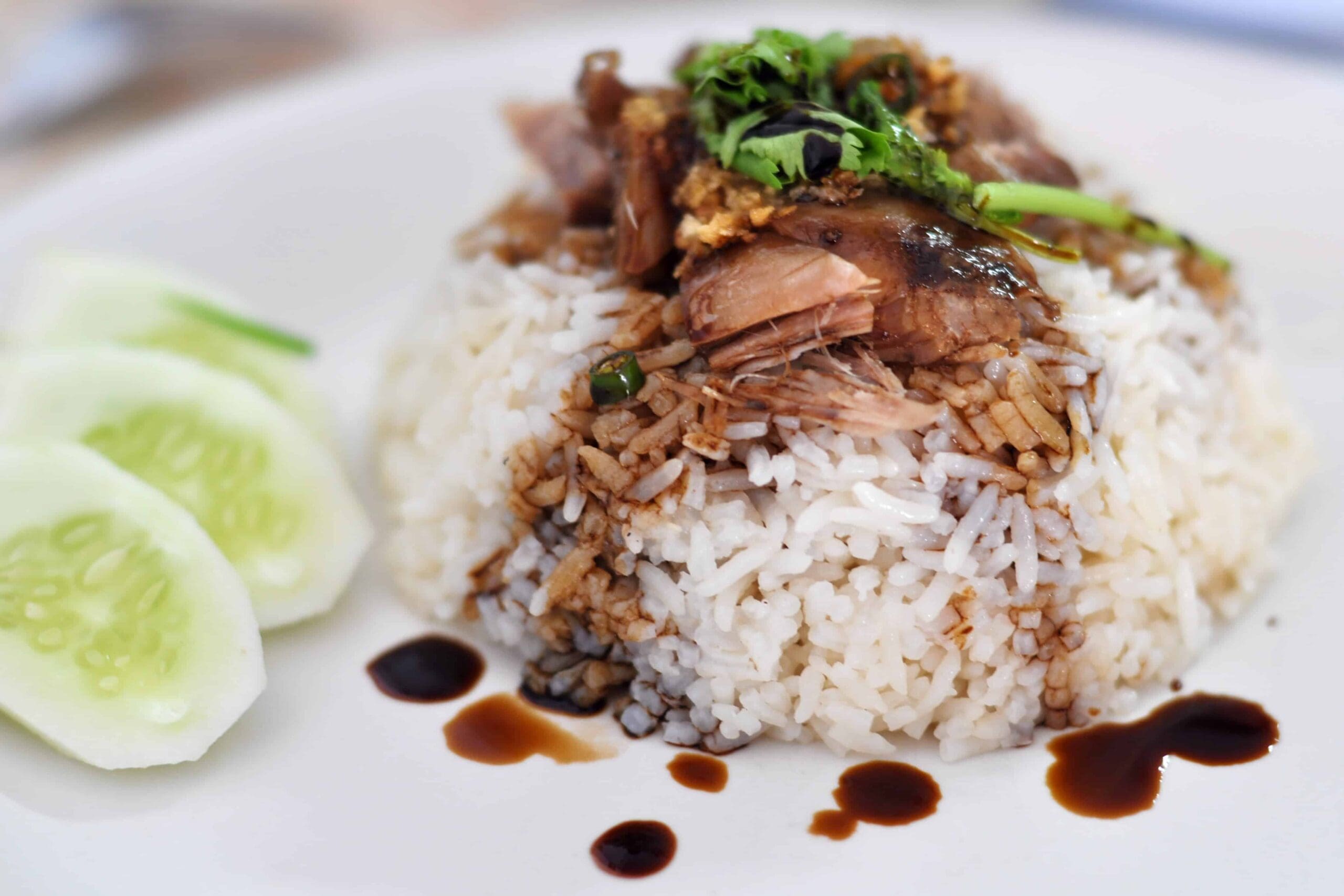
3. Rice with Duck
Duck rice is a Singaporean Chinese meat dish comprised of plain white rice with either braised or roasted duck. It does contain a lot of protein that gives us energy. On the other hand, protein also constructs and repairs our muscles, skin, and blood and keeps us healthy. Meanwhile, duck meat is a fantastic mineral source. This kind of meat provides 50% of the daily need for iron. Our bodies use iron to build healthy blood, supply the body with energy and promote growth.
Ingredients
6 duck pieces
3 cups of rice
1/2 cup oil
3 tbsp of chopped yellow pepper
1 chopped green pepper
2 peeled and chopped tomatoes
1 large minced onion
1 small peeled and chopped carrot
3 tbsp of minced garlic
1/2 cup ground coriander
1 cup of peas
3 cups of water
1 shelled and cooked corn
3 yellow chillies without veins
1 pinch of black pepper
1 tsp ground cumin
3 cups of water
Salt to taste
Cooking Steps
Wash the pieces of duck well in water, rub them with salt, wash it, and then dry them.
Season the pieces with salt, pepper and cumin all over.
Bring the oil to a pan simmer and brown the duck pieces in the hot oil as soon as they are golden brown. Remove them to another container to reserve. The duck pieces need not be fully fried, much less cooked, to be cooked in the pot with the rice.
Pour the remaining oil from the pan into a large pot where we will prepare the rice.
Add the chopped onions, ground garlic, yellow pepper, and chopped tomatoes, and fry them for a few minutes.
Add the ground coriander and peas.
Cover the pot and leave the mixture for 5 minutes over low heat.
Add 1/2 cup of hot water so it doesn’t burn the pot, and cover again until simmering.
Put the duck pieces into the pot, then add the rice.
Cut the yellow chillies into strips, then mix the combination.
Leave the pot cover for another 15 minutes to concentrate the flavour in the duck pieces.
Remove the cooked duck pieces from the pot and set them aside in another covered container.
Add the shelled corn, peas and carrot to the pot.
Add salt and just a pinch of black pepper to taste.
Add a few cups of water to bring the level slightly above the rice. Shake well and cover.
Let it cook for 10 minutes until the grain rice is well done.
Test if the rice has the desired flavour.
Stir well and let the rice become completely grainy for a few more minutes. The rice is ready when the water is absorbed.
Turn off the heat when the rice has reached its exact cooking point.
Place the reserved golden duck pieces over the rice.
Leave it covered for another 10 minutes, so the duck and rice absorb this recipe’s unique and traditional flavours.
Preparation time 30 minutes
Cooking time 30 minutes
Total time 1 hour
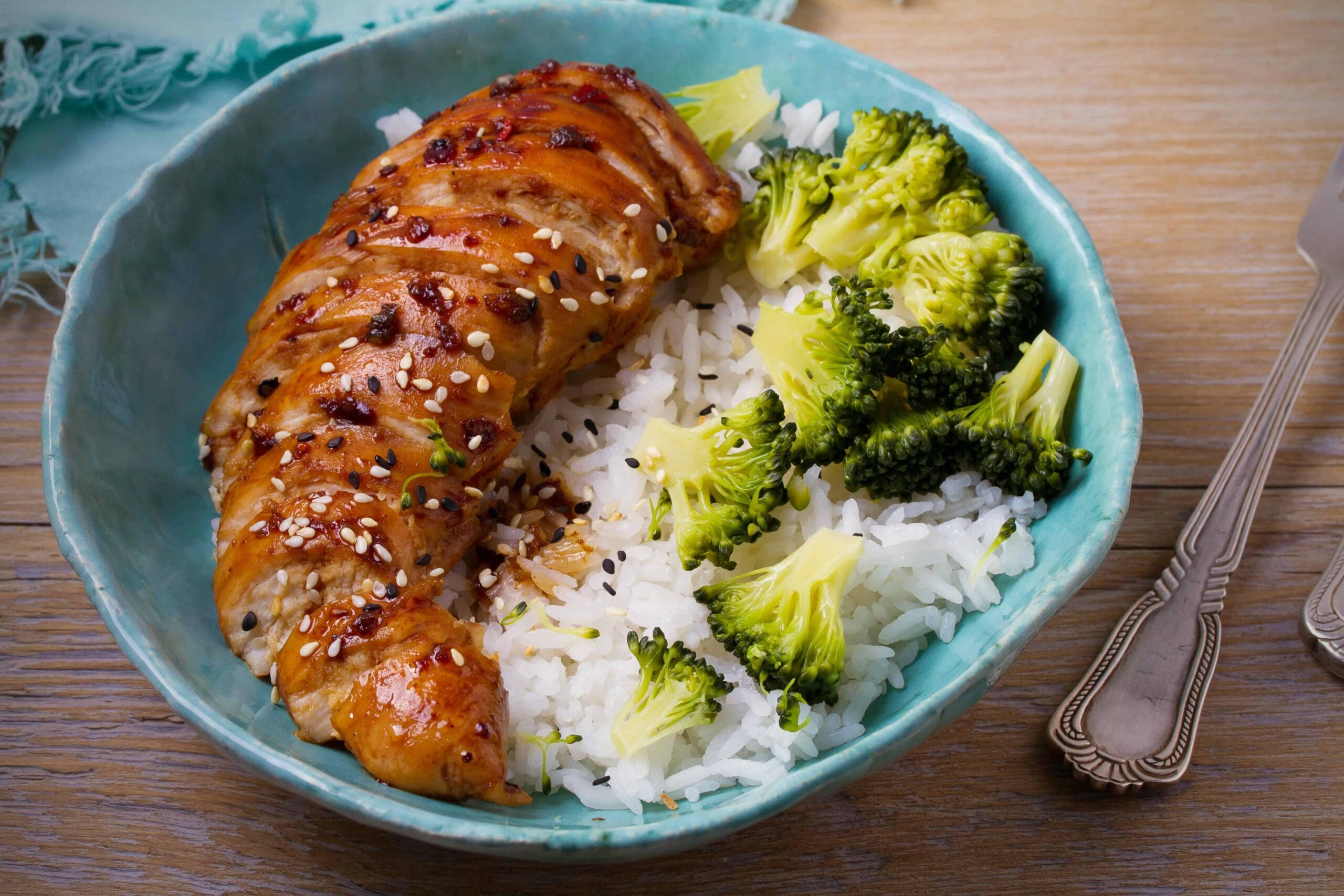
4. Chicken Breast with Rice
The rice is a nutritious supply of carbohydrates, fibre, and B vitamins, while the chicken is a fantastic source of protein. This recipe is inexpensive, healthy, and excellent for gaining muscle. It provides a balanced amount of protein and a good amount of carbohydrates.
Ingredients
4 large pieces of chicken breast
3 cups of white rice
1 cup of shelled corn
2 diced carrots
1 ground yellow pepper
1 large diced onion
1 cup peas
1 julienned red pepper (short, thin strips)
3 tablespoons of ground garlic
1 cup ground coriander
1 cube of chicken broth
4 tablespoons of oil
4 cups of water
1 salt
1 pinch of black pepper
Cumin to taste
Cooking Steps
Clean, wash and dry the chicken pieces of any other parts.
Season the chicken pieces with salt, pepper, garlic and cumin.
In a large pot, pour the oil in and let it heat well for a few minutes.
Add the seasoned chicken pieces and fry the pieces until they become golden brown.
Remove chicken pieces and keep them warm in another covered container.
Add the onions, yellow pepper and chicken broth cube in the same pot with the remaining oil. Stir constantly until the onion becomes golden brown.
Add the ground garlic, red pepper, salt, coriander, black pepper and a cup of water or chicken broth to give a unique flavour to the chicken.
Fry the whole mixture over low heat for a few more minutes.
Let the dressing cook for a few minutes.
Add the reserved chicken pieces to cook them together with the dressing.
After a few minutes, remove the chicken pieces that are fully cooked and reserve them in a covered container.
Add 2 cups of water, the chopped carrots, the corn, the peas and the rice in the same pot. Stir well and cover. Lower the heat level, let the rice absorb the water, and become wholly cooked for about 20 minutes.
Put the chicken pieces over the rice and cover the pot for about 5 minutes.
Serve the meal on a large plate and enjoy the delicious meal.
Preparation time 30 minutes
Cooking time 30 minutes
Total time 1 hour
5. Rice Pudding Cake with Biscuits
A rice pudding dish with biscuits is ideal. Everyone will adore the dessert because it is vegan, simple and delicious.
Ingredients
200 g biscuits
100 g butter at room temperature
¾ tsp ground cinnamon
1 cup of rice
¾ cup of milk
¼ cup of cold milk
Pinch of cinnamon
2 large tbsp starch
¼ cup of sugar
Cooking Steps
Put the biscuits in the bowl and press them well until they become powdery.
Put the butter “at room temperature” with the biscuits and mix it with the hand blender for 5 seconds.
Put this mixture in unstuck “28 cm” mould, then press the mix we prepared well.
Let it cool in the refrigerator for at least 1 hour.
Put the milk in the pot on the fire, wait for the milk to boil, add the rice and cook for 10 minutes over low heat with constant stirring.
Put a pinch of cinnamon and the sugar with continuous stirring.
In a cup, put the two spoons of starch with the cold milk and mix them well; then, put this mixture on the rice and stir the combination well until it becomes thick.
Remove the pan from the heat, and ensure the rice cooks.
Leave the pot aside to cool, then refrigerate for 30 minutes.
Put rice pudding on the refrigerated biscuits, then put it back in the fridge for at least 4 hours before taking it to the table.
Decorate it with red berries, fresh mint leaves, ice cream, natural yoghurt, cream, or nuts.
Preparation time 20 minutes
Cooking time 10 minutes
Total time 30 minutes
6. Fish Pie with Rice
This British fish pie is a quick and very inexpensive one-pot supper recipe. This recipe is claimed to have origins in Scotland. Feel free to use whichever fish you have on hand because this fish pie can be made from any fish.
Ingredient
180 g flour
1 tsp. salt
1/4 tsp. black pepper
1 tsp. baking powder
250 g sour cream
50 ml of vegetable oil
4 eggs
1 tsp. mustard
1 tsp. ketchup
Filling Ingredients
400 g of cooked or tinned fish
200 g rice
1 handful of green onion
3 eggs
Cooking Steps
Preheat the oven to 180 ° C.
Grease the sides and bottom of the pan with vegetable oil.
If you are using fresh fish, boil it in boiling water with pepper and salt, then cover for 8 minutes.
Remove the fish from the water to cool, remove the bones and disassemble them into small pieces. If you are using tinned fish, just drain the water or oil.
Boil and chop the eggs for filling.
Cut the green onions relatively thin.
Fill the rice with one glass of boiling water and salt, bring it to a boil, decrease the heat as little as possible, cover and cook for 10 minutes.
Put all the filling ingredients: the fish, rice, and green onions, in a bowl and add salt and pepper to taste.
Stir the ingredients well.
In a bowl, beat the eggs lightly. Continuing to beat, add sour cream, ketchup, and mustard and pour in vegetable oil.
Sift the flour together with baking powder and salt.
Pour the sifted dry ingredients into a batter bowl and stir well.
Put part of the dough in a mould, then put the filling on top. It will drown in the dough.
Pour the remaining dough on top and bake in the oven for 30 minutes.
Preparation time 30 minutes
Cooking time 30 minutes
Total time 1 hour
7. Rice Soup with Shrimp and Vegetables
Rice soup with vegetables is simple and comforting. The recipe ingredients are always available on hand. Depending on the day, you can serve this soup as a side or main dish. You can pair it as a main dish with a salad or a simple sandwich, or you can pair it with a meal based on meat as a side dish.
Ingredients
1/4 cup of rice
30 of shrimps
2 carrots
1 zucchini
1 small onion
100 g peas
2 cloves of garlic
Virgin olive oil
Pinch of pepper
Salt to taste
Cooking Steps
Put water in a pot with heat.
Peel the shrimp and reserve the heads and shells.
Add the heads and shells to the water, then season it with salt and black pepper.
Let the soup cook for 15 minutes.
Peel the onions, carrots, and zucchini, then cut them.
Fry the onion, peas, carrots, and zucchini in a pot with a spray of olive oil and season.
Add the rice and stir constantly.
Pour the soup after draining it, then add salt to taste.
Cook everything for another 20 minutes.
Finally, chop the garlic cloves and season the shrimp. Fry the shrimp after seasoning in a frying pan with a drizzle of oil until becoming orange. Then add it to the soup and serve it hot.
Preparation time 30 minutes
Cooking time 30 minutes
Total time 60 minutes
8. Basmati Rice
Basmati is used to preparing some of the most well-known meals in the world, like stews or curries. Because basmati rice is so fluffy and light, it doesn’t need to be rinsed long. Your curries and other spiced foods will look and taste better with Basmati rice because of its long, slender, and aromatic grains, which absorb the flavours of other ingredients as they cook, such as herbs and spices. It is suitable for an extensive range of dishes and cuisines.
Ingredients
1 cups basmati rice
2 tbsp vegetable oil
1 piece cinnamon stick
2 pods of cardamom
2 cloves of garlic
1 tbsp tomato sauce
½ tbsp cumin
½ tsp of curry
½ tsp of turmeric
1 small thinly sliced onion
2 cups water
Salt to taste
Cooking Steps
Put rice in a bowl with sufficient water and soak it for 15 minutes.
Heat oil in a pot or saucepan over medium heat.
Add cinnamon stick, turmeric, curry, cardamom pods, and cloves, then stir these seasonings with cumin until fragrant and toasted.
Add onion to the pot. Then fry the onion until it reaches golden brown for about 10 minutes.
Drain the rice, and put it into the pot with the seasoning. Stir the rice until lightly toasted for about 2 minutes.
Add salt to taste, and tomato sauce, then add water and bring to a boil.
Cover the rice and lower the heat.
Let stand for about 15 minutes or until all the water has been absorbed.
Check the rice cooking before serving it on plates.
Preparation time 15 minutes
Cooking time 15 minutes
Total time 30 minutes
9. White Rice with Meat
Making a meal in one pot is simple when you combine rice with meat and vegetables. In one pot, everything will cook. This recipe is easy and requires minimal attention.
Ingredients
¾ low-fat lamb meat
3 cups of white rice
2 cups of water
1 large finely chopped onions
1 tsp ground white pepper
½ tsp ground cinnamon
1 pinch of ground nutmeg
3 cloves of finely chopped garlic
1 piece of mastika
2 chicken broth cubes
2 cups of full-cream milk
2 tbsp vegetable oil
2 tbsp double cream
Cooking Steps
In a large pot or saucepan, put the finely chopped onions with the vegetable oil to fry with a piece of mastika.
Cut the meat into medium pieces, and in a bowl, add garlic and season it with nutmeg, cinnamon and pepper. Then add the pieces of meat and stir until the lamp pieces become golden brown. Then add water.
Leave the pieces of lamb to be cooked for about 45 minutes.
Boil the milk with water and the chicken broth cubes.
Add the rice to the milk, stir, and reduce the heat to low.
In a clay or glass pot, put half the amount of rice and then the pieces of lamb.
Put the remaining rice on the lamb, then add the double cream.
Cover the pot with foil and bake for 40 mins.
Remove the foil and re-bake under the grill for 10 minutes until the top of the rice becomes golden brown.
Preparation time 30 minutes
Cooking time 45 minutes
Total time 75 minutes
10. Roz Muammar
Roz Muammar translates as “rich rice,” as Muammar means abundance, generosity, and riches. Rice, fresh cream, and milk are some ingredients that make Roz Muammar’s dish one of the region’s most popular specialities. It is an excellent progression of ordinary cooked rice, a fundamental component of Egyptian cuisine.
Ingredients
2 cups of short-grain rice
1 ¼ cup of cold full-cream milk
1 cup water
50 g butter
250 grams of fresh cream
Pinch of black pepper
1 tablespoon salt
Cooking Steps
Preheat the oven to 200 C.
In a clay or glass pot, mix the rice, black pepper, butter, and salt well.
Add the milk and water to the rice.
Add the cream on top of the rice without stirring.
Put the pot without cover in the oven for 40 minutes.
Monitor the rice and slightly reduce the heat when it absorbs the liquid and the top begins to brown.
Cover the pot until the rice completes its cooking.
Preparation time 10 minutes
Cooking time 40 minutes
Total time 50 minutes
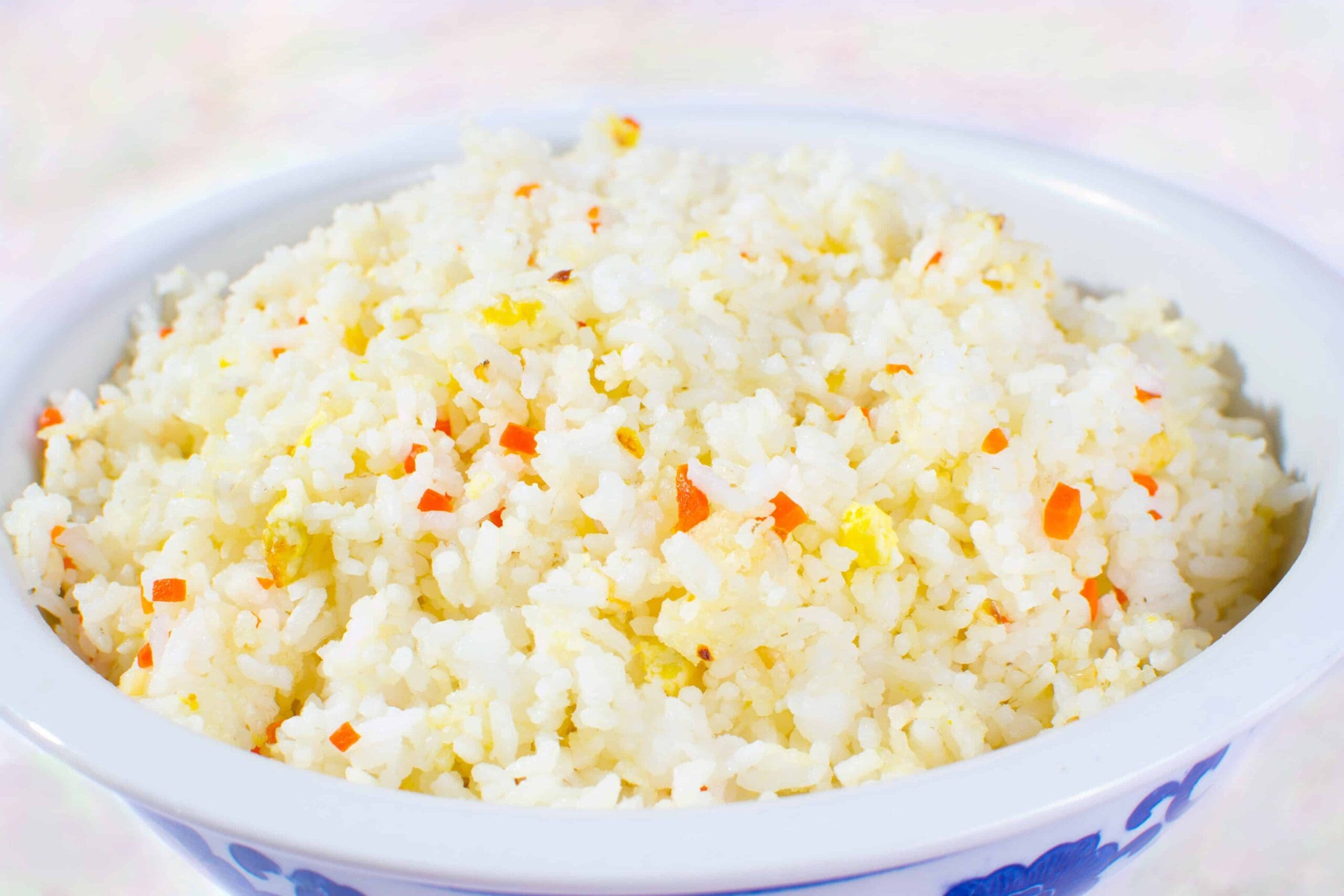
11. Garlic Rice
Rice with garlic and butter is the ideal side dish for any meal. It has many flavours and is so delicious you could devour it! This rice is comparable to garlic bread.
Ingredients
200 g of rice
5 cloves of garlic
1 tbsp. of vegetable oil
5 green onion
5 eggs
Cooking Steps
Boil the rice until it is half done.
In another pot, chop and fry the garlic.
Add the rice to the garlic and fry them together.
Then beat in the eggs and stir.
Add green onions, fry for another 2 minutes, add a little water and cover.
Cook the rice for another 10 minutes.
Preparation time 30 minutes
Cooking time 20 minutes
Total time 50 minutes
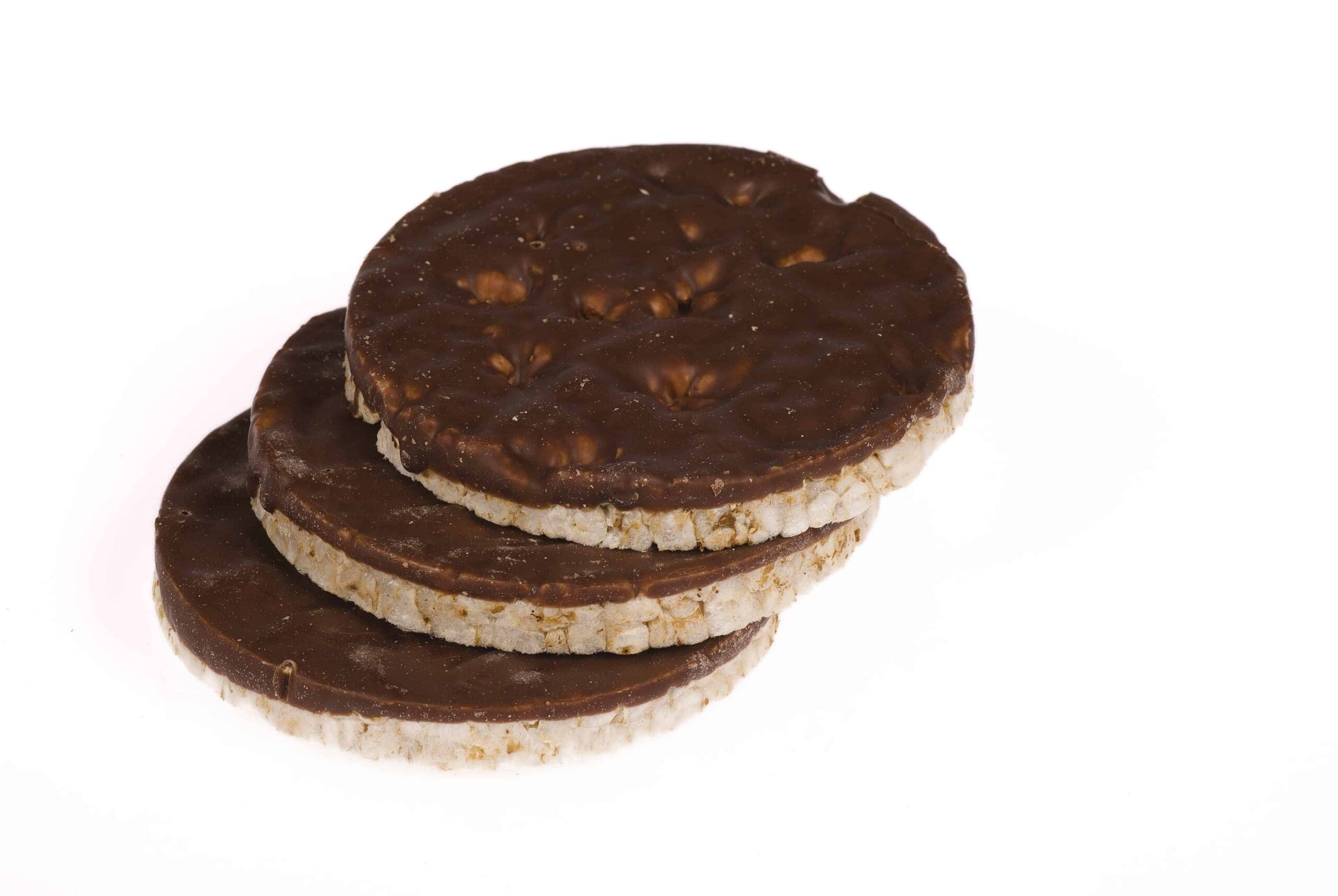
12. Rice Cookies
These rice cookies are crispy and crumbly. The rice creates excellent frosted cookies and maintains their shape well.
Ingredients
125 g of rice
3 egg yolks
1.5 tsp. milk
0.25 tsp. baking powder
80 g corn flour
80 g butter
90 g of powdered sugar
50 g of oatmeal
Cooking Steps
Heat the rice in a dry frying pan and grind it in a blender.
Mix cream butter with powdered sugar until it becomes smooth.
Add the yolks one by one, then beat them well each time.
Add milk and baking powder, and whisk.
Add rice and corn flour, and knead the dough quickly.
Put the dough into a ball and refrigerate it for 2 hours.
It is necessary to keep the dough for 10 minutes at room temperature before rolling it out.
Roll the dough gently in a layer about 4 mm thick on a silicone mat or baking paper, dusting the surface with oatmeal.
Cut out the cookies using the cookie cutters.
Put the cookies on a greased baking sheet and bake in an oven preheated to 160 degrees for 13-16 minutes.


 Eman Sameh
 Maha Yassin