In Korea, desserts are not just about indulging in a sweet treat; they symbolise celebration and hospitality. Whether for special occasions, such as birthdays or weddings, between-meals snacks, or simply to share with family and friends, these delicious treats bring people together while preserving an integral part of the nation’s culture.
From busting cravings to making a statement, there is no denying the numerous delights from Korea’s dessert repertoire. Succulent treats, such as Dasik (tea cookies) and Kkwabaegi (twisted Korean doughnuts), provide many options for those looking to delve into this exotic cuisine. Whether you’re after something sweet or just want an extra bite of flavour, every taste can be satisfied in the wonderful world of Korean desserts!
Discover the remarkable world of traditional Korean desserts! From sweet to savoury, the following ten treats boast unique flavours and textures that will tantalise your taste buds. Plus, with such a wide variety available, you’re sure to find something perfect for every palate. So if it’s new or exotic flavours you crave, let these unique Korean sweets take you on your next culinary journey!
1. Yakgwa: Korean Honey Pastry
Yakgwa (약과) is an exquisite traditional Korean dessert that has been a favourite for centuries. This deep-fried dough made from wheat flour, honey, and spices, such as ginger and cinnamon, creates the perfect balance of delicate textures coupled with its unique flavour profile. After frying to golden perfection, so it remains crispy yet tender in every bite, this indulgent treat takes on another layer of sweetness via a generous coating of honey syrup, making sure your taste buds are delighted like never before!
Yakgwa is also incredibly versatile, suitable for all occasions, from special celebrations to everyday moments. Its irresistible flavour and crunchy texture make it a popular snack of choice during the Lunar New Year festivities when families get together to enjoy its unique sweetness. Yakgwa offers endless possibilities for shape and size! Whether you’re looking to share with family or indulge yourself in something sweet, there’s sure to be an option that works. Common shapes include stars, hearts, circles, squares and diamonds, ranging from small bite-sized pieces up to larger slices perfect for sharing.
With its unique texture and flavour, this traditional Korean dessert is sure to satisfy everyone’s sweet tooth! No matter the occasion, it certainly makes for an unforgettable culinary experience.
2. Kkwabaegi: Twisted Korean Doughnuts
Treat yourself to the centuries-old delight of Kkwabaegi (꽈배기)! This type of twisted doughnut has been a favourite among Koreans for generations. These yummy treats come in all shapes, sizes, and flavours: from plain, deep-fried goodness to creative fillings like red bean paste or cream. Plus, it’s easy to make as well! All you need is wheat flour, sugar, yeast, and salt; just twist into a rope shape before frying until golden brown.
During South Korea’s Lunar New Year celebrations, Kkwabaegi is an absolute must-have! Long a beloved dessert among families and friends during this festive time, it can now be found in convenience stores, supermarkets, and bakeries all over the country. Warm from the fryer with added sweetness for dipping – accompanying coffee or tea is optional but highly recommended – these irresistible doughnuts are best enjoyed warm and freshly made!
Delight your taste buds with the amazing Kkwabaegi! These twisted doughnuts are made for every occasion, offering a convenient and delicious treat without having to do any of the hard work. Perfectly crispy outside and delicate on the inside, these delectable snacks will tantalise all your senses while satisfying even those with sweet tooth cravings. So don’t miss out; grab some Kkwabaegi today and experience a true snacking pleasure! These delectable snacks will tantalise all your senses while satisfying even those with sweet tooth cravings. So don’t miss out; grab some Kkwabaegi today and experience a true snacking pleasure!
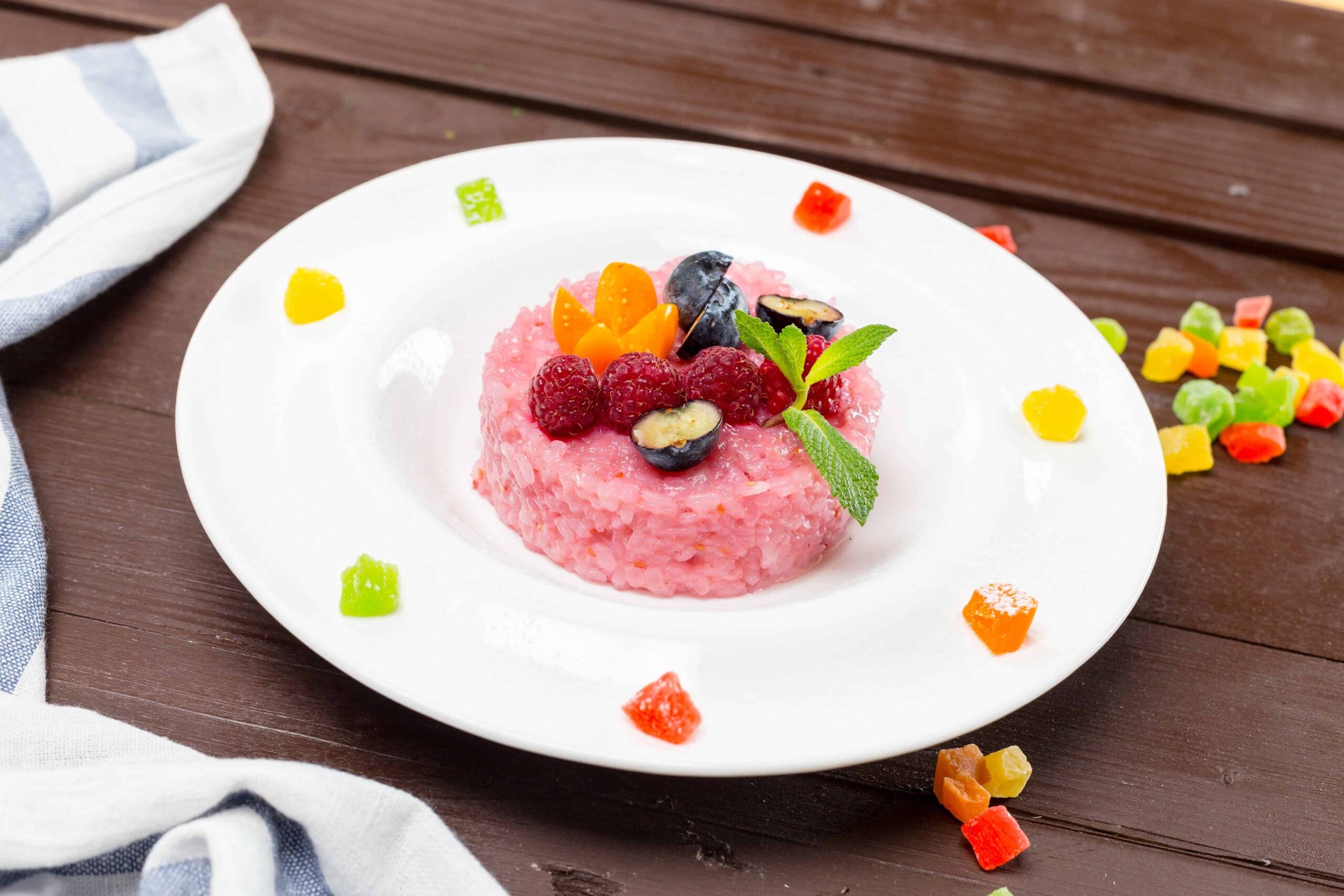
3. Yaksik: Sweet Rice Cake
Yaksik (약식), also known as Yakbap in Korea, is an exquisite dessert with a delightful balance of flavour. This traditional Korean delicacy consists of glutinous rice mixed with honey and blended together meticulously to create the perfect combination of sweetness and saltiness. Nuts, like walnuts or chestnuts, plus dried fruits, such as jujubes or dates, give this treat added texture that makes it truly irresistible! Enjoyed during special occasions & holidays all over Korea, Yaksik can be served warm or cold, depending on your preference.
Yaksik is surprisingly easy to make in your own kitchen. Simply cook the sticky rice until soft, then stir it together with the flavourful ingredients. Once everything has been combined, shape it into small cakes or balls and steam for about 20 minutes, making an effortless treat that will satisfy any palate!
Yaksik is a scrumptious traditional Korean dessert that packs a nutritional punch! Not only does it provide vital vitamins and minerals, but its high fibre content can also help keep you feeling full for longer. It also has medicinal benefits, such as reduced inflammation and improved digestion, thanks to the probiotics from the fermented rice that is used in making this delightful treat. Satisfy your sweet tooth without worry; everyone -regardless of age or dietary restrictions- can enjoy this healthy snack with delight!
4. Bungeo-ppang: Fish-Shaped Pastry
Bungeo-ppang (붕어빵), or taiyaki, is a delicious Korean pastry enjoyed by many during the winter months. Its visually striking fish shape gives it undeniable appeal, but that only tells a part of its story! Inside each one lies an irresistible treat with a chewy exterior and creamy filling containing sweetened red bean paste for added flavour. Originating in Japan centuries ago, you can find this mouth-watering dessert on street corners throughout Korea, where locals and tourists alike flock year after year to experience its unique taste. It is usually served hot with ice cream or other toppings.
Bungeo-ppang is a traditional Korean pastry with an irresistible taste and even more enticing symbolism. Thought to bring good luck and success, this fish-shaped snack has become popular on special occasions, such as weddings or holidays. What’s great about it? You can easily make your own tasty batch of Bungeo-ppang in the comfort of your home using simple pantry items, like flour, sugar, baking powder, eggs, red bean paste, and oil for frying, not to mention that you can enjoy it hot or cold! So why not make some yourself today?!
5. Hotteok: Korean Sweet Pancakes
Hotteok (호떡), a traditional Korean dessert beloved by all ages year-round, is the perfect mix of sweet and savoury. These pancakes are made with yeasted wheat flour dough, which forms into flat circles before being filled to capacity with scrumptious ingredients, like brown sugar, honey, peanuts, and walnuts. After they’re flattened once more for good measure, each pancake is pan-fried until golden on both sides, delivering that crunchy yet chewy texture we know so well!
Hotteok is an iconic Korean snack enjoyed all over the world for its tempting, sweet and chewy texture. The outside of this delectable pancake boasts a crisp crust with soft dough on the inside, creating mouth-watering contrast in every bite! Whether served hot or cold to suit your preference, it’s no wonder why Hotteok has become such an addictive treat that can be savoured any time of day.
Hotteok is a traditional Korean pastry that goes beyond offering delicious flavour; its round shape conveys warmth, togetherness, and luck through generations. A popular treat served during special occasions, this iconic dessert still captivates eaters both near and far with its yummy taste, not to mention the symbolic message of love and unity it carries! Every bite adds up to an unforgettable experience where culture meets comfort food!
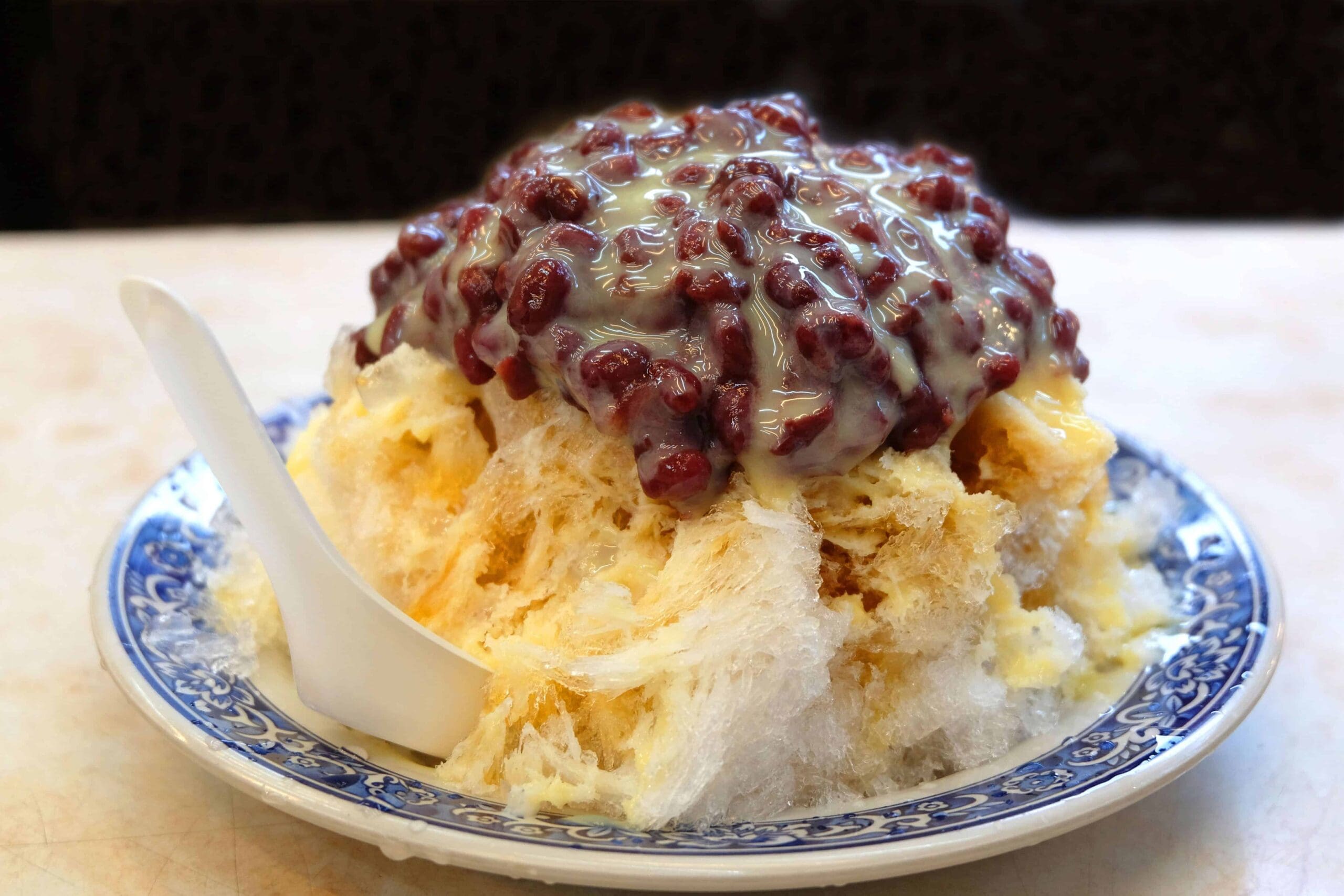
6. Patbingsu: Shaved Ice Dessert
Enjoy the tastes of South Korea in the summer with Patbingsu (팥빙수), a traditional shaved ice dessert that will please all your taste buds! A light and fluffy base of shaved ice is complimented by delicious toppings, such as sweet red beans, nuts, jelly cubes, cereal, or fruit syrup. To take it to another level, top off your Patbingsu with some irresistible ice cream, perfect for those hot days ahead!
Patbingsu is a unique icy dessert, combining light and airy shaved ice with sweet toppings like fruits and condensed milk to create a taste that’s both refreshingly cool and delightfully indulgent. Perfect for hot summer days or anytime you’re looking for something special!
Patbingsu is a traditional Korean dessert enjoyed by locals and visitors alike! Its amazing flavour, combined with its symbolic meaning, makes it the perfect choice for bringing joy to any gathering, especially during the hot summer months. Cooling in nature, eating this iconic treat as part of a shared experience provides pleasure that can last far beyond just one day.
7. Dasik: Tea Cookies
Dasik (다식) is a treat that has been delighting taste buds since the 17th century! This delicate Korean dessert is made with all-natural ingredients, such as sesame seeds, grains, and pollen. These melt-in-your-mouth cookies have just enough sweetness to pair perfectly with tea. Crafted in different shapes, including flowers and stars, Dasik are sure to make your day more special!
Making Dasik is a unique, age-old art form that families can bring back to life. While it may be intimidating at first, everyone can create this delightful snack without turning on the oven! You just need to mix your ingredients in harmony before pressing them into moulds of intricate designs–then voilà! It’s an easy yet delicious treat perfect for celebrating special occasions like Lunar New Year! Enjoy creating with friends or learning by yourself; regardless, making Dasik will always be a fun and rewarding experience.
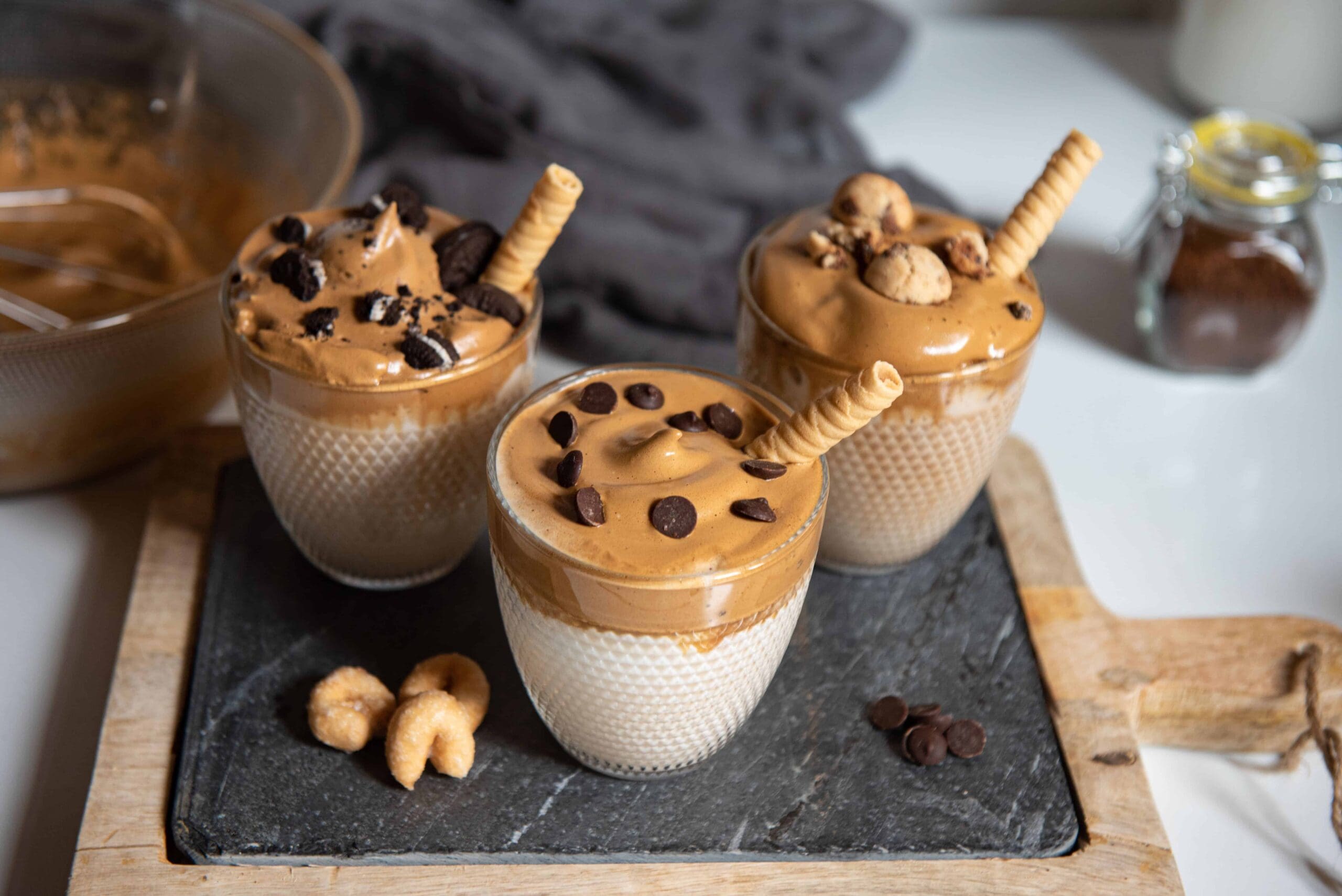
8. Dalgona: Sponge Candy
For centuries, Dalgona (달고나), also known as Ppopgi or Korean Sponge Candy, has been a treasured treat across generations. This traditional dessert provides an indulgent experience of crunchy and chewy textures that is both satisfyingly sweet and delightsome in the mouth, perfect as a tea time snack! It’s not just delicious; it’s also made from simple ingredients, such as sugar and baking soda, boiled together until forming a light yellow syrup which can be poured into moulds to form its spongy characteristics once cooled. Don’t miss out on this classic confectionery delight!
Dalgona is a delicious treat that can be easily taken to the next level with just some simple additions of nuts or chocolate chips. Not only does this create delectable flavours, but it also makes for an impressive presentation thanks to its intricate patterns created during production.
This traditional Korean treat, often sold as street food all over Korea, has become increasingly popular and can be found at many stores around the country and the world. So, whether it’s an early morning pick-me-up before work or a shared treat with friends, Dalgona is always an ideal choice.
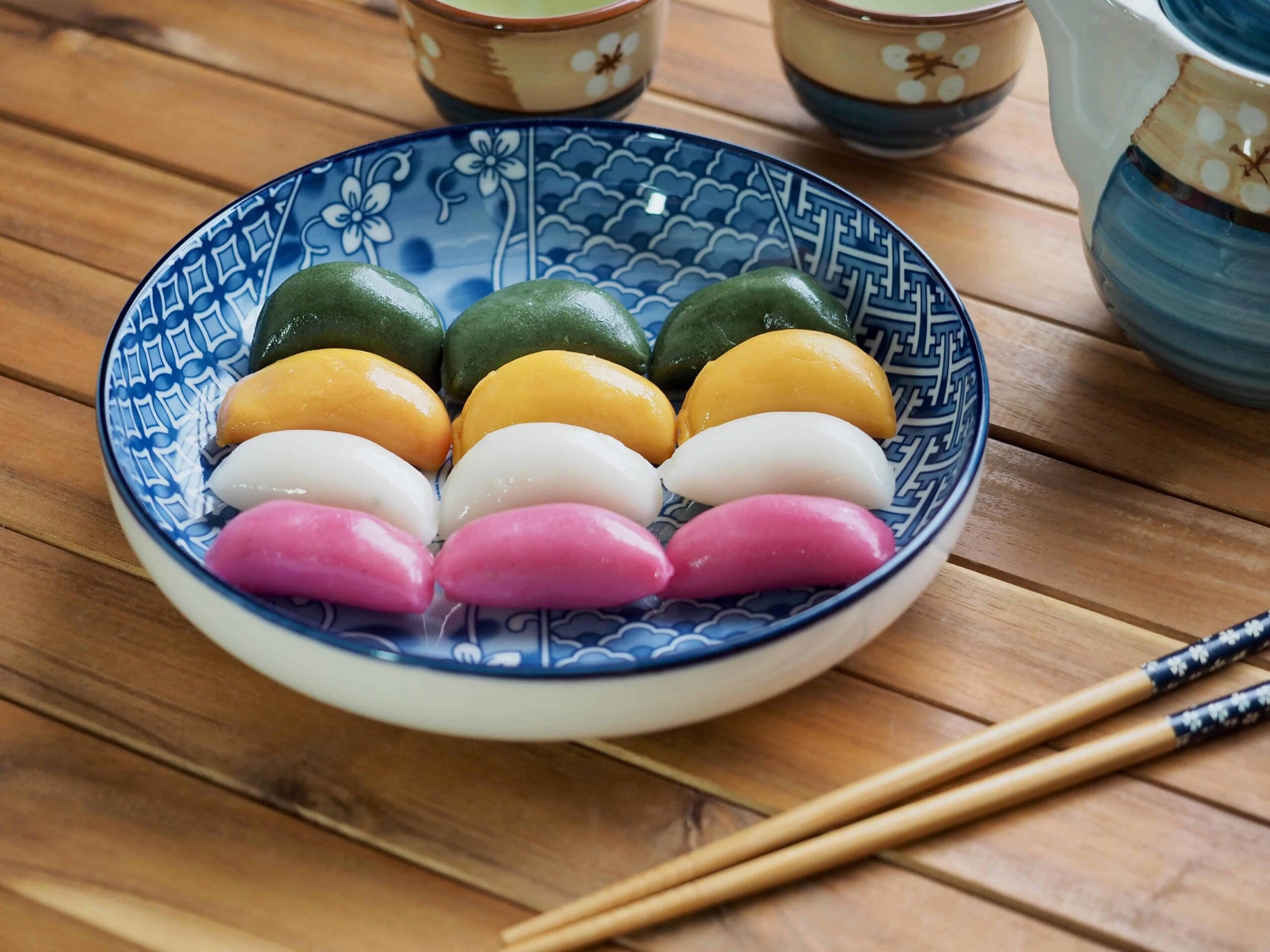
9. Songpyeon: Half-Moon Rice Cake
Songpyeon (송편) is a unique Korean delicacy that symbolises celebration and joy throughout the country. This half-moon-shaped rice cake, made from short-grain rice powder and stuffed with delicious ingredients like sesame seeds, honey, or brown sugar, can be found around Chuseok, one of Korea’s major harvest festivals in late autumn, as families join together to share this traditional treat. To add an extra layer of flavour, each Songpyeon is handcrafted before being steamed inside fresh pine needles for that signature aroma.
Korea’s iconic Songpyeon come in two classic shapes: the half-moon and the short-necked clam. But each region has its own unique shape, adding to this traditional treat’s cultural diversity. To create your own tasty masterpiece, you’ll need white dough made from frozen rice powder plus a green alternative prepared with thawed grains, Ssukgaru (mugwort) for colouring, and sesame filling complete with crushed and whole seeds capped off by honey and brown sugar sweetening. After shaping it into beautiful creations, steam it until cooked through and enjoy!
10. Chapssaltteok: Red Bean Mochi
Chapssaltteok (찹쌀떡) is a classic Korean delicacy that has been delighting taste buds for centuries! It consists of two main components: glutinous rice flour and sweetened red beans. Combined, these ingredients create an irresistibly chewy texture with the perfect balance between sweetness and flavour, absolutely delicious!
You can find Chapssaltteok in many Korean restaurants or speciality stores like H Mart, Hana World Market & Asahi Imports; it’s also commonly served on special occasions such as birthdays & holidays, so you’re sure to enjoy this timeless treat anytime. Chapssaltteok is an incredibly delicious and convenient snack that can be made at home. The necessary ingredients to make this Korean delicacy include:
This treat requires 30 minutes of prep time as well as one hour and 30 minutes of cooking time, whether it’s steamed or baked in the oven. Once ready, Chapssaltteok may be served warm or cold, making it a stand-out option for any occasion.
Korean desserts are a unique and delicious way to end a meal. From the traditional Songpyeon (Rice Cakes) to modern creations like Patbingsu (Shaved Ice Dessert), there is something for everyone to enjoy. Whether you’re looking for something complex and interesting or something simple and sweet, Korean desserts have it all. With so many options available, it can be difficult to narrow down the choices. However, these ten traditional Korean desserts are sure to please any palate. Enjoying these desserts is an excellent way to experience authentic Korean culture while also indulging in some of the best flavours around.




 Maha Yassin
 Salma Ihab