From the rolling hills of the Irish countryside to its age-old traditions, Ireland prides itself on a unique culinary heritage that features an array of must-try foods & dishes bursting with freshness and flavour. With locally sourced ingredients often taking centre stage in many recipes, this Emerald Isle beckons food lovers around the world to indulge in its traditional fare. So join us as we tour through ancient kitchens and uncover some remarkable treats only found in Ireland amongst generations of proud cooks.
The Significance of Food in Irish Culture
Irish cuisine has a deep-rooted connection with the nation’s culture, geography, and social structure. Drawing from local ingredients like potatoes, seafood, dairy, and meat, these fresh items are cooked using traditional ways that have been passed down through generations. Often celebrated at special occasions such as weddings or religious festivals, food brings people together in this unique country to savour life’s simple pleasures, all while honouring its rich history!
Must-Try Irish Dishes
Whether you are visiting Ireland or exploring Irish cuisine from home, the following 8 must-try Irish foods will surely inspire your taste buds and give you a true taste of Ireland.
1. Irish Stew
Irish stew is a beloved dish that has stood the test of time. With its roots in Ireland’s vast and varied history, this hearty comfort food began with just mutton, potatoes, and onions – but now, many variations exist across regions and households alike! Having been an integral part of traditional working-class meals for centuries upon centuries, it still stands proudly today as one of Ireland’s most cherished culinary treasures.
For a hearty, traditional Irish stew that’s sure to please the whole family, start by browning the beef in a pot. Add cubed potatoes, diced onions and carrots along with some flavourful broth for simmering, then let it cook on low heat for several hours until all ingredients are beautifully tender. To take your dish up another level of flavour complexity, try adding Guinness or red wine; for variation, you can also add bacon or lamb if desired!
Irish Stew is a traditional comfort food that has been beloved in Ireland for centuries. Rich with history and culture, this dish combines savoury meat, vegetables, and broth to create an earthy yet comforting flavour. Each bite of tender beef, buttery potatoes, and sweet carrots also provides a delectable texture that is sure to satisfy any appetite. Enjoyed among family or friends at gatherings all around the country, Irish Stew has become one of the most popular dishes on the Emerald Isle!
2. Boxty
Boxty is a traditional Irish potato pancake that has been enjoyed for centuries. This iconic dish has been an integral part of Irish food culture and is still very popular today. Boxty is made with grated and mashed potatoes that are combined with flour, egg, and milk to form a thick batter. The mixture is then pan-fried, boiled, baked, or roasted to create a dish that is crispy and golden on the outside while remaining fluffy and delicious on the inside. Different methods of preparation can create different textures and flavours.
Boxty is a truly versatile dish which can be served as a side or a main course. It pairs perfectly with many different ingredients, and it can be enjoyed with a wide range of sauces, meats, and vegetables or even on its own.
Some of the most popular Boxty recipes include the traditional Irish Boxty, the Potato Boxty, the Boxty Dumplings, and the Sweet Boxty. Many restaurants and cafes in Ireland serve this iconic dish, but some of the best places to find Boxty include Gallagher’s Boxty House, The Boxty House, and The Church Cafe and Restaurant. Be sure to try Boxty when visiting Ireland; it is a dish that is sure to impress!
3. Colcannon
Colcannon is an iconic Irish dish that has been delighting taste buds since the 17th century. Described as comfort food, this classic recipe is traditionally made with mashed potatoes and kale or cabbage, which are staples of Ireland’s agricultural past. Over time, variations have evolved, such as adding ham in some areas and herbs/spices to boost flavour profiles, making it pleasing to any palette! Colcannon is celebrated on St. Patrick’s Day but enjoyed year-round no matter what season, especially during those colder months when we crave something warmly comforting; Colcannon will never cease to satisfy your cravings for home cooking goodness!
To make Colcannon, you’ll need Russet potatoes, cabbage or kale, milk, butter, and scallions or green onions. Begin by steaming the potatoes in their skins until they’re soft, then peel and mash them with a potato masher or a fork. At the same time, boil the cabbage or kale in unsalted water until it’s tender. Drain the greens well and chop them finely. In a separate pan, heat up the milk and butter until the butter melts. Pour this mixture over the mashed potatoes and mix well. Add the cooked cabbage or kale and chopped scallions and mix everything together thoroughly.
The resulting dish is creamy, rich, and full of flavour. The mashed potatoes give it a smooth and velvety texture, while the greens provide a slightly bitter and earthy flavour that balances out the richness. If you like, you can amp up the flavour by adding some chopped fresh herbs, such as parsley or thyme.
In conclusion, Colcannon is a classic Irish dish that has become popular worldwide. It’s easy to make, filling and flavourful, making it ideal for anyone looking for either a side or main course with plenty of warmth on cool nights. So why not give this recipe a try? You’ll soon discover first-hand what makes Colcannon such as loved global favourite!
4. Black Pudding
Black pudding is an integral part of Irish cuisine, and it has a fascinating history that goes back to ancient times. Regarded as a type of blood sausage, it was initially created by European farmers who used up every part of the pig, including the blood. Today, black pudding is a beloved dish in Ireland and is enjoyed in various forms across the UK. Interestingly, the recipe for black pudding varies depending on the region. Some variations incorporate ingredients like barley, breadcrumbs, and flour, while others use oatmeal as a thickener. The dish is often served as part of a traditional Irish breakfast, but it’s also a popular ingredient in a variety of recipes, especially in Scotland.
If you’re curious about trying this unique dish, we recommend the following recipe. Start by combining 50g of dried pig’s blood with 350 ml of water to create the base mixture. This is then stirred together with 150g diced pork back fat, 1/4 large onion, and 190g porridge oats for added flavour and texture. The combined ingredients are spread on a baking sheet before being placed in an oven preheated to 180°C for one hour until golden brown. Allow it some time to cool down at room temperature prior to its delicious arrival onto your plate!
Now, for the most crucial question – what does Black Pudding taste like? Well, it has a firm, slightly crumbly texture that delivers an interesting blend of salty and nutty flavours. Its robust yet savoury characteristics are heightened by the addition of meat-like notes providing its unique iron-rich aftertaste. For anyone looking to explore traditional or modern culinary options, this dish provides uncompromising deliciousness, making it well worth trying!
5. Shepherd’s Pie
Shepherd’s Pie is a beloved Irish dish that has been around for centuries. The original version was called Cottage Pie and would use leftover meat, usually lamb or beef, to create an inexpensive yet nourishing meal. By the late 1700s, it had evolved into what we know today as Shepherd’s Pie, a savoury filling topped with mashed potatoes and baked until golden brown on top! Across the UK, there are various variations of this classic recipe; some include cheese, sweetcorn, or even Guinness in its preparation!
An exquisite Shepherd’s Pie is certainly worth the effort! It all starts with the perfect blend of ingredients: ground beef or lamb, a medley of vegetables, and savoury gravy. The crowning glory, though, lies in its creamy mashed potato topping; to get it just right, try using a combination of potatoes for flavour balance, and adding parsnips gives an extra kick too. Once baked until golden brown, you’re sure to be rewarded with culinary delight!
Create the ultimate comfort food meal by starting with a classic combination of browned beef, onion, and garlic in a skillet. Enhance this savoury flavour profile by adding carrots, peas, and corn to your mix before topping it off with rich gravy for added depth. Place all ingredients into an oven dish, then finish it up using mashed potato as the top layer piped or spread over its entirety. After baking until golden perfection is achieved, you will be left with an indulgent layered delectable that packs both pleasing taste & texture, sure to satisfy many appetites!
Known for its heartiness, the dish is perfect for a chilly evening or when craving comfort food. Its unique combination of flavours and ingredients is one that continues to charm taste buds across the world. So why not try out making Shepherd’s Pie today? Your stomach will thank you.
6. Irish Soda Bread
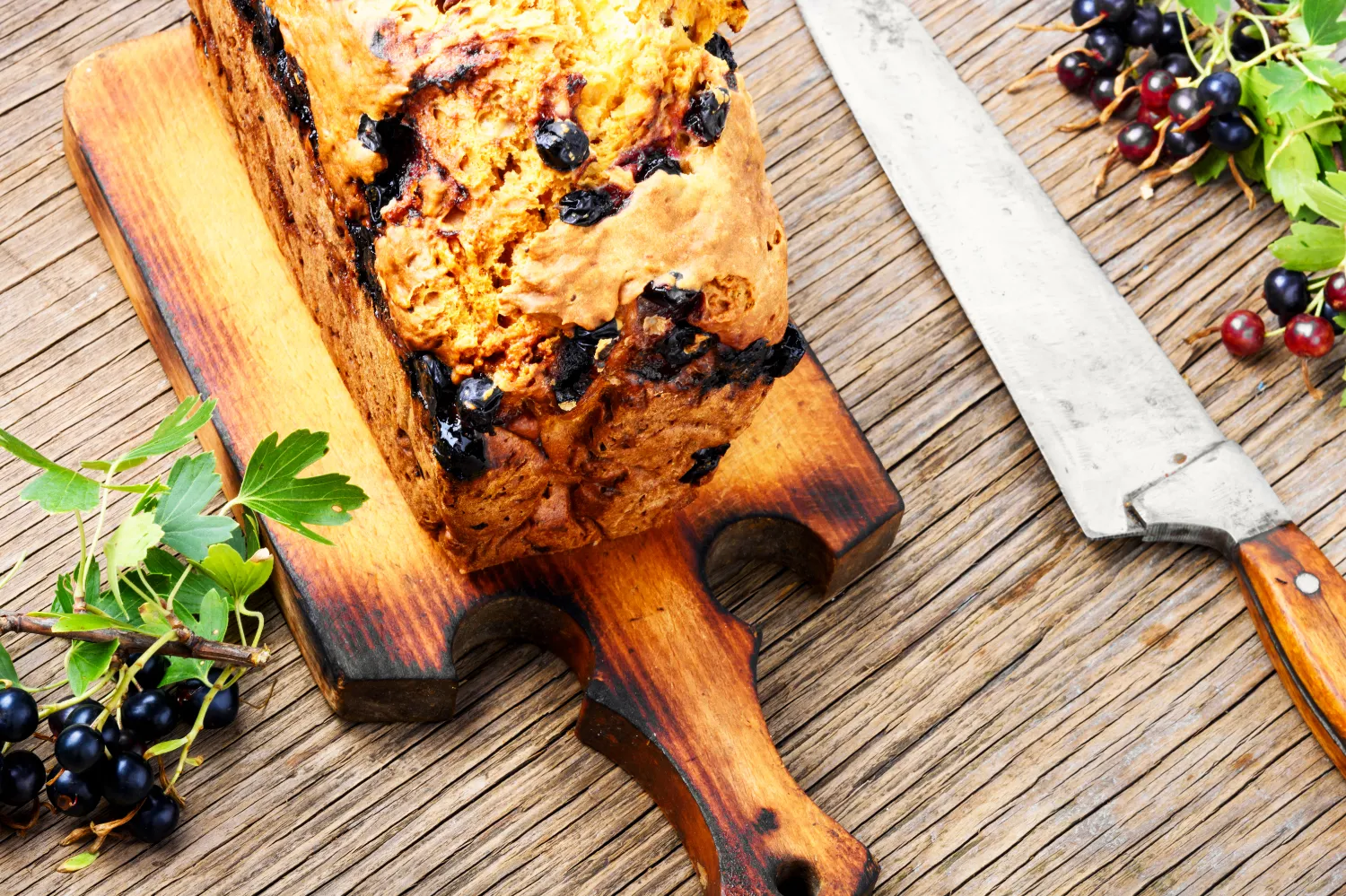
Irish Soda Bread is one of the essential and traditional Irish foods that you must try. This delicious quick bread is a staple of Irish cuisine and has a fascinating history. Originally developed in the early 19th century, Irish Soda Bread was first created due to the lack of yeast in Ireland at the time. The bread’s leavening agents are baking soda and buttermilk, giving it its distinct tangy flavour and fluffy texture. Over time, Irish Soda Bread has evolved, and today there are various regional variations, such as adding caraway seeds, raisins, or currants to the recipe.
This delicious bread is a must-try and easy to make. Preheat your oven, then mix together plain white flour, wholemeal flour, and porridge oats with bicarbonate soda, salt, and diced butter until it resembles breadcrumbs. Next, slowly add buttermilk whilst stirring; be sure not to overwork the dough, though, as this will lead to a tough texture! Once everything has come together, shape it into a round shape on parchment paper before scoring in an X across its top – et voilà – you have yourself some irresistible homemade Irish Soda Bread that’s ready for baking at 375 F.
Bake the bread for 45 minutes or until golden brown. To achieve that perfect crunchy crust, spritz on a few drops of water before baking; it’s really simple! Don’t forget to let the finished loaf cool completely before slicing and indulging with butter or jam.
Irish Soda Bread stands out from other baked goods for its unique flavour and texture. With a slightly tangy taste and dense, chewy consistency, it’s the perfect side to soups or stews, not to mention an ideal snack! No matter how you enjoy this classic dish, nothing compares with making your own batch at home. So why not try something new by taking on the challenge of baking traditional Irish Soda Bread yourself?
7. Bangers and Mash
Bangers and Mash is a classic English and Irish dish with an interesting history. During World War I, due to meat shortages in the country, sausages were made with water and potato starch which caused them to pop or ‘bang’ off of pans when cooked, hence their name “bangers”! This gave us today’s popular combination of bangers (sausage) and mashed potatoes we now call “Bangers & Mash”. If you’re looking for an authentic Irish dish that will tantalise your taste buds, be sure not to miss out on this traditional favourite.
Bangers and Mash is much more than just a tasty comfort meal; it’s also a cultural icon. This easy-to-make yet oh-so-satisfying dish has been served up in pubs across Ireland for generations, carried with pride by its many fans around the globe! What’s more, over time, this classic British & Irish staple food has evolved to include unique regional variations that incorporate flavourful spices & vegetables from all corners of our planet, even finding their way onto restaurant menus far away from home.
Bangers and Mash requires only three main ingredients; mashed potatoes, sausages, and onion gravy. To take this classic comfort food to the next level of deliciousness, make sure you select high-quality sausages as your meat base ingredient. An unexpected twist would be adding a hint of mustard or horseradish for extra depth of flavour in the mashed potatoes – creating an irresistible combination!
8. Smoked Salmon
Smoked Salmon is an ancient Irish delicacy that has been part of the country’s cuisine since time immemorial. Once a dish enjoyed exclusively by the upper classes, it eventually became widely available to all and now graces many tables across Ireland today. Preparing smoked salmon varies from region to region; some choose hot smoking methods while others opt for cold-smoking techniques instead.
Interestingly enough, ancient Irish monasteries smoked salmon as a preservation method in times when food was scarce, creating stored reserves they could enjoy during leaner days! With its unique cultural history and delicious taste, Smoked Salmon remains one of the best dishes Ireland can offer seafood lovers around the world.
In order to craft a perfect smoked salmon, begin with fresh fish and enhance it further by curing the ingredients in a dry brine made of salt, sugar, and other flavourings such as dill or lemon. Once cured for several hours, cook the salted salmon over smouldering wood chips until done, providing an exquisite taste sensation!
Enjoy the unique, smoky flavour of smoked salmon in its simplest form with cream cheese and a slice of lemon. Or, for something more creative, try whisky or honey-cured variations to spice up your traditional fish dish. With a firm yet tender texture sure to tantalise your palate and an unforgettable flavour profile that will linger long after you finish eating, it’s no wonder why Smoked Salmon is such a popular Irish seafood delicacy!
Where to Find the Best Irish Food
If you are visiting Ireland, there are many restaurants, cafes, and bars where you can enjoy traditional Irish food. Some of the best places to find traditional Irish dishes include:
The Boxty House in Dublin: Specialises in boxty dishes.
Gallagher’s Boxty House in Dublin: Offers a wide range of traditional Irish dishes.
The Brazen Head in Dublin: Considered one of the oldest pubs in Ireland, and offers a range of traditional Irish dishes.
Ballymaloe House in Cork: Offers a farm-to-table dining experience that focuses on fresh, local ingredients.
The Mustard Seed in County Limerick: Serves modern Irish cuisine with a focus on local, seasonal ingredients.
Ireland is a country with a vibrant culinary culture deeply rooted in its history and geography. Traditional Irish dishes are renowned for their simple yet flavourful ingredients that celebrate the distinctive landscape of this beautiful nation. To truly experience all that Ireland has to offer through food, you must try these eight iconic staples, from savoury stews made with local produce to delicate seafood specialities steeped in centuries-old heritage. Bon Appetit!



 Shaimaa Olwan
 Noha Basiony