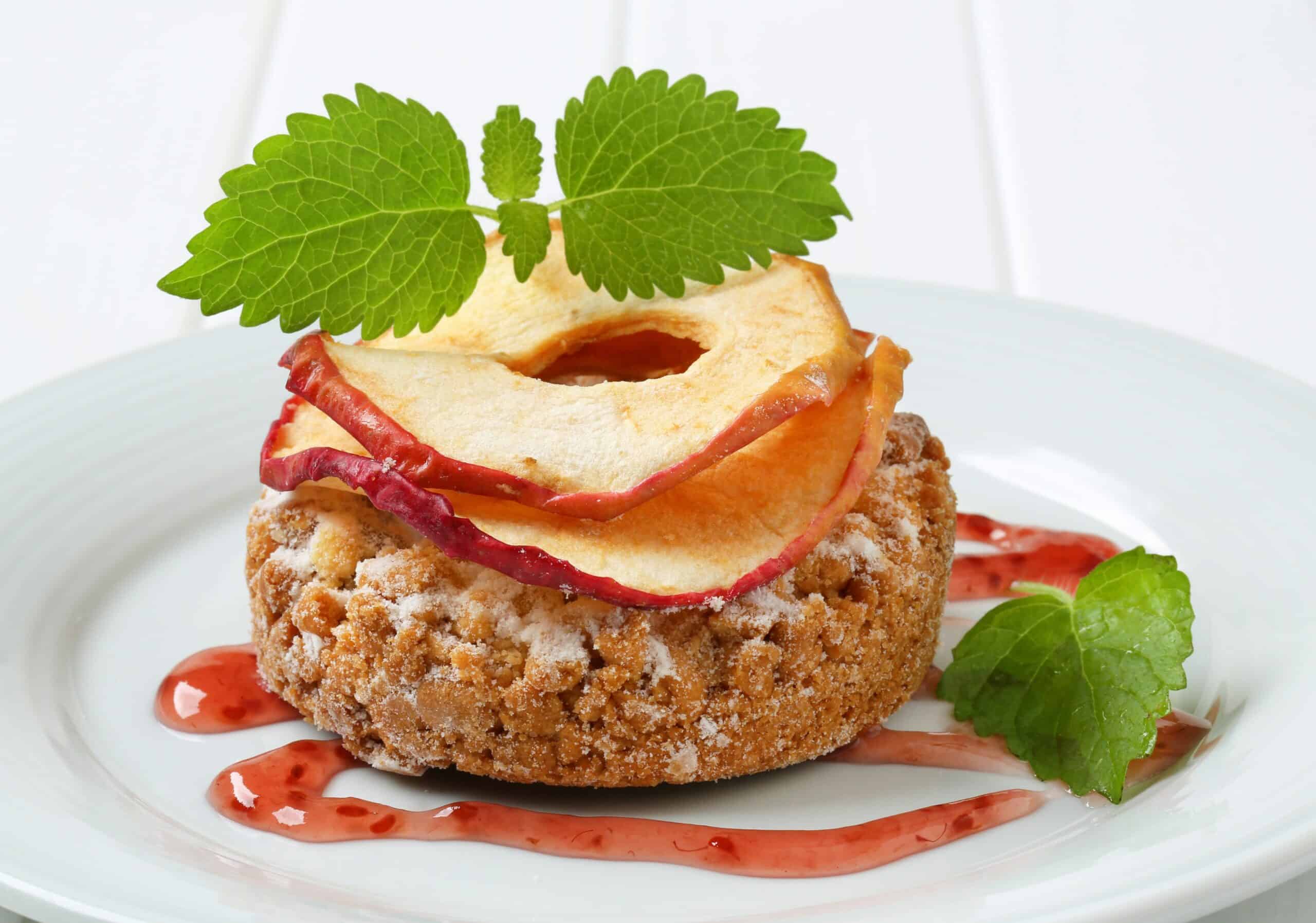
If there’s one dessert that captures the heart of British comfort food, it’s apple crumble. Golden, buttery crumble topping giving way to tender, spiced apples beneath its pure autumn on a plate. Traditionally served steaming hot from the oven with a generous pour of custard, this beloved pudding has warmed British hearts since World War II.
But here’s the thing: not all apple crumbles are created equal. This recipe is about getting as close to that perfect balance as possible: a crispy topping that doesn’t turn soggy, apples that hold their shape whilst becoming beautifully tender, and a flavour that’s both comforting and exciting. It’s the real deal; there are no shortcuts, just proper technique and the best ingredients.
Let’s learn how to make the ultimate apple crumble at home, the kind that will have your kitchen smelling like a proper British bakery.
Table of Contents
What Is Apple Crumble?
Let’s get this straight: apple crumble isn’t just “fruit with biscuit bits on top.” Britain’s answer to comfort dessert is born out of wartime necessity but elevated to something truly special.
The dish emerged during World War II when rationing made traditional apple pies nearly impossible to create. Clever home cooks discovered that a simple mixture of flour, butter, and sugar could create a delightful topping that required no pastry skills and fewer precious ingredients. What started as a make-do solution became a national treasure.
Core Components of Perfect Apple Crumble
Tender apple filling: sweet-tart fruit cooked to just the right texture
Golden crumble topping: buttery, crispy, and irresistibly crumbly
Aromatic spicing: typically cinnamon, sometimes with warming additions
Perfect balance: not too sweet, with acidity to cut through richness
Proper texture contrast: crispy top, soft fruit, no soggy bottoms
You’ll find endless variations across Britain; some prefer oats in the topping, others add nuts, and many argue fiercely about which apple varieties work best. But master this classic version, and you’ll understand what all the fuss is about.
Ingredients for Authentic Apple Crumble
Creating a truly exceptional apple crumble involves three essential elements: choosing the right apples, crafting the perfect crumble topping, and balancing flavours with precision. Each component plays a crucial role; this isn’t a dish where anything is merely decorative.
The Apple Foundation
The success of your crumble starts with apple selection. You want varieties that hold their shape during baking whilst developing a lovely tender texture.
Bramley apples are the gold standard. These large, green cooking apples break down just enough to create a fluffy base whilst maintaining some structure. Their natural tartness provides the perfect counterpoint to the sweet crumble topping.
Granny Smith apples offer an excellent alternative, delivering reliable tartness and maintaining good texture throughout baking. For a more complex flavour profile, try mixing varieties, two parts Bramley to one part
Cox’s Orange Pippin creates an ideal balance of tartness and sweetness with interesting texture variations.
The key is avoiding varieties like Red Delicious or McIntosh, which turn mush when baked, or overly sweet apples that make the final dish cloy.
The Crumble Topping Magic
Technique really matters in a proper crumble topping. Start with plain flour as your base; it provides structure without overwhelming the delicate apple flavours. Cold, unsalted butter is crucial; when rubbed into the flour, it creates those essential buttery pockets that yield the perfect crumbly texture.
Demerara sugar adds sweetness and that lovely caramelised depth as it bakes, whilst rolled oats contribute texture and a subtle nutty flavour that elevates the entire dish. A pinch of sea salt might seem unnecessary, but it enhances every other flavour and prevents the sweetness from becoming one-dimensional.
The magic happens in the mixing technique. Cold butter rubbed into dry ingredients creates a mixture resembling coarse breadcrumbs with visible buttery pieces. Those butter pieces create steam pockets during baking, resulting in that coveted crispy-yet-tender texture.
The Flavour Enhancers
Fresh lemon juice serves multiple purposes: it prevents apple browning, adds brightness that balances sweetness, and helps maintain the fruit’s structure during baking. Ground cinnamon is the classic warming spice that defines British apple crumble, though you can experiment with additions like nutmeg or ginger for seasonal variations.
Caster sugar mixed with the apples draws out their natural juices, providing just enough sweetness to complement the fruit’s natural tartness. The amount can be adjusted based on your apple variety and personal preference.
Every ingredient serves a specific purpose in creating that perfect harmony of textures and flavours that makes apple crumble so beloved.
How to Make Apple Crumble Step-by-Step
Creating a perfect apple crumble is all about timing and technique. Get the sequence right, and it’s surprisingly straightforward. The key is preparing each component carefully, then bringing them together for that magical transformation in the oven.
Prepare the Apple Foundation
Preheat your oven to 180°C (160°C fan)/Gas Mark 4. A proper temperature is crucial for achieving that golden top without overcooking the fruit. Lightly grease a 23cm baking dish; this prevents sticking and makes serving much easier.
Choose your apples wisely and peel them with a sharp knife or vegetable peeler. Remove cores and slice into even 5mm-thick pieces. Uniform sizing ensures even cooking throughout. Toss the sliced apples immediately with fresh lemon juice to prevent browning and add that essential brightness.
Mix the apples with caster sugar and ground cinnamon until every piece is well-coated. The sugar will begin drawing out the fruit’s natural juices, which combine with the lemon to create a lovely syrup during baking. Arrange this mixture evenly in your prepared baking dish.
Create the Perfect Crumble
Combine plain flour, rolled oats, demerara sugar, and a pinch of salt in a separate bowl. This dry mixture forms the foundation of your topping. The secret to exceptional crumble lies in the butter technique, which uses cold butter straight from the refrigerator, cut into small cubes.
Add the cold butter pieces to your dry ingredients and work them together using your fingertips. Rub the butter into the flour mixture until it resembles coarse breadcrumbs with some larger, visible butter pieces remaining. Don’t overwork it; those visible butter chunks create the perfect texture as they melt and create steam pockets during baking.
Sprinkle this crumble mixture evenly over your prepared apples, ensuring good coverage whilst leaving small gaps for steam to escape. These gaps prevent the topping from becoming soggy, allowing the apple flavours to meld beautifully.
The Baking Process
Bake for 45-50 minutes until the topping achieves a gorgeous golden-brown colour and the apple filling bubbles enticingly around the edges. You’ll know it’s perfectly done when a knife inserted into the apples meets no resistance; they should be completely tender.
The aroma filling your kitchen is your first clue that perfection is near. Look for that bubbling action around the dish’s edges and a topping that’s moved from pale gold to rich, appetising brown.
Once baked, resist the temptation to dive in immediately. Allow the crumble to rest for 15 minutes before serving. This settling time lets the filling set slightly, preventing it from being too runny and ensuring each serving holds together beautifully.
Serving Suggestions
The beauty of apple crumble extends far beyond its preparation; how you serve it can transform a simple pudding into a memorable experience. Whether you’re recreating a traditional British Sunday lunch or elevating a weeknight dinner, presentation and accompaniments make all the difference.
Go Traditional with Custard
Nothing quite matches the classic pairing of warm apple crumble with proper custard. The contrast is sublime: hot, crispy crumble meeting cool, creamy custard, creating textural magic in every spoonful. Traditional Bird’s custard powder delivers that nostalgic flavour, while homemade vanilla custard adds luxury to the experience.
For the ultimate indulgence, try clotted cream. Its rich, slightly tangy character complements the sweet-tart apples beautifully. Double cream, simply poured, offers elegant simplicity that lets the crumble shine.
Modern Accompaniment Ideas
Contemporary serving options can elevate this classic dessert.
Salted caramel ice cream has become increasingly popular; the salt enhances the apple flavours whilst the cold creaminess provides perfect temperature contrast.
Crème fraîche adds sophisticated tartness that balances the dessert’s sweetness elegantly.
For health-conscious diners,
Greek yoghurt with a drizzle of honey provides protein and probiotics whilst maintaining that creamy element. The tanginess works particularly well with sweeter apple varieties.
Perfect for Any Occasion
Apple crumble adapts beautifully to different settings. For casual family dinners, serve it straight from the baking dish with jugs of custard for everyone to help themselves. Dinner parties call for elegant individual ramekin portions that ensure everyone gets perfect topping-to-fruit ratios.
Apple crumble’s versatility benefits weekend brunches. It pairs surprisingly well with strong coffee or English Breakfast tea. The warming spices are ideal for autumn gatherings or Christmas celebrations, especially when served with mulled wine or cider.
Beverage Pairings That Work
Traditional English Breakfast tea remains the classic choice, its robustness standing up to the rich dessert. Coffee enthusiasts will find that a good roast beautifully complements the cinnamon and caramelised flavours.
Consider late-harvest Riesling or Moscato d’Asti; their sweetness and acidity work harmoniously with the apple filling. Port offers rich, warming complexity perfect for special occasions. Local ciders provide a lovely apple-on-apple experience that celebrates the fruit in different forms.
Tips for Perfect Apple Crumble
Apple crumble might appear straightforward, but achieving consistently excellent results requires attention to detail. These techniques will help you avoid common pitfalls and create the crumble that becomes a family legend.
Apple Selection and Preparation Secrets
Choose firm apples that maintain their structure during baking. Test ripeness by pressing gently; you want a slight give without mushiness. Bramley apples remain the gold standard for British crumbles, but mixing varieties creates more complex flavours.
Slice uniformly 5mm thick to ensure even cooking throughout. Thinner slices risk turning mushy, whilst thicker pieces may remain firm when the topping is perfectly golden. Toss with lemon juice immediately after cutting; this prevents browning and adds essential acidity that balances sweetness.
Taste your apples before adding sugar. Varieties and seasons significantly affect natural sweetness, so adjust sugar quantities accordingly. Tart Bramleys need more sugar than naturally sweet varieties.
Crumble Topping Mastery
Cold butter is non-negotiable; it should come straight from the refrigerator. This temperature difference creates steam during baking, resulting in that coveted flaky texture. Cut butter into small, even pieces for consistent distribution.
Don’t overmix the crumble. Stop when the mixture resembles coarse breadcrumbs with visible butter pieces. Overmixing develops gluten, creating a tough rather than tender topping. Work quickly to prevent butter from warming up in your hands.
Layer thoughtfully, sprinkle crumble evenly, but don’t press down. Leave small gaps for steam to escape, preventing soggy bottoms. Those gaps also allow apple juices to bubble up appealingly during baking.
Baking for Perfect Results
Preheat thoroughly. Your oven must reach the correct temperature before the dish goes in. Position correctly on the middle shelf for even heat distribution. Watch for visual cues: bubbling around edges indicates the filling is cooking properly, while golden-brown colouring shows the topping is ready.
Test doneness by inserting a knife into the apples. When properly tender, they should offer no resistance. Listen for silence. Active bubbling should calm down as the dish finishes cooking.
Resting before serving for 15 minutes sets the filling slightly and prevents burns from overly hot fruit. This patience pays off with neater servings and better texture.
Common Mistakes and How to Fix Them
Even experienced bakers encounter challenges with apple crumble. Based on countless kitchen disasters and triumphant recoveries, here are the most frequent problems and their proven solutions.
“My Apple Crumble Is Watery and Soggy”
Most Common Cause: Excess moisture from apples or insufficient evaporation during baking.
Solutions:
Choose the right apples: avoid very juicy varieties like Gala when they’re overripe.
Don’t add extra liquid: apples release plenty of juice naturally.
Use a shallower dish: more surface area allows better evaporation.
Leave gaps in the topping: essential for steam to escape.
Increase oven temperature by 10°C for the last 10 minutes to crisp up.
Prevention: Pat apple slices dry after tossing with lemon juice, and ensure your oven is fully preheated before baking begins.
“The Crumble Topping Is Rock Hard”
Root Causes: Too much flour, insufficient butter, or overbaking.
Immediate Fixes:
Check your ratios: should be roughly 60% flour to 40% butter by weight
Butter temperature matters: too warm creates density, too cold won’t incorporate
Mixing technique: stop at coarse breadcrumbs, don’t create a paste
Oven position: move to the lower shelf if browning too quickly
Recovery Method: If already baked and hard, cover with a damp tea towel for 10 minutes, then reheat briefly to soften.
“My Apples Are Still Firm After Full Baking Time”
Issues likely include apple variety, slice thickness, or oven temperature.
Quick Solutions:
Slice thinner: 3mm rather than 5mm for firm varieties
Pre-cook briefly: 5 minutes in the microwave softens stubborn apples
Cover with foil and bake for an additional 15-20 minutes
Lower temperature: some apples need gentle, longer cooking
Variety-Specific Tips: Bramley apples cook fastest, Granny Smith apples need longer, and imported apples often require pre-treatment.
“The Bottom Is Soggy But Top Is Perfect”
Technical Problem: Poor heat circulation or incorrect dish choice.
Effective Solutions:
Raise oven shelf position to middle or upper-middle
Use ceramic or glass rather than metal dishes
Preheat the dish for 5 minutes before adding the mixture
Reduce liquid ingredients slightly
Create steam vents by leaving small gaps in the topping
“Burnt Edges, Raw Centre”
Heat Distribution Issue: Usually oven hot spots or dish size problems.
Professional Fixes:
Rotate the dish halfway through baking time
Cover edges with foil if browning too quickly
Check oven calibration may be running hot
Use the correct dish size; too small a dish causes overflow and uneven cooking
Test centre temperature should reach 85°C for properly cooked apples
“My Crumble Looks Pale and Unappetising”
Visual Appeal Problems: Usually, there are sugar type or oven temperature issues.
Enhancement Techniques:
Switch to demerara sugar, which browns better than white sugar
Brush with milk lightly before baking for better colour
Increase the temperature for the last 10 minutes
Add a pinch of brown sugar to the topping for extra caramelisation
Position the upper-middle shelf correctly for the best browning
Creative Ways to Use Leftover Apple Crumble
Transform leftover apple crumble into exciting new treats rather than simply reheating. These creative ideas extend the life of your dessert and provide variety for your family.
Breakfast Transformations
Apple Crumble Parfait: Layer cold leftover crumble with Greek yoghurt and honey in glasses. The contrast of creamy yoghurt against crispy topping creates an indulgent breakfast that provides protein and probiotics.
Crumble French Toast: Sandwich leftover crumble between thick slices of brioche, dip in beaten egg, and pan-fry until golden. Serve with maple syrup for a weekend breakfast that combines comfort food classics.
Breakfast Smoothie Bowl: Blend leftover apple filling with frozen banana and milk. Top with crumbled topping pieces for a texture contrast. Add nuts and seeds for extra nutrition.
Dessert Reinventions
Apple Crumble Ice Cream: Fold crumbled topping and apple pieces into softened vanilla ice cream, refreeze until firm. The textural contrast creates a sophisticated frozen dessert.
Crumble Cheesecake Base: Crush leftover topping to create a unique cheesecake base. Mix with melted butter, press into a tin, and top with vanilla cheesecake mixture. The apple pieces add lovely flavour pockets.
Trifle Components: Traditional trifles use apple filling as a fruit layer, with crumble pieces replacing typical sponge fingers. This technique is particularly effective with custard and cream layers.
Portable Snack Ideas
Apple Crumble Energy Balls: Process leftover crumble with dates and ground almonds to create energy balls. Roll in coconut for a healthy snack that captures all the original flavours.
Breakfast Muffins: Incorporate crumble pieces into basic muffin batter for textured, flavourful breakfast treats. The apple pieces keep muffins moist, while the crumble adds crunch.
Granola Bars: Mix crumble pieces with oats, honey, and nuts to create homemade granola bars. Press into a tin, bake until set, and cut into portions.
Storage Tips for Leftover Crumble
Refrigeration: Store covered for up to 4 days
Freezing: Portion into individual servings, freeze for up to 3 months
Reheating: Oven at 180°C for 15 minutes restores crispness better than microwave
Component separation: Store topping and filling separately if possible for maximum flexibility
Storage and Reheating Excellence
If preparing ahead, store components separately, and assemble just before baking for optimal texture. Cover tightly when refrigerating leftovers; crumble keeps properly for 4 days.
Reheat gently in a 180°C oven for 15-20 minutes to restore crispness. If possible, avoid microwaving; it steams rather than crisps the topping. Individual portions reheat more successfully than whole dishes.
Easy Apple Crumble Recipe (Classic British Dessert)
4 medium Bramley or Granny Smith apples, peeled, cored, and sliced (5mm thick)
2 tbsp fresh lemon juice
50g caster sugar
1/2 tsp ground cinnamon
For the Crumble Topping
125g plain flour
75g rolled oats
75g cold unsalted butter, cubed
50g demerara sugar
Pinch of sea salt
Instructions
Prepare the Filling: Preheat oven to 180°C (160°C fan)/Gas Mark 4. Grease a 23cm baking dish. Toss sliced apples with lemon juice, caster sugar, and cinnamon until well coated. Arrange evenly in the prepared dish.
Make the Crumble: Combine flour, oats, demerara sugar, and salt in a bowl. Add cold butter cubes and rub them with your fingertips until the mixture resembles coarse breadcrumbs with visible butter pieces. Don’t overmix.
Assemble and Bake: Sprinkle the crumble mixture evenly over the apples, leaving small gaps for steam. Bake for 45-50 minutes until the topping is golden brown and the filling bubbles around the edges. Rest for 15 minutes before serving.
Notes
Adjust sugar based on apple sweetness
Cold butter is essential for proper texture
Test apple tenderness with a knife before removing from the oven
Classic apple crumble represents the very best of British comfort food, simple ingredients transformed through proper technique into something truly special. Every step contributes to the final result, from choosing the right apples to achieving that perfect crumble texture. Whether served with traditional custard or modern accompaniments, this apple crumble recipe is a dessert that brings people together and creates lasting memories. Master this classic apple crumble recipe, and you’ll have a go-to pudding that works for family dinners, dinner parties, or those moments when only proper comfort food will do.
FAQs
1. Can I use different apple varieties?
Absolutely. While Bramley and Granny Smith are ideal, Cox’s Orange Pippin, Braeburn, or Golden Delicious work well. Avoid Red Delicious or McIntosh as they become too soft. Mixing varieties creates more complex flavours.
2. Why is my crumble topping not crispy?
Usually due to warm butter or overmixing. Use cold butter straight from the fridge, and stop mixing once you have coarse breadcrumbs. Ensure your oven is properly preheated and avoid covering the dish during baking.
3. Can I make apple crumble ahead of time?
Yes, but store components separately. You can prepare the apple mixture and crumble topping up to 24 hours ahead, then assemble and bake fresh. Fully baked crumble is kept for 4 days and refrigerated.
4. How do I prevent a soggy bottom?
Use a shallow baking dish for better heat circulation, don’t add excess liquid to apples, and ensure your oven is fully preheated. Resting the finished crumble also helps the filling set properly.
5. Can I freeze apple crumble?
Both baked and unbaked crumble freeze well for up to 3 months. Freeze unbaked crumble assembled in the dish, then bake from frozen (add 10-15 minutes). Reheat baked frozen crumble in a moderate oven.
6. What’s the difference between apple crumble and apple crisp?
Apple crumble typically has a denser buttery topping made with flour and butter. Apple crisp often includes more oats and sometimes nuts, creating a crunchier texture. The terms are sometimes used interchangeably.