We all love an all-in-one meal. A big bowl where you can add as many ingredients as possible and have a whole meal without the hassle of preparing several dishes (and later washing all these plates!). And if you’re on a diet, namely a keto diet, your options are already limited, so at least make it good, right? We’ve got you!
Are you looking for a delicious and healthy recipe that is easy to make and perfect for a keto diet? Look no further than the Unstuffed Egg Roll, also known as Egg Roll in a Bowl. This deconstructed version of a traditional egg roll is packed with protein and flavour, making it a great meal option for anyone following a low-carb lifestyle. Whether you prefer beef, turkey, or pork, there’s a recipe for you to enjoy!
Key Takeaways
Unstuffed egg rolls or egg rolls in a bowl are great ow-carb alternatives to fried egg rolls. They are healthy, keto-friendly, and very tasty.
Unstuffed Egg Rolls can be made with various ingredients, including beef, turkey, and pork.
Egg Roll in a Bowl is a great keto dish because it is low on carbs and high on fats. It’s a delicious meal that everyone can enjoy.
There are many side dishes that can go very well with Egg Roll in a Bowl. A simple green salad, cauliflower rice or stir-fried veggies will take your meal to a whole new level!
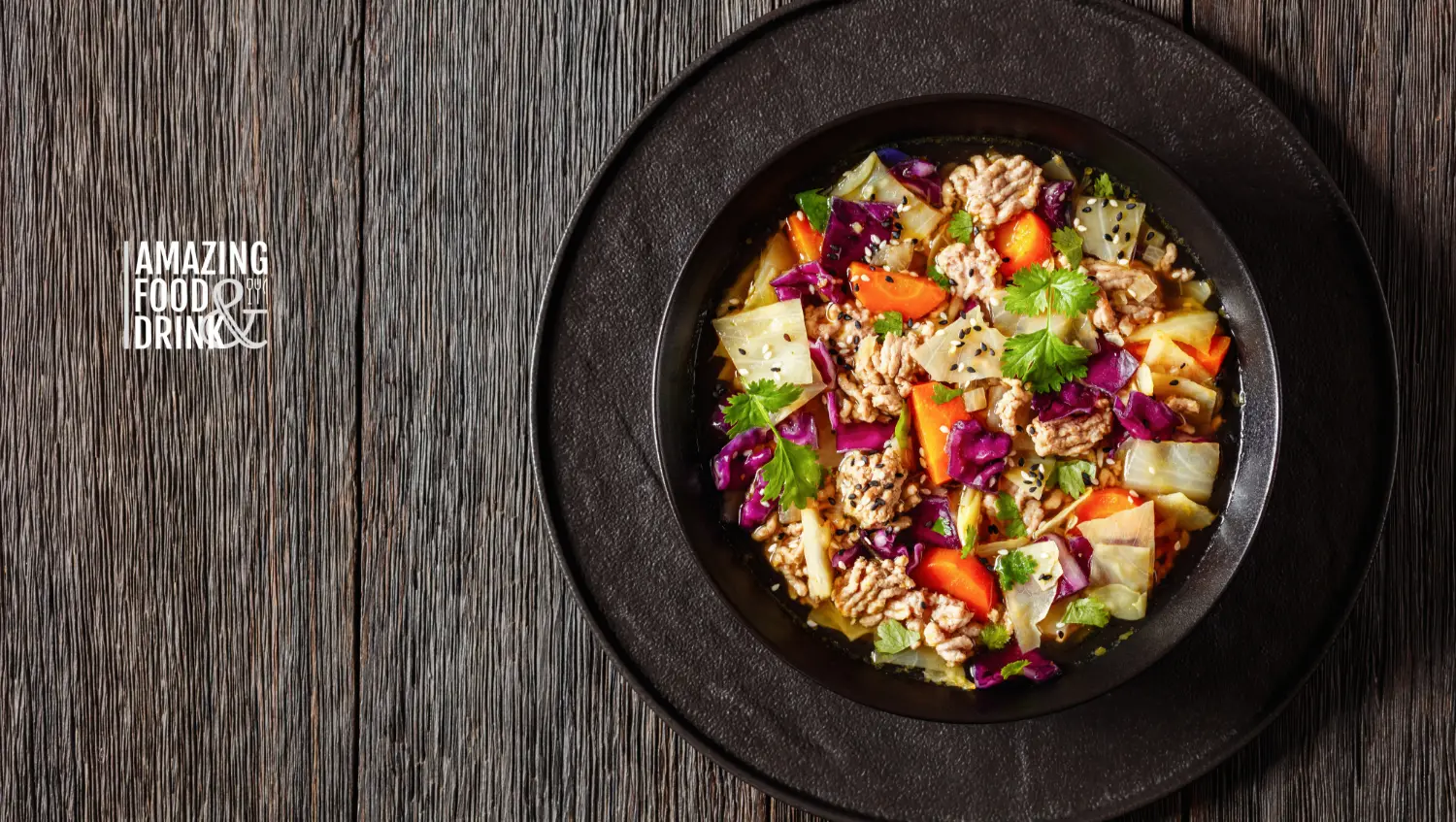
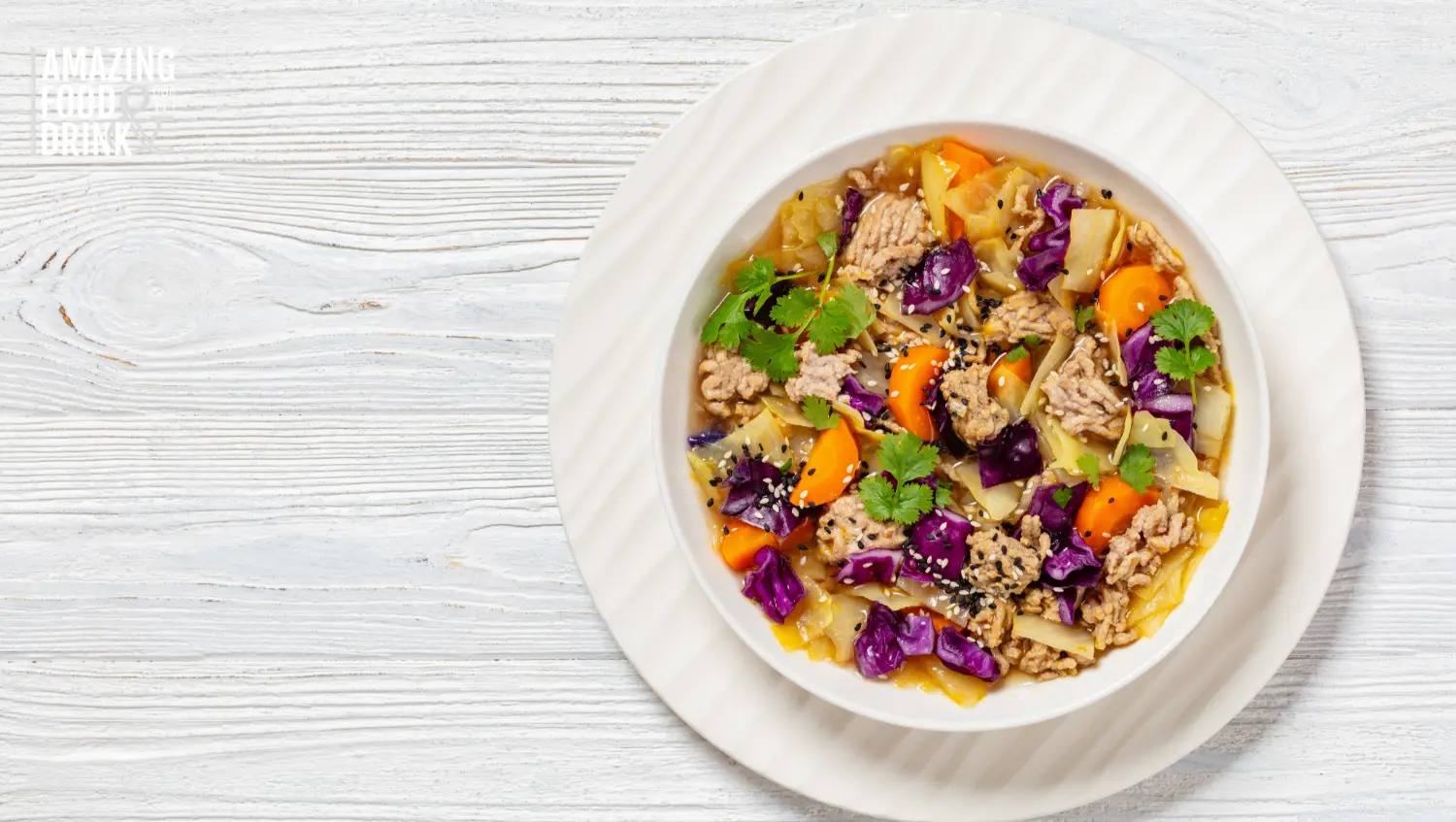
Unstuffed Egg Roll – Egg Roll in a Bowl
Unstuffed Egg Roll – Egg Roll in a Bowl
Traditional Egg Rolls get their name from the egg wrapper used to wrap the roll. However, these wrappers don’t work in a keto diet. So, to make Egg Rolls keto-friendly, we needed to get rid of the wrapper and do without. That resulted in a super tasty dish called Egg Roll in a Bowl or Unstffed Egg Rolls! This delicious dish is not just for people on a keto diet, but anyone can enjoy it.
The Unstuffed Egg Roll, also known as Egg Roll in a Bowl, is a quick and easy recipe that offers all the delicious flavours of an egg roll but without the carb-packed wrapper. This recipe typically includes ingredients such as coleslaw mix, soy sauce, sesame oil, and your choice of ground meat, creating a satisfying dish that’s simple to prepare in a skillet.
The Best Unstuffed Egg Roll Recipes Out There
Unstuffed Egg Rolls are so easy to make that you’ll be surprised! No need to bother with cooking your stuffings and then wrapping each piece any more because we will be dumping everything in a bowl and calling it a day! It’s the perfect recipe when you don’t have time to think about different dishes for dinner but would still like a nutritious full meal.
Down here, we have not one but three different Egg Roll in a Bowl recipes that will satisfy all taste buds. Whatever you and your family prefer, we’re sure you’ll at least like one of our unstuffed egg roll recipes, if not all! So pack your kitchen knives, clean up your counter and let’s get cooking!
Beef Unstuffed Egg Roll Recipe
httpss://www.youtube.com/watch?v=mxAXK9zob_U
If you’re a fan of beef, you’ll love this recipe for Unstuffed Egg Rolls using ground beef. It’s a great recipe to add to your collection of easy and delicious meals. If your children are not fans of meat in general, this recipe is a great way to sneak some into their meals. The bowl is filled with flavour, so the beef will naturally blend in with everything else. Here is your recipe!
Brown the ground beef over medium heat in a large skillet or wok. Drain any excess fat and remove the beef from the skillet, setting it aside for later.
In the same dish, add the diced onion and cook until translucent. Add the garlic and ginger, and cook for another minute.
Add the shredded cabbage and carrots to the skillet, and cook until they wilt, about 5-7 minutes.
Mix the soy sauce, hoisin sauce, sesame oil, rice vinegar, and red pepper flakes in a small bowl. Pour the sauce over the vegetables and stir to combine.
Add the cooked ground beef and stir to incorporate it with the vegetables and sauce.
Let the mixture cook for 2-3 minutes until everything is heated.
Serve the unstuffed egg roll mixture over cooked rice or noodles, and garnish with sliced green onions.
This unstuffed egg rolls with ground beef recipe is a great way to enjoy the flavours of traditional egg rolls without the hassle of wrapping and frying. It’s an easy and delicious meal that the whole family will love. Try it for your next dinner and enjoy the satisfying flavours of this beef unstuffed egg roll dish.
Turkey Unstuffed Egg Roll Recipe
For a lighter alternative, try the Turkey Unstuffed Egg Roll recipe. Ground turkey combined with coleslaw mix, onions, and a touch of sriracha creates a tasty and healthy meal option for those watching their carb intake. This recipe is also child-friendly, as most children love the light taste of turkey. Here comes your Tureky Egg Roll in a bowl!
Ingredients
1 pound ground turkey
1 bag coleslaw mix
4 green onions, sliced
2 cloves garlic, minced
2 tablespoons low-sodium soy sauce
1 tablespoon sriracha (adjust to taste)
1 teaspoon sesame oil
1 teaspoon ground ginger
1/2 teaspoon black pepper
Sesame seeds, for garnish
Optional: chopped cilantro for serving
Instructions
In a large skillet, cook the ground turkey over medium-high heat until browned and no longer pink. Drain any excess fat.
Add the garlic, soy sauce, sriracha, sesame oil, ginger, and black pepper to the cooked turkey. Stir to combine.
Add the coleslaw mix and sliced onions. Cook for 5-7 minutes or until the coleslaw is tender-crisp.
Taste and adjust seasonings as needed. You can add more sauce if desired.
Serve the turkey unstuffed egg roll in bowls, and garnish with sesame seeds and optional cilantro. Add additional sriracha for those who like it extra spicy.
This Turkey Unstuffed Egg Roll recipe is a quick and easy way to enjoy the flavours of egg rolls without the added carbs from the wrapper. It’s an excellent option for a healthy and satisfying meal and will surely be a hit with the whole family. Enjoy!
Pork Unstuffed Egg Roll Recipe
httpss://www.youtube.com/shorts/BO3Sx3f5xrU
Our last but not least recipe is Pork Egg Roll in a Bowl. Pork lovers will enjoy the Pork Unstuffed Egg Roll recipe, featuring ground pork, shredded cabbage, and a savoury mix of coconut aminos and toasted sesame oil. It’s a flavorful twist on a classic dish.
Ingredients
1 lb ground pork
1 tbsp avocado oil
1 small onion, diced
3 cloves garlic, minced
1 tsp fresh ginger, minced
1/2 cup shredded carrots
1/2 cup shredded cabbage
1/4 cup coconut aminos
1 tbsp toasted sesame oil
1 tsp rice vinegar
1/2 tsp red pepper flakes (optional)
Salt and pepper to taste
Green onions, sliced (for garnish)
Sesame seeds (for garnish)
Instructions
Heat the avocado oil in a large skillet over medium heat. Add the ground pork and cook until browned, breaking it up with a spatula as it cooks.
Add the diced onion, garlic, and ginger to the pork. Cook for 2-3 minutes until the onion is soft and fragrant.
Stir in the shredded carrots and cabbage, cooking for another 3-4 minutes until the vegetables are slightly softened.
In a small bowl, whisk together the coconut aminos, toasted sesame oil, rice vinegar, and red pepper flakes. Pour this sauce over the pork and vegetable mixture.
Stir everything until well combined and the sauce has evenly coated all the ingredients. Cook for another 2-3 minutes until everything is heated through.
Season with salt and pepper to taste.
Serve the pork egg roll in a bowl with sliced green onions and a sprinkle of sesame seeds on top for garnish.
Enjoy your Pork Egg Roll in a Bowl!
This recipe is a quick and easy way to enjoy the flavours of an egg roll without the fuss of wrapping and frying. It’s an excellent option for a low-carb or paleo-friendly meal and will surely become a new favourite in your dinner rotation.
Why is Egg Roll in a Bowl a Great Keto Meal?
Egg Roll in a Bowl is a healthy and satisfying choice for those following a keto diet. With ingredients like cabbage, ground meat, and a savoury sauce, it’s a low-carb option that’s easy to customise and enjoy without sacrificing flavour or variety in your meal plan.
This dish is excellent for meal prep, as it stores well in the fridge and can be easily reheated for a quick and satisfying meal throughout the week. It’s also a versatile dish topped with sesame seeds, green onions, or a drizzle of sriracha for even more flavour.
Overall, Egg Roll in a Bowl is a fantastic keto-friendly option for those looking for a tasty and filling meal without the excess carbs. It’s a great way to enjoy the flavours of your favourite takeout without guilt, making it a staple in any low-carb meal plan.
Some Great Side Dishes to Go With Your Unstuffed Egg Roll
Unstuffed Egg Rolls are amazing; there is doubt about that! But to make your meal even better and more hearty, you need to add a side dish. There are definitely a ton of options when it comes to side dishes. You can do your own research or try a cookbook to find one that you like, but we want to give you our own recommendations as well!
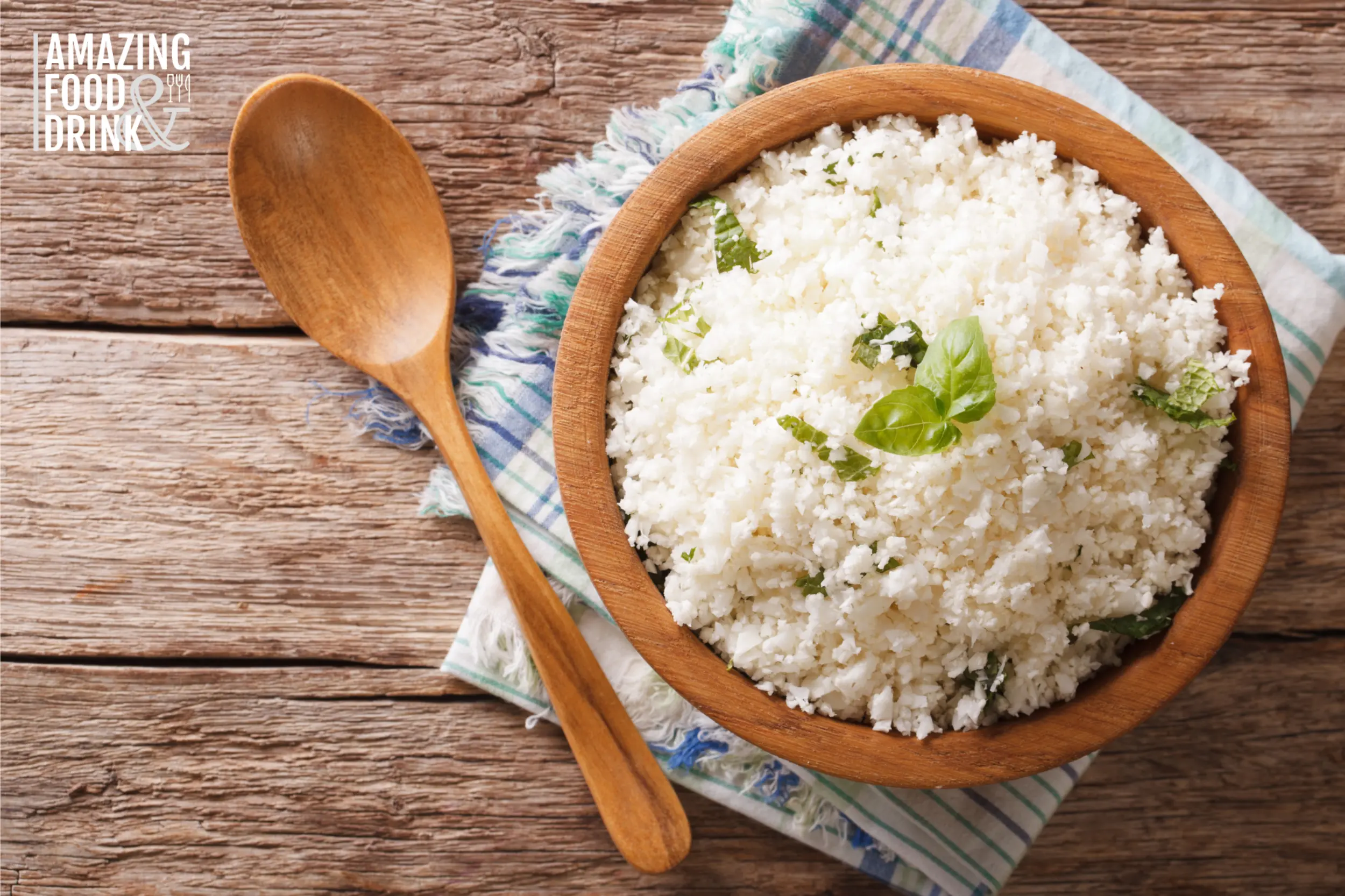
Cauliflower Rice
Cauliflower Rice
Add cauliflower rice to complement your Unstuffed Egg Roll for a satisfying, low-carb meal combination. This dish is an excellent option for those looking to lower their carbohydrate intake, as it’s a healthy and delicious alternative to traditional rice. It’s also a great way to add extra veggies to your meal. Here is a quick way to make it.
Simply start by grating a head of cauliflower or pulsing it in a food processor until it reaches a rice-like texture. Then, sauté it in a pan with olive oil and your favourite seasonings. The result is a versatile and flavorful base for any dish, from stir-fries to burrito bowls. So why wait? Give cauliflower rice a try and elevate your meals to a new, healthy, delicious level!
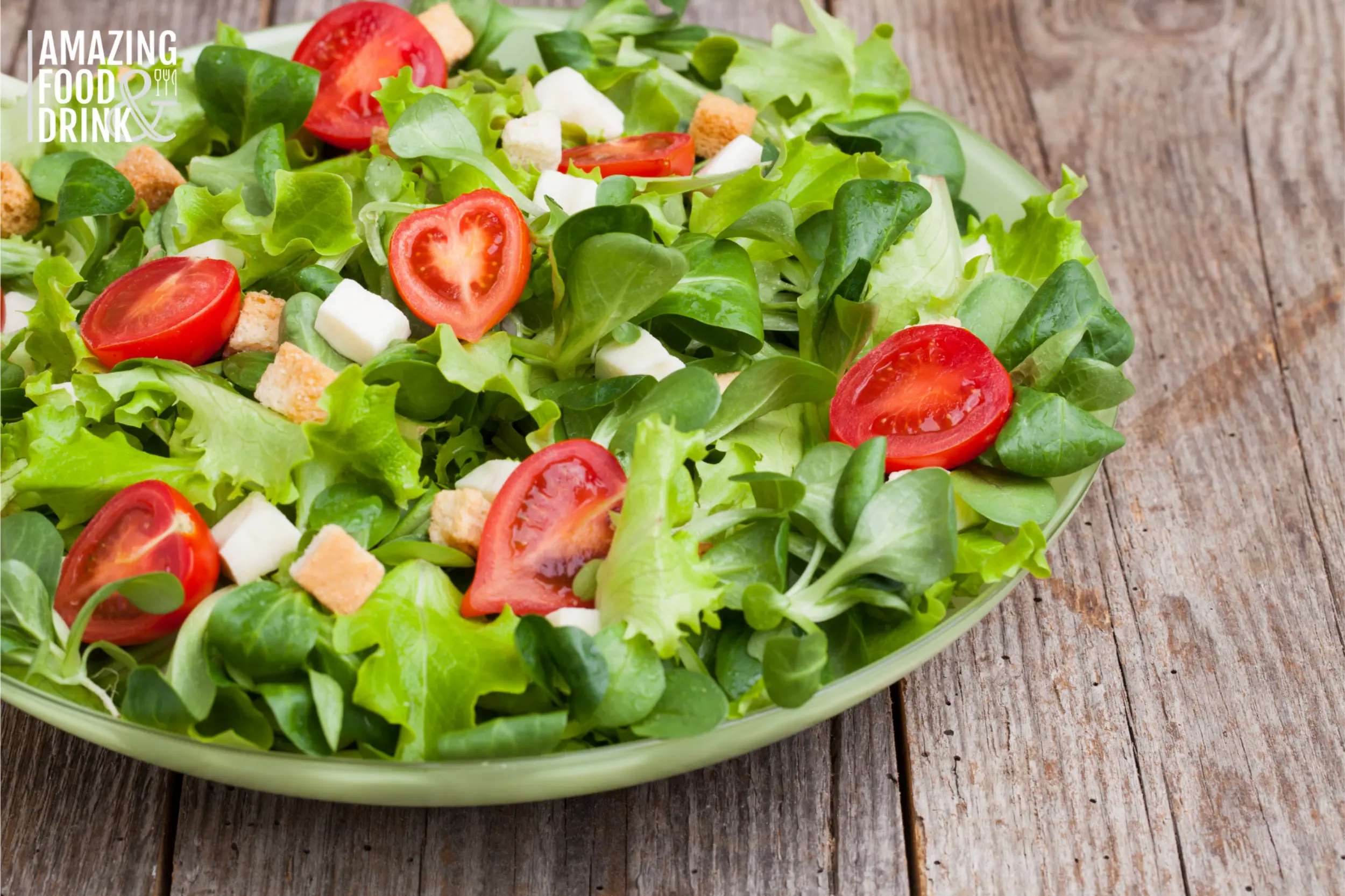
Green Salad
Green Salad
Another excellent side dish option is a simple green salad with a light vinaigrette, providing a refreshing contrast to the rich flavours of the Egg Roll in a Bowl. It’s time to roll up your sleeves and get chopping! Start by selecting a variety of vibrant green leafy vegetables like spinach, kale, and arugula. Wash and dry these leafy greens thoroughly before tearing them into bite-sized pieces. Next, add some crunchy vegetables like cucumbers, bell peppers, and snap peas for extra texture.
Don’t forget to sprinkle in some protein-packed additions like chickpeas or quinoa. Finally, drizzle on a homemade vinaigrette and toss everything together for refreshing and nutritious flavours. Get ready to impress your taste buds and nourish your body with this vibrant green salad!
Stir-Fried Vegetables
Stir-Fried Vegetables
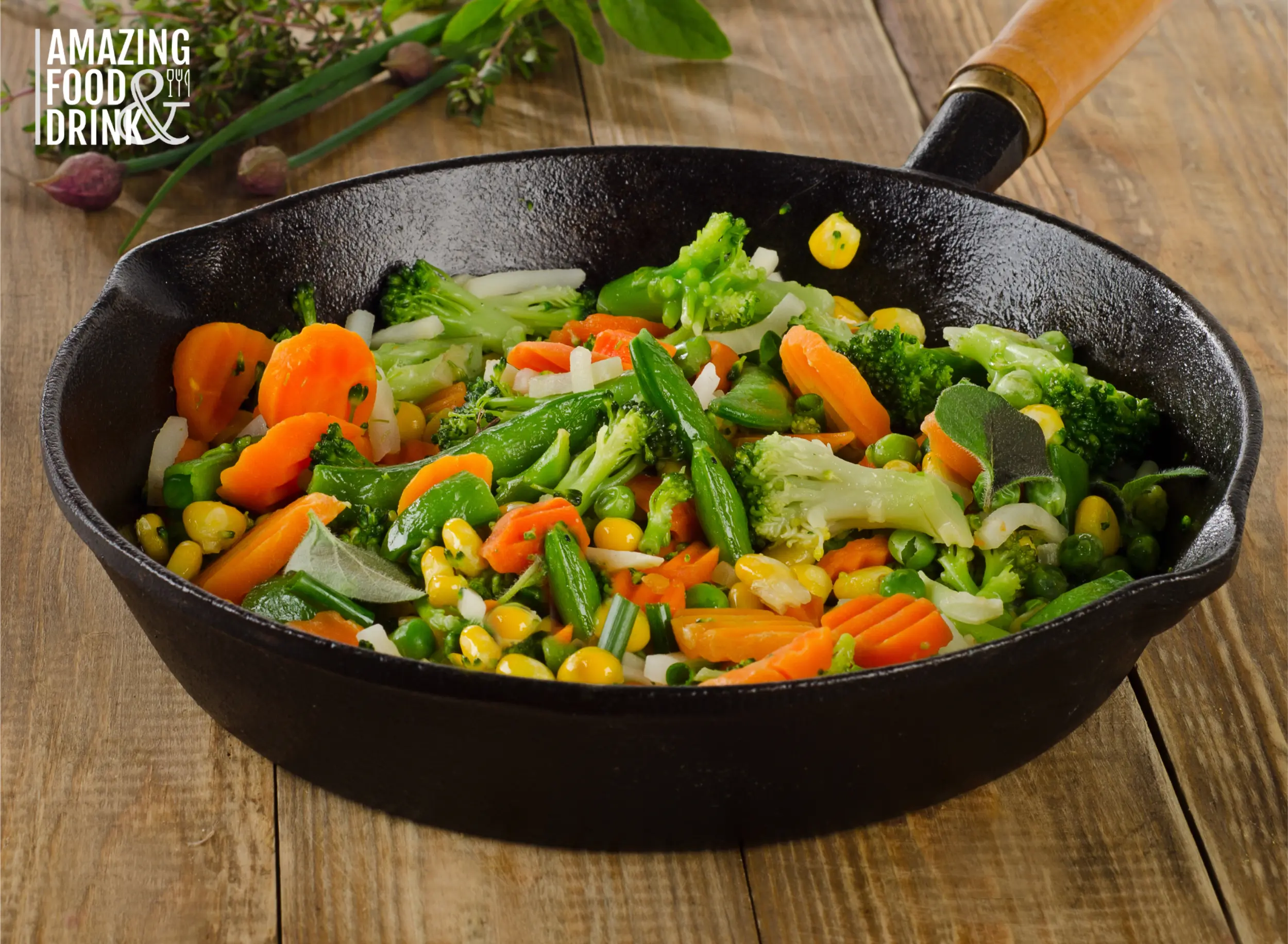
For a heartier option, consider serving the Unstuffed Egg Roll alongside stir-fried vegetables for a flavorful and nutritious meal. Are you ready to add healthy and delicious stir-fried vegetables to your dinner table? Creating this colourful and nutritious dish that is bound to satisfy your taste buds is easy. Start by heating a tablespoon of oil in a wok over high heat. Then, add your favourite vegetables, such as bell peppers, broccoli, carrots, and snap peas, and stir-fry them for a few minutes until they are crisp-tender.
Next, add some garlic, ginger, and a splash of soy sauce for flavour. Keep the vegetables moving in the pan, and in just a few minutes, you’ll have a vibrant and mouthwatering stir-fry that will leave you feeling satisfied and accomplished. So, prepare to bring the sizzle to your dinner with these delicious stir-fried veggies!
Sweet and Savoury Glazed Carrots
Sweet and Savoury Glazed Carrots
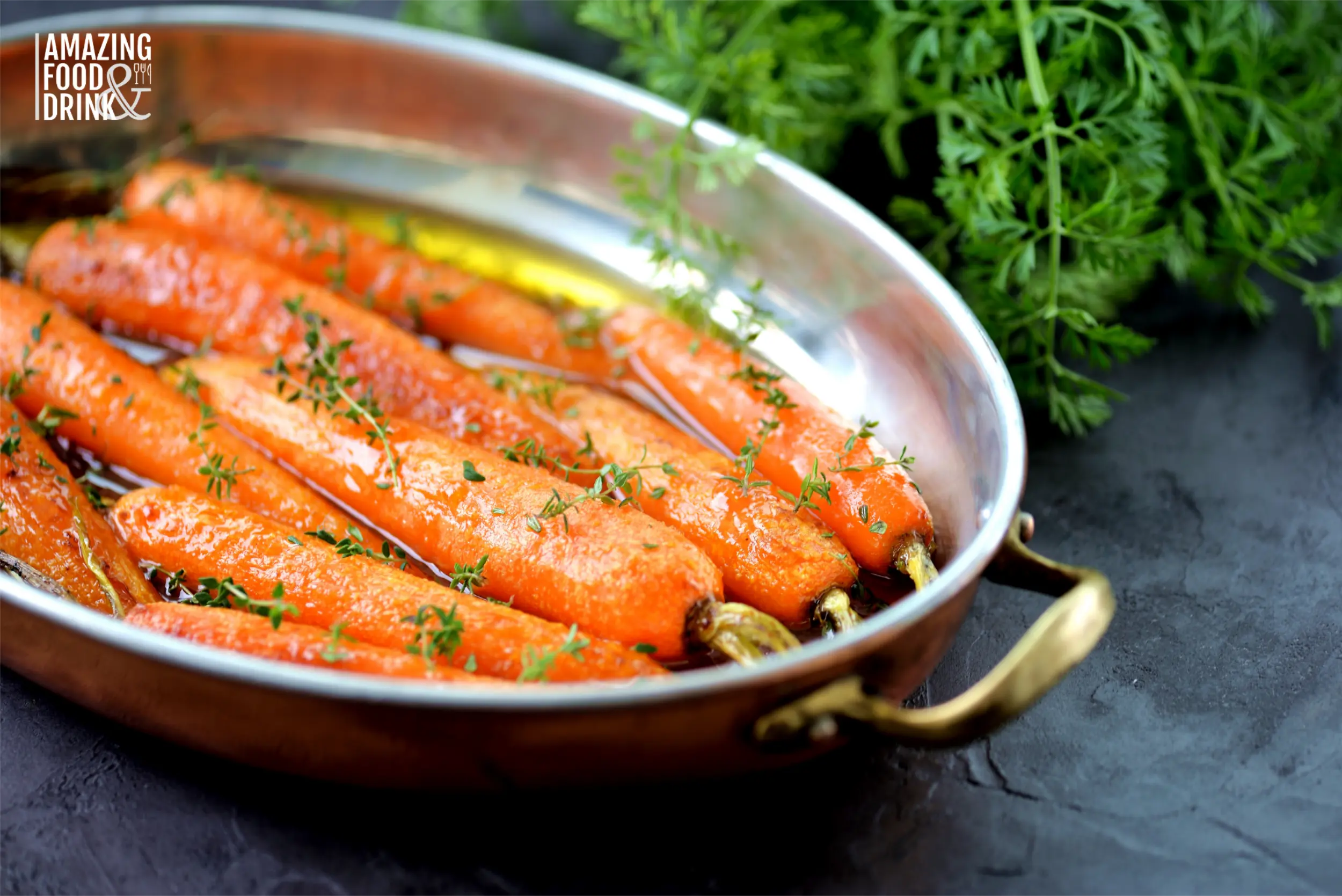
Sweet and savoury glazed carrots make a delicious and colourful addition to your Unstuffed Egg Roll dinner, offering a balance of flavours and textures. Get ready to impress your friends and family with this simple and delicious Sweet and Savoury Glazed Carrots recipe. Start by washing and cutting your carrots into slices or sticks. Next, in a pan, melt butter and add honey, brown sugar, and a pinch of salt.
Once the mixture is melted and bubbly, add your carrots and stir to coat evenly. Let the carrots simmer and absorb the sweet and savoury glaze, then serve them as a side dish everyone will love. The combination of the natural sweetness of the carrots with the added rich and flavourful glaze will make this dish a hit at any gathering. So get ready to impress and enjoy!
Ready to make dinner tonight? We bet any of our unstuffed egg roll recipes with your choice of side dish will rock the dinner table! Your family will be so glad to have a delicious and nutritious meal all in one bowl. You will never have to feel left out again because of your diet. Eating healthy does not mean you can’t eat the most tasty food there is!
FAQs
What’s the difference between an egg roll and a spring egg roll?
The difference lies in the type of wrapper used. While spring rolls are typically wrapped with flour wrappers, egg rolls are wrapped with a crispier wrapper that has been dipped in eggs, hence the name.
Are egg rolls healthy?
The filling is super healthy; however, the way they’re cooked by deep frying them makes them u003ca href=u0022https://amazingfoodanddrink.com/carbohydrates-healthy-uses-and-benefits/u0022 target=u0022_blanku0022 rel=u0022noreferrer noopeneru0022u003ehigh on carbsu003c/au003e. That’s why Egg Roll in a Bowl is a much healthier option where you can avoid the carbs and still have the great taste.
Why do they call them egg rolls when there are no eggs?
There might not be any eggs in the recipe itself or the filling inside. However, egg rolls are called that because the wrappers used to wrap them in dipped-in eggs. You might not be able to see the egg, but that doesn’t mean it’s not there!
Are egg rolls Chinese or Japanese?
Egg Rolls are u003ca href=u0022https://amazingfoodanddrink.com/chinese-street-food/u0022 target=u0022_blanku0022 rel=u0022noreferrer noopeneru0022u003ea Chinese dishu003c/au003e that dates back to ancient China. However, it has been adapted to modern-day cooking through several tweaks in the original recipes. Egg Rolls are now super popular food in America because of Chinese immigration.


 Shaimaa Olwan
 Nouran Ashraf