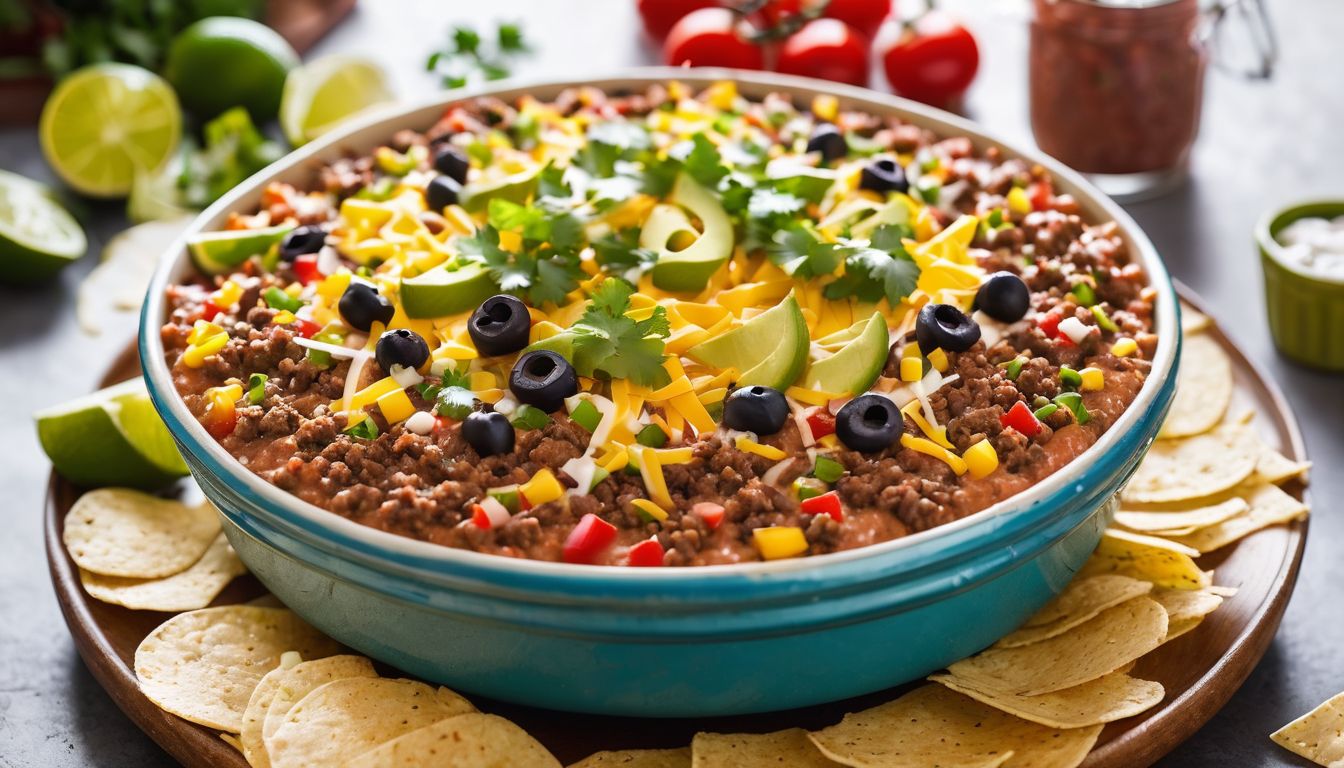
When it comes to hosting a party or gathering, having a collection of appetiser recipes up your sleeve can be a game-changer. Turkey roll-up appetisers are a versatile and crowd-pleasing alternative that can be adapted to a variety of tastes and dietary preferences.
Not only are these turkey roll-ups delicious, but they’re also a healthier alternative to traditional party snacks. Packed with protein and healthy fats, they’re sure to keep your guests satisfied without weighing them down.
Whether you’re looking for a quick and easy appetiser or something more elaborate, the next time you’re entertaining, give these easy appetisers a try. We promise they won’t disappoint! Here are some fantastic turkey roll-up appetiser recipes to add to your repertoire.
8 Delicious Turkey Roll-Up Appetiser Recipes
Turkey roll-ups are not only tasty, but they are also a great option for meal prep. You can make a batch of these at the beginning of the week and have them ready to grab and go for a quick and healthy lunch or snack. Plus, they are easily customisable to your taste preferences. Let’s find out more about these 8 delicious recipes.
1. Classic Turkey and Cream Cheese Roll-Ups
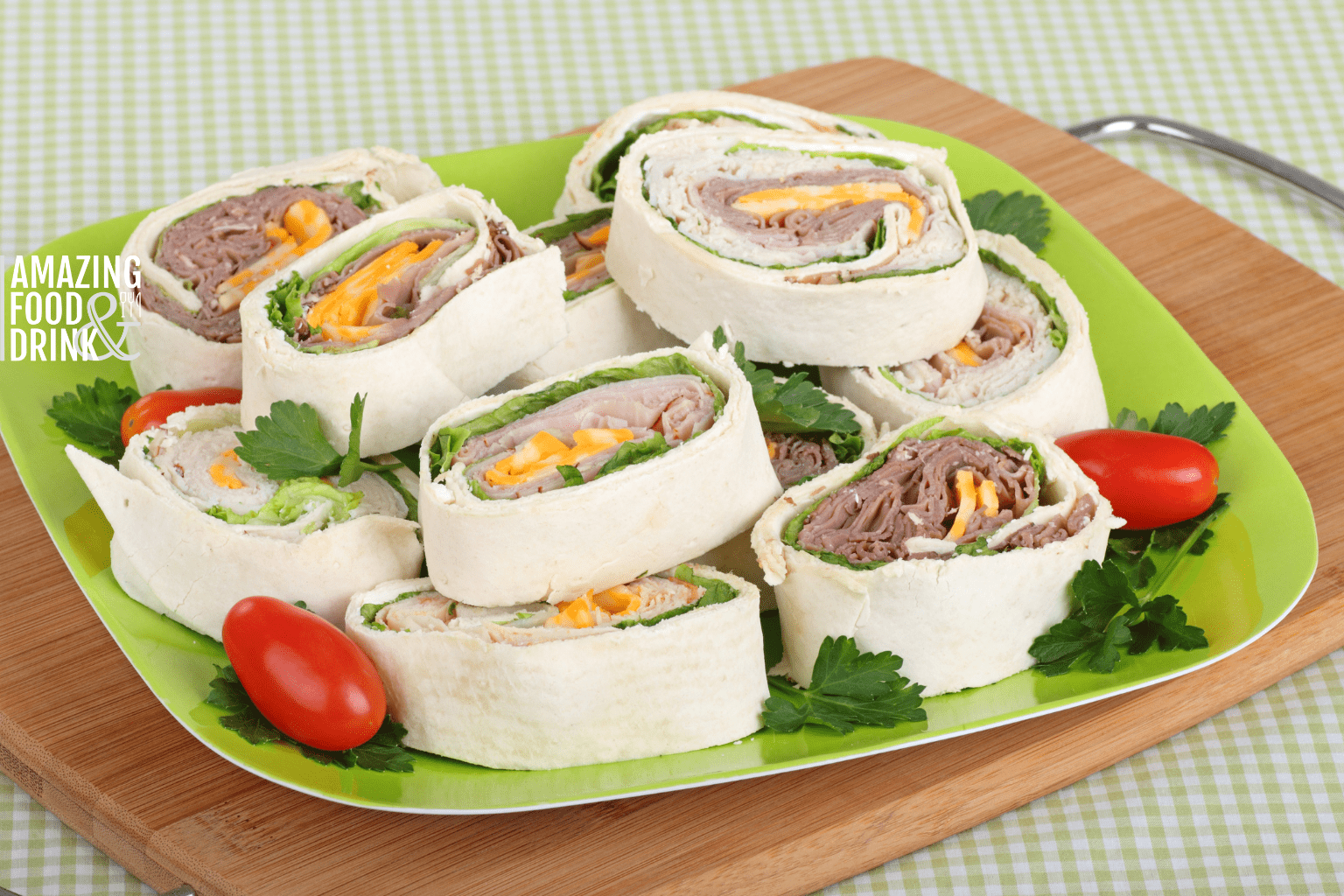
Classic Turkey and Cream Cheese Roll-Ups are a perfect snack for any occasion. They are easy to make and taste delicious. Whether you are looking for a quick snack or a party platter, these roll-ups will surely be a hit. The combination of cream cheese, turkey, and vegetables makes for a delicious and satisfying meal. The roll-ups can be prepared the night before and stored in the refrigerator, making them a convenient option for busy mornings or on-the-go lunches.
Ingredients
4 large flour tortillas or wraps
8 slices deli turkey or turkey breast
8 ounces (about 1 cup) of cream cheese, softened
½ cup red bell pepper, diced
½ cup green bell pepper, diced
¼ cup red onion, diced
¼ cup fresh parsley, chopped
Salt and black pepper
Instructions
In a bowl, mix the diced red bell pepper, green bell pepper, red onion, softened cream cheese, and chopped fresh parsley until well combined. Then, season with a pinch of salt and some freshly ground black pepper to taste. This mixture will be your filling.
Lay out one tortilla or wrap on a clean surface, such as a cutting board or countertop.
Spread a generous amount of the delicious cream cheese mixture evenly over the whole surface of the tortilla with a spatula or a butter knife, leaving a tiny border around the sides.
Place two slices of turkey evenly over the cream cheese mixture on the tortilla.
Carefully roll up the tortilla, starting from one edge, so that the filling is enclosed. Roll it tightly, but be gentle to avoid tearing the tortilla.
Repeat the process with the remaining tortillas, turkey slices, and cream cheese mixture.
Once all the roll-ups are prepared, use a sharp knife to slice each rolled-up tortilla into bite-sized pinwheels. You can slice them into rounds about 1 inch thick.
Arrange the Turkey and Cream Cheese Roll-Up pinwheels on a serving platter or dish.
If you want them to firm up a little more, cover with aluminium foil and refrigerate for approximately 30 minutes before serving.
Optionally, garnish with additional fresh parsley or diced bell peppers for a pop of colour.
2. Turkey Ranch Roll-Ups
httpss://www.youtube.com/watch?v=cT-1kDNcvCY
The tasty turkey ranch roll-ups are not only flavorful but also a great combination of creamy, crunchy, and savoury. With just a few simple ingredients and some basic prep, you can create a delicious and satisfying snack perfect for any occasion. You can customise them by adding or omitting ingredients to suit your preferences.
Ingredients
4 large flour tortillas or wraps
8 slices deli turkey (or turkey breast)
½ cup cream cheese, softened
¼ cup ranch dressing, store-bought or homemade
½ cup of cucumber, thinly sliced
½ cup red onion, thinly sliced
1 cup spinach leaves, fresh
Salt and black pepper
Instructions
Combine the ranch dressing and softened cream cheese in a mixing dish. Mix until the two components are thoroughly combined. This is going to be your tasty spread.
Lay out one tortilla or wrap on a clean surface.
Spread a liberal amount of the cream cheese and ranch mixture over the whole surface of the tortilla, leaving a tiny border around the edges.
Put two slices of turkey evenly over the cream cheese and ranch spread on the tortilla.
Add a layer of cucumber, red onion, and fresh spinach leaves over the turkey slices.
Carefully roll up the tortilla, starting from one edge, so the filling is enclosed. Roll it tightly and be gentle to avoid tearing it.
Repeat the process with the remaining tortillas, ranch mixture, cream cheese, turkey slices, and vegetables.
Once all the roll-ups are prepared, use a sharp knife to slice each rolled-up tortilla into bite-sized pinwheels. You can slice them into rounds about 1 inch thick.
Arrange the Turkey Ranch Roll-Up pinwheels on a serving platter or dish.
You can cover the roll-ups with aluminium foil and refrigerate them for approximately 30 minutes before serving to firm them up.
Optionally, garnish with additional fresh spinach leaves or a drizzle of ranch dressing for extra flavour.
3. Mediterranean Turkey Roll-Ups
Mediterranean Turkey Roll-ups capture the essence of Mediterranean cuisine with creamy hummus, fresh veggies, and tangy feta cheese. They’re a great option for those who appreciate Mediterranean flavours and make a fantastic addition to any party or event.
Ingredients
4 large flour tortillas or wraps
8 slices deli turkey (or turkey breast)
½ cup hummus, store-bought or homemade
½ cup tomatoes, diced
½ cup cucumber, diced
¼ cup kalamata olives, diced
¼ cup feta cheese, crumbled
¼ cup basil or baby spinach leaves
Salt and black pepper
Olive oil (optional)
Instructions
Begin by preparing your tortillas or wraps. You can lightly warm them in a dry skillet or microwave for a few seconds to make them more pliable.
Lay out one tortilla or wrap on a clean surface like a cutting board.
Spread a generous layer of hummus evenly over the entire surface of the tortilla and leave a small border around the edges.
Place two slices of turkey evenly over the hummus on the tortilla.
Over the turkey slices, add a layer of diced tomatoes, cucumber, sliced kalamata olives, crumbled feta cheese, and fresh basil leaves or baby spinach leaves.
Season the toppings with a pinch of salt and freshly ground black pepper to taste.
Carefully and tightly roll up the tortilla, starting from one edge, so the filling is enclosed. Be gentle to avoid tearing the tortilla.
Repeat the process with the remaining tortillas, hummus, turkey slices, and Mediterranean toppings.
Once all the roll-ups are ready, brush the outside of each one with olive oil to create a wonderful gloss and extra flavour.
Use a sharp knife to slice each rolled-up tortilla into bite-sized pinwheels (about 1 inch thick).
Arrange the Mediterranean Turkey Roll-Up pinwheels on a serving platter or dish.
You can serve right away or place them in the refrigerator for about 30 minutes before serving.
For a decorative touch, you can garnish with a few extra kalamata olives or fresh basil leaves.
4. Spicy Buffalo Turkey Roll-Ups
Spicy Buffalo Turkey Roll-Ups have a delightful kick of heat from the buffalo sauce, and the creaminess of the cream cheese balances it perfectly. They’re easy-to-make snacks that are perfect for any occasion. They’re sure to be a hit with anyone who loves a little spice in their appetisers.
Ingredients
4 large flour tortillas or wraps
8 slices deli turkey (or turkey breast)
½ cup cream cheese, softened
¼ cup buffalo sauce (adjust to your preferred level of spiciness)
½ cup lettuce, shredded
½ cup celery, diced
Blue cheese dip or ranch dressing (optional)
Salt and black pepper
Instructions
Begin by preparing your tortillas or wraps. To make them more pliable, lightly warm them in a microwave for a few seconds.
Combine the softened cream cheese and buffalo sauce in a mixing bowl until you get a smooth, spicy cream cheese spread. Adjust the amount of buffalo sauce to achieve the desired level of spiciness.
On a clean surface, lay out one tortilla or wrap.
Spread a generous layer of the buffalo cream cheese mixture evenly over the entire surface of the tortilla, leaving a small border around the edges. Then, place two slices of turkey evenly over the buffalo cream cheese mixture on the tortilla.
Add a layer of shredded lettuce and diced celery over the turkey slices.
Season the toppings with a pinch of salt and freshly ground black pepper to taste.
Roll the tortilla tightly and be gentle to avoid tearing it.
Repeat the process with the remaining ingredients.
Use a sharp knife to slice each rolled-up tortilla into 1-inch-thick pinwheels.
Arrange the Spicy Buffalo Turkey Roll-Up pinwheels on a serving platter or dish.
If you want the roll-ups to firm up a little more, cover with aluminium foil and refrigerate for approximately 30 minutes before serving.
For dipping, serve with blue cheese dip or ranch dressing if you’d like to cool down the spiciness a bit.
5. Smoked Turkey and Cranberry Roll-Ups
Smoked turkey and cranberry roll-ups are a fantastic choice for those who enjoy the contrast of flavours and textures. The smoky turkey pairs wonderfully with the sweet cranberry cream cheese spread, making them a delightful treat for any occasion.
Ingredients
4 large flour tortillas or wraps
8 slices smoked turkey
½ cup cream cheese, softened
1/4 cup of cranberry sauce (homemade or store-bought)
½ cup baby spinach leaves
Salt and black pepper
Instructions
Prepare your tortillas or wraps by lightly warming them in a microwave or dry skillet for a few seconds to make them more pliable.
Combine the softened cream cheese and the cranberry sauce in a mixing bowl until the cream cheese spread is creamy, sweet, and flavoursome.
Lay out one tortilla or wrap on a clean cutting board or surface.
Spread a generous layer of the cranberry cream cheese mixture evenly over the entire surface of the tortilla, leaving a small border around the edges.
Place two slices of smoked turkey evenly over the cranberry cream cheese mixture on the tortilla.
Add a layer of baby spinach leaves over the turkey slices.
Season the toppings with a pinch of salt and freshly ground black pepper to taste.
Carefully roll up the tortilla, starting from one edge, so the filling is enclosed. Roll it tightly and be gentle to avoid tearing it.
Repeat the process with the remaining tortillas, cranberry cream cheese mixture, smoked turkey slices, and baby spinach.
With a sharp knife, slice each rolled-up tortilla into bite-sized pinwheels.
Arrange the Smoked Turkey and Cranberry Roll-Up pinwheels on a serving platter or dish.
If you want them to firm up a little more, cover with aluminium foil and refrigerate for approximately 30 minutes before serving.
6. Veggie-Packed Turkey Roll-Ups
httpss://www.youtube.com/watch?v=ATUyYQc_npM
Veggie-packed Turkey Roll-ups are delicious and packed with vitamins, fibre, and antioxidants from the colourful variety of vegetables they have. The hummus adds creaminess and flavour, making them a nutritious and satisfying choice for any occasion. These roll-ups are a great way to sneak more vegetables into your diet. They are perfect for busy weeknights or on-the-go meals. They are also an excellent option for kids’ lunches or after-school snacks.
Ingredients
4 large flour tortillas or wraps (you can use whole wheat or spinach wraps for added nutrition)
8 slices deli turkey (or turkey breast)
½ cup hummus, store-bought or homemade
½ cup carrots, shredded
½ cup bell peppers, thinly sliced (use a variety of colours for elevated visual appeal)
½ cup baby spinach leaves
½ ripe avocado, thinly sliced
Salt and black pepper
Instructions
Begin by preparing your tortillas or wraps. To make them more pliable, you can lightly warm them in a microwave or dry skillet for a few seconds.
Lay out one tortilla or wrap on a clean cutting board or surface.
Spread a generous layer of hummus evenly over the entire surface of the tortilla, leaving a small border around the edges.
Place two slices of turkey evenly over the hummus on the tortilla.
Add a layer of carrots, bell peppers, baby spinach leaves, and avocado over the turkey slices.
Season with a pinch of salt and freshly ground black pepper to taste.
Tightly roll up the tortilla, and be careful to avoid tearing it.
Repeat the process with the remaining ingredients.
Use a sharp knife to slice each rolled-up tortilla into bite-sized pinwheels.
On a serving platter or dish, arrange the Veggie-Packed Turkey Roll-Up pinwheels.
If you want the pinwheels to firm up a little more, cover with aluminium foil and refrigerate for approximately 30 minutes before serving.
7. Caprese Turkey Roll-Ups
Caprese Turkey Roll-ups capture the essence of a classic Caprese salad with a combination of fresh mozzarella, tomatoes, basil, and pesto. They’re a perfect choice for those who appreciate the flavours of Italy and make an elegant and flavoursome addition to any meal or event.
Ingredients
4 large flour tortillas or wraps
8 slices deli turkey (or turkey breast)
¼ cup pesto sauce, store-bought or homemade
8 slices mozzarella cheese, fresh
2 ripe tomatoes, thinly sliced
Basil leaves, fresh
Balsamic glaze for drizzling (optional)
Salt and black pepper
Instructions
Lightly warm your tortillas or wraps in a dry skillet or microwave for a few seconds to make them more pliable.
Lay out one tortilla or wrap on a clean cutting board.
Spread a generous layer of pesto sauce over the entire surface of the tortilla, leaving a small border around the edges.
Put two slices of turkey over the pesto on the tortilla. Then, add two slices of fresh mozzarella cheese over the turkey slices.
Place the tomatoes and the basil leaves on top of the mozzarella.
Season with a pinch of salt and freshly ground black pepper to taste.
Tightly roll up the tortilla, and be careful to avoid tearing it.
Repeat the process with the remaining tortillas, pesto, turkey slices, fresh mozzarella, tomatoes, and basil.
With a sharp knife, slice each rolled-up tortilla into bite-sized pinwheels. You can slice them into rounds about 1 inch thick.
Arrange the Caprese Turkey Roll-Up pinwheels on a serving platter or dish.
If you want the roll-ups to firm up a little more, cover with aluminium foil and refrigerate for approximately 30 minutes before serving.
For an extra burst of flavour and visual appeal, drizzle with balsamic glaze (optional).
Tips
For a more flavoursome roll-up, use flavoured pesto sauce, such as sun-dried tomato pesto or roasted red pepper pesto.
Add other vegetables to the roll-ups, such as sliced avocado, shredded zucchini, or chopped spinach.
For dipping, serve the roll-ups with a side of marinara sauce or balsamic vinegar.
8. Asian-Inspired Turkey Roll-Ups
The Asian-inspired Turkey Roll-ups offer a fusion of sweet, savoury, and nutty flavours with a hint of spice. They’re perfect for those who love Asian cuisine and are looking for a creative and delicious twist on traditional roll-ups.
Ingredients
4 large flour tortillas or wraps
8 slices deli turkey (or turkey breast)
¼ cup hoisin sauce
¼ cup creamy peanut butter
1 cup cucumber, thinly sliced
1 cup carrots, shredded
½ cup red bell pepper, thinly sliced
¼ cup cilantro leaves, fresh
Salt and black pepper
¼ cup peanuts, roasted and crushed (optional, for garnish)
Sriracha sauce (optional, for extra heat)
Instructions
Begin by preparing your tortillas or wraps. You can lightly warm them in a microwave for a few seconds to make them more pliable.
On a clean surface, lay out one tortilla or wrap.
Whisk the hoisin sauce and creamy peanut butter in a small bowl until smooth. To make the sauce hotter, sprinkle with Sriracha sauce.
Spread a generous layer of the hoisin and peanut butter mixture over the entire surface of the tortilla, leaving a small border around the edges.
Place two slices of turkey over the hoisin and peanut butter sauce on the tortilla.
Add a layer of cucumber, carrots, red bell pepper, and cilantro leaves over the turkey slices.
Season with a pinch of salt and freshly ground black pepper to taste.
Carefully roll up the tortilla, starting from one edge, so the filling is enclosed. Roll it tightly, but be gentle to avoid tearing it.
Repeat the process with the remaining tortillas, Asian-inspired veggies, and other ingredients.
Use a sharp knife to slice each rolled-up tortilla into bite-sized pinwheels (1 inch thick).
Arrange the Asian-inspired turkey Roll-Up pinwheels on a serving platter or dish.
For added crunch and flavour, garnish with crushed roasted peanuts.
If you want the roll-ups to firm up a little more, cover with aluminium foil and then refrigerate for approximately 30 minutes before serving.
Rolling In Flavour
Turkey roll-up appetisers are not only delicious but also incredibly versatile. They can be adapted to suit various tastes and dietary needs, making them a fantastic addition to any gathering. Whether you prefer classic flavours or want to experiment with different cuisines, these recipes offer a variety of options to impress your guests and satisfy your culinary cravings. So, roll up your sleeves and get to work on these delightful turkey roll-up appetisers for your next party!


 Asmaa Alhashimy