Are you searching for something new and exciting to add to your meals? Look no further than Asian side dishes! With the diverse culinary culture of Asia at your fingertips, you can experience an adventure in aromas and flavours. From exotic ingredients to incredible fragrances, there’s something new for everyone to discover on their own flavourful journey around Asia’s different cuisines.
From aromatic kimchi to savoury vegetable spring rolls, Asian side dishes uniquely balance sweet, sour, salty, and spicy flavours in perfect harmony. This means every dish is a flavour explosion in your mouth! What’s more, Asian side dishes offer a delicious and nutritious alternative to traditional Western sides, such as creamy mashed potatoes or baked mac and cheese, providing the perfect solution for health-conscious foodies. Bursting with nutrient-packed vegetables, gluten-free grains, and rich but low-fat sauces, Asian side dishes make it easy to enjoy guiltless indulgence!
So what are you waiting for? Take your taste buds on a journey around Asia with our handpicked list of delectable Asian side dishes! Experience umami flavours from Japanese Miso Soup, vibrant colours in Korean Japchae, and irresistible crunchiness from Chinese Cucumber Salad for an unforgettable culinary experience.
Japanese Side Dishes
Japanese cuisine is renowned for its perfect harmony of flavours. From light and refreshing side dishes to bold accompaniments, Japan offers a plethora of options that can bring diversity to the main dish’s flavour profile. If you’re looking for something new in your culinary journey, here are some top-notch Japanese sides that will leave an unforgettable taste on your tongue!
Miso Soup
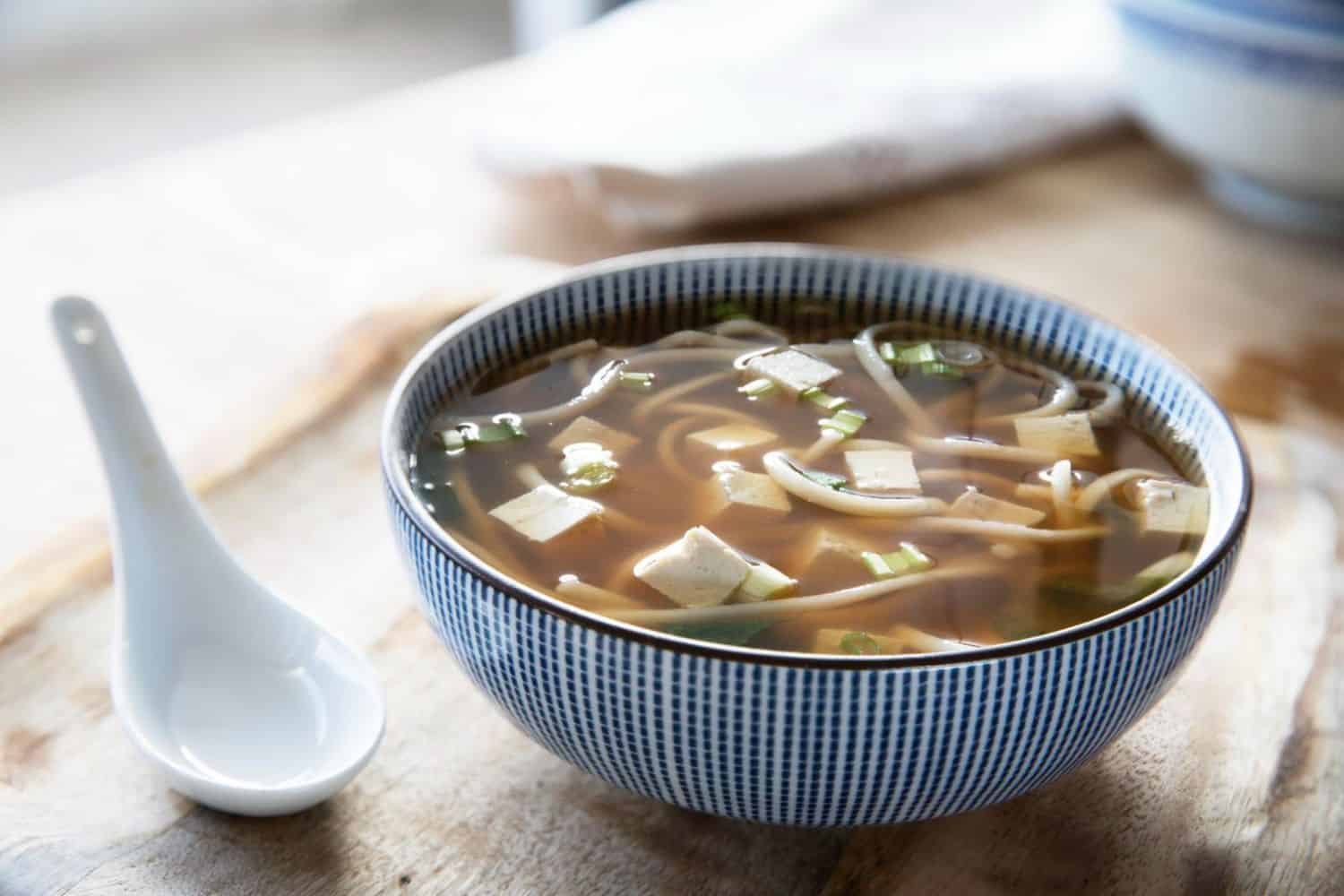
Rich and flavourful, miso soup is a classic dish of Japanese cuisine. Loved for its heartiness and comforting warmth, it’s made from fermented soybean paste combined with dashi stock, tofu cubes, and wakame seaweed pieces and topped off with freshly cut green onions.
This delicacy offers something special, the elusive fifth taste: umami! Rich and satisfying, this flavour has its base in glutamates found naturally within miso itself which impart an irresistible savouriness that leaves mouths watering for more.
Miso soup is not just a delicious and comforting meal; it can also provide some important health benefits with its abundance of vitamins, minerals, and plant-based protein.
In summary, miso soup is one of the most beloved dishes in Japanese cuisine, boasting a rich and savoury flavour that will make your taste buds dance. Its versatility makes it an ideal addition to any food lover’s recipe book, so why not give this classic side dish a try today?
Seaweed Salad
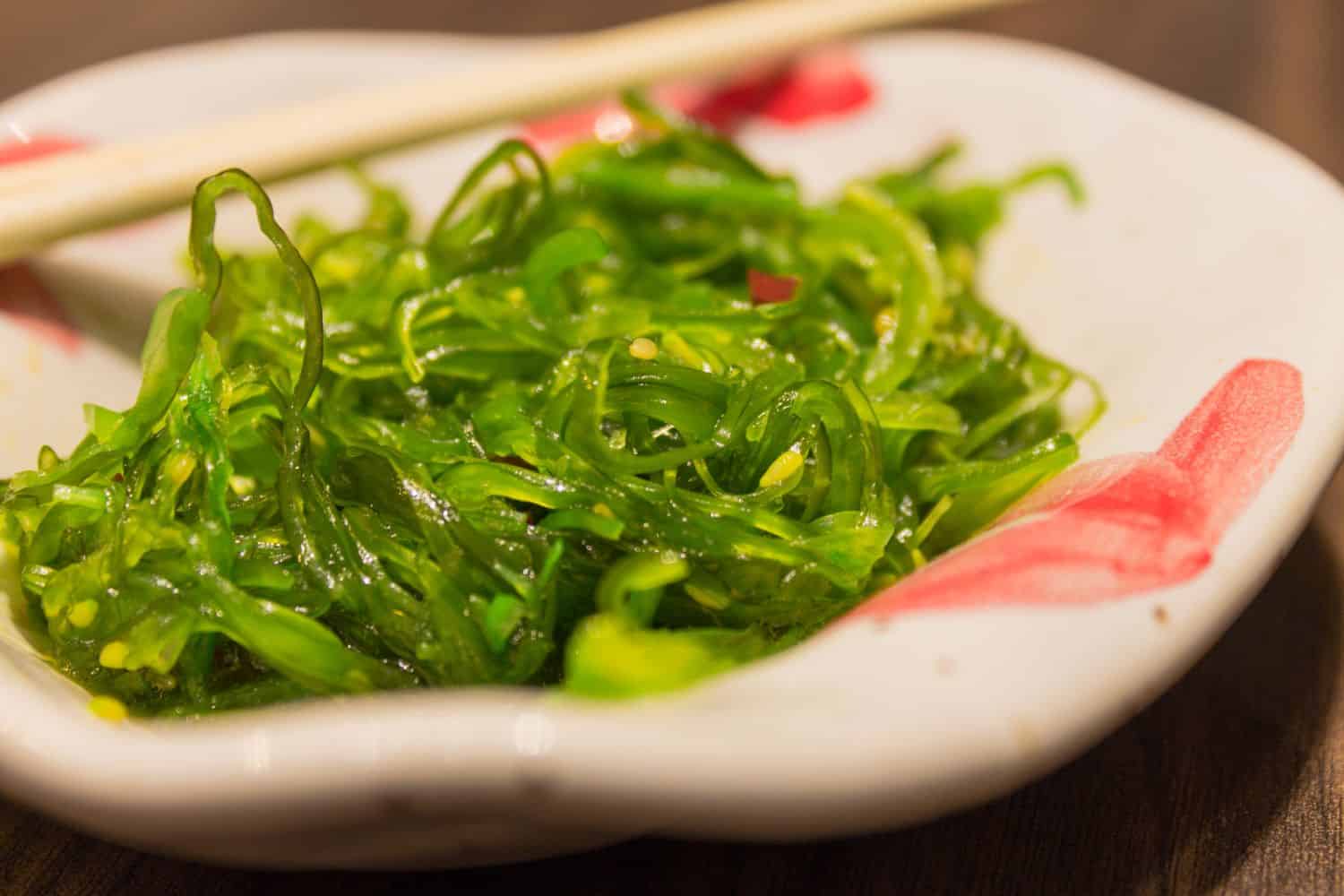
Looking for a nutritious side to accompany your Japanese meal? Seaweed Salad is a perfect choice! This traditional dish, made with wakame seaweed, has been part of the culture and cuisine of Japan for thousands of years. As an ancient symbol of good luck and longevity in their culture, this flavourful salad adds both health benefits and symbolic significance to any menu. Rich in iodine, antioxidants, and other nutrients essential to optimal well-being, this delectable salad can help ward off inflammation and disease while boosting overall gut health.
Seaweed Salad represents an exquisite blend of flavours and textures, resulting from a simple yet sophisticated combination. Start with rehydrated wakame seaweed to create the base flavour profile. Next, add rice vinegar for tanginess, soy sauce for umami richness, sesame oil for nuttiness, plus sugar to balance it out. Complete your masterpiece by garnishing it with sesame seeds! If you’d like something more adventurous in terms of taste, feel free to incorporate some minced ginger or chilli flakes into the mix! Those following vegan/vegetarian diets can simply substitute regular soy sauce with tamari or coconut aminos.
The delicate flavours of Seaweed Salad bring a unique blend of tastes to the table. To elevate this taste experience, pair it with something light and refreshing, like sake or green tea. For an extra layer of invigorating flavour, add some thinly sliced cucumber and pickled ginger for that fresh burst!
Yakitori
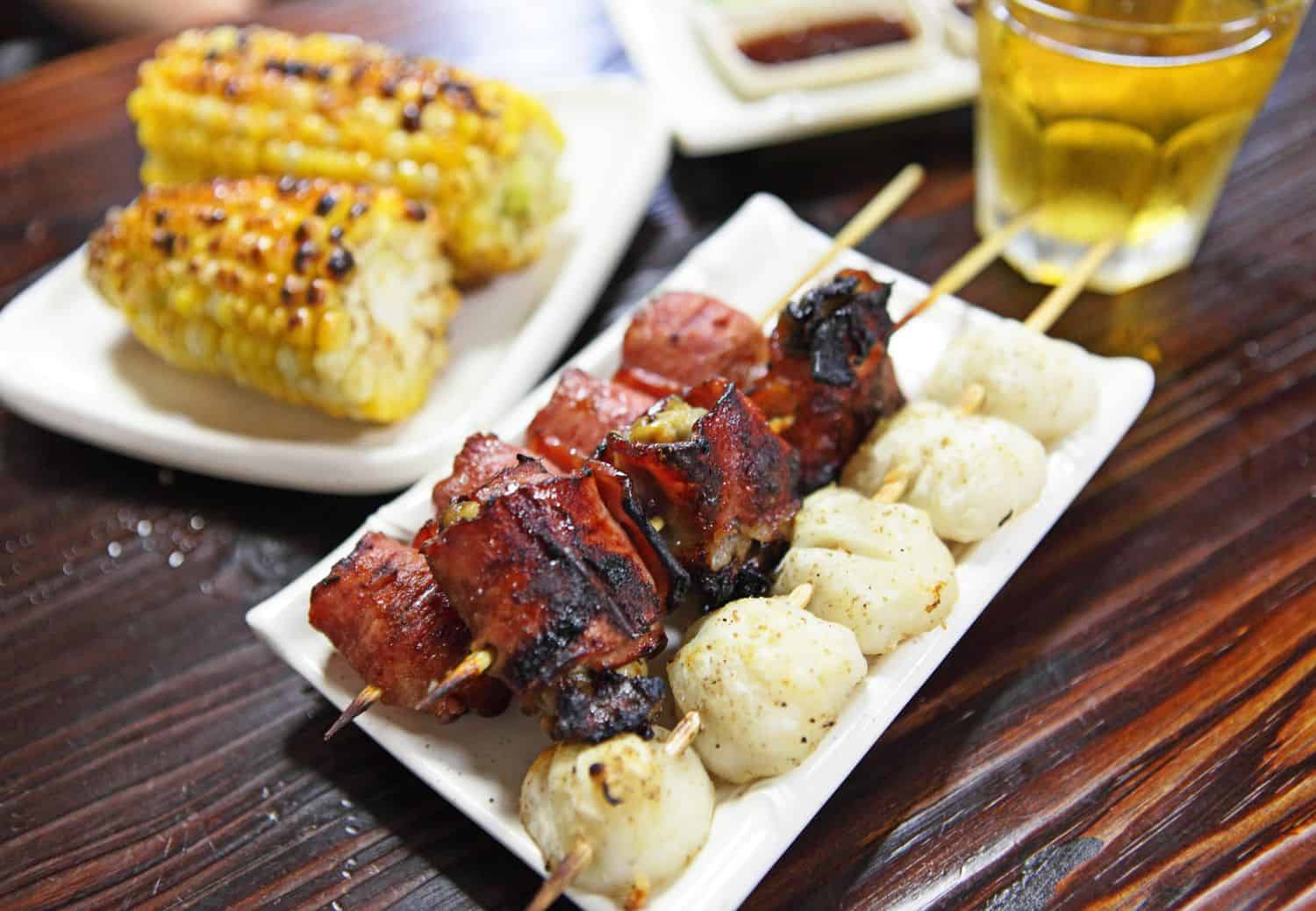
Yakitori, a classic Japanese side dish typically prepared with grilled chicken and vegetables skewered on bamboo sticks, has been enjoyed in Japan since the Edo period. Despite its humble origins as street food, this savoury delight is now served everywhere, from home meals to high-end restaurants around the world!
To make Yakitori at home:
Begin by choosing the right type of chicken, mainly chicken thigh or breast, and prepare it by cutting it into small, bite-size pieces.
Skewer the chicken onto wooden skewers and start seasoning them with a soy sauce-based marinade.
Grill the skewers over medium-high heat, turning regularly until the chicken is well browned and cooked through.
The ideal grill duration is usually between 10-15 minutes. Besides chicken, other varieties of Yakitori include chicken liver, vegetable Yakitori, and even beef or pork Yakitori.
Yakitori pairs well with different dishes like fried rice, miso soup, or even a refreshing Japanese salad. To level up your Yakitori game, try adding different dipping sauces like sweet chilli sauce, honey mustard glaze, or mix-ins like sesame seeds, green onions, or garlic. With these tips, you’ll master the art of cooking Yakitori and indulge in a culinary delight that’s full of flavour and tradition.
Korean Side Dishes
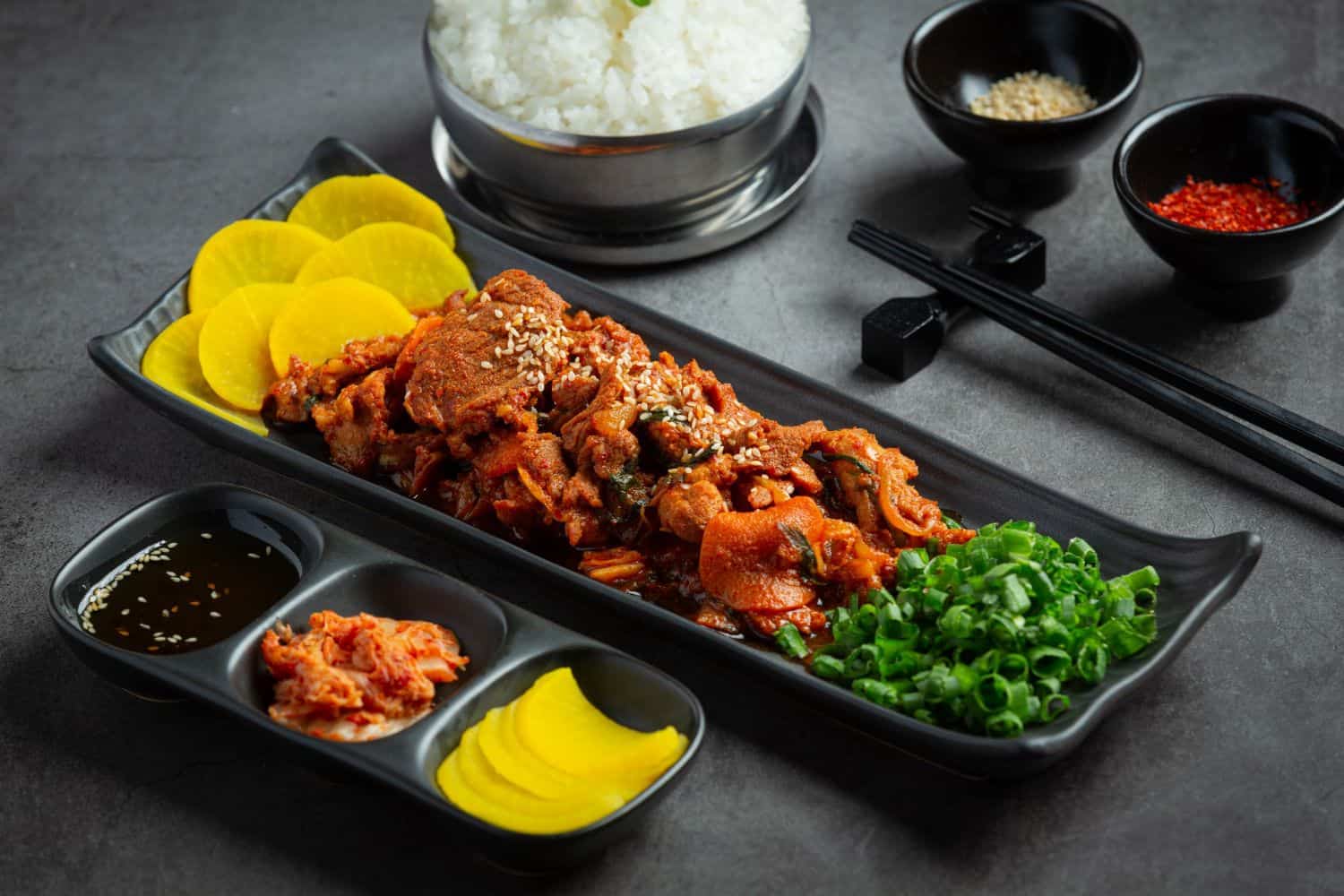
Korean side dishes —or ‘banchan,’ as they’re often called— are a vital part of the country’s cuisine. They bring together an amazing range of flavours and textures, from sweet and sour to salty and spicy! Whether you’re looking for something savoury or with a hint of tanginess, here are our top picks for some must-try Korean side dishes!
Kimchi
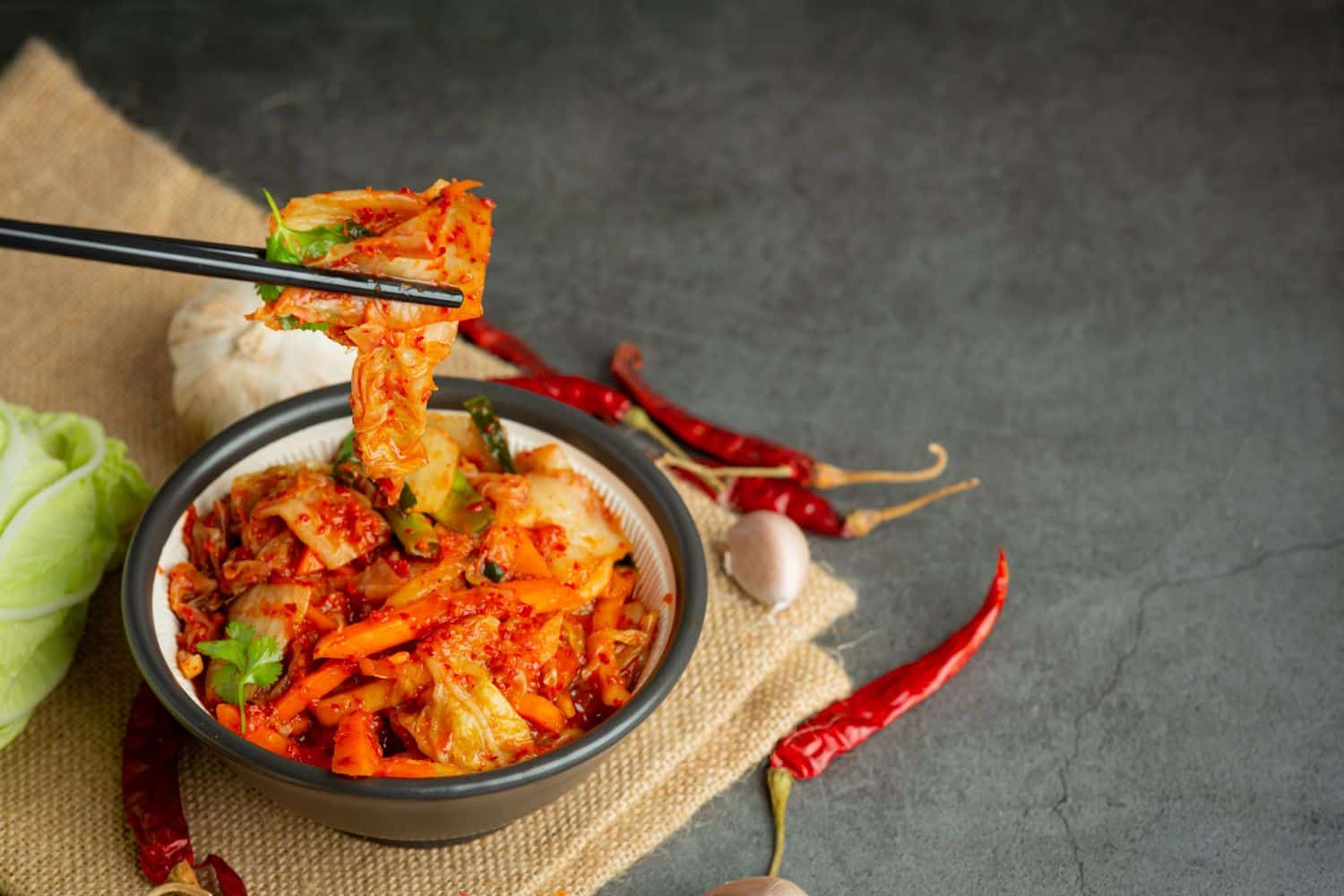
Kimchi is a beloved staple of Korean cuisine, having been consumed for centuries. This traditional dish is made from salted and fermented vegetables such as napa cabbage, radishes, scallions, and cucumbers, with each variety lending its own flavour to the mix. Traditionally prepared in large batches during harvest season and then stored underground over winter to ferment, Kimchi holds an immense cultural significance throughout South Korea that continues today!
Kimchi is much more than just a delicious accompaniment to meals. Rich in probiotics that help support healthy gut bacteria balance and digestion, this fermented dish has many health benefits! Varieties of Kimchi include Baechu Kimchi (napa cabbage), Gat Kimchi (mustard leaf), and Bossam Kimchi (wrapped Kimchi), among others.
Methods of making Kimchi vary between families and regions, but traditional Kimchi is a spicy side dish and involves salting and fermenting the vegetables in a mixture of chilli flakes, garlic, ginger, and fish sauce. It has traditionally been enjoyed as its own entity or used to enhance other dishes, including Kimchi Fried Rice and hearty stews such as Kimchi Jjigae. Contemporary recipes have experimented further by adding fruits like apples or pears for unique taste profiles, proving that this beloved staple still has much more up its sleeve!
Japchae
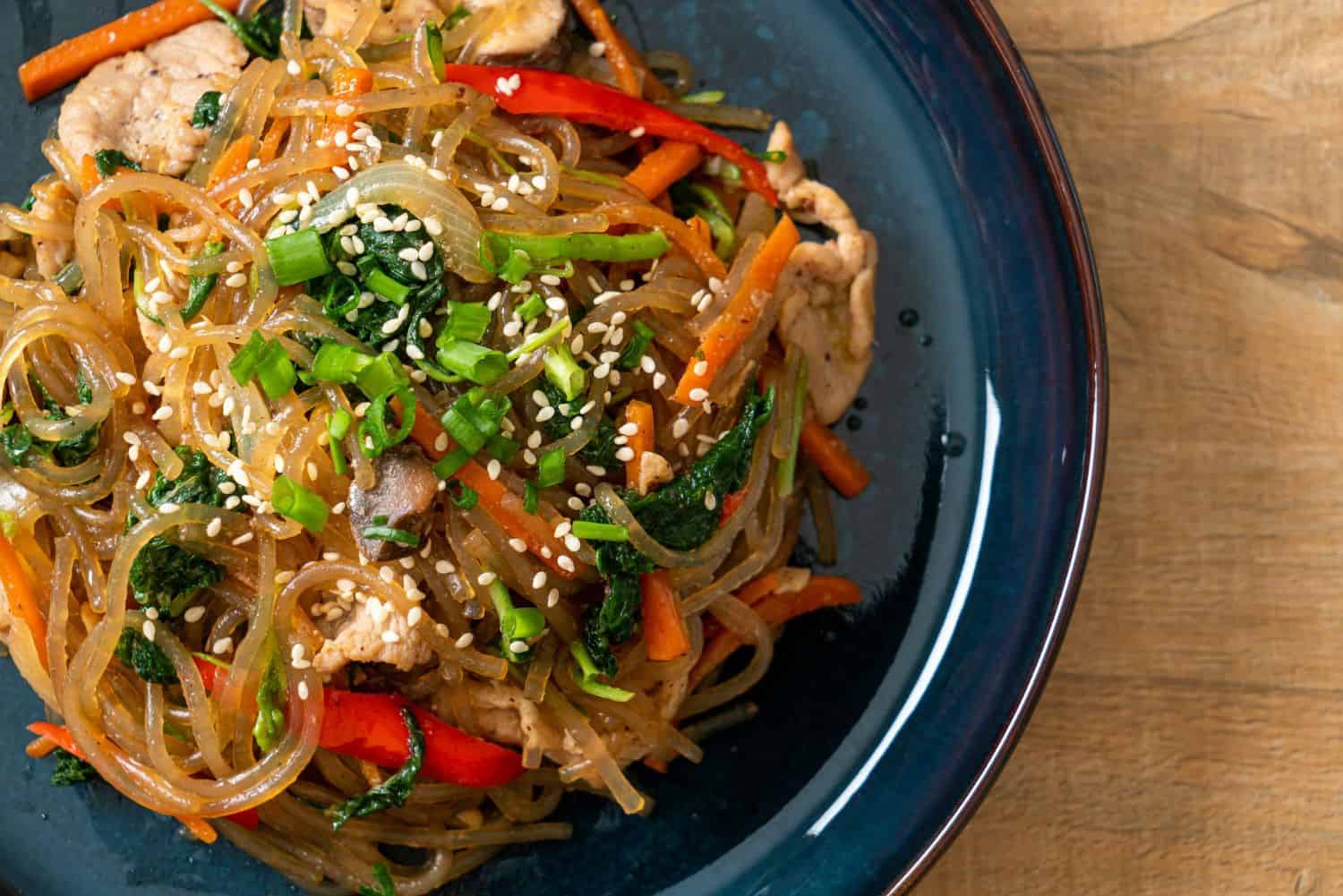
Japchae is a staple side dish in Korean cuisine that has gained immense popularity worldwide. Japchae, meaning “mixed vegetables,” was originally a noodle-less dish that dates back to the 17th century. However, sweet potato starch noodles were later added, making the delicious version we know today.
Japchae is made up of sweet potato starch noodles and stir-fried vegetables such as bell peppers, spinach, carrots, and onions. It’s also topped with delicious beef marinated in sesame oil, sugar, and soy sauce (bulgogi) for an added flavour boost, making this mouthwatering concoction impossible to resist!
Japchae is a Korean classic that packs complex flavours and textures into one dish. The mild sweetness balances out the savoury notes, while its contrasting consistencies of softness and crunch make for an interesting bite. This delectable adaptation can be served either hot or cold, plus you have the option to omit meat from your recipe to create a vegetarian version!
This side dish is quite easy to make at home, especially if you use pre-cooked noodles, which you can easily find in your local Korean market or online. The vegetables and beef are quickly pan-fried with garlic and soy sauce for a richer flavour, while the accompanying sesame oil, soy sauce, and sugar combination add sweetness, making this a versatile dish perfect as a side or a fulfilling main course!
Gamjajorim
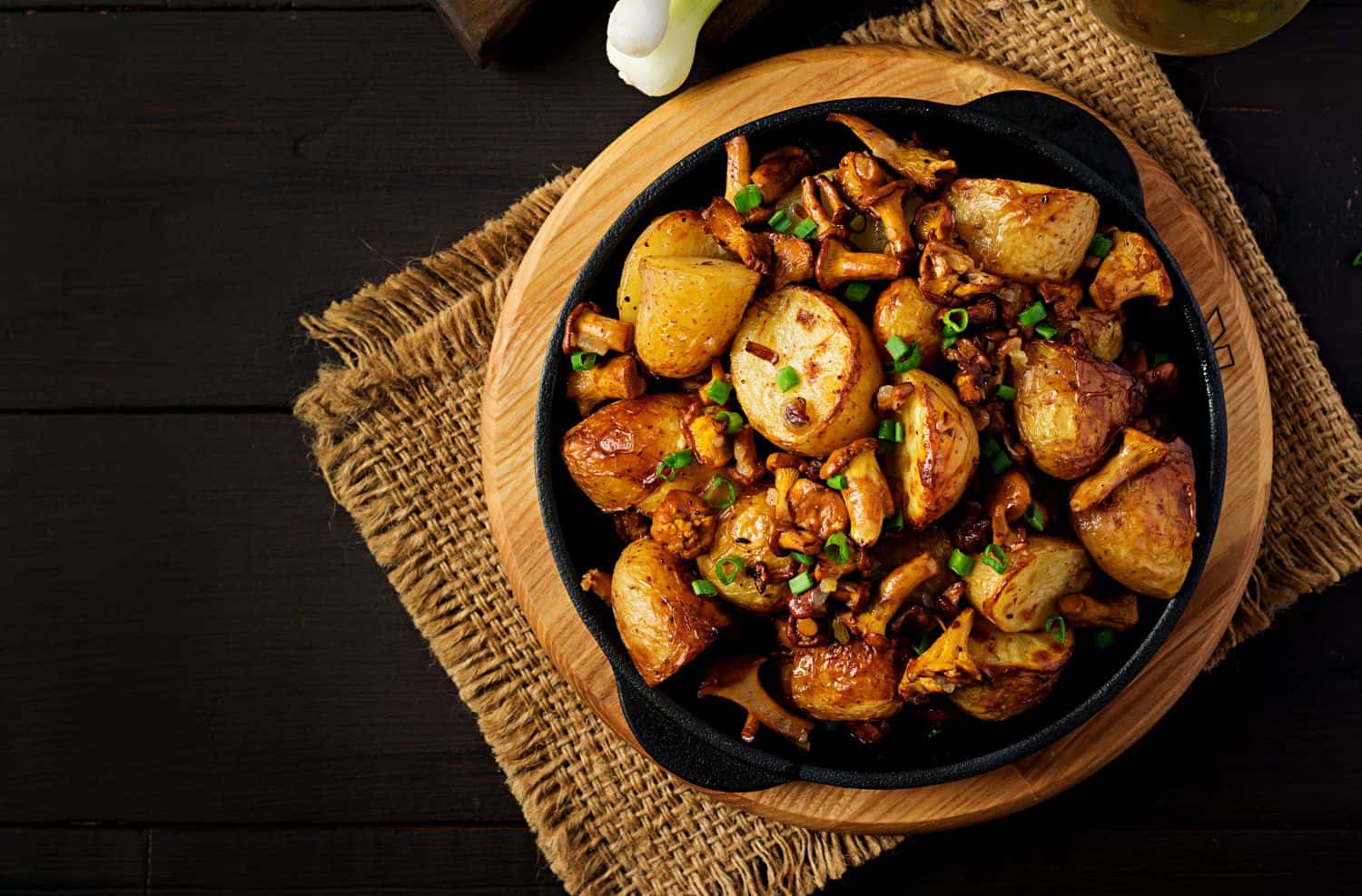
Gamjajorim, also known as Korean Braised Potatoes, is a popular and beloved side dish in South Korea. Made by braising potatoes in a deliciously sweet and savoury soy sauce, it is packed with flavour that complements simple steamed rice or makes for the perfect addition to a bento box.
The potatoes used in this dish can be regular potatoes or baby potatoes, and the key ingredients in the sauce include soy sauce, sugar, garlic, and green onions, with some variations using beef broth or kelp to richen the flavour. The potatoes are carefully cooked in this sauce until they become crispy on the outside but soft on the inside, resulting in a dish that is both hearty and satisfying.
What makes Gamjajorim special is its simplicity and versatility. It is a dish that can be enjoyed as a side dish to any meal or as a snack. Its sweet and savoury flavour is sure to please any palate and make you crave more. Overall, Gamjajorim is a delicious and easy-to-make staple in Korean cuisine that everyone should try at least once.
Chinese Side Dishes
Chinese cuisine is renowned for its bold and flavorful dishes, but its side dishes often take centre stage. From crispy vegetables to fragrant rice-based dishes or comforting stews, each bite of these classic sides offers a unique range of flavours and textures sure to tantalise your taste buds! If you’re looking for inspiration to cook creative side dish ideas with an Asian twist, check out some of the best traditional offerings from China:
Chinese Fried Rice
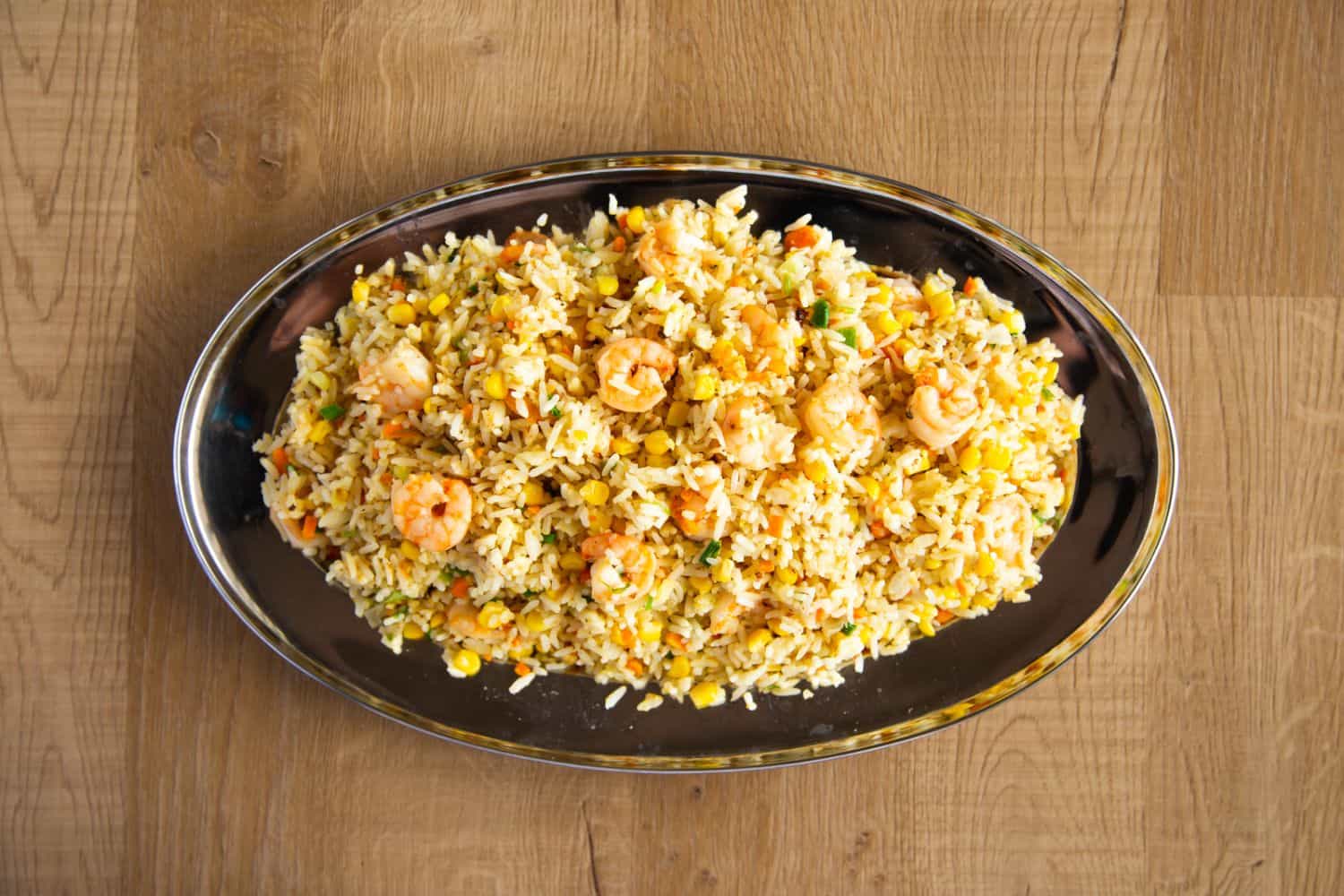
Chinese Fried Rice is a beloved side dish, delighting gastronomists all around the world with its savoury and complex flavour. The traditional preparation of Chinese fried rice consists of cooked rice stir-fried with vegetables, protein such as eggs and chicken or shrimp, and aromatics like garlic, onions, and ginger for enrichening the flavour; all rounded off by the subtle kick of soy sauce.
Chinese Fried Rice is also a versatile dish known for its customizability and meal prep potential. To get the perfect stir-fried rice, it’s better to use day-old cooked rice which separates easier than fresh wet grains due to its drier texture. Whether you prefer a vegetarian meal or one with various types of meat like sausage and BBQ pork, this tasty Asian classic can be tailored specifically for each palate with practically zero food waste!
Finally, Chinese Fried Rice is the perfect accompaniment when it comes to enjoying all of your favourite Chinese dishes like stir-fried meat and sweet and sour chicken. Its popularity has spread far beyond its birthplace in China as a mainstay on many restaurant menus around the world. If you’re looking for an irresistible burst of flavour, give this delectable dish a try!
Chinese Cucumber Salad
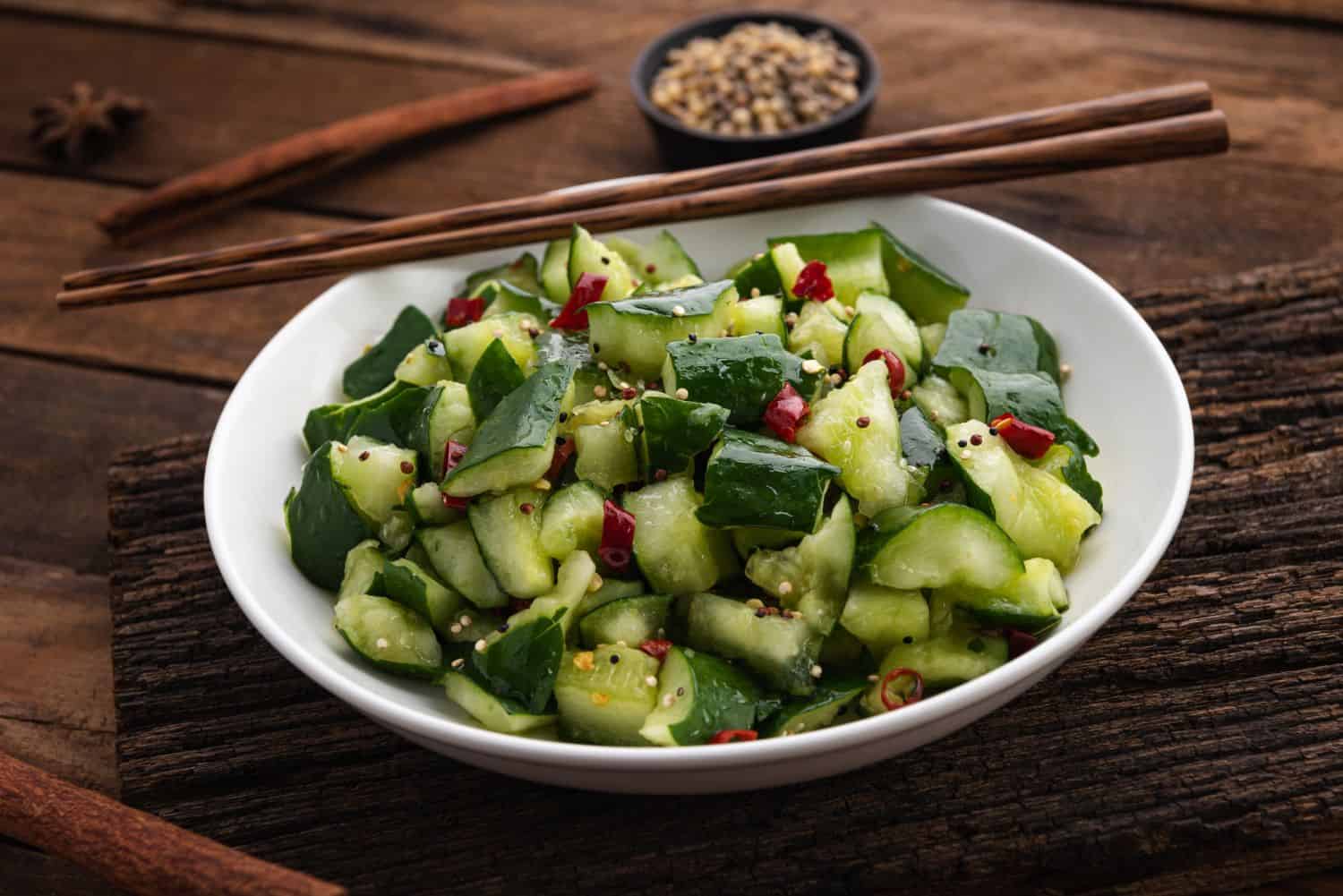
Chinese Cucumber Salad is a go-to side dish and a famous salad enjoyed around the globe. This simple yet flavourful salad is created with smashed fresh cucumbers seasoned with garlic, sugar, salt, vinegar for tanginess, sesame oil for creaminess, and chilli oil to deliver an exciting kick of spice. Each ingredient blends perfectly in the dressing to make this delightful summertime staple special!
This delicious and healthy salad packs a variety of flavours. With the addition of flavourful dried chilis, Sichuan peppercorns, cilantro, sesame seeds, or green onions, this dish is sure to tantalise your taste buds!
Overall, Chinese Cucumber Salad is a delicious and unique dish with so much to offer. Its refreshing flavour profile makes it ideal for any type of meal; light lunches, side dishes, or even an entree!
Stir-Fried Baby Bok Choy
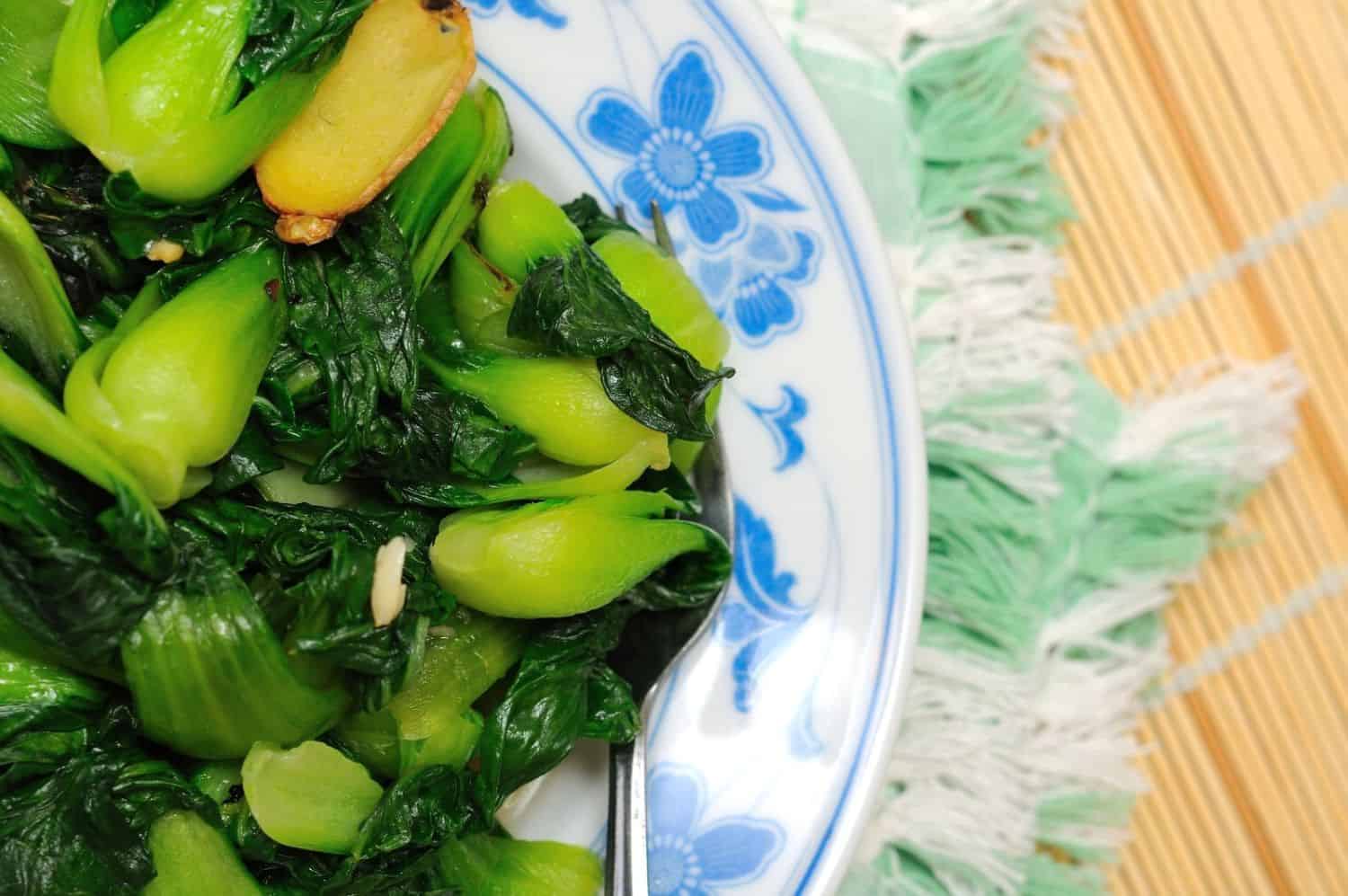
A tantalizingly healthy side dish, Baby Bok Choy stir-fry packs a flavourful punch. This Chinese classic combines the mild and slightly sweet taste of baby bok choy —a small and delicate type of cabbage— with garlic, salt, and ginger to create an unforgettable medley that retains its crisp texture even after being cooked. Perfect for any occasion or cuisine, this scrumptious addition is sure to add some deliciousness to your dining experience!
To make stir-fried baby bok choy, begin by rinsing the greens to ensure all dirt and sand are washed away. Then heat some oil in your wok, adding garlic and ginger for extra flavour before throwing in the bok choy, then fry it up over high heat until cooked through. Finally, season generously with salt to bring out its natural sweetness, and you have yourself an easy yet flavorful accompaniment that’s sure to be a hit at any dinner table!
Baby bok choy is a flavorful, nutritious addition to any diet! Each cup of this leafy vegetable contains only nine calories but packs protein, dietary fibre, essential vitamins, and minerals. This low-calorie dish is easy to prepare and sure to please even the pickiest eaters; vegetarians and meat lovers alike can enjoy its savoury flavour as an accompaniment for their main meal.
Asian side dishes are a delicious way to add more flavour and nutrition to your meals. From fiery-hot condiments of South Korea to rich stir-fries from China, there’s something for every palate! So why not explore the continent’s cuisine through some of its greatest culinary offerings next time you plan an Asian meal?


 Eman Sameh
 Maha Yassin