The invitation arrives with festive cheer: “Join us for Christmas! Bring a dish to share!” Suddenly, you’re weighing dozens of questions. Will there be oven space? What dietary needs should you consider? Which dish travels well and tastes even better after the journey? Most importantly, what will make you the culinary hero of the gathering?
In a season built around connection and celebration, the food we share transcends mere sustenance—it becomes a gesture of care, a piece of our heritage, and a thread weaving the fabric of communal joy. This comprehensive guide moves far beyond the predictable store-bought cheese platter and tired veggie tray. We’re exploring authentic Christmas potluck appetisers and dishes from around the world, tested recipes that honour tradition whilst fitting seamlessly into modern celebrations, and practical solutions for every dietary requirement.
Whether you’re headed to an office Christmas potluck, a family Noche Buena, or a festive gathering with friends, this guide delivers transport-friendly recipes, cultural food stories, and the etiquette expertise to make you the perfect guest. From classic cheese balls to Filipino lumpia, from vegan galettes to gluten-free delights, discover what to bring to a Christmas party that will leave guests asking for your recipes.
Table of Contents
Beyond the Bottle: Modern Christmas Gathering Etiquette
Classic Christmas Potluck Appetisers in UK
Arriving with a thoughtful contribution remains a cornerstone of gracious guest behaviour, but the art of festive giving extends beyond what’s nestled in your serving dish. In our era of diverse dietary needs and packed social calendars, modern Christmas party etiquette centres on communication and consideration. Before preheating your oven or shopping for ingredients, mastering these essential steps ensures your offering is helpful, appreciated, and entirely stress-free.
Understanding Your Host: Essential Questions Before You Cook
Your host juggles countless tasks whilst orchestrating a memorable celebration. A clear, considerate approach demonstrates respect and prevents common potluck pitfalls. When accepting your invitation, send a brief message asking:
“What type of dish would be most helpful?” This shows respect for their menu planning and prevents the classic scenario where five guests all bring dessert whilst the appetiser table sits bare. Understanding whether they need Christmas potluck appetisers, substantial sides, or sweet treats guides your culinary contribution perfectly.
“Are there any allergies or major dietary restrictions I should know about?” This single question matters most. It’s infinitely better to ask upfront than for a guest to go hungry or face an allergic reaction. When testing recipes for gatherings, we always note potential allergens prominently—this attention to detail makes everyone feel included at the festive table.
“Will I have access to kitchen facilities for reheating?” This practical consideration dictates what you can realistically prepare. A dish requiring 30 minutes of oven time upon arrival can create logistical chaos for a busy host managing multiple courses. Room-temperature dishes or those needing only brief microwaving often prove most valuable.
Chef’s Tip: After preparing dozens of Christmas potluck recipes, we’ve learned that the most appreciated dishes are those requiring minimal host intervention. A stunning roasted vegetable and grain salad, an elegant charcuterie board, or perfectly portable appetisers that shine at room temperature frequently garner more praise than another hot dish competing for precious oven space.
Thoughtful Gifts Beyond Food
Sometimes the host has every dish covered. In these instances, insisting on bringing food adds unnecessary stress. Instead, demonstrate appreciation with gifts requiring zero kitchen real estate:
Artisan breakfast hamper: Premium coffee, specialty jams, and fresh sourdough for them to enjoy the morning after
Elegant linen napkins: Beautiful and practical for immediate use and future gatherings
Curated festive playlist: Create a Spotify collection and share it beforehand to help set the celebratory mood
The cleanup offer: Often the most valuable gift you can give a tired host at evening’s end
Navigating Dietary Needs with Grace
Whether you have dietary requirements yourself or are cooking for others who do, clarity proves essential. When bringing allergen-free dishes, prepare a simple label. A card stating “Vegan Roasted Vegetable Galette (cashew cream contains tree nuts)” allows guests to serve themselves confidently. This considerate act ensures everyone feels welcomed and cared for at the festive table.
Crowd-Pleasing Christmas Potluck Appetisers: UK & US Classics
These tested, transport-friendly recipes represent the heart of Anglo-American Christmas celebrations. We’ve refined each dish specifically for potlucks, addressing common challenges like maintaining texture during transport and ensuring spectacular presentation after the journey.
Classic Cheese Balls: The Timeless Crowd-Pleaser
When testing Christmas potluck appetisers, the humble cheese ball consistently emerges as a champion. This savoury blend of cream cheese, sharp cheddar, and aromatic spices offers make-ahead convenience whilst delivering impressive flavour. After preparing this recipe multiple times, we’ve discovered the secret lies in using room-temperature cheese and allowing proper chilling time for the flavours to meld beautifully.
Why This Recipe Works for Gatherings: Cheese balls improve with age, making them perfect for advance preparation. They require no reheating, travel exceptionally well, and pair with everything from crackers to crudités. The exterior coating adds textural contrast and prevents the cheese from becoming sticky during transport.
Ingredients
250g cream cheese, softened to room temperature
200g sharp cheddar cheese, finely shredded
1 tablespoon Worcestershire sauce
1 teaspoon garlic powder
1 teaspoon onion powder
½ teaspoon smoked paprika (optional, for depth)
100g chopped nuts (pecans or almonds work beautifully)
25g fresh parsley, finely chopped
Assorted crackers or toast points for serving
Instructions
Combine cream cheese, cheddar, Worcestershire sauce, garlic powder, onion powder, and paprika in a mixing bowl. Using a hand mixer, blend until thoroughly combined and fluffy—approximately 2-3 minutes.
Shape the mixture into a ball using cling film, wrap tightly, and refrigerate for at least 3 hours or overnight. This firming stage is crucial for easy coating.
Combine chopped nuts and parsley in a shallow dish. Unwrap the chilled cheese ball and roll it in the nut mixture, pressing gently to ensure complete, even coverage.
Transport in a sealed container with crackers packed separately to maintain crispness.
Chef’s Variation: For a festive twist, replace half the parsley with dried cranberries and add ½ teaspoon of orange zest to the cheese mixture. The sweet-tart cranberries complement the savoury cheese beautifully and add visual Christmas appeal.
Brie and Cranberry Puff Pastries: Elegant Simplicity
These golden parcels represent sophistication in miniature form. After testing various fillings and folding techniques, we’ve perfected a method that prevents leaking whilst ensuring the pastry achieves that coveted golden-brown flakiness. The combination of creamy brie, tart cranberry sauce, and buttery pastry creates flavour harmony that feels both indulgent and balanced.
Transport Tip: Bake these beauties the morning of your gathering, then transport in a single layer. They’re delicious at room temperature, but if your host has oven space, a quick 5-minute reheat at 180°C restores their just-baked glory.
Make-Ahead Strategy: Assemble these completely, freeze on a baking sheet until solid, then transfer to freezer bags. Bake directly from frozen, adding 3-4 minutes to the cooking time.
Bacon-Wrapped Stuffed Mushrooms: Umami Perfection
Classic Christmas Potluck Appetisers in UK
These savoury morsels deliver intense flavour in every bite. When testing this recipe, we discovered that removing the mushroom stems and gills creates maximum filling capacity, whilst par-cooking the bacon prevents sogginess without sacrificing that essential crispy texture.
Ingredients
16 large button mushrooms (approximately 500g), stems removed
16 rashers smoked streaky bacon
120g cream cheese, softened
50g Parmesan cheese, finely grated
2 garlic cloves, minced
¼ teaspoon black pepper
¼ teaspoon smoked paprika
¼ teaspoon onion powder
2 tablespoons fresh parsley, finely chopped
Wooden cocktail sticks
Instructions
Preheat oven to 190°C (170°C fan). Line a baking sheet with foil for easy cleanup.
Use a teaspoon to gently remove the dark gills from each mushroom cap, creating more space for filling.
In a bowl, thoroughly combine cream cheese, Parmesan, garlic, pepper, paprika, and onion powder until smooth.
Fill each mushroom cap generously with the cheese mixture, mounding slightly in the centre.
Wrap each stuffed mushroom with a bacon rasher, securing with a cocktail stick. Tuck the bacon ends underneath.
Arrange on the prepared baking sheet and sprinkle with chopped parsley.
Bake for 22-25 minutes until bacon is crispy and mushrooms are tender. If bacon needs additional crisping, place under a hot grill for 1-2 minutes.
Transporting Wisdom: These travel best when slightly warm rather than piping hot. The cheese filling sets slightly, making them easier to handle whilst retaining that irresistible bacon crunch.
Festive Deviled Eggs: Classic Reinvented
Classic Christmas Potluck Appetisers in UK
Deviled eggs transcend trends because they simply work. After preparing countless variations, we’ve refined the filling ratio and discovered that a touch of Dijon mustard provides complexity whilst white vinegar adds subtle brightness. These Christmas potluck appetisers can be prepared entirely ahead, with assembly taking mere minutes before departure.
Ingredients
8 large eggs
60ml mayonnaise (use quality mayo for best results)
1½ teaspoons Dijon mustard
½ teaspoon white wine vinegar
¼ teaspoon fine salt
¼ teaspoon black pepper
¼ teaspoon garlic powder
¼ teaspoon onion powder
Smoked paprika for dusting
Fresh chives, finely chopped, for garnish
Instructions
Place eggs in a single layer in a saucepan. Cover with cold water by 2.5cm. Bring to a rolling boil over high heat.
Once boiling, remove from heat, cover, and let stand for 12 minutes exactly. This timing produces perfectly cooked yolks without that grey-green ring.
Transfer eggs immediately to an ice bath. Cool completely (approximately 10 minutes) before peeling under cold running water.
Slice eggs lengthwise. Carefully remove yolks to a bowl, keeping whites intact.
Mash yolks thoroughly with a fork. Add mayonnaise, mustard, vinegar, salt, pepper, garlic powder, and onion powder. Mix until completely smooth and creamy.
Spoon or pipe the yolk mixture back into whites. A piping bag with a star tip creates an elegant presentation.
Dust each egg with smoked paprika and garnish with fresh chives.
Transport Solution: A purpose-made deviled egg carrier proves invaluable, but you can also secure eggs in a shallow container lined with damp kitchen paper to prevent sliding.
Pigs in a Blanket: Nostalgic Perfection
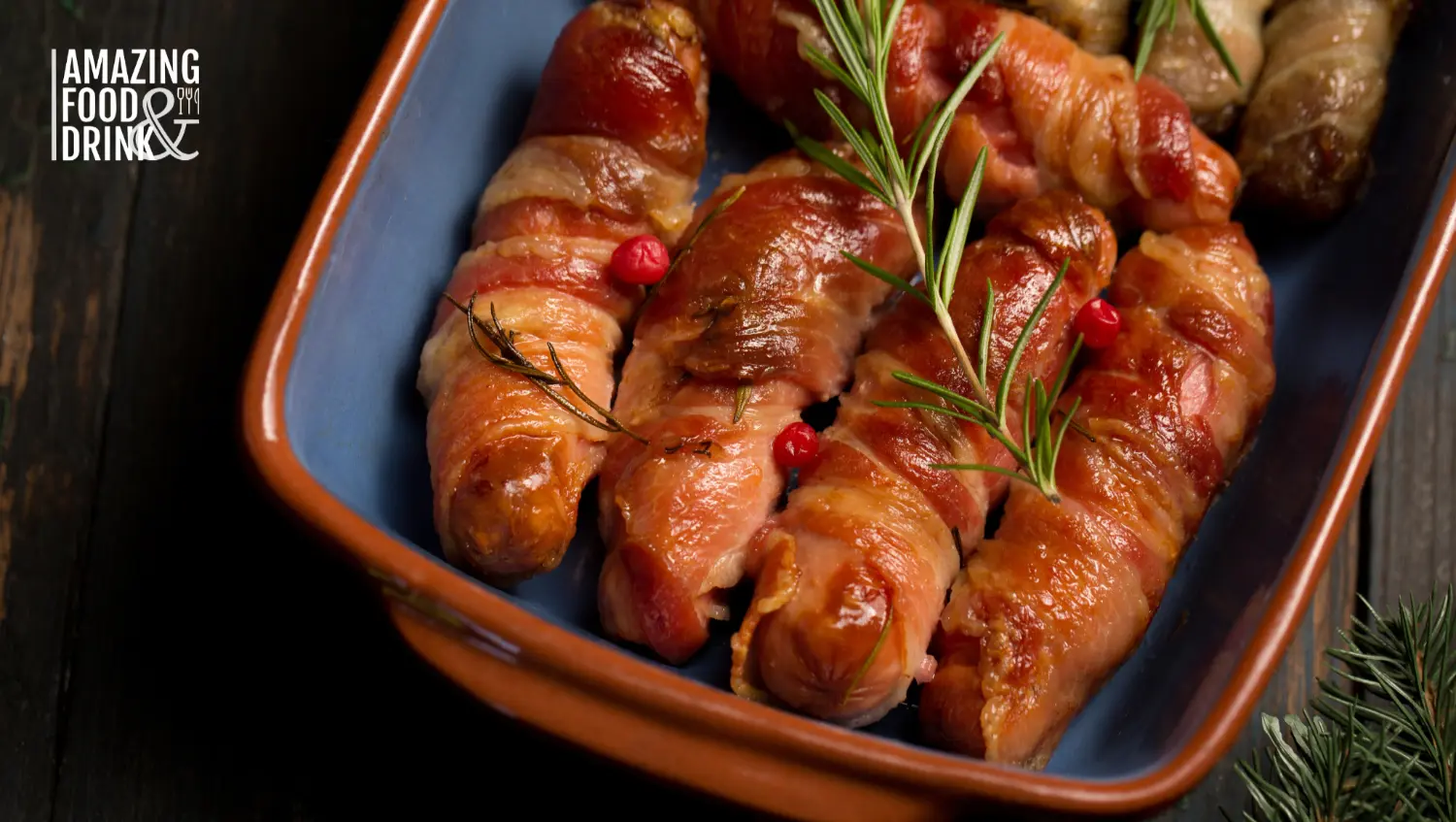
These playful bites bridge generations at Christmas gatherings. Children adore them, adults secretly love them, and they disappear faster than any sophisticated canapé. When testing this recipe, we discovered that cutting the dough triangles smaller than package instructions creates a better pastry-to-sausage ratio.
Ingredients
400g cocktail sausages (chipolatas work brilliantly)
1 tube refrigerated crescent roll dough (approximately 230g)
Dijon mustard for brushing (optional but recommended)
Sesame or poppy seeds for sprinkling
Ketchup and wholegrain mustard for serving
Instructions
Preheat oven to 190°C (170°C fan). Line a baking sheet with baking parchment.
If using larger sausages, parboil for 3 minutes, then drain and pat completely dry. Cocktail sausages can be used directly.
Unroll crescent dough. Rather than separating into pre-cut triangles, cut each triangle into three thinner strips.
If desired, brush each dough strip lightly with Dijon mustard before wrapping—this adds incredible flavour depth.
Wrap each sausage in a dough strip, starting at one end and spiralling toward the other. Place seam-side down on the prepared baking sheet.
Sprinkle with sesame or poppy seeds for visual appeal and textural interest.
Bake for 13-15 minutes until golden brown and puffed.
Serving Suggestion: Present these on a wooden board with small ramekins of condiments. Their simplicity is their charm—resist the urge to complicate perfection.
A Taste of the Philippines: Noche Buena Christmas Traditions
Classic Christmas Potluck Appetisers in UK
The Filipino Christmas celebration extends far beyond a single day, encompassing a rich tapestry of traditions, family gatherings, and spectacular feasts. Central to this celebration is Noche Buena, the midnight feast following Christmas Eve Mass. This meal represents more than sustenance—it symbolises gratitude, family unity, and the Filipino value of pakikipagkapwa-tao (regard for others).
The Cultural Heart of Filipino Christmas Feasting
In Filipino culture, bringing food to a gathering transcends mere contribution—it expresses love, respect, and community belonging. The dishes prepared for Noche Buena often represent hours of family collaboration, with recipes passed through generations and techniques taught from grandmother to grandchild. These Christmas potluck appetisers and main dishes carry stories, memories, and cultural pride.
According to traditional Filipino culinary practices, the variety of dishes reflects abundance and prosperity—salu-salo (communal eating) brings families together in the most meaningful way possible. When attending a Filipino Christmas gathering, bringing authentic dishes demonstrates cultural respect and appreciation.
Lumpiang Shanghai: Crispy Pork Spring Rolls
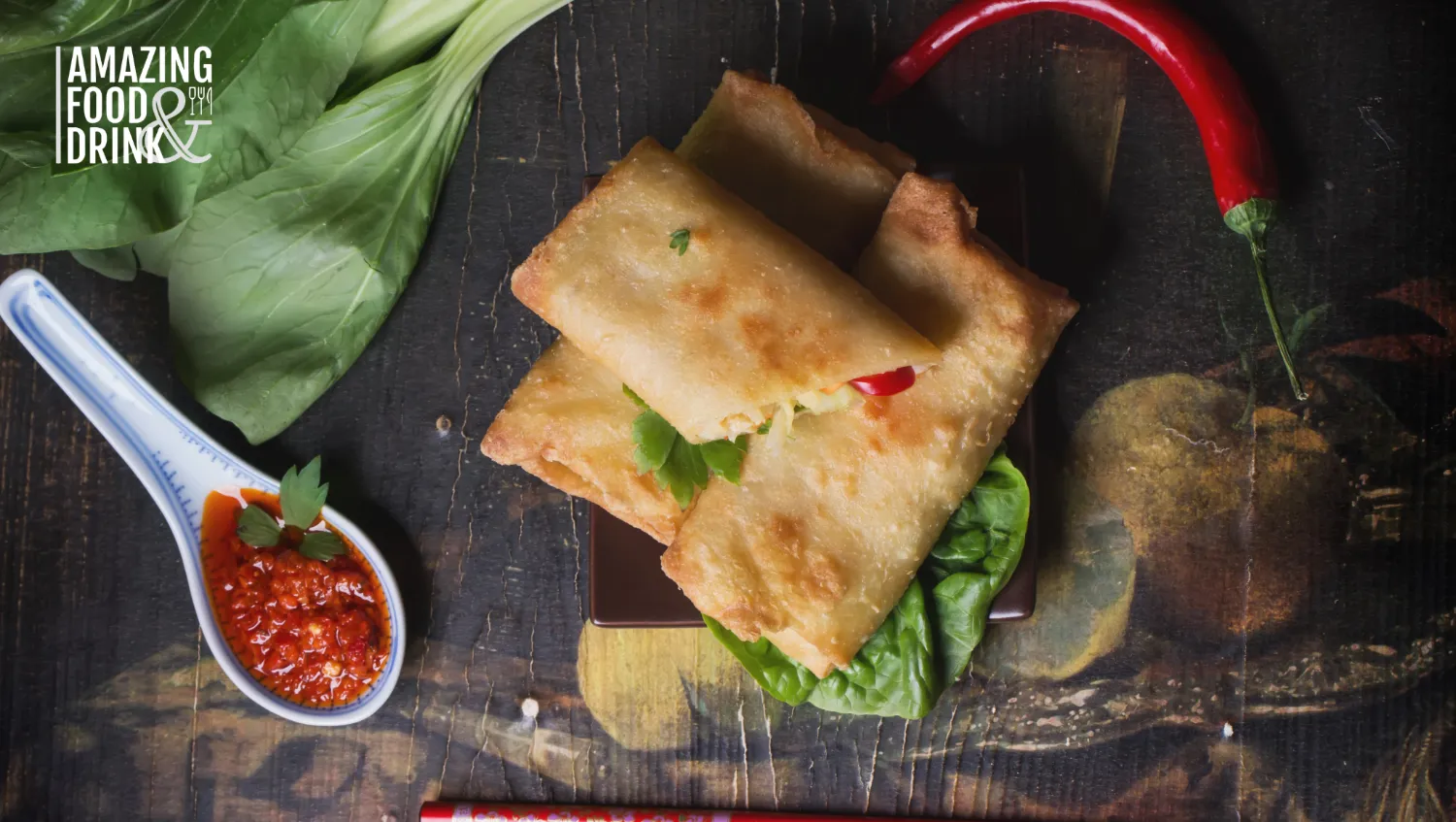
These golden, crispy spring rolls rank among the most beloved Filipino appetisers. After learning traditional preparation methods from Filipino home cooks, we’ve discovered that the secret to truly exceptional lumpia lies in seasoning the filling assertively and achieving paper-thin wrapper crispness through proper frying technique.
Why This Recipe Works: Lumpia can be completely assembled ahead and frozen, then fried straight from the freezer. They maintain crispness remarkably well, making them ideal Christmas potluck appetisers that travel beautifully and reheat successfully.
Ingredients
For the Filling:
500g minced pork
100g raw prawns, finely chopped
1 medium carrot, very finely diced
3 spring onions, finely chopped
3 garlic cloves, minced
1 egg, lightly beaten
2 tablespoons soy sauce
1 tablespoon fish sauce
1 teaspoon ground black pepper
½ teaspoon sugar
For Assembly:
25-30 lumpia wrappers (spring roll wrappers)
1 egg, beaten (for sealing)
Vegetable oil for deep frying
For the Sauce:
120ml sweet chilli sauce
2 tablespoons rice vinegar
1 garlic clove, minced
Instructions
Combine all filling ingredients in a large bowl. Mix thoroughly with your hands until well incorporated. The mixture should be cohesive but not pasty.
Lay one lumpia wrapper on a clean surface with a corner pointing toward you (diamond orientation). Place approximately 2 tablespoons of filling in a horizontal line about 5cm from the bottom corner.
Fold the bottom corner over the filling, then fold in the left and right corners to enclose the sides. Roll tightly toward the top corner. Brush the top corner with beaten egg to seal. Repeat with remaining wrappers and filling.
At this point, lumpia can be frozen in a single layer on a baking sheet, then transferred to freezer bags for storage up to 2 months.
Heat oil to 175°C in a deep pan or wok—the oil should be at least 5cm deep. Fry lumpia in batches of 5-6 (don’t overcrowd) for 4-5 minutes until deep golden brown, turning once. If frying from frozen, add 1-2 minutes to cooking time.
Drain on kitchen paper. Serve warm or at room temperature with dipping sauce made by mixing sweet chilli sauce, rice vinegar, and minced garlic.
Cultural Note: In many Filipino families, lumpia-making becomes a communal activity, with multiple family members assembling rolls together whilst sharing stories and laughter. This collaborative preparation embodies the spirit of Filipino hospitality.
Embutido: Filipino-Style Meatloaf
Embutido represents Filipino culinary creativity—a Spanish-inspired meatloaf enriched with distinctive Filipino ingredients like raisins and cheese. This festive centrepiece appears at almost every Noche Buena celebration. When sliced, the colourful egg centre creates a stunning presentation that never fails to impress.
Ingredients
750g minced pork
200g minced beef
150g sweet ham, finely diced
100g cheddar cheese, finely diced
75g raisins
1 large carrot, finely grated
1 medium onion, very finely chopped
4 garlic cloves, minced
3 hard-boiled eggs, peeled
2 raw eggs, beaten
80ml evaporated milk
60g breadcrumbs
2 tablespoons soy sauce
1 tablespoon brown sugar
1 teaspoon black pepper
1 teaspoon salt
Aluminium foil for wrapping
Instructions
Combine minced pork, beef, ham, cheese, raisins, carrot, onion, garlic, beaten eggs, evaporated milk, breadcrumbs, soy sauce, sugar, pepper, and salt in a large bowl. Mix thoroughly until all ingredients are evenly distributed.
Lay out a 45cm × 30cm piece of aluminium foil. Spread half the meat mixture into a rectangle approximately 25cm × 20cm in the centre of the foil.
Arrange the hard-boiled eggs end-to-end lengthwise down the centre of the meat rectangle.
Cover eggs with remaining meat mixture, shaping into a log and ensuring eggs are completely enclosed.
Wrap the foil tightly around the embutido, twisting the ends securely like a large sweet wrapper.
Steam the wrapped embutido for 90 minutes. You can use a steamer basket or create a makeshift steamer with a large pot, water, and a trivet to elevate the embutido above the water.
Remove from steamer and cool to room temperature. Refrigerate for at least 3 hours or overnight—this firms the loaf and makes slicing effortless.
When ready to serve, unwrap and slice into 1.5cm rounds. Serve cold or at room temperature, or pan-fry slices in a little oil until golden on both sides.
Transport Strategy: Transport the embutido wrapped in its foil, then slice at the party for maximum freshness and visual impact. The colourful egg centre creates conversation and admiration.
Leche Flan: Silken Caramel Custard
Classic Christmas Potluck Appetisers in UK
This velvety custard crowned with dark caramel represents Filipino dessert mastery. Richer and denser than Spanish flan due to the use of evaporated and condensed milk plus egg yolks exclusively, leche flan achieves a luxurious texture that melts on the tongue. After perfecting this recipe through multiple iterations, we’ve found that gentle steaming produces the smoothest texture.
Ingredients
For the Caramel:
200g caster sugar
60ml water
For the Custard:
10 large egg yolks
370ml evaporated milk
397g tin condensed milk
2 teaspoons vanilla extract
Finely grated zest of 1 lemon (optional but traditional)
Instructions
Prepare a llanera (oval tin) or 20cm round cake tin by having it ready near your cooktop.
For the caramel, combine sugar and water in a heavy-bottomed saucepan. Heat over medium without stirring until sugar dissolves completely. Increase heat and boil until the mixture turns deep amber—watch carefully as it can burn quickly.
Immediately pour caramel into your tin, tilting to coat the bottom evenly. Work quickly as caramel sets fast. Set aside to harden completely.
In a large bowl, whisk egg yolks gently to break them up without incorporating too much air.
Add evaporated milk, condensed milk, vanilla, and lemon zest. Whisk gently until completely smooth. Strain the mixture through a fine-mesh sieve into a jug—this removes any eggy bits and ensures silken texture.
Pour custard mixture over the set caramel in your tin. Cover tightly with aluminium foil.
Steam for 45-55 minutes (for a 20cm tin) until the centre is set but still slightly wobbly. A key technique learned from Filipino cooks: avoid lifting the lid during steaming, as temperature fluctuations cause bubbles and uneven texture.
Remove from steamer and cool to room temperature. Refrigerate for at least 6 hours or overnight.
To unmould, run a knife around the edge, place a serving plate on top, and quickly invert. The caramel will cascade down the sides gloriously.
Cultural Insight: Leche flan appears at virtually every Filipino celebration—from birthdays to Christmas to town fiestas. Its presence signals festivity and abundance. Many families have a cherished llanera passed through generations, each scratch and dent carrying memories of past celebrations.
Festive Flavours from Around the World
Christmas celebrations span continents, each culture bringing unique culinary traditions to the festive season. These international recipes showcase global Christmas appetisers and dishes that travel well and introduce guests to authentic flavours beyond traditional Anglo-American fare.
From Italy: Panettone Bread and Butter Pudding
Transforming Italy’s iconic Christmas bread into a luxurious pudding creates magic. After testing various ratios, we’ve perfected a version that showcases panettone’s delicate sweetness whilst achieving proper pudding richness. The candied fruits and light texture of panettone elevate this beyond ordinary bread pudding.
Ingredients
500g panettone, cut into 3cm cubes
500ml double cream
250ml whole milk
5 large eggs
120g caster sugar
2 teaspoons vanilla extract
Finely grated zest of 1 orange
50g butter, melted
2 tablespoons amaretto (optional)
Icing sugar for dusting
Fresh berries for serving
Instructions
Butter a 20cm × 30cm baking dish. Arrange panettone cubes in the dish—they can overlap slightly.
Whisk together cream, milk, eggs, sugar, vanilla, orange zest, and amaretto until well combined.
Pour custard mixture over the panettone, pressing down gently to ensure all bread absorbs liquid. Let stand for 20 minutes.
Preheat oven to 180°C (160°C fan).
Drizzle melted butter over the top. Bake for 35-40 minutes until golden on top and set in the centre with a slight wobble.
Cool for 15 minutes. Dust with icing sugar and serve warm or at room temperature with fresh berries.
Tamales represent Mexican celebration, with Christmas Eve tamaladas (tamale-making gatherings) bringing families together. These vegetarian versions filled with earthy mushrooms and cheese offer a festive option that travels superbly and reheats beautifully.
Ingredients
For the Dough (masa):
500g masa harina (corn flour for tamales)
400ml warm vegetable stock
180g lard or vegetable shortening
1 teaspoon baking powder
1½ teaspoons salt
30-40 dried corn husks, soaked in hot water for 30 minutes
For the Filling:
400g mushrooms (mixed varieties), finely chopped
200g Oaxaca or mozzarella cheese, shredded
1 medium onion, finely chopped
3 garlic cloves, minced
2 poblano chillies, roasted, peeled, and diced
2 tablespoons vegetable oil
1 teaspoon cumin
Salt and pepper
Instructions
For the filling, heat oil in a large pan. Sauté onion until softened, add garlic and cook for 1 minute. Add mushrooms, season well, and cook until all liquid evaporates. Stir in cumin and poblano chillies. Cool completely.
For the dough, beat lard until fluffy (approximately 3 minutes). In a separate bowl, combine masa harina, baking powder, and salt. Alternately add dry ingredients and warm stock to the lard, mixing until a soft, spreadable dough forms. Test: a small piece should float in cold water.
Drain corn husks and pat dry. Take one husk (use two overlapping if small) and spread approximately 3 tablespoons of masa in the centre, leaving a 5cm border at the narrow end and 2cm on the sides.
Place 2 tablespoons of mushroom filling down the centre of the masa. Top with a bit of cheese.
Fold the long sides of the husk toward the centre, then fold up the narrow end. Stack tamales upright in a steamer basket.
Steam for 60-75 minutes until masa pulls away cleanly from the husk.
Transport Wisdom: Keep tamales in their husks until serving. They stay warm for hours wrapped in a kitchen towel inside a cooler.
From Germany: Traditional Lebkuchen
These spiced German gingerbread cookies embody Christmas in every aromatic bite. Unlike standard gingerbread, lebkuchen achieves a unique texture—simultaneously soft and slightly chewy—through the use of honey and ground nuts. When testing this recipe, we discovered that allowing the dough to rest overnight dramatically improves both flavour and texture.
Ingredients
200g clear honey
180g dark brown sugar
100g butter
350g plain flour
100g ground almonds or hazelnuts
2 teaspoons ground cinnamon
1 teaspoon ground ginger
½ teaspoon ground cloves
½ teaspoon ground nutmeg
1 teaspoon baking powder
½ teaspoon bicarbonate of soda
Finely grated zest of 1 lemon
Finely grated zest of 1 orange
2 large eggs
50g candied orange peel, finely chopped
For the Glaze:
200g icing sugar
3-4 tablespoons lemon juice
Whole blanched almonds for decoration
Instructions
Heat honey, sugar, and butter in a saucepan until butter melts and sugar dissolves. Cool to room temperature.
Combine flour, ground nuts, spices, baking powder, bicarbonate of soda, and citrus zests in a large bowl.
Add cooled honey mixture, eggs, and candied peel to dry ingredients. Mix until a soft dough forms. Wrap in cling film and refrigerate overnight—this is crucial for proper texture.
Preheat oven to 180°C (160°C fan). Line baking sheets with baking parchment.
On a floured surface, roll dough to 8mm thickness. Cut into rectangles approximately 6cm × 8cm or use cookie cutters.
Arrange on prepared sheets, spacing 3cm apart. Press an almond into each biscuit’s centre.
Bake for 12-15 minutes until just set—they’ll firm as they cool. Don’t overbake.
For the glaze, whisk icing sugar and lemon juice until smooth. Brush warm cookies with glaze.
Cultural Note: In German Christmas markets, lebkuchen often come decorated with elaborate icing designs and are sold in decorative tins. They improve with age, becoming softer and more flavourful after several days—making them perfect make-ahead Christmas potluck appetisers or treats.
The Complete Guide to Dietary-Friendly Christmas Dishes
Creating inclusive Christmas potluck appetisers and dishes ensures every guest feels welcomed and valued. These recipes aren’t afterthoughts or compromises—they’re standout dishes that happen to accommodate specific dietary needs whilst delivering spectacular flavour everyone will enjoy.
Roasted Root Vegetable Galette with Herbed Cashew Cream (Vegan)
Classic Christmas Potluck Appetisers in UK
This stunning free-form tart showcases winter vegetables in their glory. After testing this recipe extensively, we’ve perfected a vegan pastry that’s genuinely flaky and a cashew cream that rivals any dairy-based sauce. The visual appeal alone makes this a showstopping centrepiece.
125g vegan butter (use quality brand), cold and cubed
4-5 tablespoons ice-cold water
½ teaspoon salt
For the Filling:
3 medium beetroots, thinly sliced
2 medium parsnips, thinly sliced
2 large carrots, thinly sliced
1 small celeriac, thinly sliced
3 tablespoons olive oil
2 teaspoons fresh thyme leaves
Salt and pepper
For the Cashew Cream:
150g raw cashews, soaked for 4 hours
120ml water
2 tablespoons nutritional yeast
1 tablespoon lemon juice
1 garlic clove
2 tablespoons fresh herbs (dill, parsley, chives)
Salt and pepper
Instructions
For the pastry, pulse flour and salt in a food processor. Add cold vegan butter and pulse until resembling breadcrumbs. Add ice water gradually until dough just comes together. Shape into a disc, wrap, and refrigerate for 30 minutes.
Preheat oven to 200°C (180°C fan). Line a large baking sheet with parchment.
Toss all sliced vegetables with olive oil, thyme, salt, and pepper.
For the cashew cream, drain soaked cashews and blend with water, nutritional yeast, lemon juice, garlic, herbs, salt, and pepper until completely smooth—this may take 2-3 minutes in a high-powered blender.
Roll pastry into a rough 35cm circle on the prepared baking sheet. Spread cashew cream over the pastry, leaving a 5cm border.
Arrange vegetables in overlapping concentric circles on the cream. Fold the pastry border over the vegetables, pleating as you go.
Brush pastry edges with olive oil. Bake for 40-45 minutes until vegetables are tender and pastry is golden.
Cool for 10 minutes before slicing. Serve warm or at room temperature.
Why This Works: The earthy sweetness of roasted roots paired with tangy cashew cream creates flavour complexity that satisfies vegans and omnivores equally. The galette travels beautifully and can be served at any temperature.
Crispy Polenta Bites with Wild Mushroom Ragout (Gluten-Free)
These elegant morsels deliver maximum flavour impact in a gluten-free package. The crispy polenta base provides textural contrast to the rich, earthy mushroom topping. When testing this recipe, we discovered that chilling the polenta until completely firm ensures clean cutting and perfect crisping.
Dietary Benefits: Naturally gluten-free, vegetarian, can be made vegan
Ingredients
For the Polenta:
1 litre vegetable stock
200g quick-cook polenta
50g Parmesan cheese, finely grated (omit for vegan)
2 tablespoons olive oil
Salt and pepper
For the Ragout:
500g mixed wild mushrooms, roughly chopped
2 shallots, finely chopped
3 garlic cloves, minced
150ml dry white wine
100ml double cream (or cashew cream for vegan)
2 tablespoons fresh thyme leaves
3 tablespoons olive oil
Salt and pepper
Fresh parsley for garnish
Instructions
Bring stock to a boil in a large saucepan. Whisk in polenta gradually to avoid lumps. Reduce heat and cook, stirring frequently, for 5 minutes until very thick.
Remove from heat. Stir in Parmesan, 2 tablespoons olive oil, salt, and pepper.
Pour into a lined 20cm × 30cm tin, spreading evenly to approximately 2cm thickness. Cool, then refrigerate for at least 2 hours until completely firm.
For the ragout, heat 3 tablespoons olive oil in a large pan over high heat. Add mushrooms and cook without stirring for 3 minutes until golden. Stir and cook for another 3-4 minutes.
Add shallots and garlic, cook for 2 minutes. Add wine and reduce by half. Add cream and thyme, simmer until sauce thickens slightly. Season well.
Cut chilled polenta into 5cm squares or use cookie cutters for rounds. Heat a non-stick pan with a little olive oil and fry polenta pieces until golden and crispy on both sides (approximately 3 minutes per side).
Top each crispy polenta bite with a generous spoonful of mushroom ragout. Garnish with fresh parsley.
Serving Strategy: Assemble these at the party rather than beforehand—polenta can be fried ahead and reheated briefly in the oven, whilst ragout can be gently rewarmed and kept in a slow cooker on low.
Decadent Chocolate and Avocado Mousse with Sea Salt (Nut-Free)
This revelation proves that dietary restrictions need not mean flavour compromise. The avocado creates silken texture whilst remaining flavour-neutral, allowing the rich chocolate to shine. After testing multiple chocolate types, we’ve found that quality dark chocolate (70% cocoa) delivers optimal flavour depth.
Transport Solution: These travel perfectly in individual portions. Cover each glass with cling film. The salt and berries should be added just before serving to maintain their texture and visual appeal.
Nutritional Insight: This mousse provides healthy fats from avocados, antioxidants from dark chocolate, and sustained energy without refined sugar. It’s a sophisticated dessert that happens to be incredibly nutritious.
Perfect Potluck Drinks: From Mulled Wine to Festive Mocktails
Classic Christmas Potluck Appetisers in UK
No Christmas gathering feels complete without festive beverages. These recipes focus on make-ahead convenience and transport-friendly formats that allow you to arrive as a drinks hero.
Slow Cooker Mulled Wine
This aromatic spiced wine fills any space with Christmas fragrance. After testing various spice combinations, we’ve created a balanced blend that enhances rather than overwhelms the wine. The slow cooker method allows for effortless keeping-warm throughout the party.
Ingredients
2 bottles (750ml each) medium-bodied red wine
250ml brandy
200g caster sugar
2 oranges, sliced
1 lemon, sliced
4 cinnamon sticks
6 whole cloves
4 star anise
3 bay leaves
Small piece fresh ginger, sliced
Instructions
Combine all ingredients in a slow cooker. Stir until sugar dissolves.
Cover and cook on low for 2-3 hours until fragrant and steaming—do not boil, as this evaporates the alcohol and makes the wine bitter.
Strain if desired, or leave the spices in for continued infusion.
Keep warm in the slow cooker on the low setting. Transport in the slow cooker pot (if possible) or in an insulated container.
Non-Alcoholic Cranberry, Orange, and Ginger Sparkler
This sophisticated mocktail delivers festive flavour without alcohol. The ginger adds warming spice whilst fresh cranberries provide tartness and visual appeal.
Ingredients
500ml cranberry juice (unsweetened)
250ml fresh orange juice
100ml fresh lemon juice
100ml maple syrup
5cm piece fresh ginger, peeled and sliced
1 litre sparkling water, chilled
Fresh cranberries and orange slices for garnish
Fresh rosemary sprigs
Instructions
Combine cranberry juice, orange juice, lemon juice, maple syrup, and ginger in a saucepan. Heat gently until steaming but not boiling. Remove from heat and cool completely—the ginger will continue infusing as it cools.
Strain out ginger slices. Refrigerate the base until needed.
When ready to serve, combine the chilled juice base with sparkling water in a large jug (approximately 1 part base to 2 parts sparkling water).
Serve over ice with fresh cranberries, orange slices, and rosemary sprigs.
Transport Tip: Keep the juice base and sparkling water separate until serving to maintain maximum fizz. Bring garnishes in a small container.
Seasonal & Cultural Context
Classic Christmas Potluck Appetisers in UK
Christmas potluck traditions have evolved significantly across cultures and generations. In the UK and US, potlucks emerged from community church gatherings and neighbourhood celebrations, creating opportunities for families to share the holiday cooking burden. The tradition reflects post-war community values and the practical reality that hosting elaborate feasts requires significant resources.
In Filipino communities, the potluck tradition intertwines with bayanihan—the cultural value of communal unity and cooperation. The Christmas season, which begins in September in the Philippines (the world’s longest Christmas celebration), features countless gatherings where food sharing becomes an expression of pakikipagkapwa (treating others with shared humanity).
Global Flavours: Guests appreciate authentic international dishes that introduce new tastes whilst respecting cultural traditions. Dishes like lumpia, tamales, and panettone bread pudding now appear alongside traditional British mince pies.
Dietary Inclusivity: Modern hosts expect at least one vegan, gluten-free, and allergen-aware option. These dishes have transcended “alternative” status to become celebrated menu highlights.
Make-Ahead Culture: With busy December schedules, dishes that can be prepared entirely ahead and require minimal host kitchen time prove most valuable. Recipes featuring batch preparation, freezer-friendliness, and room-temperature service dominate modern potluck contributions.
Sustainable Practices: Increasing awareness around food waste and sustainable ingredient sourcing influences Christmas cooking. Seasonal root vegetables, locally sourced meats, and minimal packaging feature prominently in contemporary potluck planning.
Ingredient Sourcing and Authenticity
For authentic recipe execution, ingredient sourcing matters significantly:
Filipino Ingredients: Lumpia wrappers (spring roll wrappers), fish sauce, and banana leaves for tamales are available at Asian supermarkets. Online suppliers like Asian Food Grocer or local Filipino shops provide authentic ingredients.
Mexican Ingredients: Masa harina (specifically for tamales, not standard cornmeal), dried corn husks, and authentic chillies like poblanos are essential for proper tamale preparation. Specialist Mexican shops or online retailers like Mexgrocer offer comprehensive selections.
European Specialities: Panettone from Italian delicatessens or quality supermarkets ensures proper texture for bread pudding. German lebkuchen spices can be sourced as pre-mixed blends from European specialty shops.
Seasonal UK Produce: December offers excellent British root vegetables—beetroots, parsnips, celeriac, and carrots are at peak flavour. Local farmers’ markets provide superior quality compared to imported alternatives.
Festival Connections and Special Occasions
These Christmas potluck appetisers and dishes connect to specific celebrations:
Noche Buena (Christmas Eve Midnight Feast): Filipino families gather after Simbang Gabi (nine dawn masses) for an elaborate midnight feast featuring lumpia, embutido, and leche flan alongside ham, lechon, and numerous other dishes.
Las Posadas (Mexican Christmas Traditions): The nine-day celebration leading to Christmas features tamales prominently, with families gathering to break bread (or rather, corn husks) whilst reenacting Mary and Joseph’s journey.
Christkindlmarkt (German Christmas Markets):Lebkuchen appears in every German Christmas market, sold from decorated wooden stalls alongside mulled wine, creating the quintessential European Christmas atmosphere.
British Boxing Day: Leftover potluck contributions often feature in Boxing Day spreads, where families gather informally to graze on Christmas remnants whilst enjoying relaxed company.
Creating Memorable Christmas Gatherings
The perfect Christmas potluck contribution transcends mere food—it becomes a gesture of care, a conversation starter, and a memory in the making. Whether you’re bringing classic cheese balls to an office party, authentic lumpia to celebrate Filipino heritage, or a stunning vegan galette that challenges preconceptions about plant-based cuisine, your dish tells a story about who you are and what you value.
This guide has journeyed from the familiar comfort of UK and US classics through the vibrant celebrations of Filipino Noche Buena to the rich diversity of global Christmas traditions. We’ve explored how modern dietary considerations need not limit creativity but rather inspire it, and we’ve discovered that the most appreciated dishes often combine advance preparation with minimal host burden.
As you plan your Christmas potluck contribution, remember these key principles: communicate clearly with your host, transport with care, label for clarity, and above all, cook with joy. The hours you spend preparing your dish become part of the celebration itself—a gift of time, effort, and love that enriches every gathering.
Whether you’re folding lumpia with family members whilst sharing stories, pressing herbs into a golden cheese ball, or arranging vegetables in concentric circles on a galette, you’re participating in the universal human tradition of bringing people together through food. That’s the true spirit of Christmas—connection, generosity, and the simple pleasure of sharing a meal.
So embrace the opportunity. Try that recipe you’ve been curious about. Introduce your guests to flavours from your heritage. Create something that makes you proud. Because when you arrive at that Christmas gathering with your beautifully prepared dish, you’re not just bringing food—you’re bringing the spirit of the season itself.
Happy cooking, and may your Christmas gatherings be filled with delicious food, warm company, and memories that last well beyond the season.
FAQs
What is the easiest dish to bring to a Christmas party?
The easiest Christmas potluck appetisers are those requiring little prep, no reheating, and that travel well. Cheese balls and deviled eggs lead the list as they can be prepared quickly and entirely in advance. A curated charcuterie board offers a no-cook option that still feels thoughtful and impressive.
What should you avoid bringing to a Christmas gathering?
Avoid dishes that need long oven time, wilt quickly, or require the host’s last-minute assembly. Skip very strong-smelling foods unless you’re sure they’ll be welcome. Always label common allergens and check ahead if you’re unsure.
How much food should I bring for a potluck?
Plan to bring enough for 10–12 people, with guests typically eating 4–6 appetiser pieces each. Aim for 150–200g per person for sides and about 12 portions for desserts. Make extra if your dish meets specific dietary needs, as those guests may have fewer options.
Is it acceptable to bring a store-bought dish?
Shop-bought food is perfectly acceptable when presented well and paired with fresh touches. Remove packaging, use proper serving dishes, and avoid anything that looks straight from the shop shelf. If you cannot cook, bring quality drinks, assemble a simple cheese board, or help the host instead.
What’s the best way to transport hot dishes?
Keep hot dishes warm by insulating them in towels and placing them in a cooler or using a proper food carrier. When possible, choose dishes that serve well at room temperature to avoid transport issues. If reheating is required, include clear written instructions so the host knows exactly what to do.
How do I handle dietary restrictions at a potluck?
Check with the host about dietary restrictions and label your dish with key ingredients, especially allergens. Make restricted-diet dishes genuinely appealing and avoid cross-contamination by keeping preparation and utensils separate. If you have your own dietary needs, bring a dish substantial enough to ensure you can eat comfortably.