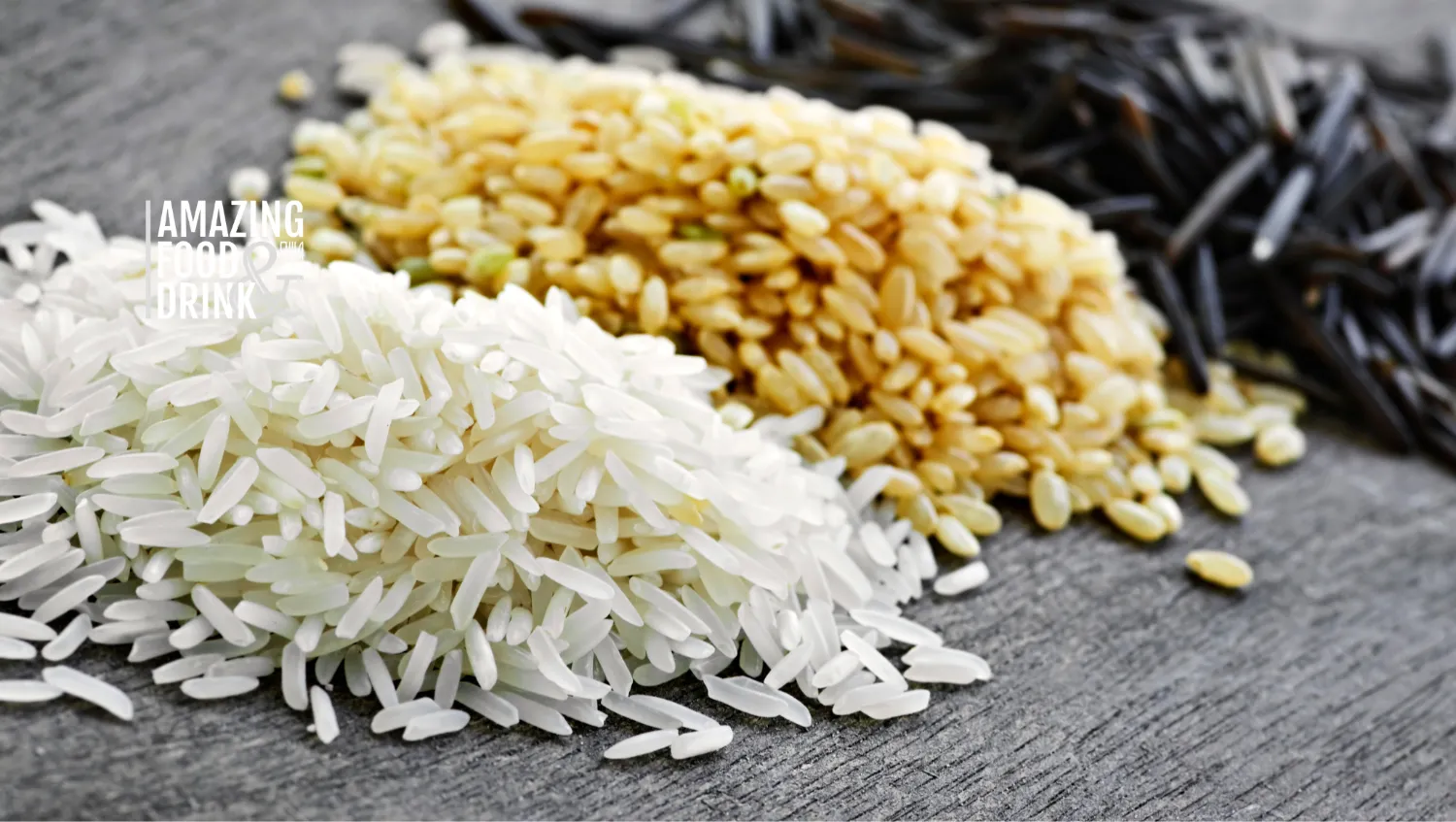
Rice is so underrated in the Western world. Those little white seeds can be the base of so many delicious and mouthwatering dishes. For many cultures, rice is the main ingredient in a vast majority of their recipe and is the king of the dining table. The global south worships rice (not literally) and cannot have a day pass without rice being a component of at least one dish, whether it’s breakfast, lunch, or dinner! Rice recipes are endless, and you can never run out of ideas on how to cook it.
If you’re from the Western world, then your relationship with rice is probably not that strong. We’re not saying that you don’t eat it at all, but it’s probably not a main ingredient in your cooking, and that’s understandable. However, if you’re from the global south, you probably have rice every single day! But here is the thing: you only have rice the way your country makes it, and you don’t really change your recipes that much.
Here is the thing: rice has so much potential! Every country that considers rice a main ingredient in their dishes cooks it differently. You’ll be surprised how many rice recipes you can get from those little seeds!
Rice Recipes From Around The World
From Asia to Africa to South America, rice is the king of the dinner table. No matter how different each country and culture in these continents cooks rice, it still holds the same importance to the people. Cook rice first; think about the rest of your dinner later!
So, for you, dear reader, we have a couple of rice recipes that will show you the true potential of that mighty tiny white seed. From main dishes to snacks to even desserts, these rice recipes will always have your back!
Onigiri, Japan
Rice is an essential ingredient in Japanese cuisine. From snacks to main dishes to even desserts and wine, rice is everywhere! One of our favourite Japanese rice recipes is Onigiri, or Rice Balls. Onigiri is a Japanese snack that consists of rice and a savoury filling. This little rectangular rice snack is the perfect companion on a long day at work, a school lunch box, a long trip, or just when you get hungry in the middle of the day.
If you’re in Japan, you can easily find different flavoured Onigiri in supermarkets. But if not, making Onigiri at home is easier than you think!
What you need:
White rice, water, salt, nori seaweed, filling (tuna, chicken, beef, ham, or pork), and sesame seeds (optional)
How to make Onigiri:
Cook the rice using a rice cooker or on the stove.
In a separate dish, cook your filling how you like it, adding any seasoning you want. (filling is what adds a personal touch to your Onigiri, so don’t be afraid to get creative!)
Once the rice is cooked, transfer it to another dish and divide it into equal parts. Each part is a handful each.
Rub your hands in salt before you start shaping the rice balls. This gives the Onigiri a pleasant taste, helps preserve it longer, and keeps the rice from sticking to your hands.
Take a handful of rice in your salt-covered hand and make a small indent in the middle.
Add your filling of choice in the indent, then use your other hand to cover the indent again.
Shape the Onigiri into a perfect triangle, a ball, or a cylinder (triangles are best!)
Place a piece of nori at the bottom of your Onigiri, making sure the rough surface faces the rice,
Sprinkle some sesame seeds on top of your Onigiri (optional)
That’s all! Now you have Onigiri that you can take with you anywhere you go or leave in the refrigerator for a late-night snack.
Bibimbap, South Korea
Just across the ocean, South Koreans have a beloved rice recipe that is known all around the world: Bibimbap! Bibimbap is simply translated to “mixed rice with meat and vegetables”. It is a simple dish that Korean mothers make when they have a lot of leftovers that they don’t want to throw away. For this Korean dish, a rice base and whatever beef or veggies you have in your refrigerator would do as long as you know how to assemble it.
For the sake of sharing rice recipes, though, we’re going to show you exactly how to make a nice bowl of Bibimbap for your next lunch.
What you need:
Short grain white rice, eggs, sesame seeds, beef/chicken/pork, assorted vegetables, and Bibimbap sauce (gochujang paste, vinegar, soy sauce, sugar, garlic, and sesame oil)
How to make Bibimbap:
Start with cooking your rice in a rice cooker or on the stove.
Cook your beef or chicken or pork any way you like. However, here is how to make marinated Korean beef for authenticity: mix garlic, soy, honey, chopped green apples and sesame oil and marinate the meat in it for 30 min, then cook on low heat.
Season your vegetables of choice as well and cook them on the stove. The most common veggies to use are spinach, carrots, shiitake mushrooms, and bean sprouts.
Make Bibimbap sauce by mixing gochujang paste, vinegar, soy sauce, sugar, garlic, and sesame oil until well combined.
Fry one egg.
Assemble your bowl of Bibimbap by adding rice to the base of the bowl, adding your marinated beef and vegetables side by side, the fried eggs on top, and then finally drizzle the Bibimbap sauce on top of it all.
Your delicious Bibimbap is now ready to be mixed and devoured! Once you try Bibimbap, you will never want to have rice any other way! It is undoubtedly one of the best rice recipes to grace the earth!
Biko, Philippines
We said rice can be anything, and this time it’s dessert! Biko (pronounced bee-koh) is a traditional Filipino dessert that is made for birthdays, weddings, and any sort of celebration. This sticky rice cake cooked with coconut milk is a delicious delicacy that every Filipino knows and loves! It is easy to make, cheap and uses local ingredients, which is why it is a very popular dessert to have.
Once you make Biko, you’ll want to have it every day! It’s one of the easiest rice recipes we have. This one’s for you with a sweet tooth!
What you need:
Glutinous rice, coconut milk, water, pandan leaves, brown sugar, and vanilla
How to make Biko:
Start by generously greasing a pan with coconut oil and set it aside.
In a large pot, add coconut milk, water, glutinous rice, and pandan leaves. Let it simmer, then leave it to cook on low heat until all the liquid is gone and the rice is cooked.
Make your Latik syrup by combining coconut milk and dark brown sugar in a pot on low heat. Once it thickens like caramel, put a cup of the Latik syrup to the side.
Transfer your cooked rice to the greased pan and spread it evenly.
Pour the cup of Latik syrup on top and bake in the oven for 20-30 minutes.
Once cooked, let it cool, then cut the rice cakes into even squares and pour the rest of the Latik syrup on top.
Serve it to your guests or eat it alone; we don’t judge! The mix of rice, coconut milk and brown sugar will leave your mouthwatering. Biko is one of the most delicious rice recipes for dessert you will ever have!
Biryani, India
Biryani is a very popular Indian dish all around the world! The flavoured basmati rice can be cooked a million ways and still be called Biryani. Since India is a vast country, each region in India has their own version of Biryani. It can be cooked with beef, chicken, vegetables or just plain, vegetarian or even vegan! Biryani is a dish for all tastes as long as you don’t mind strong Indian spices.
For this rice recipe, we’re going to make plain Biryani. A vegetarian-friendly dish that is so delicious and full of flavours despite being simple and with no meat whatsoever!
What you need:
Basmati rice, water or vegetable stock, sliced onions, chopped tomatoes, ginger garlic paste, salt, mint leaves, turmeric, fresh yoghurt, and biryani masala powder
How to make Biryani:
Start by rinsing and soaking the rice for at least 20 minutes.
In a pan, start by frying the spices until they turn pregnant.
Add your thinly sliced onion, then the ginger garlic paste (be careful; it can burn fast!).
Add the chopped tomatoes, yoghurt, biryani masala, salt, garlic, turmeric and coriander to the mix.
When the mixture separates from the oil, pour the water or stock and bring it to a simmer.
Add the rice to the mix and let it cook until the rice is fully cooked. It can take around 5-10 minutes.
It is ready to serve! Fluff the rice and serve it on a plate. It’s a super delicious meal to eat all alone, or maybe add your favourite salad to the side as well. This is one of the most popular rice recipes worldwide for a reason. No one who has had Biryani before does not absolutely love it!
Jollof, West Africa
Let’s move to another continent that also absolutely loves rice! Rice might not be as famous in Africa as it is in Asia. However, it is still a main ingredient in multiple African countries, especially West Africa. Jollof rice is a well-loved main dish in Nigeria. Cooked with tomato broth, Jollof is a complete meal with nothing on the side except maybe some coleslaw (if you’re a fan).
This West African dish has recently become very popular in Western countries, and you can obviously find it in all Nigerian restaurants. But we’re here to make rice recipes at home, and Jollof is no exception!
What you need:
Vegetable oil, chopped tomatoes, red bell peppers, red onions, tomato paste, Caribbean curry powder, dried thyme, bay leaves, stock, long grain rice or basmati rice, salt, and pepper
How to make Jollof:
In a blender, combine 2 cups of the stock (vegetable/chicken/beef) with tomatoes and red bell peppers until very smooth.
Transfer the mix to a pot and let it boil. When boiled, let it simmer on low heat for 10 minutes while partly covered.
In another pan, stir-fry the sliced onions with salt, curry powder, thyme and bay leaves.
Add the tomato paste to the stir fry and stir it for 2-3 minutes, then add the blended tomato mix and cook on medium heat for 10 minutes.
Add the rest of the stock to the mix and let it boil for two minutes.
Add the basmati rice to the mix and let it cook until the rice is soft.
Jollof rice can be a vegetarian meal if you use vegetable stock or water, or you can mix it up with chicken stock for more flavour. Either way, it’s one of the most delicious rice recipes you’ll make.
Horchata, Mexico
Now, let’s head all the way to South America, where Mexico is known for its unique rice-based dishes! But this time, we will not be talking about the famous Mexican rice, which is the base of so many well-loved Mexican dishes. We’re going to talk about Horchata, a rice-based Mexican drink! And no, unlike rice wine, Horchata is not alcoholic at all, and anyone can drink it.
As long as you love coconuts, cinnamon and rice, then this is your next favourite drink!
What you need:
White rice, cinnamon sticks, coconut milk, condensed milk, ground cinnamon, and vanilla (optional)
How to make Horchata:
In a bowl, add 4 cups of coconut milk, rice and cinnamon sticks and refrigerate overnight.
In a blender, blend half the rice, half the milk and a couple of cinnamon sticks
Use a strainer to strain the mix into a bowl
Add the rest of your coconut milk, condensed milk, water and vanilla.
Stir it well and serve it over ice cubes for maximum refreshment!
Horchata is straightforward to make, and the ingredients are easy to find in any supermarket! You don’t even need to use coconut milk if you don’t like it, but it’s always better that way!
So what do you think? Isn’t rice the ultimate ingredient? Rice recipes can be used for so many occasions and in so many dishes! From breakfast to dessert, rice always has your back! More than half the world eats rice daily because, guess what? It’s one of the most versatile ingredients in the world! Go buy a couple of bags of rice, and let’s see your cooking skills!






 Eman Sameh