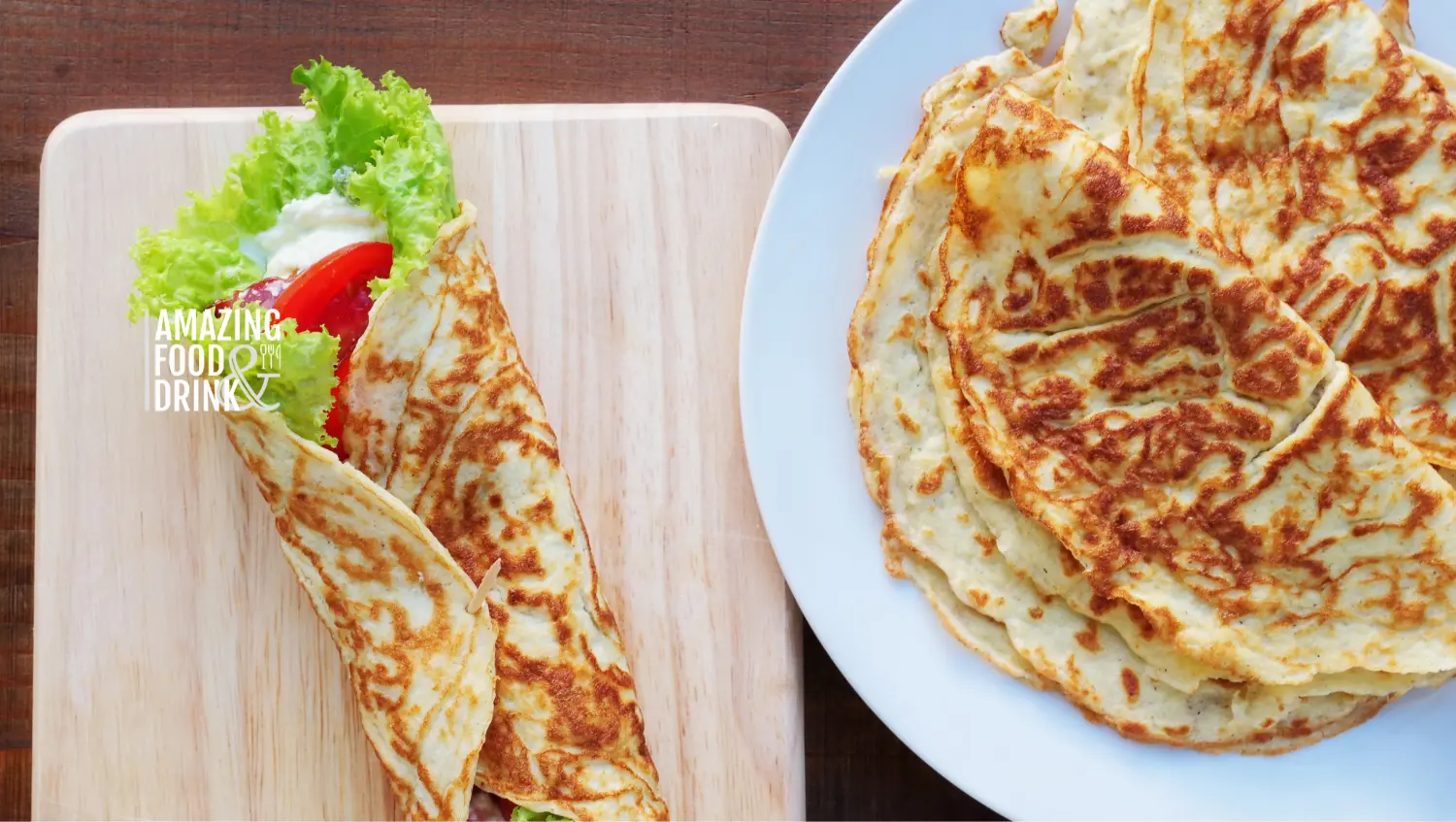
Do you want to avoid boring, carb-heavy tortillas that leave you feeling sluggish and unsatisfied? Well, say hello to the keto tortilla revolution! These delicious, low-carb alternatives are made with almond flour and psyllium husk, making them perfect for anyone on a keto or low-carb diet.
Not only are keto tortillas healthier than their traditional counterparts, but they’re also incredibly versatile. You can use them to make wraps, burritos, tacos, quesadillas, and more! And the best part? They’re super simple to make at home!
So, what are you waiting for? Ditch the store-bought tortillas and whip up a batch of these tasty, keto-friendly delights!
Are Tortillas Keto-Friendly?
Keto Tortillas
Hold on to your hat! Most tortillas are not suitable for a keto diet. They have too many carbs and need more fibre. So, the regular corn or flour found at stores won’t help you stay in ketosis.
But don’t fret! We have other options. You can make your own with almond flour. These only have 2g of net carbs each! There are also special low-carb tortillas that you can find at some shops.
Look for ones with around 5g of carbs and lots of fibre – about 3.5g per serving is perfect.
If you want to play chef, try making them from cauliflower, cheese, eggs, and spices. Trust me; it’s fun and tasty!
So, while most tortillas could be better for keto, there are ways around it! You just need to know where to look or how to cook up your own batch.
Benefits of Keto Tortillas
There are many benefits to eating keto tortillas, including:
Low in Carbs
Keto tortillas are significantly lower in carbs than traditional tortillas, making them an excellent choice for people on a keto or low-carb diet.
High in Fibre
Psyllium husk, a key ingredient in keto tortillas, is an excellent source of fibre. Fibre helps promote gut health, regulate blood sugar levels, and keep you full for longer.
Keto tortillas are just as delicious as traditional tortillas and can be used in various dishes.
Easy to Make
Keto tortillas are surprisingly easy to make at home. You only need a few simple ingredients and about 30 minutes of your time.
Keto Tortillas Recipes with Almond Flour
Keto Tortillas
If you’ve been craving one of those delicious tortilla wraps but are on the keto diet, and we all know how strict this diet is, we’ve got you covered. Don’t worry; you can create your own keto-friendly tortillas at home. They’re simple to make, and you don’t need to be a chef to do it.
Almond flour tortillas are a fantastic option for those on a keto diet, as they are low in carbs and gluten-free. They are also relatively simple to make at home, requiring only a few basic ingredients.
Here are a few options for keto tortillas with almond flour:
1. Almond Flour Keto Tortillas with Psyllium Husk (3 Ingredients)
Keto Tortillas
This recipe is incredibly simple, requiring only almond flour, psyllium husks, and salt. It’s a great option for those who are new to making keto tortillas.
Combine all ingredients in a large bowl and mix well.
Add water, 1 tablespoon at a time, until the dough comes together and is slightly sticky.
Divide the dough into 6 equal portions.
On a lightly floured surface, roll each portion out into a thin circle.
Heat a large skillet over medium heat.
Cook each tortilla for 1-2 minutes per side or until golden brown.
httpss://youtu.be/Qp0n1W7h8Mo?si=pIgaJFEEolMwtG1C
2. Almond Flour Keto Tortillas with Psyllium Husk and Gelatin
If you have ever made bread before at home, do you know how it crumbles quickly? This recipe uses components similar to the previous recipe but additionally includes gelatin powder for added flexibility and texture so you can wrap your keto tortilla without it breaking apart.
Ingredients:
1 1/4 cup Wholesome Yum Blanched Almond Flour
2 tbsp Psyllium husk powder
1 tbsp Unflavoured gelatin powder
1/4 tsp Sea salt
Instructions:
Mix up the keto tortilla dough in a food processor. Add superfine almond flour, psyllium husk powder, gelatin powder, and sea salt. Process until uniform.
Add water, 1 tablespoon at a time, until the dough forms a ball.
Divide the dough into 8 equal portions.
Roll each portion out on a lightly floured surface into a thin circle.
Heat a large skillet over medium heat.
Cook each tortilla for 1-2 minutes per side or until golden brown.
3. Almond Flour Keto “Everything” Tortillas
If you want to add a little bit of spice to your keto tortilla, this recipe will be your go-to. The keto tortilla recipe uses a variety of spices and herbs to give the tortillas an “everything bagel” flavour, which sounds delicious and tastes even better.
Ingredients:
1 cup almond flour
1/4 cup coconut flour
1 tablespoon psyllium husk powder
1 teaspoon baking powder
1/2 teaspoon salt
1/4 teaspoon garlic powder
1/4 teaspoon onion powder
1/4 teaspoon poppy seeds
1/4 teaspoon sesame seeds
Instructions:
Preheat oven to 350 degrees F (175 degrees C).
Combine all ingredients in a large bowl and mix well.
Add water, 1 tablespoon at a time, until the dough comes together and is slightly sticky.
Divide the dough into 6 equal portions.
On a lightly floured surface, roll each portion out into a thin circle.
Place the tortillas on a baking sheet and bake for 7-10 minutes or until golden brown.
Tips for Making the Best Keto Tortillas
Keto Tortillas
There are a few tips and tricks to ensuring that the keto tortillas you make at home are edible so you end up enjoying them rather than throwing them away. And that they satisfy your cravings and keep you full.
Of course, you must follow the recipe exactly, and with the following tips, you can rest assured that you are on the right track to making the best keto tortilla bread.
Use almond flour to make your tortillas soft and pliable. It’s also a great choice for gluten-free and egg-free diets.
The most important thing is not to rush the process. Take care when rolling out your dough – this makes sure each tortilla bakes evenly and ends up just right.
Use superfine almond flour for the best results.
Be careful not to overcook the tortillas, as they can become dry and brittle.
You can store leftover tortillas in an airtight container in the refrigerator for up to 3 days.
You can also freeze the tortillas for up to 3 months.
Serving and Storing Keto Tortillas
Now that you have your homemade keto tortillas ready, it’s time to get creative with fillings and fixings! From classic Mexican flavours to unique combinations, the possibilities are endless.
And don’t worry about leftovers; we will also share some tips on how to store your low-carb tortillas for future delicious meals properly. Ready to dig in?
Suggestions for Fillings
Here are some ways to fill your tortillas.
Fill them with keto-friendly fillings like grilled chicken or steak pieces.
Add some fresh vegetables like lettuce, avocado slices or bell peppers for crunch and taste.
Sprinkle some cheese on top for a creamy touch.
You can also use your own homemade sauces, such as spicy salsa or tangy sour cream.
For breakfast, fill the tortillas with scrambled eggs and bacon bits.
Use melted butter and garlic powder as keto-friendly fixings for tortillas.
Ground cinnamon mixed with butter is a unique fix to try.
Cream cheese spread makes for a rich and creamy topping.
A handful of herbs like parsley or cilantro adds colour and enhances flavour.
Proper Storage Instructions
Keto Tortillas
Storing them the right way is key. Here are our favourite ways to keep them fresh:
Put leftover tortillas in the fridge. First, cover them with a paper towel, then wrap them in plastic.
After your tortillas cool down, put them in a tight bag or box.
Almond flour tortillas go in the fridge, too, to stay fresh.
You can warm up your keto tortillas again easily! Do it softly in the microwave or at 300 degrees Fahrenheit in the oven.
If you have unused tortillas, put them in a ziplock bag. They can stay fresh for 5 days in the fridge this way.
If your low-carb tortillas are made with almond flour, they can be good for up to a week. Just keep them in the fridge.
If you want to store them longer, freeze them individually wrapped in plastic wrap.
Finally, It Is Grain-Free and Delicious!
Making keto tortillas right at home is a fun and rewarding task. It’s your chance to enjoy Mexican food without guilt. The taste of these wraps made with almond or coconut flour will blow you away. So, go ahead and whip up this healthy meal! Don’t forget to tell us which recipe you went for.
FAQs
Is it possible to make keto tortillas without flour?
Yes, you can make keto tortillas without flour by using alternative ingredients such as almond flour or coconut flour.
How to make keto tortillas at home?
To make keto tortillas at home, mix together almond or coconut flour, eggs, water, and salt. Roll the dough into thin circles and cook them on a hot skillet until golden brown.
Are keto tortillas low in carbs?
Yes, keto tortillas are low in carbs because they are made with low-carb flour and do not contain traditional wheat flour.
Are store-bought tortillas suitable for a keto diet?
Most store-bought tortillas are not suitable for a keto diet as they typically contain high amounts of carbohydrates. It’s best to make your own using low-carb ingredients.
What can be used instead of traditional toppings for keto tortillas?
Instead of traditional toppings like beans or cheese, you can use healthier options such as avocado slices, grilled chicken or beef, lettuce wraps, or sugar-free salsa for your keto tortilla filling.
Are keto tortillas gluten-free?
Most keto tortillas are naturally gluten-free, as they do not contain any wheat or wheat products. However, it is always important to check the ingredient list of any store-bought tortillas to be sure.
Is it possible to make keto tortillas without psyllium husk?
Yes, it is possible to make keto tortillas without psyllium husk. However, the tortillas may not have the same stretchy texture as those made with psyllium husk. You can substitute it with other ingredients, such as flaxseed meal or chia seeds.



 Shaimaa Olwan