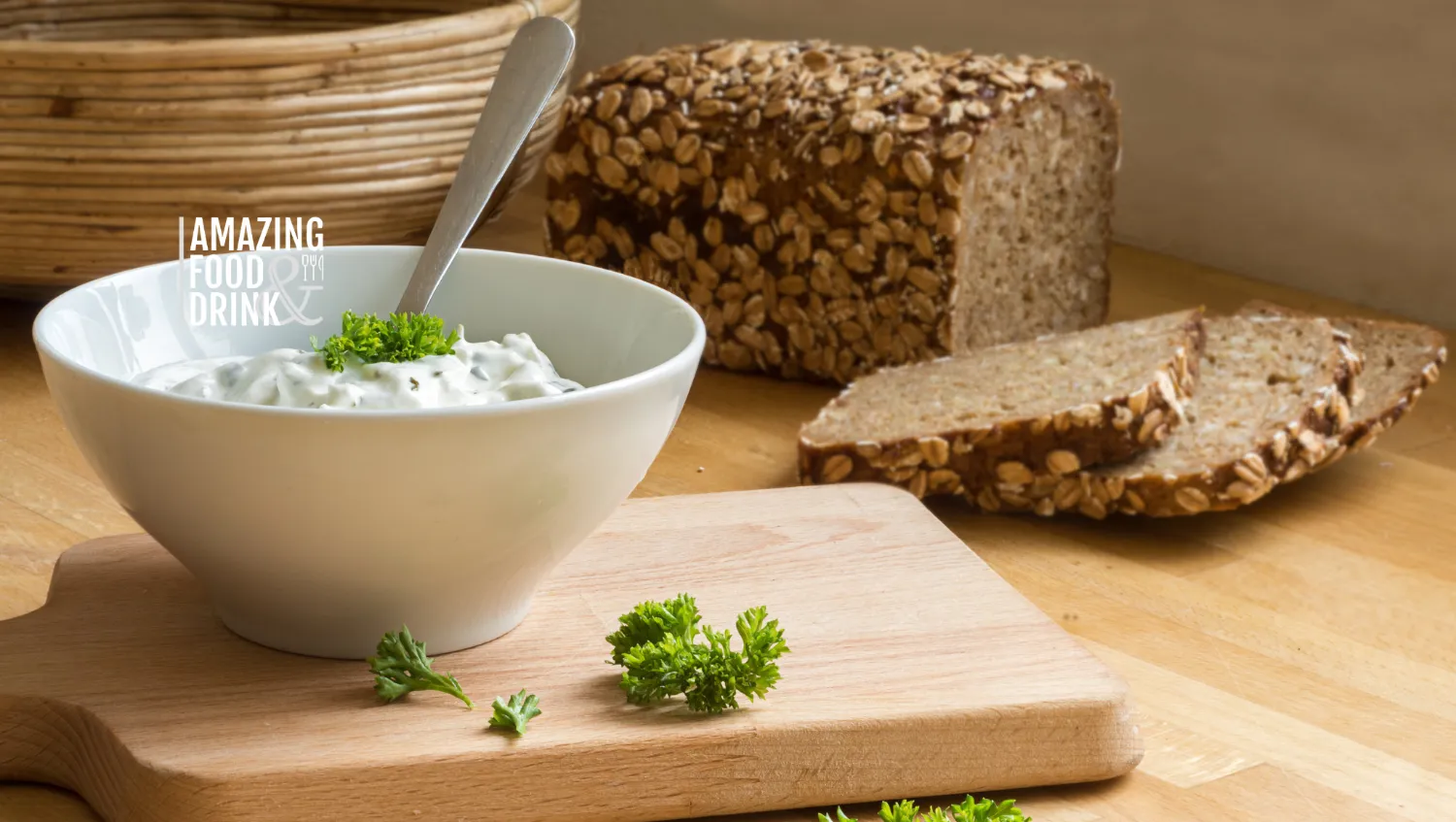
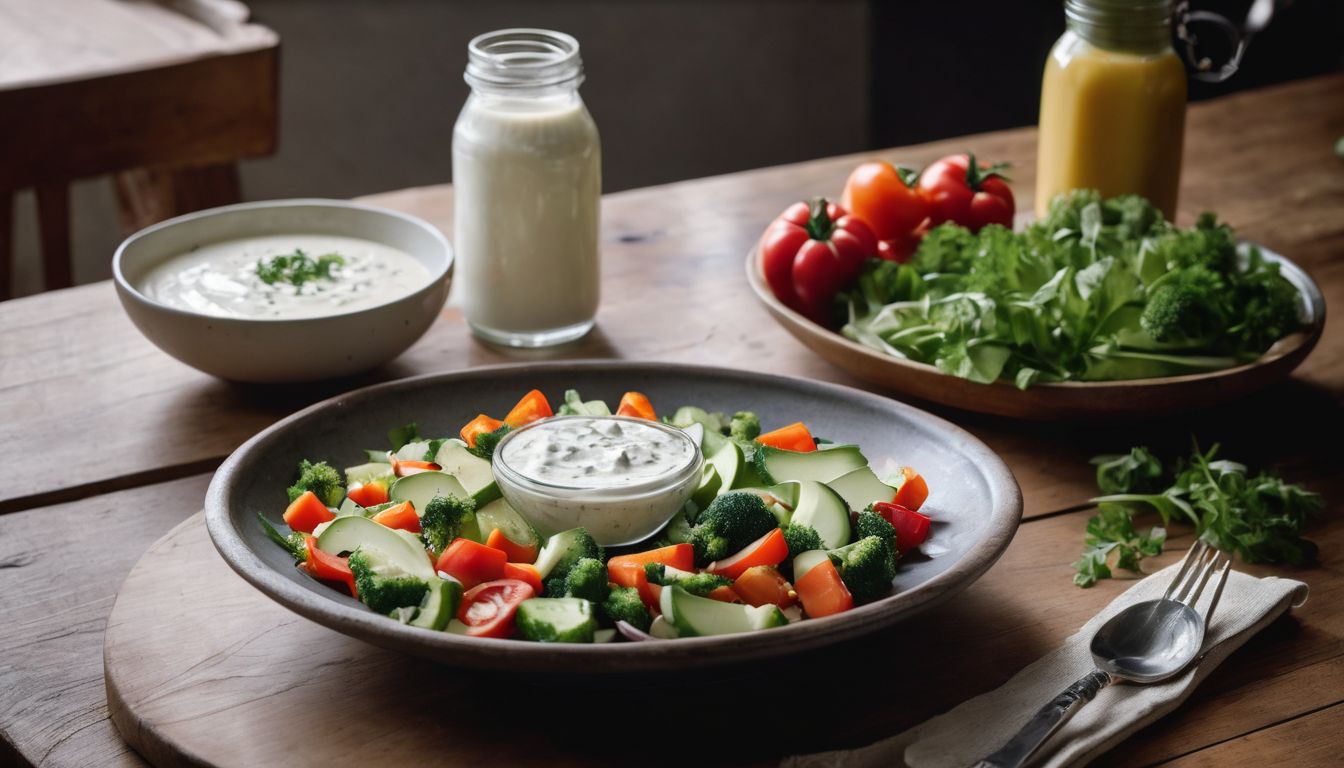
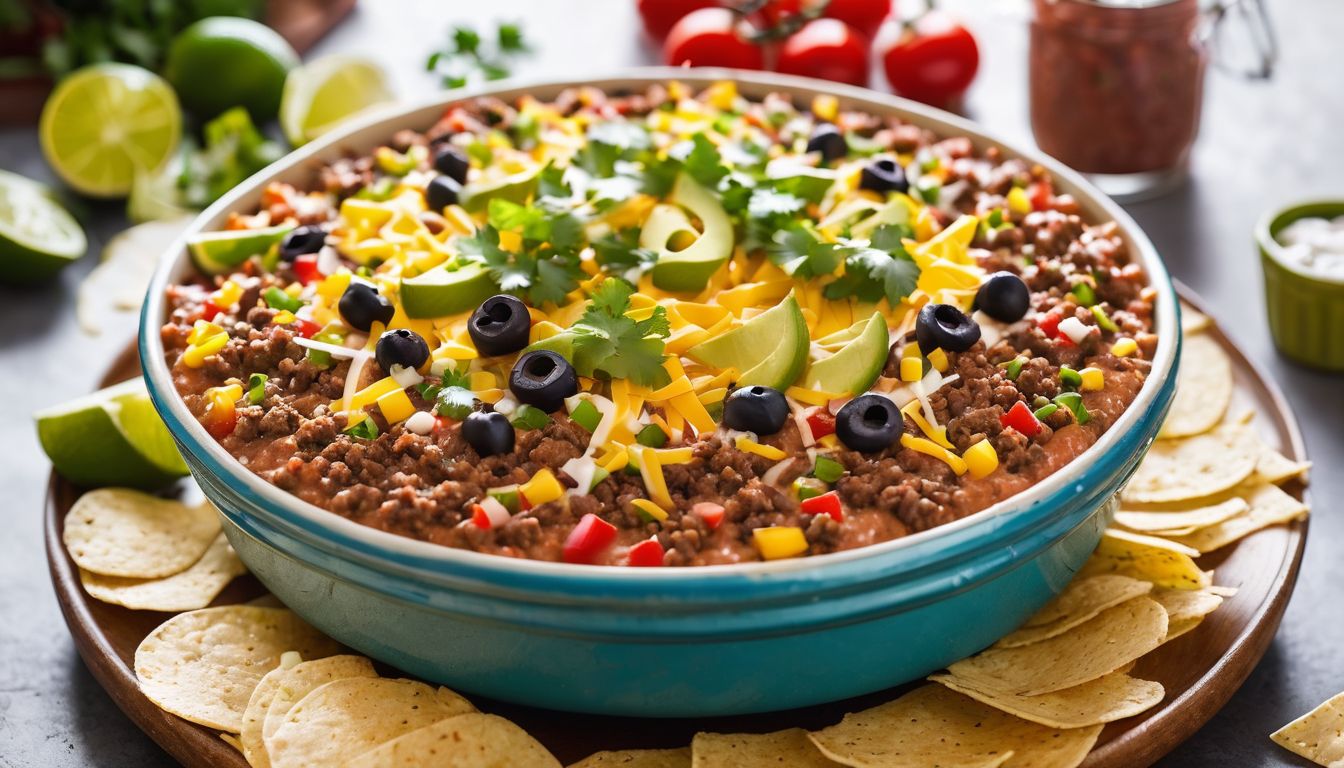
Are you constantly craving a snack whilst following a low-carb lifestyle? The challenge many home cooks face is finding dips that honour authentic culinary traditions whilst staying keto-friendly.
These keto dip recipes have everything you might want, from creamy textures to zesty flavours, all tailored to your keto diet. We’re taking you on a culinary exploration across continents, showcasing how traditional dips from Mediterranean coasts to Southeast Asian markets can be adapted for low-carb eating without losing their cultural essence.
When testing these recipes, we’ve focused on achieving the perfect balance of authentic taste, proper texture, and strict keto compliance. Each dip reflects traditional cooking methods and provides the cultural context that makes these recipes more than just food; they’re stories on a plate. Let’s explore the world of keto-friendly dips and discover how centuries-old culinary traditions can fit beautifully into modern low-carb living.
Table of Contents
Understanding the Art of Keto Dips: Beyond Basic Low-Carb
Creating a genuinely exceptional keto dip isn’t simply about swapping out high-carb ingredients. It’s a careful balance between the scientific demands of the ketogenic diet and the nuanced artistry of flavour development and texture.
In this section, we’ll explore the fundamentals of keto-friendly dips, from understanding macronutrient balance to mastering texture techniques and building a well-stocked global pantry.
What Truly Makes a Dip “Keto-Friendly” (and Delicious)?
Understanding the core principles of keto compliance helps you create dips that satisfy both your dietary goals and your taste buds.
The core of a keto-friendly dip lies in its macronutrient profile: high in healthy fats, moderate in protein, and crucially, very low in net carbohydrates. This means steering clear of traditional dip thickeners like flour, cornstarch, or potato, and avoiding common high-carb bases such as legumes (chickpeas, most beans) and many root vegetables. Hidden sugars, often found in pre-made sauces or condiments, are also a major concern.
But “keto-friendly” alone isn’t enough. A delicious keto dip must also achieve the perfect balance of flavour, acidity, saltiness, richness, and umami, ensuring it’s vibrant and satisfying. Our commitment is to find clever ways to replicate authentic taste and texture using ingredients like creamy avocados, rich olive oil, vibrant herbs, and robust spices, rather than settling for pale imitations.
The Culinary Science of Keto Dip Textures
Achieving the perfect texture is what separates a good dip from an unforgettable one. Without traditional thickeners, we need to understand the science behind creating creamy, stable, delicious dips.
Texture is paramount to a great dip. That velvety smoothness of hummus, the chunky freshness of guacamole, or the gooey richness of a warm queso are all fundamental to the experience. For keto dips, achieving these without traditional high-carb thickeners requires understanding culinary science.
We often rely on naturally creamy ingredients, such as full-fat Greek yoghurt (strained for even thicker results), mascarpone, cream cheese, or plant-based alternatives like cashew cream or coconut cream. When slight thickening is needed for stability, a tiny pinch of psyllium husk or xanthan gum can work wonders. Still, it should always be used sparingly to avoid an unpleasant gummy texture. The key often lies in proper emulsification, where fats and liquids are blended until they form a stable, homogeneous mixture.
Essential Keto Dip Ingredients: A Global Pantry
A well-stocked pantry is your secret weapon for creating authentic, flavourful keto dips from cuisines around the world. Here are the essential ingredients that form the foundation of our global dip collection.
Building a truly diverse range of keto dips means stocking a pantry that stretches beyond the usual low-carb suspects. Our Amazing Food & Drink global pantry for keto dips includes:
Core Healthy Fats: High-quality extra virgin olive oil (for Mediterranean profiles), avocado oil (neutral, good for high heat or general use), and ghee (for rich, buttery notes).
Flavour Powerhouses: An extensive array of fresh and dried herbs (coriander, parsley, dill, oregano), aromatic spices (cumin, paprika, turmeric, chilli powder), and foundational aromatics like garlic and onions.
Protein & Richness Components: Full-fat Greek yoghurt, cream cheese, mascarpone, coconut cream, almond butter, sunflower seed butter (for nut-free options), and even finely shredded cooked meats or seafood for hearty dips.
Vegetable Heroes: Versatile low-carb vegetables form the base or key texture for many dips. Think creamy aubergines, fresh courgettes, vibrant bell peppers, and leafy spinach.
A World of Flavour: 10 Authentic Keto Dip Recipes
From the sun-soaked Mediterranean coast to the vibrant markets of Southeast Asia, dips represent some of the world’s most beloved culinary traditions. In this comprehensive collection, we’ve gathered 10 authentic recipes adapted for keto eating, each with cultural context, chef insights, and practical cooking guidance. Whether you’re hosting a party or simply looking for satisfying snacks, these globally-inspired dips prove that low-carb eating never has to be boring.
The 10 keto dip recipes we have are perfect for a snack attack or a social gathering with friends. Everyone will find something they enjoy, whether they are keto, low carb, or simply enjoying a delicious dip. We’ve expanded our collection to include four additional globally-inspired recipes that showcase authentic culinary traditions adapted for keto. So, let us explore these recipes in depth.
Mediterranean Majesty: Classic Keto Dips from the Levant
The Mediterranean region has given the world some of its most cherished dips. These recipes showcase fresh vegetables, quality olive oil, and bold herbs and spices, each telling stories of ancient trade routes and family traditions.
Cultural Context: Baba ghanoush has been a Levantine staple for centuries, with variations across Lebanon, Syria, Jordan, and Palestine. Traditional preparation involves fire-roasting aubergines until their flesh becomes impossibly creamy and smoky.
We had to put this classic Lebanese dip on our list because it is so popular. The creamy roasted aubergine dip, also known as Baba Ghanoush, is a sweet pleasure with an intense flavour. It goes great with keto-friendly pita chips. You can even go the protein route and serve it with lamb or chicken skewers.
Ingredients:
1 large aubergine, sliced lengthwise (1 1/2 pounds)
1 tbsp lemon juice
1/2 tsp ground cumin
1/4 cup Greek yoghurt
2 tbsp extra virgin olive oil
2 tbsp tahini paste
2 tsp minced garlic (1-2 cloves)
Salt and pepper to taste
Directions:
Preparing the Aubergine:
Begin by preheating the oven to 200°C (400°F) and placing an oven rack in the centre. Using parchment paper, line a baking sheet.
To remove the bitter juices from the aubergine, slice it lengthwise and season generously with salt. Set aside for 15 minutes. Quickly rinse and pat dry.
Place the aubergine cut side down on a baking sheet and roast for 45 minutes or until it is totally soft when poked with a fork. Remove from the oven and set aside to cool.
Making Baba Ghanoush:
This step will require the use of a food processor. Scoop the soft aubergine pulp with a spoon from the skin and place it in a food processor. Add the other ingredients and process until the dip is smooth and creamy.
Adjust the seasoning according to your preference.
You can serve the dip immediately or store it in the refrigerator because it tastes better the next day, and you can store it in the refrigerator for up to 5 days.
Chef’s Insight: “The secret to authentic baba ghanoush flavour lies in fire-roasting the aubergine directly over an open flame if possible. This imparts a smoky depth that oven-roasting can only partially achieve,” notes Chef Layla Hassan, Mediterranean cuisine specialist.
Cultural Context: Traditional hummus made from chickpeas has ancient roots in the Middle East. Our keto adaptation uses roasted cauliflower to achieve that familiar creamy texture whilst keeping carbohydrates low. This substitution maintains the essential flavour profile built on tahini, lemon, and garlic.
A keto dip recipe that is a substitute for hummus, using cauliflower creatively. This dip is entirely dairy-free and vegan-friendly, rich in nutrients and creamy.
A little tip: You can make this dip vegan by substituting oil for the bone broth; simply add extra oil. Begin by adding an extra spoonful at a time.
For the lemon juice, use fresh lemons for a greater flavour because bottled lemon juice might leave an unpleasant aftertaste in this dish, which you obviously don’t want.
Ingredients:
1 large head of cauliflower, chopped into florets
1 teaspoon kosher salt
1/2 cup creamy tahini
1/2 teaspoon cumin
1/4 cup bone broth
2 garlic cloves
2 tablespoons avocado oil or extra virgin olive oil
3 tablespoons lemon juice, freshly squeezed
3-4 tablespoons avocado oil
Directions:
To begin, preheat the oven to 200°C (400°F). Set the oven rack to the centre position. Set aside a baking sheet lined with parchment paper.
In a large mixing basin, combine cauliflower florets with 2 tablespoons of oil, making sure the cauliflower is fully covered. Then, evenly distribute it on the baking sheet, taking care not to overlap. Bake for 20 minutes, flipping halfway through. Cook until the edges start to turn brown. Remove from the oven and set aside to cool.
Next, we’ll put the garlic cloves in the food processor. Pulse a few times until the cloves are minced. Add the room-temperature cauliflower florets, tahini, spices, and bone broth. Pulse for 1 minute on high or until the florets are well pulverised and the mixture is thick and clumpy.
Set the food processor to high speed whilst leaving the lid open. Slowly and steadily, drizzle in the oil, a teaspoon at a time. Switch the food processor to low and add the lemon juice once everything is incorporated. Season to taste with salt and pepper. Hummus should be creamy and rich. Add another tablespoon of oil if it becomes too grainy or dry. You can thin it out with a tablespoon or two of water.
Refrigerate in a tightly sealed container. If you use frozen bone broth, it will keep for up to 3 days. Otherwise, it will last around a week!
Ingredient Sourcing: “Look for fresh, firm cauliflower heads with tightly packed florets. The quality of your tahini matters enormously; seek out Middle Eastern brands for authentic, smooth texture,” advises food writer Sarah Thompson.
Net Carbs per Serving: Approximately 5g
Keto Tzatziki Dip
Prep Time: 5 Minutes Total Time: 5 Minutes Servings: 6
Cultural Context: Tzatziki is Greece’s gift to yoghurt-based dips, with roots in similar Turkish cacık and Indian raita. Traditionally served alongside grilled meats, it provides cooling relief from spiced dishes. The Greek version emphasises cucumber crunch and fresh dill.
Keto Tzatziki is a 10-minute recipe that’s incredibly simple to create and will be devoured quickly due to how delicious it is. Tzatziki goes nicely with grilled meats, fresh veggies, or spooned over salads.
Ingredients:
1 English cucumber, seeded and finely diced
1 tbsp lemon juice
1 tsp pepper
1 tsp sea salt
1 1/5 cups Greek yoghurt (use full-fat for keto)
2 tbsp fresh dill, chopped
2 tbsp minced garlic
4 tbsp olive oil
Directions:
We’ll begin with the cucumber, which will be sliced and finely chopped.
In a mixing bowl, thoroughly combine all of the ingredients.
Allow the dip to chill overnight before serving with your favourite snack to ensure that it is tasty.
Traditional Method: “The key to proper tzatziki is straining your cucumber. After dicing, sprinkle with salt and let it sit for 10 minutes, then squeeze out excess moisture. This prevents a watery dip,” explains Chef Dimitri Papadakis.
Net Carbs per Serving: Approximately 4g
European Elegance: Italian & Spanish-Inspired Keto Dips
European cheese-making traditions have created some of the world’s most indulgent dips. These recipes celebrate rich dairy heritage and sophisticated flavour combinations, bringing European elegance to your keto table.
Cultural Context:Baked cheese dishes have long traditions across Italy. This recipe draws inspiration from Italian appetisers that celebrate the sweetness of fresh ricotta balanced against savoury cured meats.
The baked ricotta dip is a keto-friendly dip that takes only 20 minutes to prepare and boasts a lovely blend. Ricotta is sweeter compared to other cheeses, so it complements the saltiness of the bacon well. You may serve it with keto crackers, toasted baguette slices, or any other choice; the most important thing is to enjoy every dip, and you can double the recipe with no shame.
Ingredients:
1/2 cup Parmesan
1/2 tsp salt, optional
16 oz ricotta
2 tbsp olive oil
3 slices cooked bacon (chopped and divided)
4 cloves of garlic
Directions:
Start by heating the oven to 220°C (425°F). In a safe baking dish, mix all of the ingredients except the bacon. Pop it in the oven for 15-20 minutes or until the dip is heated through and everything is melted.
When you take the delicious dip out of the oven, sprinkle it with bacon and serve it with low-calorie crackers or toasted baguettes.
Chef’s Note: When testing this recipe, we found that whole milk ricotta produces the creamiest results. Part-skim ricotta can become grainy when baked.
Net Carbs per Serving: Approximately 3g
Blue Cheese and Roasted Pecan Dip
Prep Time: 10 Minutes Total Time: 10 Minutes Servings: 8
Cultural Context: Blue cheese has ancient origins, with varieties like Roquefort dating back to Roman times. This American-style dip combines tangy blue cheese with buttery pecans, creating a sophisticated appetiser.
For cheese lovers, this keto dip is perfect. The blue cheese and roasted pecan dip makes an excellent addition to any appetiser buffet, picnic, or cocktail party. Thanks to its creamy texture and the pecans’ crunchiness, this dip could become a regular favourite.
Ingredients:
1/2 cup (3 oz) blue cheese
1/2 cup (4 oz) cream cheese
1/3 cup (1.5 oz) pecans
3 tablespoons sour cream (use less if you want less of a “dip” and more of a spread)
Directions:
Begin by toasting the nuts in a medium saucepan until they are a beautiful light golden colour.
Get out your food processor, as we’ll be using it for this step. Blend the cream cheese and blue cheese in a food processor until smooth, then add the sour cream 1 tablespoon at a time until everything is well mixed together.
Mix the toasted pecans into the cheese mixture in a ramekin and let it chill for 1 hour.
After one hour, serve with crackers, bread, or fresh vegetables and ensure it’s low in calories.
Variation: For a milder version, substitute Gorgonzola dolce for sharp blue cheese.
Net Carbs per Serving: Approximately 2g
North American Classics: Keto-Adapted Favourites
North American dip culture embraces bold flavours and generous portions. These recipes take beloved classics and adapt them for keto eating, proving you can enjoy party favourites whilst maintaining your dietary goals.
Keto Guacamole
Prep Time: 10 minutes Total Time: 10 minutes Serves: 10
Cultural Context: Guacamole wasn’t always just an appetiser; it was a revered culinary staple in Mesoamerica, dating back to the Aztecs. Traditional Mexican guacamole emphasises fresh, simple ingredients, allowing each component to shine.
For avocado lovers, this keto guacamole will be your go-to. It’s low-carb and full of flavour thanks to the perfect balance of creamy avocado with chunky onions and tomatoes. It goes great with low-carb nachos, and no dipping table is complete without guac.
A small tip: The longer you whisk the guacamole, the creamier and smoother it will become. If you want a chunkier texture, stir a little at a time.
Ingredients:
1 clove garlic
1 lime
1 Roma tomato
1 teaspoon cumin
1/2 jalapeño pepper
1/2 red onion
1/4 cup coriander
2 tablespoons sour cream
4 large avocados
Salt
Directions:
Let’s start with the avocado. Cut the avocados in half and carefully remove the seed. Scoop into a mixing bowl with a spoon. Mash the avocado to the desired consistency.
Then add the sour cream, diced tomato and onion. After that, mince the garlic, jalapeño, and coriander. Mix everything into the avocado dish.
To add a zesty flavour, cut the lime in half and squeeze one half into the dish. Drizzle with cumin and salt and toss to mix.
Taste it before serving to determine if it needs more guac, jalapeño, salt, or lime juice. When done, serve with cucumbers, mini sweet peppers, or low-carb tortilla chips.
Ingredient Selection: Choose avocados that yield slightly to gentle pressure. If they’re not ripe, place them in a paper bag with a banana for 24-48 hours.
Cultural Context: Spinach and artichoke dip became a staple at American restaurants in the 1970s and 1980s. This indulgent appetiser perfectly represents American comfort food culture, rich, cheesy, and meant for sharing.
This Keto Hot Spinach Dip features a creamy blend of cheese and spinach that will delight your taste buds. This simple dip is not only tasty but also ideally suited for your keto diet.
A little tip: For an added savoury kick, add cooked, crumbled bacon before baking. Add diced jalapeños or red pepper flakes if you favour spicy foods. Experiment with different cheese,s Gouda, cheddar, or blue cheese work excellently.
Finally, you can make this dip vegan by replacing the cream cheese with vegan or dairy-free alternatives.
First and foremost, in a medium saucepan over medium heat, melt the butter.
Then add the garlic and baby spinach and stir for 2-3 minutes or until the spinach has softened.
Season with salt and pepper to taste. Remove from the heat and transfer the mixture to a medium bowl.
Melt the cream cheese into the almond milk over low heat. Combine with the spinach mixture you made previously.
In the spinach mixture, add Parmesan and mozzarella cheese.
Place the mixture in a medium baking dish. Bake at 170°C (350°F) for 20 minutes or until bubbling and lightly browned. Take it out and enjoy the exquisite taste.
Equipment Recommendation: A cast-iron skillet works beautifully for this recipe, allowing you to cook and serve in the same dish.
Net Carbs per Serving: Approximately 4g
Seafood Sensations: Coastal-Inspired Keto Dips
Coastal communities worldwide have developed unique ways to celebrate seafood harvests. These recipes honour maritime traditions whilst providing healthy omega-3 fats that make seafood valuable for keto eating.
Smoked Salmon Dip
Prep Time: 5 Minutes Total Time: 5 Minutes Servings: 20
Cultural Context: Smoked salmon has been a preservation method used by indigenous peoples of the Pacific Northwest for thousands of years. This dip celebrates those coastal traditions whilst remaining perfectly keto-friendly.
This simple 10-ingredient keto dip is ideal if you’re craving salmon. The smoked salmon dip has a creamy texture and captivating flavour. This dip is slightly salty due to capers, horseradish, and lemon zest combining to make a masterpiece.
A little tip: Use less salt in this dip because the smoked salmon and capers are both highly salty, so adding salt will make your dip too salty.
Ingredients:
1 1/2 tablespoons rinsed and drained capers
1 tablespoon fresh chopped dill
1 tablespoon lemon zest
1 tablespoon prepared horseradish
1 teaspoon smoked paprika
1/2 cup sour cream
1/4 cup chopped green onions
1/4 – 1/2 teaspoon crushed red pepper
6 ounces skin-removed smoked salmon
8 ounces cream cheese
Directions:
In the food processor, add the following components according to the measurements: sour cream, cream cheese, dill, lemon zest, horseradish, crushed red pepper, and paprika. Puree it until smooth, then transfer it to a bowl with a rubber spatula.
Here’s a trick, depending on how thick you want your dip to be: If you want a thicker dip, add 1/2 cup sour cream. If you want it spreadable, use 3/4 cup sour cream; if you want it looser, use 3/4 cup sour cream.
The next step is for you to decide how thick you want your dip to be by mixing it until it reaches the desired consistency. Blend the smoked salmon, green onions, and capers in a food processor until smooth. Cover and pulse until the salmon is chopped into small pieces and evenly distributed.
Refrigerate for at least one hour before serving, and serve alongside keto bread.
Ingredient Quality: “The quality of smoked salmon makes or breaks this dip. Look for wild-caught salmon that’s been cold-smoked for the best texture,” notes seafood specialist Marcus Chen.
Net Carbs per Serving: Approximately 1g
Asian-Inspired Keto Dips: Bold Flavours from the East
Asian cuisines offer complex and layered flavour profiles, combining sweet, salty, sour, spicy, and umami in harmony. These dips showcase aromatic spices and bold seasonings that make Asian cooking distinctive.
Cultural Context: Satay, believed to have originated in Java, Indonesia, spread throughout Southeast Asia, with each region developing its own spice profile. Traditional satay sauce combines peanuts, coconut milk, and aromatic spices.
This keto adaptation uses sunflower seed butter for a nut-free version that maintains creamy richness and complex spices.
Ingredients:
1/2 cup sunflower seed butter (or almond butter if nuts are tolerated)
1 cup full-fat coconut milk
2 tablespoons tamari or coconut aminos
1 tablespoon lime juice
2 teaspoons minced fresh ginger
2 cloves garlic, minced
1 teaspoon fish sauce (optional, for umami depth)
1/2 teaspoon red curry paste
1/4 teaspoon red pepper flakes
Keto-friendly sweetener equivalent to 1 tablespoon sugar
Directions:
In a medium saucepan over low heat, combine all ingredients except the lime juice.
Whisk continuously until the mixture is smooth and heated through, about 3-5 minutes. The sauce should have the consistency of double cream.
Remove from heat and stir in lime juice. Adjust seasoning with additional tamari, lime, or sweetener as needed.
Allow to cool slightly before serving. The dip will thicken as it cools.
Traditional Method: “The depth of flavour comes from toasting your spices whole before grinding,” suggests Chef Siti Wong.
Cultural Context: Whilst edamame itself is a traditional Japanese snack, transforming it into a dip represents a modern fusion approach. This recipe draws on Japanese flavour profiles, such as umami-rich miso, tangy rice vinegar, and fiery wasabi.
Ingredients:
2 cups shelled edamame (fresh or frozen)
1/4 cup tahini
3 tablespoons lime juice
2 tablespoons toasted sesame oil
1 tablespoon white miso paste
1 teaspoon wasabi paste (adjust to taste)
2 cloves of garlic
1/4 cup water (more as needed for consistency)
2 tablespoons chopped spring onions
1 teaspoon toasted sesame seeds
Salt to taste
Directions:
If using frozen edamame, cook according to package instructions and allow to cool completely.
In a food processor, combine edamame, tahini, lime juice, sesame oil, miso paste, wasabi, and garlic. Process until smooth, scraping down sides as needed.
Add water gradually until the desired consistency is reached. The dip should be creamy but thick enough to hold its shape.
Transfer to a serving bowl and garnish with spring onions and sesame seeds.
Chef’s Note: After preparing this dish multiple times, we’ve found that slightly underprocessing the edamame creates an interesting texture with small chunks.
Dietary Note: Edamame is higher in carbs than many keto vegetables. Use this dip in moderation, limiting serving size to 2-3 tablespoons.
Net Carbs per Serving: Approximately 6g
Mastering Your Keto Dip Experience: Tips & Perfect Pairings
Creating delicious keto dips is only half the equation; knowing how to serve, store, and pair them properly completes the picture. These practical tips will help you get maximum enjoyment from your keto dip creations.
Perfect Dippers: Beyond the Carb-Heavy
Finding satisfying alternatives to traditional crackers and chips opens up a world of textures and flavours for your keto dips.
Dipper Type
Examples
Net Carbs (per serving)
Best Paired With
Raw Vegetables
Cucumber spears, celery sticks, bell pepper strips, radishes, cherry tomatoes
2-4g per cup
Tzatziki, guacamole, any creamy dip
Blanched Vegetables
Asparagus, green beans, broccoli florets, cauliflower
Proper storage techniques ensure your dips maintain their flavour and texture whilst food safety remains paramount. Understanding which dips freeze well and which are best enjoyed fresh helps you plan your meal prep efficiently.
Refrigeration Guidelines:
Cream cheese-based dips: 3-5 days in airtight containers
Yoghurt-based dips (tzatziki): 2-3 days
Avocado-based (guacamole): 1-2 days (press plastic wrap directly onto surface)
Oil-based dips (baba ghanoush): 5-7 days
Freezing Guidelines:
Cream cheese dips: Freeze well for up to 2 months. Thaw overnight in the refrigerator and stir well.
Yoghurt-based dips: Not recommended, as yoghurt can separate.
Avocado-based dips: Freeze for up to 3 months, though texture may change.
Oil and vegetable-based dips: Freeze well for 2-3 months.
Essential Kitchen Equipment for the Keto Dip Enthusiast
Having the right tools makes the difference between frustrating preparation and effortless success.
Must-Have Tools:
Food Processor (8-cup capacity): For smooth, creamy dips
Immersion Blender: Perfect for small batches
Fine-Mesh Strainer: Essential for straining yoghurt
Citrus Zester/Microplane: For fresh lemon and lime zest
Quality Mixing Bowls: Stainless steel or glass in various sizes
Practical Guidance: “Investing in a good quality food processor will transform your dip game considerably,” notes home cooking expert Jennifer Miller.
Pairing Keto Dips with Meals & Occasions
Understanding when and how to serve different dips creates memorable dining experiences.
Party Platters: Create a stunning keto mezze platter with 4-5 dips arranged around fresh vegetables, cheese crisps, and cured meats. Include baba ghanoush, tzatziki, guacamole, and smoked salmon dip for variety.
Main Meal Accompaniments:
Grilled meats pair beautifully with cooling tzatziki or spicy satay dip
Roasted vegetables alongside hot spinach dip create a satisfying vegetarian meal
Seasonal Tip: Heavy, warm dips like our Keto Hot Spinach Dip are perfect for winter gatherings, whilst fresh guacamole and tzatziki shine in summer.
Seasonal & Cultural Context: Making Keto Dips Throughout the Year
Understanding seasonal ingredient availability and cultural occasions helps you plan your menu and source the freshest components.
Seasonal Ingredients: Fresh herbs reach their peak (coriander, dill, parsley), cucumbers are crisp, and avocados from Mexico and California are abundant.
Cultural Occasions: Perfect for outdoor barbecues, summer parties, and picnics.
Autumn & Winter: Rich, Warming Dips
As temperatures drop, our palates naturally crave richer, more comforting flavours.
Best Dips: Hot spinach dip, baked ricotta, blue cheese and pecan.
Seasonal Ingredients: Autumn brings fresh garlic harvests, whilst winter is ideal for aged cheeses and roasted vegetables.
Cultural Occasions: These hearty dips suit holiday gatherings and cosy indoor entertaining.
Ingredient Sourcing & Authenticity
Finding quality, authentic ingredients transforms your keto dips from good to exceptional.
Mediterranean Ingredients:
Source tahini from Middle Eastern grocers for authentic taste
Greek feta and yoghurt from imports or local artisan producers
Quality extra virgin olive oil makes a tremendous difference
Asian Ingredients:
Find coconut milk with no added sugars
Fish sauce and tamari from Asian markets ensure proper umami depth
Modern Adaptations: Whilst we honour traditional methods, many classic dips have evolved globally. Your keto adaptations continue this culinary evolution, making these dishes accessible to new dietary needs whilst respecting their cultural roots.
This comprehensive guide has taken you on a global culinary exploration, showcasing how traditional dips can be thoughtfully adapted for ketogenic eating. We’ve covered 10 authentic recipes spanning multiple cuisines, each maintaining cultural integrity whilst meeting strict low-carb requirements. From understanding keto-friendly ingredients and achieving perfect textures, to mastering storage techniques and seasonal pairings, you now have everything needed to create restaurant-quality dips at home.
The recipes prove that following a ketogenic diet doesn’t require sacrificing authentic flavours or global culinary traditions. Whether you’re preparing a Mediterranean mezze platter, hosting a party with North American classics, or exploring bold Asian flavours, these dips deliver on taste, nutrition, and cultural authenticity.
FAQs
1. How Long Do Keto Dips Last in the Refrigerator?
Storage time varies by dip type. Cream cheese-based dips like baked ricotta and spinach dip typically last 3-5 days when stored in airtight containers. Yoghurt-based dips such as tzatziki are best consumed within 2-3 days due to their fresh herb content. Avocado-based guacamole should be eaten within 1-2 days, and pressing plastic wrap directly onto the surface helps prevent browning. Oil-based dips like baba ghanoush can last 5-7 days. Always check for any off odours or appearance changes before consuming stored dips.
2. Can I Make Keto Dips Dairy-Free?
Many of our recipes offer excellent dairy-free options. Baba ghanoush, guacamole, and cauliflower hummus are naturally dairy-free. For recipes calling for cream cheese or sour cream, substitute with coconut cream, cashew cream (soaked cashews blended until smooth), or dairy-free cream cheese alternatives. The satay dip uses coconut milk, making it naturally dairy-free. When adapting the spinach or ricotta dips, use nutritional yeast for a cheesy flavour and dairy-free alternatives for the cheese components. The texture may vary slightly, but the flavour remains delicious.
3. Can I Freeze Keto Dips for Later Use?
Most cream cheese-based dips freeze well for up to 2 months. Simply thaw overnight in the refrigerator and stir well before serving. Oil and vegetable-based dips like baba ghanoush also freeze successfully for 2-3 months. However, yoghurt-based dips like tzatziki are not recommended for freezing as the yoghurt can separate and become grainy. Avocado-based dips can be frozen for up to 3 months, though the texture may change slightly upon thawing. For best results, freeze dips in silicone moulds or ice cube trays for convenient single-serving portions.
4. What Are the Best Vegetables for Keto Dipping?
The best keto-friendly vegetables for dipping include cucumber spears (2g net carbs per cup), celery sticks (1g per cup), bell pepper strips in all colours (4g per cup), cherry tomatoes (4g per cup), and radishes (2g per cup). Blanched vegetables like asparagus, green beans, broccoli, and cauliflower (3-5g per cup) work beautifully with hot dips. For variety, try jicama sticks, courgette rounds, or endive leaves. The key is choosing vegetables with firm textures that can support thicker dips whilst keeping your total carb count low.
5. How Do I Adapt Regular Dip Recipes for Keto?
Follow these principles: Replace high-carb thickeners (flour, cornstarch) with cream cheese, sour cream, or xanthan gum. Substitute legumes with cauliflower, aubergine, or courgette. Use full-fat dairy instead of low-fat versions. Replace sugar with keto-friendly sweeteners like erythritol or stevia. Check all commercial ingredients for hidden sugars and maltodextrin in spice blends. Always calculate net carbs (total carbs minus fibre) for accuracy, and be cautious with seemingly innocent ingredients like commercial condiments and certain vegetables that can quickly add up in carb count.