To all cookie lovers concerned with specific nutritional needs or preferences: No more sacrificing flavour for dietary limitations. Welcome to our collection of vegan cookie recipes that are easy to make and promise to satisfy your sweet tooth without compromising on taste or ethics.
Our comprehensive guide is brimming with unique dairy-free egg-free cookie recipes, including vegan chocolate chip cookies, rich tahini delights, and even the decadent magic of matcha green tea, all crafted without a drop of dairy or egg. This guide doesn’t just offer recipes; it equips you with helpful tips, clever substitutions, and endless variations to customise your vegan cookies to your heart’s content.
So, let’s start right away and bake the most amazing dairy-free egg-free cookies!
Classic Dairy-Free Egg-Free Cookie Recipe
Unlock the secrets to creating classic vegan cookies that are as delicious and satisfying as their traditional counterparts but completely free of dairy or eggs. This versatile dairy-free egg-free cookie base empowers you to personalise your vegan cookies with your favourite mix-ins, spices, and glazes.
Preheat your oven to 175°C (350°F) and line a baking sheet with parchment paper.
Whisk together flour, baking soda, and salt in a medium bowl.
In a large bowl, cream softened vegan butter and both sugars together until light and fluffy.
Mix ground flaxseed with water in a small bowl and let it sit for 5 minutes to make a flax “egg.”
Add the flax “egg,” vanilla extract, and plant-based milk to the creamed butter mixture and mix well.
Gradually add the dry ingredients to the wet ingredients, mixing until just combined.
Fold in your chosen mix-ins (optional).
For thicker cookies, chill the dough for at least 30 minutes.
Scoop rounded tablespoons of dough onto the prepared baking sheet, leaving space between them.
Bake for 10-12 minutes or until the edges are slightly golden brown and the centres are set.
Let your vegan cookies cool on the baking sheet for a few minutes before transferring them to a wire rack to cool completely.
Tips and Variations
Substitute gluten-free all-purpose flour for a gluten-free vegan cookie version. Ensure the blend contains xanthan gum for proper binding.
Chilled dough creates thicker, chewier cookies. For a flatter, crispier texture, skip chilling.
Use your favourite plant-based butter and milk alternatives. For a richer flavour, try cashew butter or almond butter and full-fat coconut milk for added creaminess.
Enhance your dairy-free egg-free cookies with vanilla extract, almond extract, or a pinch of cinnamon for a touch of warmth.
Vegan Chocolate Chip Cookies Recipe
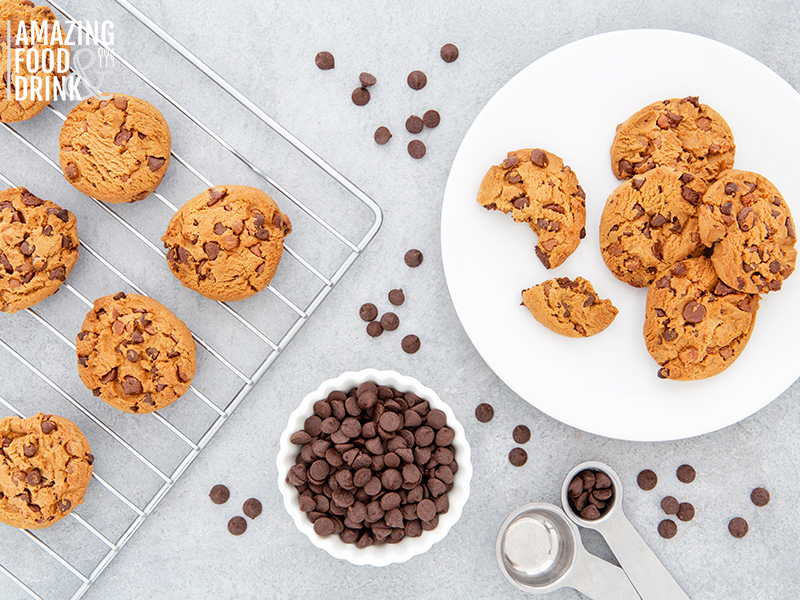
Craving those classic, chewy chocolate chip cookies without the dairy or eggs? This dairy-free egg-free cookie recipe delivers all the desired goodness using simple plant-based ingredients and clever substitutions. Here’s how to make the best vegan chocolate chip cookies ever.
Ingredients
1 cup all-purpose flour
1/2 cup unsweetened cocoa powder
1/2 teaspoon baking soda
1/4 teaspoon baking powder
1/4 teaspoon salt
1/2 cup vegan butter, softened
3/4 cup packed light brown sugar
1/4 cup granulated sugar
1 flax egg (1 tablespoon ground flaxseed mixed with 3 tablespoons water; let sit for 5 minutes)
1 teaspoon vanilla extract
1/2 cup plant-based milk
Instructions
Preheat your oven to 190°C (375°F) and line baking sheets with parchment paper.
Whisk flour, cocoa powder, baking soda, baking powder, and salt in a medium bowl. Set aside.
In a large bowl, cream softened vegan butter and both sugars together until light and fluffy.
Add the flax egg and vanilla extract to the creamed butter mixture and mix well.
Slowly add the dry ingredients to the wet mixture, alternating with the plant-based milk. Mix until just combined.
Stir in your favourite vegan chocolate chips until evenly distributed.
Drop rounded dough balls onto your prepared baking sheets using a tablespoon or cookie scoop. Leave space between them for spreading.
Bake cookies for 10-12 minutes or until the edges are slightly golden brown and the centres are set.
Let the cookies cool on the baking sheet for a few minutes before transferring them to a wire rack to cool completely.
httpss://youtu.be/mwiKZ4qmRnQ?si=HqOfB83Ul2jcr5N4
Tips and Variations
For chewier dairy-free egg-free cookies, slightly underbake them by a minute or two.
Add a pinch of espresso powder to the dough for a deeper chocolate cookie flavour.
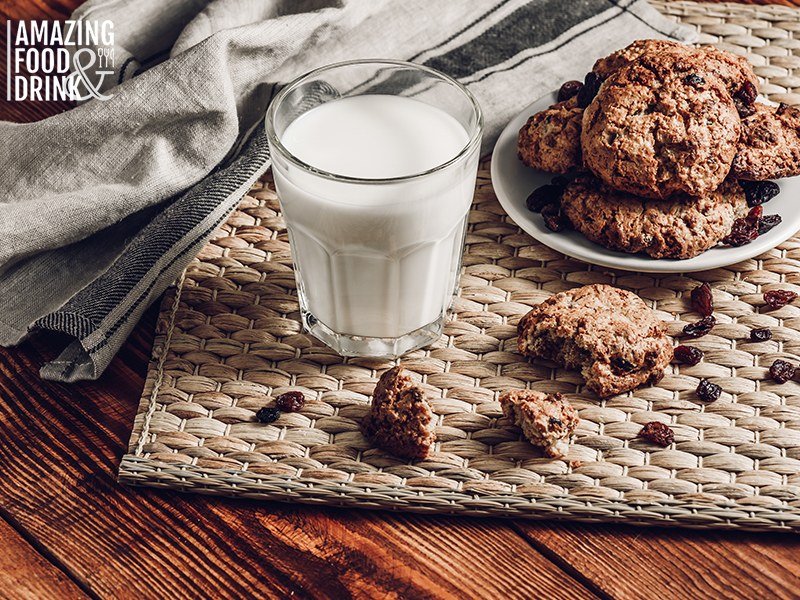
Let’s make vegan oatmeal raisin cookies packed with chewy rolled oats, plump raisins, and warm spices, all held together with a secret weapon: flaxseed! This dairy-free egg-free cookie recipe delivers all the goodness of your favourite oatmeal raisin cookies, completely free of dairy and eggs.
Ingredients
1 1/4 cups rolled oats
1/2 cup all-purpose flour
1/2 cup packed light brown sugar
1/4 cup granulated sugar
1/2 teaspoon baking soda
1/4 teaspoon salt
1/2 teaspoon ground cinnamon
1 tablespoon ground flaxseed
3 tablespoons water
1/2 cup plant-based milk
1/4 cup vegan butter, melted and cooled
1 teaspoon vanilla extract
1/2 cup raisins
Instructions
Preheat the oven to 190°C (375°F) and line a baking sheet with parchment paper.
Whisk together rolled oats, flour, sugars, baking soda, salt, and cinnamon in a large bowl.
Mix ground flaxseed with water in a small bowl and let it sit for 5 minutes to make a flax “egg”.
Whisk together plant-based milk, melted vegan butter, vanilla extract, and the prepared flax “egg” in a separate bowl.
Add the wet ingredients to the dry ingredients and mix until just combined.
Fold in the raisins.
Drop rounded dough balls onto the prepared baking sheets using a tablespoon or cookie scoop. Leave space between them for spreading.
Bake cookies for 10-12 minutes or until the edges are slightly golden brown and the centres are set.
Let the cookies cool on the baking sheet for a few minutes before transferring them to a wire rack to cool completely.
httpss://youtu.be/NWUMH1oNujA?si=C-kP-OVaq8INLwx-
Tips and Variations
Use rolled oats for the best texture and chewiness. Quick oats will result in a softer cookie.
For a richer flavour, toast the oats in a dry skillet over medium heat for a few minutes before adding them to the dough.
Use whole wheat flour or a gluten-free flour blend for a healthier twist.
Add chopped nuts, dried cranberries, or other mix-ins to your liking.
Dairy-Free Egg-Free Sugar Cookie Bars Recipe
These vegan cookie bars deliver all the nostalgic flavours and chewy goodness without any limitations. With simple ingredients and straightforward steps, this dairy-free egg-free cookie recipe delivers chewy, sweet squares perfect for sharing or celebrating special occasions.
Ingredients
1 1/4 cups all-purpose flour
1/2 teaspoon baking soda
1/4 teaspoon salt
1/2 cup vegan butter, softened
3/4 cup granulated sugar
1 tablespoon ground flaxseed
3 tablespoons water
1 teaspoon vanilla extract
1/4 cup plant-based milk
Instructions
Preheat your oven to 175°C (350°F) and line a baking pan with parchment paper.
Whisk together flour, baking soda, and salt in a medium bowl.
In a large bowl, cream softened vegan butter and sugar together until light and fluffy.
Mix ground flaxseed with water in a small bowl and let it sit for 5 minutes to make a flax “egg”.
Add the flax “egg” and vanilla extract to the creamed butter mixture and mix well.
Gradually add the dry ingredients to the wet ingredients, alternating with the plant-based milk. Mix until just combined.
Press the dough evenly into the prepared baking pan. Bake for 12-15 minutes or until the edges are slightly golden brown.
Let the bars cool completely in the pan before cutting and serving. Optionally, frost or drizzle with your favourite topping.
httpss://youtu.be/rd-tZmqW0gk?si=93S3vl0jCee1RhdQ
Tips and Variations
Add a teaspoon of almond or coconut extract for a unique twist.
Chilled dough bakes up thicker and chewier, while room-temperature dough spreads more and creates thinner bars. Choose your preferred texture and adjust accordingly.
These bars cook quickly, so keep an eye on them! Overbaking results in dry, crumbly bars. Aim for golden brown edges and a slightly soft centre.
Vegan Pumpkin Cookies Recipe
Vegan pumpkin cookies are here to satisfy your desires with every delicious bite! These dairy-free egg-free cookies are a guilt-free indulgence, rich with pumpkin puree, perfectly spiced, and boasting a satisfyingly chewy texture.
Ingredients
1 1/4 cups all-purpose flour
1/2 teaspoon baking soda
1/2 teaspoon baking powder
1/2 teaspoon salt
1 teaspoon ground cinnamon
1/4 teaspoon ground ginger
1/2 cup vegan butter, softened
3/4 cup packed light brown sugar
1 tablespoon ground flaxseed
3 tablespoons water
1 teaspoon vanilla extract
1 cup pumpkin purée
1/2 cup chopped walnuts or pecans (optional)
Instructions
Preheat your oven to 190°C (375°F) and line a baking pan with parchment paper.
Whisk together flour, baking soda, baking powder, salt, cinnamon, and ginger in a medium bowl.
In a large bowl, cream together softened vegan butter and brown sugar until light and fluffy.
Mix ground flaxseed with water in a small bowl and let it sit for 5 minutes to make a flax “egg.”
Add the flax “egg” and vanilla extract to the creamed butter mixture and mix well.
Stir in the pumpkin purée until combined.
Gradually add the dry ingredients to the wet ingredients, mixing until just combined.
If using, gently fold in the chopped nuts.
Drop rounded dough balls onto the prepared baking sheets using a tablespoon or cookie scoop. Leave space between them for spreading.
Bake cookies for 10-12 minutes or until the edges are slightly golden brown and the centres are set.
Let the cookies cool on the baking sheet for a few minutes before transferring them to a wire rack to cool completely.
httpss://youtu.be/zFO-GTtKaX0?si=2NWyuscSKrVU5563
Tips and Variations
Canned pumpkin purée is readily available, but for an extra flavorful twist, consider roasting your own pumpkin for fresh, homemade purée.
Depending on your chosen pumpkin purée, you might need to adjust the wet ingredients slightly. Start with the listed amount and add an extra tablespoon of plant-based milk if needed for a more cohesive dough.
Chopped walnuts or pecans add a delightful textural contrast and nutty flavour to these vegan cookies. Feel free to substitute with other nuts like almonds or even sunflower seeds if desired.
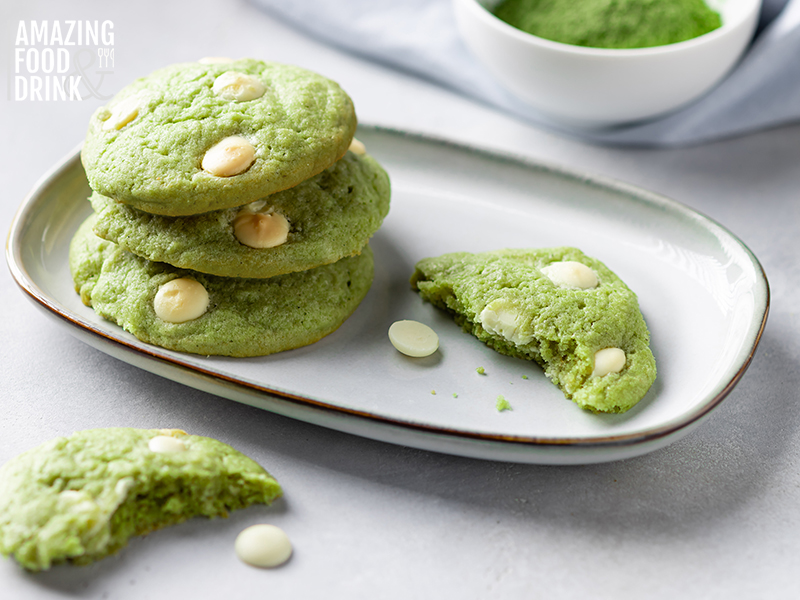
Vegan Matcha Tea Cookies Recipe
Calling all matcha lovers! These matcha tea dairy-free egg-free cookies offer a delightful departure from the ordinary. They boast a vibrant green hue, a subtle earthy sweetness, and a delightful chewy texture.
Ingredients
1 1/4 cups all-purpose flour
1/2 teaspoon baking soda
1/4 teaspoon salt
1/4 cup ceremonial-grade matcha powder, sifted
1/2 cup vegan butter, softened
1/2 cup packed light brown sugar
1/4 cup granulated sugar
1 tablespoon ground flaxseed
3 tablespoons water
1 teaspoon vanilla extract
1/4 cup plant-based milk
Instructions
Preheat your oven to 175°C (350°F) and line a baking sheet with parchment paper.
Whisk together flour, baking soda, salt, and sifted matcha powder in a medium bowl.
In a large bowl, cream softened vegan butter and both sugars together until light and fluffy.
Mix ground flaxseed with water in a small bowl and let it sit for 5 minutes to make a flax “egg.”
Add the flax “egg” and vanilla extract to the creamed butter mixture and mix well.
Gradually add the dry ingredients to the wet ingredients, alternating with the plant-based milk. Mix until just combined.
Cover the dough and refrigerate for at least 30 minutes.
Drop rounded dough balls onto the prepared baking sheets using a tablespoon or cookie scoop.
Bake cookies for 10-12 minutes or until the edges are slightly golden brown and the centres are set.
Let the cookies cool on the baking sheet for a few minutes before transferring them to a wire rack to cool completely.
httpss://youtu.be/U-GnSt2d_II?si=ND8fqfRwJFHQVCrw
Tips and Variations
Choose high-quality culinary-grade matcha powder for the best flavour and vibrant colour. Sift it before adding it to ensure even distribution.
Matcha has a natural sweetness, so start with the suggested sugar amount and adjust based on your preference.
These dairy-free egg-free cookies are slightly chewier than your classic cookie. If you prefer them to be crispier, reduce the baking time slightly.
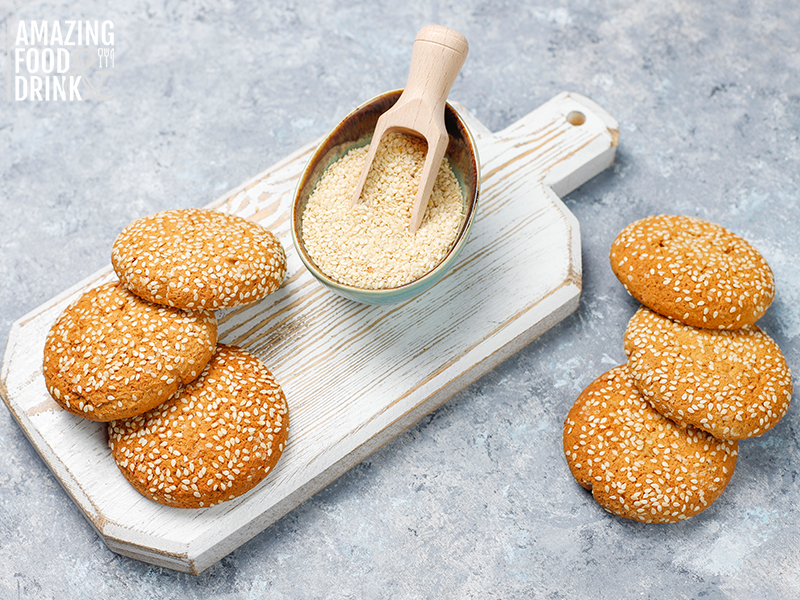
Vegan Tahini Cookies Recipe
Get ready to be swept away by the irresistible aroma and delicious flavour of these dairy-free egg-free cookies. They offer the rich, nutty depth of tahini perfectly balanced by the gentle sweetness of maple syrup, all held together by a soft, chewy texture.
Ingredients
1 1/4 cups all-purpose flour
1/2 teaspoon baking soda
1/4 teaspoon salt
1/2 cup tahini
1/2 cup vegan butter, softened
3/4 cup packed light brown sugar
1/4 cup granulated sugar
1 tablespoon chia seeds
3 tablespoons water
1 teaspoon vanilla extract
1/4 cup plant-based milk
1/4 cup maple syrup (adjust to your desired sweetness)
Preheat your oven to 175°C (350°F) and line a baking sheet with parchment paper.
Whisk together flour, baking soda, and salt in a medium bowl.
In a large bowl, cream softened vegan butter and both sugars together until light and fluffy.
In a small bowl, mix chia seeds and water. Let it sit for 5 minutes until it forms a gel-like consistency to make a chia seed “egg.”
Add the tahini, chia seed “egg,” and vanilla extract to the creamed butter mixture and mix well.
Gradually add the dry ingredients to the wet ingredients, alternating with the plant-based milk and maple syrup. Mix until just combined.
Fold in your chosen mix-ins (optional).
Chill the dough (optional) for at least 30 minutes for thicker cookies.
Scoop rounded tablespoons of dough onto the prepared baking sheets, leaving space between them.
Bake for 10-12 minutes or until the edges are slightly golden brown and the centres are set.
Let the cookies cool on the baking sheet for a few minutes before transferring them to a wire rack to cool completely.
httpss://youtu.be/TpvvvT4BHAo?si=lJ9J6qai26HkQaYj
Tips and Variations
Opt for a high-quality, smooth tahini for the best results. If your tahini is thick, stir in a tablespoon of plant-based milk to thin it slightly before adding it to the batter.
Start with the suggested amount of maple syrup and taste the batter before baking. You can adjust based on your preference and the intensity of your tahini’s flavour.
Elevate your vegan cookies with chopped nuts, dried fruit, chocolate chips, or even a sprinkle of flaky sea salt for a sweet and salty balance.
Beyond Vegan Cookies: Final Remarks
Ultimately, there are endless possibilities for dairy-free egg-free cookie recipes available to cater to different dietary needs and taste preferences. You can always customise any recipe, experiment with various options, and add your unique twists.
If you’re looking for further inspiration, our website has a treasure trove of inclusive recipes waiting to be discovered. Check out our guide to making a vegan apple pie, complete with a flaky crust and gooey filling, browse through our gluten-free dairy-free muffin recipes for endless flavour combinations, or master the art of egg-free brownies that can be customised to any dietary preference.




 Shaimaa Olwan
 Nouran Ashraf