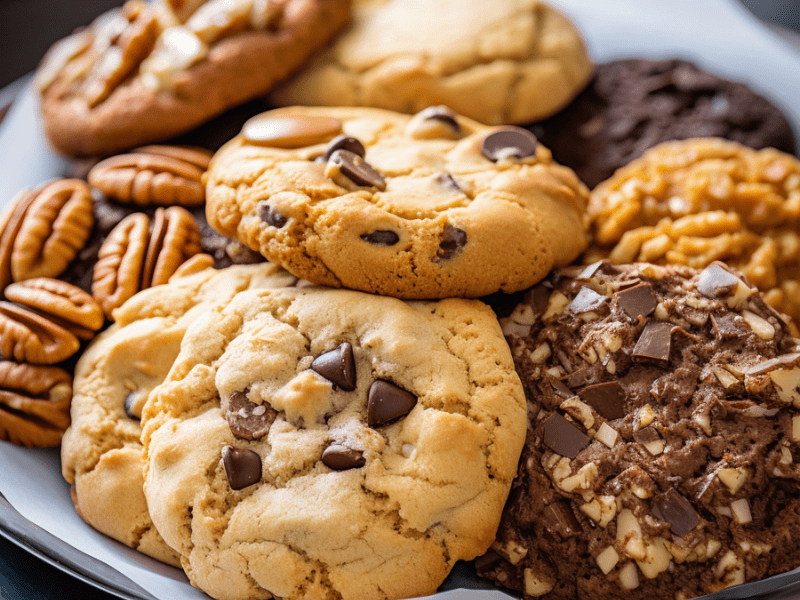
Get ready to indulge in the most delicious egg-free brownies you’ve ever tasted! With a few simple swaps and smart techniques, you can make a batch of moist, flavourful brownies that will blow your taste buds away.
This egg-free brownie recipe, made with a combination of butter, yoghurt, and brown sugar, still achieves that perfect fudgy texture without the need for eggs. We’ll also share recipe variations, ideas for serving and topping, and tips for making the perfect fudgy egg-free brownies.
Intrigued? Let’s jump to the recipe right away!
How to Make Eggless Brownies
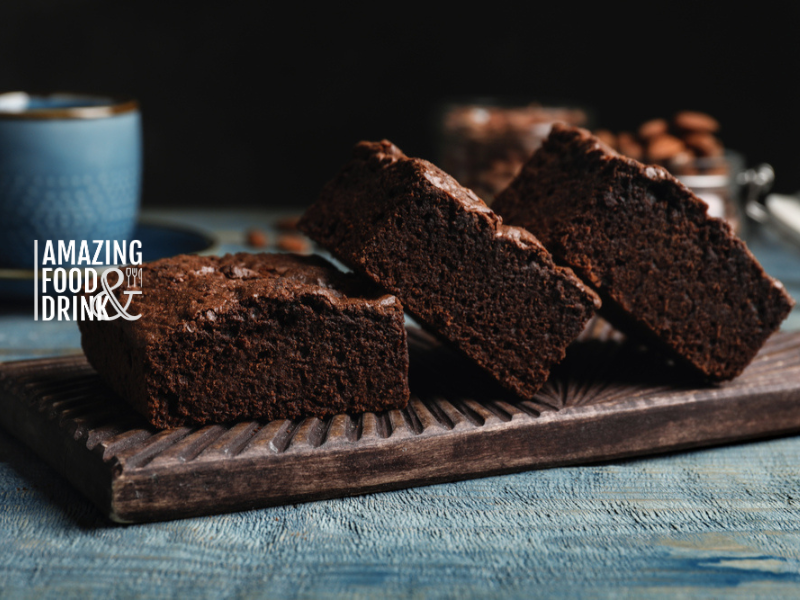
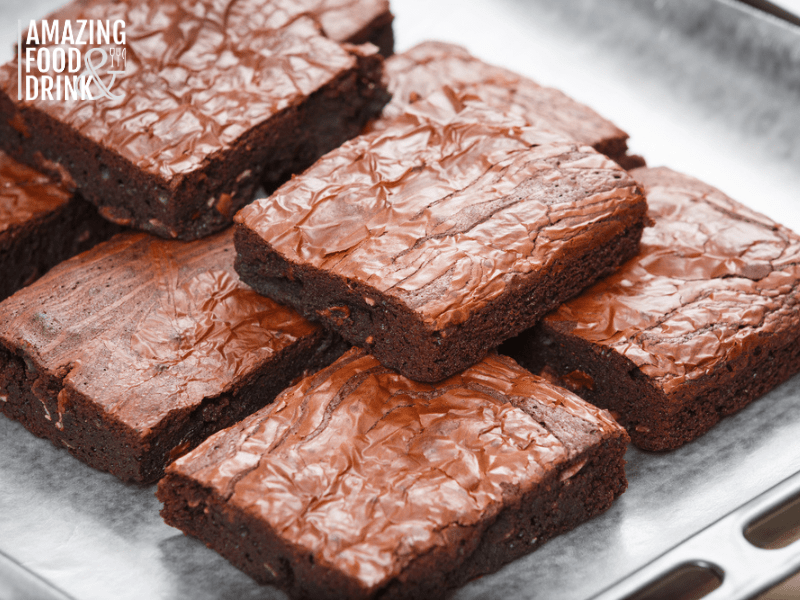
Eggless Brownies
Here’s how to make brownies without eggs and achieve delicious and perfectly fudgy results. This recipe can be customised to suit different tastes.
Ingredients
1 cup all-purpose flour
3/4 cup unsweetened cocoa powder
1/2 teaspoon baking powder
1/4 teaspoon salt
1/2 cup unsalted butter, melted and cooled (Use vegan butter instead of regular butter for a completely vegan brownie recipe)
Preheat the oven to 175°C and line a baking pan with parchment paper.
Whisk together flour, cocoa powder, baking powder, and salt in a medium bowl.
In a separate bowl, whisk together melted butter and sugar until smooth.
Add the milk and vanilla extract and whisk until well combined.
Gradually add the dry ingredients to the wet ingredients, mixing until just combined. Do not overmix.
Fold in chocolate chips if using.
Pour the brownie batter into the prepared baking pan and spread evenly.
Bake for 25-30 minutes or until a toothpick inserted into the centre comes out with moist crumbs.
Let the brownies cool completely in the pan before cutting and serving.
Egg-Free Brownie Recipe Variations
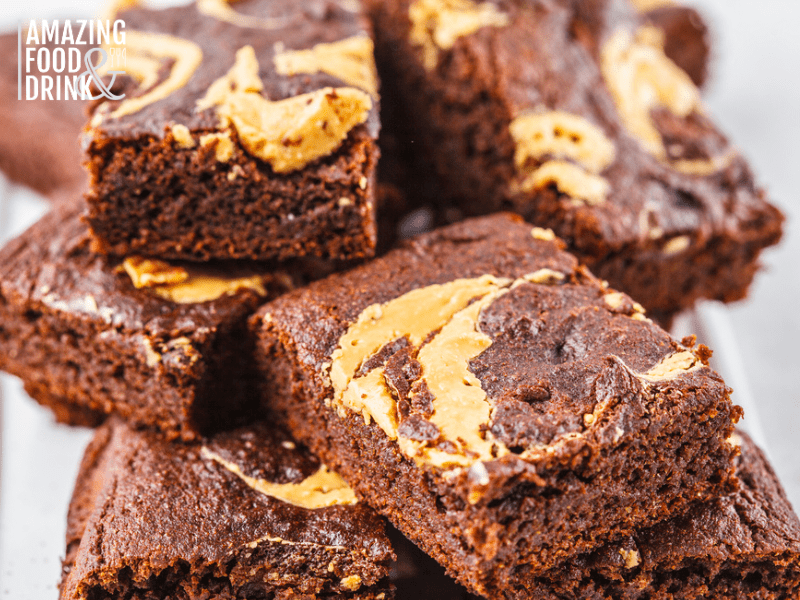
Peanut Butter Brownies
The beauty of the eggless brownie recipe is its versatility. You can easily get creative and customise to different dietary needs and preferences, creating a treat everyone can enjoy. Here are some exciting variations to explore.
Peanut Butter Brownies: Add spoonfuls of peanut butter on top of the batter before baking for a marbled peanut butter and chocolate treat.
Nuts & Seeds: Add chopped nuts like walnuts, pecans, or almonds, or seeds like pumpkin or sunflower for extra crunch and texture.
Salted Caramel Brownies: Drizzle 1/4 cup of caramel sauce over the batter before baking, and the caramel will melt and create pockets of gooey goodness throughout the brownies.
Fruit Brownies: Fold in 1/2 cup of chopped berries, diced apples, or even mashed bananas into the batter before baking. The fruit will add a touch of sweetness and moisture to the brownies.
Blondies: Omit the cocoa powder and use 1 cup of brown sugar instead of granulated sugar for a delicious and chewy blondie variation.
Coffee Brownies: Add 1-2 tablespoons of instant coffee or espresso powder to the dry ingredients for a deeper, mocha-like flavour.
How to Make Gluten-Free Brownies
Replace all-purpose flour with a gluten-free flour blend like almond flour, oat flour, or a gluten-free baking mix. Make sure the blend contains xanthan gum for binding.
Gluten-free flours tend to absorb more moisture, so you might need to add a tablespoon or two of extra liquid like milk or nut butter.
Adding ¼ cup of applesauce or mashed banana can increase the moisture and fudginess of gluten-free brownies.
How to Make Dairy-Free Brownies
Instead of regular milk, use plant-based alternatives like almond milk, coconut milk, or soy milk. Choose unsweetened varieties for better control over sweetness.
Opt for dairy-free butter alternatives like vegan butter or coconut oil. You can even use applesauce in some recipes for a healthier twist.
Ensure your chocolate chips and cocoa powder are dairy-free for a fully enjoyable experience.
Tips for Making Perfect Egg-Free Brownies
Perfect Egg-Free Brownies
Baking the perfect egg-free brownies doesn’t have to be a mystery. With a few simple tips and tricks, you can whip up a batch of rich, fudgy brownies that are just as delicious as their eggy counterparts.
Here are some tips for making perfect egg-free brownies.
Experiment with different egg substitutes. Common choices include applesauce, mashed bananas, yoghurt, silken tofu, or commercial egg replacers. Each brings its own moisture and binding properties.
If your egg substitute lacks leavening properties, consider adding a bit of baking powder to help the brownies rise.
Depending on your choice of egg substitute, you may need to adjust the sugar content. Some substitutes may need more or less sweetness.
Achieve the right balance between wet and dry ingredients. Adjust the amount of egg substitute to ensure the brownies have the right moisture content and structure.
Avoid overmixing the brownie batter once the wet and dry ingredients are combined. Overmixing can lead to dense and tough brownies. Stir until just combined.
Sift the dry ingredients, particularly cocoa powder, to eliminate lumps. This results in a smoother batter and evenly textured brownies.
Include a small amount of acidic ingredients, like a splash of vinegar or a bit of lemon juice. This can enhance the leavening effect and contribute to a lighter texture.
Opt for high-quality cocoa powder for a richer chocolate flavour. This can elevate the overall taste of your egg-free brownies.
Choose the appropriate pan size for your brownies. Using a larger or smaller pan can affect the thickness and baking time.
Perform the toothpick test to check for doneness. A toothpick inserted into the centre should come out with a few moist crumbs but not wet batter. Be cautious not to overbake.
Adjust the baking time for the desired texture. Bake for 20-25 minutes for fudgy brownies like the base recipe, or bake for 30-35 minutes for a cakier texture.
Slightly underbake your brownies so that they stay moist and fudgy in the centre without collapsing.
Make sure not to open the oven door during baking as it can cause temperature fluctuations and lead to sinking.
Allow the brownies to cool completely in the pan before cutting. This helps them set and results in cleaner cuts.
Feel free to experiment with different ingredient variations. Personalise the recipe to suit your taste and dietary preferences.
Serving Suggestions and Toppings
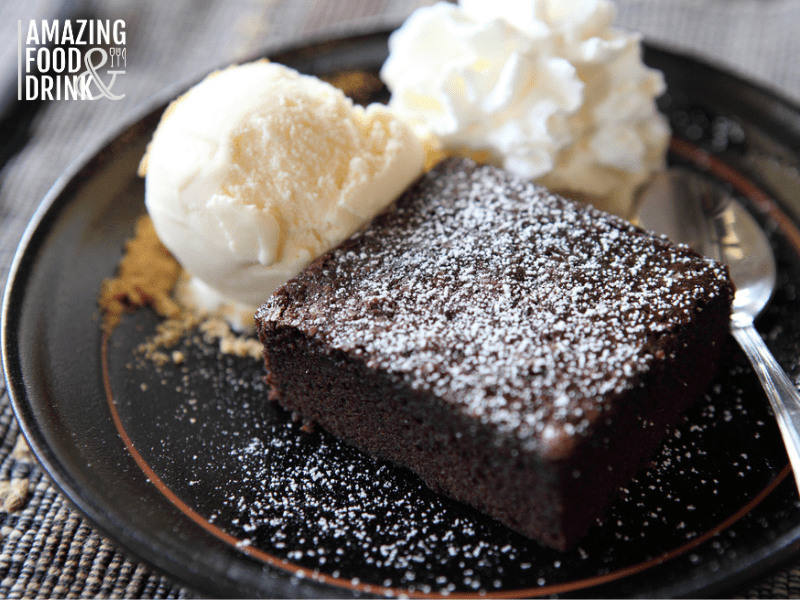
Brownie with vanilla ice cream
Eggless brownies are a delightful treat for everyone, and the best part is they can be dressed up for any occasion. Here are some serving suggestions and toppings to take your brownies to the next level.
For pure brownie bliss, serve them warm straight from the oven with a scoop of vanilla ice cream and a drizzle of hot fudge. The melty chocolate and cold ice cream create a heavenly contrast in textures.
Elevate the classic by drizzling the ice cream with flavoured syrups like caramel, raspberry, or even a touch of espresso for a mocha twist.
Top warm brownies with fresh berries like raspberries, blueberries, or strawberries for a burst of tartness and a pop of colour.
Drizzle cooled brownies with homemade or store-bought salted caramel sauce for a sweet and salty explosion. Sprinkle with a touch of flaky sea salt for an extra textural contrast.
Drizzle brownies with melted dark chocolate, milk chocolate, or even white chocolate for a double dose of cocoa goodness. Sprinkle with chopped nuts or chocolate shavings for added decadence.
Cut cooled brownies into small squares and skewer them with pretzel sticks or lollipop sticks for a fun and playful presentation. Dip the ends in melted chocolate or sprinkles for extra flair.
Slice brownies in half and sandwich them around scoops of your favourite ice cream for a portable and delicious treat. Press the edges together and roll in chopped nuts or sprinkles for a festive touch.
Layer crumbled brownies with yoghurt, fresh berries, and chopped nuts for a healthy and satisfying dessert.
Fill bowls with crumbled brownies and top with your favourite toppings like fruit, nuts, whipped cream, and chocolate sauce.
Bonus Tip: Get creative with the presentation! Arrange your brownies on a platter with different toppings, or serve them individually in small bowls with a scoop of ice cream.
Storing and Freezing Instructions for Eggless Brownies
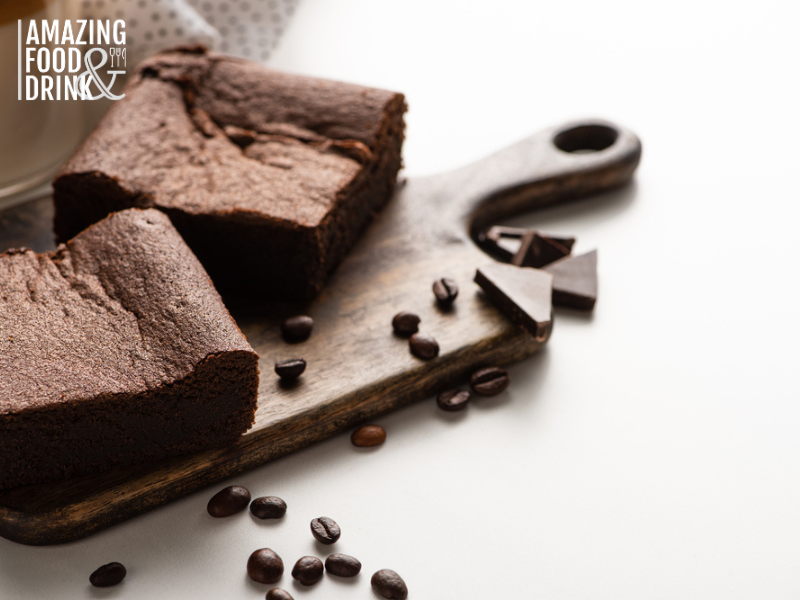
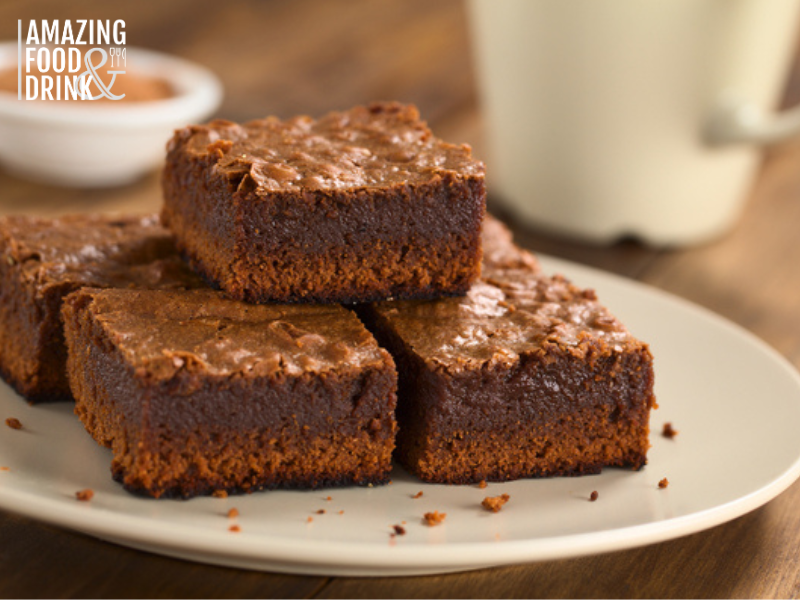
Freshly baked brownie pieces
Brownies are a delicious treat, but sometimes you bake more than you can eat in one sitting. The leftovers shouldn’t go to waste as there are several ways to store, freeze, and reheat brownies so you can enjoy them later.
Here’s a detailed guide on how to store, freeze, and reheat your leftover brownies.
How to Properly Store Brownies
If you’re storing the brownies at room temperature, they will stay good for about 3 to 4 days.
Allow your brownies to cool completely, then store them in an airtight container to keep them fresh and prevent them from drying out.
Brownies can last even longer in the refrigerator, around 5 to 7 days.
Keep your brownies in a separate container or wrap them in plastic wrap before placing them in the fridge to protect them from getting soggy or absorbing odours from other foods.
Tips for Freezing Brownies
Freezing brownies is a great way to store them for longer terms and have a ready supply of treats. Here are some tips for freezing brownies.
Wrap the individual brownies tightly in plastic wrap or aluminium foil to prevent freezer burn and keep them fresh.
If you prefer, you can also store the wrapped brownies in an airtight container to further protect them from freezer odours.
It’s important to label each package with the date so you know how long they have been frozen.
Consider dividing the batch into smaller portions before freezing. This way, you can only thaw what you need without thawing everything at once.
Brownies can be safely stored in the freezer for up to 3 months. After that, their quality may begin to decline.
How to Reheat Frozen Brownies
You can reheat brownies frozen or thawed. Frozen brownies will take a little longer to reheat, but thawing them overnight in the refrigerator will give you the best texture.
Preheat your oven to 350°F (175°C). Place the brownies on a baking sheet and heat for 10-15 minutes or until warmed through. This method is great for reviving a whole batch of brownies.
If you’re short on time, microwave individual brownies on low power for 15-20 seconds or until warmed through. Be careful not to overcook them so they don’t become dry.
More Egg-Free Recipe Inspiration
Baking without eggs doesn’t have to mean sacrificing flavour or fun. We encourage you to continue your culinary journey with our other egg-free delights. Head over to our website for more delectable recipes catering to diverse dietary needs.
Swap your brownie pan for a cookie sheet and explore our delightful collection of egg-free cookie recipes. For mornings that call for a stack of pancakes, our egg-free pancake recipes promise a fluffy start to your day.


 Nouran Ashraf