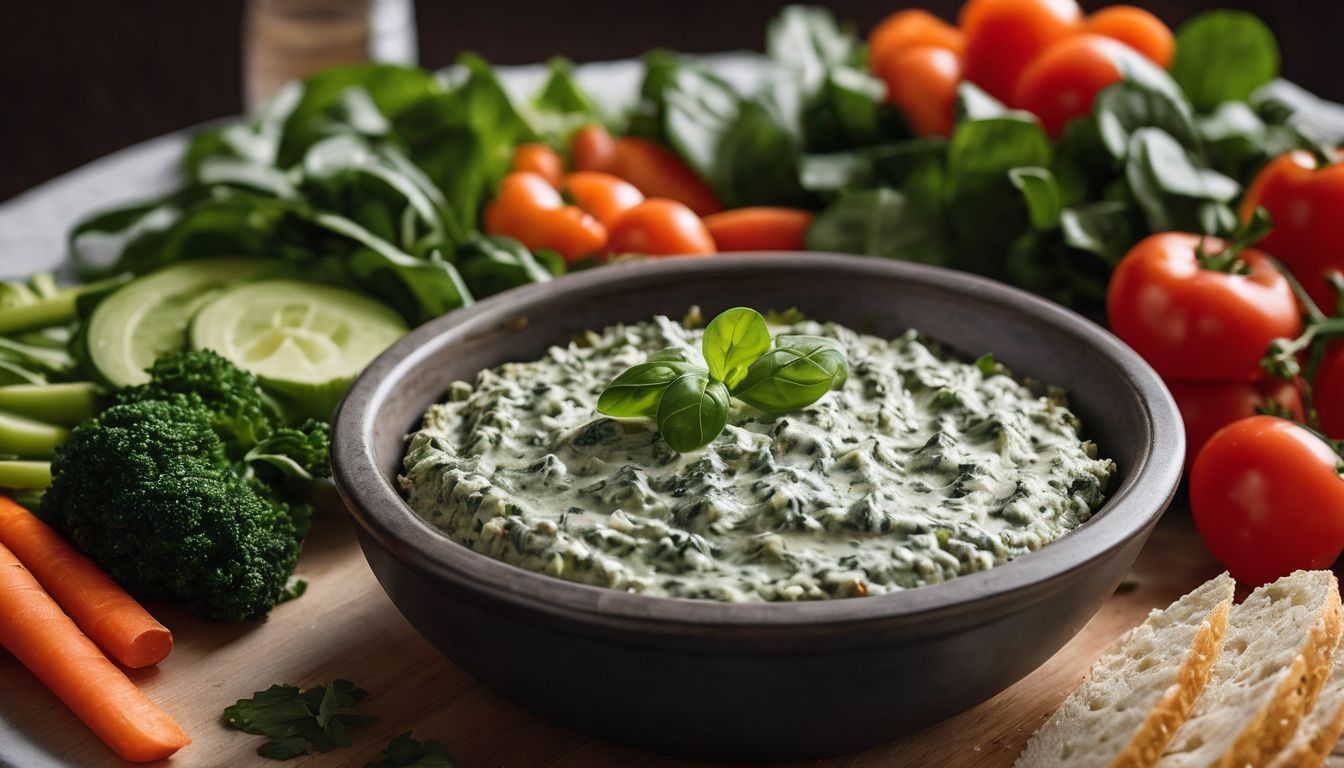
Forget everything you know about sad, wilted diet salads. After testing dozens of traditional salad recipes from kitchens across five continents, we’ve discovered that the most satisfying salad for dieters isn’t the one marketed as “diet food”—it’s authentic dishes from cultures where fresh vegetables form the foundation of daily eating. At Amazing Food & Drink, we’ve explored how Greek fishermen’s wives, Thai street vendors, and Levantine home cooks create salads that naturally support healthy eating without feeling like deprivation. These aren’t stripped-down versions of indulgent dishes. They’re complete meals in their own right, celebrated for centuries because they deliver genuine satisfaction whilst keeping calories in check.
This comprehensive guide brings you twelve tested salad recipes, from protein-rich paneer salads of North India to umami-loaded seaweed bowls of Japan. You’ll learn why a proper Greek salad for diet contains no lettuce whatsoever, how Middle Eastern cooks use sumac to create addictive tang without added fats, and which Southeast Asian techniques transform raw vegetables into crave-worthy diet salad options. Whether you’re searching for different salad recipes or want to understand the types of salad that genuinely keep you full, we’re sharing what actually works—backed by our kitchen tests and cultural food knowledge from around the world.
Table of Contents
Types of Salad for Dieters: Beyond the Basics
Understanding the different types of salad for dieters helps you build variety into your weight management plan whilst ensuring complete nutrition. Unlike generic diet salad options, traditional global salad recipes have evolved to balance macronutrients naturally.
Vegetable Salad: The Mediterranean Foundation
Vegetable salads reign supreme for anyone following a diet plan, packed with fibre and essential nutrients whilst remaining naturally low in calories. Traditional Greek horiatiki demonstrates this perfectly; built on chunks of cucumber, tomato, pepper, and red onion with no lettuce whatsoever, this salad for weight loss delivers crunch, juiciness, and satisfying bulk. Middle Eastern fattoush takes a different approach, incorporating toasted pitta bread that soaks up lemony sumac dressing for textural variety.
For maximum nutritional benefit in your diet salad, choose dark leafy greens like spinach, kale, or watercress over pale lettuce. Cruciferous vegetables such as cabbage offer additional benefits for any salad recipe aimed at weight management.
Fruit Salad: Natural Sweetness Without Guilt
Fruit salads serve multiple purposes in a balanced diet approach, satisfying sweet cravings whilst delivering vitamins and fibre. A grapefruit, apple, and pomegranate salad exemplifies this; grapefruit may support metabolism, apples deliver soluble fibre, and pomegranate seeds add flavour with minimal calories. When preparing fruit-based salad for diet, stick to whole fruits rather than dried versions. Berries, citrus, apples, and pears offer the best balance for any salad recipe.
Protein Salad: Sustained Energy for Weight Management
Protein salads represent the most filling option of salad for dieters, as protein takes longer to digest and helps preserve muscle mass. Our egg salad recipe demonstrates how lean protein transforms a simple diet salad; when dressed with Greek yoghurt instead of mayonnaise, the calorie density drops substantially whilst maintaining satisfaction. Grilled chicken, paneer, chickpeas, and lentils all provide excellent protein options for diet salad recipes.
Healthy Ingredients for Diet Salad Recipes: Building Blocks of Satisfaction
Creating a truly satisfying salad for dieters requires understanding how different ingredients contribute to nutrition, satiety, and flavour. The difference between a diet salad that leaves you reaching for snacks an hour later and one that sustains you lies in choosing the right building blocks for your salad recipe.
Leafy Vegetables: The Nutritional Powerhouses
Leafy vegetables form the foundation of most salad recipes, offering maximum nutrition with minimal calories. Spinach and kale lead as superfoods for any diet salad, packed with vitamins A, C, and K, plus calcium, folate, and fibre. Watercress and rocket add peppery notes that prevent salad fatigue. Cabbage—both green and purple—deserves special mention in any salad for dieters, as this cruciferous vegetable contains compounds that support weight management whilst providing substantial fibre and satisfying crunch.
Fresh, Colourful Fruits: The Rainbow Principle
Apples and pears feature prominently in our diet salad recipes because they combine high fibre with satisfying crunch and natural sweetness. Citrus fruits add brightness to any diet salad whilst providing vitamin C. Berries pack antioxidants into low-calorie packages, perfect for summer fruit salad recipes. Pomegranate seeds deliver jewel-like visual appeal and impressive antioxidant content to any salad for dieters.
Lean Protein: The Satisfaction Factor
Protein creates lasting fullness in every salad for weight loss. Eggs remain one of our most-used proteins in diet salad recipes; a large egg contains approximately 6 grams of high-quality protein for roughly 70 calories. Nuts and seeds contribute protein alongside healthy fats. Chickpeas exemplify plant-based protein excellence for any diet salad, delivering approximately 15 grams of protein per cup. Chicken breast provides the leanest animal protein option at roughly 31 grams per 100 grams.
Healthy Fats: Essential for Satisfaction
Avocados have earned their superfood status for any diet salad; roughly 71% of their fat consists of heart-healthy monounsaturated fatty acids. The creamy texture of avocado transforms salads completely. Olive oil forms the backbone of Mediterranean cooking and appears in most of our salad for diet dressings. The key to using olive oil in any diet salad lies in measuring; 1-2 tablespoons per large salad provides sufficient richness.
Whole Grains and Light Dressings
Quinoa leads our grain choices for any salad for weight loss because it contains all nine essential amino acids. Brown rice and bulgur wheat offer alternatives that add a satisfying substance to your salad recipe. For dressings, we often use a 2:1 oil-to-acid ratio for salad for dieters to reduce calories whilst maintaining flavour. Tahini-based dressings offer creamy satisfaction with impressive nutritional profiles. Yoghurt dressings bring tangy creaminess with protein, whilst Asian-inspired dressings using soy sauce, rice vinegar, and sesame oil bring umami depth to any diet salad.
Twelve Global Recipes: Salads That Genuinely Satisfy
Now that you understand the principles behind an effective salad for dieters, let’s explore twelve tested salad recipes from around the world. Each recipe represents authentic culinary traditions where the salad naturally evolved as satisfying, complete meals rather than mere side dishes. These aren’t simplified “diet versions” of indulgent food; they’re genuine cultural dishes that happen to support healthy eating beautifully.
These tested salad for diet recipes draw from culinary traditions where vegetables form the foundation of daily eating. Each one delivers complete nutrition with flavours bold enough to keep you coming back, rather than feeling like diet salad you must tolerate.
1. Grapefruit, Apple, and Pomegranate Salad
This bright, jewel-toned salad combines three fruits that support weight management through different mechanisms. Grapefruit contains compounds that may enhance fat metabolism, apples deliver soluble fibre that promotes fullness, and pomegranate provides antioxidants with minimal calories.
Serves: 4 | Prep time: 15 minutes | Calories per serving: Approximately 120
Ingredients
2 large grapefruits (pink or ruby red)
2 crisp apples (Granny Smith or Pink Lady)
Seeds from 1 large pomegranate
2 tablespoons fresh mint leaves, finely chopped
1 tablespoon honey (optional)
Juice of 1 lime
Pinch of sea salt
Instructions
Supreme the grapefruits: Cut away the peel and white pith completely, then carefully cut between the membranes to release individual segments. Work over a bowl to catch the juice.
Core the apples and cut into thin matchsticks or dice. Leave the skin on for added colour, texture, and fibre.
In a large bowl, combine grapefruit segments (and any collected juice), apple pieces, and pomegranate seeds.
Drizzle with lime juice and honey (if using). Add chopped mint and a pinch of salt—this brightens the fruit flavours surprisingly effectively.
Toss gently and serve immediately, or refrigerate for up to 2 hours.
Cultural note: This salad draws inspiration from Persian and Turkish fruit preparations where pomegranate features prominently. In Middle Eastern cuisine, the balance of sweet and tart with fresh herbs creates sophisticated fruit dishes served alongside rich meats.
2. Classic Egg Salad with Greek Yoghurt
Traditional egg salad typically drowns eggs in mayonnaise, creating a calorie-dense mixture. Our version uses Greek yoghurt for creaminess, reducing calories whilst boosting protein content.
Serves: 4 | Prep time: 15 minutes (plus time for boiling eggs) | Calories per serving: Approximately 180
Ingredients
8 large eggs
150g Greek yoghurt (full-fat or 2%)
2 teaspoons Dijon mustard
2 celery stalks, finely diced
2 spring onions, thinly sliced
2 tablespoons fresh dill, chopped
1 tablespoon capers, roughly chopped (optional)
1 teaspoon lemon juice
Salt and freshly ground black pepper
Paprika for garnish
Instructions
Place eggs in a single layer in a saucepan and cover with cold water by about 2.5cm. Bring to a rolling simmer over medium-high heat.
Once simmering, remove from heat, cover, and let stand for 10 minutes. This timing produces hard-cooked eggs with creamy yolks and no grey-green ring.
Immediately transfer eggs to a bowl of ice water. Leave for at least 5 minutes.
Peel eggs under cool running water. Roughly chop them—some people prefer uniform dice whilst others like varied textures with some larger chunks.
In a bowl, whisk together Greek yoghurt, mustard, lemon juice, salt, and pepper until smooth and creamy.
Add chopped eggs, celery, spring onions, dill, and capers (if using). Fold gently to combine.
Taste and adjust seasonings. Serve immediately or refrigerate for up to 3 days.
Serving suggestions: Pile onto crisp lettuce leaves for a low-carb option, stuff into halved tomatoes for an elegant presentation, or serve with whole grain crackers.
3. Paneer, Peas, and Peanut Salad (Indian-Inspired)
This protein-rich salad draws from North Indian vegetarian traditions where paneer provides substantial protein. The combination of cheese, legumes, and nuts creates a complete amino acid profile whilst delivering satisfying textures and bold spice-forward flavours.
Serves: 4 | Prep time: 15 minutes | Cook time: 10 minutes | Calories per serving: Approximately 320
Ingredients
For the salad:
200g paneer, cut into 1.5cm cubes
200g fresh or frozen peas (if frozen, thawed)
75g roasted peanuts, roughly crushed
1 small red onion, thinly sliced
1 large tomato, diced
Handful of fresh coriander leaves
2 tablespoons vegetable oil
For the dressing:
3 tablespoons lemon juice
1 teaspoon ground cumin
1/2 teaspoon ground coriander
1/2 teaspoon chaat masala (optional but recommended)
1/4 teaspoon cayenne pepper (adjust to taste)
1 teaspoon honey or jaggery
Salt to taste
Instructions
Heat oil in a non-stick pan over medium-high heat. Add paneer cubes in a single layer; don’t crowd the pan.
Cook without moving for 2-3 minutes until golden brown on the bottom, then flip and brown the other sides. Remove to a plate.
If using fresh peas, blanch them in boiling salted water for 2 minutes, then drain and shock in ice water. If using frozen peas, simply thaw them.
Make the dressing: Whisk together lemon juice, cumin, ground coriander, chaat masala, cayenne, honey, and salt.
In a large bowl, combine paneer, peas, peanuts, red onion, tomato, and fresh coriander leaves.
Pour the dressing over the salad and toss gently to combine. Let sit for 5-10 minutes if possible.
Serve at room temperature or slightly warm.
Cultural context: In Indian vegetarian cooking, paneer plays a role similar to chicken in Western cuisine; a blank canvas that absorbs surrounding flavours whilst providing substantial protein.
4. Spinach and Cabbage Salad with Ginger-Soy Dressing
This crisp, crunchy salad combines the nutritional powerhouses of spinach and cabbage with an Asian-inspired dressing that makes raw vegetables genuinely crave-worthy.
Serves: 4 | Prep time: 15 minutes | Calories per serving: Approximately 110
Ingredients
For the salad:
200g fresh baby spinach leaves
300g green cabbage, very thinly sliced
1 large carrot, julienned
2 spring onions, thinly sliced on the diagonal
2 tablespoons sesame seeds (white or black), toasted
Handful of fresh coriander leaves (optional)
For the ginger-soy dressing:
2 tablespoons soy sauce
2 tablespoons rice vinegar
1 tablespoon sesame oil
1 tablespoon fresh ginger, finely grated
1 clove garlic, minced
1 teaspoon honey or maple syrup
1/2 teaspoon chilli flakes (optional)
Instructions
Wash and thoroughly dry the spinach. Slice the cabbage as thinly as possible. Cut the carrot into thin matchsticks.
Toast the sesame seeds in a dry pan over medium heat for 2-3 minutes until fragrant and lightly golden. Remove immediately.
Make the dressing: Combine soy sauce, rice vinegar, sesame oil, grated ginger, minced garlic, honey, and chilli flakes (if using). Whisk vigorously.
In a large bowl, combine spinach, cabbage, carrot, and spring onions.
Just before serving, pour the dressing over the salad and toss thoroughly—use your hands if necessary.
Sprinkle with toasted sesame seeds and fresh coriander leaves. Serve immediately.
Nutritional note: This salad exemplifies how cruciferous vegetables (cabbage) combined with dark leafy greens (spinach) create nutrient density that supports weight loss.
5. Apple, Walnut, and Chicken Salad
This autumn-inspired salad balances crisp apples, rich walnuts, and tender grilled chicken with a maple-mustard dressing. It’s substantial enough to serve as a complete meal whilst feeling light and fresh.
Serves: 4 | Prep time: 20 minutes | Cook time: 15 minutes | Calories per serving: Approximately 380
Marinate the chicken: Combine 1 tablespoon olive oil, half the garlic, thyme, salt, and pepper. Add chicken breasts, turning to coat. Let sit for at least 15 minutes.
Make the dressing: Whisk together 2 tablespoons olive oil, apple cider vinegar, mustard, maple syrup, remaining garlic, salt, and pepper.
Toast the walnuts in a dry pan over medium heat for 3-4 minutes, stirring frequently. Remove and roughly chop once cooled.
Cook the chicken: Heat a grill pan or heavy skillet over medium-high heat. Cook chicken breasts for 6-7 minutes per side until cooked through (internal temperature should reach 74°C). Rest for 5 minutes, then slice thinly.
Core the apples and cut into thin matchsticks or dice. Toss immediately with a teaspoon of lemon juice to prevent browning.
Assemble: In a large bowl or on a platter, combine salad leaves, sliced red onion, and apples. Arrange sliced chicken on top, then scatter with walnuts and crumbled cheese.
Drizzle with dressing just before serving.
Seasonal variations: In summer, substitute peaches or nectarines for the apples. In winter, use pears and add some pomegranate seeds.
6. Greek Salad with Grilled Chicken (Horiatiki)
Authentic Greek horiatiki contains no lettuce whatsoever—it’s built entirely on chunks of ripe tomatoes, crisp cucumber, sharp onion, and briny olives and feta. Adding grilled chicken transforms this traditional mezze into a complete protein-rich meal.
Serves: 4 | Prep time: 20 minutes | Cook time: 15 minutes | Calories per serving: Approximately 350
Marinate the chicken: Combine 2 tablespoons olive oil, half the lemon juice, half the garlic, 1 teaspoon oregano, salt, and pepper. Add chicken breasts. Marinate for at least 15 minutes.
Cut the tomatoes into large wedges—6-8 pieces per tomato. Cut the cucumber and pepper into similar-sized chunks.
Make the dressing: Whisk together 3 tablespoons olive oil, vinegar, remaining lemon juice, remaining garlic, 1 teaspoon oregano, salt, and pepper.
Cook the chicken: Heat a grill pan over medium-high heat. Cook chicken for 6-7 minutes per side until cooked through. Rest for 5 minutes, then slice.
Assemble: Combine tomatoes, cucumber, pepper, and onion. Pour the dressing over and toss gently.
Arrange the feta slab on top (don’t crumble it). Scatter with olives.
Arrange sliced chicken over the salad. Finish with a drizzle of olive oil and a sprinkle of oregano.
Cultural authenticity: In Greece, this salad appears on every taverna table. The vegetables must be perfectly ripe—Greek cooks wait for peak summer tomatoes rather than making this salad year-round with inferior produce.
7. Thai-Inspired Green Papaya Salad (Som Tum Style)
This explosive salad from Northeast Thailand demonstrates how Southeast Asian cuisines create satisfaction through balancing sweet, sour, salty, and spicy rather than relying on fats and heavy proteins.
Serves: 4 | Prep time: 20 minutes | Calories per serving: Approximately 140 (without peanuts), 190 (with peanuts)
Ingredients
For the salad:
1 medium green (unripe) papaya (about 500g)
2 large carrots, julienned
200g cherry tomatoes, halved
100g long beans or green beans, cut into 5cm pieces
3 tablespoons roasted peanuts, crushed
Fresh coriander and Thai basil for garnish
2-4 Thai bird’s eye chillies (adjust to heat preference)
For the dressing:
3 tablespoons lime juice (about 2 limes)
2 tablespoons fish sauce
1 tablespoon palm sugar or brown sugar
2 cloves garlic, minced
1 tablespoon dried shrimp (optional but authentic)
Instructions
Prepare the green papaya: Peel it completely, cut in half lengthwise, and scoop out the seeds. Using a julienne peeler or sharp knife, cut the flesh into long, thin strips.
Blanch the beans in boiling water for 2 minutes until tender-crisp. Drain and shock in ice water.
Make the dressing: In a mortar and pestle, pound together the chillies and garlic to form a rough paste. Add palm sugar and pound to dissolve. Add dried shrimp (if using) and crush lightly.
Add fish sauce and lime juice, stirring to dissolve the sugar completely. Taste and adjust—it should taste quite strong as it will be diluted by the papaya.
In a large bowl, combine shredded papaya, julienned carrots, blanched beans, and cherry tomatoes.
Pour the dressing over and toss thoroughly. Let sit for 5-10 minutes.
Serve garnished with crushed peanuts, fresh coriander, and Thai basil.
Cultural note: Som tum originated in Laos and Northeastern Thailand, where green papaya grows abundantly. The pounding action in the mortar bruises the papaya slightly, helping it absorb the dressing.
8. Middle Eastern Fattoush with Sumac
Fattoush represents one of the great peasant salads—originally created to use up stale flatbread. The combination of crisp vegetables, fresh herbs, and tangy sumac-spiked dressing creates addictive flavours.
Serves: 4 | Prep time: 20 minutes | Cook time: 5 minutes | Calories per serving: Approximately 180
Ingredients
For the salad:
2 large pitta breads
1 cos (romaine) lettuce, chopped
3 medium tomatoes, diced
1 cucumber, diced
4 radishes, thinly sliced
1 small red onion, thinly sliced
Large handful each of fresh mint and flat-leaf parsley, roughly chopped
100g purslane (optional but traditional)
For the dressing:
4 tablespoons extra virgin olive oil
3 tablespoons lemon juice
2 tablespoons sumac, plus extra for garnish
1 clove garlic, minced
1 teaspoon pomegranate molasses (optional but recommended)
Salt and freshly ground black pepper
Instructions
Toast the pitta: Separate into two layers if possible. Brush very lightly with olive oil and sprinkle with salt and sumac.
Toast under the grill for 2-3 minutes per side until golden and crispy. Once cool, break into bite-sized pieces.
Prepare the vegetables: Cut everything into similar-sized pieces.
Make the dressing: Whisk together olive oil, lemon juice, sumac, garlic, pomegranate molasses (if using), salt, and pepper.
In a large bowl, combine lettuce, tomatoes, cucumber, radishes, onion, and herbs.
Pour the dressing over the vegetables and toss. Let sit for 5 minutes.
Just before serving, add the toasted pitta pieces and toss again. Serve immediately.
About sumac: This deep red spice comes from ground sumac berries and provides tart, lemony flavour without adding moisture. It’s essential to fattoush salad.
9. Japanese Seaweed and Cucumber Salad (Sunomono)
This elegant Japanese side salad demonstrates how umami-rich ingredients create satisfaction with minimal calories. The seaweed provides minerals and unique savoury flavour.
Serves: 4 | Prep time: 15 minutes (plus 30 minutes soaking) | Calories per serving: Approximately 60
Ingredients
For the salad:
15g dried wakame seaweed
2 large cucumbers
1 teaspoon salt
2 tablespoons toasted sesame seeds
For the dressing:
3 tablespoons rice vinegar
1 tablespoon honey or maple syrup
1 tablespoon soy sauce
1 teaspoon granulated sugar
1/2 teaspoon grated fresh ginger
Small pinch of dashi powder (optional)
Instructions
Rehydrate the wakame: Place dried seaweed in a bowl and cover with cold water. Let soak for 10-30 minutes until fully expanded. Drain thoroughly and squeeze out excess water.
Prepare the cucumbers: Slice very thinly. Place in a bowl and sprinkle with salt. Let sit for 10 minutes.
The salt draws out excess water. After 10 minutes, squeeze the cucumber slices gently to remove the liquid. Rinse briefly under cold water, then squeeze again.
Make the dressing: Combine rice vinegar, honey or maple syrup, soy sauce, sugar, grated ginger, and dashi powder (if using). Whisk until the sugar dissolves.
In a serving bowl, combine the rehydrated wakame and prepared cucumbers. Pour the dressing over and toss gently.
Let marinate for at least 10 minutes before serving. Just before serving, sprinkle with toasted sesame seeds.
About wakame: This sea vegetable is rich in minerals (particularly iodine and calcium) and provides unique umami flavour.
10. British Heritage Bowl: Watercress, Radicchio, and Smoked Mackerel
This salad celebrates British ingredients often overlooked in modern cooking. Watercress ranks among the most nutrient-dense foods available, whilst smoked mackerel provides omega-3 rich protein.
Serves: 4 | Prep time: 15 minutes | Calories per serving: Approximately 280
Ingredients
For the salad:
150g fresh watercress, thick stems removed
1 small head radicchio, leaves separated and torn
250g smoked mackerel fillets, skin removed and flaked
2 small cooked beetroots, cut into wedges
1 crisp apple, thinly sliced
2 tablespoons capers, drained
Small handful of fresh dill
For the horseradish dressing:
3 tablespoons Greek yoghurt
1 tablespoon prepared horseradish
1 tablespoon lemon juice
1 teaspoon Dijon mustard
1 tablespoon extra virgin olive oil
Salt and freshly ground black pepper
Instructions
Prepare the watercress: Remove any particularly thick stems. Wash thoroughly and dry.
Tear the radicchio leaves into bite-sized pieces.
Prepare the mackerel: Remove the skin and check carefully for any small bones. Flake the fish into large chunks.
Make the dressing: Whisk together yoghurt, horseradish, lemon juice, mustard, olive oil, salt, and pepper.
Arrange watercress and radicchio on a large platter. Scatter with beetroot wedges, apple slices, and flaked mackerel.
Drizzle the horseradish dressing over the salad. Finish with capers and fresh dill.
Cultural significance: Watercress and smoked fish feature prominently in British cooking due to the island’s fishing traditions. This salad reintroduces watercress in a modern context.
11. Moroccan-Spiced Carrot and Chickpea Salad
This vibrant salad draws from North African traditions where sweet-savoury combinations and warm spices create complex flavours.
Serves: 4 | Prep time: 15 minutes | Cook time: 25 minutes (if roasting) | Calories per serving: Approximately 240
Ingredients
For the salad:
500g carrots, peeled
400g tin chickpeas, drained and rinsed
75g dried apricots, sliced
50g toasted almonds, roughly chopped
Large handful of fresh coriander, chopped
Large handful of fresh mint, chopped
50g rocket or baby spinach
For the dressing and spices:
3 tablespoons olive oil, divided
2 tablespoons lemon juice
1 teaspoon ground cumin
1 teaspoon ground coriander
1/2 teaspoon cinnamon
1/4 teaspoon cayenne pepper
1 teaspoon honey
Salt and freshly ground black pepper
Instructions
For roasted carrots:
Preheat the oven to 200°C. Cut carrots on the diagonal into 1cm thick slices.
Toss carrots with 1 tablespoon olive oil, cumin, ground coriander, cinnamon, cayenne, salt, and pepper.
Spread on a baking tray in a single layer. Roast for 20-25 minutes until tender and slightly caramelised.
Meanwhile, toast the chickpeas: Toss drained chickpeas with a tiny drizzle of oil and spread on a separate baking tray. Roast for 20 minutes until crispy.
For raw carrots:
Grate the carrots coarsely or use a julienne peeler to create long thin ribbons.
Toast the spices in a dry pan for 30 seconds until fragrant.
For both versions:
Make the dressing: Whisk together 2 tablespoons olive oil, lemon juice, toasted spices (if using raw carrots), honey, salt, and pepper.
In a large bowl, combine carrots (roasted or raw), chickpeas, sliced apricots, and half the fresh herbs.
Pour the dressing over and toss. Let sit for 10-15 minutes.
Just before serving, add rocket or spinach and remaining fresh herbs.
Garnish with toasted almonds.
Cultural context:Moroccan cuisine brilliantly combines sweet and savoury elements—dried fruits appear in tagines and salads alongside vegetables and spices.
12. Mexican-Inspired Jicama and Citrus Salad
This refreshing salad showcases jicama, a crunchy Mexican tuber that tastes like a cross between an apple and a water chestnut.
Serves: 4 | Prep time: 20 minutes | Calories per serving: Approximately 110
Ingredients
For the salad:
1 medium jicama (about 500g), peeled
2 oranges (preferably blood oranges)
1 pink grapefruit
1 small red onion, very thinly sliced
1 jalapeño pepper, thinly sliced
Large handful of fresh coriander leaves
2 tablespoons pumpkin seeds (pepitas), toasted
For the dressing:
3 tablespoons lime juice (about 2 limes)
1 tablespoon olive oil
1 teaspoon honey or agave nectar
1/2 teaspoon chilli powder (ancho or chipotle)
Pinch of sea salt
Pinch of cayenne pepper (optional)
Instructions
Prepare the jicama: Peel it thickly to remove both the outer skin and the fibrous layer underneath. Cut into matchsticks about 5cm long and 0.5cm thick.
Supreme the citrus: Cut away all peel and white pith from the oranges and grapefruit. Cut between the membranes to release individual segments. Squeeze the leftover membranes to extract juice.
Prepare the red onion: Slice as thinly as possible. Place in a small bowl and cover with cold water for 10 minutes. Drain and pat dry.
Toast the pumpkin seeds: Place in a dry pan over medium heat for 2-3 minutes until they start to pop. Remove immediately.
Make the dressing: Whisk together lime juice, any reserved citrus juice, olive oil, honey, chilli powder, salt, and cayenne (if using).
In a large bowl, combine jicama matchsticks, citrus segments, drained red onion, sliced jalapeño, and fresh coriander leaves.
Pour the dressing over and toss gently. Let sit for 10 minutes. Just before serving, top with toasted pumpkin seeds.
About jicama: This root vegetable is common throughout Mexico but relatively unknown in Britain. It’s worth seeking out—the combination of crunch and slight sweetness creates a unique texture.
Tips for Making Smart Salad Choices
Knowing how to construct the perfect salad for dieters is only half the battle—understanding the principles behind sustainable diet salad habits transforms isolated meals into a lasting approach to healthy eating.
Avoiding High-Calorie Toppings and Dressings
High-risk dressings like ranch, blue cheese, and Caesar can contain 70-100 calories per tablespoon. Most people use 3-4 tablespoons on a large salad for weight loss, adding 200-300 calories. Build dressings from olive oil and acid using a 2:1 ratio for your diet salad. Emulsify properly by adding mustard or tahini. For creamy dressings in your diet salad, start with Greek yoghurt instead of mayonnaise. Always measure dressings—two tablespoons adequately dresses a large salad recipe.
Limit shop-bought croutons (100+ calories), candied nuts, and excessive cheese in your salad for diet. Choose strongly-flavoured cheeses like feta or Parmesan and measure to 30-40 grams.
Mastering Portion Control
Fill your bowl generously with 2-3 handfuls of leafy greens in your diet salad. Add 1-2 cups of non-starchy vegetables. Include a palm-sized portion (100-150g) of protein providing 20-30g. Use 1/4-1/2 avocado or 1-2 tablespoons of nuts in your diet salad. If including grains, stick to 1/4-1/2 cup cooked in your salad. Use large plates to create visual abundance—the meal looks substantial whilst remaining calorie-appropriate for your salad recipe.
Incorporating Variety and Meal Prep
Assign each week a different culinary region for your salad for diet—Mediterranean, Asian, Middle Eastern. Change your diet salad with the seasons. Rotate through different proteins and dressings in your diet salad. Learn the templates: Mediterranean (vegetables + olives + cheese + olive oil dressing), Asian (crunchy vegetables + sesame-soy dressing + protein), Middle Eastern (greens + chickpeas + tahini dressing + sumac).
Dedicate 1-2 hours weekly to prep components for your salad: grill proteins (3-4 day life), cook grains (4-5 day life), roast vegetables (3-5 day life), make dressings (5-7 day life). Don’t dress leafy greens in advance. Assemble from prep containers daily for fresh-tasting salads.
Seasonal & Cultural Insights: Diet Salads Through the Year
Understanding seasonal eating for your diet salads transforms salad-making from following recipes to understanding principles that make any diet salad more satisfying and sustainable.
Spring: Feature tender greens (wild rocket, young spinach, watercress) with light citrus-based vinaigrettes in your salad for dieters. Include asparagus, radishes, early peas, fresh herbs (chervil, dill, mint), and soft cheeses in your diet salad.
Summer: Centre your diet salad on ripe tomatoes, crisp cucumbers, and sweet peppers at peak season. Include fresh corn, stone fruits (grilled peaches, nectarines), abundant herbs (basil, coriander, mint), and cold proteins in your salad recipe. This is when Mediterranean diet salad truly shines.
Autumn: Roast root vegetables (carrots, beetroot, squash) for your diet salad. Include apples, pears, heartier greens (kale, chard), whole grains (farro, bulgur, wild rice), warming spices, and generous nuts in your diet salad.
Winter: Build your diet salad on cabbage, kale, and other brassicas. Feature citrus prominently (blood oranges, grapefruits), include roasted elements, use bitter greens (radicchio, endive), add warm proteins, and incorporate preserved elements (pickled vegetables, olives) in your salad for diet.
Year-Round Principles: Ingredient quality matters more than quantity in any salad recipe—use the ripest vegetables you can find. Proper seasoning makes the difference in every diet salad. Combine varied textures (soft, crunchy, creamy, crisp) in your diet salad. Learn from cultural authenticity—different cuisines naturally create satisfying vegetable-forward meals. Fresh herbs aren’t optional—they transform your diet salad from side dish to main event.
Conclusion: Your Journey with Salad for Diet
The difference between temporary diet salad habits and sustainable healthy eating lies in developing genuine enjoyment of vegetables rather than merely tolerating them. These twelve salad recipes—from Greek horiatiki to Thai-inspired som tum to Moroccan spiced chickpeas—demonstrate that cultures worldwide have been creating satisfying, naturally healthy salad for diet options for centuries.
For additional inspiration beyond these diet salad options, explore our complete collection of globally-inspired recipes on Amazing Food & Drink. Check out our keto salad recipes for low-carb diet salad options, or discover our nutrient-packed seaweed salad recipes that bring authentic Japanese flavours to your diet salad. Our comprehensive guides provide the depth and authenticity you need for every salad recipe in your repertoire.