Feel like taking a global tour? Why not embark on an international adventure without ever leaving the kitchen? From chocolatey-filled delight with origins in Europe to colourful treats from India and Mexico, there’s a stop for everyone on our tour!
Take a bite out of history by exploring various cookies or biscuits that have been around since ancient times. In this post, we’ll take you through some truly tantalising recipes, so get ready to explore all the different ways people enjoy these delicious little morsels worldwide!
European Cookies
European culture is renowned for its sweet tooth, and cookies are a classic embodiment of that. From decadent French desserts to chewy Italian biscotti, each country has their own distinct style of cookie, which has been enjoyed throughout the centuries.
Danish Butter Cookies
With a long-standing legacy that spans generations, Danish butter cookies (also known as Vaniljekranse) are truly one of Europe’s most beloved and iconic treats. These classic delicacies comprise just three simple ingredients – flour, sugar, and butter – yet the flavour they create is nothing short of extraordinary!
The recipe for Danish butter cookies may vary a bit depending on the region, but generally, almond flour or finely chopped almonds are added to the mix. The addition of this results in a nuttier flavour and gives the cookies a slightly coarser texture than their other buttery counterparts.
One of the most common ways to enjoy these cookies is straight out of the iconic Royal Dansk tin, which has been a staple in households ever since the cookies first originated in Denmark in 1966.
Enjoy a heavenly mix of crunch and sweetness with these cookies! Their melt-in-your-mouth texture makes them perfect for tea time, but you can also use their superior baking qualities to craft delicious desserts such as cheesecakes, crumbles, or cakes.
French Macarons
Noted for their delicate and tiny size, French macarons have been a beloved European cookie since the 16th century. With its colourful variety of casings and nuanced flavour combinations, it is no wonder why this classic treat has become increasingly popular in recent years!
Macarons are a sweet culinary masterpiece, and their delightful texture comes from the careful combination of egg whites whipped to stiff peaks with an almond flour and powdered sugar blend. Crafting beautiful macaron shells demands precision, patience, and dedication to ensure they’re perfectly shaped before baking at just the right temperature for precisely the correct amount of time.
Once the macaron shells are baked, they are made even more tantalising with the generous addition of buttercream, jam, or ganache fillings. From classic favourites such as chocolate and vanilla to more exquisite flavours like lavender or Earl Grey tea, macarons’ flavour choices are virtually endless!
French macarons come in a delightful array of pastel-hued shades, such as pink, blue, and green. Perfect for adding an elegant flair to any special event or celebration – like weddings or baby showers – these carefully-crafted colourful delights make sure your occasion is made even more memorable!
Overall, French macarons are an exquisite treat that delights all five senses. From the intricate, colourful designs to the delicate flavour and unique texture, these European cookies will tantalise your palette no matter whether you are a cookie enthusiast or just trying them for the first time.
Italian Biscotti
Italian biscotti have been a beloved classic for centuries. From children to adults, they are enjoyed by people of all ages and are often served with coffee or tea as an afternoon snack. What creates the unique texture of Italian biscotti is its signature twice-baked preparation: first, it’s baked in a loaf shape, then individually cut into slices before being dried out during their second bake.
Biscotti is a classic Italian cookie with unique flavour potential that captures the hearts of generations. With only four core ingredients, all-purpose flour, eggs, sugar and baking powder, biscottis can be enhanced through the creative use of additions like almonds for Almond Cantucci or anise extract to traditional recipes. Of course, no combination makes quite as much impact on people’s taste buds as chocolate.
Sweet, crunchy, and oh-so-versatile, Italian biscotti is much more than just a cookie! An ideal snack at any time of day, these delightful treats can be enjoyed with tea, coffee, or even a cold glass of milk. With its unique texture and flavourful choices to choose from, there is no end to the possibilities that come along with this scrumptious snack.
German Lebkuchen
German Lebkuchen is an iconic culinary delight that has been enjoyed for centuries. Its tasty combination of sweet honey, zesty ginger, and fragrant cinnamon provide a distinctive flavour sensation with its soft yet chewy texture, making it the perfect indulgence to satisfy any sweet craving!
A traditional German Lebkuchen recipe typically calls for studded almonds and candied fruit, which give the cookies an irresistible crunchiness and fruity sweetness. In Germany, there are even regionally protected Lebkuchen recipes, such as Nürnberger Lebkuchen and Elisenlebkuchen, which require specific ratios of nuts, flour, and other ingredients. These special cookies have become cultural icons in their respective towns and cities, often served at festivals or sold at local markets.
The history of German Lebkuchen goes back to the 14th century when Catholic monks in Germany’s monasteries first created the recipe. Back then, Lebkuchen was believed to have medicinal properties and was given to people as a form of therapy. Over time, the recipe spread across the country and became popular during holidays, especially Christmas. These days, Lebkuchen is enjoyed year-round, with many people opting to bake their own at home.
American Cookies
The U.S. is a global powerhouse in cookie production, with standout confections ranging from the classic chocolate chip to delightful oatmeal raisin and everything in between! American cookies have achieved worldwide fame for their unique flavours that please palates of all kinds – no taste bud can resist them!
Chocolate Chip Cookies
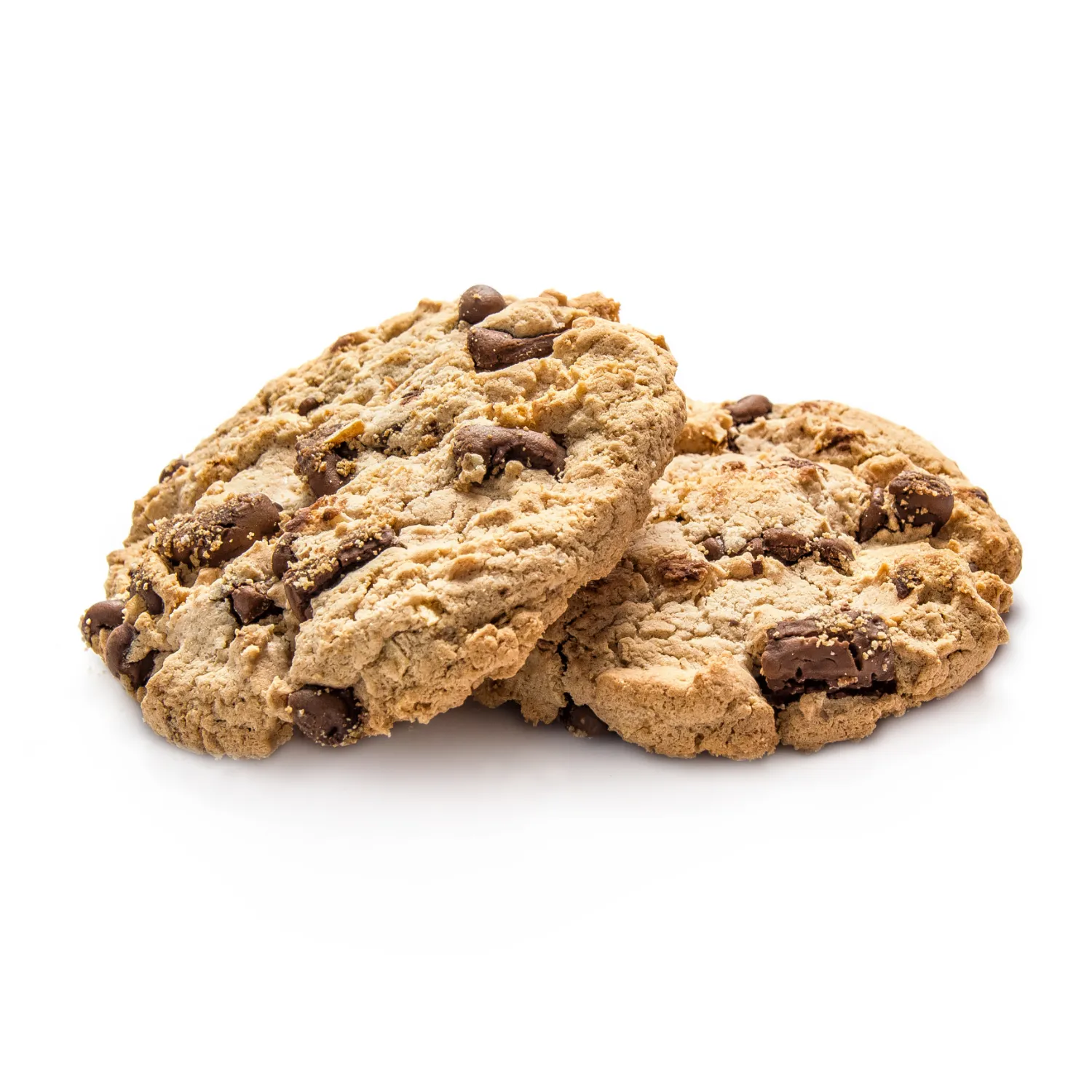
The sweet and savoury flavour of the chocolate chip cookie has been beloved by generations. Ever since it appeared in American households during the 1930s, this classic treat has become a universal symbol of nostalgia and comfort. With its perfect balance of butter, sugar, and melted chunks of chocolate chips, it’s no wonder that these cookies remain an all-time favourite across America (and beyond).
From chewy and soft to crispy and crunchy, the varieties are endless when it comes to baking chocolate chip cookies. Whether you like yours with a hint of nutty sweetness or bursting with dark cocoa flavour, there’s an array of recipes that can be easily adapted according to your tastes. Even white chocolate fans aren’t left out, as this treat provides something for everyone! With so much variety on offer, it’s no surprise these delectable morsels remain one of the most beloved desserts around the world.
Ultimately, Chocolate chip cookies are a timeless classic and a unique symbol of American culture. Nothing quite beats the satisfying crunch, followed by gooey chips and sweet dough shared as part of family gatherings or office parties alike!
Peanut Butter Cookies
Peanut butter cookies are an American favourite and a timeless classic. With their crumbly texture, nutty taste, and endless variety of recipes for home bakers to choose from, it is no surprise that these treats remain popular after so many years. Aside from the array of ingredients available to customise each cookie’s flavour profile, one thing which makes peanut butter cookies stand out above other baked goods is just how easy they are to make; all you need are some staple pantry items plus a little imagination!
Peanut butter cookies are timeless treats made even sweeter when crafted from the finest ingredients. Get creative and whip up a batch using unsalted butter, crunchy peanut butter, as well as both white and brown sugars for an unbeatable flavour that’ll have everyone asking for seconds, not to mention their signature lightness, all thanks to these quality components.
One thing that sets peanut butter cookies apart from other desserts is their versatility. They are the perfect snack for any occasion. You can enjoy them freshly baked, warm from the oven, or cooled to room temperature. Paired with a refreshing glass of milk or a cosy cup of coffee, these treats make every moment better.
Oatmeal Cookies
Oatmeal cookies have been a beloved snack for generations, and their distinct flavour has made them an American classic. The mix of brown sugar, cinnamon, and other spices gives these treats their unique taste, while raisins or nuts add a crunchy texture that makes them both enjoyable to eat and satisfyingly filling. Perfect as a post-lunch treat or after-dinner dessert, oatmeal cookies are sure to make your day sweeter!
For a nutritious yet still delicious snack that will satisfy your sweet tooth cravings, oatmeal cookies are hard to beat. Not only do these goodies contain whole grains and natural sugars for an added health kick, but they’re also highly customisable depending on what flavour you crave! Whether it’s adding in dried fruit or chocolate chips as alternatives to traditional raisins, nuts like walnuts or pecans for some crunchy texture, peanut butter or even the rich sweetness of butterscotch, there are endless possibilities when it comes customising this classic cookie recipe. Perfect for breakfast treats or simply just snacking throughout the day!
Gear up for a delicious experience! Oatmeal cookies provide an enjoyable snack, no matter your preference. Enjoy them warm and soft with a glass of milk, or make it part of your lunchbox routine to carry around their sweet satisfaction all day long. Whether you’re in the mood for something chewy or crispy, oatmeal cookies are sure to satisfy any craving!
Asian Cookies
Asian cookies introduce a unique flavour experience, boasting an array of exotic tastes rarely found in European or American varieties. From its fragrant aroma to its delicious flavours, these treats are sure to tantalise your tastebuds!
Chinese Mooncakes
Chinese Mooncakes, a timeless pastry that has been beloved for centuries, are an important part of traditional culture and are enjoyed during the Mid-Autumn Festival, which is one of China’s most significant holidays. Celebrated on the fifteenth day of the eighth lunar month (roughly around September or October when there is a full moon in its brightest form), these circular or rectangular-shaped treats have deep roots stretching back to ancient times in Tang Dynasty. A treasured symbol representing unity and prosperity between friends & family members alike, many still exchange them today as meaningful gifts.
Chinese mooncakes come in a delightful array of shapes, sizes, and flavours that are sure to tantalise anyone’s taste buds! The classic version is filled with red bean paste made from sweetened mashed beans combined with lard and sugar. However, adventurous palates can also explore variations ranging from lotus seed paste to chocolate-filled delicacies or ice cream-infused creations. Popular flavour combinations include five-kernel mooncakes featuring peanuts, cashews, walnuts, sesame seeds, and candied citrus peel, as well as five-spice mooncake delicacies incorporating an equally enticing blend of nuts, spices, fruits, and more!
Mooncakes are more than just tasty treats; their designs feature intricate patterns and symbols representing good fortune for all who consume them. Special mooncake moulds imprint these decorative motifs onto the cakes, typically featuring traditional Chinese emblems such as flowers or moons, or they can be tailored to special occasions like weddings or birthdays.
Japanese Matcha Cookies
Matcha is a cherished part of Japanese culture with an ancient history. This vibrant green powder has been used for centuries in traditional tea ceremonies and now adds its distinct colour and earthy flavour to modern dishes. Sweets lovers everywhere have embraced the deliciousness of matcha cookies, which are made by infusing the dough with this special ingredient. With their delicate hue and unique aroma, it’s no wonder these treats have become so popular!
Matcha cookies offer a plethora of tantalising options, from the playful combination of white chocolate and matcha to an indulgent spattering of raspberry, vanilla, or even macadamia nuts. The end result is a delightful treat that’s delicately crisp on the outside with a uniquely crumbly texture inside, perfect for any occasion!
Enjoy the goodness of matcha any time with these deliciously simple yet impressive cookies. An ideal snack for a busy lifestyle, matcha cookies are easy and quick to make using just a few everyday ingredients. Furthermore, they can be presented as delightful gifts or savoured in traditional tea ceremonies!
Indian Nan Khatai
With a history stretching back centuries, Nan Khatai is far from just any ordinary cookie. Flour, sugar, and ghee combine to give it a unique texture not found in your regular cookies; cardamom and nuts add complexity for an elevated bite of deliciousness that Indians have long adored!
Nan Khatai is a delicious, traditional Indian sweet treat that can easily be made from the comfort of your own home! All you need are basic ingredients such as flour, sugar, and ghee, then get creative with additional flavourings like saffron, rose water, or pistachios. Whether you stick to classic recipes or add some extra touches to your own invention, this delightful delicacy will delight any palate.
Nan Khatai has truly become an international phenomenon — not only is it a household favourite in India, but also across other parts of Asia like Pakistan, Bangladesh, and Nepal. With its sweet flavour enhanced by the accompaniment of hot chai or another beverage, this delicious snack offers much-needed indulgence throughout any time of day.
In conclusion, Nan Khatai isn’t just a cookie; it’s an iconic representation of Indian and Asian heritage. Its simplicity and adaptability make it appealing to all – young or old, novice cook or experienced baker alike! Whether you’re feeling nostalgic for home-baked treats, craving something sweet & salty, or in need of post-dinner nibbles, give Nan Khatai a go! It will surely satisfy your cravings.
With cookies being a favourite choice of treat among many people around the world, it comes as no surprise that there are countless varieties to choose from. From buttery Danish delicacies to crunchy Italian Biscotti, Indian Nan Khatai, and American classics like chocolate chips, these sweets come in all shapes and sizes for everyone’s delight! No matter where you’re based on this planet, there’ll be guaranteed something new waiting to rival your current favourites!



 Shaimaa Olwan
 Maha Yassin