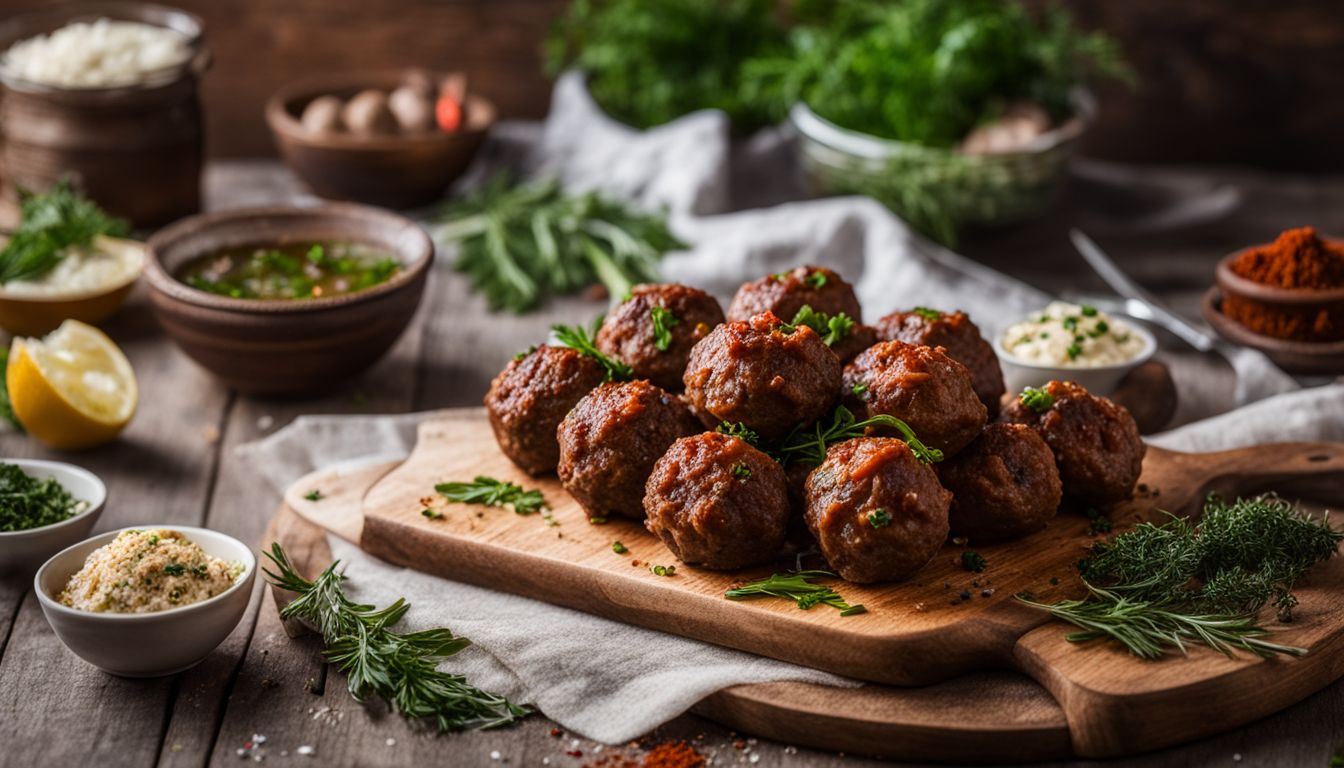
The sirloin tip roast is often relegated to the bargain bin of the butcher’s shop. This lean, marbled cut of meat holds a potential for greatness that belies its humble origins. It’s like a knight in rusty armour – a little rough around the edges but with a heart of gold (and a secret stash of incredible flavour) waiting to be revealed.
But fear not, intrepid home cooks! For we’re here to guide you through the culinary wilderness, to transform this misunderstood hero from a budget-friendly flop to a dinner party showstopper.
httpss://www.youtube.com/watch?v=VBVLoIjSrYI
Sirloin Tip Roast: A Budget-Friendly and Flavourful Choice
Sirloin tip roast is a lean, flavourful cut of meat that is often overlooked due to its perceived toughness. However, with the right preparation, this budget-friendly cut can be transformed into a tender and succulent meal. This article will guide you through everything you need to know about cooking a delicious sirloin tip roast, from selecting the best cut to achieving perfect doneness.
First, let’s dispel the myths. Yes, the sirloin tip can be a bit tough if you don’t treat it right. But toughness is not its inherent nature, merely a mask put on by improper cooking methods. Think of it as a shy maiden waiting for the right prince (or princess, in this kitchen-inclusive fairy tale) to unlock her hidden charms.
With the right tools and techniques, we can not only conquer this cut, but we can coax it into revealing its depths of flavour, its melt-in-your-mouth tenderness, and its ability to have your guests raving and requesting the recipe. So, buckle up, fellow gourmands, and prepare to embark on a delicious adventure. We’ll delve into the secrets of choosing the perfect roast, wielding the power of seasoning, and mastering the art of heat, whether through the oven’s fiery embrace or the slow cooker’s gentle coaxing.
We’ll discover the magic of the sear, the importance of the rest, and the bonus round of leftover transformations (because, let’s face it, who doesn’t love a good second act?). Along the way, we’ll gather a bounty of tips and tricks, like the barding of a knight with flavourful bacon, the summoning of savoury vegetables as loyal companions, and the crafting of gravy fit for a king (or queen, remember?).
So, are you ready to claim your culinary crown? Grab your spatula, your favourite herbs, and a healthy dose of culinary courage. We’re about to embark on a journey to transform the humble sirloin tip roast from underdog to legend. Let’s cook!
Choosing the Right Roast
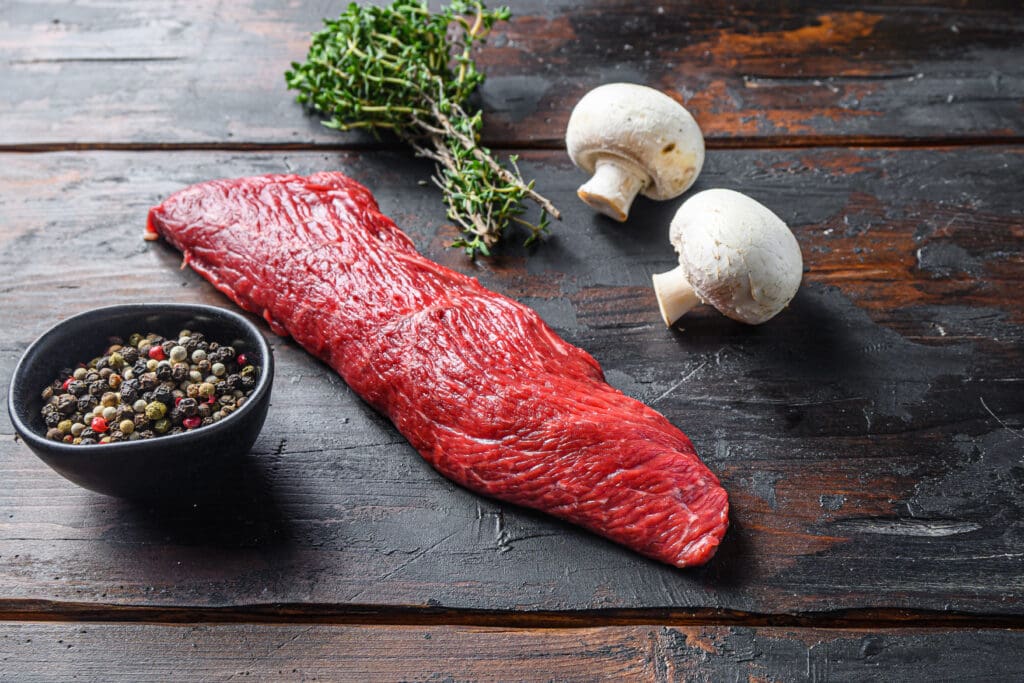
Sirloin tip roast comes from the cow’s hindquarters, near the rump. It is a lean cut with a lot of marbling, contributing to its flavour. When choosing your roast, look for a piece that is:
Evenly thick: This ensures consistent cooking throughout.
Deep red in colour: This indicates freshness.
Marbled with white flecks: This fat will keep your roast moist and flavourful.
Preparing the Roast
Before cooking, there are a few steps you can take to tenderise the meat and enhance its flavour:
Trimming: Remove any excess fat from the outside of the roast. This will help prevent it from shrinking and becoming dry.
Seasoning: Generously rub the roast with salt, pepper, and your favourite herbs. Garlic powder, onion powder, paprika, and thyme are all good options. You can also use a prepared marinade or injection for added flavour.
Browning: Sear the roast in a hot pan over high heat before roasting. This creates a flavourful crust and seals in the juices.
Cooking Methods
There are two main ways to cook a sirloin tip roast:
Roasting: This is the classic method and results in a tender and juicy roast. Preheat your oven to 450°F and roast the browned roast for 15-20 minutes. Then, reduce the heat to 325°F and continue cooking until the internal temperature reaches your desired doneness (see the doneness guide below).
Slow cooking: This is a great option for a hands-off approach. Place the browned roast in a slow cooker with some broth or vegetables. Cook on low for 6-8 hours or until the meat is fork-tender.
Doneness Guide
Rare: 120°F (pink centre)
Medium-rare: 130°F (slightly pink centre)
Medium: 140°F (pinkish-red centre)
Well done: 160°F (brown throughout)
Resting the Roast
After removing the roast from the oven or slow cooker, let it rest for at least 15 minutes before carving. This allows the juices to redistribute throughout the meat, producing a more tender and flavourful roast.
Tips and Tricks
Barding: Bard the roast with bacon or fat back before cooking to ensure moisture. This adds flavour and prevents the meat from drying out.
Vegetables: Adding vegetables to the pan or slow cooker with the roast creates a flavourful and complete meal. Carrots, potatoes, onions, and celery are all good options.
Leftovers: Sirloin tip roast is delicious leftover. Use it for sandwiches, salads, or soups.
Serving Suggestions
Sirloin tip roast can be served with a variety of sides, such as:
Mashed potatoes: A classic comfort food that pairs perfectly with the richness of the roast.
Roasted vegetables: Adds colour and nutrition to the meal.
Gravy: Made from pan drippings for an extra boost of flavour.
Horseradish sauce: Adds a nice kick to the meat.
A simple salad: Provides a refreshing contrast to the richness of the roast.
No matter how you prepare it, sirloin tip roast is a versatile and delicious cut of meat that will surely please any crowd. So, try this underrated cut next time you’re looking for a budget-friendly and flavourful meal.
How to Prepare Sirloin Tip Roast
Here it is, complete with detailed steps and timings:
Remove the roast from the fridge and let it rest at room temperature for 30 minutes.
Preheat oven to 450°F (230°C).
Trim any excess fat from the roast.
Generously rub the roast with olive oil, salt, pepper, thyme, garlic powder, onion powder, and your chosen herbs (if using).
Let it sit for at least 15 minutes, or up to an hour, for deeper flavour penetration.
Enjoy your sirloin tip roast!
The Fiery Trial
Heat an oven-safe skillet over high heat. Once smoking hot, sear the roast on all sides for 2-3 minutes per side, creating a nice crust.
Move the seared roast to the oven and roast for 17 minutes.
The Gentle Coaxing (Optional)
If you prefer a slower, hands-off approach, you can transfer the seared roast to a slow cooker with a cup of beef broth or red wine. Cook on low for 6-8 hours or until fork-tender.
The Gravy Coronation
While the roast rests, return the skillet to the stovetop over medium heat.
Using a spatula, remove any browned bits from the bottom and add a splash of red wine or beef stock.
Deglaze the pan for a minute or two, releasing all the flavourful goodness.
Whisk in a tablespoon of butter and cook until melted.
Then, gradually add a tablespoon of flour, whisking constantly, until a roux forms.
Slowly pour in some more beef broth or red wine, whisking until the gravy thickens—season with salt and pepper to taste.
Adjust the consistency with additional broth as needed.
The Victory Feast
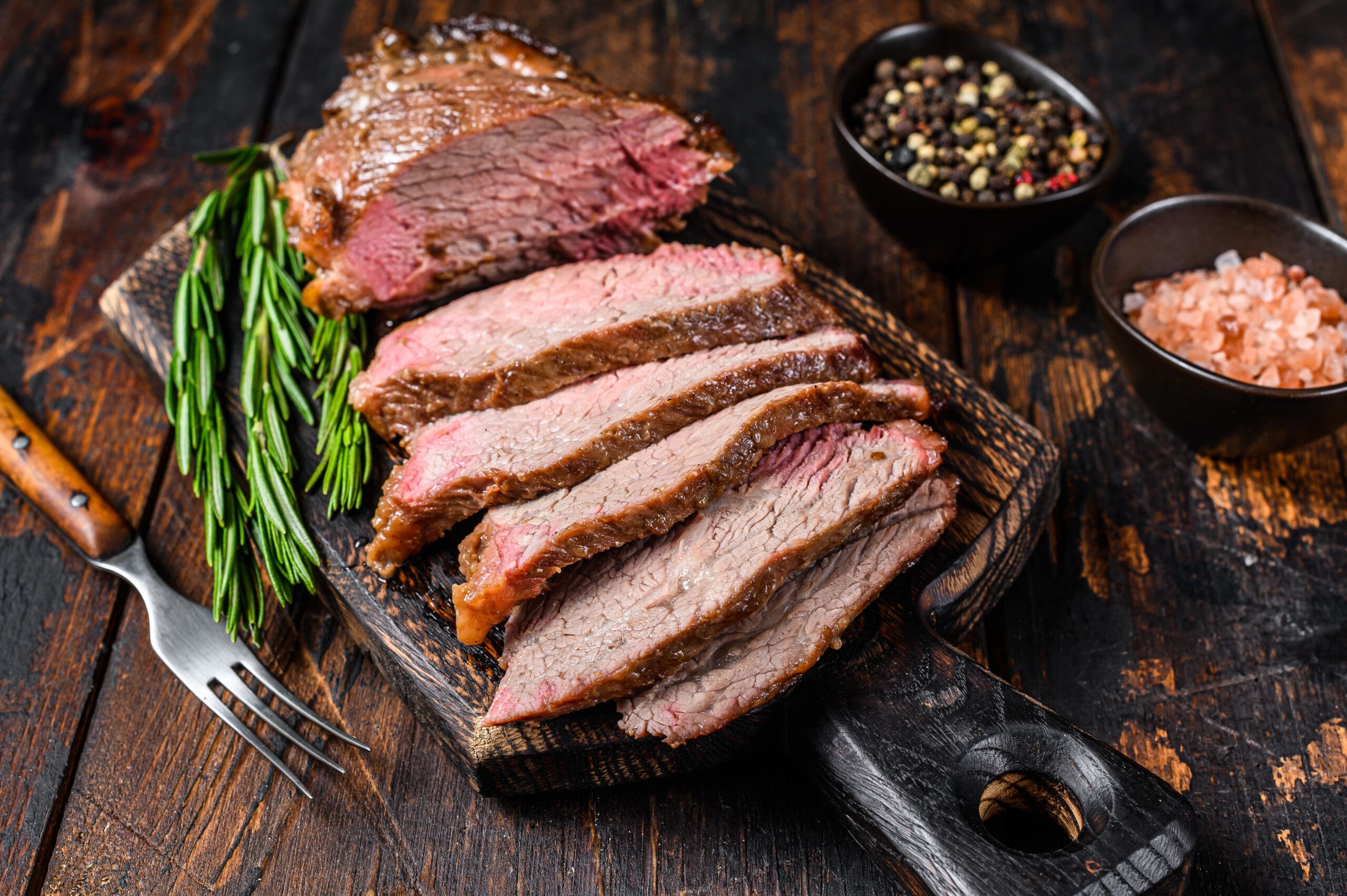
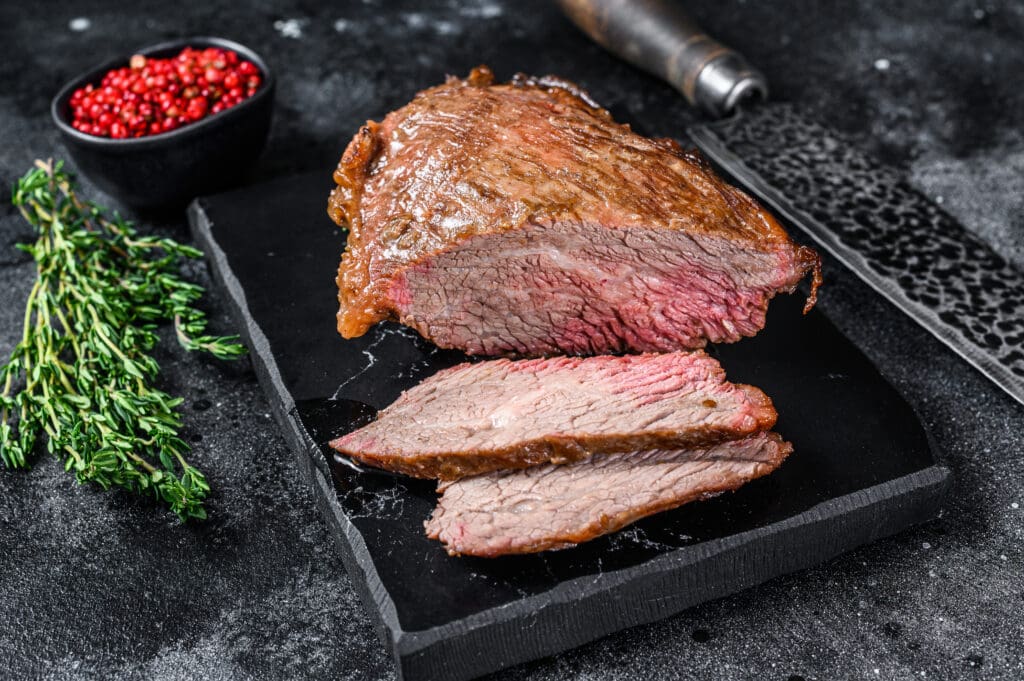
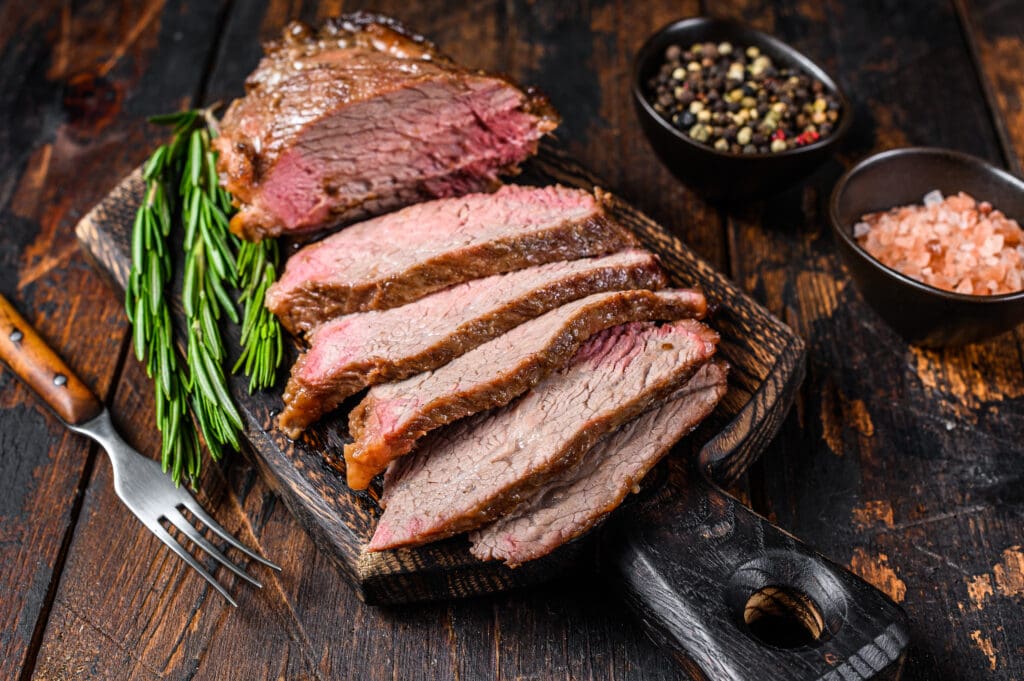
Slice the rested roast against the grain and arrange it on a platter. Drizzle with the pan gravy and garnish with fresh herbs (optional).
Serve alongside your chosen sidekicks – creamy mashed potatoes, roasted vegetables, or a simple salad – and bask in the glory of your culinary conquest!
Bonus Tips
Barding the roast with bacon or fatback before searing adds extra moisture and flavour.
Experiment with different marinades or injections for even more personalised flavour profiles.
Leftovers can be transformed into sandwiches, salads, soups, or even tacos!
Remember, this is just a guide, a culinary compass to point you in the right direction. Feel free to adjust the spices, experiment with different side dishes, and let your creativity flourish. So, go forth, conquer your sirloin tip roast, and claim your culinary crown!
Victory Feast: Accompaniments and Leftover Magic
The sirloin tip roast, our culinary hero, deserves a supporting cast that’s just as magnificent. We’re not talking about bland bystanders but a chorus of vibrant flavours harmonising beautifully with the roast’s earthy notes and melt-in-your-mouth tenderness.
Sides that Sing: A Symphony of Flavour for Your Sirloin Tip Roast
So, let’s raise the curtain on these side dishes that will have your taste buds giving a standing ovation.
Mashed Potatoes: The Creamy Canvas
A classic for a reason, mashed potatoes are the perfect base for soaking up all the roast’s delicious juices. But let’s not settle for a one-note performance. Infuse them with roasted garlic and herbs like thyme or rosemary for a touch of sophistication. Or, for a richer texture, swap some of the milk for cream cheese or mascarpone. Don’t forget the finishing touch – for that added pop, add some scallions or a small amount of truffle oil.
Roasted Vegetables: A Vibrant Ensemble
Think of roasted vegetables as a colourful medley of textures and tastes. Brussels sprouts caramelised with balsamic vinegar and bacon offer a sweet-savoury counterpoint. Rainbow carrots roasted with honey and rosemary sing with a touch of sweetness, while creamy parsnips glazed with maple mustard add a touch of elegance. Don’t be afraid to experiment with different root vegetables like sweet potatoes, turnips, or even fennel.
Gravy: The Grand Finale
Ah, gravy. The maestro of sauces, the conductor of flavour. Don’t settle for store-bought packets – whip up a pan gravy that sings the praises of your roasted sirloin. Deglaze the pan drippings with red wine or beef broth, then whisk in a roux of butter and flour for that velvety consistency. Season with a pinch of thyme, a hint of Worcestershire sauce, and maybe a splash of cream for pure decadence.
But remember, this is just the starting point. Feel free to improvise, experiment, and create your own culinary masterpiece. Maybe you’ll add a dollop of pesto to your mashed potatoes, toss your roasted vegetables with harissa paste for a spicy kick, or infuse your gravy with a touch of smoked paprika for an extra layer of depth. The possibilities are endless, so let your creativity be your guide.
So, go forth and assemble your side dish symphony. Let the flavours dance on your plate, complementing your sirloin tip roast like well-rehearsed musicians in perfect harmony. And don’t forget to take a bow – you’ve just composed a culinary masterpiece!
Leftover Renaissance: Breathing New Life into Your Sirloin Tip Roast
Ah, the humble leftover. Often relegated to the back of the fridge, destined for a lonely fate as a wilted sandwich filling. But not our noble sirloin tip roast! This flavourful hero deserves a second act, a chance to shine in a whole new light. So, let’s unleash our culinary creativity and explore the exciting world of leftover transformations!
Sandwiches: A Stacked Symphony of Flavour
Imagine thin slices of your roast piled high on crusty sourdough, dressed with a tangy horseradish sauce and nestled between peppery arugula and creamy Havarti cheese.
Or, for a bolder twist, shred your leftover roast and toss it with BBQ sauce, red onion, and a sprinkle of blue cheese crumbles. Pile it onto toasted ciabatta rolls and relish the smoky-sweet explosion in your mouth.
Salads: A Stage for Reinvention
Ditch the boring lettuce and create a hearty salad that celebrates your leftover roast’s savoury splendour. Cube the meat and toss it with roasted root vegetables, crumbled feta cheese, and a balsamic vinaigrette for a warm and satisfying lunch.
Feeling adventurous? Go Asian-inspired! Thinly slice your roast and marinate it in soy sauce, ginger, and sesame oil. Then, toss it with chopped romaine, shredded carrots, and crispy wonton strips for a healthy, exciting, flavourful salad.
Soups: A Steaming Symphony of Comfort
The leftover sirloin tip roast is like a blank canvas for your soup-making dreams. Shred it and add it to a classic beef barley soup for an extra boost of protein and flavour. Or, get creative with a creamy mushroom and wild rice soup, where the tender roast meat melts into the rich broth, creating pockets of pure deliciousness.
Feeling adventurous? Embrace the bold flavours of a Mexican pozole! Simmer your leftover roast with hominy, diced tomatoes, and a medley of spices like cumin and chilli powder. Top it with shredded cabbage, cilantro, and a dollop of sour cream for a fiesta in your bowl. A bowl of pozole with shredded sirloin tip roast, hominy, diced tomatoes, spices, shredded cabbage, cilantro, and sour cream.
So, the next time you find yourself with leftover sirloin tip roast, don’t despair! Embrace the possibilities, unleash your culinary creativity, and witness the magic of leftover renaissance unfold on your plate. Remember, it’s not just a leftover; it’s an opportunity for a whole new flavour adventure!
The Crown Awaits
We’ve embarked on a culinary quest, transforming the humble sirloin tip roast from a rough-hewn knight to a champion of flavour. We’ve learned the secrets of choosing the perfect cut, wielding the tools of seasoning and heat, and orchestrating the sides that sing harmoniously.
From fumbling with unfamiliar cuts to confidently navigating the butcher shop, we’ve acquired knowledge that empowers us to unlock the potential of any underdog ingredient. We’ve learned the language of doneness, the power of a good sear, and the magic of letting the roast rest, its juices whispering tales of savoury triumph.
But this journey isn’t just about conquering a cut of meat. It’s about conquering our own culinary fears, embracing experimentation, and discovering the joy of creating something delicious with our own hands. So, dear reader, we challenge you to claim your sirloin tip roast, your culinary dragon to slay. Let the sizzle of the pan be your battle cry, the aroma of herbs your war paint, and the forkful of tender, juicy meat your victory feast.
Remember, the kitchen is your kingdom, and every dish is a chance to write your own culinary legend. So, don your apron, grab your spatula, and embark on your own sirloin tip roast adventure. The crown of deliciousness awaits!
Conclusion
As Julia Child once said, “One learns by doing, failing, getting up and trying again.” So, go forth, fail gloriously, and learn from every sear, every roast, every delicious bite. For in the kitchen, the greatest triumphs are born not from perfection but from the courage to try, experiment, and savour the joy of creating something truly remarkable.
And who knows, maybe you’ll even inspire others to pick up their spatulas and join you on this delicious quest. Together, we can build a culinary kingdom where every dish is a masterpiece and every leftover a chance for reinvention. So, let the sizzle begin, and may your sirloin tip roast be the first verse in your own culinary epic!


 Salma Ihab