Cooking is the process of preparing food for consumption. It involves combining food in various ways and adding some spices, seasonings, and flavourings to reach the required flavour. Next, the cooking process begins, whether by grilling, frying, boiling, or browning. It is then followed by mastering the preparation and presentation of different dishes of nutrient-rich ingredients and competing to show them in the most beautiful forms. All these steps are required to satisfy the appetite of hunger.
The concept of defining contemporary cooking differs from what it used to be in the past. It no longer means cooking to satisfy hunger because what is known as the art of cooking appeared. Today, many books give those who want to learn cooking an introduction to the art of cooking.
httpss://www.youtube.com/watch?v=LOsJGZv10e4
The Importance of Cooking
Cooking skills are essential on more than one level, especially for anyone who lives alone or those who are preparing to live independently. Here is why learning cooking skills is of importance.
Cooking changes the texture, flavour, and shape of the food. A person cannot enjoy eating raw meat. Cooking has the ability to turn this meat into edible food, and the method used in cooking directly affects the flavour of food. The flavour of grilling, for example, differs from the flavour of boiling or frying.
Cooking helps the body digest food better. The body may not be able to access all the nutrients it needs through raw food. Cooking helps make nutrients and calories easier to absorb, thus benefiting the body.
Cooking destroys various food contaminants. Food of all kinds is considered a suitable environment for germs, fungi, bacteria, and viruses. However, most of these contaminants are killed through cooking.
The Benefits of Learning How to Cook
Cooking and preparing food at home involves many benefits. It reduces your daily expenditure, especially with regard to buying fast food. It also lets you obtain more healthy meals, which will contribute to weight loss. Let’s explore other benefits of learning cooking skills.
Cooking makes you pick healthy ingredients and choose clean and proper cooking methods. Restaurants often use a lot of amount of unhealthy fats, sugars, and sodium, which is more than what is used in home cooking.
Home cooking allows you to control weight, as it gives you the opportunity to plan your own meal and obtain a balanced diet according to what your body needs. When cooking at home, you can make salads, fruits, and vegetables as side dishes instead of chips and other greasy and unhealthy side dishes.
Through home cooking, you can cultivate healthy eating habits by controlling mealtimes, avoiding nighttime meals, and cooking according to the calories required for your body during the day without excess.
Cooking at home makes you avoid food allergies because you are fully aware of the ingredients that may cause allergies to you, even if it is not serious. Among the most common types of possible allergies are lactose intolerance and gluten intolerance.
Cooking at home controls the amount of food you eat. At restaurants, you might be allotted a certain amount of food, which you may not be able to finish. Many people feel that they have to finish it, forcing them to exceed the daily limit of carbs and fats.
Keeping the kitchen clean helps reduce bacterial exposure. You can simply protect yourself from germs and infection because you are the only one who has complete control over the way you cook your meal and the cleanliness of your used ingredients and utensils.
Sharing food with other people may improve your mental health, especially for members of the same household. Group meals help strengthen community bonds.
Home cooking preserves the environment because there will be no excess ingredients, and you will also save money.
The Basics of Cooking
Getting acquainted with the basics of the art of cooking is the first step in learning cooking skills. Here are the basics of cooking:
The cooking process requires deliberation and a lack of urgency, especially when a recipe requires multitasking.
Obtaining the appropriate tools that will be used in cooking a specific recipe in advance makes the process easier.
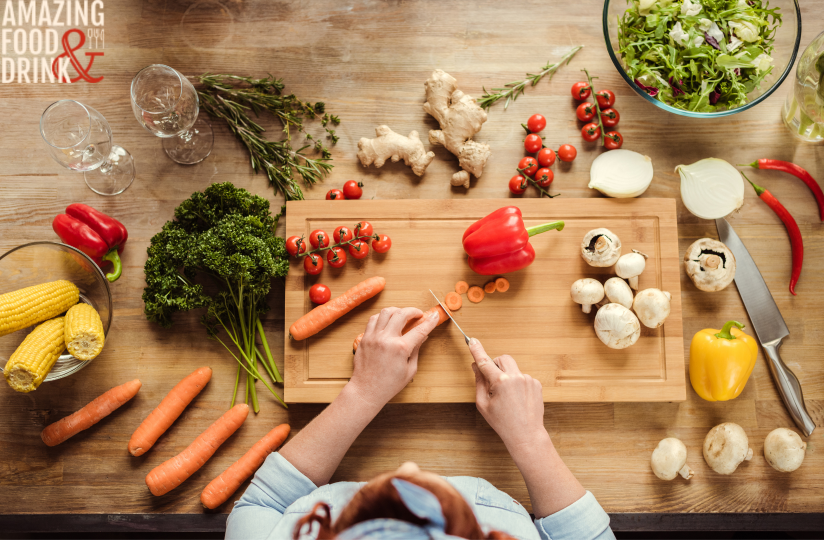
Using the knife is one of the most used cooking skills. So, work on developing and mastering it.
The process of flavouring food is of great importance. So, it is necessary to pay attention to the proper seasoning methods and use the appropriate ingredients.
Basic Cooking Skills
No one is born a chef, and no chef is born a star! With a little practice, children and adults can master a variety of basic cooking skills. These culinary techniques might seem simple; however, they put anyone on track to be a budding chef. These skills involved in the art of cooking vary, and some of them are:
1. Boiling Eggs
The degree of boiling eggs depends on what the person desires. However, it is generally preferable to use water at room temperature and start timing it when it reaches the boiling point. It takes around 3 to 5 minutes to get a liquid egg yolk and 7 to 10 minutes to get a solid texture.
2. Cooking Pasta
The pasta should be cooked appropriately so that its texture is tender on the inside and firm on the outside, and chewable at the same time. This can be achieved by boiling the water that will be used with an appropriate amount of salt and then placing the pasta for 10 to 12 minutes until it is cooked. However, this may vary depending on the pasta type you are using.
3. Grilling Potatoes
To enhance the texture of grilled potatoes, you should make the inside soft and the skin crisp. You can reach it by rubbing the potatoes with a little oil and a pinch of salt in order to give them a crunch. You can add cheese or some spices to enhance the flavour.
4. Making Tomato Sauce
Preparing tomato sauce is a fairly easy task, and it replaces the need for buying ready-made sauces. It can be used as an available ingredient when preparing different recipes. You can store it in the freezer for about three months or in the fridge for about a week.
5. Using Spices
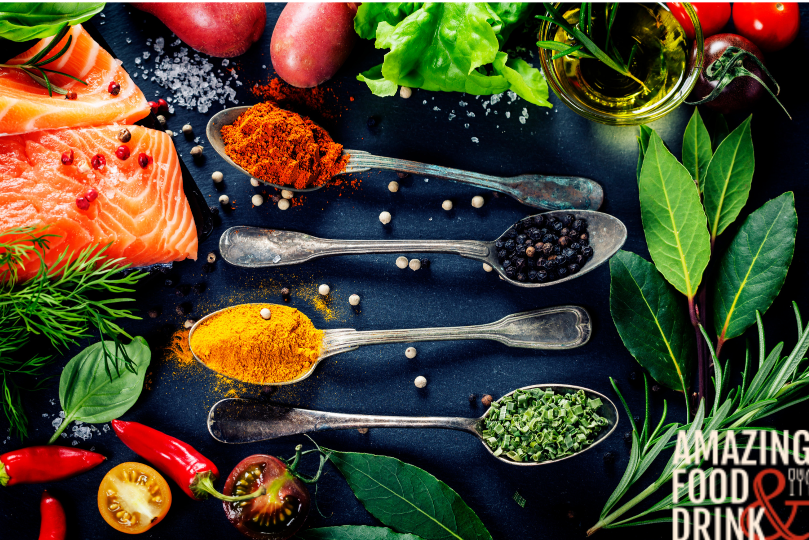
Learning the correct way to use spices is a fundamental part of cooking skills. It is what separates average food from exceptional cookery. Among the tips that should be considered when using spices are the following:
Adding citrus fruits, such as lemon juice and vinegar, as a final touch on cooked meat, vegetables, and grains would give the food a distinctive colour.
Adding herbs to dishes, such as fresh thyme, when grilling and roasting food increases your appetite. Sprinkling chopped parsley on your dish also enhances the quality of the food.
Sprinkling a little olive oil on vegetables and pasta enhances their flavour.
6. Using Yeast
One of the basic cooking skills is learning how to use yeast. Used in making bread and pastries, there are some tips that you should follow when you use yeast. They include the following:
Yeast grows in a warm environment. So, the recipe always needs warm water or warm milk to help it rise.
Yeast feeds on sugar and starches present in the dough. When yeast rises, it makes the dough swells.
Adding any excess sugar, salt, or high temperature would kill the yeast.
7. Preparing Rice
In most cooking recipes, rice is an essential part. For this reason, you should choose a good type of rice, then rinse the required amount by placing it in a strainer and stirring it until the water becomes clean or the excess starch is removed.
After rinsing the rice, cook it directly and do not leave it aside for a while. If the recipe requires soaking it, soak it in lukewarm water. As for its storage, it is advisable to add a pinch of salt so that the rice does not clump or get wet. Then, store the rice in an airtight bag or in a well-closed plastic jar.
8. Preparing Cooking Supplies
Your kitchen must contain the tools and equipment needed for cooking, including the following:
Cooking utensils: A cook should have some basic utensils, such as stirring spoons, metal spatulas, scraping spatulas, and wooden spatulas. They should also have frying pans, pots, and grill trays.
Measuring tools: It is absolutely essential to have measuring tools in your kitchen, such as measuring cups, a full set of measuring spoons, and a measuring glass.
9. Using A Simple Cookbook
Learning basic cooking skills requires buying a simple cookbook designed for beginners. It should contain an easy and effective set of food recipes, cooking terms, and the tools that must be used during cooking. Before purchasing it, browse the cookbook to make sure it contains the recipes you like. If you do not have a cookbook, you can use phone applications to learn basic cooking skills and recipes.
Basic Cooking Methods
There are four basic ways to do the cooking process. These four methods are important processes because there are many types of food that you cannot eat raw. Cooking food kills most germs and bacteria active at the time. Of course, cooking does not apply to all types of food because most vegetables can be eaten raw. Here are the four basic cooking methods:
1. Boiling
Boiling is one of the easiest basic cooking methods and a healthy one that does not require the use of any fatty substance. The boiling process is done by putting vegetables or meat in a certain amount of water, adding some spices and salt, and keeping it over a medium flame after the water is boiled.
Then, we leave the food for a period of time until it is cooked to the required degree. For example, chicken has cooking degrees that differ from one another. Every person chooses the right cooking degree according to his own preferences and food habits.
2. Grilling
Grilling is a cooking method that cooks food at high temperatures on charcoal or ceramic stone. It browns food and gives it a special flavour and taste. The types of food suitable for grilling are the ones that require a long time to mature, such as meat.
Grilling is one of the most popular and delicious ways to eat red meat and poultry and does not require effort in its preparation. However, it is preferable to cut meat into small pieces of equal size to ensure that it is evenly cooked from the inside, just like the outside.
The difficulty in this type of cooking lies in reaching the required doneness degree without browning or burning the meat, overcooking it, or being cooked from the outside and raw from the inside. This depends on moving the meat away and closer to the heat source.
3. Frying
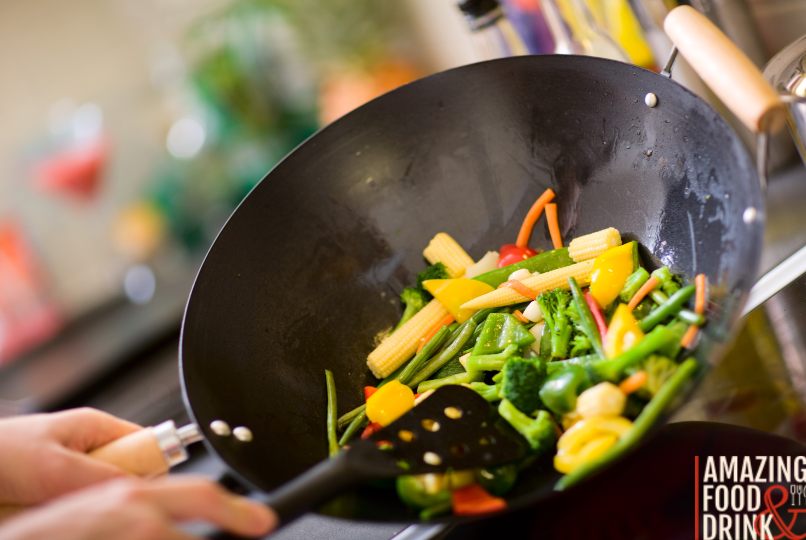
Frying is done when you place food in hot oil, and the high temperature of the oil completes the cooking process in record time. It is suitable for different types of food, especially the ones that take a long time to be evenly cooked. This method can be applied to small pieces of food of equal size.
Although this method is very tasty and takes no time, doctors recommend using it wisely since it consumes a lot of unhealthy fats, which may harm your health and cause rapid weight gain.
Deep Frying
Deep frying gives a special shape and flavour to the different types of food, making it crunchy. It is where the food is submerged in hot oil and cooked as a result of the high temperature of the oil. Deep frying is suitable for medium-sized pieces of food equal in size and does not need a long time to be evenly cooked. Although it is very fast and practical, specialists do not advise overusing it since it consumes a lot of fats, thus causing health damage.
4. Browning
Browning takes place when food turns brown due to the chemical reactions that occur within. When directing hot air into the burning fire inside the oven and distributing it with the oven fan around the food, it is evenly cooked. Taking a long time, this method is suitable for large and small pieces.
How to Choose Cooking Materials
We often find people applying the required recipe; however, it does not succeed because of the used materials. Before starting to learn basic cooking skills, you must know that the materials used in cooking are the first step to mastering the different recipes for cooking. The materials must be carefully chosen to get the most delicious recipes. Don’t forget that taste is also an important factor.
Choosing Vegetables
You should be careful when you choose fresh vegetables; they should be shiny and not soft. For example, when choosing eggplant, you should pay attention to the green part at the top. If it is tilted, this means that the eggplant does not contain the seeds that cause the bitter taste. As for spinach and leafy vegetables, they must be green. It is preferable to buy small quantities of vegetables constantly so that they are fresh.
Choosing Meat and Poultry
Good meat should be light pink in colour with white bones. If its colour is dark, then it means that it is close to corruption or it was taken from an old animal. This meat does not give a tasty flavour. It is better to buy fresh meat and avoid frozen meat that comes with a price reduction.
When buying chicken, you should pay attention to its colour and smell, especially if it is frozen. Frozen poultry should be in an airtight bag that does not have a tear.
Cooking Tips
If you are a beginner cook, there are tips that must be considered when you start to cook to get a delicious meal. These tips include:
Do not add extra spices to the food to give it a delicious flavour. Instead, put appropriate amounts of spices and choose the appropriate type for each meal.
When making pastries and bread, you must adhere to the ingredients of the recipe and the necessary ingredients as well to get tasty products.
Consider the appropriate temperature for baking each type of pastry, as it differs according to its type.
You can use the preparation method on the packaging, especially when cooking pasta, because each type has a method for boiling.
The use of cooking utensils plays a role in obtaining a delicious meal.
It is better to stay away from stainless steel utensils and to choose good brands.
It would be best if you also choose a pot of the appropriate size for the amount.
The oil must be heated to a high temperature. Also, don’t use it more than once as it changes the flavour of the food.
Cooking is one of the arts that have its own schools and mentors. It is concerned with the shape of the dish, the integration of food elements, and the presentation that may differ from one school to another. Learning basic cooking skills needs patience. So, keep a good spirit to obtain these significant skills.

 Amel Magdy
 Salma Ihab