Sous vide steak is the holy grail of perfectly cooked, juicy, and tender cuts of meat. But with this culinary technique comes a new question: how long do you actually cook it for? Unlike traditional methods, where guesswork and experience reign supreme, sous vide demands precision. Fear not, steak-loving friend, for this article is your guide to sous vide steak nirvana.
The mere mention of sous vide steak conjures up images of melt-in-your-mouth tenderness, a symphony of juicy flavours, and a beautiful crust that deserves its own Instagram account. But achieving this culinary nirvana requires more than just throwing a steak in a bag and hoping for the best. It’s a dance of time and temperature, a delicate balance where minutes can make the difference between a masterpiece and something best left for the dog.
httpss://www.youtube.com/watch?v=gZ4atTn9B9Y
Temperature: The Master Conductor
Fear not, intrepid steak-lover, for this is your guide to navigating the sous vide stratosphere. We’ll delve into the two titans of time: temperature and thickness. We’ll explore the influences of their celestial dance and unveil the secrets of achieving that perfect sear, the grand finale of your sous vide odyssey.
First, let’s dispel the myth of a universal cooking time. Just like snowflakes, no two steaks are alike. Their thickness and desired doneness, the yin and yang of bovine bliss, will dictate the timing of their sous vide journey.
Rare (120-128°F): 1-2.5 hours for a texture that’ll make you question reality. Think warm butter on a summer day but in steak form.
Medium-rare (129-134°F): 1-4 hours for the holy grail of steakdom. Juicy, tender, and with a flavour that’ll have you closing your eyes in appreciation.
Medium (135-144°F): 1-4 hours for those who like their steak with a bit more bite but still bursting with character. Imagine a steak that’s confident, self-assured, and knows exactly how good it tastes.
Medium-well (145-155°F): 1-3.5 hours for the steak to cook through but not a desert. Think of it as the steak your grandpa would love: familiar, comforting, and always reliable.
Thickness: The Steely Counterpoint
But temperature isn’t the only maestro in this sous vide orchestra. Thickness, the steak’s physical presence, is crucial in how long it takes to reach its culinary crescendo.
Thin cuts (up to 1 inch): They’re like the sous vide rock stars, heating up faster and needing less time to bask in the water bath’s spotlight. Start at the lower end of the time range for your desired doneness, and keep an eye on that beautiful pink.
Thick cuts (over 1 inch): These are the opera singers of the steak world, demanding more time to distribute their internal melody. Be patient, let the heat penetrate their depths, and trust that the wait will be rewarded with a symphony of flavour.
The Nuances of Time: A Culinary Concerto Grosso
But our sous vide saga isn’t over yet. Like any good concerto grosso, subplots, twists, and turns can influence the timing of your steak’s sous vide journey.
Sous vide posse: Doubling the steak quantity roughly doubles the cooking time. Think of it as a call and response, each steak adding its voice to the chorus of deliciousness.
The air displacement method: This fancy technique, where you submerge the bag to push out air, might add 10-15 minutes. It’s like removing the background noise, letting the pure essence of your steak shine through.
The water’s starting temperature: If your bath isn’t preheated, it’s like starting the concert with a cold tuning fork. Give it some time to warm up, let the instruments reach their pitch, and your steak will sing its heart out.
Searing: The Grand Finale
Sous vide might be the first act, but the searing delivers the standing ovation. This is where the magic of caramelisation and Maillard browning happens, transforming your steak from a sous vide masterpiece into a culinary rockstar.
Pat your steak dry: Moisture is the enemy of a good sear. Think of it as mopping the stage before the headliner arrives, ensuring a clear path to sear perfection.
Get your pan screaming hot: Cast iron is your roadie in this scene. Crank up the heat, let the pan become a molten metal river, and prepare for the sizzle to rival the crowd’s applause.
Sous Vide Steak: Your Time is Now
So, ditch the guesswork and embrace the precision of sous vide. With this newfound knowledge, you’ll be cooking restaurant-quality steaks that’ll leave your taste buds singing. Remember, understanding the interplay between temperature, thickness, and those extra factors is key. And don’t be afraid to experiment!
Take detailed notes, tweak the time here and there, and soon you’ll be sous vide steak maestro. Now go forth, conquer your cravings, and remember, the perfect steak is just a matter of time and a little bit of science.
The Verdict: Sous Vide Steak – A Journey Worth Taking
So, there you have it, a deep dive into sous vide steak. It’s a journey through time and temperature, a dance between thickness and doneness, all culminating in a symphony of flavour and texture that’ll leave you wanting more.
Remember, sous vide steak isn’t just about precision cooking; it’s about unlocking the full potential of your steak. It’s about exploring different cuts, experimenting with marinades and rubs, and discovering the perfect sear for your taste buds.
And the best part? It’s not rocket science. With a bit of practice and the knowledge you now wield, you’ll be sous videing steaks that would make even the most seasoned chefs jealous. So, fire up your immersion circulator, grab your favourite cut of meat, and embark on your own sous vide steak adventure. You won’t be disappointed.
Bonus Tip: Feeling adventurous? Try reverse searing! Sear your steak first, and then sous vide steak it to your desired doneness. This locks in the juices and still gives you that coveted crust.
How to Make Sous Vide Steak
Feeling inspired to explore the sous vide steak universe beyond herb and peppercorn crusts? Let’s check together these super delicious recipes:
Herb-Crusted Sous Vide Steak
This magical recipe will take you to a world of sophisticated and delicious taste:
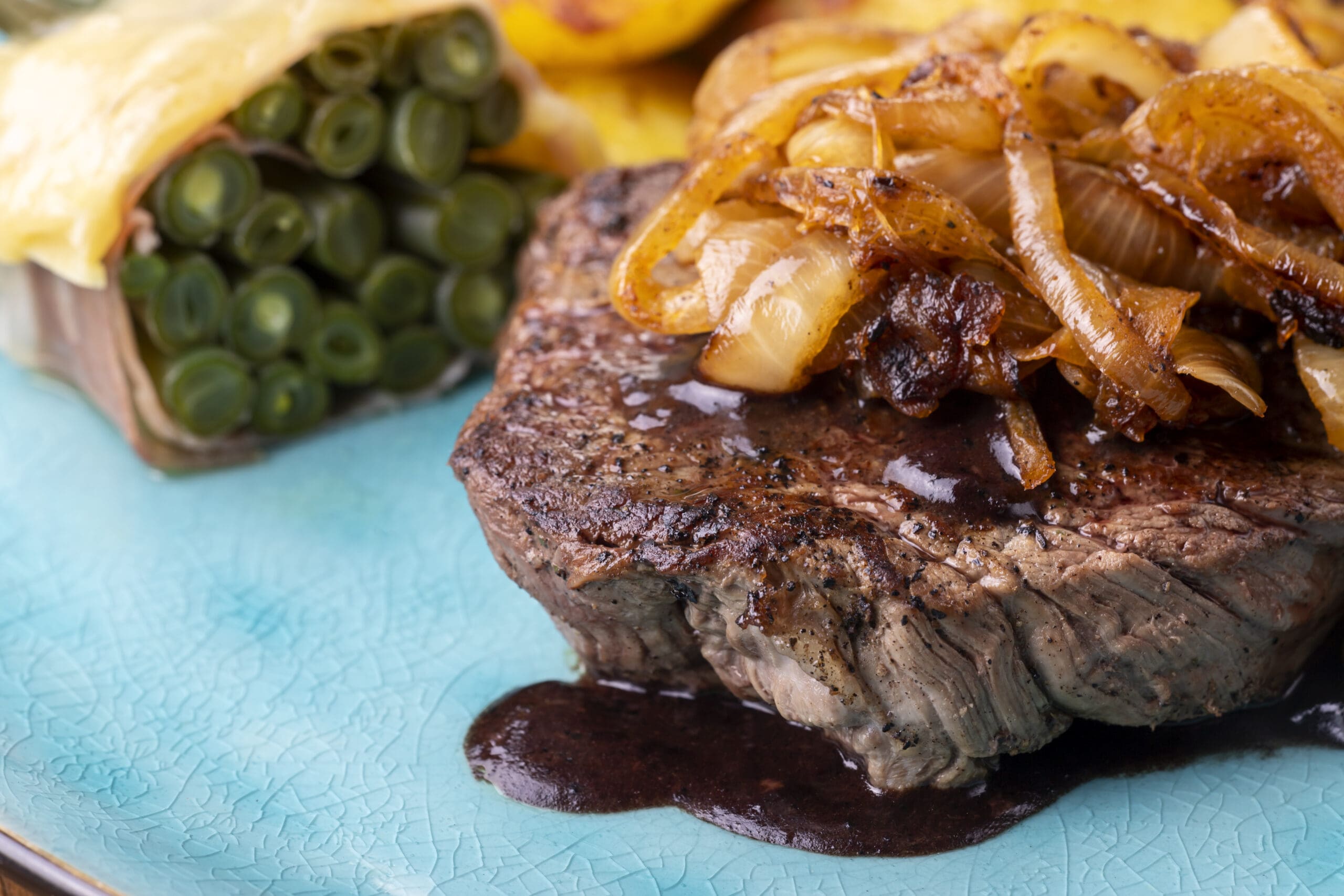
Remove the steak from the bag and pat it dry with paper towels. Drizzle it with olive oil and season with additional salt and pepper (optional).
Sear the steak for 1-2 minutes per side, creating a beautiful crust. Remember, you want a sear, not a burn!
Transfer the steak to a plate and let it rest for 5-10 minutes before slicing and serving. Enjoy the symphony of flavours and textures that sous vide has created!
Peppercorn-Crusted Sous Vide Steak
Here is how to prepare this delightful recipe to tantalise your taste buds:
Ingredients
1 thick-cut (1.5-2 inch) New York strip steak
1/4 cup crushed black peppercorns
1 tbsp olive oil
1 tsp Dijon mustard
1 garlic clove, minced
Salt and pepper to taste
Instructions
Preheat your sous vide bath to 135°F (57°C) for medium.
Combine the crushed peppercorns, olive oil, Dijon mustard, garlic, salt, and pepper in a bowl to create a paste.
Spread the paste evenly over the steak, ensuring it coats all sides.
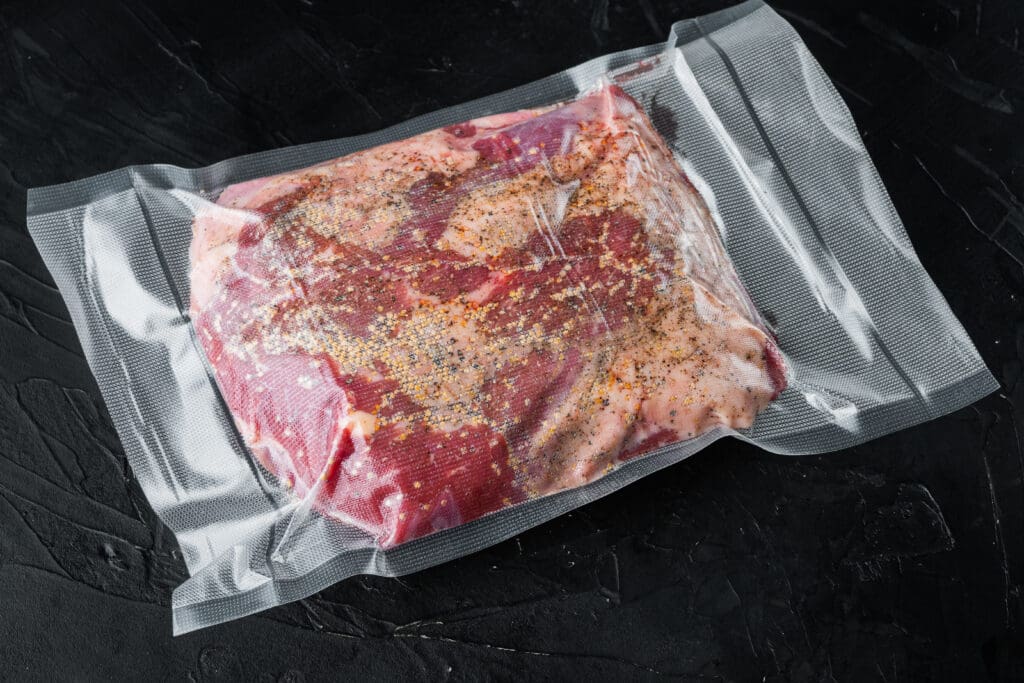
Place the steak in a vacuum bag and seal it using the water displacement method or a vacuum sealer.
Submerge the bag in the preheated water bath and cook for 2-3 hours, depending on thickness.
While the steak cooks, prepare your pan for searing. Heat a cast iron skillet over high heat until smoking hot.
Remove the steak from the bag and pat it dry with paper towels. Drizzle it with olive oil and season with additional salt and pepper (optional).
Sear the steak for 1-2 minutes per side, creating a beautiful, peppery crust.
Transfer the steak to a plate and let it rest for 5-10 minutes before slicing and serving. Be prepared for a burst of peppery flavour that dances with the juicy steak!
Bonus Tips
For an extra flavour boost, infuse your sous vide water bath with herbs like rosemary or thyme.
Experiment with different cuts of steak to find your favourite – sous vide works wonders with everything from tender filets to flavorful skirt steaks.
Don’t be afraid to get creative with your crusts! Try using spices like paprika or chilli powder or even a coating of crumbled blue cheese for a decadent twist.
Additional Inspiring Recipes
Feeling inspired to explore the sous vide steak universe beyond herb and peppercorn crusts? Here are a few more recipe ideas to tantalise your taste buds:
Asian-Inspired Steak with Ginger-Soy Glaze
Marinade: Combine soy sauce, mirin, rice vinegar, grated ginger, garlic, and sesame oil. Marinate the steak for at least 30 minutes, or ideally overnight, for maximum flavour infusion.
Sous vide: Cook the steak at 130°F (54°C) for medium-rare.
Sear: Drizzle with sesame oil and sear in a hot pan until the glaze caramelises and the steak is beautifully browned.
Serve: Top with sliced scallions and toasted sesame seeds. Pair it with steamed rice and stir-fried vegetables for a complete Asian-inspired meal.
Tex-Mex Steak Fajitas with Cilantro-Lime Chimichurri
Rub: Mix chilli powder, cumin, smoked paprika, cayenne pepper, garlic powder, and salt. Coat the steak generously with the rub.
Sous vide: Cook at 135°F (57°C) for medium.
Sear: Sear in a hot pan with a drizzle of olive oil until the rub is fragrant and the steak is crusty.
Assemble: Slice the steak thin and pile it onto warm tortillas. Top with sauteed peppers and onions, shredded cheese, cilantro, and a dollop of the vibrant cilantro-lime chimichurri.
Italian Steak with Garlic Butter and Roasted Tomatoes
Sous vide: Cook at 138°F (59°C) for medium-well to ensure a melt-in-your-mouth texture.
Sear: Finish in a pan with a generous knob of butter, garlic, and rosemary sprigs until the butter browns and infuses the steak.
Oven-roasted tomatoes: While the steak sears, roast cherry tomatoes with olive oil, balsamic vinegar, and fresh thyme until they burst with sweetness.
Serve: Drizzle the steak with the garlic butter, top with roasted tomatoes, and garnish with fresh basil for an Italian trattoria-worthy experience.
Steak Diane with Flambéed Cognac Sauce
Sous vide: Cook at 134°F (56°C) for medium-rare.
Sear: Get your pan screaming hot, add a pat of butter and sear the steak until beautifully browned.
Flambé: Tilt the pan slightly away from you, add cognac, and watch the flames dance as they caramelise the pan drippings.
Sauce: Swirl in heavy cream and Dijon mustard to create a decadent sauce infused with the steak’s essence and cognac’s warmth.
Serve: Spoon the sauce over the steak and garnish with fresh parsley for a touch of French flair.
Sous Vide Steak Salad with Blue Cheese and Balsamic Vinaigrette
Sous vide: Cook at 128°F (53°C) for a rare, cool-centered steak.
Sear: Briefly sear the steak in a hot pan with a drizzle of olive oil to warm it and add a touch of colour.
Salad: Toss mixed greens, crumbled blue cheese, cherry tomatoes, red onion, and toasted walnuts with a balsamic vinaigrette.
Assemble: Slice the steak thin and layer it over the salad. Drizzle with any extra pan drippings and blue cheese crumbles for an extra layer of flavour.
These are just jumping-off points. Feel free to adjust the recipes, experiment with different flavours, and discover your own sous vide steak masterpieces!
Sous vide steak is an adventure, a journey through time and temperature that unlocks the true potential of your favourite cut of meat. With a little practice and these recipes as your guide, you’ll be sous videing like a pro in no time, impressing your taste buds and conquering every craving. So fire up your water bath, grab your sous vide steak, and get ready to embark on a delicious sous vide odyssey!
Sous Vide Steak: Troubleshooting Guide
Sous vide steak, a symphony of temperature and time, can be a culinary masterpiece. But even the best conductors can encounter unexpected notes. Fear not, aspiring sous vide maestros! Here’s a guide to common steak problems and how to harmonise your next sous vide journey:
Problem: Dry or tough steak
Cause: Overcooking, insufficient thickness, or an incorrect temperature.
Solution: Ensure precise timing based on desired doneness and thickness. For thicker cuts, consider reverse searing (sear first, then sous vide). Double-check your water temperature and equipment calibration.
Problem: Unevenly cooked steak
Cause: Air pockets in the bag, uneven water circulation, or starting with a cold water bath.
Solution: Use the water displacement method to remove air pockets. Ensure your circulator circulates water properly. Preheat your water bath for faster and more even cooking.
Problem: Bland or flavourless steak
Cause: No marinade or seasoning, improper searing, or low-quality meat.
Solution: Marinate your steak before sous vide for extra flavour infusion. Season generously before and after searing. Use high-quality meat with good marbling for inherent flavour.
Problem: Steak sticking to the bag
Cause: There is not enough oil or moisture in the bag, or the bag is used for the wrong type of bag.
Solution: Lightly coat the steak with oil before bagging. Consider using thicker vacuum bags for better heat transfer and less sticking.
Problem: Smoky or burnt steak
Cause: Overheating the water bath, searing for too long, or using the wrong pan.
Solution: Double-check your water temperature and adjust if necessary. Sear quickly over high heat to avoid burning. Use a cast iron pan for optimal sear without burning.
Bonus tips
Always pat your steak dry before searing for a better crust.
Let your steak rest for 5-10 minutes after searing for optimal juice retention.
Don’t be afraid to experiment with different herbs, spices, and marinades to create your signature steak flavour.
Remember, sous vide is a journey, and even the occasional hiccup can be a learning experience. With practice, these troubleshooting tips, and a touch of culinary curiosity, you’ll be sous videing like a pro in no time, enjoying perfectly cooked, flavorful steaks every time!
Deep Dive into Sous Vide Steak: Resources to Ignite Your Inner Chef
Are you convinced that sous vide steak is your next culinary adventure? Here are some resources to fuel your exploration and turn you into seasoned sous vide master:
Cookbooks
Sous Vide for the Home Cook: Bill & Susan Levkoff’s approachable guide, packed with recipes and practical tips for everyday sous vide steak success.
Modern Steak: The Sear, the Science, the Perfect Steak: Kenji Lopez-Alt’s masterclass on achieving the perfect steak, with sous vide techniques alongside traditional methods.
The Food Lab: Cooking Through Science and History: Another Lopez-Alt gem, exploring the science behind cooking, including a dedicated sous vide chapter.
Sous Vide Quick & Easy: Jess Pryles’ collection of simple, family-friendly recipes is perfect for busy weeknights.
Bonus
Join online communities: Facebook groups and subreddits like r/sousvide are great places to ask questions, share your creations, and learn from fellow sous vide steak enthusiasts.
Explore apps & software: Apps like Joule or MySousVide offer recipe suggestions, cooking time calculators, and even a remote control for your circulator.
The best way to master sous vide steak is to experiment and have fun! Don’t be afraid to get creative, adapt recipes, and push your culinary boundaries. With these resources as your guide, you’ll be sous videing like a pro in no time, impressing your taste buds and conquering every craving.
Conclusion
Sous vide steak awaits, and with this guide in hand, you’re well on your way to mastering this culinary technique. Now go forth, conquer your cravings, and remember, the perfect sous vide steak is just a matter of time and a little bit of science.


 Salma Ihab