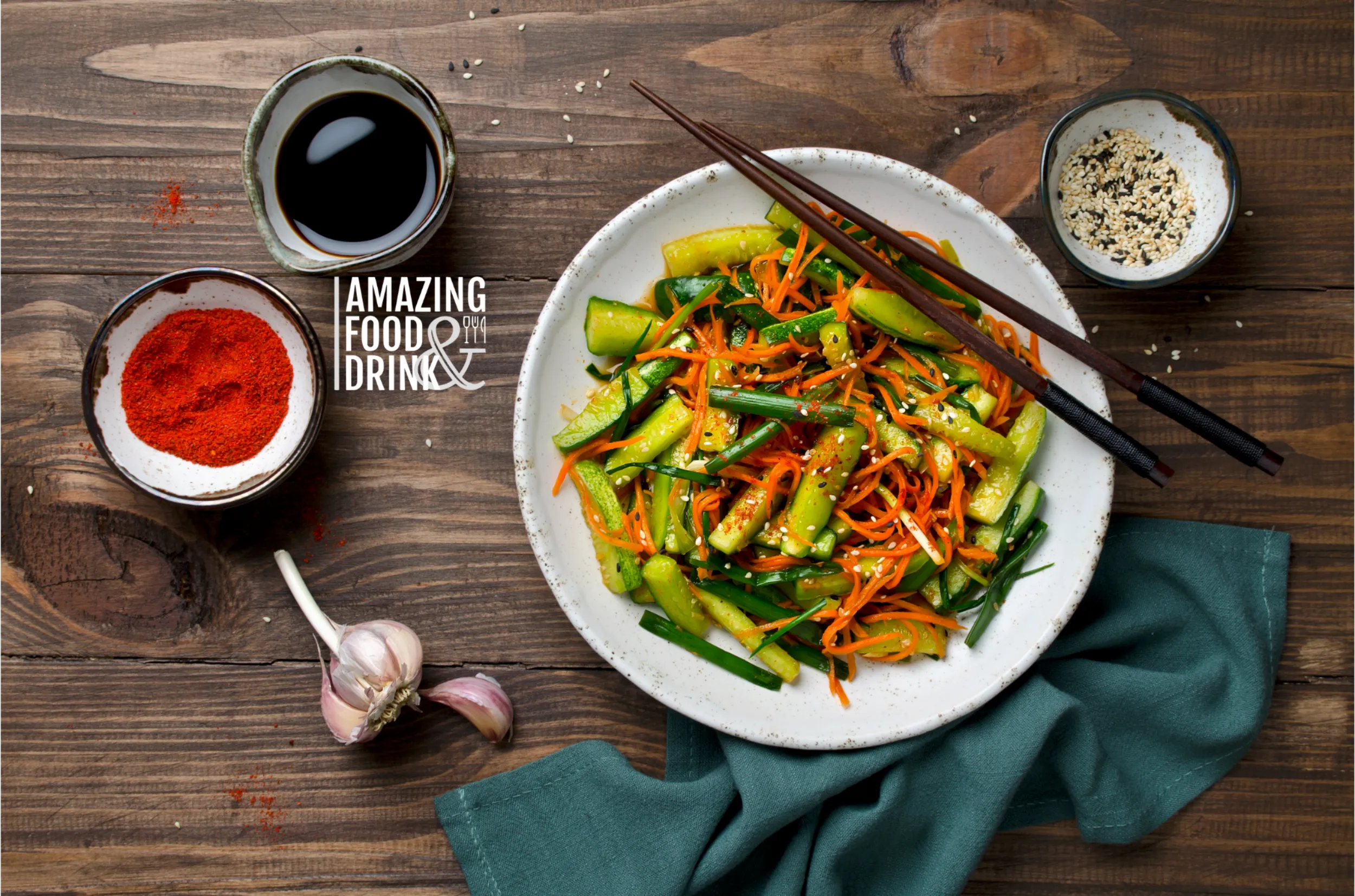
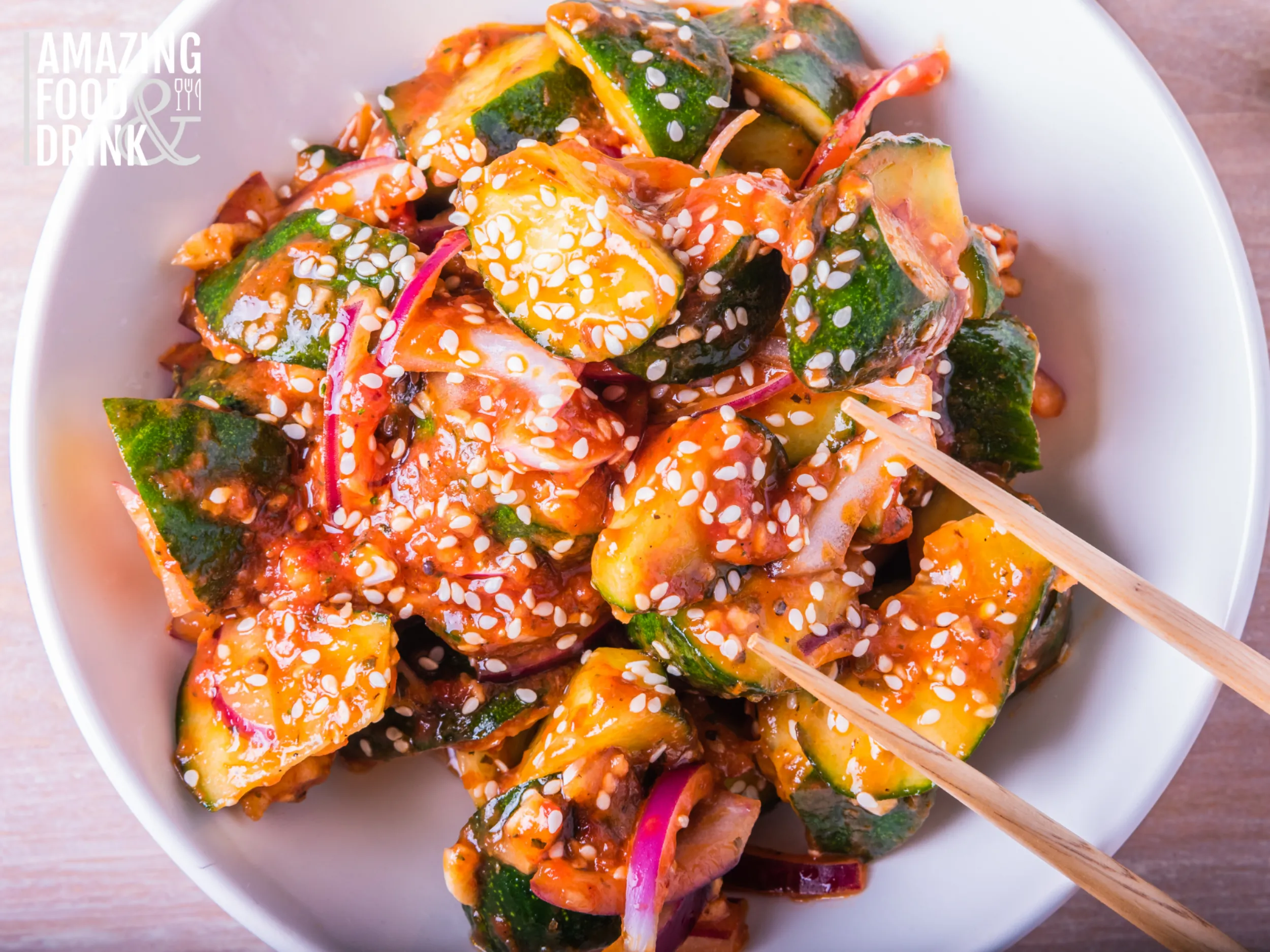
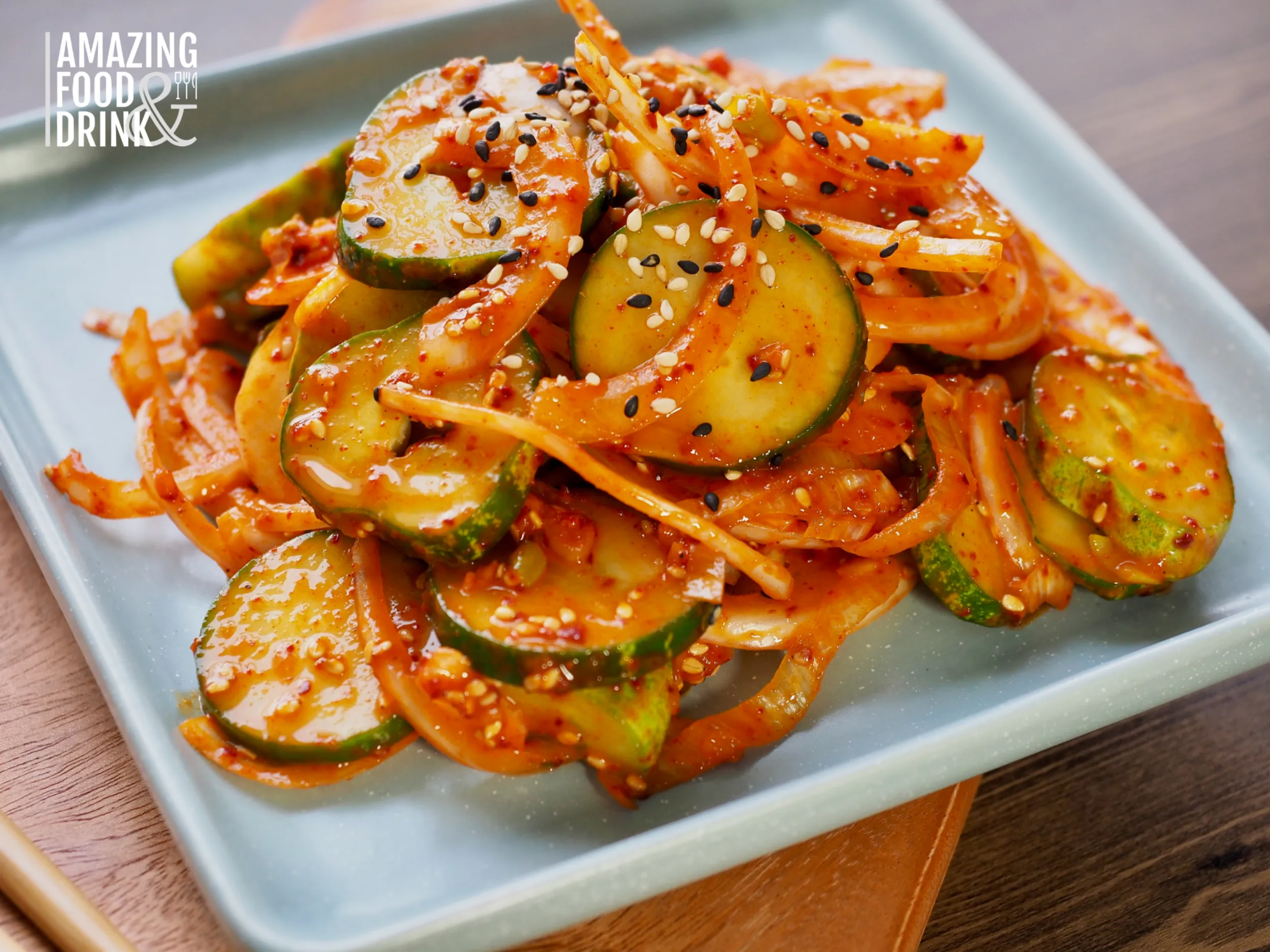
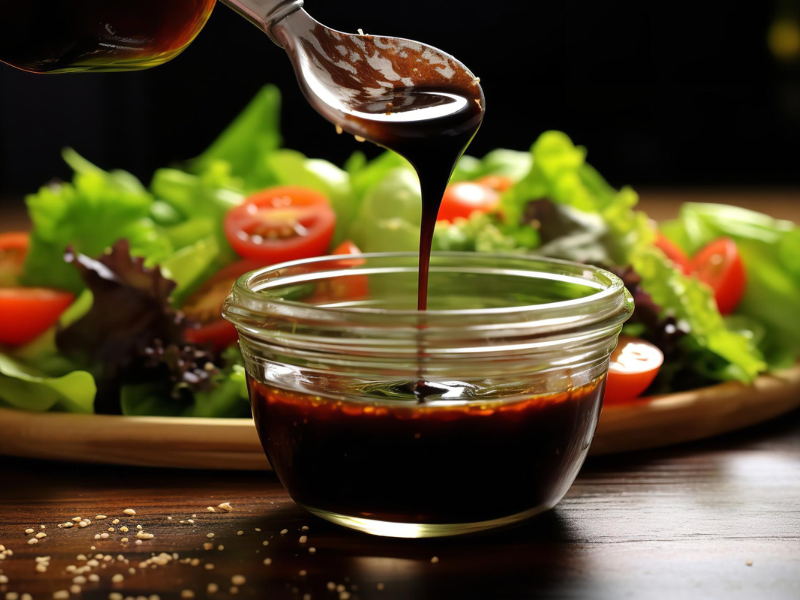
In the vibrant world of Korean cuisine, where every meal celebrates balance and harmony, there exists a refreshing counterpoint that awakens the palate: Oi Muchim, the beloved Korean cucumber salad. More than just a side dish, this crisp, tangy creation is a quintessential banchan, a small, essential offering that graces nearly every Korean dining table. Its appeal lies in brilliant simplicity: fresh cucumbers dressed in a fiery, tangy, and subtly sweet sauce that provides a cooling contrast to richer dishes.
Korean cucumber salad is a tasty side dish made with thinly sliced cucumbers seasoned with ingredients to create a balance of sweet, savoury, and tangy flavours. The typical ingredients include soy sauce, sesame oil, rice vinegar, garlic, sugar, and sesame seeds. Chilli flakes or gochujang (Korean red pepper paste) are sometimes added to give it a spicy kick. The salad is often garnished with additional sesame seeds or sliced green onions for extra freshness. It’s a brilliant accompaniment to Korean meals, providing a crisp and cool contrast to other dishes.
This salad has become a staple on tables around the world. Whether you’re a seasoned food enthusiast or a newcomer to Korean dishes, this comprehensive guide will teach you not just how to make Korean cucumber salad, but how to master it with authentic techniques, understand its cultural significance, and adapt it to suit every dietary need and personal preference.
Table of Contents
The Heart of Banchan: What is Korean Cucumber Salad (Oi Muchim)?
To truly appreciate Oi Muchim, one must first understand its place within the Korean culinary landscape. In Korea, a meal is rarely a single dish. Instead, it’s a communal affair, a colourful spread of rice, soup, and an array of banchan (반찬), small, often vegetable-based side dishes served alongside the main course. These banchan are not mere accompaniments; they’re integral to the meal’s balance, offering contrasting textures, temperatures, and flavour profiles that enhance the entire dining experience.
A Taste of Korea: Oi Muchim’s Role in Meals
Korean cucumber salad serves as more than just a simple side dish; it’s a carefully considered component of Korean dining philosophy.
Korean cucumber salad, or Oi Muchim, often incorporates traditional Korean flavours. The dressing typically includes soy sauce, sesame oil, rice vinegar, garlic, sugar, and sometimes chilli flakes or gochujang (Korean red pepper paste). These ingredients give the salad a unique blend of sweet, savoury, tangy, and sometimes spicy flavours.
The dish serves multiple purposes at the Korean table. Its crisp texture provides a refreshing crunch between bites of tender meats or soft rice. The acidity cuts through rich, fatty flavours, whilst the spice stimulates the appetite. Korean home cooks have long understood that this simple salad performs a vital role: it cleanses and refreshes the palate, allowing diners to fully appreciate each component of the meal.
Beyond the Basics: Understanding Korean Cucumber Varieties
Understanding the differences between cucumber types and salad styles will help you create the most authentic Oi Muchim possible.
What Is the Difference Between a Korean Cucumber and a Regular Cucumber Salad?
The main difference between Korean and regular cucumber salad lies in the seasoning and flavour profile. Whilst both salads use cucumbers as the primary ingredient, the seasonings and techniques vary significantly.
On the other hand, a regular cucumber salad may have a more Western or diverse flavour profile. Common ingredients in a regular cucumber salad include olive oil, vinegar (such as white or apple cider vinegar), fresh herbs like dill or parsley, and perhaps a touch of honey or sugar for sweetness. The dressing tends to be lighter and less intense than the bold flavours of Korean cucumber salad.
The difference also extends to cucumber selection. Korean cucumbers (오이, oi) are typically shorter, thinner, and have bumpier skin than English cucumbers. They possess a crisper texture and slightly sweeter taste, with fewer seeds. When unavailable, Persian cucumbers or small pickling cucumbers make excellent substitutes, whilst English cucumbers work well if you remove excess moisture through salting.
What Is Cucumber Salad Made Of?
Cucumber salad can be made in various ways, and the ingredients may vary depending on regional and personal preferences. However, a basic cucumber salad typically includes the following components:
Cucumbers: Thinly sliced or chopped cucumbers are the main ingredient. English cucumbers or regular slicing cucumbers are commonly used.
Vinegar: White, apple, or rice vinegar often adds acidity.
Oil: Olive oil or a neutral vegetable oil like sunflower or grapeseed oil is used for richness.
Sweetener: Sugar or honey may be added to balance the acidity and add sweetness.
Salt: To enhance the flavours.
Pepper: Freshly ground black pepper is commonly used.
Herbs and Seasonings: Depending on the recipe, herbs and seasonings like dill, parsley, onions or shallots, and garlic can be added for flavour.
Optional Ingredients: Cherry tomatoes, feta or goat cheese, and kalamata or black olives can be included.
You typically combine the sliced cucumbers with the dressing and any additional ingredients to make cucumber salad. Letting the salad marinate before serving is often recommended to allow the flavours to meld. Cucumber salad is known for its refreshing and crisp taste, making it a popular side dish, especially during the warmer months.
The Authentic Oi Muchim Recipe: A Step-by-Step Masterclass
Mastering Korean cucumber salad begins with understanding the proper techniques and ingredient ratios. These five tested recipes range from classic preparations to creative variations, each offering its own balance of sweet, tangy, and spicy flavours.
What Are the Most Flavourful Korean Cucumber Salad Recipes?
After testing this recipe multiple times in our kitchen, we’ve refined these instructions to help you achieve the perfect balance of crunch, spice, and tang that defines authentic Oi Muchim.
Classic Korean Cucumber Salad (Oi Muchim)
This traditional recipe serves as the foundation for all variations. Master this version first, and you’ll understand the core principles behind this refreshing banchan.
Prep Time: 15 minutes Marinating Time: 20-30 minutes Total Time: 45 minutes Servings: 4 side portions
Ingredients
3 medium Korean cucumbers (or 2 English cucumbers, or 4-5 Persian cucumbers)
2 tablespoons soy sauce
1 tablespoon sesame oil
1 tablespoon rice vinegar
1 tablespoon sugar (or honey/maple syrup)
2 cloves garlic, minced
1 teaspoon gochugaru (Korean red pepper flakes), adjust to taste
1 teaspoon sesame seeds, plus extra for garnish
2 green onions, finely chopped
1 teaspoon salt (for salting cucumbers)
Instructions
Prepare the Cucumbers: Slice the cucumbers thinly, approximately 2-3mm thick. If using English cucumbers, you may peel them partially in stripes for visual appeal, or leave the skin on Korean or Persian varieties for extra crunch.
Salt and Rest: Place cucumber slices in a colander, sprinkle with 1 teaspoon salt, and toss gently. Let them sit for 10-15 minutes. This crucial step draws out excess moisture, ensuring your salad remains crisp rather than watery.
Drain and Pat Dry: After salting, rinse the cucumbers briefly under cold water to remove excess salt. Gently squeeze handfuls of cucumber slices to remove moisture, then pat dry with a clean tea towel or kitchen paper. This step is essential for achieving the perfect texture.
Prepare the Dressing: In a separate bowl, whisk together soy sauce, sesame oil, rice vinegar, sugar, minced garlic, gochugaru, and sesame seeds until the sugar dissolves completely.
Combine and Marinate: Add the sliced cucumbers to the dressing and toss well to coat evenly. Ensure every cucumber slice is thoroughly coated with the dressing.
Rest and Develop Flavours: Allow the salad to marinate for at least 20-30 minutes at room temperature, or cover and refrigerate for up to 2 hours. The longer it marinates, the more the flavours will develop and penetrate the cucumbers.
Final Touches: Just before serving, sprinkle sliced green onions and additional sesame seeds on top for freshness and visual appeal.
Chef’s Notes
When testing this recipe, we discovered that the salting step makes a remarkable difference. Cucumbers that skip this process release water into the dressing, diluting the flavours and creating a watery mess. The salt draws out moisture through osmosis, leaving you with cucumbers that maintain their crunch whilst absorbing the dressing beautifully.
For the best results, use freshly toasted sesame seeds. Simply heat them in a dry pan over medium heat for 2-3 minutes until fragrant and golden. This small step adds a deeper, nuttier flavour that complements the other ingredients perfectly.
Spicy Korean Cucumber Salad
This version amplifies the heat for those who enjoy a fiery kick alongside their cooling cucumbers.
Prep Time: 15 minutes Marinating Time: 30 minutes Total Time: 45 minutes Servings: 4 side portions
Ingredients
3 medium Korean cucumbers
2 tablespoons soy sauce
1 tablespoon sesame oil
1 tablespoon rice vinegar
1 tablespoon gochugaru (Korean red pepper flakes)
1 tablespoon sugar
2 cloves garlic, minced
1 teaspoon sesame seeds
2 green onions, chopped
1 teaspoon salt (for salting)
Optional: 1 teaspoon gochujang for extra depth
Instructions
Slice the cucumbers thinly and place them in a colander. Sprinkle with salt and let rest for 10-15 minutes.
Rinse cucumbers briefly, squeeze out excess moisture, and pat dry thoroughly.
In a mixing bowl, combine soy sauce, sesame oil, rice vinegar, gochugaru, sugar, and minced garlic. If using gochujang, add it now and whisk until smooth.
Add the cucumber slices to the dressing and toss thoroughly to coat.
Let the salad marinate for about 30 minutes to allow the spicy flavours to develop.
Before serving, sprinkle sesame seeds and chopped green onions on top.
This spicy version pairs brilliantly with grilled meats like bulgogi or samgyeopsal (Korean pork belly), where the heat complements the charred, savoury flavours.
Sweet and Tangy Korean Cucumber Salad
For those who prefer a milder, more balanced approach, this version reduces the heat whilst maintaining authentic Korean flavours.
Prep Time: 15 minutes Marinating Time: 20 minutes Total Time: 35 minutes Servings: 4 side portions
Ingredients
3 medium Korean cucumbers
3 tablespoons rice vinegar
2 tablespoons soy sauce
2 tablespoons honey or sugar
1 tablespoon sesame oil
2 cloves garlic, minced
1 teaspoon sesame seeds
1 teaspoon grated ginger
1 carrot, julienned (optional)
1 teaspoon salt (for salting)
Instructions
Slice the cucumbers thinly and place in a colander. Salt and let rest for 10-15 minutes.
Rinse, squeeze out moisture, and pat dry.
In a separate bowl, whisk together rice vinegar, soy sauce, honey (or sugar), sesame oil, minced garlic, and grated ginger until well combined.
Pour the dressing over the cucumbers and toss well to combine.
If using, add julienned carrots for additional crunch and colour.
Allow the salad to marinate for at least 15-20 minutes.
Sprinkle sesame seeds before serving.
The addition of ginger brings a warming, aromatic quality that pairs beautifully with the sweet-tangy dressing. This version appeals to those new to Korean cuisine or cooking for children.
Prep Time: 15 minutes Marinating Time: 20-30 minutes Total Time: 45 minutes Servings: 4 side portions
Ingredients
3 medium Korean cucumbers
2 tablespoons soy sauce
1 tablespoon sesame oil
1 tablespoon rice vinegar
1 tablespoon honey or maple syrup
1 tablespoon toasted sesame seeds
1 teaspoon grated ginger
2 green onions, thinly sliced
1 teaspoon salt (for salting)
Instructions
Slice the cucumbers thinly and place them in a colander with salt. Let rest for 10-15 minutes.
Rinse briefly, squeeze out excess moisture, and pat dry with kitchen paper.
Whisk together soy sauce, sesame oil, rice vinegar, honey (or maple syrup), toasted sesame seeds, and grated ginger in a separate bowl.
Pour the dressing over the sliced cucumbers and toss to coat evenly.
Allow the salad to marinate for about 20-30 minutes.
Just before serving, sprinkle sliced green onions on top for freshness.
Tangy-Sweet Chilli Korean Cucumber Salad
This recipe combines the savoury notes of soy sauce, the heat from chilli garlic sauce, and the sweetness of honey, creating a compelling and bold flavour profile.
Prep Time: 15 minutes Marinating Time: 15-20 minutes Total Time: 35 minutes Servings: 4 side portions
Ingredients
3 medium Korean cucumbers
2 tablespoons soy sauce
1 tablespoon rice vinegar
2 tablespoons honey or agave syrup
1 tablespoon chilli garlic sauce (adjust to taste for spice)
1 tablespoon sesame oil
1 teaspoon sesame seeds
1/4 cup chopped fresh coriander
1 teaspoon salt (for salting)
Instructions
Slice the cucumbers thinly and place them in a colander. Sprinkle with salt and let rest for 10-15 minutes.
Rinse cucumbers briefly, squeeze out moisture, and pat dry.
Mix soy sauce, rice vinegar, honey (or agave syrup), chilli garlic sauce, sesame oil, and sesame seeds in a separate bowl.
Pour the dressing over the sliced cucumbers and toss well to coat evenly.
Allow the salad to marinate for about 15-20 minutes.
Before serving, sprinkle chopped coriander on top for freshness and flavour.
The addition of coriander provides a fresh, herbaceous note that complements the bold chilli-sweet dressing beautifully.
Gathering Your Ingredients: The Essence of Flavour
Quality ingredients make all the difference in Korean cucumber salad. Here’s what to look for when shopping for your Oi Muchim.
Success with Oi Muchim begins at the market. Here’s what to look for when sourcing your ingredients:
Cucumbers: Korean cucumbers are ideal, but Persian cucumbers offer the closest alternative. Look for firm cucumbers with bright, unblemished skin. Avoid soft spots or yellowing. English cucumbers work well but contain more water, so allow extra salting time.
Soy Sauce: Korean ganjang (regular soy sauce) is preferred over Japanese varieties. Kikkoman or Korean brands like Sempio work excellently. For gluten-free diets, tamari provides a suitable substitute.
Sesame Oil: Choose 100% pure toasted sesame oil, not blended varieties. The distinctive nutty aroma should be immediately apparent when you open the bottle. Korean or Japanese brands typically offer superior quality.
Gochugaru: Korean red pepper flakes provide the signature flavour and colour. Unlike standard chilli flakes, gochugaru offers a smoky, slightly sweet heat rather than pure fire. Sun-dried varieties provide the most authentic flavour.
Rice Vinegar: Use unseasoned rice vinegar. Seasoned varieties contain added sugar and salt that can throw off your careful flavour balance.
Oi Muchim for Everyone: Dietary Adaptations & Creative Variations
One of Korean cucumber salad’s greatest strengths is its adaptability. Here’s how to modify Oi Muchim to suit various dietary needs whilst maintaining its essential character.
Vegan & Vegetarian Options
Korean cucumber salad naturally suits plant-based diets, with just a few simple adjustments needed for strict vegan requirements.
Traditional Oi Muchim is already vegetarian, but some recipes incorporate fish sauce or salted shrimp for umami depth. For vegan versions:
Replace fish sauce with additional soy sauce or mushroom-based seasoning
Use maple syrup instead of honey
Add a pinch of MSG or shiitake powder for extra umami depth
Consider adding a splash of white miso whisked into the dressing
Gluten-Free & Allergen-Friendly Adaptations
Adapting Oi Muchim for gluten-free and allergy-conscious diets is straightforward with the right ingredient substitutions.
Making Oi Muchim gluten-free is straightforward:
Substitute tamari or certified gluten-free soy sauce
Verify that your gochugaru and gochujang brands are gluten-free (many contain wheat)
For sesame allergies, use extra virgin olive oil and replace sesame seeds with toasted sunflower or pumpkin seeds
Low-Sodium & Sugar-Conscious Options
Reducing sodium and sugar in Korean cucumber salad doesn’t mean sacrificing flavour—it just requires thoughtful adjustments.
For those watching salt or sugar intake:
Use low-sodium soy sauce (reduces sodium by approximately 40%)
Replace sugar with stevia, monk fruit sweetener, or erythritol
Reduce the soy sauce quantity and add extra rice vinegar for acidity
Use more garlic and ginger to compensate for reduced salt, boosting flavour without sodium
Is Korean Cucumber Salad Suitable for Special Diets?
The versatility of Korean cucumber salad extends beyond traditional preparation, making it compatible with various dietary preferences and restrictions.
Is Korean Cucumber Salad Fit Well with Salad Dressings?
Whilst Korean cucumber salads typically have flavourful dressings, you can experiment and pair them with various salad dressings to suit your taste preferences. Here are a few suggestions:
Sesame Ginger Dressing: This dressing complements the sesame and ginger flavours often found in Korean cucumber salads.
Miso Dressing: The umami-rich taste of miso can add depth to the salad, enhancing its overall complexity.
Citrus Vinaigrette: A light and citrusy vinaigrette can contrast the cucumber salad’s savoury and slightly sweet notes.
Soy-Sesame Dressing: A simple soy-sesame dressing can enhance the salad without overpowering it if you enjoy the classic Korean flavours.
Yoghurt-Based Dressing: A yoghurt-based dressing with a hint of garlic and dill can add creaminess and a cool element to the salad.
When combining with dressings, consider the overall flavour profile and balance. Start with a small amount of dressing and adjust according to your taste. The goal is to enhance the salad without losing the distinctive Korean cucumber salad flavours. Feel free to get creative and find your perfect combination!
What Is the Best Fat-Free Korean Cucumber Salad Dressing?
For those seeking lighter options, here are two excellent fat-free dressing variations:
Fat-Free Korean Cucumber Salad Dressing
For those seeking lighter options without compromising on flavour, these fat-free dressings deliver authentic Korean taste whilst eliminating oil entirely.
Prep Time: 5 minutes Yield: Approximately 1/2 cup
Ingredients
3 tablespoons rice vinegar
2 tablespoons low-sodium soy sauce
2 tablespoons apple cider vinegar
1 tablespoon honey or maple syrup
1 teaspoon garlic, minced
1 teaspoon ginger, grated
1 teaspoon sesame seeds (optional, for garnish)
Chopped green onions (optional, for garnish)
Instructions
Combine rice vinegar, low-sodium soy sauce, apple cider vinegar, honey (or maple syrup), minced garlic, and grated ginger in a bowl.
Whisk the ingredients together until well combined.
Pour the fat-free dressing over your sliced Korean cucumbers and toss well to coat.
Allow the salad to marinate for 15-20 minutes to meld the flavours.
Add the sesame seeds and green onions right before serving.
This dressing provides a tangy and sweet flavour without adding oil, making it a fat-free option for your Korean cucumber salad. Adjust the sweetness or acidity to suit your taste preferences.
Tangy Mustard-Soy Korean Cucumber Salad Dressing
With the perfect balance of tanginess from mustard and the savoury depth of soy sauce, this dressing brings a unique twist whilst remaining fat-free.
Prep Time: 5 minutes Yield: Approximately 1/2 cup
Ingredients
3 tablespoons rice vinegar
2 tablespoons low-sodium soy sauce
1 tablespoon Dijon mustard
1 tablespoon honey or agave syrup
1 teaspoon garlic, minced
1 teaspoon ginger, grated
1/2 teaspoon black pepper
1 teaspoon sesame seeds (optional)
Chopped fresh coriander or parsley (optional)
Instructions
Mix rice vinegar, low-sodium soy sauce, Dijon mustard, honey (or agave syrup), minced garlic, grated ginger, and black pepper in a bowl.
Ensure that the mustard is well incorporated into the dressing.
Pour the fat-free dressing over the sliced Korean cucumbers and toss thoroughly to coat.
Allow the salad to marinate for about 15-20 minutes.
Optionally, garnish with sesame seeds and chopped fresh coriander or parsley before serving.
This dressing provides a tangy kick from the mustard, balanced by the sweetness of honey, creating a flavourful, fat-free option for your cucumber salad. Adjust the quantities to match your taste preferences.
Beyond the Original: Exciting Oi Muchim Variations
Korean cucumber salad’s simple foundation invites creative interpretations, from fusion dishes to regional Korean variations that offer fresh takes on this classic banchan.
Fusion Applications:
Korean Cucumber Salad Tacos: Serve spicy Oi Muchim in soft tortillas with grilled fish or tofu
Oi Muchim Bowl: Build a grain bowl with brown rice, edamame, avocado, and a generous portion of cucumber salad
Cucumber Salad Wraps: Use lettuce leaves as vessels for rice, protein, and cucumber salad
Summer Rolls: Add Oi Muchim to Vietnamese summer rolls for a Korean-Vietnamese fusion
Regional Variations:
Busan-style: Add thin strips of perilla leaves (kkaennip) for an herbal note
Jeju Island: Include fresh seaweed or sea vegetables for oceanic flavour
Northern style: Use less sugar and more garlic for a sharper, less sweet profile
Master Your Korean Pantry: Essential Ingredients for Oi Muchim & Beyond
Creating authentic Korean cucumber salad starts with understanding and sourcing the right ingredients. Here’s your complete guide to building a Korean pantry that will serve you well beyond this single recipe.
Building a well-stocked Korean pantry transforms home cooking, making authentic dishes accessible any time inspiration strikes.
Gochugaru & Gochujang: Understanding Korean Chilli
These two essential Korean ingredients form the flavour foundation of authentic Oi Muchim and countless other Korean dishes.
Gochugaru (고추가루): These sun-dried, coarsely ground red pepper flakes provide the signature colour and heat in Korean cooking. Unlike sharp cayenne or crushed red pepper, gochugaru offers a complex flavour, smoky, slightly sweet, with moderate heat. Quality matters significantly; look for bright red colour and coarse, even texture.
Heat Levels:
Mild (덜매운): Perfect for children or those sensitive to spice
Tae-kyung Korean Red Pepper Flakes (authentic, affordable)
Chung Jung One (premium quality, finely textured)
Gochujang (고추장): This fermented red pepper paste combines gochugaru with glutinous rice, fermented soybeans, and salt. The fermentation process creates deep umami flavours that balance the chilli’s heat. It’s thicker than hot sauce, with a slightly sweet, savoury complexity.
Sesame Oil & Seeds: The Aromatic Finish
Sesame products provide the distinctive nutty aroma and flavour that characterise Korean cuisine.
Sesame Oil: Pure toasted sesame oil acts as a flavour enhancer rather than a cooking oil. Its low smoke point makes it unsuitable for high-heat cooking, but perfect for finishing dishes. A little goes a long way; typically, 1 tablespoon suffices for most recipes.
Storage: Keep refrigerated after opening to prevent rancidity. High-quality sesame oil should have an intensely nutty aroma; if it smells bland or off, it’s likely past its prime.
Sesame Seeds: Toast these just before use for maximum flavour. White and black sesame seeds both work well, with black varieties offering a more dramatic visual presentation.
Vinegar & Sweeteners: Balancing the Palate
The right combination of acidity and sweetness creates the perfect dressing balance in Korean cucumber salad.
Rice Vinegar: Milder and slightly sweeter than white or apple cider vinegar, rice vinegar provides acidity without harshness. Always opt for unseasoned varieties when cooking Korean dishes, as seasoned versions often contain added sugar and salt.
Sweeteners: Traditional Korean recipes use white sugar, but honey, maple syrup, or agave nectar work beautifully. Each brings subtle flavour differences; experiment to find your preference.
Sourcing Authentic Ingredients Globally
Finding quality Korean ingredients has become easier worldwide, with both physical stores and online options available.
United Kingdom:
H Mart (Multiple locations): Comprehensive Korean ingredient selection
Oriental Mart (London): Wide range of Korean products
Amazon UK: Mother-in-Law’s brand and Chung Jung One are readily available
Wing Yip: Multiple locations across the UK with excellent Asian ingredients
United States:
H Mart (National chain): The gold standard for Korean ingredients
99 Ranch Market: Strong Korean section
Amazon US: Extensive Korean ingredient selection
Local Korean markets: Search “Korean grocery near me” for neighbourhood options
Philippines:
Assi Fresh Plaza (Manila): Dedicated Korean supermarket
Korean Central Mall (Koreatown, Manila): Multiple Korean grocery stores
Landmark Supermarket: Often stocks basic Korean ingredients
Online: Lazada and Shopee offer Korean ingredients from various sellers
Australia:
Korean Grocer (Sydney, Melbourne): Specialised Korean ingredients
Asian grocery stores: Most major cities have Korean sections
Online: Korean Pantry delivers Australia-wide
Online International Shipping:
Weee!: Asian groceries delivered (US-focused)
Yamibuy: International shipping for Asian ingredients
H Mart Online: Ships across the US
Amazon: Increasingly comprehensive Korean ingredient selection
Advanced Techniques & Serving Suggestions
Mastering Korean cucumber salad involves more than just following a recipe. Understanding the science behind each step and knowing how to serve it will transform your banchan from good to exceptional.
Perfecting the Texture: Salting, Draining & Marinating
Understanding the science behind cucumber preparation ensures consistently crisp, flavourful results every time.
The salting process, whilst seemingly simple, relies on osmosis, which draws water from the cucumber cells through their semi-permeable membranes. This process serves two purposes: removing excess moisture that would dilute your dressing, and creating space within the cucumber’s structure for flavours to penetrate.
Quick Salt Method (10-15 minutes): Best for immediate serving. Provides adequate moisture removal whilst maintaining maximum crunch.
Traditional Method (30 minutes): For advanced preparation. Yields more thorough moisture removal and a slightly softer texture that absorbs dressing more completely.
Sugar-Salt Method: Combine 1 teaspoon salt with 1 teaspoon sugar. The sugar accelerates osmosis whilst adding subtle sweetness directly to the cucumber.
Rinsing: After salting, always rinse cucumbers briefly under cold water. This removes excess salt that could overpower your carefully balanced dressing. Taste a cucumber slice after rinsing it should taste lightly seasoned, not salty.
Drying: This crucial step is often rushed. Use a clean tea towel or several layers of kitchen paper. Press gently but firmly, working in batches. Properly dried cucumbers will absorb the dressing rather than creating a watery pool at the bowl’s bottom.
Storage & Longevity: Keeping Your Banchan Fresh
Proper storage techniques help maintain the quality and crispness of your Korean cucumber salad.
Short-term Storage (1-2 days): Store in an airtight container in the refrigerator. The salad remains at peak quality for 24 hours, although it remains enjoyable for up to 48 hours. Beyond this, cucumbers soften significantly and lose their characteristic crunch.
Make-Ahead Strategy: Prepare cucumbers through the salting and drying stages up to 6 hours ahead. Store dried cucumber slices in the refrigerator. Mix the dressing separately. Combine 15-20 minutes before serving.
Not Recommended for Freezing: The high water content in cucumbers makes them unsuitable for freezing. Upon thawing, they become mushy and unappetizing.
Korean BBQ (Galbi, Bulgogi, Samgyeopsal): The cooling crunch cuts through rich, fatty grilled meats
Bibimbap: Adds freshness and crunch to this mixed rice bowl
Japchae: Complements the sweet potato noodles’ chewy texture
Fried Chicken (Chimaek): Provides acidic contrast to crispy, savoury chicken
Rice and Soup Meals: Serves as a palate cleanser between bites
Fusion Applications:
Burger Topping: Replace pickle slices with spicy Oi Muchim
Grain Bowls: Add as a fresh component alongside quinoa, farro, or brown rice
Sandwich Enhancement: Layer into bánh mì or other Asian-inspired sandwiches
Taco Filling: Pairs brilliantly with grilled fish or Korean-marinated meats
Seasonal Adaptations: Making Oi Muchim Year-Round
Each season presents opportunities to enjoy Korean cucumber salad with fresh, locally available ingredients.
Summer (Peak Season): Take advantage of the abundant and inexpensive cucumbers. Garden cucumbers work beautifully. Serve Oi Muchim chilled as a refreshing side dish for outdoor gatherings.
Autumn & Winter: When fresh cucumbers are less abundant or more expensive:
Use preserved Korean cucumbers (available in Korean markets)
Substitute with daikon radish for a different but equally refreshing banchan
Try a mix of cucumber and crunchy cabbage (approximately 50/50 ratio)
Add julienned Asian pear for seasonal variation
Spring: Young, tender cucumbers appear at markets. These require less salting time due to their naturally crisp texture. Pair with fresh spring onions and baby radishes.
Cultural Context: Oi Muchim Through the Seasons
Understanding the cultural traditions behind Korean cucumber salad deepens appreciation for this significant yet straightforward dish.
In Korea, banchan preparation follows seasonal rhythms. Summer sees an abundance of cucumber dishes; their cooling properties provide relief from heat and humidity. Families prepare large batches during cucumber season, enjoying variations daily. The salting technique was originally developed as a preservation method, though modern refrigeration has made this less necessary.
Traditional Korean meal preparation emphasises balance: hot and cold, spicy and mild, soft and crunchy. Oi Muchim typically represents the “cooling” element, balancing spicy stews (jjigae) or rich grilled meats. This philosophy of balance, deeply rooted in traditional Korean medicine, ensures that meals are both satisfying and nutritionally complete.
This comprehensive guide to Korean cucumber salad (Oi Muchim) explores the authentic preparation of this essential banchan, from understanding its cultural significance in Korean dining to mastering five distinct recipe variations. You’ll learn the science behind proper cucumber preparation, discover dietary adaptations for every need, and gain insights into sourcing authentic Korean ingredients globally. With detailed techniques for achieving the perfect crisp texture, expert pairing suggestions, and seasonal adaptations, this guide transforms a simple cucumber salad into a celebration of Korean culinary tradition that you can confidently prepare at home.
In the vibrant tapestry of Korean cuisine, the Korean cucumber salad stands out as a refreshing and flavourful delight. Exploring this recipe shows that the dish is more than just a side; it’s a celebration of freshness and balance. Whether enjoyed alone or as a complement to other Korean delicacies, this salad can transform any meal. Gather your ingredients and embark on the culinary adventure of crafting your own authentic Korean Cucumber Salad.
FAQs
1. Why is my Oi Muchim watery?
Watery cucumber salad results from inadequate moisture removal before dressing. After salting, cucumbers must be thoroughly rinsed and dried. If your salad becomes watery after mixing, drain the excess liquid and add a small amount of fresh dressing. For future batches, extend the salting time or press cucumbers more firmly during drying.
2. Can I make Oi Muchim ahead of time?
Yes, but with considerations. For best results, prepare cucumbers through the drying stage and mix the dressing separately. Combine 15-30 minutes before serving. A fully dressed salad stores well for 24 hours but loses its crispness after this point. The dressing can be made up to 3 days ahead and refrigerated.
3. Is Oi Muchim healthy?
Absolutely. Cucumbers provide hydration, vitamin K, potassium, and antioxidants whilst remaining very low in calories (approximately 45 per cucumber). The salad supplies beneficial nutrients from garlic (allicin), sesame seeds (healthy fats, calcium), and ginger (anti-inflammatory properties). Control sodium by using low-sodium soy sauce, and adjust sugar to taste. A typical serving contains approximately 50-80 calories, making it an excellent choice for healthy eating plans.
4. What kind of cucumbers are best?
Korean cucumbers (oi) are ideal, shorter, thinner, with bumpy skin and fewer seeds than English varieties. Persian cucumbers provide the closest substitute, offering similar texture and sweetness. English cucumbers work well but require an extended salting time due to higher water content. Avoid waxed supermarket cucumbers, as the wax prevents proper moisture removal and absorption of dressing.
5. Can I adjust the spice level?
Certainly, start with 1/2 teaspoon of gochugaru for mild heat, progressing to 2 tablespoons for serious fire lovers. For completely mild versions, omit gochugaru entirely and rely on garlic, ginger, and black pepper for flavour depth. Remember that gochugaru provides not just heat but also colour and smoky sweetness. Consider using a pinch even in mild versions for authentic flavour.