Nothing beats the freshness and the burst of flavours of Asian salad recipes. Mixing savoury, sweet, and sour tastes with the palatable combination of spices and the crunchiness of fresh vegetables is the secret to the popularity of Asian salad recipes around the world.
If you are a big fan of Asian cuisine, Amazing Food and Drink provides you with nine mouthwatering Asian Salad Recipes. Read along and learn how to prepare some tasty salads that you are going to love.
The Asian Salad recipe is a vibrant, flavour-packed dish that effortlessly combines a variety of textures and tastes. Whether you’re looking for a refreshing side dish or a light main dish, this salad, with its unique miso dressing, is sure to add a touch of exoticism to your meal.
Ingredients
Carrots
Scallions
Radish, sliced
Red chilli pepper, sliced
Rice noodles, sliced
Cashew nuts
Coriander, diced
Dressing
1 teaspoon red miso paste, fermented
1 tablespoon soy sauce, low-sodium
2 tablespoons sesame oil
2 tablespoons fish sauce
3 tablespoons water
1 clove garlic, grated
1 teaspoon ginger, freshly grated
½ lemon, juice
Instructions
Turn your carrots into ribbons to give your salad a delicate texture.
Put the carrot ribbons in a bowl, and add the scallions and the sliced radishes.
De-seed the red chilli pepper by rolling it on a chopping board to release the inner seeds.
Slice the chilli pepper and put it into the bowl of vegetables.
Prep the noodles by soaking them in warm water for 5 minutes, then add them to the salad bowl.
Lastly, incorporate the diced cashew nuts.
To Make the Dressing
Blend the fermented red miso paste, low-sodium soy sauce, sesame oil, fish sauce, and water in a bowl.
Keep stirring until it forms a silky consistency.
Next, add the grated garlic, ginger, and freshly squeezed lemon juice.
You have now successfully made a magnificent Asian dressing recipe! Generously drizzle this unique miso dressing over your salad to provide a surprising punch of oriental flavours. For enhanced flavour, store the salad in the fridge and allow the taste to deepen.
2. Vegan Japanese-Style Cabbage Salad Recipe
Another well-known Asian salad recipe is the Vegan Japanese-style cabbage Salad. This recipe beautifully highlights the simplicity of plant-based ingredients while delivering an authentic taste of Japanese cuisine with its sesame-infused dressing.
Ingredients
½ large cabbage, shredded and cored
1 bunch of green onions
1 cup almond slivers, finely sliced
¼ cup sesame seeds, toasted
Dressing
3 tablespoons sesame oil
3 tablespoons rice vinegar
1 tablespoon white sugar (Optional)
1 clove garlic, minced (Optional)
1 teaspoon fresh ginger root, grated (Optional)
1 teaspoon salt
1 teaspoon black pepper
Instructions
Combine the shredded cabbage, the thinly sliced green onions, the almond slivers, and the toasted sesame seeds in a sizeable bowl.
For the Dressing
In a separate smaller bowl, whisk the sesame oil, vinegar, sugar, minced garlic, grated ginger, salt, and pepper until the sugar, if used, is fully dissolved.
Pour this dressing over the combined cabbage mixture.
Keep tossing until they are thoroughly mixed.
3. Trending Vegan Chinese Lettuce Salad
Now, let’s try a trendy Chinese recipe, which is the Vegan Lettuce Salad. It is very popular in China and an easy-to-make recipe. So, grab your chopsticks and be ready to indulge in a salad bowl that is so light and flavourful.
Ingredients
1 Lettuce
1 tablespoon minced garlic
A handful of red pepper, shredded
5 tablespoons boiling oil
3 light tablespoons of soy sauce
Instructions
To make the lettuce tender, soak it for 10 seconds in boiling water with ½ teaspoon of salt and 1 tablespoon of oil.
In a small bowl, prepare the dressing by adding the garlic, red pepper, hot oil, and soy sauce and mix until well combined.
In a bigger bowl, add your lettuce and pour the dressing over it.
Finally, garnish with some crushed nuts and sesame seeds.
4. Chinese Chicken Salad
The Chinese Chicken Salad dates back to the 60s and is considered one of the top popular recipes nowadays. It has taken people by storm after the Famous Chef Wolfgang Puck introduced it to American cuisine.
Ingredients
Crisp-fried wontons
Shredded chicken breasts, baked or fried
Iceberg lettuce
Napa cabbage
Radicchio
Romaine lettuce
Carrots
Green onions for garnishing
Dressing
2 tablespoons Dijon mustard
1 ½ tablespoons agave nectar
½ tablespoon sriracha
1 mandarin or ½ orange, juice (depending on availability)
2 to 3 tablespoons soy sauce
2 tablespoons sesame oil
2 tablespoons rice vinegar
½ cup oil
Salt and pepper to taste
Instructions
Begin by prepping your salad. Slice your greens: iceberg lettuce, napa cabbage, radicchio, romaine lettuce, and carrots.
Finely chop your green onions.
For an added flair, soak them in ice-cold water for 15 minutes to curl them slightly.
For the dressing
Use a large bowl to combine the Dijon mustard, agave nectar, sriracha, mandarin or orange juice, soy sauce, sesame oil, and rice vinegar.
While you’re whisking these ingredients, gradually add the oil until the mixture is well-blended.
Season with salt and pepper, then adjust the flavour, if needed, by adding more mustard or vinegar.
In a larger bowl, combine your greens, chicken, and wantons, then pour over the dressing and toss until everything is well mixed. Finally, garnish with green onions, sesame seeds, additional wantons, and optional crushed almonds.
5. Korean Cucumber Salad
The Korean Cucumber Salad has recently become an online sensation due to its simple preparation, fiery flavour, and incredible taste. It’s one of those salads that captivates the hearts of fans of the Asian salad recipes.
Ingredients
3 medium-sized cucumbers, sliced
2 cloves garlic, minced
1 green onion, chopped
½ medium-sized onion, chopped
2 tablespoons soy sauce
2 teaspoons Korean hot pepper flakes
2 teaspoons sesame oil
2 teaspoons sesame seeds
1 teaspoon sugar (optional)
Instructions
Combine the sliced cucumber and all the other ingredients in a bowl.
Stir the mixture thoroughly until all the elements blend, and the flavours meld together.
Serve and savour.
6. Asian Cabbage and Apple Salad
Another Asian Salad Recipe is Cabbage and Apple Salad. It is a tantalising medley of crisp textures and refreshing flavours. This Asian salad is perfect for a light lunch or as a vibrant side dish.
Ingredients
2 to 3 cups of cabbage, finely sliced
½ lemon, juice
Salt to taste
1 carrot, grated
1 green apple, finely sliced into thin sticks
2 green onions, chopped
2 tablespoons olive oil
1 tablespoon mustard
½ teaspoon sugar (optional)
Instructions
In a large salad bowl, put the finely sliced cabbage.
Squeeze the juice from half a lemon and sprinkle it with salt.
Toss until the cabbage is well coated with the lemon juice.
Incorporate the grated carrots, apple sticks, and chopped green onions.
In a jar, add the olive oil, a pinch of salt, sugar (if using), and mustard, then shake to create the dressing.
Drizzle the dressing over the salad. Then, toss until everything is evenly coated, and the flavours are well distributed.
Serve and delight in its freshness.
7. Thai Peanut Salad
What about trying the Thai Peanut Salad? Though this sweet and tangy salad requires numerous ingredients and steps, its burst of irresistible flavours and textures makes the time and effort truly worthwhile.
Ingredients
6 to 7 dried chillies, ground
1⁄3 cup shallots, chopped
7 to 8 garlic cloves
½ teaspoon coriander, ground
1 cup coconut milk
½ cup peanuts, roasted and ground
4 to 6 tablespoons tamarind
3 tablespoons palm sugar
½ to ¾ salt (for the vegetarian version) or fish sauce
1 boiled egg, cubed
A handful of potato chips
1 cup tofu, cubed and fried (raw can be used too)
Shallots, fried and sliced
1 cup tomatoes, cubed
1 cup cucumbers, cubed
Carrots, grated
Leafy greens of your choice
Instructions
Grind the chilli, garlic, and shallots using a mortar and pestle or a food processor.
Over medium heat, sauté this mixture in coconut milk and a bit of water until fully dissolved.
Add the ground peanuts to this hot mixture, then season with tamarind, sugar, and salt.
Let the mixture simmer for about 30 minutes until it thickens into a dressing.
For the fried onions, slice an onion and spread the slices on a paper towel.
Sprinkle the slices with salt and leave for 15 minutes.
Using a paper towel, pat the onions dry and then fry until they turn golden and crispy.
To serve, place the vegetables, boiled egg, fried onion, potato chips, and fried or raw tofu in a bowl.
Then, drizzle the peanut dressing over the salad, tossing to combine.
Enjoy immediately. The leftover dressing can be refrigerated for up to a week.
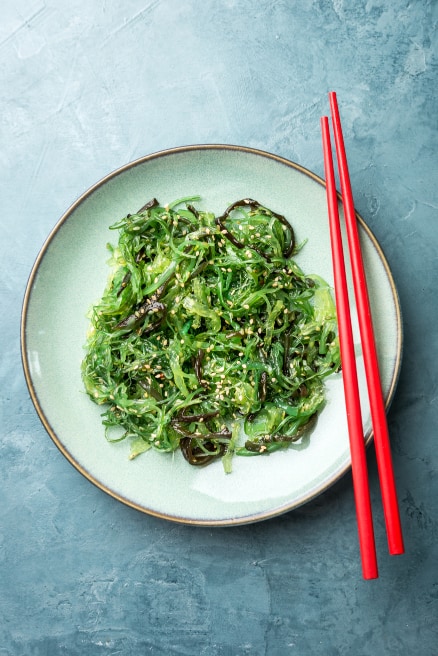
8. Seaweed Japanese Salad
Seaweed Japanese Salad is a genuine-style recipe that is easy to make. When it is homemade, it is nutrient-rich as it contains vitamins and minerals. This Japanese salad is cold and perfect for a light summer dinner. It is the best side dish to serve with Taco rice.
Ingredients
1 cup salted wakame seaweed
1 tablespoon rice vinegar
2 tablespoons soy sauce
1 tablespoon dashi stock
1 teaspoon sugar
1 tablespoon olive oil
1 teaspoon ginger root, freshly grated
1 cup mizuna, chopped
½ cup daikon radish, shredded
1⁄4 cup carrots, shredded
2 cherry tomatoes, diced
A sprinkle of sesame seeds, lightly crushed
Some garden cress leaves or radish sprouts for garnish
Instructions
Place the salted wakame in a water-filled bowl to rinse off the salt.
Drain the water and let the wakame sit in fresh water for no longer than a few minutes to prevent it from becoming too soggy.
Briefly blanch the wakame in hot water for 2 to 3 seconds, then immediately plunge it into cold water to halt the cooking process.
Let’s Create the Dressing
Combine the soy sauce, dashi stock, sugar, oil, and grated ginger in a separate bowl. Stir well until everything is thoroughly mixed.
To assemble the salad, layer the mizuna, daikon radish, carrots, tomatoes, and sesame seeds in a salad bowl.
Drizzle the dressing all over, then garnish with the sprouts.
Enjoy this refreshing and savoury salad.
9. Refreshing Asian-Style Glass Noodle Salad
Who does not love noodles for a light dinner? Enjoy this amazingly tasty Asian Glass Noodle Salad and make it a staple summer recipe. It combines thin, transparent noodles with fresh vegetables and herbs.
Ingredients
2 packets (2 oz each, total 112 g) of cellophane noodles (check notes)
1 medium-sized cucumber, cut into thin strips
1 medium-sized carrot, cut into thin strips
1 red pepper, sliced into thin strips
1 cup mung bean sprouts, fresh
½ cup red cabbage, finely shredded
2 sprigs of green onions, finely chopped
1⁄3 cup crushed peanuts
1⁄3 cup cilantro or parsley, fresh and finely chopped
A handful of sesame seeds for garnishing
Dressing
2 ½ to 3 tablespoons tamari or coconut aminos
2 tablespoons squeezed lime juice
1 ½ to 2 tablespoons natural maple syrup
1 tablespoon ginger, freshly grated
2 cloves garlic, finely minced
2 tablespoons toasted sesame oil
A dash of red pepper flakes or 1 Thai chilli, finely chopped
Instructions
Place the cellophane noodles in a bowl and pour boiling water over them.
Soak until they become soft and transparent, typically around 4 to 5 minutes.
Then, drain the water thoroughly.
If the noodles are excessively long, use kitchen scissors to cut them into shorter, more manageable lengths after they’ve soaked.
While waiting for the noodles to soak, get started on your vegetables. Aim for thin strips of cucumber and bell pepper and finely shredded pieces of red cabbage and carrots. Using a slicer can make this task much quicker.
For the Dressing
Put all the dressing ingredients in a small bowl and stir until everything is well-mixed.
Place the drained noodles and the cut vegetables into a large salad bowl.
Drizzle the dressing over the salad, tossing everything together to ensure all ingredients are evenly coated.
Serve this vibrant salad in individual bowls, sprinkling over some sesame seeds for garnish.
In this article, we have introduced nine delicious Asian salad recipes that you should try. What are you waiting for? Head to the kitchen, prepare your ingredients, and enjoy these Asian salad recipes with their beautiful blend of flavours and textures!


 Israa Saeed
 Miranne Khaled