
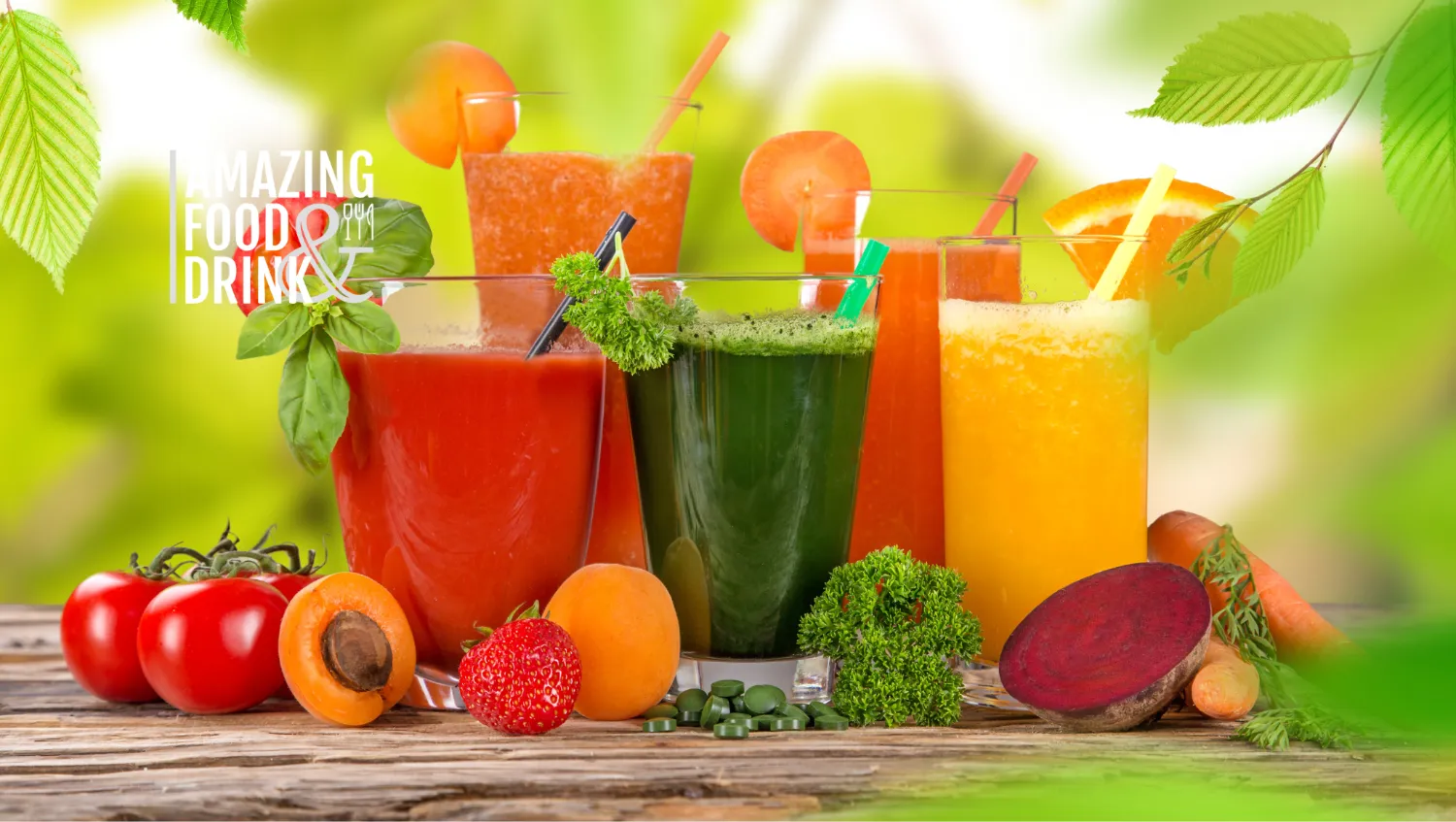
15 Healthy Snack Juice Recipes to Satisfy Your Cravings

Despite common belief, eating the appropriate amount of fruits and vegetables daily doesn’t get any simpler as you age. But when you are obligated to consume three salads daily, you should know that juicing is a quicker method to consume all those healthy vegetables. Juicing can help you lose weight, eliminate toxins, and improve your immune system.
Whether on a diet or simply thirsty, having good snack juice as a snack is everything, especially on the hot summer days. Instead of buying store-bought juice boxes filled with sugar and preservatives, it is best to make your own. You can add whichever ingredients you like and control how sweet you want your juice to be. With a juice mixer, you can create any drink you’re craving. There are plenty of fruits and vegetables out there that can be mixed to create the perfect combo. Since we’re so close to summertime and it’s already getting hotter daily, it’s time for some healthy snack juice recipes to satisfy your cravings. Let’s get right into it.
1- Cucumber Celery Juice
It’s great for incorporating green juice into your daily diet. Celery and cucumbers are great for juicing because of their high water content. Also, green apple gives the juice a tonne of sweetness and flavour. This drink is great for the summer since it is very hydrating and refreshing.
Ingredients
3 celery stalks
1/2 cucumber, cut into small pieces
1 green apple, cut into eighths
1 pear, cut into eighths
2- Carrot Ginger Juice

The sweetness from apples and carrots provides a counterbalance, along with the spicy kick from ginger,
Ingredients
2 medium-sized apples, cut into small pieces
5 small carrots
1/2 inch fresh ginger
1/4 lemon (peel it to avoid bitterness)
Tip
First, add the soft fruits and vegetables to your mixer for optimal efficiency.
3- Banana Kale Juice
Drink tropical-tasting juice while consuming dark, leafy greens for your daily dose of nutrients.
Ingredients
1/4 of fresh pineapple (remove the skin and core)
4 kale leaves
1 peeled ripe banana
4- Beet Blueberry Juice
Try golden beets as they’re sweeter and have a milder flavour if typical purple beets are too flavorful for your liking.
Ingredients
2 medium beets, cut into small pieces
1 cup blueberries
1 cup strawberries, halved
5- Orange Lemon Juice
Do you constantly suffer from colds? Lemon, orange, and ginger are your trio; they will boost your immune system.
Ingredients
2 quartered oranges
1/4 lemon
1 medium apple, cut into small pieces
1/2 inch fresh ginger
6- Green Juice
Six ingredients, 15 minutes, and any juicer or mixer will do for this easy green juice recipe. It is simple, nutritious, full of health benefits, and has such a crisp flavour! Fresh herbs and greens lose their bitterness when consumed with a big apple. If necessary, add some honey.
Ingredients
1 bunch of kale
1-inch piece of fresh peeled ginger
1 large apple
5 stalks of celery
½ large cucumber
Handful of fresh parsley
7- Watermelon Juice
Make a pitcher of refreshing watermelon juice to stay hydrated. Trust us; you’ll feel like you’re under a palm tree’s shade. Moreover, getting a nice juicer is optional for this one. Because it is so soft, you can just juice the watermelon in your blender.
Ingredients
1 6-pound sweet watermelon
1 small juiced lime (optional)
8- Carrot Orange Juice

Here is a recipe for tasty, vitamin-rich homemade carrot juice. This recipe makes the healthiest fresh juice possible by combining oranges, carrots, lemon, and ginger. Use a blender or a juicer to prepare this snack.
Ingredients
1 bunch of carrots, peeled and rinsed (4 large carrots or 6 medium carrots)
2 oranges, peeled and cut into slices
1 lemon, peeled and cut into quarters
1-inch piece of peeled ginger
Tip
First, add the soft fruits and vegetables to your mixer for optimal efficiency.
9- Parsley Juice
This parsley juice recipe makes a nutritious, hydrating, and healthful green juice. Parsley is famous for its energising and purifying qualities. Consume this green juice any time of the day, especially in the morning.
Ingredients
1 bunch of washed and dry parsley
1 washed and sliced apple
1 cucumber, cut into long slices
1 lemon, peeled and sliced
10- Spinach Juice
A juicer or a blender can create spinach juice, a mild-tasting green drink. It hydrates well and is rich in micronutrients. With this recipe for spinach juice, you’ll boost your diet’s nutritional content.
Ingredients
2 cups of baby spinach
2 stalks of celery
1 medium cucumber
1 green, cored apple
1 peeled lemon
11- Pomegranate Juice
Check out this quick and nutritious juice that can be made in just two minutes. If you enjoy the flavour of juice but would rather avoid dealing with the additional synthetic substances in many store-bought juices, making your pomegranate juice at home is the healthier choice.
Ingredients
1/2 cup pomegranate
1/2 cup sparkling water
1 lemon
Ice cubes
12- Tomato Juice
If you’re looking for a detox drink full of antioxidants, go for this one. Tomato juice may not be many people’s favourite, but with these additions, it’ll be tasty and nutritious.
Ingredients
2 cups tomato juice chilled
1 cup baby spinach
1/4 cup fresh parsley
1/8 tsp cloves
1/8 tsp black pepper
1/8 tsp cayenne pepper
1/4 tsp turmeric
1/8 tsp cinnamon
13- Kiwi Juice
Are you looking for a freshening, healthful, naturally sweet, and ready in about 30 seconds juice? Kiwi juice is the answer. It will become your new favourite beverage!
Ingredients
7 or 8 peeled and quartered ripe kiwis
6 to 8 cups cold water
Sweetener to taste
14- Apple Beet Juice
Mix everything in a blender and then strain it to extract all the juice to produce this wonderful apple, beetroot, carrot, and ginger juice. Throw away the pulp and enjoy your drink!
Ingredients
1 medium peeled beet
1 medium peeled, cored, and sliced apple
1 tbsp fresh peeled ginger
3 whole peeled carrots
Unfiltered apple juice
15- Mango Orange Apple Juice
This fruity drink incorporates fruits like mango, apple, orange, and some sparkling lemonade to increase your energy levels instantly.
Ingredients
Half a lemon
500 ml orange juice
500 ml mango juice
500 ml apple juice
400 ml sparkling lemonade
250 g mandarin drained segments
Preparation Guide
– All of the previous juice recipes only need to be mixed in a juice mixer or a regular blender. However, if you’re using the latter, you’ll need to use a strainer before drinking unless you like to sip chunks.
– These recipes can be consumed immediately or chilled in the fridge for an hour or so.
– Add as much honey as desired to control the sweetness, but remember that the more honey you add, the more calories your drink will have. You can also opt for a zero-calorie sweetener.
What Kind of Juicer Should You Use?
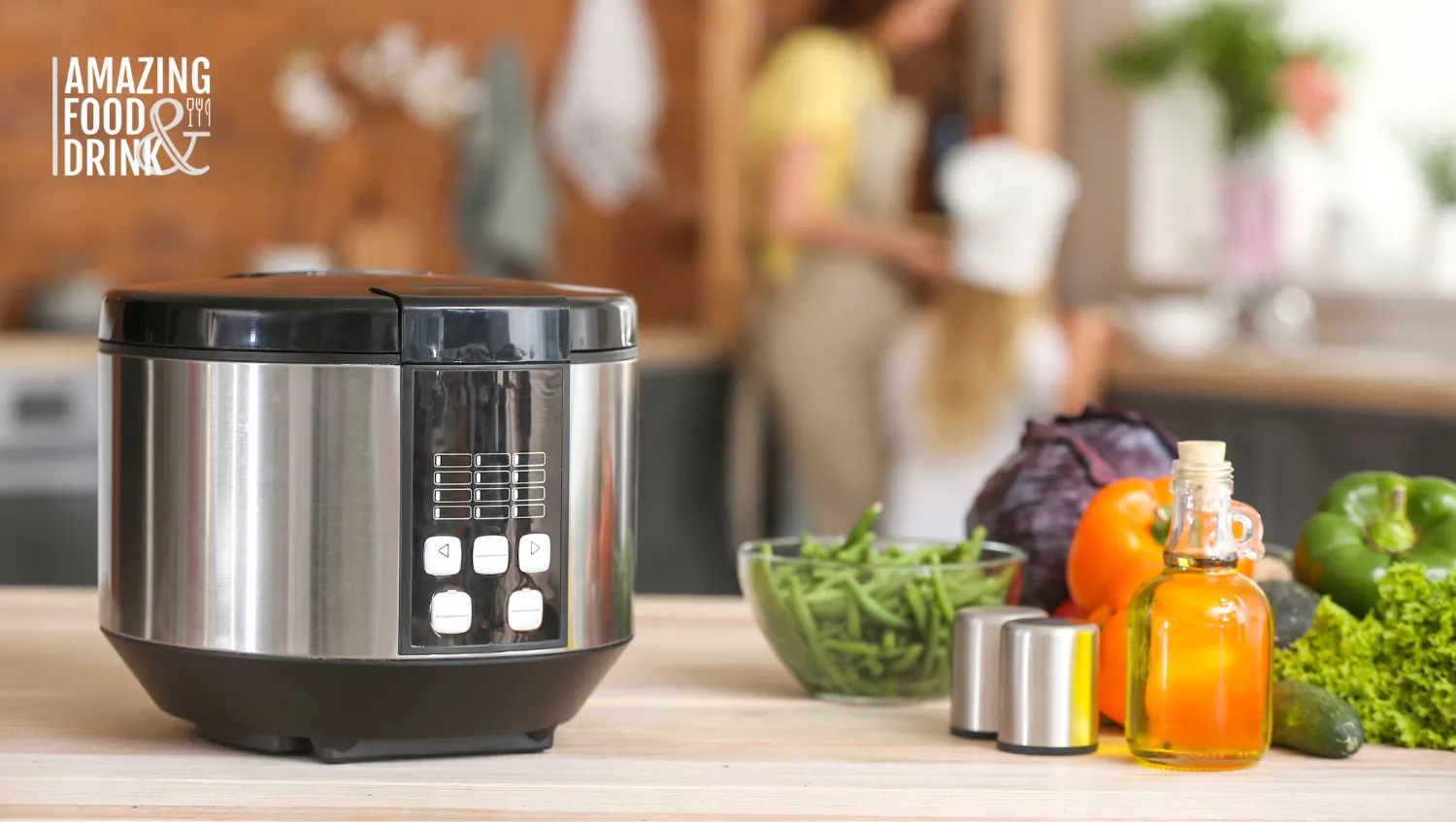
The first item you’ll need if you’re just getting started with juicing is a juicer! Juicers are usually divided into two categories: centrifugal, which is fast, and masticating, which is cold-press or slow juicers.
Centrifugal juicers aren’t effective at extracting juice; they struggle to juice leafy greens, are unbelievably noisy, and sometimes get so hot that they break down the juice’s nutrients.
But suppose you’re serious about juicing and want to extract the maximum flavour and nutritional value from your fruits and vegetables. In that case, a slow juicer is your best choice. Although they’re slower than a centrifugal juicer, slow juicers remain fairly quick; thus, “slow” is misleading.
Is it time for a snack juice yet? Try it if you haven’t already! It’s a delightful and entertaining way to load a tonne of nutrients into a daily treat. However, as many people do, juicing should not be used as a substitute for entire foods. A healthy diet must include entire foods and the fibre they naturally provide. We don’t advise substituting vegetable or fruit juices for meals.