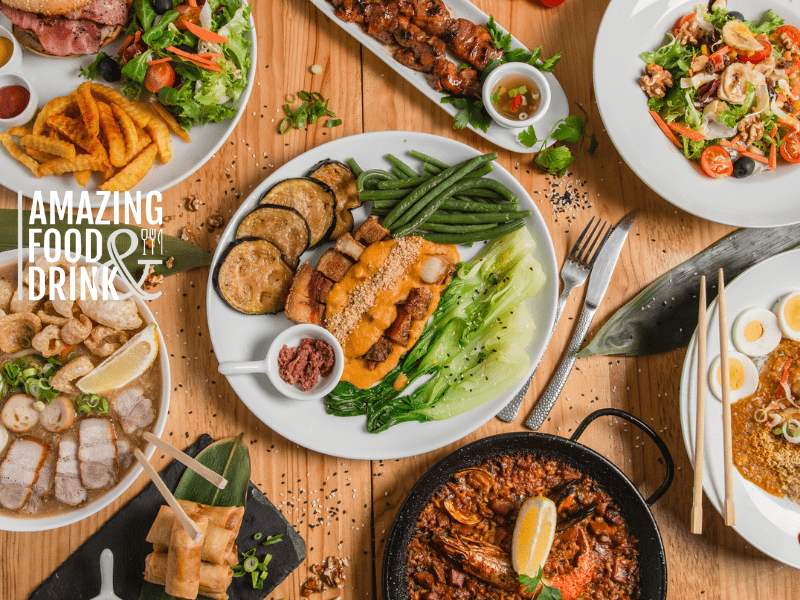
Filipino cuisine is a delightful symphony of flavours and textures, and its salads are no exception. Diving into the top 10 Filipino salad recipes is like embarking on a culinary journey across the archipelago. From the tangy kick of Ensaladang Mangga to the creamy allure of Buko Pandan Salad, each dish tells a story of heritage and tradition.
As the perfect accompaniment or star of any meal, these Filipino salad recipes are a testament to the country’s rich culinary culture, offering a mouthwatering fusion of local ingredients and beloved family secrets. Dive in and savour the best of Filipino flavours!
Filipino Salad Recipes
Filipino salads have gained recognition globally due to their unique blend of flavours and ingredients. Being one of the top countries producing coconut, you can find this ingredient in many Filipino dishes. Coconut milk, coconut cream, and young coconut (buko) are used in various cuisines for their rich taste and texture. As Filipino communities flourish worldwide, these dishes, rooted in tradition yet versatile in nature, have successfully managed to find their way to international tables.
1. Ensaladang Talong (Eggplant Salad)
Ensaladang Talong is a Filipino dish made from roasted eggplant. It’s a vegetarian salad that is both affordable and tasty. The dish has a noticeable smoky scent and is often paired with a tangy dressing, making it a common choice in Filipino meals.
Ingredients
3 Long eggplants
2 medium size tomatoes (chopped)
3 cloves of garlic (minced)
1 medium size onion (minced)
1 finger chili pepper (sliced)
2 Tbl sugar
14 cup apple cider vinegar or white vinegar
1 tbsp olive oil
Instructions
Grill the eggplants, peel off the skin and cut off the stem.
Mash the eggplants in a mixing bowl.
Mix the eggplants with the other Ensaladang Talong salad ingredients. Enjoy.
2. Ensaladang Mangga (Mango Salad)
httpss://www.youtube.com/watch?v=VZoCh7Lnf7U
Ensaladang Mangga is a Filipino salad made of green mangoes and salted eggs. The salted eggs, made by brining, give the salad a salty flavour, which contrasts with the tartness of the mangoes. It’s a commonly enjoyed dish in the Philippines.
In a bowl, add the tomatoes, mango, eggs, onions, ginger and mix.
Add the seasonings: lemon, fish sauce, salt and pepper.
Mix all the ingredients and enjoy the taste.
3. Buko Pandan Salad Recipe
Buko Pandan Salad is a Filipino favourite, melding the aromatic flavours of Buko (young coconut) and Pandan (screwpine leaves). Adorned with Sago, small tapioca pearls, and Nata de Coco, jellied cubes from fermented coconut water, it’s a dance of sweetness, texture, and tropical goodness in every spoonful.
Ingredients
5 cups of water
12 cup sugar (adjust to taste)
1 pack of gelatin powder (buko pandan flavour)
2 cups of shredded young coconuts.
1 cup of nata de coco
1 cup of cooked sago (optional)
2 cups of chilled all-purpose cream
1 can of condensed milk (390 gm)
2 tsp pandan flavour
Instructions
Add the buko pandan gelatin pack to the water and sugar and stir until dissolved.
Let it boil over medium heat. Once boiled, remove from heat.
Transfer the buko pandan jelly into a heat-proof tray.
Place it in the fridge and let it cool until it becomes firm.
Once firm, use your knife to cut the jelly into small cubes.
Transfer the buko pandan cubes into a mixing bowl.
Add the shredded coconuts, coconut gel, and sago.
Add the cream, condensed milk and the pandan flavour and mix well.
Place in the fridge for at least one hour before serving.
4. Filipino Fruit Salad Recipe
Dive into the luxurious world of the creamy Filipino Fruit Salad! With a velvety blend of cream, condensed milk, and the delightful chew of Nata de Coco, this recipe promises an irresistible dance of sweetness—a tropical temptation not to be missed!
Ingredients
2 cans of fruit cocktail (850 gm)
1 large apple, cubed
1 large pear, cubed
1 can of red Nata de coco
13 cup raisins
13 cup Velveeta cheese
250 chilled all-purpose cream
1 can condensed milk (390 gm)
Instructions
Strain the fruit syrup and the red nata de coco completely.
Transfer fruits into a bowl.
Add the apple and pear cubes, raisins and cheese.
In a big bowl, add the cream and the condensed milk. Mix well until well incorporated.
Add the cream mixture to the fruits and mix.
Let it cool in the fridge before serving.
5. Filipino Mac Salad
httpss://www.youtube.com/watch?v=r9Pv0RW8Wuo
Filipino Mac Salad is a dish made of macaroni, Nata de Coco, and “kremdensada”, which is a combination of cream and condensed milk. Nata de Coco provides a chewy texture, and the kremdensada adds creaminess. It’s a popular Filipino dessert or snack.
Ingredients
1 and 12 litres water
300 gm of elbow macaroni
1 tsp salt
12 tbsp oil
400 gm can fruit cocktail
150 canned green nata de coco
150 canned red nata de coco
34 cubed cheddar chees
250 nestle cream
1 cup mayonnaise
250 ml kremdensada
Instructions
Let the water boil, then add the salt, oil, and macaroni.
After cooking, remove it from the heat, strain it, and let it cool down for 2 hours.
In a mixing bowl, add the macaroni to the canned and strained fruit cocktail.
Strain the green and red nata de coco, then add them to the mixture.
Add the cheese, cream, mayonnaise and kremdensada.
Mix well before serving.
6. Atchara (Green Pickled Papaya Salad)
Atchara is a Filipino salad made from pickled green papaya. With its tangy taste and crunchy texture, this salad is a common side dish in the Philippines and is a reflection of the country’s tradition of pickling. Making Atchara is straightforward and offers a distinct flavour experience.
Ingredients
2 green papaya, grated
3 tbsp salt
3 medium size onion, sliced
1 finger-size ginger, finely sliced
12 cup finely sliced carrots
2 pieces saba siling
1 tsp peppercorns
1 12 cups water
2 cups vinegar
3 cups sugar
Ingredients
Soak the grated papaya in water with salt for 30 minutes.
Then, drain the papaya and squeeze it with your hands to remove salty water. Wash it twice.
In a pot, pour the water, vinegar, and sugar.
Bring the mixture to a boil.
Once boiling, add the grated papaya, ginger, carrots, onions, peppercorns, and saba siling.
Cook for 5 minutes. Remove extra vinegar water if you prefer your atchara to be a bit dry. After it cools down, put it in jars and serve beside main dishes.
7. Pako Salad (Fiddlehead Fern Salad)
Savour the taste of Pako Salad, where the star is the pako fern—a fresh, crisp fiddlehead fern native to the Philippines. This green delicacy boasts a mildly grassy flavour, making each bite a refreshing blend of nature and culinary artistry. Dive in!
Wash the pako fern well, then remove the leaves from the stem.
Slice the onions and tomatoes.
In a large bowl, add the fern leaves, tomatoes and onions.
Combine all dressing ingredients and pour the mixture over the vegetables.
Serve the salad into smaller bowls and decorate with slices of boiled and salted eggs.
8. Ensaladang Lato (seagrapes salad)
httpss://www.youtube.com/watch?v=zu1jLhWdhn8
Dive into Ensaladang Lato, a Filipino salad showcasing seagrapes or lato. These tiny, green pearls from the sea have a crisp texture and a slightly briny, oceanic flavour. Combining simplicity with the freshness of the ocean, this salad is a must-try for seafood lovers.
Ingredients
1 cup of seagrapes stalks
2 tomatoes, cubed
1 medium size onion, cubed
1 tsp salt
4-5 tbsp vinegar
Instructions
Wash seagrapes well until running water turns clear.
In a bowl, add the seagrapes, tomatoes, onions, salt and vinegar.
Toss to combine and serve.
9. Ampalaya Salad (Bitter Gourd Salad)
httpss://www.youtube.com/watch?v=Tfq3t4c702o
Experience Ampalaya Salad, a Filipino dish featuring the unique taste of ampalaya, or bitter gourd. While its distinct bitterness might be an acquired taste, this salad offers a refreshing twist, showcasing the versatility of Filipino flavours. Give it a try, and be pleasantly surprised!
Ingredients
1 medium-sized ginger, diced
1 medium-sized tomato, diced
1 bitter melon, seeded and sliced
10 tiny chilis, sliced.
2-3 cups water
1 tsp salt
1 tsp baking soda
12 cup coco vinegar
Juice of half a lemon
A sprinkle of sugar
Instructions
In a pot, add water, salt and baking soda.
Bring it to a boil, then add the bitter melon and let it simmer for 20 seconds.
Transfer bitter melon into cold water with ice to stop the cooking process.
In a bowl, add the ginger, vinegar, chilli, juice of half lemin, a pinch of salt, and a pinch of monosodium glutamate (msg) (optional).
Add the tomatoes and a sprinkle of sugar, then mix the ingredients well.
In the serving bowl, add the bitter melon and the mixture prepared earlier, then combine well.
10. Singkamas Salad (Jicama Salad)
httpss://www.youtube.com/watch?v=woxT3tCgHCI
Delve into Singkamas Salad, spotlighting the crunchy jicama. This root vegetable, also known as Mexican turnip, offers a subtly sweet and nutty flavour. A fresh Filipino take on jicama, this salad promises a crisp and refreshing experience. Don’t miss out on it!
Ingredients
1 Jicama, finely sliced
Half a carrot, finely sliced
Half a cucumber, finely sliced
1 medium onion, sliced
Dressing
2 tbsp lemon juice
3 tbsp olive oil
1 tsp pepper
1 tsp salt
2 tsp dried basil
1 tbsp honey
Instructions
In a small bowl, place all dressing ingredients, then mix well.
In the serving bowl, add the sliced vegetables, then pour the dressing over them.
Toss to combine and serve.
Filipino salad recipes offer a diverse range of flavours and textures that reflect the rich culinary traditions of the archipelago. From the tangy to the sweet and the crisp to the creamy, each salad has its unique charm. Exploring these dishes provides a deeper appreciation of Filipino culture and its delicious contributions to the global culinary scene.



 Nouran Ashraf
 Asmaa Alhashimy