Top 10 Must-Try Korean Street Foods – Famous Dishes & Prices

Top 10 Must-Try Korean Street Foods & Their Prices

Author Avatar

Updated on October 18, 2025

South Korea isn’t just about K-dramas and K-Pop—it’s a street food paradise waiting to be explored. Walk through the bustling alleys of Myeongdong or Gwangjang Market, and you’ll be greeted by the sizzling aroma of tteokbokki (spicy rice cakes), crispy hotteok (sweet pancakes), and savoury Korean fried chicken. Every bite tells a story, blending centuries-old traditions with modern flavours.

But what makes Korean street food truly special? It’s affordable, diverse, and packed with bold, unforgettable flavours. Whether you’re craving something spicy, sweet, or deep-fried to perfection, these must-try street foods will take your taste buds on an adventure. Get ready to dive into the top 10 most famous Korean street foods, their prices, and where to find the best stalls in Seoul’s buzzing night markets.

Hungry yet? Let’s dig in!

What is Korean Street Food?

Top 10 Must-Try Korean Street Foods – Famous Dishes & Prices

Korean street food is a vibrant mix of tradition and innovation, offering a bold, affordable, and deeply flavourful dining experience. Found in bustling markets, neon-lit alleyways, and roadside stalls, it’s an essential part of everyday life in South Korea.

What sets Korean street food apart is its combination of simplicity and bold flavours. Whether it’s the spicy kick of tteokbokki, the crispy indulgence of Korean fried chicken, or the comforting warmth of odeng, each dish is designed to be quick, satisfying, and packed with taste.

Beyond its flavourful appeal, street food culture is about convenience and community. Vendors operate from market stalls, food carts, and pojangmacha (tented street bars), serving up everything from traditional favourites to modern fusion creations. Dishes are often portable, making them ideal for on-the-go snacking or sharing with friends.

As street food continues to evolve, it remains a bridge between Korea’s culinary past and present. While some dishes stay true to their centuries-old roots, others embrace global influences and social media trends. This blend of heritage and modern creativity is what makes Korean street food an unforgettable experience for both locals and visitors alike.

Seamlessly woven into Korea’s food culture, street food is more than just a meal—it’s a reflection of history, resilience, and innovation. To truly understand its significance, we need to explore its deep-rooted past and transformation over time.

History of Korean Street Food

Top 10 Korean Street Food

Korean street food has been a cornerstone of the country’s culinary identity for centuries. What began as simple, affordable meals for travellers and market-goers has transformed into a global food phenomenon.

In the post-war era, street food played a crucial role in survival, providing low-cost, high-energy meals during economic hardship. Vendors relied on staple ingredients like rice cakes, fish cakes, and pancakes to create satisfying yet affordable dishes. These flavours became deeply ingrained in Korean food culture, evolving into the beloved street food scene we know today.

Traditional vs. Modern Korean Street Food

Over time, Korean street food has evolved, adapting to changing tastes, social trends, and global influences. While traditional street food remains a staple in markets and alleyways, modern innovations have introduced new flavours and fusion dishes that cater to younger generations and international visitors.

Traditional Korean Street Food

  • Rooted in post-war survival foods, focusing on affordability and simplicity.
  • Common dishes include odeng (fish cakes), tteokbokki (spicy rice cakes), and hotteok (sweet pancakes).
  • Vendors often cook in large batches, selling from street carts and market stalls.
  • Strong cultural significance—many stalls have been passed down through generations.

Modern Korean Street Food

  • Driven by social media trends and innovation, incorporating new ingredients and techniques.
  • Examples include cheese-filled hotteok, truffle-infused Korean fried chicken, and flaming cheese tteokbokki.
  • Fusion street foods such as Korean-Japanese ramen bowls and Western-influenced Korean corn dogs are gaining popularity.
  • Presentation and Instagram-worthy appeal play a huge role in modern street food’s success.

Korean street food continues to evolve, blending traditional recipes with contemporary flavours to create an experience that’s both nostalgic and cutting-edge. Whether you’re enjoying a classic bowl of odeng broth at a local stall or trying a viral street food trend, each bite reflects Korea’s rich culinary history and innovative spirit.

The Rise of Korean Street Food Culture

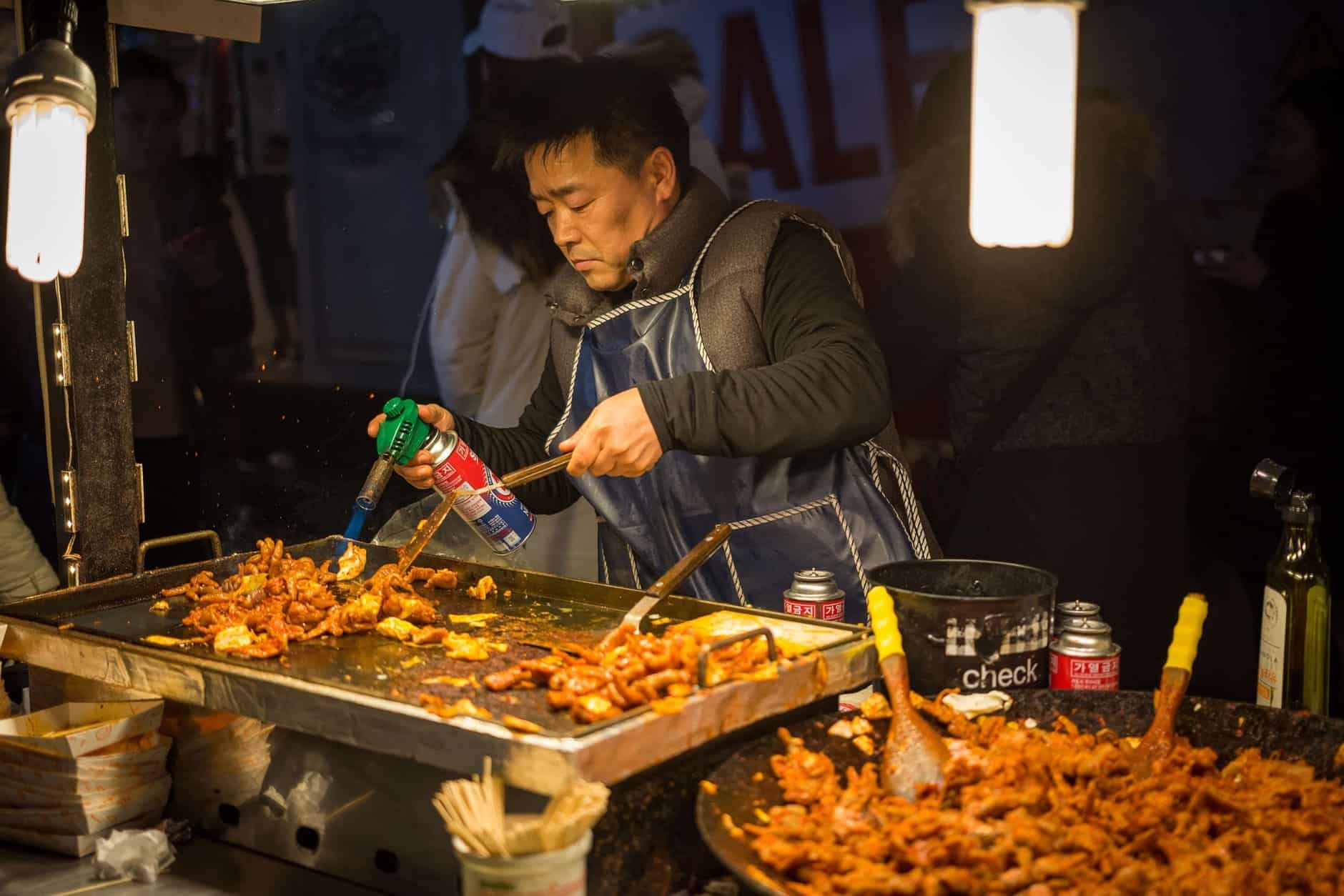
Seoul, the beating heart of Korean street food, is home to some of the most famous street food markets in the world. Walking through Gwangjang Market or Myeongdong Street Food Alley, you’ll experience a sensory explosion of sizzling, steaming, and crispy delights.

For locals, street food is an essential part of daily life, while for tourists, it’s an immersive way to explore Korean culture. The blend of traditional recipes and modern twists ensures that Korean street food remains relevant and ever-evolving, making it one of the most exciting food cultures in the world.

What are the Most Popular Korean Street Foods?

When exploring South Korea, indulging in its street food is an experience that captures the heart of its vibrant culture and bold flavours. Korean street food is more than just a quick snack; it’s an essential part of daily life, blending history, tradition, and modern culinary creativity. From the iconic spicy rice cakes to the beloved fish cakes, the sheer variety of dishes ensures there’s something for everyone.

1. Tteokbokki 떡볶이 (Spicy Stir-Fried Rice Cakes)

Top 10 Korean Street Food

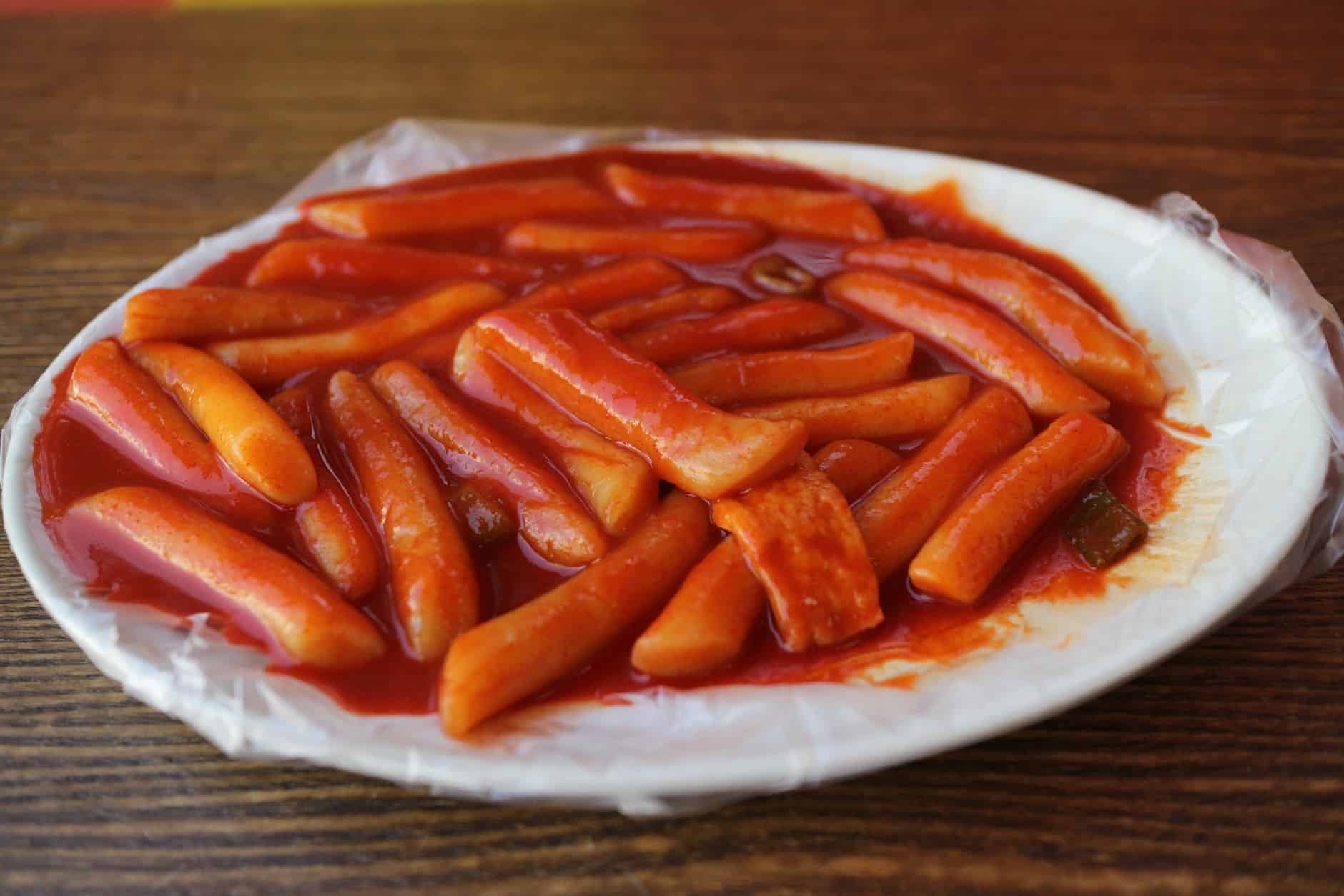
Tteokbokki is one of the most famous Korean street foods, loved for its bold flavours and irresistibly chewy texture. These soft, cylindrical rice cakes are stir-fried in a sweet, savoury, and fiery sauce, creating a dish that’s as comforting as it is addictive.

The signature red sauce is made from gochujang (Korean chilli paste), soy sauce, sugar, and gochugaru (chilli flakes). It delivers a perfect balance of sweetness and heat, coating each rice cake in a thick, glossy glaze. The dish is often enhanced with vegetables like scallions, cabbage, or fish cakes, adding layers of texture and depth.

For a modern twist, some vendors top tteokbokki with melted cheese, creating a creamy contrast to the spice. Others mix in ramen noodles, transforming it into rabokki, a carb-packed favourite.

Widely available in markets, food stalls, and pojangmacha (tent bars), tteokbokki is a staple of Korean street food culture. Its bold aroma and vibrant red hue make it impossible to resist, drawing in locals and visitors alike for a truly unforgettable taste of Korea.

2. Eomuk 어묵 (Korean Fish Cake)

Top 10 Korean Street Food

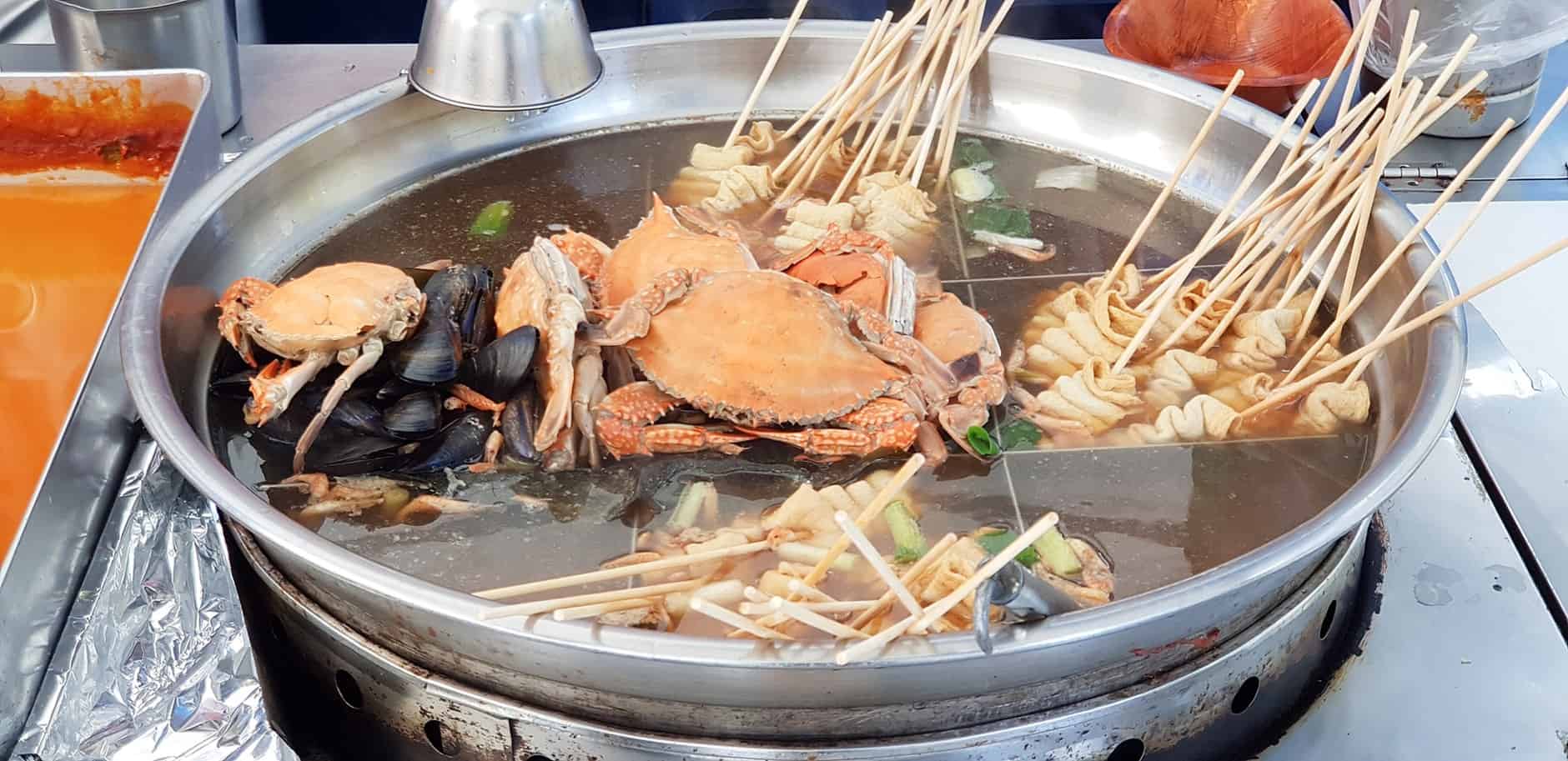
Eomuk, or Korean fish cake, is a beloved street food staple, known for its comforting warmth and savoury flavour. Made by blending whitefish with flour, vegetables, and seasoning, the dough is shaped into thin skewers and gently simmered in a light, umami-rich broth. Served steaming hot, it’s especially popular in winter, offering a hearty, warming snack to locals braving the cold.

The mild, slightly salty flavour of eomuk makes it the perfect companion to spicier dishes like tteokbokki, balancing out the heat with its subtle richness. Many vendors serve it with a cup of hot broth, allowing you to sip and savour the deep, comforting flavours of this classic Korean street food.

Available in markets, street stalls, and pojangmacha (tented food carts), eomuk is one of the most accessible and affordable Korean street foods. Whether you enjoy it on its own, dipped in broth, or paired with spicy rice cakes, this simple yet flavourful snack is a must-try for anyone exploring authentic Korean street food culture.

3. Korean Corn Dog 핫도그

Top 10 Korean Street Food

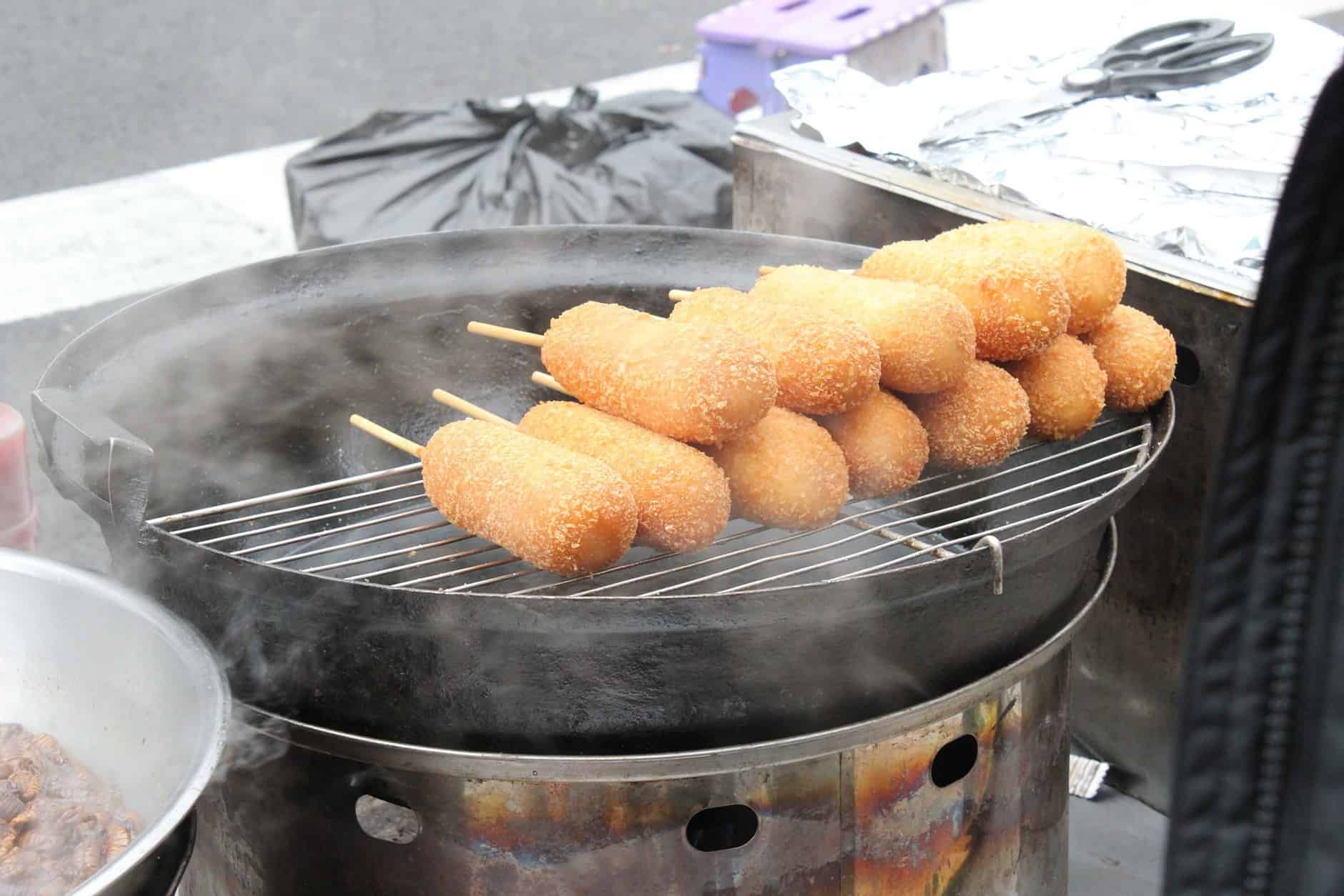
Korean corn dogs take this classic snack to a whole new level, combining crispy textures, gooey cheese, and a touch of sweetness. Unlike their American counterparts, which use a cornmeal batter, Korean-style corn dogs are coated in a yeasted dough or rice flour batter, creating a lighter, crispier crunch when fried.

What makes these Korean street food favourites even more exciting is their creative fillings. Vendors stuff them with hot dogs, stretchy mozzarella cheese, or even chewy rice cakes, offering a variety of textures in every bite. Some versions feature half-and-half fillings, giving you the best of both worlds—a savoury sausage and a melting cheese pull in one bite.

Once fried to golden perfection, these crispy delights are sprinkled with sugar and drizzled with ketchup, mustard, or spicy mayo, creating the ultimate balance of sweet and savoury flavours. Some vendors take it even further, rolling the batter in panko breadcrumbs, crushed ramen noodles, or even curly fries, adding an extra layer of crunch that makes them completely irresistible.

This modern take on the corn dog has become a global food trend, thanks to social media and its undeniable indulgence. Whether you find them in bustling Seoul night markets or trendy cafés, Korean corn dogs are a must-try for anyone looking to experience the fun, flavour, and crunch of Korea’s street food culture.

4. Twigim 튀김 (Fried Snacks)

Top 10 Korean Street Food

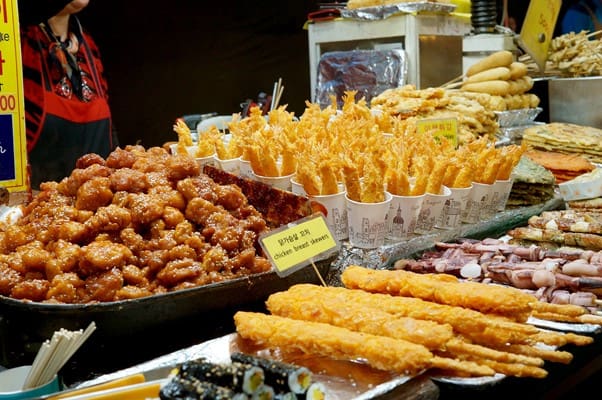
Twigim, or Korean fried snacks, are a crispy, golden delight that have become a staple of Korean street food culture. Inspired by Japanese tempura, twigim features a light, airy batter that coats a variety of vegetables, seafood, and meats, frying them to perfect crunchiness.

Popular options include sweet potatoes, shrimp, squid, perilla leaves, and even mini kimbap (rice rolls wrapped in seaweed). Each bite delivers a delicate crisp on the outside and a flavourful, tender inside, making twigim an irresistible snack for those craving something indulgent yet satisfying.

One of the best ways to enjoy twigim is by pairing it with tteokbokki. Vendors often serve the two together, encouraging customers to dip the crispy pieces into the spicy, gochujang-based sauce. The contrast of crunchy batter and fiery, savoury sauce creates a perfect flavour explosion, making it a must-try combination in any Korean street food market.

Whether you grab a skewer from a bustling Seoul street stall or indulge in a plate at a local market, twigim is a classic Korean street food that embodies comfort, crunch, and bold flavours.

5. Jeon 전 (Korean Savoury Pancake)

Top 10 Korean Street Food

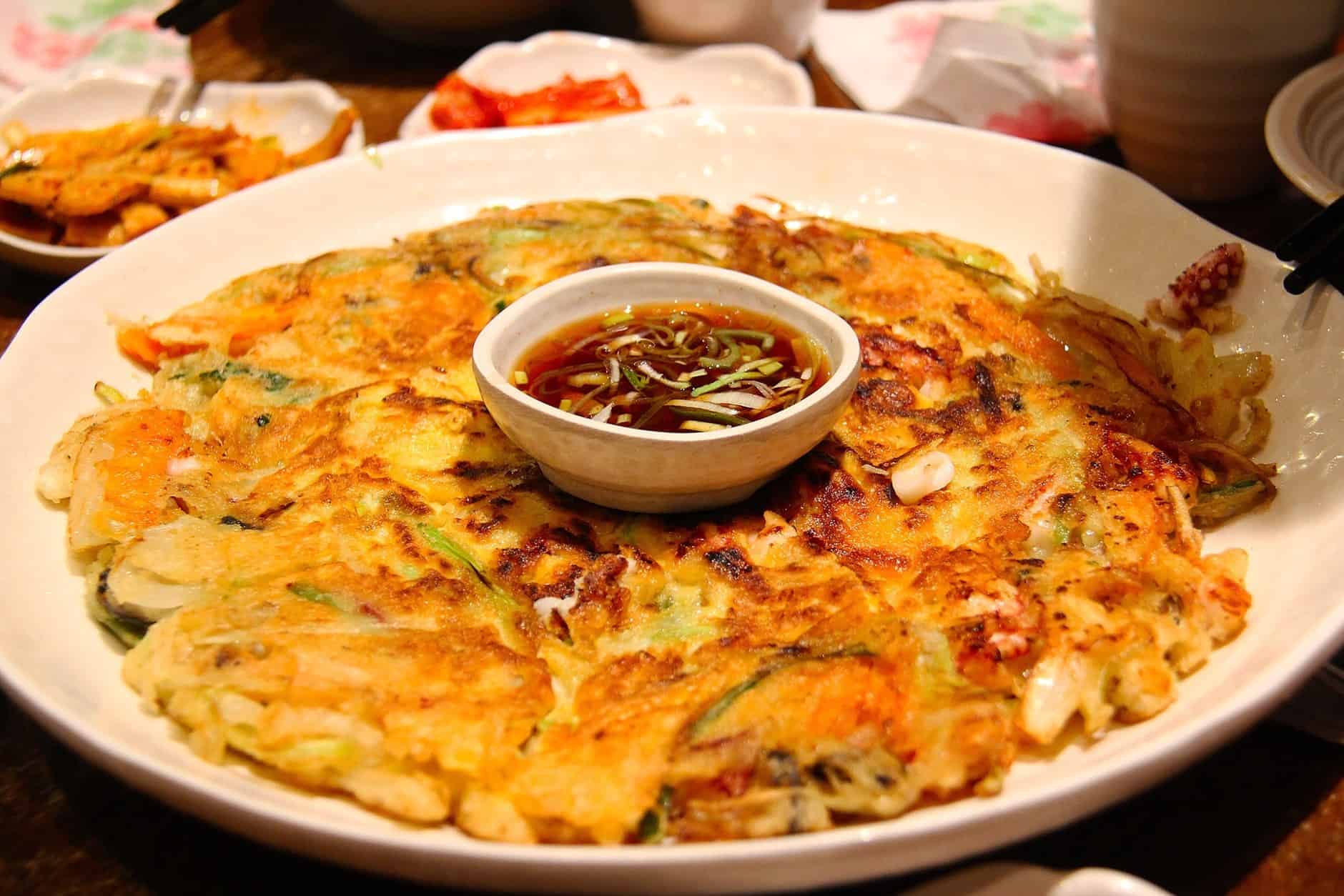
Jeon, or Korean savoury pancakes, are a crispy, golden delight that offer a hearty and flavour-packed twist on the traditional pancake. Unlike their sweet Western counterparts, jeon are made with a simple batter of flour, eggs, and a variety of fillings, ranging from vegetables to seafood and meat.

One of the most popular variations is kimchi jeon, made with fermented kimchi and its brine, giving it a tangy, spicy kick. Another favourite is haemul pajeon, a seafood pancake packed with squid, shrimp, and fresh green onions, offering a rich umami depth in every bite.

For those who love comfort food with a crispy edge, gamja jeon (potato pancake) is a must-try. Made with grated potatoes, it has a crispy outer layer and a soft, starchy centre, making it a perfect snack for carb lovers.

Jeon is typically served with a savoury dipping sauce made of soy sauce, vinegar, and sesame oil, enhancing its rich flavours with a touch of tang. Whether enjoyed as a street food snack, a market favourite, or a side dish with Korean rice wine (makgeolli), jeon is a true staple of Korean street food culture, offering comfort, crunch, and bold flavours in every bite.

6. KFC (Korean Fried Chicken)

Top 10 Korean Street Food

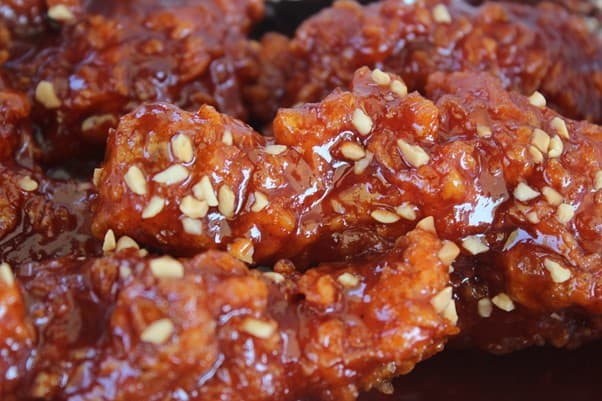
Koreans have perfected the art of frying, and Korean fried chicken has become a street food superstar. Unlike Western-style fried chicken, the Korean version is double-fried, creating a shatteringly crispy exterior while keeping the meat juicy and tender. This signature crunch is what makes it so irresistible.

Among the many varieties, Yangnyeom chicken is a clear favourite. Once fried to golden perfection, the chicken is coated in a sweet, spicy, and sticky glaze made from gochujang (Korean red chilli paste), garlic, soy sauce, and sugar. The result? A bold, complex flavour that’s equal parts sweet, savoury, and fiery, making it completely addictive.

For those looking for a bite-sized, on-the-go snack, Yangnyeom popcorn chicken is the perfect choice. These crispy, sauce-coated morsels are often served in portable cups, allowing you to enjoy the flavours of Korean fried chicken without the mess.

But Korean fried chicken is more than just a street food favourite—it’s a cultural phenomenon. The tradition of chimaek (Korean fried chicken paired with cold beer) is a social ritual, enjoyed at markets, food stalls, and lively gatherings. Every vendor has their own unique spin, making each experience one-of-a-kind.

Whether you’re savouring crispy drumsticks at a night market or grabbing a cup of Yangnyeom popcorn chicken on the go, Korean fried chicken is a must-try street food that delivers crunch, flavour, and pure indulgence in every bite.

7. Kimbap 김밥

Top 10 Korean Street Food

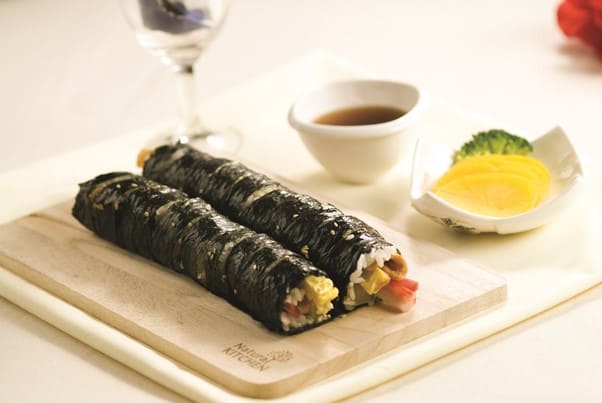
Kimbap is one of the most iconic and accessible Korean street foods, offering a delicious, portable, and satisfying snack. While it may resemble Japanese sushi, kimbap has a distinct Korean identity, featuring bold flavours, unique ingredients, and signature seasoning.

At its core, steamed rice seasoned with sesame oil gives kimbap a nutty aroma and rich taste. Wrapped in crispy dried seaweed (gim), it’s filled with stir-fried vegetables, crab sticks, omelette, tuna, spam, or bulgogi (marinated beef). Sliced into bite-sized pieces, it’s a favourite grab-and-go option for busy locals and street food lovers alike.

Street vendors offer unique variations such as samgak kimbap, a triangular-shaped version sold in convenience stores, and Mayak kimbap (narcotic kimbap), mini rolls so addictive they come with a savoury soy-mustard dipping sauce. Whether enjoyed as a quick snack or a hearty meal, kimbap is a must-try for anyone wanting an authentic taste of Korean street food culture.

8. Korean Instant Ramen 라면

Top 10 Korean Street Food

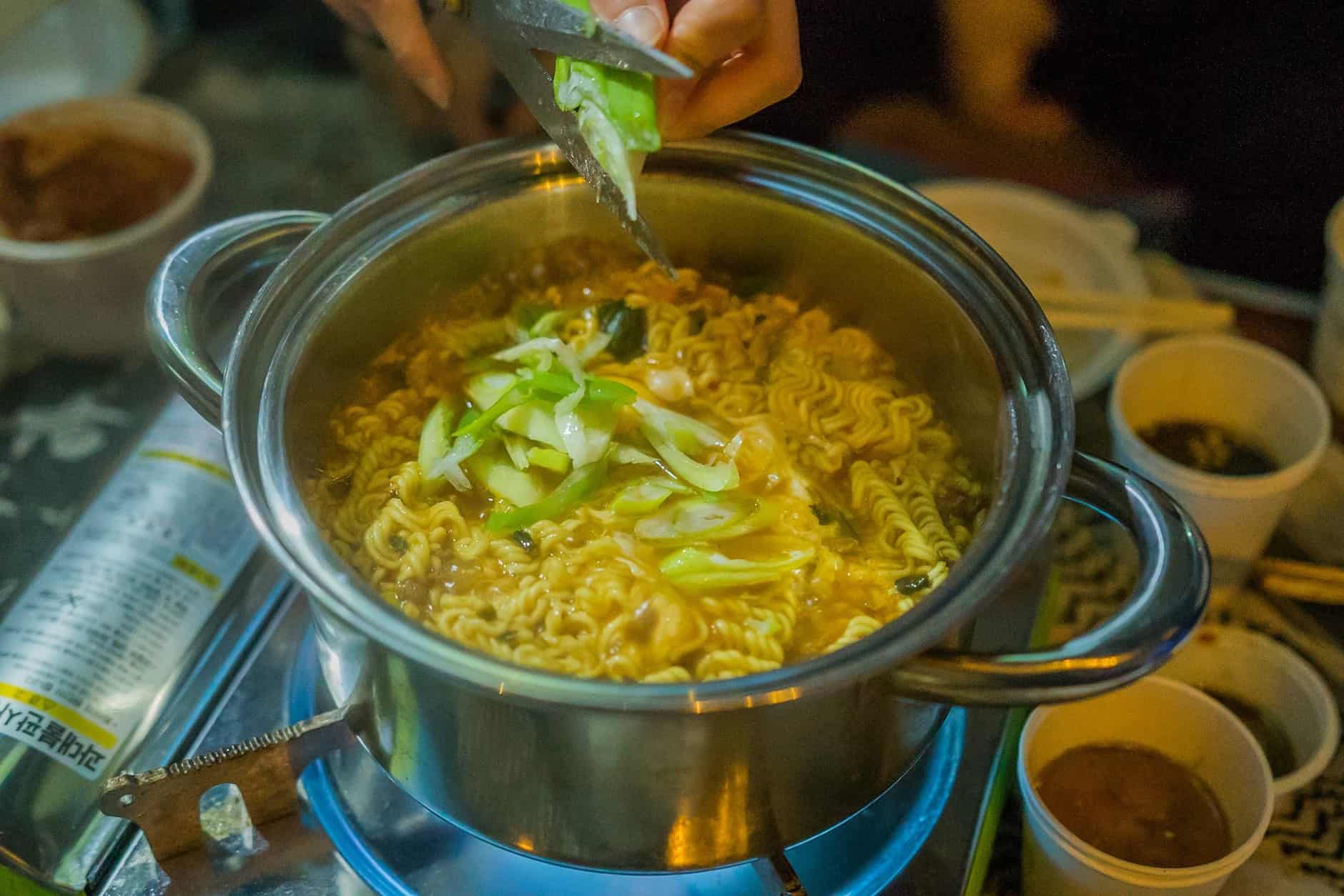
A steaming bowl of Korean instant ramyeon is the ultimate comfort food when exploring Seoul’s vibrant streets. Found at street stalls, markets, and convenience stores, it’s a quick, affordable, and flavour-packed meal that locals and travellers alike turn to for a satisfying bite.

Part of its appeal lies in the experience of watching it being made. An ahjumma (auntie) or ahjussi (uncle) carefully boils water, adds seasoning packets, and tosses in the instant noodles, letting them simmer until they reach the perfect chewy texture. You can customise your bowl with eggs, melted cheese, fresh vegetables, or kimchi, elevating the dish with extra layers of flavour.

More than just a meal, ramyeon is a Korean street food icon—a warm, nostalgic, and deeply satisfying dish. Whether you’re grabbing a quick bowl from a vendor or enjoying it on the go, this simple yet irresistible dish is a must-try for any food lover.

9. Kkwabaegi 꽈배기 (Korean Twisted Doughnut)

Top 10 Korean Street Food

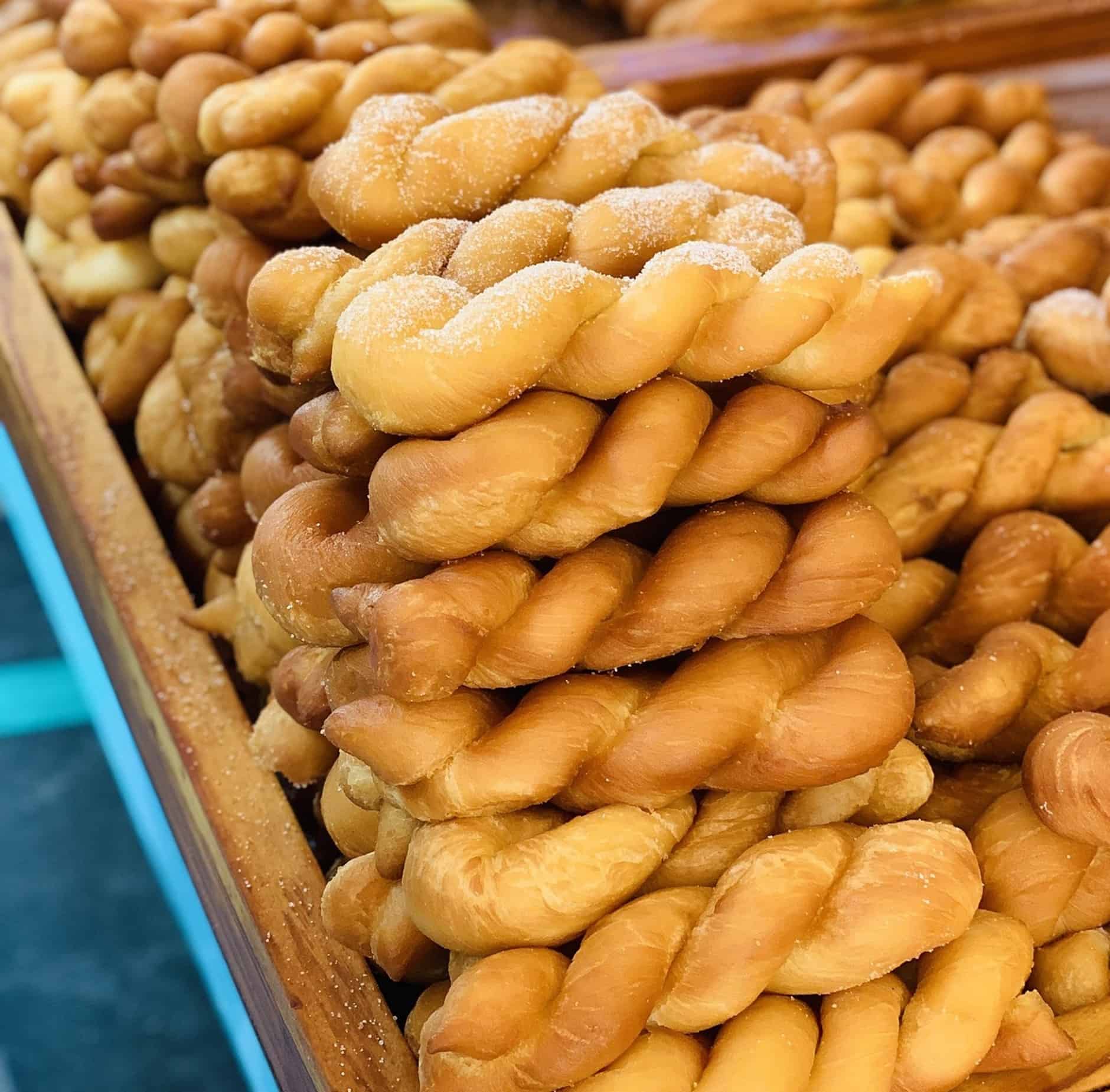
Kkwabaegi, or Korean twisted doughnut, is a beloved street snack known for its crispy exterior and soft, airy interior. Made from light, yeasted dough, it’s twisted into a spiral shape, fried to golden perfection, and coated in sugar or cinnamon-sugar, delivering a simple yet irresistible sweetness.

What sets kkwabaegi apart is its texture and versatility. The twisted shape enhances its crunch, making it more satisfying than regular doughnuts. Vendors often elevate this classic treat with chocolate, white chocolate, or condensed milk dips, adding an extra layer of indulgence.

For many Koreans, kkwabaegi is a nostalgic snack, bringing back childhood memories of after-school treats. For visitors, it’s a must-try dessert that captures the sweet and comforting essence of Korean street food culture. Whether enjoyed plain or dipped in chocolate, it’s the perfect companion for a stroll through Seoul’s vibrant markets.

10. Bungeoppang 붕어빵 (Goldfish Bread)

Top 10 Korean Street Food

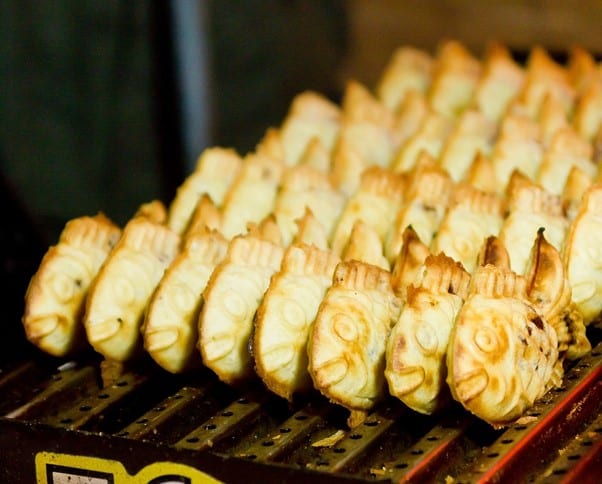
Bungeoppang, or goldfish bread, is a classic Korean winter street food that’s as fun to eat as it is delicious. Despite its name, there’s no fish involved—this snack gets its signature shape from the fish-shaped mould it’s baked in. Made with a waffle-like batter, it’s traditionally filled with sweet red bean paste, creating a crispy-on-the-outside, soft-on-the-inside treat that’s perfect for chilly days.

In recent years, vendors have introduced modern variations to cater to different tastes. Fillings like chocolate, custard cream, and even cheese have given bungeoppang a fresh twist, making it popular among both kids and adults. The nostalgic appeal and irresistible aroma draw in locals and travellers alike, especially in bustling markets, near schools, and at winter festivals.

Whether you bite into the head or tail first, bungeoppang is the perfect mix of tradition and indulgence. Its warm, sweet filling and crispy texture make it an essential street food experience, especially on a cold day in Seoul.

How Much Does Korean Street Food Cost?

Top 10 Must-Try Korean Street Foods – Famous Dishes & Prices

One of the biggest draws of Korean street food is its affordability. Whether you’re grabbing a quick snack or indulging in a full street food feast, prices remain budget-friendly compared to restaurant dining. Below is a general price breakdown of some of Korea’s most popular street foods:

Average Korean Street Food Prices

  • Tteokbokki (Spicy Rice Cakes): 2,000-3,500 KRW (£1.20-£2) per serving
  • Korean Fried Chicken (Yangnyeom Chicken): 8,000-10,000 KRW (£5-£6) per portion
  • Hotteok (Sweet Pancakes): 1,000-2,000 KRW (£0.60-£1.20) each
  • Odeng (Fish Cake Skewers): 1,000-1,500 KRW (£0.60-£1) per skewer
  • Korean Corn Dog: 3,000-4,500 KRW (£1.80-£2.70) each
  • Bungeoppang (Goldfish Bread): 1,000-2,000 KRW (£0.60-£1.20) each
  • Kimbap (Seaweed Rice Rolls): 3,000-5,000 KRW (£1.80-£3) per roll
  • Jeon (Savoury Pancakes): 4,000-7,000 KRW (£2.40-£4.20) per portion

Prices vary depending on location. Major markets like Gwangjang Market and Myeongdong Street Food Alley tend to be slightly pricier, but they offer some of the best, most authentic street food experiences in South Korea. Smaller local stalls, especially outside tourist areas, often sell these treats at even lower prices.

Whether you’re on a tight budget or simply looking to try as much as possible, Korean street food is an affordable way to experience the country’s rich culinary culture. Grab a few items, mix and match, and enjoy the vibrant flavours of Korea’s bustling street food scene.

Korean Street Food Etiquette and Tips

Top 10 Must-Try Korean Street Foods – Famous Dishes & Prices

Korean street food isn’t just about tasting delicious dishes—it’s about immersing yourself in a vibrant cultural experience. From payment etiquette to where and how you eat, following these simple customs will help you enjoy street food like a local while showing respect to vendors and fellow food lovers.

Payment & Ordering Etiquette

While cash is still preferred, especially in traditional markets like Gwangjang and Namdaemun, some vendors accept digital payments in urban areas. Carrying small bills and coins ensures a hassle-free experience. When paying, hand money directly to the vendor rather than placing it on the counter—this small gesture reflects cultural politeness. Patience is key when ordering, as popular stalls often have long queues. Wait your turn, avoid shouting, and a friendly “주세요” (ju-se-yo, meaning “please”) goes a long way in creating a positive interaction.

Eating, Cleanliness & Respecting Vendors

Unlike in some countries, eating while walking is discouraged. Instead, stand near the stall or use the small tables provided. This not only helps keep busy markets organised but also allows you to enjoy the food at its freshest. Vendors often provide small bins for waste, but if none are available, hold onto your rubbish until you find a proper disposal area. If samples are offered, take them only if you’re genuinely considering a purchase—vendors put time and effort into preparing their food, and showing respect enhances the overall experience.

By embracing these simple yet meaningful customs, you’ll enjoy a more authentic and respectful street food experience. Whether you’re trying spicy tteokbokki, crispy hotteok, or flavourful kimbap, being mindful of etiquette ensures that both you and the vendors share a positive and memorable moment in Korea’s bustling food scene.

Best Places to Eat Korean Street Food in Seoul

Top 10 Must-Try Korean Street Foods – Famous Dishes & Prices

Seoul’s street food scene is as diverse as its bustling neighbourhoods, with each market offering a unique selection of traditional and modern delicacies. Whether you’re craving classic comfort foods or the latest fusion trends, these are the top places to experience the best of Korean street food.

Gwangjang Market – The Heart of Traditional Street Food

Gwangjang Market is one of Seoul’s oldest and most beloved food markets, known for its authentic, time-honoured dishes. This is the place to try mayak kimbap, a bite-sized version of Korea’s famous rice roll, and bindaetteok, crispy mung bean pancakes packed with savoury flavour. The market is always bustling with both locals and tourists, offering a true taste of Seoul’s food culture.

Myeongdong Night Market – A Haven for Trendy Street Food

Located in one of Seoul’s most popular shopping districts, Myeongdong Night Market is the ultimate destination for modern Korean street food. Vendors serve cheese corn dogs, tornado potatoes, and flame-seared shellfish, catering to adventurous food lovers. The lively atmosphere, bright lights, and endless food stalls make this a must-visit for first-time visitors looking for an exciting culinary experience.

Namdaemun Market – Korea’s Oldest Traditional Market

Namdaemun Market has been a street food staple for over 600 years, making it the oldest and largest traditional market in Korea. Known for its hearty and affordable dishes, this is the best spot to try kalguksu, handmade knife-cut noodles served in a warm, savoury broth. The market is also home to plenty of snack stalls selling hotteok, odeng (fish cakes), and freshly steamed dumplings, offering a comforting and authentic street food experience.

Hongdae Street Food Alley – A Trendy Hotspot for Fusion Flavours

For a youthful, trendy take on Korean street food, Hongdae Street Food Alley is the place to be. This area, known for its vibrant nightlife and indie culture, features bold fusion street foods that appeal to young locals and visitors. Expect creative takes on Korean fried chicken, spicy tteokbokki, and international-inspired snacks like kimchi tacos and bulgogi burgers. The dynamic energy of Hongdae makes it an exciting stop for food lovers looking for something beyond the traditional.

Each of these markets offers a distinct experience, from the rich history of Gwangjang to the modern energy of Myeongdong. No matter where you go, Seoul’s street food scene promises unforgettable flavours and cultural insights that will leave you coming back for more.

Korean street food is more than just a quick bite—it’s a vibrant reflection of the country’s culture, history, and culinary creativity. From the time-honoured flavours of Gwangjang Market to the trendy innovations of Hongdae, each dish tells a story of tradition and modern evolution. Whether you’re indulging in crispy hotteok, spicy tteokbokki, or savoury Korean fried chicken, the bold flavours and bustling energy of Seoul’s street food scene create an unforgettable experience. For food lovers and travellers alike, exploring Korea’s street food is a must, offering an authentic taste of the country’s rich and diverse food culture.

We’d love to hear about your favourite finds, hidden gems, or must-try recommendations! Drop a comment below and share your thoughts, experiences, or any questions.

Share with our social media

Leave a Reply

Your email address will not be published. Required fields are marked *