Among various seafood substitutes, imitation crab boasts the ability to transform ordinary salads into extraordinary delights.
Imitation crab, crafted from surimi (a fish paste), is not only a cost-effective option but also a versatile ingredient for culinary creativity. Let’s explore a variety of imitation crab seafood salad recipes that cater to different tastes and occasions.
What is the Imitation Crab?
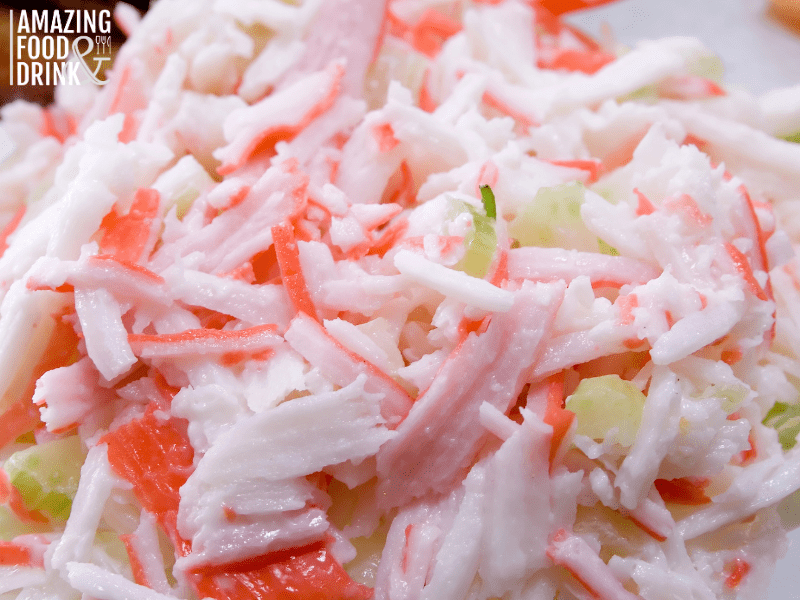
Imitation crab, also known as surimi, is a popular seafood substitute made from white fish that has been processed to resemble the texture and taste of real crab.
Surimi is a paste made from finely pulverised white fish, typically pollock or cod. The fish meat is washed, deboned, and minced before being processed into a paste.
Differences Between Crab Salad and Surimi Salad
A crab salad and a surimi salad might appear quite similar, but there are crucial differences that set them apart. Understanding these differences can help you make the choice that best suits your taste and budget.
Crab Salad
Surimi Salad
Primary Ingredient
As the name suggests, crab salad is traditionally made with real crab meat, usually flaked or shredded.
On the other hand, Surimi Salad uses imitation crab, which is made from a blend of fish like pollock, hake, and whiting.
Flavour and Texture
Real crab meat has a naturally sweet and delicate flavour with a slightly briny undertone. The texture is slightly flaky and tender.
Surimi salad has a milder flavour than real crab and can sometimes have a slightly fishy taste. The texture is firmer and more rubbery than real crab meat.
Nutritional Value
Real crab meat is a good source of protein, is low in calories, and contains essential vitamins and minerals like selenium and phosphorus.
Surimi is also a good source of protein, but it is higher in calories and fat than real crab meat. It is also lower in vitamins and minerals.
Cost
Real crab meat is more expensive than surimi, so crab salad is typically a more expensive dish.
Surimi is a more affordable option, making surimi salad a more budget-friendly choice.
The Best Imitation Crab Seafood Salad Recipes
These are just a few ideas for imitation crab seafood salad recipes. Feel free to get creative and add your own favourite ingredients!
1. Classic Imitation Crab Seafood Salad
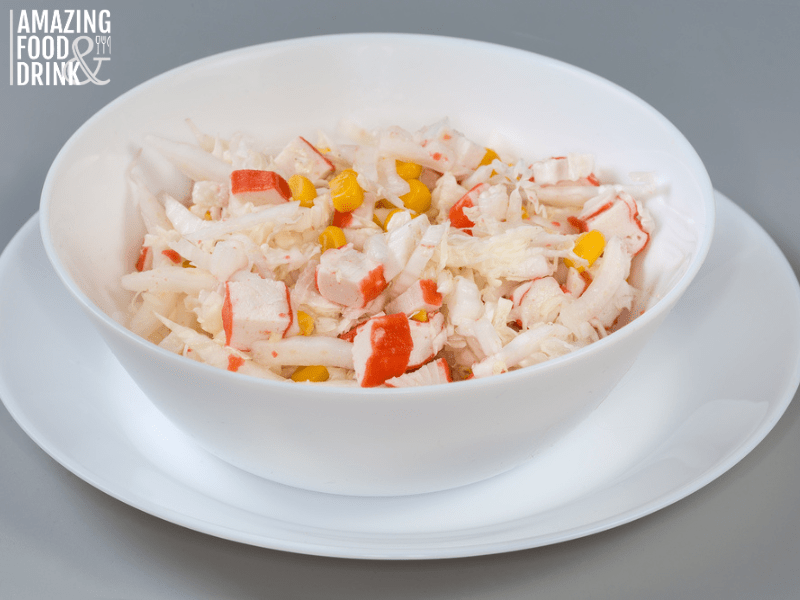
This classic recipe showcases the simplicity and deliciousness of imitation crab seafood salad. It’s perfect for a quick lunch, a refreshing appetiser, or a delightful addition to a summer picnic.
Ingredients
1 pound imitation crab meat, flaked
1/2 cup mayonnaise
1/4 cup lemon juice
1/2 cup chopped celery
1/4 cup red onion, diced
1 tablespoon fresh dill, chopped
Salt and pepper to taste
Instructions
Combine the imitation crab meat, celery, red onion, and dill in a large bowl.
Whisk together mayonnaise and lemon juice in a separate bowl until well combined. Adjust the ratio to achieve your preferred dressing consistency.
Pour the dressing over the imitation crab mixture. Gently toss everything together until the crab and vegetables are evenly coated with the dressing.
Season with salt and pepper to taste.
Serve immediately on lettuce leaves or chill for at least 30 minutes for the flavours to develop.
2. Asian-Style Imitation Crab Seafood Salad
This Asian-style imitation crab seafood salad offers a delightful blend of textures and flavours, combining the sweetness of crab with the freshness of vegetables and the tangy Asian-inspired dressing.
Ingredients
1 pound imitation crab meat, flaked
1/4 cup rice vinegar
2 tablespoons soy sauce
1 tablespoon sesame oil
1 tablespoon honey
1 teaspoon grated ginger
1/2 cup cucumber, diced
1/4 cup red bell pepper, diced
1/4 cup green onion, chopped
1 tablespoon toasted sesame seeds
Instructions
Whisk together the rice vinegar, soy sauce, sesame oil, honey, and ginger in a large bowl. Adjust the sweetness and acidity to your liking.
Add the imitation crab meat, cucumber, red bell pepper, and green onion.
Gently toss everything together until well coated, and let marinate for at least 30 minutes.
Serve on a bed of lettuce and garnish with sesame seeds.
3. Tropical Imitation Crab Seafood Salad
The combination of imitation crab, sweet fruits, and zesty dressing brings a burst of flavour to your table. This refreshing and tropical-inspired imitation crab seafood salad is perfect for a light lunch or a side dish for a summer barbecue.
Ingredients
1 pound imitation crab meat, flaked
1 cup chopped pineapple
1/2 cup chopped mango
1/4 cup chopped red onion
1/4 cup chopped cilantro
2 tablespoons lime juice
1 tablespoon honey
1/2 teaspoon chilli powder
1/4 teaspoon salt
Toasted coconut flakes for garnish (optional)
Instructions
Combine imitation crab meat, pineapple, mango, red onion, and cilantro in a large bowl.
Whisk together lime juice, honey, chilli powder, and salt in a small bowl.
Pour the dressing over the crab mixture and toss to coat.
Chill for at least 30 minutes before serving.
Garnish the tropical imitation crab seafood salad with toasted coconut flakes for an extra layer of flavour and texture.
4. Spicy Imitation Crab Seafood Salad
This spicy imitation crab seafood salad is perfect for those who enjoy a kick of heat in their dishes. The combination of Sriracha, soy sauce, and sesame oil adds layers of flavour to the imitation crab and vegetables, creating a deliciously bold and zesty salad.
Ingredients
1 pound imitation crab meat, flaked
1/2 cup mayonnaise
1/4 cup Sriracha sauce
1 tablespoon lime juice
1/2 cup corn, kernels
1/4 cup black beans, rinsed and drained
1/4 cup chopped cilantro
Salt and pepper to taste
Instructions
Combine the imitation crab meat, corn, black beans, and cilantro in a large bowl.
Whisk together the mayonnaise, Sriracha sauce, and lime juice in a separate bowl. Adjust the Sriracha to achieve your desired level of spiciness.
Pour the spicy dressing over the imitation crab and vegetables. Gently toss everything together until well coated with the spicy dressing.
Season with salt and pepper to taste.
Serve immediately on lettuce leaves, or chill for at least 30 minutes for the flavours to develop.
Tips for Making Delicious Imitation Crab Seafood Salads
Creating a delicious imitation crab seafood salad involves a balance of flavours and textures. Here are some tips to help you make the most out of your recipes.
1. Select Quality Imitation Crab
Choose high-quality imitation crab for better flavour and texture. Look for options made with real fish and free from artificial additives.
2. Add Fresh Ingredients
Incorporate fresh and colourful ingredients like diced vegetables, herbs, and fruits to enhance the salad’s taste and visual appeal.
3. Balance Sweet and Savoury
Achieve a harmonious flavour profile by balancing sweet elements like fruits (pineapple, mango) with savoury components such as red bell pepper and red onion.
4. Experiment with Dressings
Customise the dressing to your liking. Try a citrus-based dressing with lime or lemon juice, or go for a creamy option with coconut milk. Adjust sweetness and acidity levels to suit your taste.
5. Consider the Texture
Play with textures by adding crunchy elements like diced celery, water chestnuts, or almonds to enhance the overall mouthfeel of the salad.
6. Incorporate Creaminess
Add ingredients like diced avocado or a touch of mayonnaise for a creamier consistency. This complements the imitation crab and adds richness to the salad.
7. Mindful Seasoning
Season the salad thoughtfully with salt, pepper, and, if desired, a pinch of cayenne for a subtle kick. Taste as you go and adjust accordingly.
8. Chill Before Serving
Allow the seafood salad to chill in the refrigerator for at least 30 minutes before serving. This allows the flavours to meld, and the salad tastes even better when served cold.
9. Garnish for Visual Appeal
Enhance the presentation with a finishing touch. Toasted coconut flakes, sesame seeds, or fresh herbs make excellent garnishes that add visual appeal.
10. Customise to Taste
Feel free to get creative and adapt the recipe to your preferences. Add or omit ingredients based on what you enjoy or have on hand.
11. Serve Fresh
Imitation crab seafood salad is best when served fresh. If making ahead, add delicate ingredients like avocado just before serving to prevent them from becoming mushy.
How to Serve Imitation Crab Seafood Salad
You can serve your imitation crab seafood salad in many ways, and you can always tailor your serving and pairing choices based on personal preferences and the occasion. These suggestions are meant to inspire and enhance the overall dining experience with your delicious imitation crab seafood salad.
For a light and refreshing presentation, serve the imitation crab seafood salad on a bed of fresh, crisp greens such as arugula, spinach, or mixed salad greens.
Spoon the seafood salad into halved avocados, creating a visually appealing and edible vessel that adds a creamy texture to each bite.
Use large lettuce leaves, such as iceberg or butter lettuce, to create refreshing and low-carb lettuce wraps. Fill each leaf with the seafood salad for a handheld delight.
Roll the seafood salad into soft tortillas or stuff it into pita pockets for a convenient and portable lunch or snack option.
Hollow out colourful bell peppers and stuff them with the imitation crab seafood salad. This adds a vibrant touch and creates individual serving portions.
Spread the seafood salad on toasted crostini or serve it as a topping on crackers for an elegant appetiser or party snack.
Serve the imitation crab seafood salad with slices of crusty bread or a baguette for a satisfying and hearty meal.
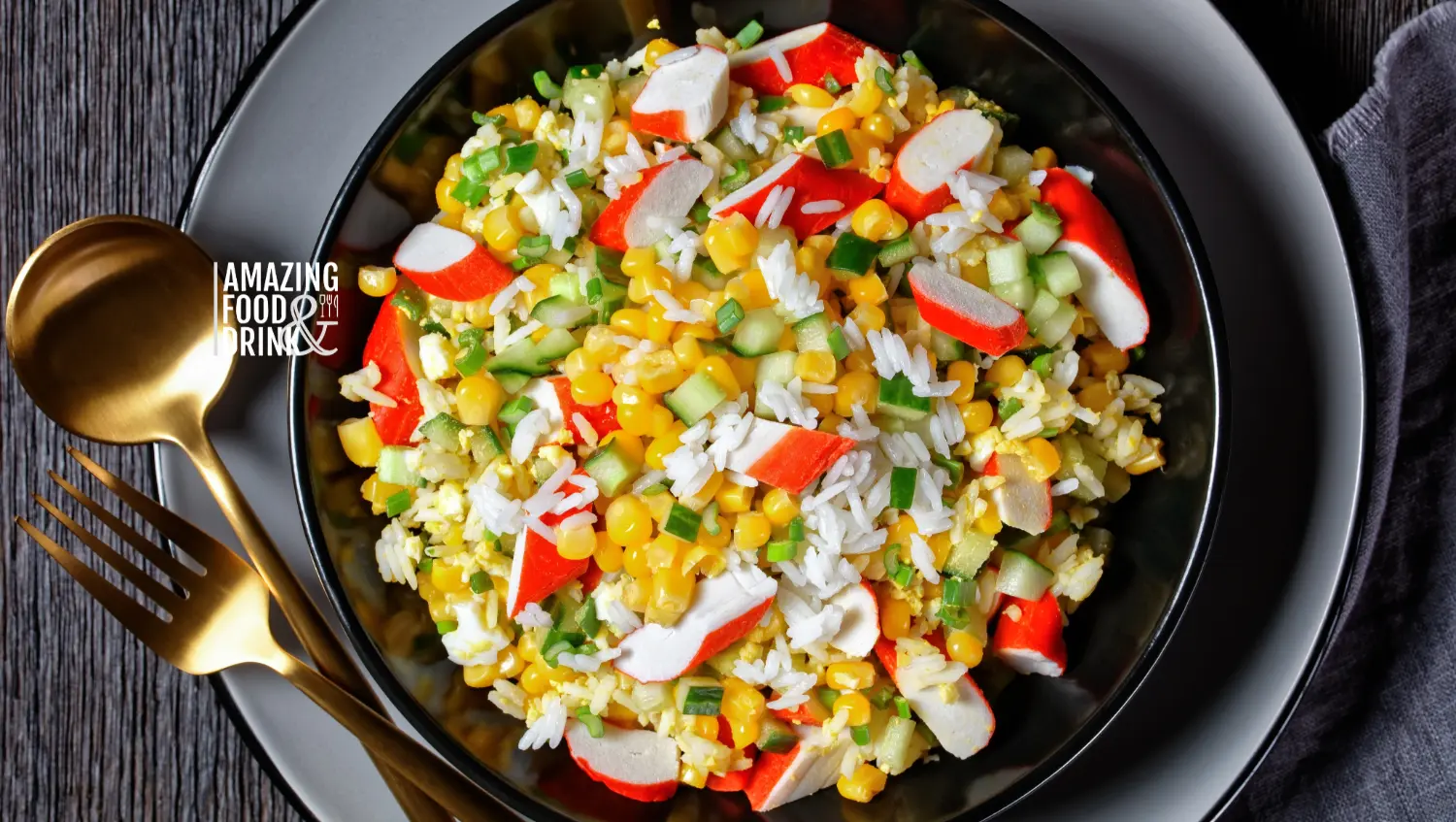
Spoon the seafood salad over a bed of cooked quinoa or rice for a more substantial and protein-packed dish.
Pair the salad with a refreshing chilled soup, such as gazpacho or cucumber soup, for a cool and light summertime meal.
Accompany the seafood salad with a side of fruit salsa featuring ingredients like mango, pineapple, and citrus to enhance the tropical flavours.
Pair the seafood salad with sparkling water or a citrus-infused iced tea for a refreshing and complementary beverage.
Serve a side of cucumber salad with dill and a light vinaigrette to complement the flavours and add a crisp texture contrast.
For extra sweetness and acidity, top the seafood salad with a zesty mango salsa.
Include a side of pickles, either classic dill or a fruity pickle variation, to add a tangy element to the meal.
Imitation crab seafood salad recipes are a tasty and affordable option for seafood lovers. With simple ingredients like mayonnaise, lemon juice, celery, and seasonings, you can make a delicious crab salad to enjoy for lunch or as part of a special meal. Creating your own unique twist on this classic dish has endless possibilities.
If you want more inspiration, we invite you to check our extensive collection of seafood salad recipes, Irish seafood dishes, and many more resources on our website.




 Nouran Ashraf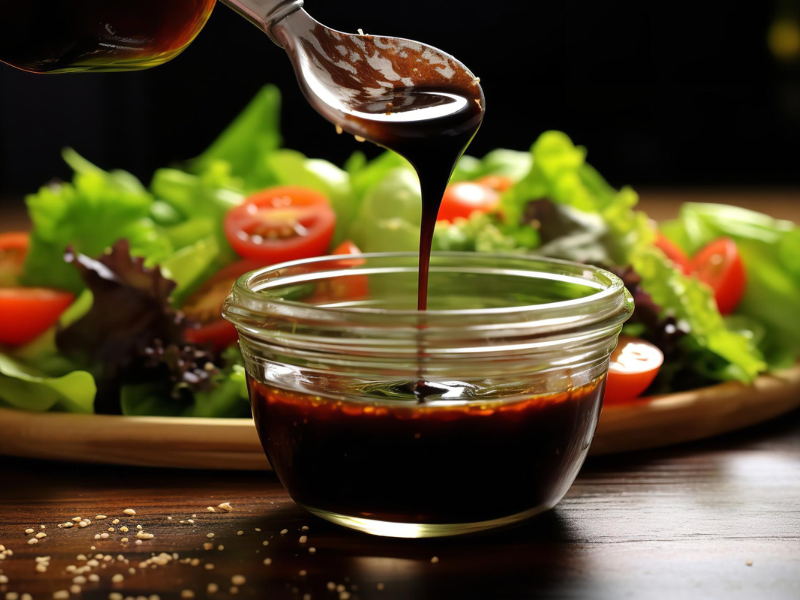
 Asmaa Alhashimy