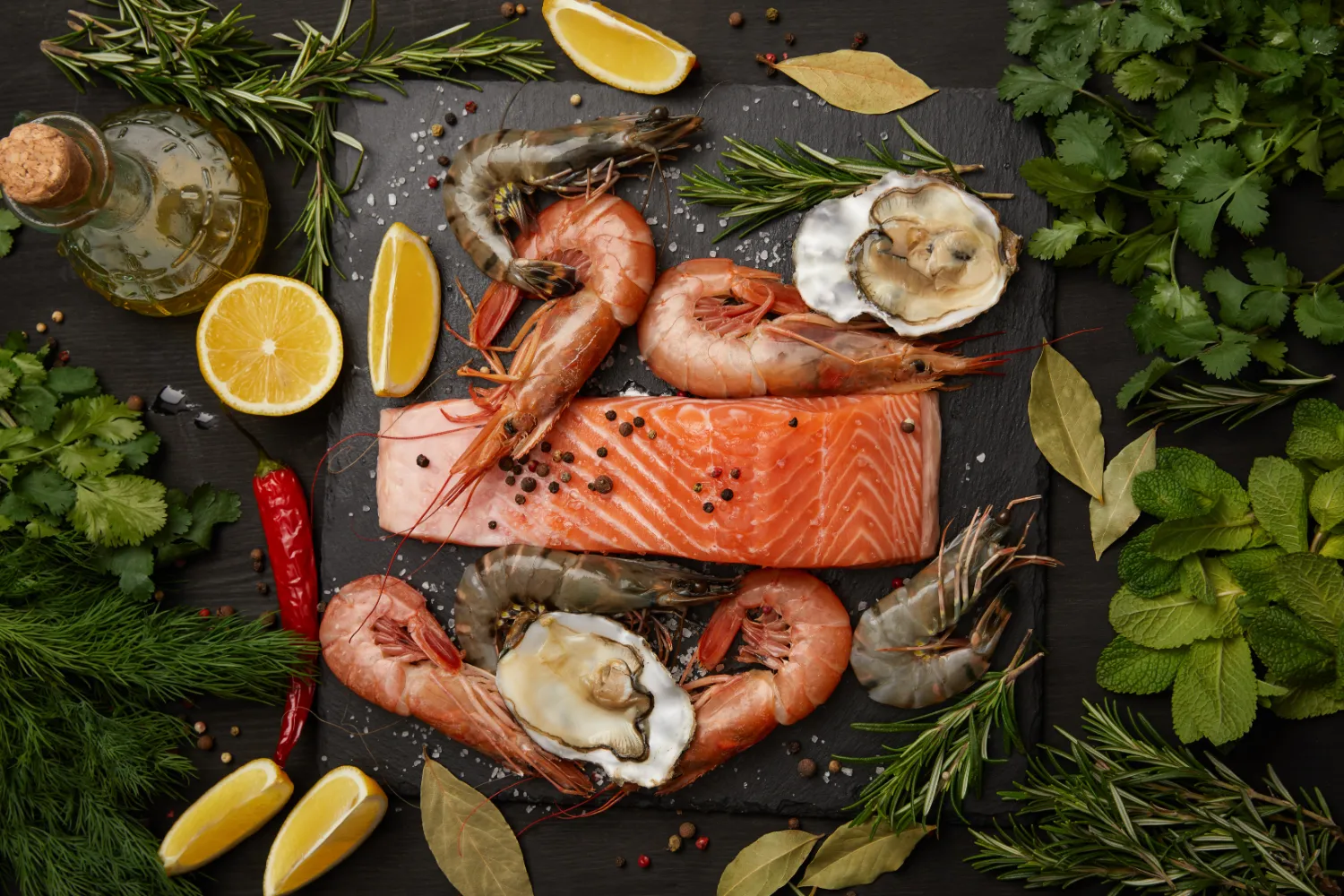
Do you often crave seafood, so you end up spending a fortune in a restaurant? What if you can make the exact dishes that you eat at restaurants at home with way less money? Sea delicacies deserve a chance for us to know how to cook and enjoy them. You don’t need to break the bank whenever you think about eating seafood. Anything can be cooked at home, including fish, prawns, scallops, salmon, and lobster.
If you’re not sure whether to substitute seafood for your usual chicken and red meat recipes, think about this: Omega-3 fatty acids, protein, iron, and vitamins B and D are all abundant in seafood. The majority of fish meals can be prepared in 15 minutes so that you can get dinner on the table quickly. Without further ado, let’s get right into some amazing seafood recipes that you can be easily prepared at home.
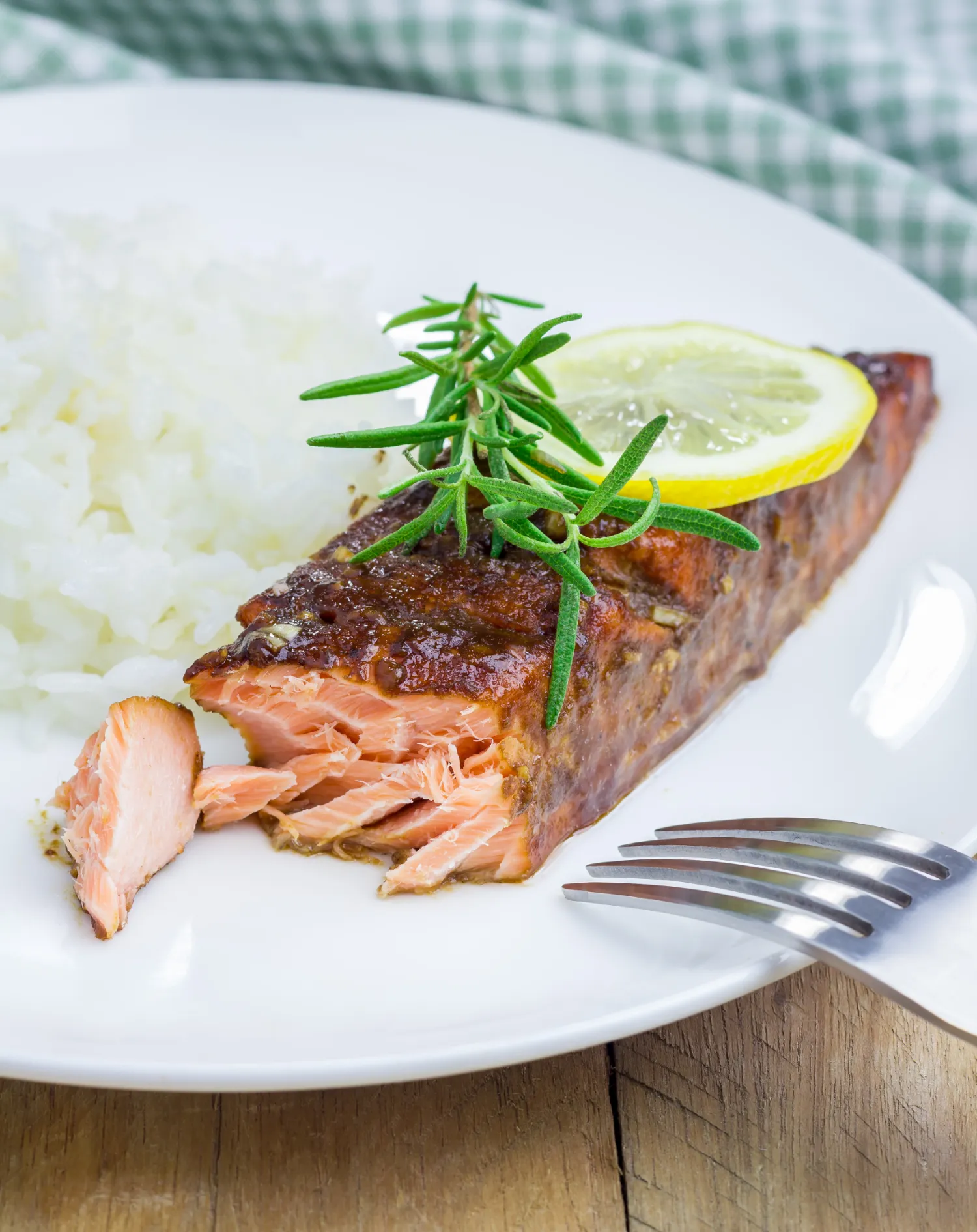
1- Honey Garlic Salmon
Salmon is always considered a top-notch seafood for so many reasons. Imagine having this sea delicacy at home, where you get to enjoy the glazed honey garlic-y dish. This meal is fit for parties, lux dinners, or even your everyday lunch. All family members will love it.
Ingredients
1/3 cup honey
1/4 cup low-sodium soy sauce
2 tbsp. lemon juice
1 tsp. red pepper flakes
3 tbsp. extra-virgin olive oil
4 6-oz. salmon fillets, patted dry
Salt & black pepper
3 minced garlic cloves
1 sliced into rounds of lemon
Steps
1- Mix the honey, lemon juice, red pepper flakes, and soy sauce in a medium bowl.
2- A big skillet should be heated with two teaspoons of oil over medium-high heat. Add salmon skin-side upward and sprinkle with salt and pepper when oil is heated but not smoking. About 6 minutes into the cooking process, flip the salmon over and add the final tablespoon of oil.
3- Cook the garlic in the skillet for one minute, until fragrant. When a third of the sauce has been reduced, add the mixture of honey and lemon slices. Use the sauce to baste the fish.
4- Serve with lemon slices as a garnish.
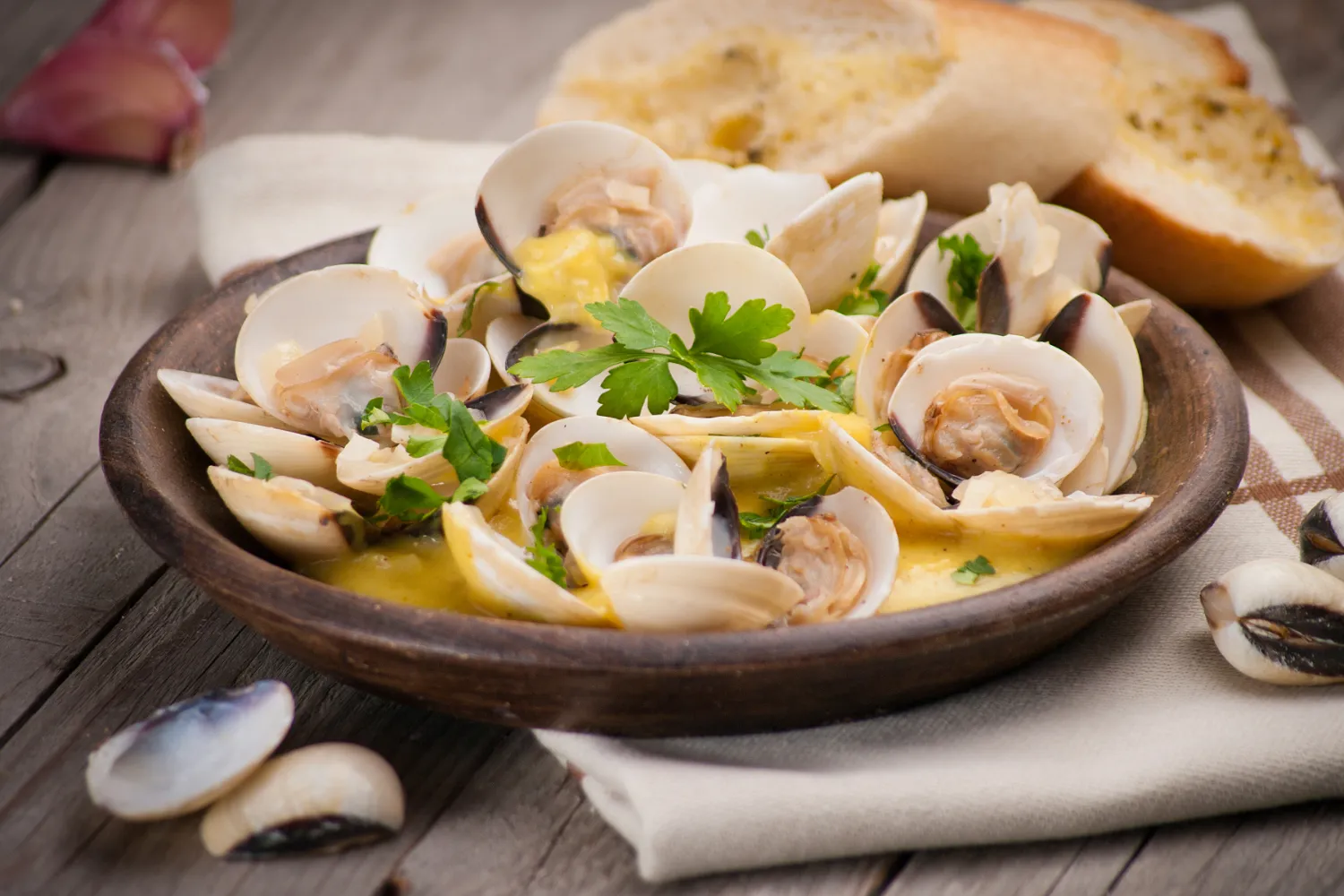
2- Clam Stew
Clam lovers, where are you at? This meal accentuates the clams’ crisp, sweet, and salty flavour, while the chorizo gives it a little spice. However, when you dip the bread into the flavourful broth, you’ll enjoy a taste like no other! This makes a delicious appetiser or dinner and is quick and simple to prepare!
Ingredients
3 pounds fresh clams
1 bunch of Swiss chard (chop and remove the stems)
1/2 pound fully cooked and chopped Spanish chorizo links
1 can of cannellini beans
1 medium chopped onion
1 cup of corn
4 minced garlic cloves
1 tsp salt
1 tsp pepper
12 ounces of chicken broth or white grape juice
1/3 cup olive oil
Grilled baguette slices
Steps
1- In a stockpot, add the clams and the remaining ingredients. Bring them to a boil after adding chicken broth and oil. Reduce heat; simmer for 10 minutes with the lid on.
2- Cook for another 5-7 minutes while stirring; keep the stockpot covered. Throw away any unopened clams. Pour into bowls and serve with the grilled baguette.
3- Peas and Potatoes Buttery Shrimp
Baby vegetables like peas and potato cook incredibly quickly. This simple one-pan skillet dish with soft prawns, fresh shelling peas, and dill comes in a sweet and rich broth infused with cream. Creamy new potatoes give it the texture it requires.
Ingredients
5 cups water
2 tbsp plus 1 tsp. kosher salt
1 ¾ cups baby gold potatoes, cut into thick slices
1 ½ cups shelled peas
¼ cup unsalted butter
¼ cup virgin olive oil
1 medium finely chopped shallot
1 medium-size Fresno chile, stemmed, seeded, and finely chopped
4 medium finely chopped garlic cloves
⅓ cup rice or white vinegar
12 ounces peeled and deveined large shrimp
¼ tsp black pepper
1 cup low-sodium chicken broth
¼ cup heavy cream
⅓ cup chopped fresh dill
Crusty bread for serving
Steps
1- Using a 12-inch saucepan over medium-high heat, bring 5 water cups to a boil. Add 2 teaspoons salt and stir. Add the potatoes and simmer, turning regularly, for 5 to 7 minutes or until just barely soft. Move to a plate using a slotted spoon. Peas should be added to boiling water and cooked for 2 to 3 minutes, stirring occasionally, until crisp-tender. Take the skillet from the stove. Peas should be rinsed in a colander under cold water for about 15 seconds or until they are cool to the touch. Place aside.
2- Using paper towels, dry out the skillet. Cook over medium to high heat, stirring occasionally, until butter melts. Add the shallot, garlic, chile, and 1/2 teaspoon salt. Cook, stirring frequently, for 2 to 3 minutes or until the combination is fragrant and soft. Cook while occasionally stirring in the vinegar until it reduces.
3- Add the prawns to the skillet in a single layer and season with 1 1/2 teaspoon salt and black pepper. Cook prawns for about 2 minutes, stirring occasionally, until partly opaque. After flipping the shrimp, add the potatoes and liquid to the skillet.
4- Over medium/high heat, bring to a simmer; cook, turning periodically, for about a minute or until prawns are almost cooked through. Add the peas and cream; simmer for 30 seconds, stirring regularly, until cooked through. Get rid of the heat. Add salt and black pepper to the seasoning. Serve with crispy bread and top with fresh dill.
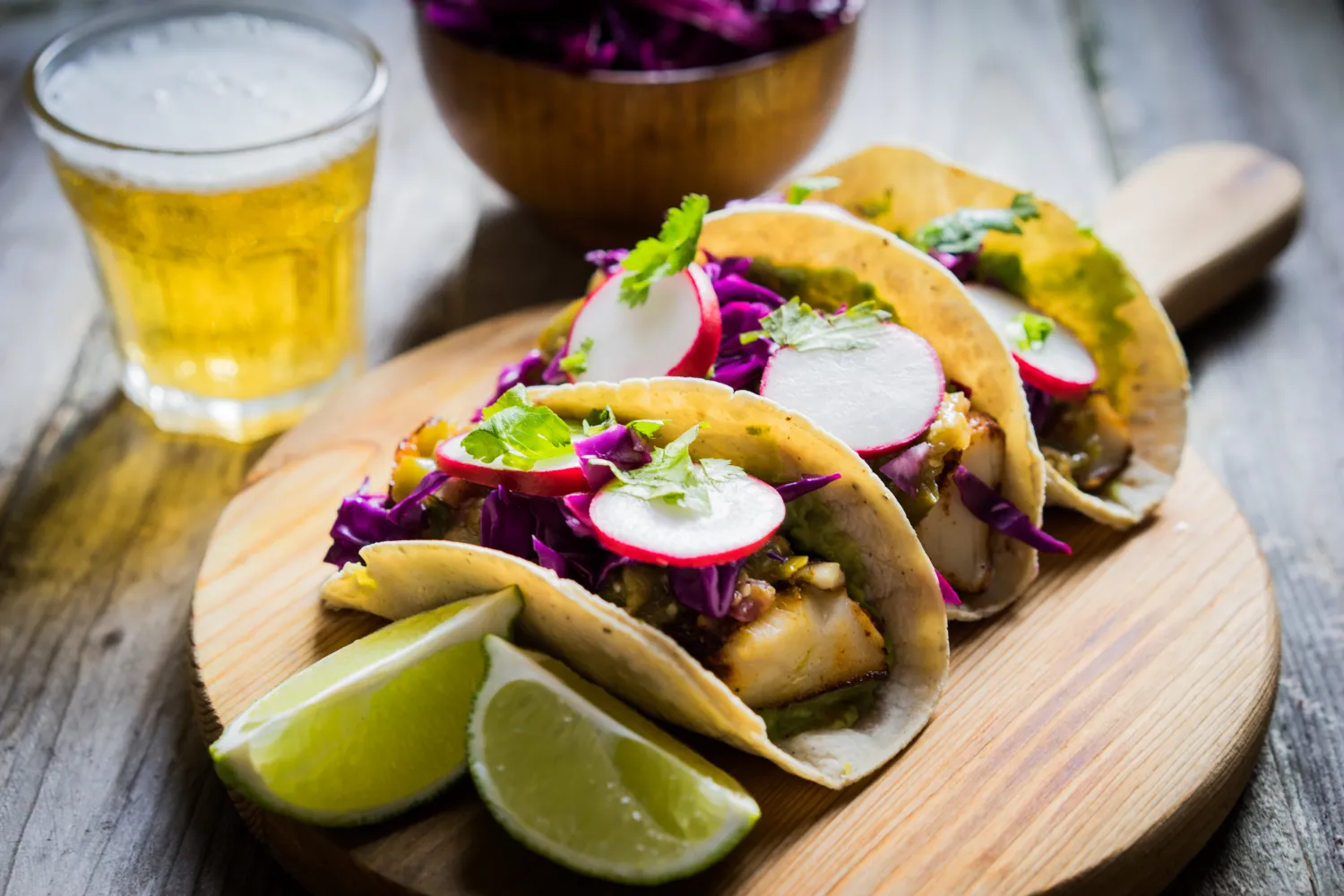
4- Fish Tacos
If you love fish and tacos, why not combine both of them in a delicious meal and multiply the fun? This recipe will not only please your eyes since it’s colourful and cheerful with all of its nice ingredients but also satisfy your cravings.
1- Combine the lime juice, olive oil, paprika, cumin, chilli powder, and cayenne in a medium shallow bowl.
2- Add the fish and toss to coat it completely. Leave for 15 minutes to marinate.
3- In the meantime, prepare the slaw by combining the mayonnaise, cilantro, lime juice, and honey in a large bowl. Add the corn, jalapenos and cabbage. Add salt and pepper to taste.
4- Heat vegetable oil in a sizable nonstick skillet over medium-high heat. Take the cod out of the marinade and sprinkle salt and pepper on both surfaces of each fillet. Flesh side down, add the fish. Cook for 3 to 4 minutes on each side or until opaque and well cooked. Before using a fork to flake, let it cool for 5 minutes.
5- Make tacos by layering fish, avocado, and corn slaw over tortillas that have been grilled. Sour cream is used as a garnish after adding lime juice.
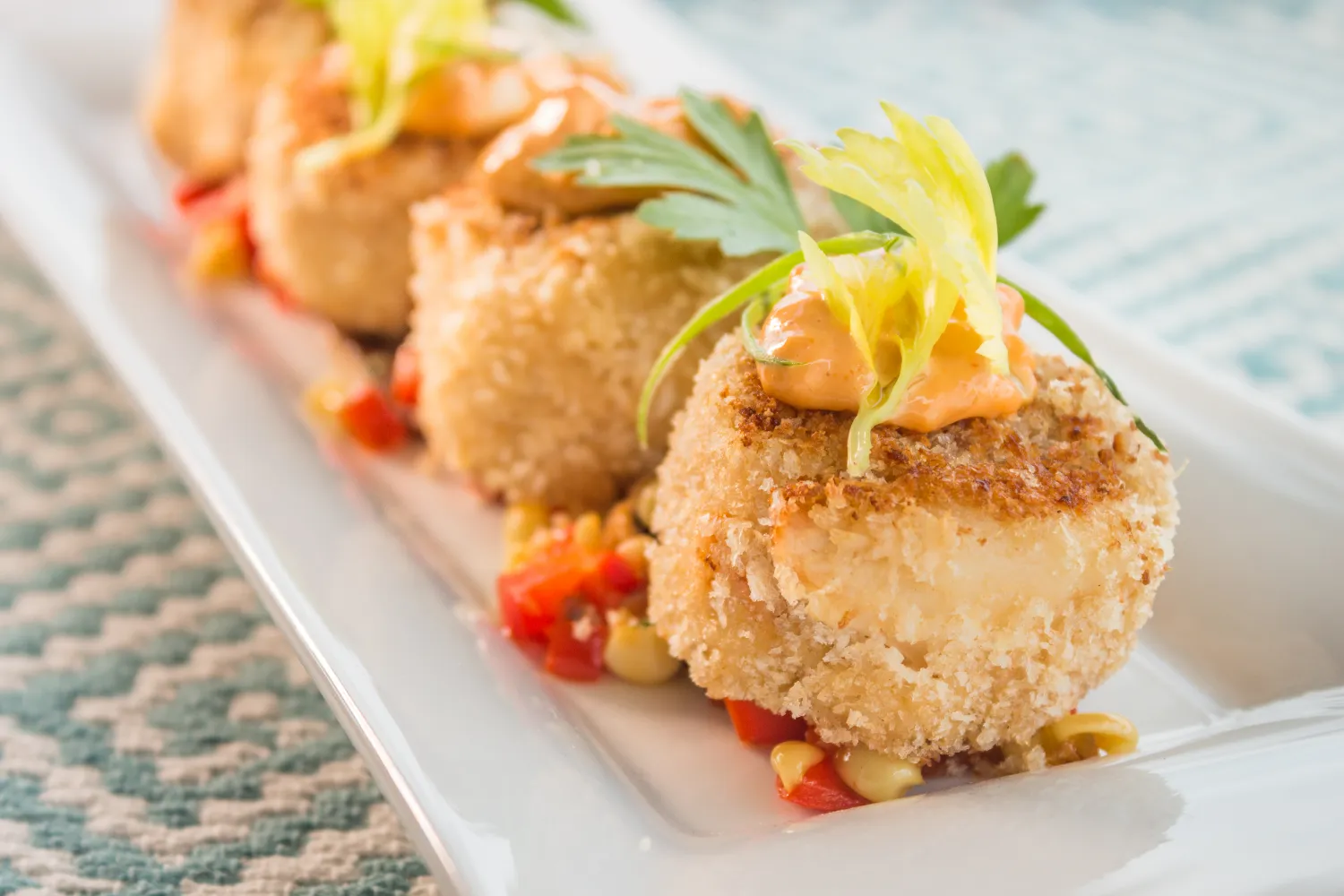
5- Baked Crab Cakes
These quick and tasty baked crab cakes will transport you to the seaside. If you’re a burger lover, indulge in the tastiness of these crab cakes to satisfy your senses and enjoy the amazing taste.
Ingredients
1 can of drained, flaked crabmeat
1/2 cup soft bread crumbs
1/4 cup shredded carrot
1 large lightly beaten egg
1 tbsp melted butter
1 tsp minced fresh parsley
1 tsp mayonnaise
3/4 tsp Worcestershire sauce
1/4 tsp ground mustard
Salt & pepper
Tartar sauce, optional
Steps
1- Mix all the ingredients in a big bowl. Four patties should be formed; cover and chill for no less than 30 minutes.
2- Crab cakes should be put on a baking pan with cooking spray. Bake for 25 minutes, or until golden brown, at 350 degrees. If preferred, serve with tartar sauce.
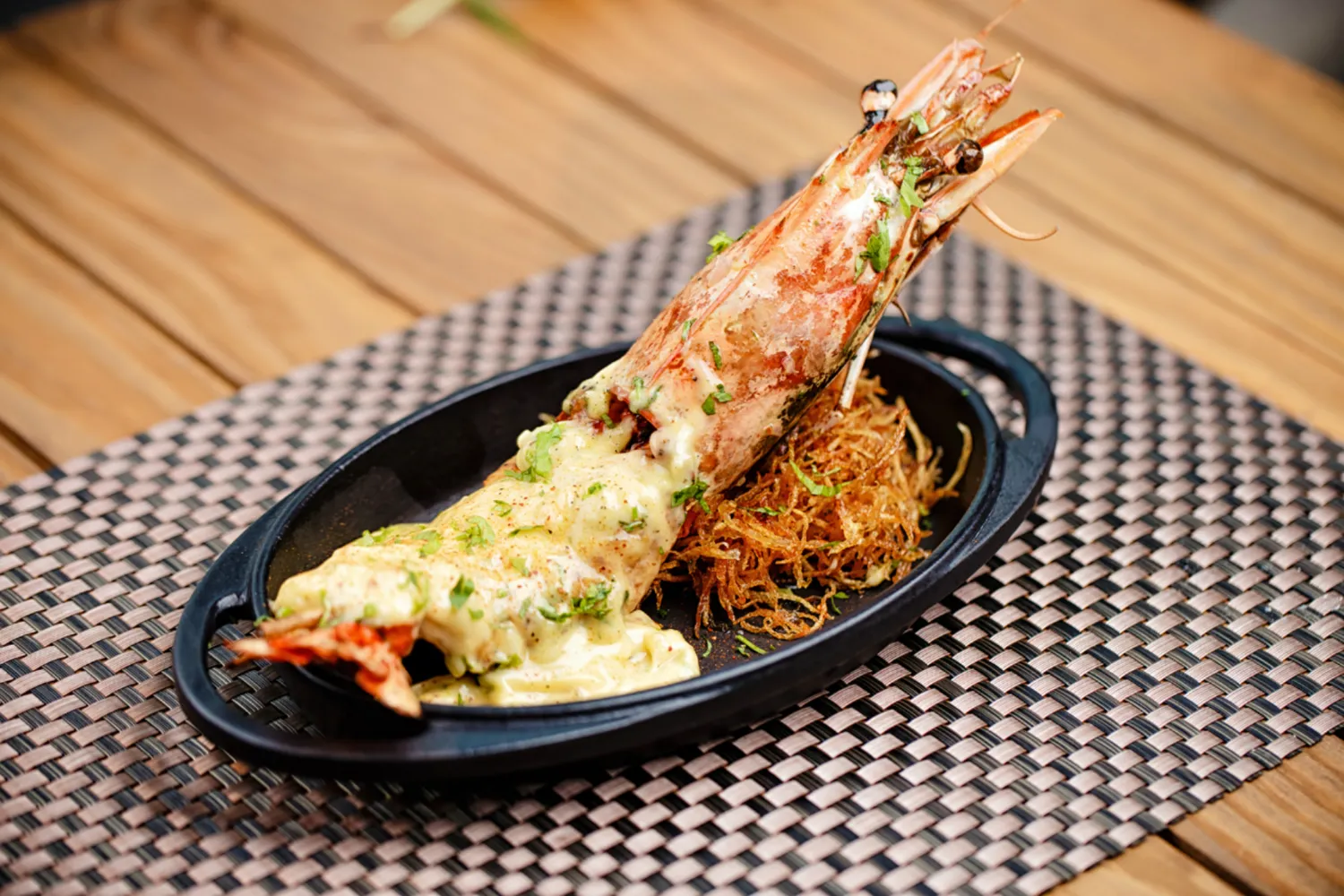
6- Lobster Thermidor
Although the mushroom and Sherry-laced velvety sauce are rich without being overpowering, the inherent sweetness of the lobster still comes through. Each impressively loaded lobster tail is finished with a layer of bubbling, browned Parmesan cheese. A dash of cayenne provides warmth rather than a spice that enhances the entire meal.
Ingredients
2 live lobsters (1 1/2 pounds each)
¼ cup unsalted butter
1 medium finely chopped shallot
2 medium finely chopped garlic cloves
6 ounces thinly sliced cremini mushrooms
¾ cup heaving whipping cream
2 large egg yolks
2 tbsp dry sherry
½ tsp kosher salt, plus more to taste
¼ tsp cayenne pepper
½ cup and 2 tbsp finely grated Parmesan cheese
Chopped fresh parsley
Lemon wedges
Steps
1- Over medium-high heat, bring a large saucepan of water to a boil. Put lobsters in. Cook with a lid on and keep on a low simmer. Cook for 12 to 14 minutes or until the lobster shells are red. Remove lobsters to a flat baking sheet and let them sit for 20 minutes.
2- Remove the meat by cracking and twisting off the claws. Put one lobster on a cutting surface and cut it in half lengthwise using a big, sturdy knife and kitchen shears. Remove the tail meat with care. Dry lobster shells completely after rinsing.
3- In a big pot, melt butter over medium heat. Add the shallot and sauté it for 3 to 4 minutes, stirring frequently, until it softens. Add the mushrooms and garlic, and simmer, stirring frequently, for 5 to 6 minutes. Sherry, egg yolks, and heavy whipping cream should be whisked together while you wait.
4- Add the cream mixture to the mixture of mushrooms and stir continuously for 1 to 2 minutes or until the sauce slightly thickens. Add salt, cayenne, and half a cup of Parmesan after taking the pan off the heat. Add the lobster meat by folding it in, then add salt to taste. Approximately 1/2 cup of the mushroom mixture should be placed into each lobster shell. Add the final 2 tablespoons of Parmesan.
5- Preheat the grill. For 2 to 3 minutes, broil the filling until it is light golden brown. Garnish with lemon wedges and parsley as a garnish.
We have seafood dishes for all occasions and whatever your fish market has fresh, whether it’s the time of year for a warm clam stew or a tray of crunchy, drizzled tuna burgers. It would be best if you tried making traditional seafood dishes at home. Use our favourite recipes to satisfy your senses and enjoy the tastiness of sea delicacies.


 Eman Sameh
 Maha Yassin