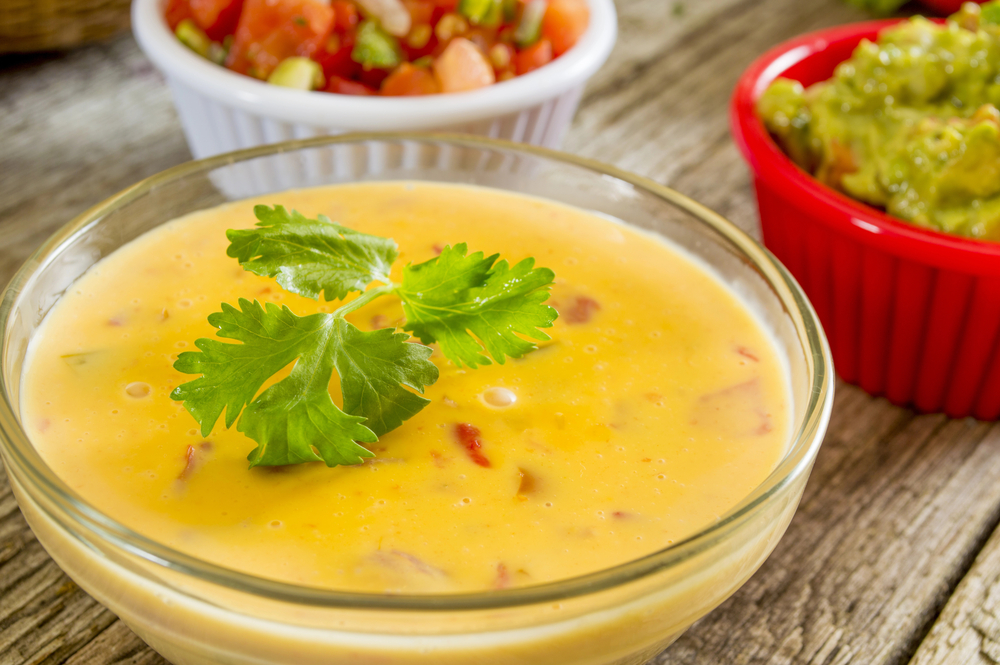
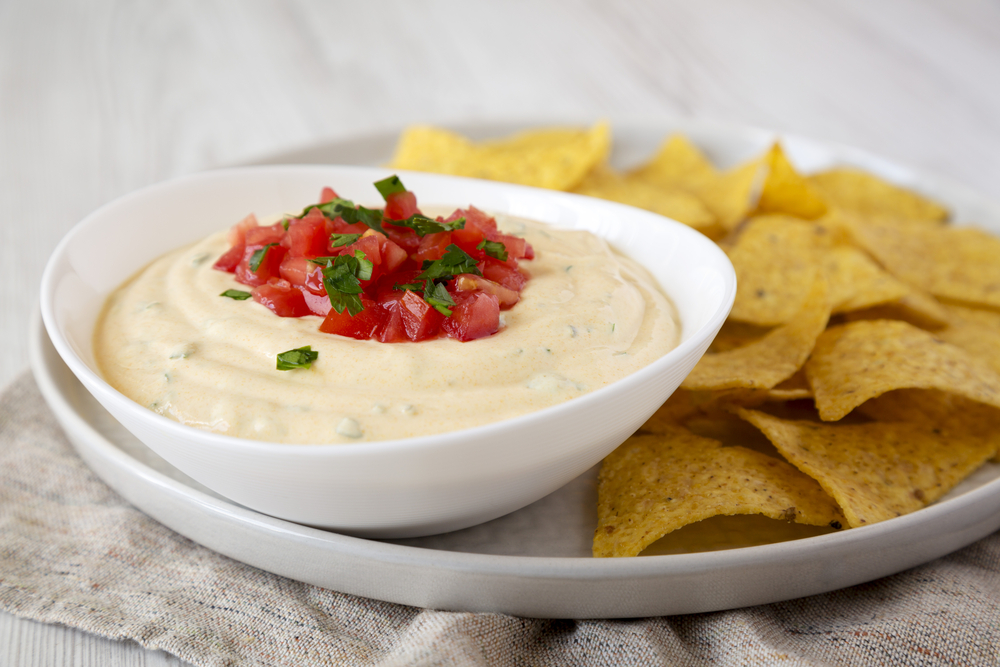
Picture a bowl of molten cheese mingling with perfectly seasoned, crumbled sausage—rich, warming, and irresistibly moreish. This is sausage queso dip, a dish that transforms any gathering into a proper celebration. Whether you’re hosting a casual get-together or watching the big match, this creamy, spiced dip brings people together over shared plates and conversation.
This comprehensive guide takes you beyond basic instructions. We’ll explore the dish’s Mexican roots, explain the food science behind achieving that silky texture without graininess, and provide three thoroughly tested recipes—from the nostalgic classic to a sophisticated real-cheese version. You’ll learn how different sausages transform the flavour profile, discover ingredient substitutions for international cooks, and master the techniques that separate good queso from exceptional queso.
Let’s start with understanding where this beloved dip comes from and why certain methods work better than others.
Table of Contents
From Queso Fundido to Modern Comfort Food
The sausage queso dip we know today traces its lineage to Northern Mexico’s traditional queso fundido—literally “molten cheese.” This rustic dish features semi-hard white cheese, typically Oaxaca or Chihuahua, melted in a clay cazuela or cast-iron skillet, topped with spicy chorizo and roasted poblano peppers. Rather than tortilla chips, it’s traditionally scooped into warm flour tortillas, creating a substantial meal rather than an appetiser.
The evolution into the liquid dip format happened in Texas during the early 20th century. The invention of emulsified processed cheese products in 1918 changed the game entirely. These products could remain liquid at lower temperatures without separating, birthing the Tex-Mex “chile con queso” phenomenon. While the processed version holds nostalgic appeal, returning to quality ingredients and understanding proper technique offers depth of flavour that shelf-stable products simply cannot match. For more on authentic Mexican cooking traditions, explore our comprehensive guide to regional Mexican dishes.
Why Cheese Goes Grainy and How to Fix It
The most common queso disaster is the grainy, separated texture that occurs when melting aged cheese. When you heat sharp cheddar or other aged varieties too quickly, the protein structure breaks down, causing the fat to separate from the solids. You’re left with an oily pool dotted with rubbery protein clumps—hardly appetising.
Understanding Emulsification
Professional chefs achieve smooth cheese sauces through emulsification—keeping fat and water molecules suspended together. Three reliable methods exist:
The Starch Method: A traditional roux (butter and flour) creates a stable base. Starch molecules swell when heated, interfering with cheese proteins and preventing clumping. This produces a thick, gravy-like consistency that’s rich but can feel heavy. If you’re interested in mastering essential cooking techniques, our detailed guide covers foundational methods like roux-making.
The Evaporated Milk Method: Our preferred technique uses evaporated milk combined with cornstarch. Evaporated milk contains concentrated milk proteins that act as natural emulsifiers. When tossed with cornstarch-coated cheese shreds, sharp cheddar melts into a glossy, stable sauce without flour’s heaviness.
The Sodium Citrate Method: Food science enthusiasts can use sodium citrate (available from specialist suppliers). This food-safe salt prevents cheese proteins from clumping, allowing even aged cheeses to melt smoothly. Use 11 grams per 450 grams of cheese for best results.
Selecting Your Sausage: The Flavour Foundation
Assorted raw and sliced sausages arranged on a white surface with fresh parsley, a cherry tomato, cucumber slice, and the “Amazing Food & Drink” logo in the corner—perfect for pairing with your favorite sausage queso dip.
Your choice of sausage fundamentally shapes the final dish. Each variety brings distinct seasonings and textures that define the dip’s character.
American Breakfast Sausage: The traditional choice, characterised by sage, thyme, and black pepper. It provides a sweet-savoury balance that complements mild cheeses. For UK readers, standard pork sausagemeat seasoned with additional sage and thyme achieves a similar profile.
Mexican Chorizo: Fresh Mexican chorizo (not the cured Spanish variety) delivers authentic heat and paprika-forward spice. It’s sold as raw, seasoned pork mince and requires thorough cooking. This creates the closest connection to traditional queso fundido. Learn more about the differences between Spanish and Mexican chorizo in our ingredient comparison guide.
Italian Sausage: Fennel and garlic-heavy Italian sausage offers a Mediterranean twist. Sweet Italian varieties work well for milder dips, whilst hot Italian sausage adds considerable heat without the distinctive smokiness of chorizo.
Plant-Based Alternatives: Modern plant-based sausages maintain texture reasonably well in queso. Look for varieties with minimal added water, as excess moisture can thin the dip. Brands using pea protein typically perform better than those relying solely on soy. For more options, explore our collection of plant-based recipe alternatives.
Essential Sausage Queso Dip Recipes
Here are three distinct approaches to sausage queso dip, each serving different needs and preferences. All recipes serve 6-8 people.
Recipe 1: The Gourmet Real-Cheese Sausage Queso Dip
This recipe delivers sophisticated flavour using sharp cheddar and Monterey Jack without processed cheese products. The evaporated milk method ensures smooth texture whilst letting quality ingredients shine.
170g Monterey Jack cheese (or mild cheddar with sliced jalapeños), freshly grated
1 teaspoon ground cumin
½ teaspoon smoked paprika
Salt and freshly ground black pepper to taste
Fresh coriander, chopped (for garnish)
Method
Heat olive oil in a large, heavy-bottomed saucepan over medium heat. Add the onion and cook for 5 minutes until softened and translucent.
Add the bell pepper and continue cooking for 3-4 minutes until slightly softened.
Push the vegetables to the sides of the pan, add the sausage to the centre, and break it into small crumbles as it cooks. Continue cooking for 8-10 minutes until the meat is thoroughly browned with no pink remaining.
Add the minced garlic and cook for 1 minute until fragrant, stirring to prevent burning.
Stir in the chopped tomatoes with chillies, cumin, and smoked paprika. Bring to a gentle simmer.
In a measuring jug, whisk together the evaporated milk and cornstarch until completely smooth with no lumps.
Reduce heat to medium-low. In a large bowl, toss the grated cheeses together with a pinch of cornstarch (this prevents clumping).
Pour the evaporated milk mixture into the pan, stirring constantly. Allow it to warm through but not boil—this takes about 2 minutes.
Add the cheese in three batches, stirring constantly between additions. Wait until each batch is nearly melted before adding the next. This gradual process prevents the proteins from seizing.
Continue stirring gently until the cheese is completely melted and the sauce is smooth and glossy. The mixture should coat the back of a spoon.
Season with salt and pepper to taste. Remember that the cheese and sausage already contain salt, so start conservatively.
Transfer to a warmed serving bowl, garnish with fresh coriander, and serve immediately with tortilla chips, soft pretzels, or sliced baguette.
Chef’s Note: Always grate cheese fresh from the block. Pre-shredded cheese contains anti-caking agents (typically cellulose) that interfere with smooth melting. The extra few minutes spent grating makes a significant difference in texture.
Recipe 2: Quick Classic Sausage Queso Recipe
This streamlined version uses processed cheese for foolproof results in under 30 minutes. Perfect for last-minute gatherings when simplicity matters most.
1 tin (400g) diced tomatoes with green chillies, undrained
450g processed cheese loaf (such as Velveeta), cubed
140g sharp cheddar cheese, grated
½ teaspoon garlic powder
¼ teaspoon onion powder
Salt and black pepper to taste
Method
Brown the ground sausage in a large skillet over medium-high heat, breaking it into small crumbles as it cooks. This takes approximately 8-10 minutes. The meat should develop golden-brown edges for maximum flavour.
Drain excess fat from the pan if necessary, leaving about 1 tablespoon to maintain moisture and flavour.
Add the diced tomatoes with their liquid directly to the sausage. Stir to combine and bring to a gentle simmer.
Reduce heat to medium-low. Add the cubed processed cheese and grated cheddar to the pan.
Stir constantly as the cheese melts, approximately 5-7 minutes. The mixture should become smooth and homogeneous.
Season with garlic powder, onion powder, salt, and pepper to taste.
Quick Tip: For UK readers where tinned tomatoes with chillies aren’t readily available, substitute with regular tinned chopped tomatoes plus 2-3 finely diced fresh jalapeños or 1 tin of mild green chillies.
This version accommodates keto and gluten-free requirements whilst maintaining the rich, satisfying character of traditional queso. If you’re following a ketogenic diet, this recipe fits perfectly within your meal plan.
450g ground Italian sausage (verify no breadcrumb fillers for gluten-free)
2 tablespoons butter
1 small onion, finely diced
2 cloves garlic, minced
120ml double cream
170g cream cheese, softened and cubed
225g sharp cheddar cheese, freshly grated
115g Monterey Jack cheese, freshly grated
2-3 fresh jalapeños, seeded and diced (adjust for heat preference)
1 teaspoon ground cumin
½ teaspoon smoked paprika
Salt and freshly ground black pepper to taste
2 tablespoons fresh coriander, chopped
Sliced spring onions for garnish
Method
Melt butter in a large saucepan over medium heat. Add the diced onion and cook for 5 minutes until softened.
Add the Italian sausage, breaking it into small pieces. Cook for 8-10 minutes until thoroughly browned and cooked through.
Add the minced garlic and diced jalapeños, cooking for 2 minutes until fragrant.
Pour in the double cream and bring to a gentle simmer. Do not allow it to boil rapidly, as this can cause the cream to separate.
Reduce heat to low. Add the cubed cream cheese, stirring until it melts completely into the cream mixture. This creates a rich, stable base for the other cheeses.
Add the cheddar and Monterey Jack in handfuls, stirring constantly between additions. The residual heat will melt the cheese smoothly without curdling.
Stir in the cumin and smoked paprika. Season with salt and pepper, keeping in mind that the cheeses and sausage contribute considerable sodium.
Continue stirring gently until the mixture is smooth and creamy. If it becomes too thick, add cream 1 tablespoon at a time until you reach the desired consistency.
Transfer to a warmed serving bowl, garnish with fresh coriander and spring onions, and serve immediately.
Keto Note: Serve with pork rinds, celery sticks, or low-carb tortilla chips. A 100g serving contains approximately 4g net carbohydrates, making it suitable for most ketogenic diets. For more gluten-free appetiser ideas, visit our dedicated recipe collection.
Customisation and Variations
Once you’ve mastered the basic technique, numerous variations allow you to personalise your sausage queso dip.
Spicy Sausage Queso
Increase heat by incorporating chopped fresh jalapeños, serrano peppers, or habaneros directly into the mixture. Alternatively, stir in hot sauce (Tabasco or Cholula work well) or red pepper flakes to taste. For a smoky heat, add diced chipotle peppers in adobo sauce—start with one pepper and increase gradually, as they pack considerable punch. Learn more about heat levels in different chilli peppers to customise your spice level perfectly.
Dairy-Free Sausage Queso
Replace dairy cheeses with plant-based alternatives. Cashew-based cheese substitutes melt more smoothly than almond-based versions. For additional creaminess, blend soaked raw cashews with nutritional yeast, garlic powder, and plant-based milk until silky smooth, then fold into the cooked sausage mixture. Mashed avocado stirred in at the end adds richness and healthy fats whilst contributing to the creamy texture. Find more dairy-free recipe alternatives in our comprehensive guide.
Smoky Sausage Queso
Beyond smoked paprika, consider smoked cheeses like smoked Gouda or smoked cheddar. These contribute deep, campfire-like notes that pair beautifully with sausage. A few drops of liquid smoke can also enhance the overall profile, though use sparingly—it’s potent and can quickly overwhelm other flavours.
Herb-Enhanced Queso
Fresh herbs brighten the rich cheese base. Finely chopped fresh coriander, flat-leaf parsley, or chives stirred in just before serving add colour and freshness. For a Mediterranean twist, include fresh oregano or basil. Avoid adding delicate herbs during cooking, as high heat diminishes their flavour and vibrant colour.
Troubleshooting Common Queso Problems
Even experienced cooks encounter issues when making cheese-based sauces. Here’s how to address the most common problems.
Why Is My Queso Dip Oily or Greasy?
Oil separation occurs when cheese is heated too quickly or at too high a temperature, causing fat to separate from proteins. To fix: Remove from heat immediately and whisk vigorously to re-emulsify. If this doesn’t work, add 1-2 tablespoons of milk or cream and stir until the sauce comes together. Prevention is better—always melt cheese over low to medium-low heat and add it gradually.
Why Is My Queso Too Thick?
Queso thickens as it cools and can become paste-like if reduced too much. Thin it by stirring in warm milk, cream, or even the liquid from tinned tomatoes, adding 1 tablespoon at a time until you reach the desired consistency. When reheating, always add liquid before warming, as the dip will thicken further.
Can I Freeze Sausage Queso Dip?
Technically yes, but results vary. Cheese-based sauces often develop grainy textures after freezing because ice crystals rupture the emulsion. If you must freeze it, allow it to cool completely, transfer to an airtight container, and freeze for up to 2 months. Thaw overnight in the refrigerator, then reheat gently over low heat, whisking constantly. Add milk or cream to restore smoothness. Processed cheese-based versions freeze slightly better than natural cheese versions.
Why Is My Queso Grainy Instead of Smooth?
Graininess results from cheese proteins clumping together. This happens when cheese is heated too quickly, the heat is too high, or the cheese is added directly to hot liquid without a stabiliser. To prevent: Toss grated cheese with cornstarch before adding, use room-temperature cheese rather than cold, and add cheese gradually whilst stirring constantly over low heat.
Serving Suggestions and Accompaniments
Sausage queso dip offers remarkable versatility in presentation and pairing options. Whether you’re planning a casual party or elegant gathering, the right accompaniments elevate this dish.
Classic Dipping Vehicles
Tortilla Chips: The traditional choice. Choose thick, sturdy chips that won’t break when scooping. Look for restaurant-style tortilla chips or lime-flavoured varieties for added interest.
Soft Pretzels: Warm pretzel bites or sticks provide satisfying chew and salty contrast. Toast them lightly before serving for enhanced texture.
Crusty Bread: Sliced baguette, ciabatta, or sourdough offers a European twist. Toast the slices lightly and rub with a cut garlic clove for extra flavour.
Vegetable Sticks: Celery, carrots, bell peppers, and cucumber provide fresh crunch and lighter options for health-conscious guests.
Pork Rinds: For keto-friendly gatherings, pork rinds (pork scratchings in the UK) offer satisfying crunch without carbohydrates.
Creative Serving Ideas
Transform the basic dip into more substantial offerings:
Fill halved mini bell peppers with queso for colourful, edible vessels
Spoon into baked wonton cups for crispy, bite-sized portions
Serve in hollowed-out sourdough bread bowls for dramatic presentation
Layer with refried beans and guacamole for a complete seven-layer dip
Complementary Toppings
Enhance your queso with a selection of fresh toppings set out in small bowls:
Fresh coriander, finely chopped
Diced ripe tomatoes (Roma varieties work well for their firm texture)
Correct storage ensures your leftover queso remains safe and appetising.
Refrigerating Leftover Queso
Transfer cooled queso to an airtight container within 2 hours of cooking. Store in the refrigerator at 4°C or below for 3-4 days maximum. Always label the container with the date prepared. The queso will thicken considerably in the refrigerator—this is normal.
Reheating Instructions
Microwave Method: Transfer desired portion to a microwave-safe bowl. Add 1-2 tablespoons of milk or cream to loosen the consistency. Cover loosely and heat in 30-second intervals, stirring thoroughly between each interval. Continue until heated through and smooth. Microwave power varies, so adjust timing accordingly.
Stovetop Method: Place queso in a saucepan over low heat. Add milk or cream to thin as needed. Stir constantly to prevent scorching on the bottom. Heat gently until warmed through—rushing this process can cause separation.
Slow Cooker Method: For parties, transfer queso to a slow cooker set on the “warm” or “low” setting. This maintains ideal serving temperature for several hours without continued cooking. Stir occasionally and add liquid if needed.
Avoid reheating multiple times, as this increases bacterial growth risk and degrades texture with each cycle.
Making Queso for a Crowd
When preparing sausage queso dip for large gatherings, scaling recipes requires strategic planning.
For crowds of 15-20 people, double the recipe but prepare it in two separate batches rather than one enormous pot. Large quantities heat unevenly, leading to scorched bottoms and grainy textures. Once prepared, combine both batches in a slow cooker set to “warm” for serving.
Set up a self-service station with the warm queso in the centre, surrounded by various dippers and toppings. This reduces your hosting duties whilst allowing guests to customise their portions. Provide ladles or large spoons for serving. For more crowd-pleasing appetiser ideas, browse our extensive collection.
Prepare the sausage component up to 24 hours in advance. Cook the meat thoroughly, allow it to cool, then refrigerate. When ready to serve, reheat the meat and proceed with adding cheese and other ingredients. This advance preparation significantly reduces day-of stress whilst ensuring food safety.
Seasonal Variations and Modern Adaptations
Sausage queso dip adapts beautifully to seasonal ingredients and contemporary dietary trends.
Autumn/Winter Adaptations
Incorporate roasted butternut squash purée for subtle sweetness and vibrant colour. Replace standard bell peppers with roasted poblano peppers for deeper, earthier flavour. Add a pinch of ground cinnamon or nutmeg alongside the cumin for warming spice notes that suit cooler months.
Spring/Summer Variations
Fold in fresh sweetcorn kernels and diced courgette for seasonal brightness. Replace traditional sausage with lighter turkey or chicken sausage. Finish with fresh herbs like basil or mint for refreshing contrast against rich cheese. Discover more seasonal recipe ideas tailored to ingredient availability throughout the year.
Modern Plant-Based Interpretation
Beyond simply swapping sausage for plant-based alternatives, create depth through layered seasonings. Toast spices (cumin, coriander, smoked paprika) in oil before adding other ingredients. Use a combination of plant-based cheeses—cashew-based for creaminess, nutritional yeast for umami depth, and commercial plant-based cheese for meltability. Add white miso paste for additional savoury complexity.
Regional UK Adaptation
For a distinctly British interpretation, substitute Cumberland sausage meat seasoned with black pepper and herbs. Replace Monterey Jack with mature Red Leicester or Double Gloucester for colour and flavour. Finish with fresh chives rather than coriander to suit UK palates. Explore more British food traditions and regional specialities.
Conclusion
Mastering sausage queso dip requires understanding both cultural tradition and food science. From queso fundido’s rustic Mexican origins to modern Tex-Mex interpretations, this dish has evolved whilst maintaining its essential appeal—warm, creamy cheese mingling with seasoned meat.
The three recipes provided address different needs: the gourmet real-cheese version for those seeking sophisticated flavour, the quick classic for time-pressed hosts, and the dietary-inclusive option for keto and gluten-free requirements. Each uses tested techniques to achieve smooth, stable texture without graininess or separation.
Remember the fundamental principles: heat cheese gently, add it gradually, stir constantly, and use quality ingredients. Whether you’re preparing a simple snack or impressive party centrepiece, these methods ensure consistently excellent results.
Now it’s time to put these techniques into practice. Gather your ingredients, choose your preferred recipe, and create something truly special. Your guests will appreciate the difference that proper technique and quality ingredients make.
Looking for more crowd-pleasing appetisers? Explore our chile con queso recipe for a classic Tex-Mex alternative, or browse our comprehensive collection of party appetisers and finger foods perfect for any gathering. For those interested in Mexican cooking traditions, our guide offers deeper exploration of this rich culinary heritage.
FAQs
What’s the best cheese for sausage queso dip?
Sharp cheddar provides flavour whilst Monterey Jack or American cheese contributes smoothness. Combining multiple cheeses balances taste and texture. Always grate cheese fresh from the block rather than using pre-shredded varieties, as anti-caking agents inhibit smooth melting.
Can I make sausage queso without processed cheese?
Absolutely. Use the evaporated milk and cornstarch method detailed in Recipe 1. This technique creates smooth, stable cheese sauce using natural cheeses. The key is adding cheese gradually over low heat whilst stirring constantly.
What sausage works best in queso dip?
Traditional breakfast sausage offers sage-forward flavour that complements mild cheeses. Mexican chorizo provides authentic heat and paprika notes. Italian sausage contributes fennel and garlic. Choose based on your preferred flavour profile—all work successfully.
How do I keep queso warm during a party?
Transfer to a slow cooker set on “warm” or “low.” This maintains serving temperature for hours without continued cooking. Alternatively, use a fondue pot or small warming dish with a tea light. Stir occasionally to prevent skin formation on the surface.
Can I prepare queso dip in advance?
Cook the sausage component up to 24 hours ahead and refrigerate. Prepare the complete dip no more than 2 hours before serving, keeping it warm in a slow cooker. Cheese sauces are best when freshly made, as they thicken and develop grainy texture upon cooling and reheating.
Why does my queso get grainy when reheating?
Rapid heating breaks the emulsion, causing proteins to clump. Always reheat gently over low heat, stirring constantly. Add milk or cream before reheating to restore smooth consistency.
Is sausage queso dip gluten-free?
It depends on ingredients. Processed cheese products and some sausages contain gluten-containing fillers. Check labels carefully or use Recipe 3, which specifies gluten-free ingredients throughout.
How spicy is sausage queso dip?
Heat levels vary based on peppers used and sausage type. Tinned tomatoes with green chillies provide mild warmth. Fresh jalapeños increase heat moderately. For significant spice, add serrano or habanero peppers. Remove seeds and membranes from peppers to reduce intensity.