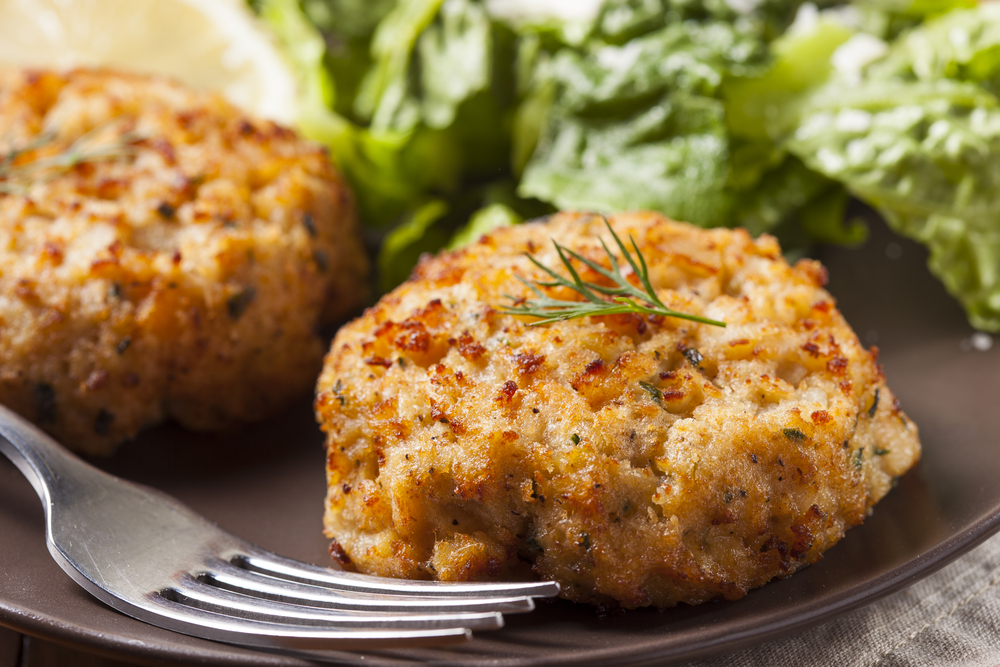
Craving the taste of the ocean without the hefty price tag or briny commitment? Canned crab cakes are your answer! These little golden gems pack a punch of flavour and satisfaction while being surprisingly simple to whip up. So, ditch the takeout menus and dive into the world of DIY crab cakes.
Imagine this: Crisp, golden patties sizzling in a pan, their aroma a symphony of buttery breadcrumbs, fragrant herbs, and the delicate sweetness of crab meat. Each bite bursts with juicy, tender flakes, perfect textures and tastes. No fancy equipment or hours of prep are required, just pure, unadulterated crab cake bliss.
Canned crab cakes might not scream “gourmet,” but their potential for deliciousness is undeniable. Prepare to embark on a culinary adventure where affordability meets flavour and convenience collides with crab cake nirvana. Dive into the world of canned crab cakes, and let your taste buds do the happy dance!
Dive into Deliciousness: Canned Crab Cake Creations
httpss://www.youtube.com/watch?v=0eJ6mw3dOyg
Canned Crab Cake
Canned crab cakes are a budget-friendly and convenient way to enjoy the delicate sweetness of crab meat any time of year. They’re surprisingly versatile, offering a blank canvas for your culinary creativity. So, grab a can of crab, gather your pantry staples, and get ready to whip up a batch of these golden beauties!
Here’s a basic recipe to get you started, along with some tips and tricks to elevate your crab cakes to the next level:
In a large bowl, combine the flaked crab meat, mayonnaise, egg, onion, celery, bell pepper (if using), parsley, Old Bay seasoning, salt, and pepper. Mix gently to combine, being careful not to break up the crab meat.
Add the panko breadcrumbs and mix just until incorporated. Don’t overmix, or the crab cakes will become tough.
Form the mixture into 6-8 patties.
Heat about 1/4 inch of vegetable oil in a large skillet over medium heat.
Dredge the crab cakes in additional panko breadcrumbs before carefully placing them in the hot oil.
Fry the crab cakes for 2-3 minutes per side or until golden brown and cooked through.
Drain the crab cakes on paper towels and serve immediately with your favourite dipping sauce, such as tartar sauce, remoulade, or a simple lemon wedge.
Tips for Making Perfect Crab Cakes Every Time!
httpss://www.youtube.com/watch?v=KF_79EONUEQ
Ahoy there, matey! Craving some delectable crab cakes that’ll have you sailing the seven seas of flavour? Look no further! Here are some top tips and tricks to transform your ordinary crab cakes into golden, crispy masterpieces:
Binding Buddies
On the inside, mayonnaise is the glue that holds your crab cakes together. Use good-quality mayo for the best flavour, and go easy – too much can make them greasy. And on the outside, panko breadcrumbs are your best friend! Their airy texture adds a delightful crunch without weighing down the crab. Seasoned breadcrumbs or crushed crackers can also add a flavour boost.
Flavour Fiesta
Fresh herbs like parsley, dill, and chives are your secret weapons. They add pops of brightness and complexity that canned crab often lacks. But also, don’t be shy with the spices! Old Bay seasoning is a classic, but don’t stop there. For an adventurous twist, experiment with smoked paprika, cayenne pepper, or even a touch of curry powder. For an extra kick, a squeeze of lemon juice or a spoonful of Dijon mustard brightens the flavours and cuts through the richness of the crab.
Technique Triumphs
Resist the urge to overmix! Folding ingredients together carefully preserves the crab’s texture and prevents mushy cakes. When it’s well mixed, give your crab cake mixture a 30-minute rest in the fridge before frying. This allows the flavours to meld and helps them hold their shape during cooking.
Get your pan nice and hot before adding the crab cakes. This creates a beautiful golden crust while keeping the inside moist and tender. It’s important not to overcrowd the pan! Give each crab cake enough space to sizzle properly and prevent them from sticking together.
Bonus Booty
Elevate your crab cakes with various dipping sauces. Tartar sauce is a classic, but don’t stop there! Try remoulade, cocktail sauce, or even a spicy aioli. For a side dish, complement your crab cakes with fresh green salad, roasted vegetables, or creamy mashed potatoes.
With these tips and tricks, you’ll craft crab cakes worthy of a pirate’s treasure chest! So set sail for culinary success and prepare to be swept away by a wave of deliciousness.
Choosing the Perfect Canned Crab for Your Recipe
Canned crab offers a convenient and budget-friendly gateway to delicious seafood creations. But with different types swirling around the supermarket shelves, choosing the right one can feel like steering a kayak through a crab-infested reef. Fear not, adventurous cooks! Here’s a breakdown of the most common canned crab varieties, each with its unique flavour and texture to help you navigate your culinary journey:
Colossal Lump and Jumbo Lump Crab
httpss://www.youtube.com/watch?v=7ax3Q3SjDnU
These are the crowned jewels of the canned crab kingdom. Imagine melt-in-your-mouth sweetness and firm, majestic flakes perfect for savouring in salads or crab cocktails. However, their delicate nature might crumble under the pressure of crab cakes.
Lump Crab
These are your reliable all-rounders. With a mild sweetness and satisfyingly firm flakes, they shine in crab cakes, dips, casseroles, and even a fancy salad topping.
Special and Claw Crab
These budget-friendly buddies offer bolder flavours, with Special leaning slightly musky and Claw boasting a robustly briny punch. Their flakier texture makes them ideal for adding depth to crab cakes, chowders, and dips.
Backfin Crab
Don’t underestimate this hidden gem! Like lump crab in texture and with a mild sweetness, Backfin offers excellent value while holding its own in crab cakes, dips, and casseroles.
Important Notes
Brine or water is your friend – skip the oil-packed cans to preserve the natural crab flavour.
Freshness matters – check the expiration date and gently sniff it (good crab shouldn’t make you wince).
Drain with finesse – reserve some liquid in case your crab needs a hydration boost later.
Flake with love – a gentle fork is all you need to tease out those beautiful crab flakes.
With this crab-tastic knowledge onboard, you’re ready to conquer the supermarket seas and create culinary masterpieces from even the humblest can. So experiment and discover your favourite flavour profile in the vast ocean of canned crab!
The Pros of Using Canned Crab
Canned crab offers a treasure trove of advantages for home cooks looking to create delicious crab cakes:
Convenience: Skip the messy task of prepping fresh crab! Canned crab is already cooked and cleaned, saving precious time in the kitchen. Simply drain and flake, and you’re ready to roll.
Budget-Friendly: Compared to fresh crab, canned options are significantly more affordable, making them a fantastic choice for budget-conscious cooks and those on a tight grocery schedule.
Year-Round Craving: No need to wait for summer or peak crab season! Canned crab offers consistent quality and availability year-round, satisfying your crab cake cravings anytime you please.
Versatility: Canned crab serves as a blank canvas for culinary creativity. Experiment with different seasonings, herbs, and breadcrumbs to customise your crab cakes and discover your signature flavour combinations.
Shelf-Stable Savior: With a long shelf life, canned crab keeps in your pantry until you’re ready to whip up a batch of crab cakes. No worries about spoilage or rushing to use it before it goes bad.
Controlled Quality: Processing ensures consistent quality and texture in canned crab, eliminating the variability and potential pitfalls of working with fresh crab. No more struggling with tricky bits or shell fragments!
Safety Factor: Pre-cooked canned crab reduces the risk of foodborne illness from handling raw seafood. This is especially important for vulnerable individuals or those concerned about food safety.
So, next time you’re craving crab cakes, don’t underestimate the magic of canned crab. It’s a convenient, budget-friendly, and versatile ingredient that unlocks a world of delicious possibilities in your kitchen. Dive in and explore the crabblicious potential!
Remember, while using canned crab has many benefits, it’s always a good idea to purchase reputable brands and check for certifications or quality indicators to ensure the best possible outcome.
10 Side Dishes to Serve With Your Crab Cakes
Crab cakes are a delightful seafood treat, but no meal is complete without the perfect side dish! To elevate your crab cake experience, here are 10 delectable options that complement their rich flavours and textures:
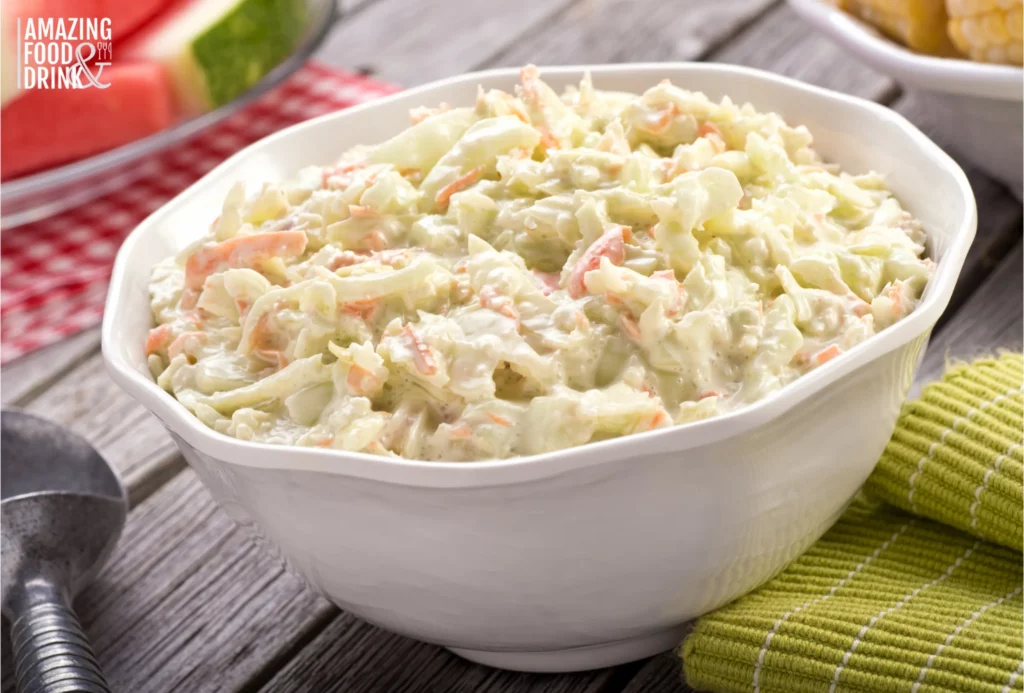
1. Creamy Coleslaw
Creamy Coleslaw
A classic pairing for a reason, creamy coleslaw offers a refreshing contrast to the savoury crab cakes. The coolness and tang of the coleslaw cut through the richness, while the shredded vegetables add a satisfying crunch.
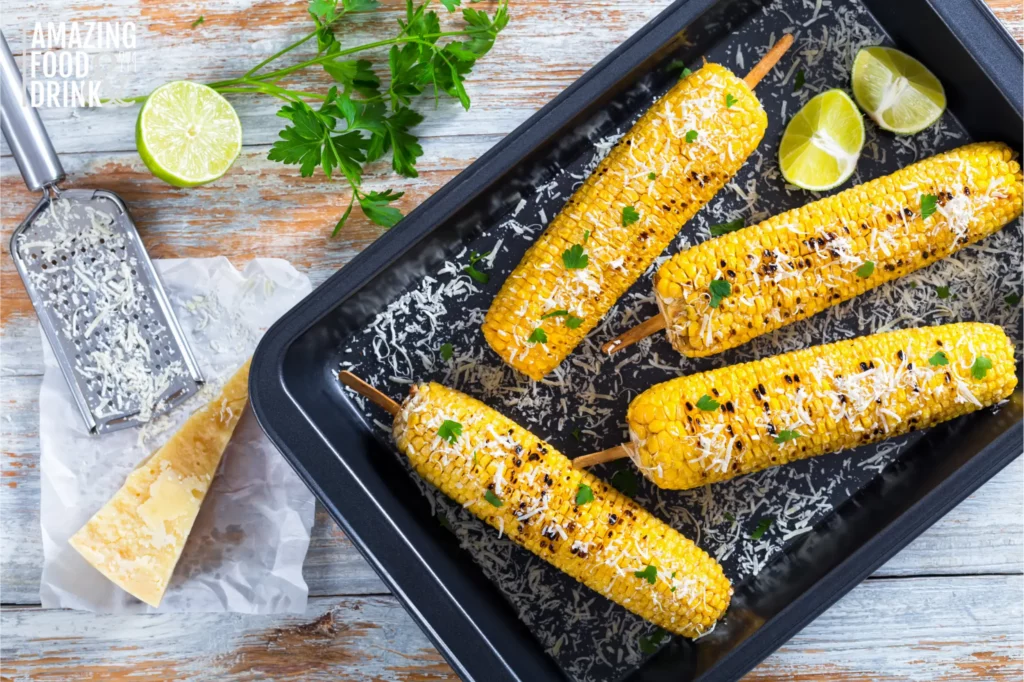
2. Roasted Corn on the Cob
Roasted Corn on the Cob
Sweet, juicy, and bursting with summery flavour, roasted corn on the cob is a simple yet perfect side for crab cakes. Drizzle it with melted butter, sprinkle on some salt and pepper, and savour the sweet bursts alongside your seafood.
3. Lemon Garlic Green Beans
httpss://www.youtube.com/watch?v=WWB5T5CzbFw
Lemon Garlic Green Beans
Keep it light and healthy with lemon garlic green beans. The vibrant green beans are tossed in a zesty lemon garlic sauce for a touch of brightness and acidity that complements the crab cakes beautifully.
4. Spicy Remoulade Sauce
httpss://www.youtube.com/watch?v=y02TFLTRZo8
Spicy Remoulade Sauce
Add a kick to your meal with a homemade spicy remoulade sauce. This creamy sauce is flavoured thanks to Cajun spices, horseradish, and fresh herbs. Dip your crab cakes in the remoulade for a flavour explosion in every bite.
5. Crispy Garlic Bread
httpss://www.youtube.com/watch?v=ZxZO9wdOHPU
Crispy Garlic Bread
Nothing soaks up crab cake juices quite like garlicky bread. Toast thick slices of bread until golden brown, then rub them with garlic cloves and drizzle with olive oil for an irresistible side dish.
6. Sweet Potato Fries
httpss://www.youtube.com/watch?v=uyLRnDeAsGA
Sweet Potato Fries
Take your fries to the next level with sweet potato fries. These crispy, golden fries offer a delightful counterpoint to the savoury crab cakes, and their natural sweetness is a match made in heaven.
7. Fresh Corn Salad
httpss://www.youtube.com/watch?v=LssPaP46LvQ
Fresh Corn Salad
Celebrate the taste of summer with a vibrant corn salad. This light and refreshing salad combines sweet corn, red onion, chopped herbs, and a tangy vinaigrette for a perfect accompaniment to your crab cakes.
8. Cajun Rice
Spice things up with Cajun rice. This flavorful rice dish is cooked with Cajun spices, vegetables, and sometimes even sausage for a hearty and satisfying side. The smoky notes and a touch of heat pair beautifully with the sweetness of the crab cakes.
9. Arugula Salad with Lemon Vinaigrette
Arugula’s peppery bite and the tangy lemon vinaigrette in this salad contrast the richness of the crab cakes. This light and healthy side dish is perfect for rounding out your meal.
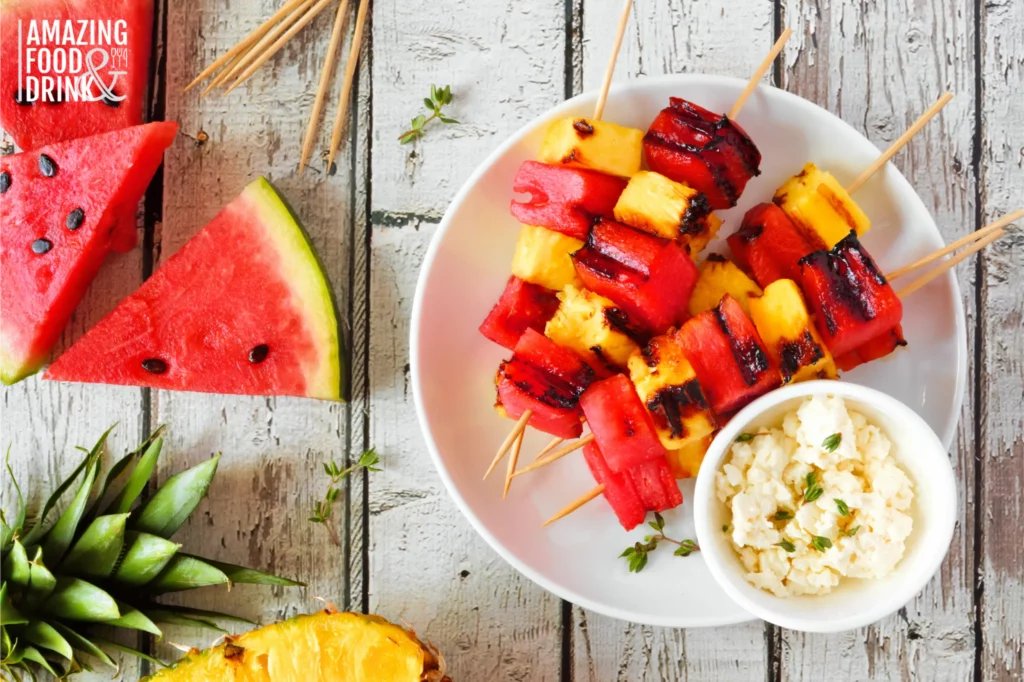
10. Grilled Fruit Skewers
Grilled Fruit Skewers
For a sweet and tangy ending, try grilled fruit skewers. Thread pineapple, peaches, and watermelon onto skewers and grill them until slightly caramelised. Serve them with a drizzle of honey or a dollop of yoghurt for your crab cake feast’s light and refreshing finish.
No matter your taste, there’s a perfect side dish to elevate your crab cake experience. So get creative, mix and match, and enjoy the endless possibilities!
So there you have it, the secrets to crafting crave-worthy crab cakes from the humble can! Remember, canned crab isn’t just a budget-friendly option; it’s a blank canvas brimming with possibilities. So, next time you’re in the supermarket, grab a can of crabs and get your magic on!
FAQs
What sauces and sides pair well with crab cakes?
Tartar sauce is a classic, but don’t stop there! Explore remoulade, cocktail sauce, spicy aioli, creamy coleslaw, roasted corn on the cob, lemon garlic green beans, crispy garlic bread, sweet potato fries, or fresh corn salad.
Can I substitute ingredients in your recipe?
Absolutely! Experiment and customise according to your preferences. Gluten-free breadcrumbs, different herbs, or a touch of Sriracha can add a personal touch. Just remember to adjust the proportions and cooking times accordingly.
How can I prevent my crab cakes from falling apart?
Don’t overmix your ingredients, ensure your pan is hot enough for searing, and don’t flip them too often. Letting them cook undisturbed for a few minutes before flipping helps them solidify.
Can I bake crab cakes instead of frying?
Sure! Preheat your oven to 400°F (200°C) and place the crab cakes on a greased baking sheet. Bake for 15-20 minutes or until golden brown and cooked through.
How can I store leftover crab cakes?
Store them in an airtight container in the refrigerator for up to 2 days. Reheat gently in a skillet or oven until warmed through.


 Salma Ihab