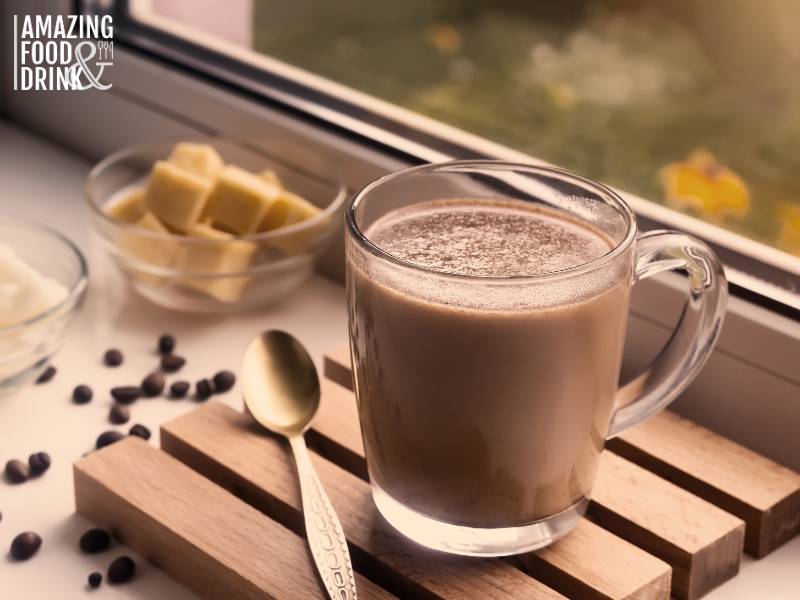

For those following a ketogenic lifestyle whilst avoiding dairy, the morning coffee ritual needn’t be sacrificed. The ketogenic diet—characterised by minimal carbohydrates, moderate protein, and high healthy fats—has demonstrated efficacy in weight management and cognitive function enhancement. Yet many find themselves settling for bland black coffee or struggling with separated, oily mixtures when attempting dairy-free alternatives.
The key lies not in modern “biohacker” trends, but in ancient coffee traditions spanning from Ethiopian highlands to Vietnamese cafés. These cultures mastered the art of creating rich, satisfying coffee without dairy centuries before keto became popular. By understanding traditional techniques and modern emulsification science, you can craft dairy-free keto coffee that rivals any barista-made latte.
This guide explores four tested dairy-free keto coffee recipes alongside global coffee traditions, proper ingredient selection, and troubleshooting techniques for achieving perfect froth without dairy.
Table of Contents
Beyond Bulletproof: The Cultural Evolution of Fatty Coffee
The practice of enriching coffee with fats extends far beyond recent wellness trends, offering valuable lessons for crafting exceptional dairy-free keto coffee today.
Ancient Origins of Fat-Enhanced Coffee
In Ethiopia’s highlands—birthplace of Coffea arabica—traditional coffee ceremonies often incorporate niter kibbeh, a spiced clarified butter. Whilst kibbeh contains dairy, the principle of using fat to temper coffee’s natural acidity whilst adding sustaining energy established a template followed globally.
Ethiopian coffee preparation frequently includes ginger, cardamom, and cloves. These warming spices enhance the bean’s natural sweetness, reducing reliance on sugar or cream. The traditional jebena (clay coffee pot) brewing method creates a concentrated brew that stands up beautifully to fat additions.
In Southeast Asia, particularly Vietnam, dairy scarcity during the mid-20th century inspired ingenious solutions. The famous Cà Phê Trứng (egg coffee) emerged as a creamy alternative using whisked egg yolks. This naturally dairy-free preparation creates a custard-like foam perfectly suited to keto macronutrient ratios—making it an ideal dairy-free keto coffee variation.
“The Vietnamese egg coffee technique isn’t merely about substitution—it’s about temperature control and gradual emulsification. By slowly tempering egg yolks with hot coffee, you create a stable foam with remarkable texture and richness,” notes Chef Linh Nguyen, Vietnamese Culinary Specialist.
Middle Eastern Coffee Traditions
Arabic coffee culture offers additional inspiration for dairy-free keto coffee. Traditional preparation involves cardamom, saffron, and occasionally clarified butter or ghee. The spices contribute complex flavours whilst the fats provide sustained energy—essential for long desert journeys where nomadic tribes required portable, calorie-dense nutrition.
Turkish coffee preparation, whilst typically served black, incorporates similar spice profiles. The finely ground beans create a natural body and mouthfeel without dairy additions. Modern interpretations can include coconut cream or almond butter to increase fat content whilst maintaining traditional flavour profiles—perfect adaptations for keto coffee enthusiasts.
The Science of Perfect Dairy-Free Emulsion
Understanding emulsification transforms ordinary dairy-free keto coffee from separated, oily mixture into silky, barista-quality beverage.
Understanding Why Dairy-Free Coffee Separates
The primary challenge with dairy-free coffee lies in creating stable emulsions. Oil and water naturally separate due to molecular polarity differences. Dairy milk contains casein and whey proteins that act as natural emulsifiers, binding fat droplets within the liquid matrix.
Plant-based alternatives lack these specific proteins, requiring different techniques. Successful emulsification depends on:
200ml freshly brewed coffee: Medium to dark roast with balanced acidity
This ratio provides approximately 200 calories, 22g fat, 2g net carbohydrates, and 1g protein—ideal keto macros for morning consumption.
Why Almond Milk Curdles (And How to Fix It)
Almond milk’s tendency to curdle stems from its protein structure and pH sensitivity. Commercial almond milk typically contains added stabilisers (carrageenan, gellan gum), yet these can still break down when exposed to coffee’s acidity (pH 4.85-5.10).
Solutions for preventing curdling:
Temperature matching: Warm almond milk separately before adding to hot coffee
Gradual incorporation: Pour coffee slowly into milk rather than reverse
Lactose intolerance affects approximately 65% of the global population, making dairy-free alternatives essential rather than optional for many keto coffee drinkers. Lactose—a sugar found in milk—requires the enzyme lactase for proper digestion. Those with insufficient lactase production experience bloating, digestive discomfort, and other adverse effects when consuming dairy.
Beyond lactose intolerance, some individuals experience sensitivities to casein and whey proteins found in dairy products. These sensitivities can manifest as inflammation, skin issues, or digestive complications. Dairy-free keto coffee eliminates these concerns whilst maintaining the diet’s high-fat requirements.
Lower Carbohydrate Content in Plant Alternatives
Traditional dairy products contain varying carbohydrate levels that can impact ketosis. Whole milk provides approximately 12g carbohydrates per 240ml serving—potentially half a keto dieter’s daily allowance. Even heavy cream contains 7g carbohydrates per 240ml.
This substantial reduction in carbohydrates allows keto dieters greater flexibility in daily meal planning whilst maintaining ketosis.
Personal Preferences and Ethical Considerations
Many choose dairy-free diets for ethical reasons relating to animal welfare, environmental impact, or cultural practices. Dairy production involves significant environmental resources, including water usage and methane emissions. Plant-based alternatives generally require fewer resources, appealing to environmentally conscious consumers following keto coffee routines.
Additionally, certain cultural and religious dietary practices restrict dairy consumption. Dairy-free keto coffee accommodates these requirements whilst providing necessary fats for ketogenic success.
Health Benefits of Dairy-Free Keto Coffee

Beyond accommodating dietary restrictions, dairy-free keto coffee offers substantial wellness advantages that enhance the ketogenic lifestyle.
Sustained Energy and Ketosis Support
Dairy-free keto coffee recipes incorporating coconut oil and MCT oil provide medium-chain triglycerides (MCTs). These fatty acids differ from long-chain triglycerides found in most dietary fats. MCTs bypass normal fat digestion, travelling directly to the liver where they convert rapidly into ketones—the body’s alternative fuel source during ketosis.
This rapid conversion provides several advantages:
Immediate energy without blood sugar spikes
Enhanced mental clarity and focus
Prolonged satiation between meals
Efficient ketone production supporting metabolic state
Reduced afternoon energy crashes
Consuming MCT-rich dairy-free keto coffee in the morning helps maintain steady energy levels throughout the day, particularly beneficial during the adaptation phase when transitioning to ketogenic eating.
Weight Management Support
The combination of caffeine and healthy fats in dairy-free keto coffee creates a powerful weight management tool. Caffeine acts as a natural appetite suppressant, reducing food cravings and controlling calorie intake. Research indicates caffeine increases metabolic rate by 3-11%, with effects lasting several hours.
Healthy fats provide slow-burning energy that stabilises blood sugar levels. This prevents the rapid spikes and crashes associated with carbohydrate consumption, which often trigger overeating. By promoting satiety and reducing cravings, dairy-free keto coffee supports consistent caloric deficit—essential for weight loss.
The thermic effect of fat (energy required for digestion and absorption) also contributes to increased calorie expenditure. Whilst fats have higher caloric density, their metabolic processing requires more energy than simple carbohydrates.
Nutrient Density and Fortification
Quality plant-based milk alternatives used in dairy-free keto coffee often contain fortification with essential vitamins and minerals. Many brands add:
Calcium: Supporting bone health (often matching dairy levels)
Vitamin D: Enhancing calcium absorption and immune function
Magnesium: Supporting muscle function and metabolic processes
These fortifications help keto dieters meet nutritional requirements, particularly important when eliminating entire food groups. Always select unsweetened varieties to avoid hidden carbohydrates from added sugars.
Anti-Inflammatory Properties
Many dairy-free alternatives used in keto coffee offer anti-inflammatory benefits absent in conventional dairy. Coconut products contain lauric acid, which converts to monolaurin—a compound with antimicrobial and anti-inflammatory properties. This may benefit individuals with inflammatory conditions or those seeking to optimise gut health.
Certain plant milks also provide polyphenols and antioxidants. Almond milk contains vitamin E and other antioxidants supporting cellular health. These compounds help combat oxidative stress associated with modern dietary patterns and environmental exposures.
4 Best Recipes for Dairy-Free Keto Coffee
These four dairy-free keto coffee recipes showcase diverse global influences whilst maintaining optimal macronutrient ratios for ketogenic success.
1. Coconut Milk Cappuccino
This creamy, frothy preparation showcases coconut milk’s natural richness whilst maintaining traditional cappuccino proportions. The coconut oil enhances fat content for optimal ketosis support in this dairy-free keto coffee variation.
Ingredients
200ml (¾ cup) freshly brewed strong coffee
60ml (¼ cup) full-fat coconut milk
15ml (1 tablespoon) virgin coconut oil
5ml (1 teaspoon) sugar-free vanilla syrup
Optional: 2-3 drops liquid stevia or monk fruit sweetener
Pinch of sea salt
Instructions
Brew coffee using your preferred method, ensuring strength supports added ingredients without dilution.
In a small saucepan, gently heat coconut milk, coconut oil, vanilla syrup, sweetener (if using), and sea salt over medium-low heat. Stir continuously until oil fully melts and mixture reaches 60-65°C (140-150°F).
Transfer warm coconut mixture to a high-speed blender. Blend on maximum speed for 30-45 seconds until thick foam develops.
Pour brewed coffee into a warmed mug.
Gently spoon frothy coconut mixture over coffee, creating traditional cappuccino layering.
Optional garnish: Dust with cinnamon, nutmeg, or unsweetened cocoa powder.
Nutritional Information (per serving)
Calories: 205
Fat: 22g
Net Carbohydrates: 2g
Protein: 1g
Prep time: 3 minutes
Total time: 8 minutes
Chef’s Tips
The sea salt serves dual purposes—it neutralises coffee’s natural bitterness whilst enhancing coconut’s subtle sweetness. For authentic cappuccino proportions, maintain a 1:1:1 ratio of coffee, steamed milk, and foam. When using a blender instead of steam wand, briefly pulse rather than continuous blending to achieve optimal foam structure. Select sugar-free vanilla syrup to maintain keto compliance.
2. Almond Butter Mocha
This protein-rich dairy-free keto coffee variation combines almond butter’s nutritional benefits with unsweetened cocoa’s antioxidant properties. The result is a satisfying, dessert-like keto coffee suitable for morning consumption or afternoon pick-me-up.
Blend on high speed for 45-60 seconds until completely smooth and frothy. The mixture should appear uniformly brown without visible oil separation.
Pour immediately into a warmed mug to maintain temperature and foam structure.
Optional garnish: Sprinkle with additional cocoa powder or add a few cacao nibs for texture contrast.
Nutritional Information (per serving)
Calories: 235
Fat: 23g
Net Carbohydrates: 4g
Protein: 5g
Fibre: 3g
Prep time: 2 minutes
Total time: 7 minutes
Variation: Iced Almond Butter Mocha
For summer months, prepare this dairy-free keto coffee as directed but use room-temperature coffee. After blending, pour over ice-filled glass. The cold temperature prevents almond butter separation whilst maintaining creamy texture. Add an extra 15ml coconut cream for enhanced richness that stands up to ice dilution.
Chef’s Tips
Smooth almond butter (rather than chunky) ensures proper emulsification in your dairy-free keto coffee. If using natural almond butter with separated oil, stir thoroughly before measuring to incorporate all components. Dutch-processed cocoa provides milder flavour with less acidity compared to natural cocoa—important when combining with coffee’s existing acidity.
3. Cinnamon Keto Bulletproof Coffee
This warming, spice-forward preparation adapts traditional bulletproof coffee principles with dairy-free fats. The cinnamon provides blood sugar stabilisation benefits alongside aromatic complexity in this classic keto coffee preparation.
Ingredients
240ml (1 cup) freshly brewed coffee (full-bodied dark roast)
15ml (1 tablespoon) virgin coconut oil
15ml (1 tablespoon) grass-fed ghee (clarified butter – lactose-free) OR 15ml MCT oil for fully dairy-free version
Secure blender lid and place towel over top (hot liquid safety precaution).
Blend on high speed for 30 seconds until coffee develops thick, golden crema on the surface—indicating proper emulsification.
Pour into a warmed mug immediately. The mixture should have latte-like consistency with no visible oil separation.
Nutritional Information (per serving)
Calories: 240
Fat: 28g
Net Carbohydrates: 1g
Protein: 0.5g
Prep time: 2 minutes
Total time: 6 minutes
Important Note on Ghee
Whilst ghee derives from butter, the clarification process removes virtually all lactose and casein proteins. Many lactose-intolerant individuals tolerate ghee well in their keto coffee. However, those with severe dairy allergies should substitute with additional MCT oil or cacao butter for fully dairy-free keto coffee preparation.
Chef’s Tips
Ceylon cinnamon (also called “true cinnamon”) contains lower coumarin levels than cassia cinnamon, making it safer for daily consumption in your dairy-free keto coffee. The spice blend works synergistically—cinnamon provides sweetness perception, ginger adds warming notes, and cayenne (if included) creates subtle heat that enhances metabolism. For festive variation, add 1.25ml (¼ teaspoon) ground cardamom and a tiny pinch of ground cloves.
4. Vanilla Almond Keto Coffee
This refined, subtly sweet dairy-free keto coffee preparation showcases pure vanilla alongside almond milk’s delicate nuttiness. The simplicity allows coffee’s inherent flavours to shine whilst maintaining keto macronutrient requirements.
Ingredients
200ml (¾ cup) freshly brewed coffee (light to medium roast)
Brew coffee using a preferred method. Light to medium roasts work best, allowing vanilla notes to complement rather than compete with coffee’s natural flavours.
In a small saucepan, gently warm almond milk to approximately 60°C (140°F). Do not boil, as this can cause protein breakdown and texture changes.
Transfer coffee, warmed almond milk, coconut oil, vanilla syrup, sweetener, and vanilla bean seeds (if using) to a blender.
Blend on high speed for 30 seconds until uniformly mixed with light foam on the surface.
Pour into a mug and serve immediately for best flavour and temperature.
Nutritional Information (per serving)
Calories: 165
Fat: 17g
Net Carbohydrates: 2g
Protein: 1g
Prep time: 3 minutes
Total time: 7 minutes
Chef’s Tips
Sugar-free vanilla syrup provides concentrated vanilla flavour while maintaining keto compliance. For maximum vanilla intensity, scrape fresh vanilla pod seeds directly into your dairy-free keto coffee. Barista-style almond milk contains higher fat content and added stabilisers, creating superior foam compared to regular varieties in dairy-free keto coffee. The warmed milk prevents temperature shock when combining with hot coffee, reducing curdling risk.
Mastering the Dairy-Free Keto Barista Kit
Proper equipment and quality ingredients transform basic dairy-free keto coffee into exceptional barista-quality beverages.
Equipment Recommendations
High-Speed Blender: Essential for proper emulsification in dairy-free keto coffee. Standard blenders often lack power to fully integrate fats. Recommended models include Vitamix, Blendtec, or Nutribullet Pro. Look for motors above 1000 watts. Pulse settings allow controlled blending without over-processing.
Milk Frother: Handheld electric frothers work well for single servings of dairy-free keto coffee. Position frother just below liquid surface, creating vortex action that incorporates air. Battery-operated models offer portability. Traditional French press also creates excellent foam through plunging action.
Temperature-Controlled Kettle: Maintaining proper water temperature (90-96°C/195-205°F) ensures optimal coffee extraction without burning grounds. Temperature control prevents overheating plant milks used in dairy-free keto coffee, which can cause protein denaturation and texture changes.
Quality Coffee Grinder: Freshly ground beans provide superior flavour for keto coffee. Burr grinders offer consistent particle size compared to blade grinders. Medium-coarse grind works best for most brewing methods when adding fats.
Coffee Bean Selection
Understanding coffee roasting levels helps create optimal dairy-free keto coffee for different preferences.
Roast Level Considerations:
Light Roasts: Highlight coffee’s origin characteristics, acidity, and fruity notes. Pairs well with delicate additions like vanilla or almond milk in dairy-free keto coffee.
Medium Roasts: Balanced flavour profile accommodates most additions. Versatile choice for experimentation with keto coffee recipes.
Dark Roasts: Bold, robust character stands up to strong flavours like cacao, cinnamon, and coconut. Lower acidity reduces curdling risk with plant milks.
Origin Impact: Different growing regions produce distinct flavour profiles for dairy-free keto coffee:
Unsweetened varieties (0-1g carbohydrates per serving) for keto compliance
“Barista” or “professional” designated versions with higher fat content
Minimal ingredients (avoid excessive stabilisers, gums, or additives)
Organic certification when possible
BPA-free packaging
Homemade vs Commercial:Homemade nut milks offer fresher taste and complete ingredient control but lack commercial stabilisers that prevent separation in dairy-free keto coffee. They work well for immediate consumption but don’t store as effectively. Commercial varieties provide convenience and consistent results, particularly barista-style versions formulated specifically for coffee applications.
MCT Oil Quality Assessment
Medium-chain triglycerides derived from coconut or palm kernel oil vary significantly in quality and composition for dairy-free keto coffee applications.
C8 vs C10 Content:
C8 (Caprylic Acid): Converts most efficiently to ketones. More expensive but superior for ketosis support in keto coffee.
C10 (Capric Acid): Slightly slower conversion but still effective. More affordable option for daily keto coffee.
Blended: Many products combine C8 and C10 for balanced benefits and cost.
Purity Standards: Select products with minimal processing, non-GMO certification, and third-party testing for dairy-free keto coffee. Avoid MCT oils with additives or fillers. Clear, odourless oil indicates proper refinement.
Dosage Guidelines: Begin with 5ml (1 teaspoon) daily in your keto coffee, gradually increasing to 15ml (1 tablespoon) over 2-3 weeks. This gradual approach prevents digestive discomfort common with sudden MCT introduction. Some individuals tolerate up to 30ml daily, though this exceeds typical coffee recipe requirements.
Troubleshooting Common Issues
Even experienced coffee enthusiasts encounter challenges when preparing dairy-free keto coffee. These solutions address the most frequent problems.
The Oil Slick Problem
Cause: Insufficient emulsification allows fat molecules to separate and float on coffee’s surface, creating unappetising appearance and mouthfeel in dairy-free keto coffee.
Solutions:
Increase blending time: Extend to 45-60 seconds on highest speed setting
Ensure proper temperature: Coffee should be 80-90°C (176-194°F) when blending—hot enough to liquefy fats but not so hot it creates excessive steam pressure
Add emulsifying agent: Include 5ml (1 teaspoon) liquid sunflower lecithin or 15ml coconut cream
Improve blender technique: Create vortex by starting on low speed, gradually increasing to maximum
Adjust fat ratio: Reduce total fat by 5ml if separation persists
Almond Milk Curdling
Cause: Coffee’s acidity (pH 4.85-5.10) denatures almond milk proteins, causing visible separation and grainy texture in dairy-free keto coffee.
Solutions:
Temperature equalisation: Warm almond milk to 60°C (140°F) before combining with hot coffee
Pour sequence: Add coffee slowly to milk rather than milk to coffee
pH buffering: Add tiny pinch (less than 1/8 teaspoon) baking soda to neutralise acidity
Select barista varieties: These contain additional stabilisers specifically formulated to resist curdling in keto coffee
Lower coffee temperature: Allow coffee to cool slightly (to 75-80°C/167-176°F) before adding milk
Acid reduction: Choose low-acid coffee varieties or cold brew concentrate with naturally higher pH
Bitter or Unpleasant Taste
Cause: Multiple factors including coffee quality, over-extraction, rancid fats, or improper storage affect dairy-free keto coffee flavour.
Solutions:
Coffee freshness: Use beans within 2-3 weeks of roasting date
Proper storage: Keep fats refrigerated and away from light, particularly MCT oil and nut butters
Quality ingredients: Select high-grade coffee beans and fresh plant milks for keto coffee
Extraction time: Adjust brewing method to prevent over-extraction (bitter) or under-extraction (sour)
Salt addition: Tiny pinch of sea salt (less than 1/8 teaspoon) neutralises bitterness without adding sodium taste
Clean equipment: Residual coffee oils in grinders and brewers contribute stale, bitter flavours
Insufficient Foam Creation
Cause: Low protein content in some plant-based milks limits foam formation in dairy-free keto coffee. Fat content also affects stability.
Solutions:
Select protein-rich varieties: Soy milk (when keto-appropriate brands exist) and pea milk protein create better foam
Add foaming agent: Include 5ml (1 teaspoon) egg white powder or aquafaba (chickpea liquid) for enhanced foam
Temperature control: Maintain 60-65°C (140-150°F) for optimal foam formation
Blending technique: Position frother just below surface, incorporating maximum air
Coconut cream addition: Include 15ml full-fat coconut cream to improve foam structure in keto coffee
Avoid over-foaming: Excessive air incorporation creates large, unstable bubbles rather than dense microfoam
Digestive Discomfort
Cause: Rapid introduction of MCT oil or high fat consumption on empty stomach can cause nausea or digestive upset with dairy-free keto coffee.
Solutions:
Gradual introduction: Start with 5ml MCT oil in keto coffee, increasing by 5ml weekly
Food pairing: Consume dairy-free keto coffee alongside small amount of food rather than completely fasted
Time adjustment: Have coffee 30-60 minutes after waking rather than immediately
Fat type rotation: Alternate between MCT oil, coconut oil, and nut butters in keto coffee
Hydration: Drink 240ml water before coffee consumption
C8 vs C10: If issues persist, switch to pure C10 (capric acid) which digests more slowly than C8
South American Coffees (Colombian, Brazilian): Main harvest April-September, peak freshness June-October. Balanced, nutty character works year-round in keto coffee recipes.
Southeast Asian Coffees (Vietnamese, Indonesian): Main harvest November-March, peak freshness January-May. Earthy, full-bodied profiles suit rich coconut preparations.
Traditional Coffee Customs
Ethiopian Coffee Ceremony: Performed three times daily, honouring community and conversation. Modern dairy-free keto coffee adaptations can maintain this mindful preparation ritual rather than rushed convenience.
Vietnamese Coffee Culture: Mid-morning or afternoon consumption using slow-drip phin filter. The strong concentrate pairs perfectly with coconut cream instead of traditional sweetened condensed milk for keto-compliant versions.
Arabic Coffee Rituals: Served after meals with cardamom and conversation. Traditional spices enhance dairy-free keto coffee whilst respecting cultural heritage.
Plant Milk Quality: Select Non-GMO Project Verified, organic when feasible, BPA-free packaging, minimal processing for optimal dairy-free keto coffee ingredients.
MCT and Coconut Products: Sustainably harvested, fair trade certified, cold-pressed virgin coconut oil (when flavour desired), triple-distilled MCT oil for purity in keto coffee.
Conclusion
Mastering dairy-free keto coffee requires understanding traditional techniques, emulsification science, and quality ingredient selection. Whether preparing Coconut Milk Cappuccino, Almond Butter Mocha, Cinnamon Bulletproof Coffee, or Vanilla Almond Coffee, each recipe supports ketogenic goals whilst delivering exceptional flavour.
Start with one dairy-free keto coffee recipe, master the fundamentals, then explore variations matching your preferences. For additional dairy-free inspiration, explore our turmeric latte recipe or discover our guide to making authentic Egyptian apple cinnamon tea. Visit Amazing Food & Drink for more global recipes, cooking techniques, and culinary education.