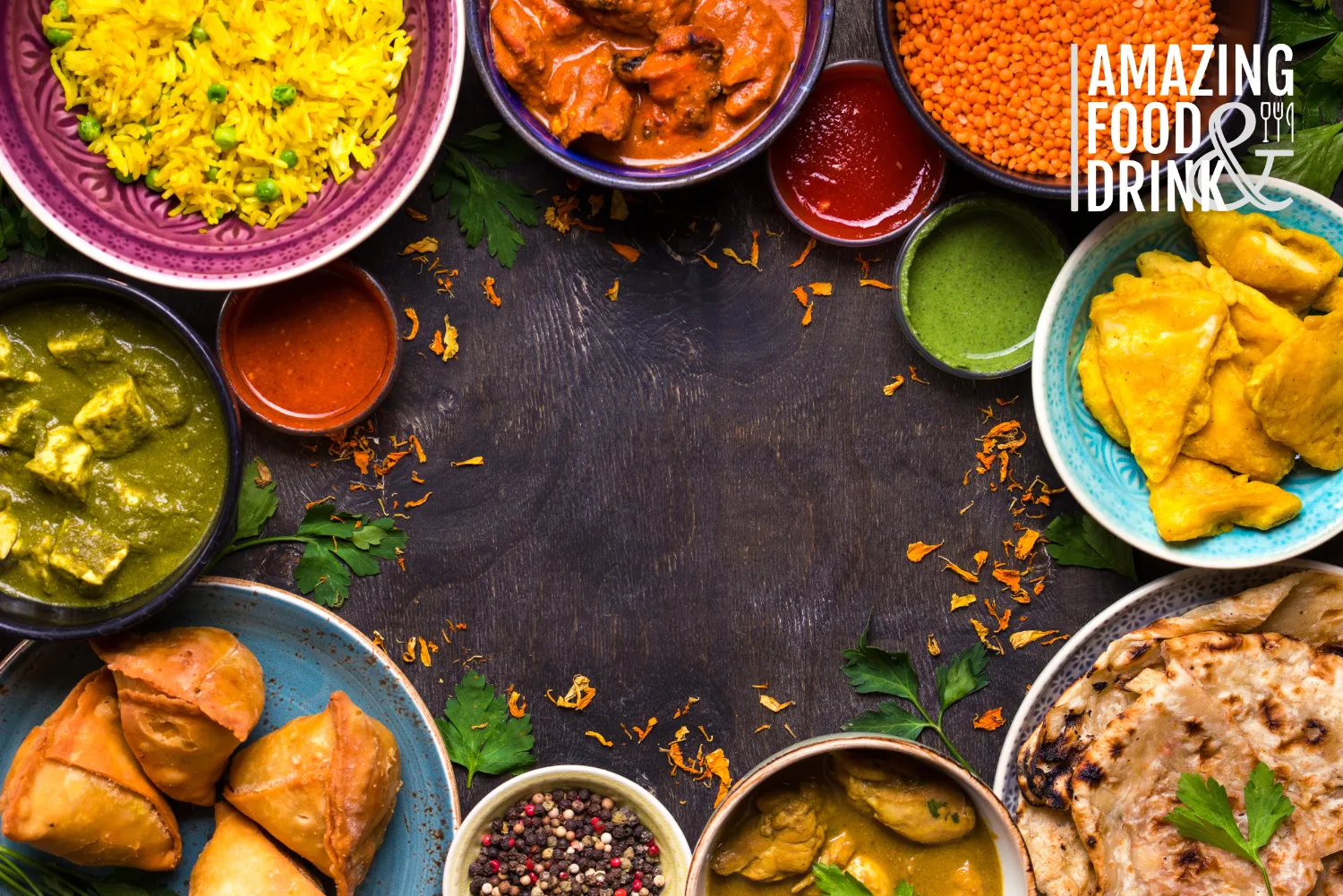
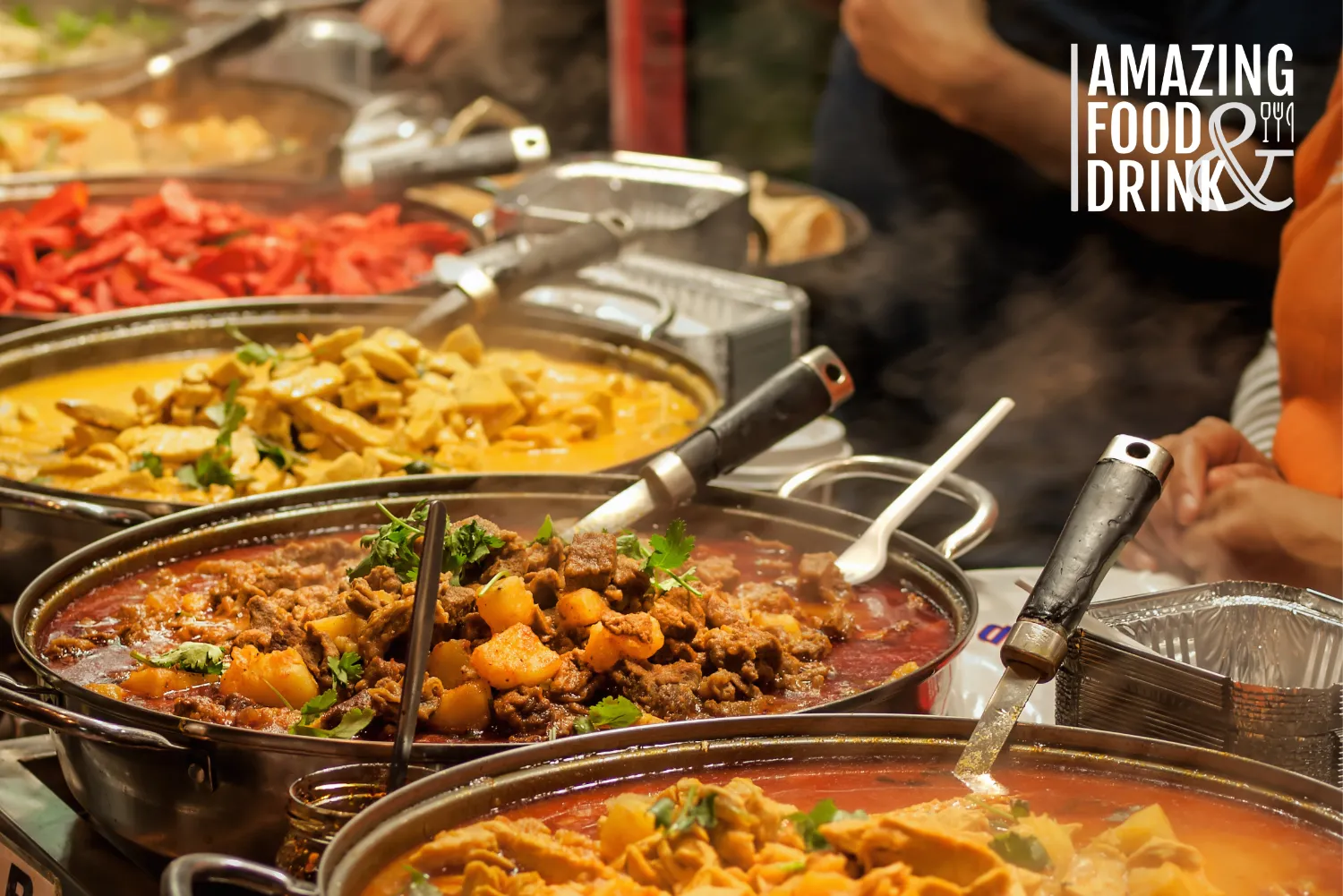
The narrow lanes of Indian cities pulse with energy as vendors deftly flip golden samosas in bubbling oil, fill crispy puris with spiced water, and slap fresh dough onto scorching griddles. Indian street food represents more than quick meals purchased from roadside stalls—it embodies centuries of culinary tradition, regional identity, and the democratic spirit where people from all backgrounds gather to savour these affordable delights.
From Mumbai’s bustling Chowpatty Beach to Kolkata’s College Street, from Delhi’s Chandni Chowk to Chennai’s Marina Beach, Indian street food landscape varies dramatically across regions. Each area contributes distinctive dishes shaped by local ingredients, cooking methods, and cultural influences. The Portuguese introduced bread to Goa that evolved into Mumbai’s iconic pav, whilst Kolkata’s Chinese immigrant community created Indo-Chinese fusion dishes that spread nationwide. These snacks carry stories of migration, adaptation, and culinary innovation.
At Amazing Food & Drink, we’ve explored India’s regional cuisines extensively, gathering authentic recipes and traditional techniques from local vendors and home cooks. This comprehensive guide takes you through the most celebrated Indian street foods, providing detailed recipes you can recreate at home whilst understanding the cultural context behind each dish.
Table of Contents
Understanding Indian Street Food Culture
Indian street food tradition stretches back centuries, with references to vendors selling snacks appearing in ancient Sanskrit texts. The Mughal period introduced kebabs and rich gravies, whilst British colonisation brought fried snacks and afternoon tea culture. Today’s vibrant street food scene represents this layered culinary history.
Street vendors, known as thela-wallahs (cart pushers) or chaat-wallahs (snack sellers), maintain techniques passed through generations. Many specialise in single dishes, perfecting their craft over decades. These vendors operate from permanent stalls, bicycle carts, or improvised setups, serving customers throughout the day. Morning brings hot puris with spiced potatoes, afternoon sees crispy pakoras accompanying chai, whilst evenings draw crowds seeking chaat and grilled kebabs.
The appeal extends beyond taste to the theatrical experience. Watching a skilled vendor assemble pani puri—crushing the crispy shell, filling it with potatoes and chickpeas, dunking it in tangy water, and serving it directly to your hand—creates an interactive dining moment impossible to replicate at home. The sizzle of batter hitting hot oil, the aromatic steam rising from masala-laden preparations, and the vendor’s rapid-fire assembly all contribute to the sensory experience.
The Balance of Flavours
Indian street food achieves complexity through carefully balanced taste elements. Traditional Ayurvedic principles recognise six tastes: sweet (madhura), sour (amla), salty (lavana), bitter (tikta), pungent (katu), and astringent (kasaya). Street food vendors intuitively combine these elements, creating dishes that satisfy multiple taste receptors simultaneously.
Chaat exemplifies this principle perfectly. A plate of papdi chaat contains crispy fried wafers (providing texture and subtle saltiness), boiled potatoes and chickpeas (earthy sweetness), yoghurt (cooling tanginess), tamarind chutney (sweet-sour complexity), green chutney (fresh heat and herbs), and chaat masala (funky, mineral notes from black salt). Each component serves a purpose in the overall flavour composition.
Regional Street Food Across India
India’s vast geographical diversity produces dramatically different street food traditions. Climate, locally available ingredients, religious practices, and historical influences shape each region’s culinary identity.
North Indian Street Food
Northern regions, particularly Delhi, Punjab, and Uttar Pradesh, favour substantial, filling snacks often made with wheat, potatoes, and chickpeas. The cooler climate historically supported wheat cultivation, making it the primary grain. Mughal influence introduced rich, spiced preparations and grilling techniques.
Pani Puri/Golgappa: This beloved snack goes by different names across North India—golgappa in Delhi, puchka in Bengal, pani puri in Mumbai. The preparation involves hollow, crispy semolina or wheat flour shells filled with spiced mashed potatoes, chickpeas, and tangy water (pani). The flavoured water typically contains mint, coriander, tamarind, cumin, and black salt. Vendors prepare several water variations, from sweet tamarind to fiery chilli versions, allowing customers to choose their preferred heat level.
Chole Bhature: This substantial dish pairs spiced chickpea curry (chole) with deep-fried leavened bread (bhature). The bhature dough contains yoghurt and a leavening agent, creating pillowy, balloon-like breads when fried. Street vendors serve this combination hot, often with pickled onions, green chillies, and sweet chutney. The dish originated in Punjab but spread throughout North India, becoming particularly popular in Delhi.
Aloo Tikki: These shallow-fried potato patties showcase regional spicing and technique. Vendors shape boiled, mashed potatoes mixed with spices into flat discs, coat them in breadcrumbs, and fry until golden. Served topped with chickpea curry, yoghurt, chutneys, and crispy sev, aloo tikki becomes aloo tikki chaat—a complete meal masquerading as a snack.
Western Indian Street Food
Mumbai dominates Western Indian street food culture, with its fast-paced lifestyle creating demand for quick, satisfying snacks. Gujarati influence brings slightly sweet flavour profiles, whilst coastal proximity provides seafood options.
Vada Pav: Often called Mumbai’s burger, vada pav consists of a spiced potato dumpling (batata vada) sandwiched in a soft bread roll (pav). The potato filling contains turmeric, mustard seeds, curry leaves, and green chillies, coated in chickpea flour batter and deep-fried. Served with green chutney and fried green chillies, vada pav costs just a few rupees, making it accessible to everyone from students to office workers.
The dish emerged in 1960s Mumbai when vendors near Dadar station began selling this convenient, filling snack to mill workers and commuters. Today, vada pav stalls dot every Mumbai neighbourhood, with some vendors achieving cult followings for their particular spice blends or frying techniques.
Pav Bhaji: This hearty dish combines mixed vegetables mashed with butter and spices, served with soft bread rolls (pav). Vendors cook the bhaji (vegetable mixture) on large, flat griddles (tava), adding liberal amounts of butter and a special spice blend. The vegetables typically include potatoes, tomatoes, peas, cauliflower, and capsicum, though compositions vary. The resulting mixture achieves a smooth, almost creamy consistency, contrasting beautifully with the crispy, buttered bread.
Eastern Indian Street Food
Kolkata’s street food reflects Bengali, Chinese, and British colonial influences. The city’s large Chinese community, primarily from Tangra, created unique Indo-Chinese dishes now popular nationwide.
Kathi Rolls: These wrapped street foods originated at Nizam’s Restaurant in Kolkata during the 1930s. Originally called rolls, they consisted of kebabs wrapped in paratha bread. Modern versions use various fillings—egg, chicken, mutton, or paneer—wrapped in thin, griddle-cooked flatbreads. The bread gets brushed with egg, creating a slightly crispy exterior that holds the spiced filling and accompaniments.
Street vendors prepare kathi rolls to order, spreading egg on the hot griddle, placing the paratha on top, cooking until the egg sets, then flipping to cook the other side. They add the filling, sliced onions, green chutney, and sometimes a squeeze of lime before wrapping it in paper for easy eating whilst walking.
Jhalmuri: This puffed rice snack embodies Bengali street food’s lighter, tangier character. Vendors toss puffed rice with mustard oil, chopped onions, tomatoes, green chillies, coriander, and spices in metal bowls or paper cones. The mustard oil provides a distinctive, slightly pungent flavour characteristic of Bengali cooking. Some versions include boiled potatoes, peanuts, or chanachur (crunchy lentil and nut mixture).
Southern Indian Street Food
South Indian street food emphasises fermented preparations, rice-based dishes, and intense spicing. The humid, tropical climate supports rice cultivation and provides abundant coconuts, both central to the regional cuisine.
Dosa Variations: Whilst dosas have gained international recognition, South Indian streets offer variations rarely seen elsewhere. Masala dosa remains most famous—a crispy rice and lentil crepe filled with spiced potato mixture—but vendors also prepare rava dosa (made with semolina for extra crispiness), set dosa (small, thick, spongy versions), and paper dosa (extremely thin and large).
The dosa batter requires fermentation, traditionally taking 8-12 hours. This fermentation develops complex flavours and creates the characteristic slight sourness. Vendors achieve the crispy texture by spreading batter thinly on very hot, well-seasoned griddles, adding a small amount of oil or ghee around the edges.
Vada: These savoury doughnuts come in several varieties. Medu vada, made from urad dal (black lentils), features a crispy exterior and soft interior with a distinctive hole in the centre. Masala vada, made from chana dal (split chickpeas), contains onions, curry leaves, and whole spices. Vendors fry these in large batches, serving them hot with coconut chutney and sambar.
Authentic Savoury Indian Street Food Recipes
Creating authentic Indian street food at home requires understanding both techniques and ingredients. These recipes preserve traditional methods whilst adapting for home kitchens.
Pani puri’s magic lies in the contrast between the crispy shell and the burst of flavoured water. Commercial puri shells work well, but homemade versions offer superior flavour and freshness.
Ingredients
For the puris:
200g semolina (sooji/rava)
2 tablespoons plain flour
1/4 teaspoon baking soda
1/2 teaspoon salt
Water as needed
Oil for deep frying
For the spiced water (pani):
1 cup mint leaves, tightly packed
1/2 cup coriander leaves
2-3 green chillies
1-inch ginger piece
1 tablespoon tamarind paste
1 tablespoon jaggery or brown sugar
2 teaspoons roasted cumin powder
1 teaspoon black salt (kala namak)
1 teaspoon regular salt
1/2 teaspoon chaat masala
1.5 litres cold water
For the filling:
4 medium potatoes, boiled and diced small
200g cooked chickpeas
1 teaspoon roasted cumin powder
1/2 teaspoon red chilli powder
Salt to taste
Tamarind chutney for serving
Instructions
Prepare the puri dough: Combine semolina, plain flour, baking soda, and salt in a bowl. Add water gradually, kneading to form a stiff, smooth dough—much firmer than bread dough. Cover and rest for 20 minutes.
Roll and shape: Divide dough into small portions. Roll each extremely thin (1-2mm thickness) on a lightly floured surface. Cut into 5cm circles using a cutter or glass rim. Gather scraps, re-roll, and cut more circles.
Fry the puris: Heat oil to 180°C in a deep pan. The oil must be sufficiently hot; test with a small dough piece—it should rise immediately. Fry 4-5 puris at once, pressing gently with a slotted spoon to help them puff. They should balloon and turn golden in 30-40 seconds. Remove and drain on kitchen paper. Properly fried puris remain crispy for several hours when stored in an airtight container.
Make the spiced water: Blend mint, coriander, green chillies, and ginger with 1/2 cup water until smooth. Strain through a fine sieve into a large jug. Add remaining water, tamarind paste, jaggery, all spices, and salts. Stir well and adjust seasoning—the water should taste intensely flavoured as it will be diluted by the potato filling. Refrigerate until serving.
Prepare the filling: Mix boiled potatoes and chickpeas with cumin powder, red chilli powder, and salt.
Assemble and serve: Crack a small hole in the top of each puri. Fill with potato-chickpea mixture, add a few drops of tamarind chutney, then dip in the spiced water or fill with a spoon. Eat immediately in one bite to experience the burst of flavours.
Chef’s technique: The key to perfectly crispy puris lies in the dough consistency and oil temperature. The dough should be so stiff it feels slightly difficult to knead; this creates the structure needed for puffing. If your puris aren’t puffing, the oil isn’t hot enough or the dough contains too much moisture.
These triangular pastries showcase the Indian mastery of achieving crispy, flaky exteriors whilst maintaining a moist, flavourful filling.
Ingredients
For the pastry:
300g plain flour
1/2 teaspoon salt
3 tablespoons ghee or vegetable oil
120-140ml water
Oil for deep frying
For the filling:
500g potatoes, boiled and roughly mashed
100g peas (fresh or frozen)
2 tablespoons vegetable oil
1 teaspoon cumin seeds
1 teaspoon coriander seeds, crushed
1 medium onion, finely chopped
1-inch ginger, grated
2 green chillies, finely chopped
1 teaspoon garam masala
1 teaspoon ground coriander
1/2 teaspoon turmeric
1 teaspoon amchur (dried mango powder) or 1 tablespoon lemon juice
1/2 teaspoon red chilli powder
Salt to taste
2 tablespoons chopped coriander leaves
Instructions
Make the pastry: Rub ghee into flour and salt until the mixture resembles breadcrumbs. Add water gradually, kneading to form a firm dough. The dough should feel slightly stiff. Cover with a damp cloth and rest for 30 minutes.
Prepare the filling: Heat oil in a large pan over medium heat. Add cumin and coriander seeds; let them sizzle for 20 seconds. Add onions and cook until golden, about 5-7 minutes. Add ginger and green chillies; cook for 1 minute. Add all ground spices and cook for another minute until fragrant. Add peas and cook for 2-3 minutes if using fresh, 1 minute if frozen. Fold in mashed potatoes, amchur, salt, and fresh coriander. Mix well and let the filling cool completely.
Shape the samosas: Divide dough into 8 equal portions. Roll each into an oval shape about 15cm long. Cut each oval in half to create two semi-circles. Take one semi-circle and fold into a cone shape, overlapping the straight edge and sealing with water. Fill the cone with 2-3 tablespoons of potato mixture, leaving space at the top. Seal the open edge by pressing firmly, creating a triangular shape. Ensure all edges are properly sealed to prevent oil seepage during frying.
Fry until golden: Heat oil to 160°C—slightly lower than typical frying temperature. This lower heat allows the pastry to cook through and develop layers without browning too quickly. Fry 3-4 samosas at once, turning occasionally, for 12-15 minutes until deep golden brown and crispy. Remove and drain on kitchen paper.
Serve hot: Enjoy samosas with tamarind chutney and mint-coriander chutney whilst hot. They remain edible when cooled but lose some crispness.
Traditional note: North Indian samosas traditionally use a pastry enriched with ghee, creating flaky layers. The filling must be completely dry—excess moisture creates soggy pastry. Some regional variations add sultanas, cashews, or pomegranate seeds to the potato filling for textural contrast.
This iconic Mumbai street food requires proper spicing and frying technique to achieve the characteristic texture contrast.
Ingredients
For the potato filling:
4 large potatoes, boiled and mashed
2 tablespoons oil
1 teaspoon mustard seeds
10-12 curry leaves
1/2 teaspoon turmeric
3-4 green chillies, finely chopped
1-inch ginger, grated
1/4 teaspoon asafoetida (hing)
2 tablespoons chopped coriander
Salt to taste
1 tablespoon lemon juice
For the batter:
150g chickpea flour (besan)
1/4 teaspoon turmeric
1/2 teaspoon red chilli powder
Pinch of baking soda
Salt to taste
Water to make thick batter
For assembly:
4 pav (soft bread rolls) or burger buns
Green chutney (mint-coriander)
Tamarind chutney
Fried green chillies
Oil for deep frying
Instructions
Make the filling: Heat oil in a pan and add mustard seeds. When they splutter, add curry leaves, turmeric, and asafoetida. Add green chillies and ginger; cook for 30 seconds. Add mashed potatoes, salt, and coriander. Mix well and cook for 2-3 minutes. Add lemon juice, mix, and remove from heat. Cool slightly, then divide into 4 equal portions and shape into balls.
Prepare the batter: Whisk chickpea flour with turmeric, red chilli powder, salt, and baking soda. Add water gradually to create a thick, coating-consistency batter—it should coat the back of a spoon without dripping off quickly.
Fry the vadas: Heat oil to 180°C. Dip each potato ball in batter, coating completely, then carefully slide into hot oil. Fry 2-3 at a time, turning occasionally, until deep golden brown and crispy, about 4-5 minutes. Drain on kitchen paper.
Assemble the vada pav: Slice each pav horizontally without cutting all the way through. Spread green chutney on one side and tamarind chutney on the other. Place a hot vada inside. Serve immediately with fried green chillies on the side.
Street vendor secret: Mumbai vendors often add a small amount of garlic paste to the potato mixture for extra flavour. The batter must be thick enough to create a substantial coating—thin batter produces insufficient crunch. Some vendors lightly toast the pav on the griddle with butter before assembling for added richness.
This layered street snack combines multiple textures and temperatures for maximum impact.
Ingredients
For the tikkis:
500g potatoes, boiled and mashed
2 tablespoons cornflour
1 teaspoon garam masala
1/2 teaspoon red chilli powder
1 teaspoon dried mango powder (amchur)
Salt to taste
2 tablespoons chopped coriander
Oil for shallow frying
For the chickpea curry topping:
400g cooked chickpeas
2 tablespoons oil
1 teaspoon cumin seeds
1 medium onion, finely chopped
2 tomatoes, pureed
1 teaspoon ginger-garlic paste
1 teaspoon ground coriander
1/2 teaspoon turmeric
1 teaspoon garam masala
1/2 teaspoon red chilli powder
Salt to taste
1 cup water
For assembly:
200ml plain yoghurt, whisked smooth
Tamarind chutney
Green chutney
Chaat masala
Sev (crispy chickpea noodles)
Pomegranate seeds
Chopped coriander
Instructions
Form the tikkis: Combine mashed potatoes with cornflour, garam masala, red chilli powder, amchur, salt, and coriander. Mix thoroughly. Shape into 8 equal-sized, flat patties about 1cm thick and 7-8cm diameter.
Cook the chickpea curry: Heat oil and add cumin seeds. When they sizzle, add onions and cook until golden. Add ginger-garlic paste and cook for 1 minute. Add tomato puree and all spices. Cook until oil separates from the mixture, about 5-7 minutes. Add chickpeas and water. Simmer for 10 minutes until the curry thickens slightly. The consistency should coat the chickpeas without being too liquid.
Fry the tikkis: Heat oil in a wide, flat pan. Place tikkis in the hot oil without overcrowding. Shallow-fry on medium heat for 3-4 minutes per side until golden brown and crispy. Remove and drain on kitchen paper.
Assemble the chaat: Place 2 warm tikkis on each plate. Top generously with hot chickpea curry. Drizzle whisked yoghurt over the top, followed by both chutneys. Sprinkle it with chaat masala, then cover with sev and pomegranate seeds. Finish with chopped coriander. Serve immediately whilst the tikkis remain hot and crispy.
Assembly timing: This chaat must be assembled just before serving. The contrast between hot, crispy tikkis and cold yoghurt creates the signature experience. Pre-fried tikkis can be reheated briefly in a hot oven to restore crispness.
Traditional Sweet Indian Street Food Recipes
Indian street sweets balance intense sweetness with aromatic spices, creating memorable desserts that showcase regional sugar crafting techniques.
These bright orange spirals require precise sugar syrup consistency and batter fermentation for authentic results.
Ingredients
For the batter:
200g plain flour
2 tablespoons chickpea flour
1/4 teaspoon baking soda
2 tablespoons plain yoghurt
1/2 teaspoon saffron strands
Orange or yellow food colouring (optional)
Water as needed
Ghee or vegetable oil for frying
For the sugar syrup:
300g sugar
200ml water
4-5 cardamom pods, lightly crushed
Pinch of saffron strands
1 teaspoon lemon juice
Instructions
Ferment the batter: Mix plain flour, chickpea flour, and yoghurt with enough water to create a smooth, flowing batter—slightly thicker than pancake batter. Cover and leave in a warm place for 8-12 hours or overnight. The batter should develop a slightly sour smell from fermentation. Just before frying, add baking soda, saffron, and food colouring if using. The batter should flow easily but hold its shape briefly.
Prepare the sugar syrup: Combine sugar and water in a wide pan. Heat, stirring until sugar dissolves completely. Add cardamom and saffron. Boil for 5-7 minutes until the syrup reaches one-string consistency—when you touch the syrup and separate your fingers, one thread should form between them. Add lemon juice (prevents crystallisation). Keep the syrup warm over very low heat.
Fry the jalebis: Heat ghee or oil in a wide, shallow pan to 190°C. Pour batter into a squeeze bottle, piping bag, or cloth with a small hole. Squeeze batter into the hot oil in spiral or pretzel shapes, starting from the centre and working outward. Don’t overcrowd—fry 2-3 at a time. Cook for 1-2 minutes on each side until crispy and deep golden. The jalebis should make a slight crackling sound when properly fried.
Soak in syrup: Immediately transfer hot jalebis to the warm sugar syrup. Let them soak for 30-40 seconds, turning once to ensure even coating. Remove and place on a serving plate. Serve warm or at room temperature.
Texture secret: Properly fermented batter creates jalebis with a slightly tangy flavour that balances the intense sweetness. The batter consistency determines the final texture—too thick produces dense jalebis, too thin creates fragile ones that break easily. Traditional vendors achieve the perfect spiral shape through years of practice; home cooks can create simple zigzag or ring shapes instead.
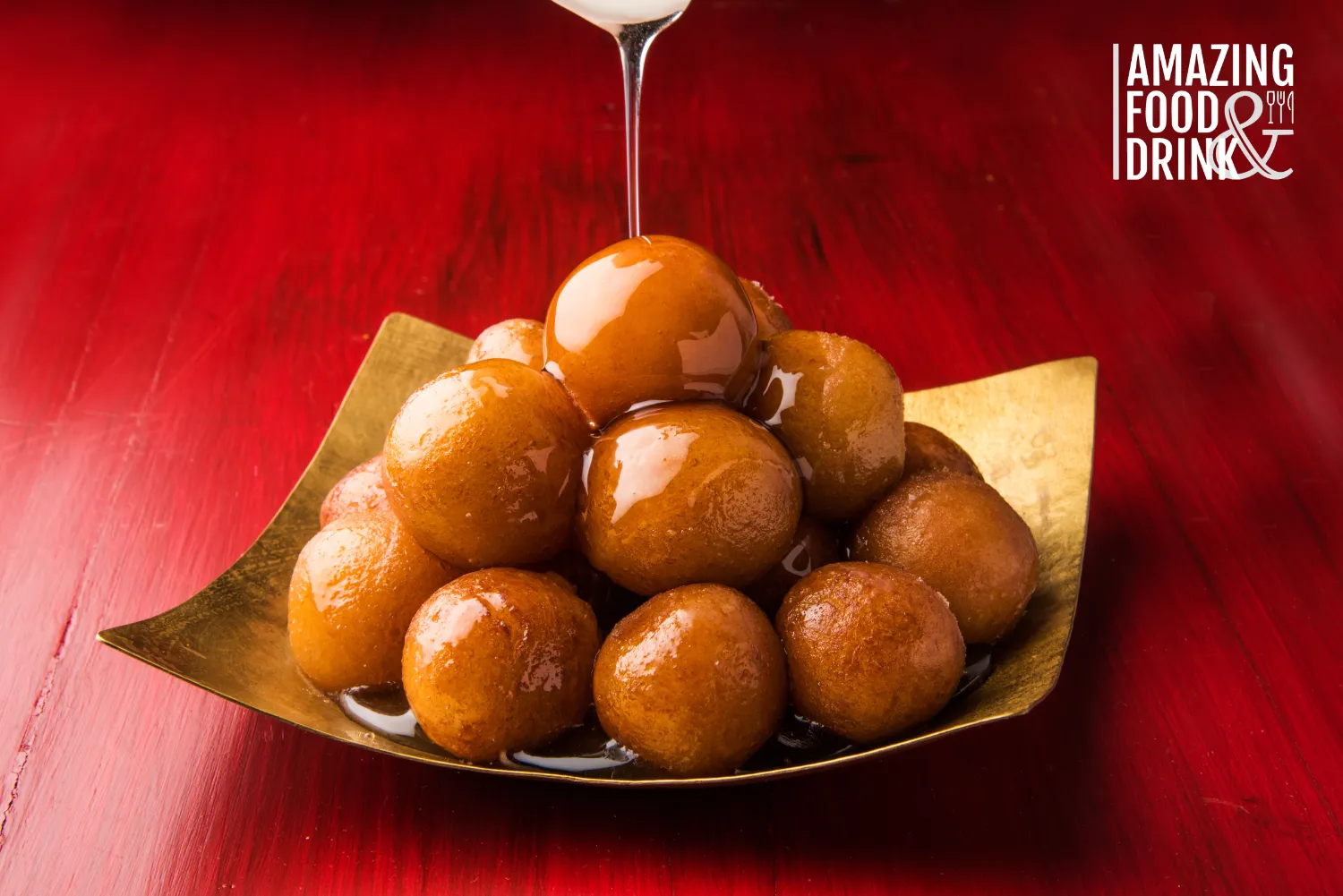
These soft, syrup-soaked dumplings represent one of India’s most beloved sweets, requiring precise technique for the signature spongy texture.
Ingredients
For the dumplings:
200g milk powder
50g plain flour
1/4 teaspoon baking soda
1/4 teaspoon cardamom powder
3 tablespoons ghee, melted
Approximately 80ml whole milk
Ghee or oil for deep frying
For the sugar syrup:
400g sugar
300ml water
5-6 cardamom pods, lightly crushed
Few saffron strands
1 teaspoon rose water
Instructions
Make the sugar syrup: Combine sugar and water in a wide pan. Heat, stirring until sugar dissolves. Add cardamom and saffron. Boil for 8-10 minutes until slightly sticky—the syrup should coat the back of a spoon but remain quite liquid. Add rose water and turn off heat. The syrup should be warm when adding the fried dumplings.
Prepare the dough: Mix milk powder, flour, baking soda, and cardamom powder. Add melted ghee and rub into the dry ingredients. Gradually add milk, mixing gently to form a soft dough. The dough should be soft but not sticky—add milk very carefully as too much creates a mixture that won’t hold shape. Don’t knead vigorously; just bring it together. Cover and rest for 10 minutes.
Shape the dumplings: Divide dough into 20 equal portions. Roll each between your palms to form smooth balls without any cracks—cracks cause the dumplings to break during frying or become misshapen. The balls should be perfectly smooth and uniform in size for even cooking.
Fry at low temperature: Heat ghee or oil to just 150°C—this low temperature is crucial. Test with a small dough piece; it should rise slowly to the surface without browning quickly. Fry 5-6 balls at a time, stirring gently and continuously to ensure even golden colouring on all sides. This takes 8-10 minutes. The balls will expand to nearly double their size. If they brown too quickly, the insides remain uncooked; if the oil is too cool, they absorb excess fat. Remove when deep golden brown.
Soak in syrup: Immediately transfer hot gulab jamun to the warm sugar syrup. They will initially float, then gradually sink as they absorb syrup. Let them soak for at least 2 hours before serving, though overnight soaking produces even softer results. The dumplings will expand further as they soak.
Traditional notes: North Indian gulab jamun uses khoya (reduced milk solids) instead of milk powder, creating denser, richer dumplings. The milk powder version produces lighter results more achievable in home kitchens. Some vendors add a tiny piece of pistachios or almonds inside each dumpling before frying. The rose water adds characteristic perfume; omit if you prefer a simpler flavour.
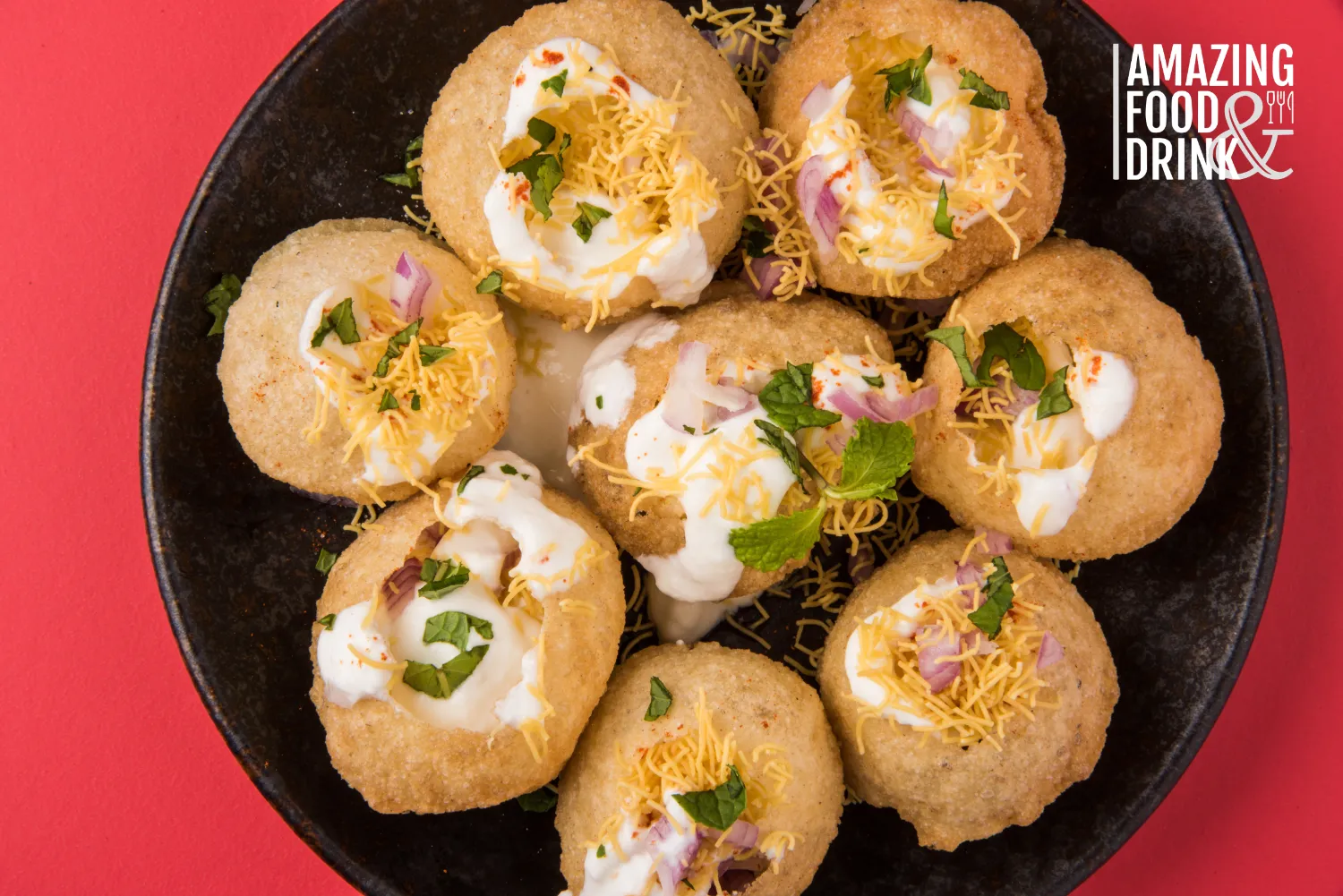
This cold chaat combines crispy, sweet, tangy, and spicy elements in one bite-sized package.
Ingredients
24 small puri shells (store-bought or homemade)
200g boiled potatoes, diced small
100g cooked chickpeas
300ml plain yoghurt
2 tablespoons sugar
100ml tamarind chutney
50ml green chutney
2 teaspoons chaat masala
1 teaspoon roasted cumin powder
100g sev (fine variety)
2 tablespoons pomegranate seeds
2 tablespoons chopped coriander
Instructions
Prepare sweetened yoghurt: Whisk yoghurt until smooth and creamy. Add sugar and 1 teaspoon chaat masala. Mix well and refrigerate until serving.
Assemble individual puris: Carefully crack a small opening in the top of each puri without breaking it completely. Fill each with a small spoonful of boiled potatoes and a few chickpeas.
Add the toppings: Spoon sweetened yoghurt into each filled puri until nearly full. Add a small drizzle of tamarind chutney and a few drops of green chutney. Sprinkle with chaat masala and cumin powder.
Final garnish: Top generously with sev, pomegranate seeds, and chopped coriander. Serve immediately—the puris soften quickly once filled.
Serving note: Street vendors prepare these to order, assembling just before serving to maintain the crispy puri texture. For home service, prepare all components in advance and assemble just before eating. Some regional variations add boiled moong sprouts to the filling or use spiced water instead of yoghurt for a tangier version.
Essential Cooking Techniques and Tips
Successfully recreating Indian street food requires understanding specific techniques that Indian vendors have perfected over generations.
Deep Frying Mastery
Indian street food relies heavily on deep frying, but achieving the perfect texture requires precise temperature control. Use a cooking thermometer for accuracy—delicate items like pakoras need 170-175°C, standard items like samosas require 175-180°C, whilst quick-cooking puris need 190-200°C. Traditional vendors use peanut oil for its high smoke point and neutral flavour, though sunflower or vegetable oil work equally well.
Chutney Preparation
Chutneys provide the flavour backbone for most Indian street foods. Green chutney combines 1 cup coriander leaves, 1/2 cup mint leaves, 2-3 green chillies, 1-inch ginger, 1 teaspoon cumin seeds, 1 tablespoon lemon juice, and salt blended with minimal water. Tamarind chutney requires soaking 100g seedless tamarind, extracting the pulp, then cooking with 150g jaggery, 1 teaspoon cumin powder, 1/2 teaspoon red chilli powder, and salt until thick.
Spice Blending
Chaat masala provides the distinctive Indian street food flavour—combine 2 tablespoons black salt, 1 tablespoon cumin powder, 1 tablespoon coriander powder, 1 teaspoon black pepper, 1/2 teaspoon ginger powder, 1/2 teaspoon dried mint, and 1/4 teaspoon asafoetida. Store in an airtight container for fresh flavour.
Dietary Adaptations for Modern Needs
Indian street food traditionally caters to everyone, requiring only minor adjustments for specific dietary needs.
Vegan modifications: Replace yoghurt with thick coconut cream or cashew cream, use oil instead of ghee, and skip milk-based sweets. Most Indian street foods are naturally vegetarian, needing only these simple swaps.
Gluten-free options: Many Indian street foods already avoid wheat—dosas and idlis use rice and lentils, vadas use lentil flour. Replace wheat-based puris with rice flour versions and use chickpea flour for batters.
Reducing oil content: Air-fry at 200°C for similar crispness with less oil, bake samosas brushed with minimal oil, or shallow-fry instead of deep-frying where texture permits.
Seasonal Celebrations and Regional Festivals
Indian street food intertwines closely with seasonal celebrations. The monsoon season (June-September) brings intense cravings for hot, fried pakoras served with Indian chai, whilst Mumbai’s beaches fill with roasted corn vendors coating bhutta with lime, chilli powder, and salt.
Festival foods: Diwali (October-November) brings explosions of sweet street food—jalebi, gulab jamun, and various barfis dominate. Holi (March) features gujiya (deep-fried pastries) and thandai (spiced milk drink). During Ramadan, Mumbai’s Mohammed Ali Road transforms into a massive street food market with vendors serving haleem, kebabs, and biryani until dawn.
Regional harvest festivals: Tamil Nadu’s Pongal (January) features sweet pongal and vada-chutney-sambar combinations. Punjab’s Baisakhi (April) celebrates harvest with robust street foods—chole bhature, aloo tikki, and cooling lassi.
Bringing India’s Streets to Your Kitchen
Indian street food transforms simple ingredients into extraordinary flavours through proper technique and traditional spicing. Start with accessible dishes like samosas or aloo tikki, then progress to more complex preparations as your confidence grows. The key lies in understanding oil temperatures, spice balancing, and component timing.
For more Asian street food adventures, explore our guide to Chinese desserts or discover authentic Filipino salad recipes. Our comprehensive collection of regional recipes provides the cultural context and detailed instructions you need to master global cuisines at home.