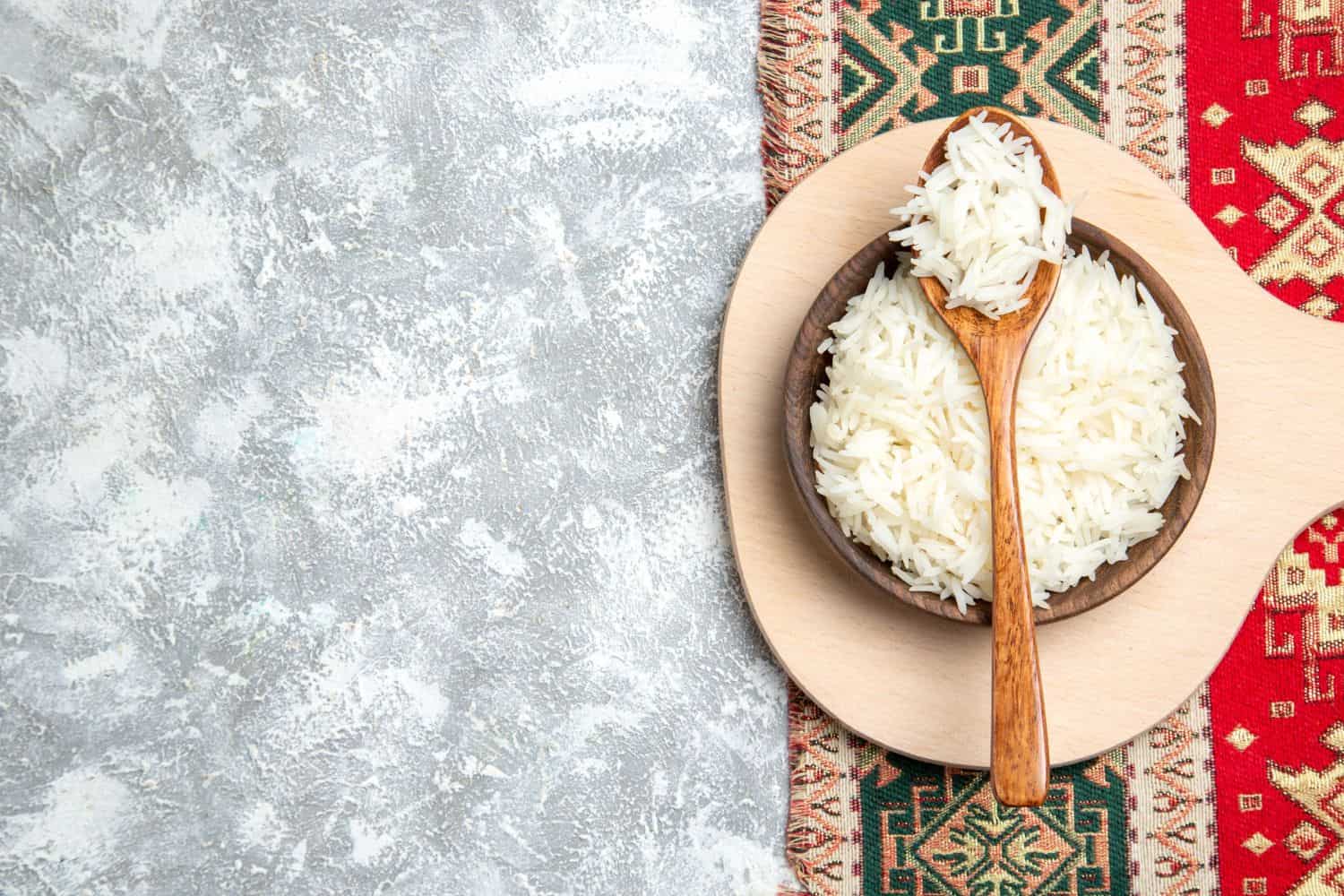
White Basmati Rice

How to Cook Perfect, Fluffy White Basmati Rice

Author Avatar

Updated on December 25, 2025

Reviewed by Salma Ihab

Rice, the plain, humble grains that grace dinner tables across continents, yet somehow strike fear into the hearts of home cooks everywhere. Anyone who has embarked on cooking lessons has likely faced the challenge of these white grains. Even accomplished cooks have encountered their share of challenges with rice.

Did you know? Rice is a symbol of life and fertility in most ancient cultures. Throwing uncooked rice grains at the bride and groom to send them off is an ancient nuptial tradition that some people still perform to this day.

Today, we’re putting an end to this inexplicable apprehension. Rice is far too wonderful to avoid mastering, and a bowl of warm Basmati rice pairs beautifully with most Asian dishes, creating satisfying and complete dinners.

More Than Ordinary Rice: Understanding White Basmati

White Basmati Rice

White Basmati rice stands apart from ordinary long-grain varieties, with a rich cultural heritage and unique characteristics that make it the preferred choice for countless dishes across South Asia and beyond.

The Himalayan Heritage of Basmati

True Basmati grows in the fertile plains of the Punjab region, spanning both India and Pakistan. Its name derives from the Sanskrit word “Vasmati,” meaning fragrant, a fitting description for this aromatic grain that has graced South Asian tables for centuries. The Himalayan foothills nourish these rice paddies with mineral-rich waters, contributing to the grain’s distinctive aroma and elongation properties.

In South Asian households, the quality of one’s rice reflects culinary pride. Serving broken or sticky rice to guests is considered a significant oversight. White Basmati rice is widely used as a staple in South Asian and Middle Eastern countries. Popular dishes include the flavoursome Biryani and the Saudi Arabian Kebsa. In most countries, if curry exists, you will find Basmati rice right next to it.

What Makes Basmati Different

Understanding Basmati’s unique properties helps explain why it requires specific cooking techniques compared to ordinary white rice.

Grain Length and Elongation: High-quality Basmati can double or even triple in length when cooked properly. This dramatic elongation occurs due to the grain’s structure and requires proper hydration during preparation.

Starch Content: Basmati contains high levels of amylose, a type of starch that prevents grains from becoming sticky. This is why Basmati rice has the least starch content among rice varieties, requiring less rinsing than other types but still benefiting from a thorough rinse to remove surface starch.

Aroma: The distinctive nutty fragrance comes from a compound called 2-acetyl-1-pyrroline, which intensifies during cooking and is more pronounced in aged rice.

The Aged Grain Advantage

When shopping for Basmati in the UK, US, or Philippines, look specifically for “Extra Long Grain” or “Aged” on the packaging. Much like fine wine, Basmati improves with time. Aged rice, ideally stored for 12 to 24 months, loses its moisture content, which concentrates the natural oils and ensures the grains remain firm and distinct after cooking. Aged rice displays a slightly creamy or golden hue compared to the stark white of freshly harvested rice.

Low-GI Benefits for Health-Conscious Cooks

For those monitoring blood sugar levels, Basmati offers distinct health benefits. It possesses a Glycaemic Index (GI) of between 50 and 58, placing it in the “low to medium” GI category. This is significantly lower than Jasmine rice (GI of 68-80) or standard white bread, providing a slower release of energy. This makes Basmati the preferred choice for health-conscious cooking and those managing diabetes.

The Three Pillars of Preparation: Rinse, Soak, and Ratio

White Basmati Rice

Proper preparation determines whether your Basmati rice becomes fluffy and separate or sticky and clumped. These three essential steps form the foundation of perfect rice cooking.

The Rinsing Ritual

First things first, we need one cup of white Basmati rice. You can find it in most grocery stores. Any reputable brand will work well.

Rinse your rice under cold water until the water runs clear and all excess starch is removed. This simple process won’t take long because Basmati rice has the least starch content among rice varieties. The rinsing removes surface starch that could cause grains to clump together during cooking.

Technique: Place rice in a fine-mesh sieve or bowl. Run cold water over the rice whilst gently swishing with your hand. Pour off the cloudy water and repeat 3-4 times until the water becomes noticeably clearer. This typically takes 2-3 minutes.

The Soaking Question

Traditional South Asian cooking methods often include a 30-minute soak before cooking, though it’s not essential for excellent results.

Benefits of Soaking:

  • Allows moisture to penetrate the grain’s centre
  • Reduces cooking time by 2-3 minutes
  • Promotes even expansion and maximum elongation
  • Results in more separate, distinct grains

When to Skip Soaking: If you’re short on time, you can proceed without soaking. The cooking time may increase slightly (10-12 minutes instead of 8-9 minutes), but you’ll still achieve good results with Ian’s method. For this guide, we’ll focus on the no-soak method that Ian Hunter demonstrated.

The Perfect Rice-to-Water Ratio

The next step answers a crucial question: what is the perfect rice-to-water ratio?

Ian suggests that the ideal ratio for white Basmati rice is 1:2, meaning that for each cup of white Basmati rice, add two cups of lukewarm water. If you’re in a hurry, you can use boiling water instead, which will reduce the overall cooking time.

Why This Ratio Works:

  • Provides sufficient moisture for complete cooking
  • Allows for natural evaporation during the cooking process
  • Creates steam that fluffs the grains
  • Prevents both mushy texture and undercooked centres

The Perfect Basmati Rice: Ian Hunter’s Tested Method

If you’re just starting to learn how to cook Basmati rice, we recommend beginning with a small portion to build confidence. This proven method from Belfast Cookery School delivers consistently excellent results.

Step-by-Step Instructions

Follow these precise steps for perfectly cooked Basmati rice every time.

1. Combine Rice and Water Add your rinsed rice with two cups of water (or the appropriate amount for your quantity) in a medium saucepan. The pan should be large enough to allow the rice to expand without overflowing.

2. Cover and Heat Place the lid securely on the pot and set it over medium heat. The tight-fitting lid is essential, as it traps steam that cooks the rice evenly.

3. Bring to a Boil Allow the water to come to a full boil. This should take 8 to 9 minutes from when you place the pot on the hob. You’ll hear the water bubbling vigorously.

4. Check for Doneness The key indicator is moisture. After 8-9 minutes, give your rice a couple of gentle stirs to check if any water remains at the bottom of the pan. If all the water has evaporated and the rice appears dry with visible steam holes on the surface, you’ve successfully achieved perfectly cooked white rice.

5. Fluff and Season Remove from heat. Use a fork to fluff up the rice whilst it’s still hot, gently separating the grains. Now add salt to taste.

As you may have noticed, Ian doesn’t add salt to the water whilst the rice is being cooked. Adding salt at the start of the cooking process can intensify the salt flavour as the water reduces through evaporation. To avoid overseasoning, Ian recommends adding your desired amount of salt at the very end, allowing you to control the seasoning precisely.

Scoop some rice into a bowl, and there you have it, you’ve now successfully mastered cooking perfect Basmati rice.

The Resting Period

After cooking, professional chefs allow rice to rest for 5 minutes off the heat with the lid still on. This resting period allows residual steam to finish cooking any slightly firm grains, moisture to redistribute evenly throughout the pot, and grains to firm up slightly, making them easier to fluff. This step, whilst optional for Ian’s quick method, can improve the final texture if you have the extra few minutes.

Alternative Cooking Methods

Different kitchen equipment requires adjusted techniques and water ratios for optimal results.

Rice Cooker Method

Use a 1:1 ratio (equal parts rice and water) since the enclosed environment requires less water. Press the “white rice” setting and allow to rest for 5 minutes after the cooker switches off.

Instant Pot Method

Use a 1:1 ratio and cook on high pressure for 4 minutes. Natural release for 10 minutes, then quick release any remaining pressure.

Pasta Method

Use abundant water (like cooking pasta) and boil for 10-12 minutes. Drain thoroughly in a sieve, return to the pot to steam dry for 2 minutes. This method is less traditional but prevents sticking.

Infusing Flavour Into Your Rice

Whilst plain Basmati rice is delicious, you can add subtle flavours during cooking to complement specific dishes.

Whole Spices Method: Add 2-3 cardamom pods, a cinnamon stick, or 2-3 cloves to the cooking water. These whole spices infuse gentle aromatic notes without overwhelming the rice. Remove whole spices before serving, or leave them as visual markers.

Ghee or Butter Method: Stir in 1 tablespoon of ghee or butter after cooking. This is traditional in many Indian and Middle Eastern preparations. The fat carries flavour and adds a silky texture.

Saffron Rice: Steep a pinch of saffron threads in 2 tablespoons of warm milk, pour over cooked rice and fold gently. Creates golden streaks and subtle floral notes.

Stock Instead of Water: Replace half the water with vegetable or chicken stock. Adds depth without overpowering the rice’s natural aroma.

What Pairs Well With White Basmati Rice

White Basmati Rice

White rice adapts beautifully to saucy and flavourful dishes. White Basmati rice, in particular, is the perfect companion for many beloved Asian and Middle Eastern dishes, but it also pairs well with saucy Western preparations.

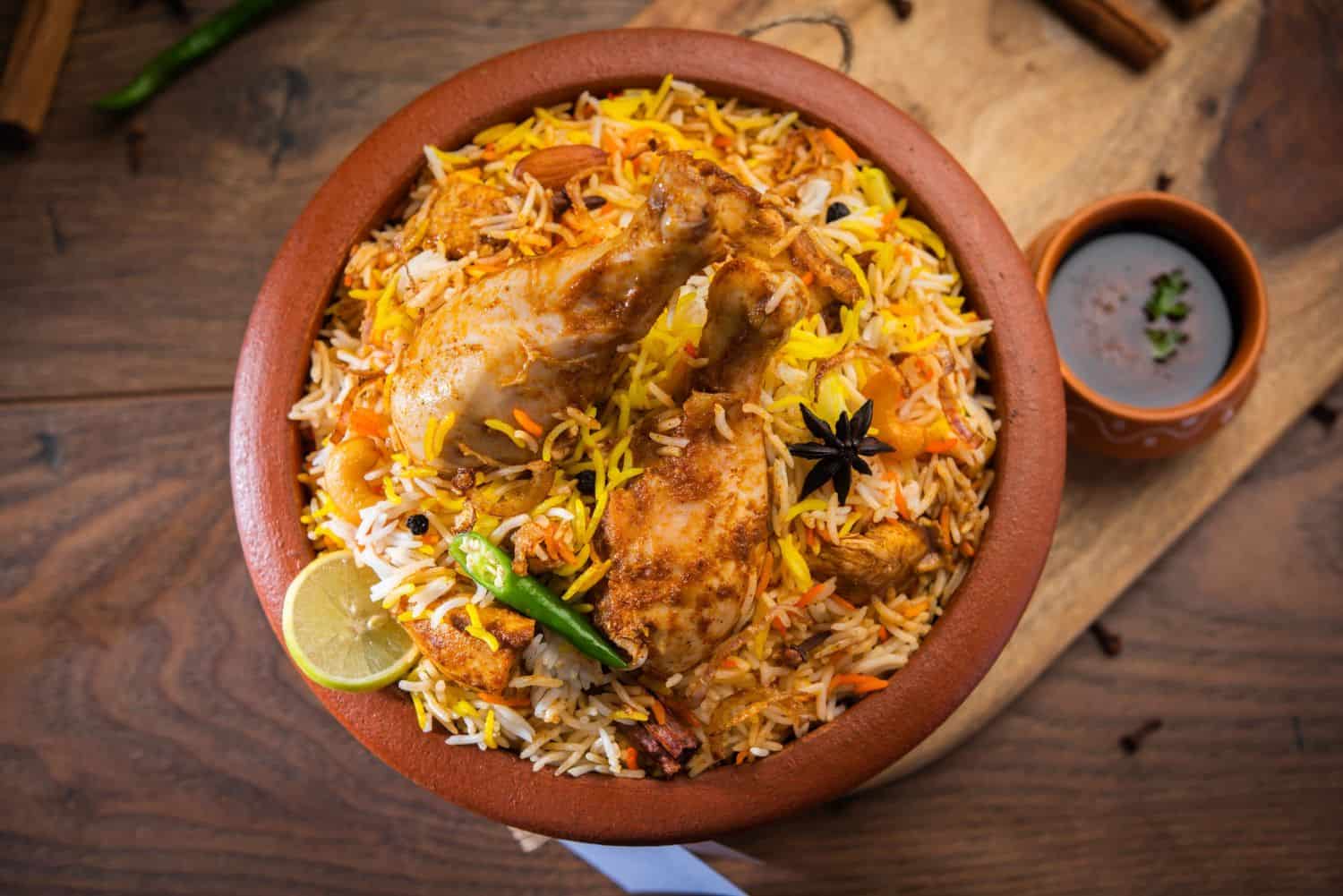
Chicken Biryani

There are many variations of biryani, but chicken biryani remains the classic. Its origin is somewhat mysterious, as many South Asian countries claim this aromatic dish, but one thing is certain: whichever country you draw your recipe from, you’ll be delighted by the complex spicing. It’s also a wonderful one-pot meal that requires the chicken to be marinated with yoghurt, garam masala, and an array of accessible spices and herbs.

After cooking the chicken with aromatics (onions, bay leaves, cardamoms, star anise, cloves, and cinnamon sticks), layer your Basmati rice on top of the cooked chicken. Add fresh mint leaves, then another layer of rice, and top with boiling water. Once cooked, a mixture of milk and saffron plus a handful of crispy onions transforms this straightforward one-pot meal into a luxurious dish of fluffy, fragrant rice.

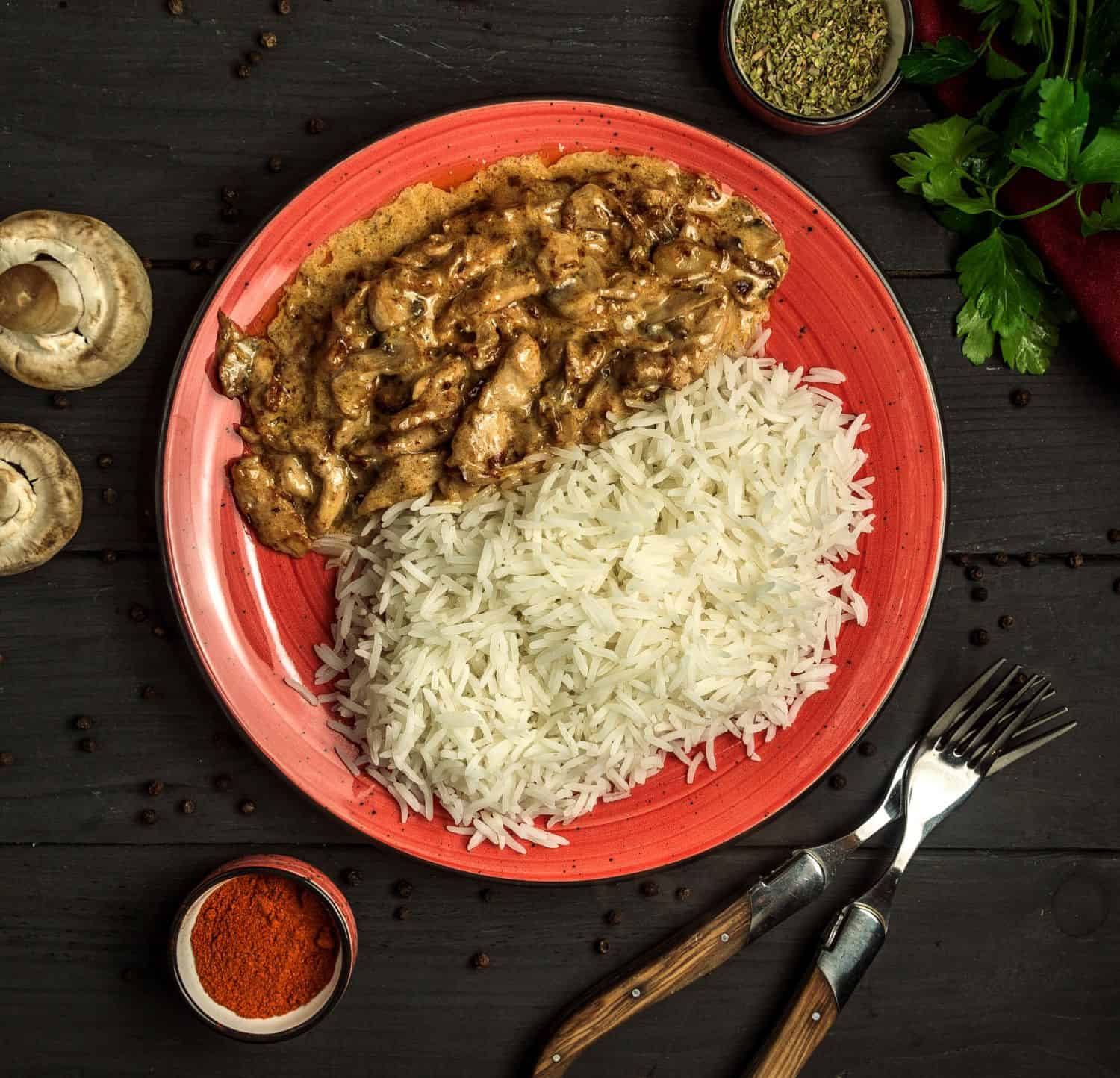
Beef Stroganoff

Though its origins lie in Russia, beef stroganoff has travelled worldwide, inspiring numerous variants of this creamy comfort dish. Whilst most commonly served with pasta, white Basmati rice creates the perfect base that absorbs all the rich juices from the stroganoff. The tender beef strips, coated in a creamy gravy of sautéed white onions and mushrooms, transform simple rice into something special.

Crispy Honey-Mustard Chicken

Honey and mustard create the perfect coating for juicy, tender, crispy chicken. Use Dijon mustard for an ideal creamy honey-mustard sauce, but remember to reserve some for drizzling over the finished chicken.

Dip your chicken breast (about 2cm thick works best) thoroughly into the sauce, then coat with Panko (Japanese breadcrumbs). Your chicken won’t require extensive seasoning since the honey-mustard sauce provides the primary flavour, so just sprinkle an adequate amount of salt and black pepper before coating. Place the fluffy white Basmati rice on a plate, top with the crispy fried chicken, and drizzle as much honey-mustard sauce as desired. For a complete meal, serve this dish with any salad you fancy.

Roast Irish Chicken Supreme

The classic chicken supreme, with an Irish twist! Head Chef and co-owner of Home Restaurant, Ben Arnold, transforms the beloved chicken supreme into an Irish speciality, without compromising flavour. The crispy-skinned chicken breast is bathed in a herb butter mixture and served with buttered spinach and mushrooms. This creates an ideal companion for fluffy white Basmati rice, as the neutral flavour of Basmati allows the herbal butter to shine whilst providing textural contrast to the tender chicken.

Salmon Fillet

Achieving the perfect salmon fillet can be tricky; nobody wants it overly dry or slightly undercooked. The crispy skin of the salmon with melted butter, garlic cloves, and fresh sage creates the perfect topping for your bowl of rice.

Use unsalted butter since you’ll be seasoning the salmon separately. Make small incisions along the skin so the flesh cooks thoroughly. Treat it like you would a steak, keep it slightly pink in the centre. Overcooking salmon results in a dry texture.

After placing your fillet on top of your Basmati rice and drizzling all the cooking oils from the pan, wait a few minutes before eating. Consuming this dish whilst extremely hot won’t allow your taste buds to fully appreciate all the flavours.

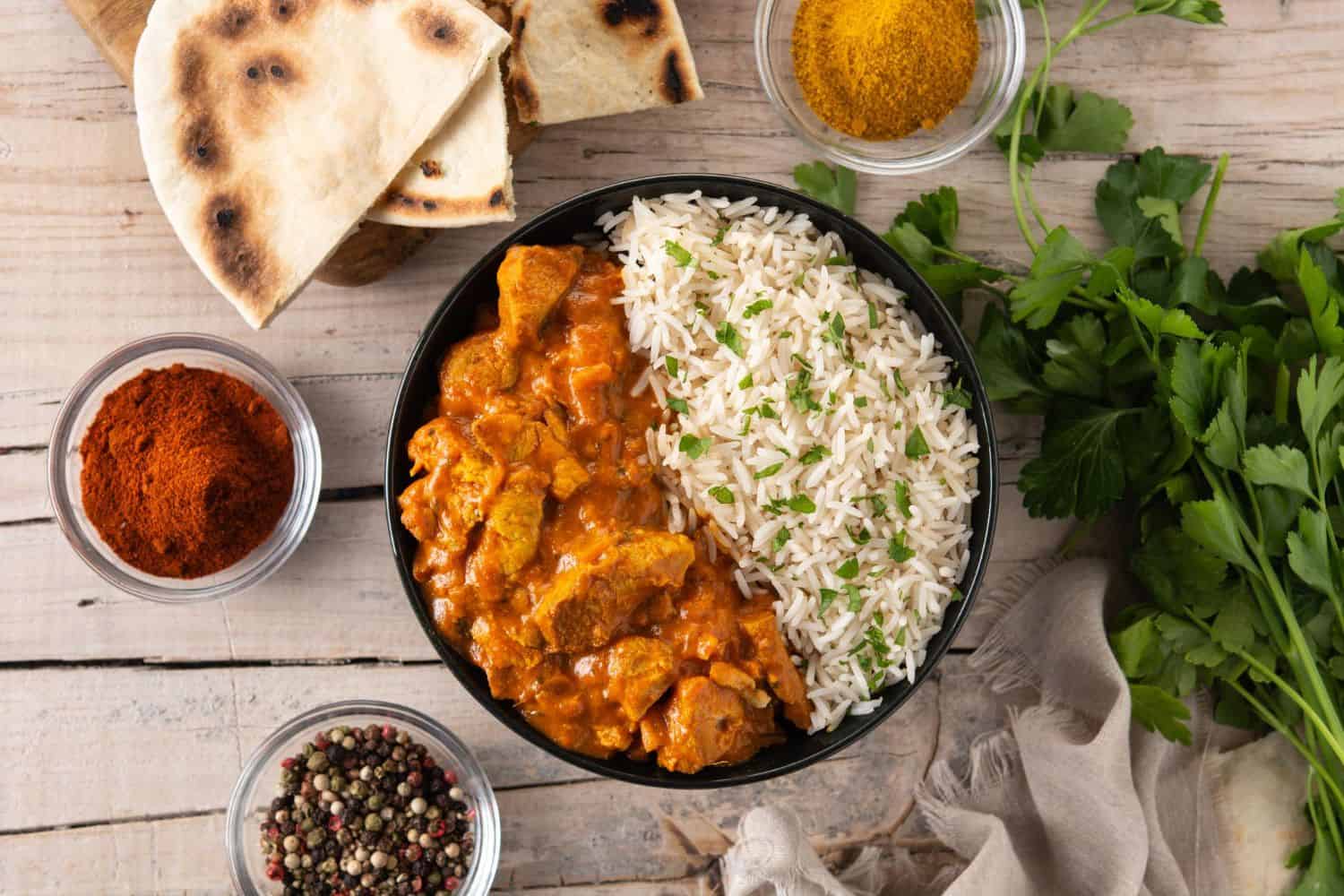
Indian Butter Chicken

Who doesn’t enjoy dunking hot garlic or cheese naan into the sauce of creamy butter chicken? But did you know that the classic companion to this beloved Indian dish is actually white Basmati rice? The grains act as the ideal vehicle for the juicy, tender chicken bathed in a creamy sauce of herbs, spices, and buttered cashews. In authentic Indian restaurants, butter chicken is often served with both naan and rice, allowing diners to experience different textural contrasts throughout the meal.

The Rice Rescue: Fixing Common Problems

Even experienced cooks occasionally encounter rice challenges. Here’s how to troubleshoot and fix the most common issues.

Mushy or Sticky Rice

Causes: Too much water (exceeded 1:2 ratio), insufficient rinsing before cooking, stirring too vigorously during cooking, or using non-aged rice.

Solutions: Spread rice on a baking tray and place in a low oven (120°C/250°F) for 5-10 minutes to dry out excess moisture. For future batches, reduce water slightly to a 1:1.75 ratio and ensure thorough rinsing removes surface starch.

Undercooked or Crunchy Rice

Causes: Insufficient water, cooking time too short, the lid being removed too frequently during cooking, or heat being too high, causing the water to evaporate before the rice cooks.

Solutions: Add 2-3 tablespoons of boiling water, cover, and cook for an additional 3-4 minutes. Check that all grains are tender before removing from the heat. Next time, ensure a tight-fitting lid and avoid lifting it during cooking.

Burnt Bottom Layer

Causes: Heat is too high after the water has evaporated, insufficient water was used from the start, or the cooking time was extended beyond the recommended duration.

Solutions: Immediately remove the pot from the heat when you smell burning. Transfer unburnt rice to another container. Soak the burnt pot in warm, soapy water. Don’t try to scrape immediately. For future cooking, use medium-low heat once the water boils.

Storage and Reheating

Can You Store White Basmati Rice In The Freezer?

Absolutely! You can freeze any rice, not just white Basmati rice, in portions. Add it to an airtight container and remove it to reheat in the microwave whenever you need a warm bowl of fluffy rice or when having curry for dinner. This saves considerable time and aids meal preparation.

Food Safety Guidelines

Cooked rice can harbour Bacillus cereus, a bacterium that survives cooking and multiplies if the rice is left at room temperature.

  • Cool rice quickly after cooking (spread on a tray to cool within 1 hour)
  • Refrigerate within 2 hours of cooking
  • Store in the fridge for no more than 3 days
  • Freeze for up to 3 months for the best quality
  • Reheat thoroughly to at least 75°C (165°F)
  • Never reheat rice more than once

Reheating Methods

  • Microwave: Add 1-2 tablespoons of water per cup of rice, cover with a damp paper towel, and heat for 1-2 minutes, stirring halfway through.
  • Stovetop: Add rice to a pan with a splash of water or stock, cover, and heat gently for 3-4 minutes, stirring occasionally.
  • Fried Rice Conversion: Day-old refrigerated rice is actually ideal for fried rice, as the slightly dried texture prevents mushiness when stir-frying with vegetables, eggs, and sauces.

Seasonal & Cultural Context

White Basmati Rice

Understanding when and how Basmati rice features in traditional celebrations helps appreciate its cultural significance.

Traditional Preparation and Festival Foods

In South Asian households, rice preparation follows meal timing rather than seasons, though harvest celebrations often feature special rice dishes. Basmati rice typically accompanies evening meals, cooked fresh daily for optimal texture and aroma.

During Diwali, Eid, and wedding celebrations, rice dishes like biryani and pulao take centre stage, often prepared in large quantities for community feasting. Pakistani households might add cumin seeds, whilst Indian preparations might include bay leaves. Middle Eastern cooking sometimes incorporates vermicelli noodles, toasted with the rice before adding water.

Sourcing Authentic Basmati

  • In the UK: Look for brands like Tilda, Kohinoor, or Daawat in major supermarkets. Ethnic grocers often stock aged varieties at better prices.
  • In the US: India Gate, Royal, and Lundberg offer quality Basmati rice. Check the country of origin of authentic Basmati, which comes from India or Pakistan.
  • In the Philippines: Import stores stock Indian Basmati brands. Look for “Extra Long Grain” designations.

Quality Indicators:

  • Uniform grain length (at least 7mm when uncooked)
  • Slight creamy colour (indicates ageing)
  • Dry, separate grains that don’t stick together in the package
  • Fresh, nutty aroma when you open the packet

The Perfect White Basmati Rice Recipe

White Basmati Rice

Here is the ingredient list and summarised instructions for a perfect bowl of rice:

Prep Time: 5 minutes (including rinsing) Cook Time: 8-9 minutes Total Time: 15 minutes Servings: 4 side portions

Ingredients

  • 1 cup (200g) white Basmati rice
  • 2 cups (480ml) water (lukewarm or cold)
  • Salt to taste

Instructions

  1. Rinse the rice under cold running water in a fine-mesh sieve, swishing gently with your hand, until the water runs clear (about 2-3 minutes).
  2. Add your rinsed rice with two cups of water in a medium saucepan with a tight-fitting lid.
  3. Place the covered pot over medium heat and bring to a full boil.
  4. After 8 to 9 minutes, check the rice by giving it a couple of gentle stirs. All water should have evaporated, and you should see steam holes on the rice surface.
  5. Remove from heat. Use a fork to fluff up the rice whilst still hot, gently separating the grains.
  6. Season with salt to taste, starting with ¼ teaspoon and adjusting as needed.
  7. Serve hot alongside your favourite saucy dish.

Chef’s Notes:

  • For larger quantities, maintain the 1:2 ratio (e.g., 2 cups rice to 4 cups water)
  • A tight-fitting lid is essential for proper steam cooking
  • Avoid lifting the lid during cooking to prevent steam loss
  • For extra fragrance, add 2-3 cardamom pods or a cinnamon stick to the cooking water

Nutrition Information (Per Serving)

  • Calories: 180
  • Carbohydrates: 40g
  • Protein: 4g
  • Fat: 0.5g
  • Fibre: 1g

Mastering white Basmati rice opens doors to countless culinary possibilities. From traditional biryanis to contemporary rice bowls, these perfectly cooked grains form the foundation of satisfying meals across cultures.

Remember that rice cooking is as much about understanding the grain as following a recipe. With Ian Hunter’s tested 1:2 ratio method, proper rinsing, and attention to timing, you’ll consistently produce fluffy, separate grains that enhance any dish they accompany.

FAQs

1. How long does it take to cook white Basmati rice?

Using Ian Hunter’s absorption method, white Basmati rice takes 8-9 minutes from when it reaches a boil. Including heating time, expect about 12-15 minutes total from start to finish.

2. Do I need to soak Basmati rice before cooking?

Soaking is traditional and can improve texture, but it’s not essential. Ian’s method works excellently without soaking. If you soak for 30 minutes, reduce cooking time by 2-3 minutes.

3. Why is my Basmati rice sticky?

Common causes include insufficient rinsing before cooking, using too much water, stirring too vigorously during cooking, or using fresh rather than aged rice. Always rinse until the water runs clear and maintain the 1:2 rice-to-water ratio.

4. Can I use Basmati rice for fried rice?

Yes, but it works best when using day-old refrigerated rice. The slightly dried texture prevents the finished fried rice from becoming mushy. Cook rice, cool quickly, refrigerate overnight, then use for fried rice the next day.

5. Is white Basmati rice healthy?

White Basmati rice has a lower Glycaemic Index (50-58) than most white rice varieties, making it a better choice for blood sugar management. It provides carbohydrates for energy and pairs well with protein and vegetables for balanced meals.

Share with our social media

Leave a Reply

Your email address will not be published. Required fields are marked *