We live in this fascinating world where there are various delicacies to indulge in unapologetically. Food is one of the greatest pleasures ever, honestly. And besides being a great satisfaction, it plays a vital role in narrating tales of history and shaping cultures. Interestingly, we’ve grown up with some staple food associated with specific cuisines, just to learn that it was all a lie!
We won’t be dramatic about it, but some of today’s most popular foods are traced back to different roots from what we’ve always been told. This list is an eye-opener, proclaiming that pasta isn’t Italian and fish and chips aren’t English. Can you believe it? Some origins of this list of popular food were astonishing.
Learning the history and origins of the world’s popular food can be jaw-dropping, but it won’t change its fascinating taste or limit your ability to enjoy it anyway, right? Thus, buckle up and let’s take a quick ride through this exciting list full of palatable dishes and startling information:
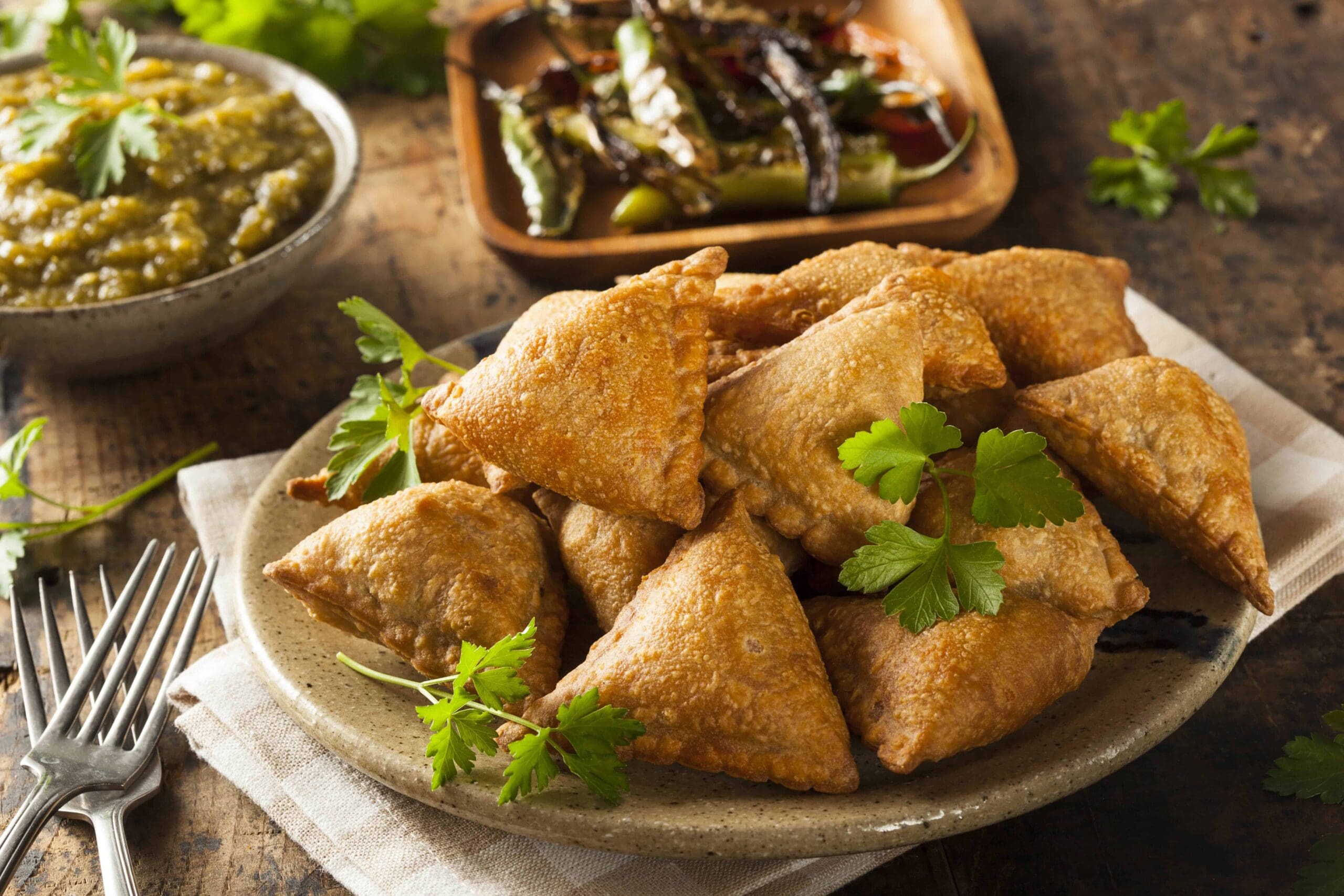
1. Samosa – Central Asia
Samosa is a popular food in Indian cuisine that features golden-fried pastry stuffed with savoury fillings. It’s one of the famous street food you can find on every corner of Indian streets. Moreover, it’s popular in other Middle Eastern countries, including Turkey, Libya, and Egypt, and it makes a considerable appearance during Ramadan.
Surprisingly, after tracing the roots of samosas, it turns out that this delicacy first appeared in Central Asia. They were the ones to introduce this hearty appetiser to Indian cuisine in the 14th century. The snack got too much recognition in India that it became a staple in their daily meals, leading people to believe it couldn’t be anything but Indian.
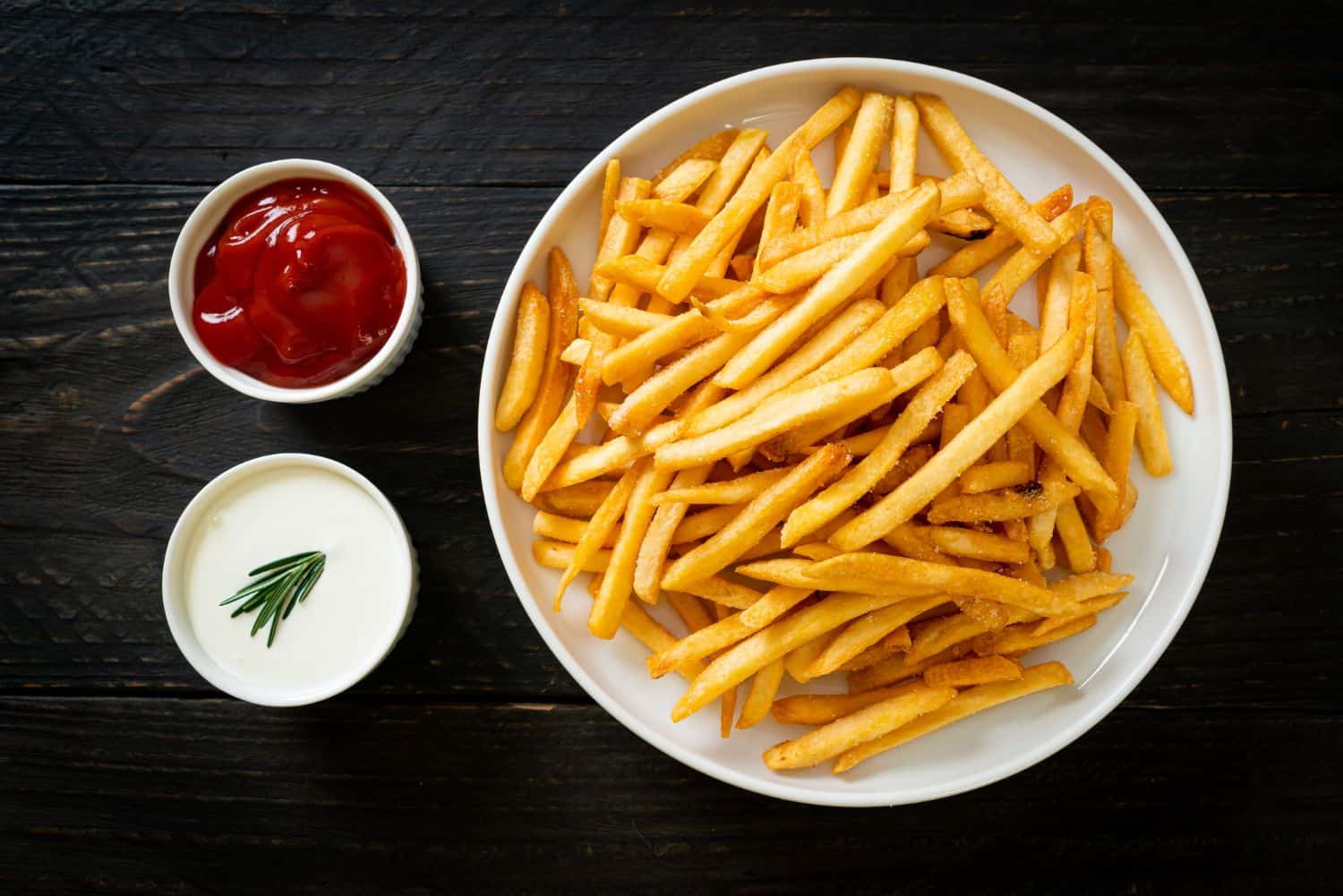
2. French Fries – Belgium
The naming of this crunchy snack has deceived the whole world. Many have always thought fries are a French delicacy, given its name. However, the fries‘ natural origins are rooted in Belgium. This also makes sense, knowing that Belgium’s dominant language is French, so maybe that’s how the name was dubbed.
Moreover, America is known for its deep-fried fast food, which always has fries as part of the meal. This is another thing that tricked people into associating fries with the US. American soldiers were the ones to bring this delicacy home from Belgium during the First World War. Utah is also the mastermind behind pairing French fries with ketchup and mayonnaise.
3. Hamburgers – Germany
Hamburgers are synonyms for American fast food; they metaphorically mean McDonald’s and Burger King. Thus, it’s hard to think of it as the food of any other country. But, we have been fooled again, for hamburgers came to life in Germany before they spread to other parts of the world. It’s said that they originated in the German city of Hamburg, hence the name.
While this theory does make a lot of sense, some still dispute that hamburgers are pure American foods. According to history, America learned about these juice patties in the 19th century when German immigrants brought them along. Honestly, no matter where this delicacy comes from, it will still be enjoyed everywhere, along with its burger variations, and we’re grateful for them.
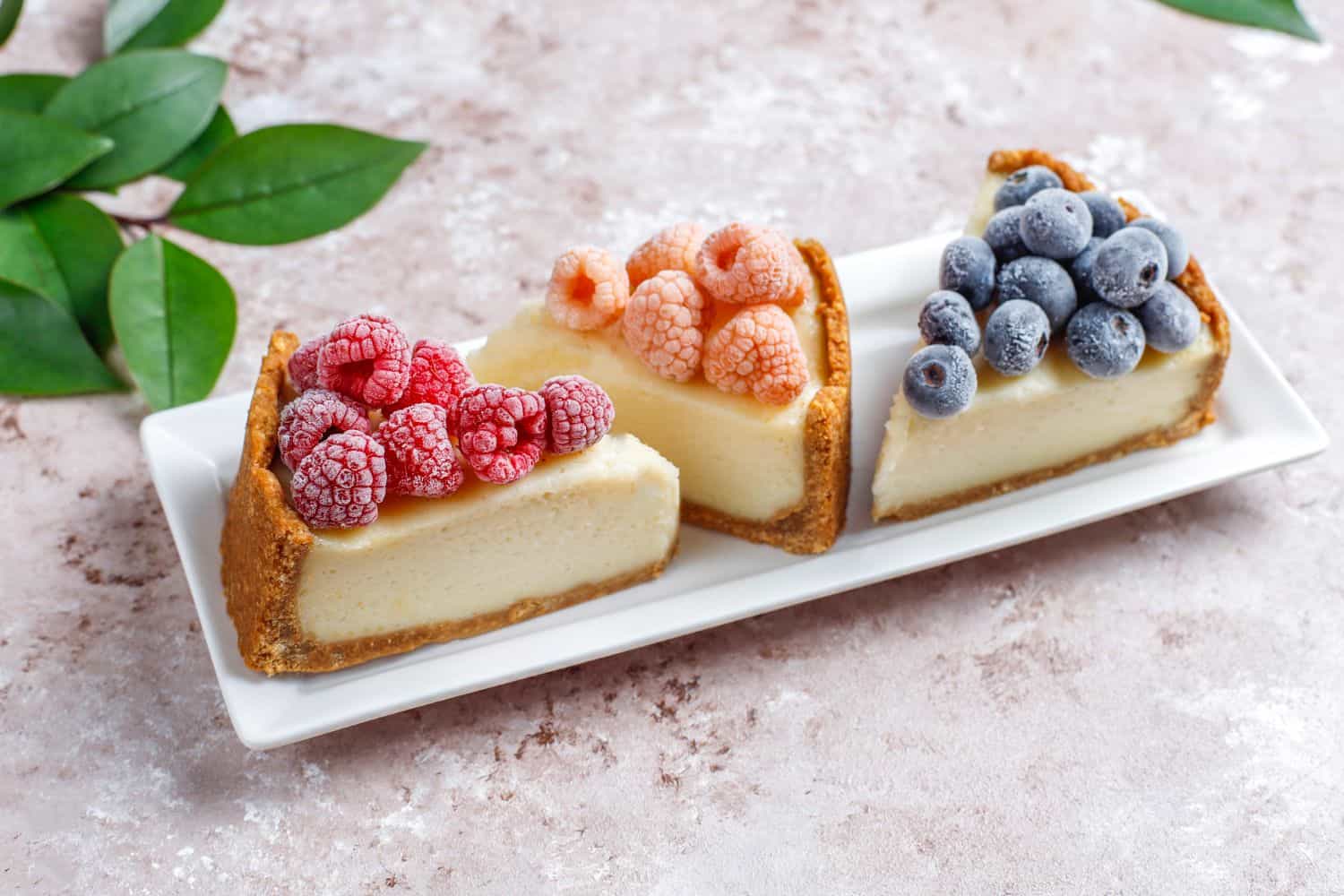
4. Cheesecake – Greece
New York City always takes pride in being home to the famous cheesecake, one of the world’s best inventions ever. Cheesecake is deemed one of the most popular foods in NYC, then spread worldwide. However, Greece happens to be the first home of this sweet intricacy, which can be pretty odd.
Greek cuisine has some unique characteristics that make you think of cheesecake as a peculiar dish to them. They’re more of lots of greens and stuffed vegetables kind of people. The ancient Greeks were the very first to create an early version of cheesecake, slightly different from the version we know today.
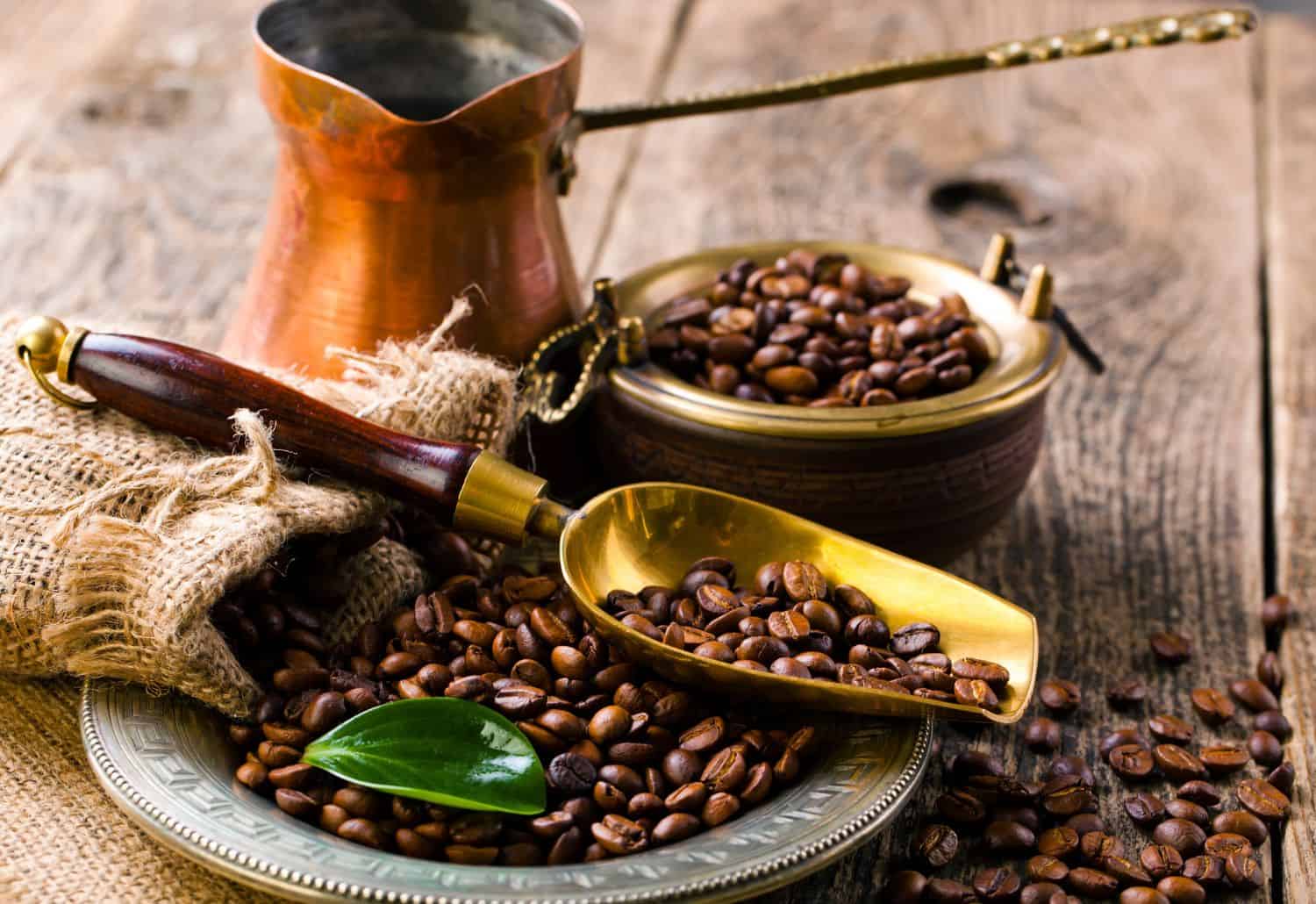
5. Coffee – Ethiopia
Coffee is an aromatic beverage that is widely enjoyed around the world. It’s one of the most popular foods that today’s world excessively consumes. The trending coffee beverages nowadays can be safely accredited to Italy. However, the very first people to ever cultivate these heavenly beans are the Ethiopians.
Before Brazil and Colombia dominated coffee, Ethiopia was the mainland for cultivating beans. However, Yemenis were the first to create a hot drink out of those beans. Many cultures contribute to giving the world this brain-stimulating drink, yet Ethiopia remains the original home to bring these beans to light.
6. Doughnuts – Greece
Doughnuts are among the world’s most popular foods that America takes credit for, shortening the word to “donuts” and making them part of their lifestyle. Even the most prominent dominant brands are American, but they seem to have had a different home before they became popular food. Greece seems stripped of its right to own many of the world’s most outstanding delicacies.
Doughnuts are initially Greek and used to go by fried dough or loukoumades. They travelled from Greece to the Netherlands, becoming a staple in their culinary world. In the 16th century, the Dutch settlers were the ones to bring doughnuts into the United States. And, since America wastes no time, it developed this dessert, came up with different flavours, and made it famous across other places.
7. Fish and Chips – Portugal
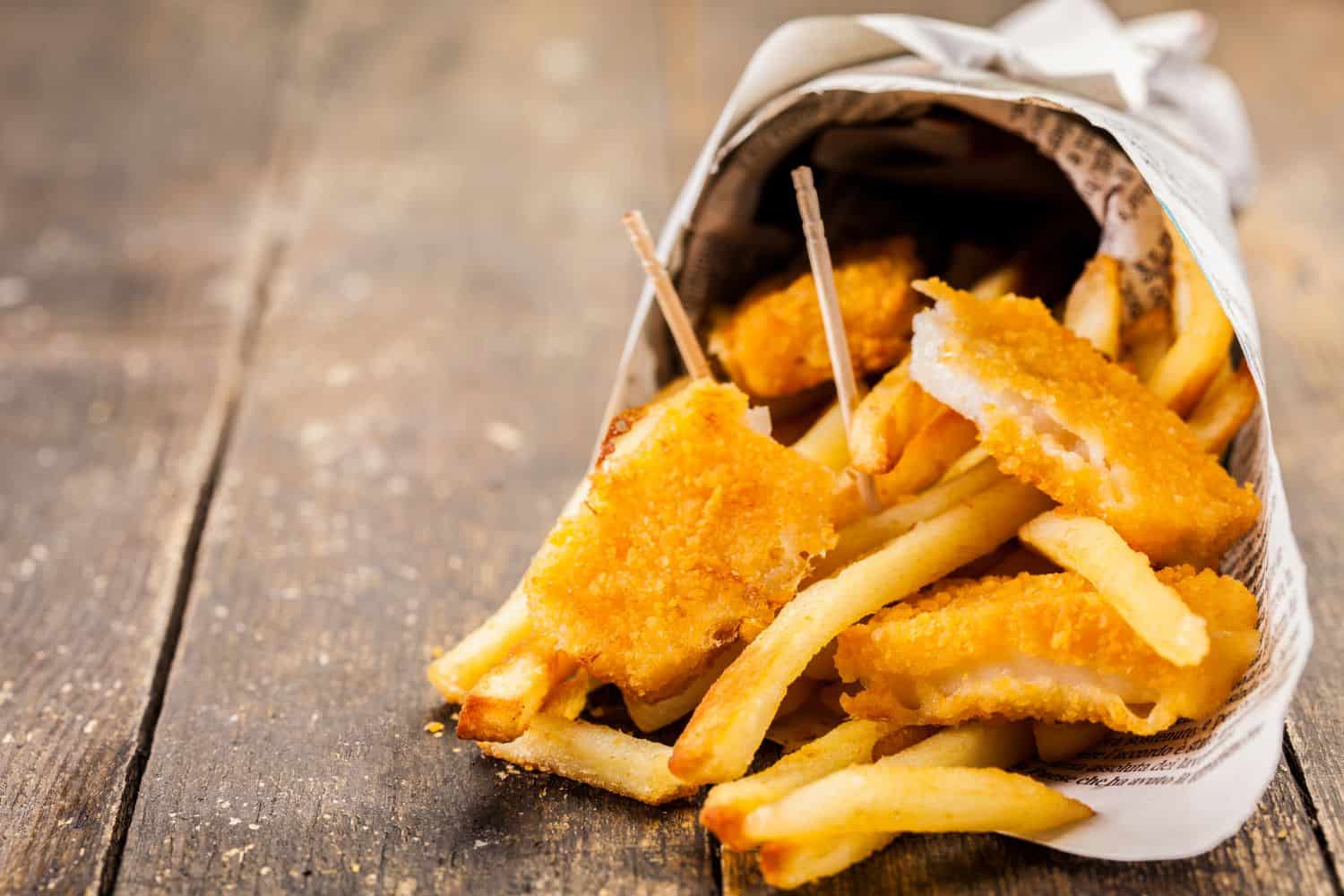
It’s hard to imagine fish and chips as a non-English dish. We mean, who calls the French fries “chips” other than them? But again, fish and chips are one of the popular food around the world that we didn’t read its history mindfully. Tracing back the roots of this delicious dish, you’ll know that it was a staple in Portuguese cuisine in the 15th century.
This dish was created out of despair, not as a great chef’s invention. People resorted to a simple and easy dish as an affordable meal during the depression. Surprisingly, the English soldiers liked the meal, brought it to their hometown, and it became a tradition. Who would have known that such a simple meal would become the national dish of most English-speaking communities?
8. Scotch Egg – India
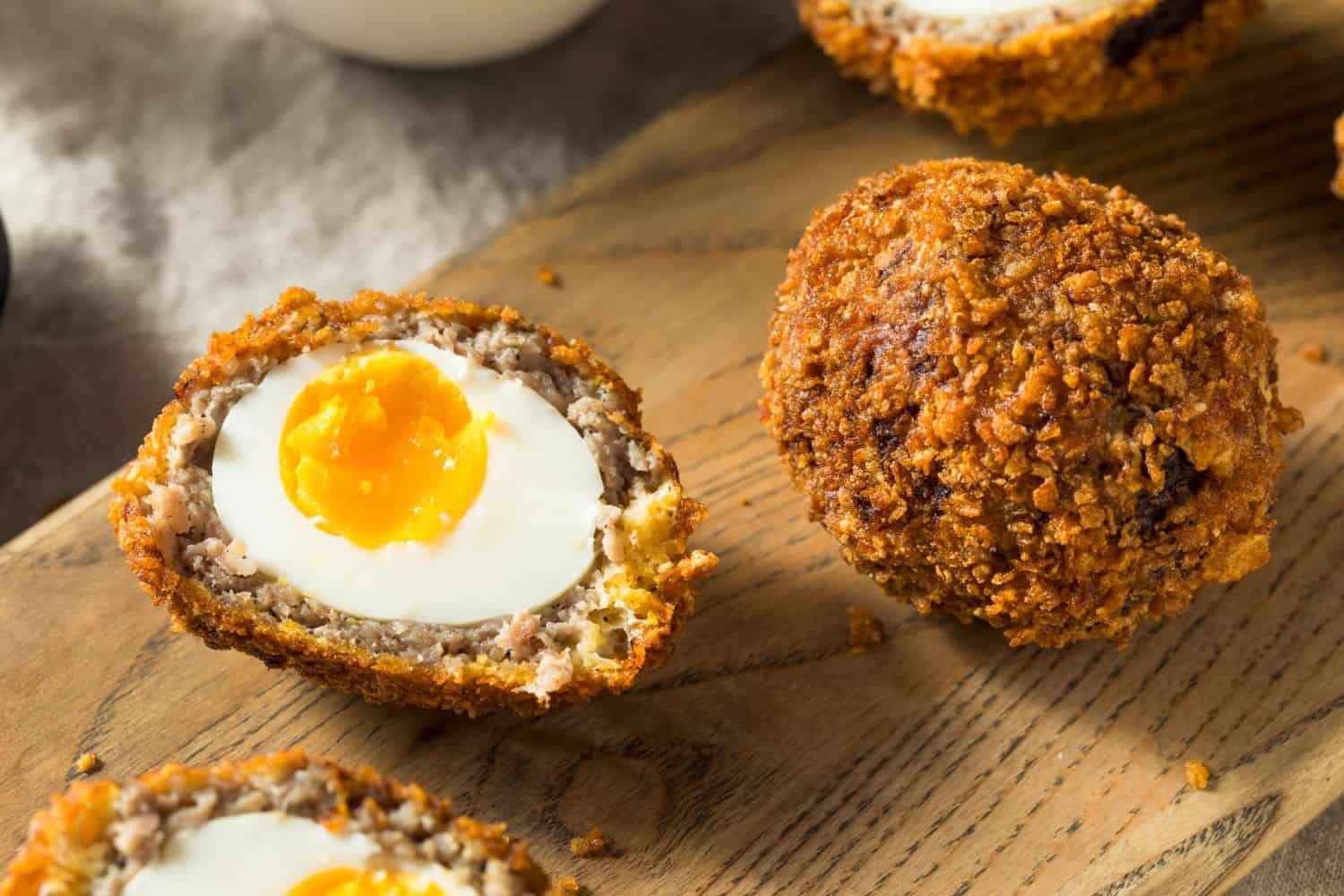
Scotch eggs have consistently earned the reputation of being English, which makes sense as they’re popular in England. Some even believe it’s originally from Scotland, confusing between Scotch and Scottish. Surprisingly, this dish first came to life in an utterly different continent and country that doesn’t even speak English—India.
Legends have it that India was the first to invent this dish, taking inspiration from their nargisi kofta. The latter is a dish of minced beef covering eggs seasoned with a generous splash of curry. One theory claims that English soldiers returned home with this recipe in the 19th century, making it one of the popular foods in Yorkshire.
9. Pasta – China
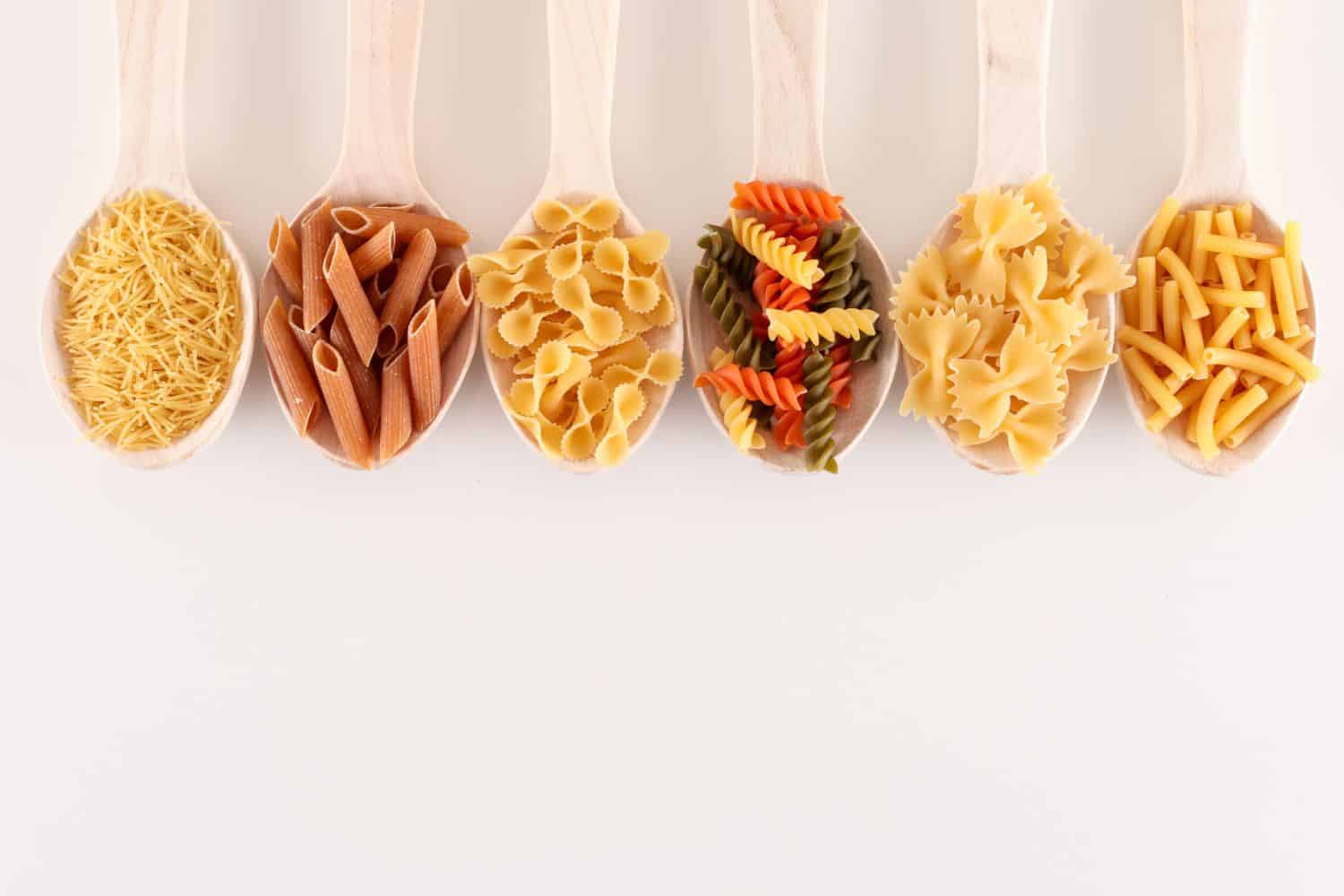
This one is quite hard just to let pass, but we cannot think of the pasta being anything other than Italian. However, there are different beliefs regarding that matter, yet the majority seems to agree about it being originally Chinese. Their theory is that noodles are an Asian staple from which pasta descended.
This same theory claims that Marco Polo brought pasta to Italy, yet no evidence supports the claim. While this theory is the most famous, another one suggests Arabs were the ones to introduce pasta to Italy in the 13th century, tracing its origin back to Ancient Egypt and Greece.
10. Chicken Tikka Masala – Scotland
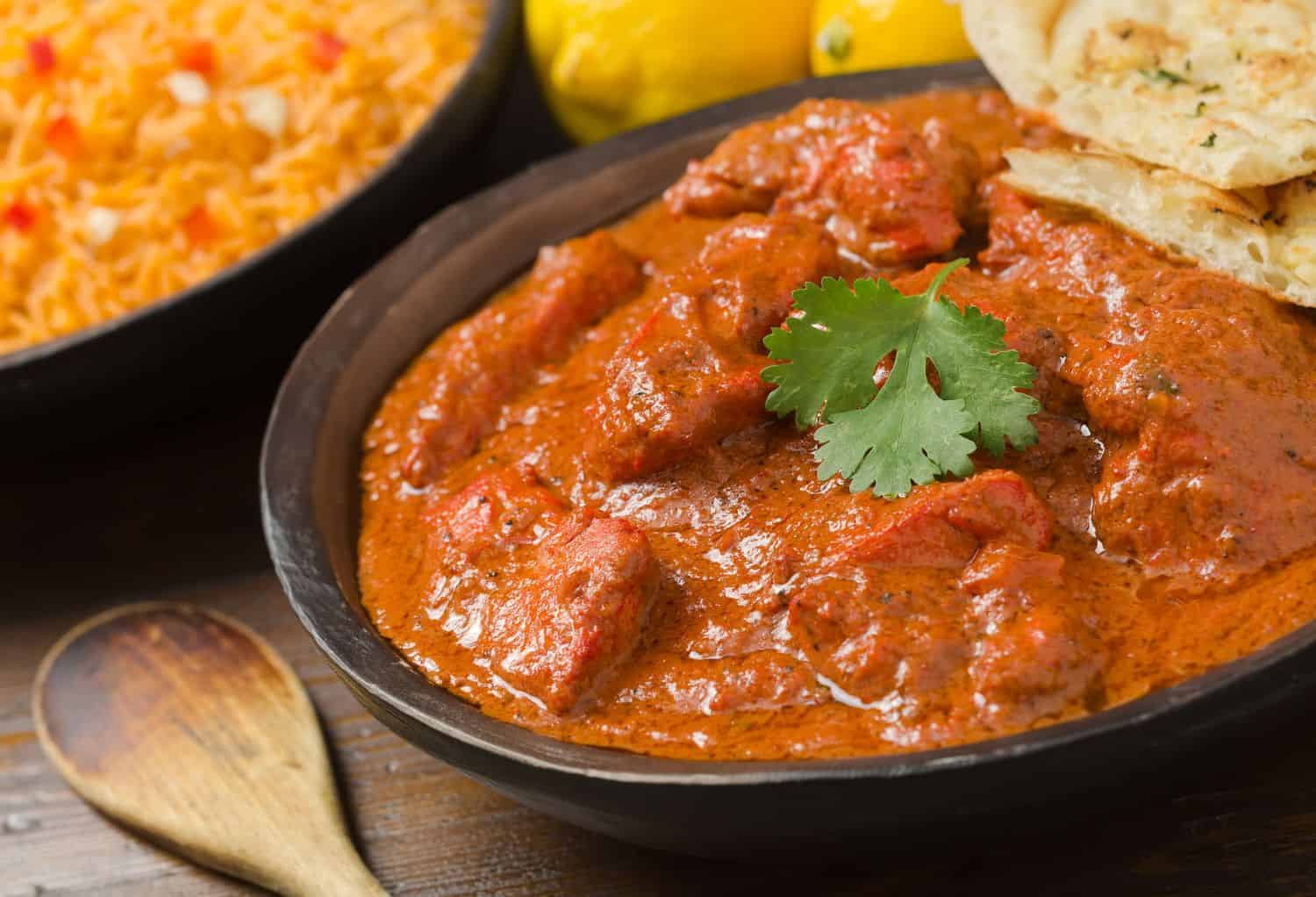
Chicken tikka masala has always been believed to belong to South Asia, relating it to India, Pakistan, Afghanistan, and Bangladesh. Even when you look at the dish’s name, it’ll make sense to you. Well, chicken tikka was first born in Scotland, a country you wouldn’t think has any ties with this plate.
Here’s the secret: this dish may have been born in Scotland, but the chef who invented it was from Bangladesh. The story goes as follows, a Bengali chef who lived in Glasgow in the ’70s created the creamy tomato sauce and added it to chicken tikka, attempting to please a customer. The dish gained colossal recognition, travelling across Europe and becoming the most popular food in the UK.
11. Ice Cream – Mongolia
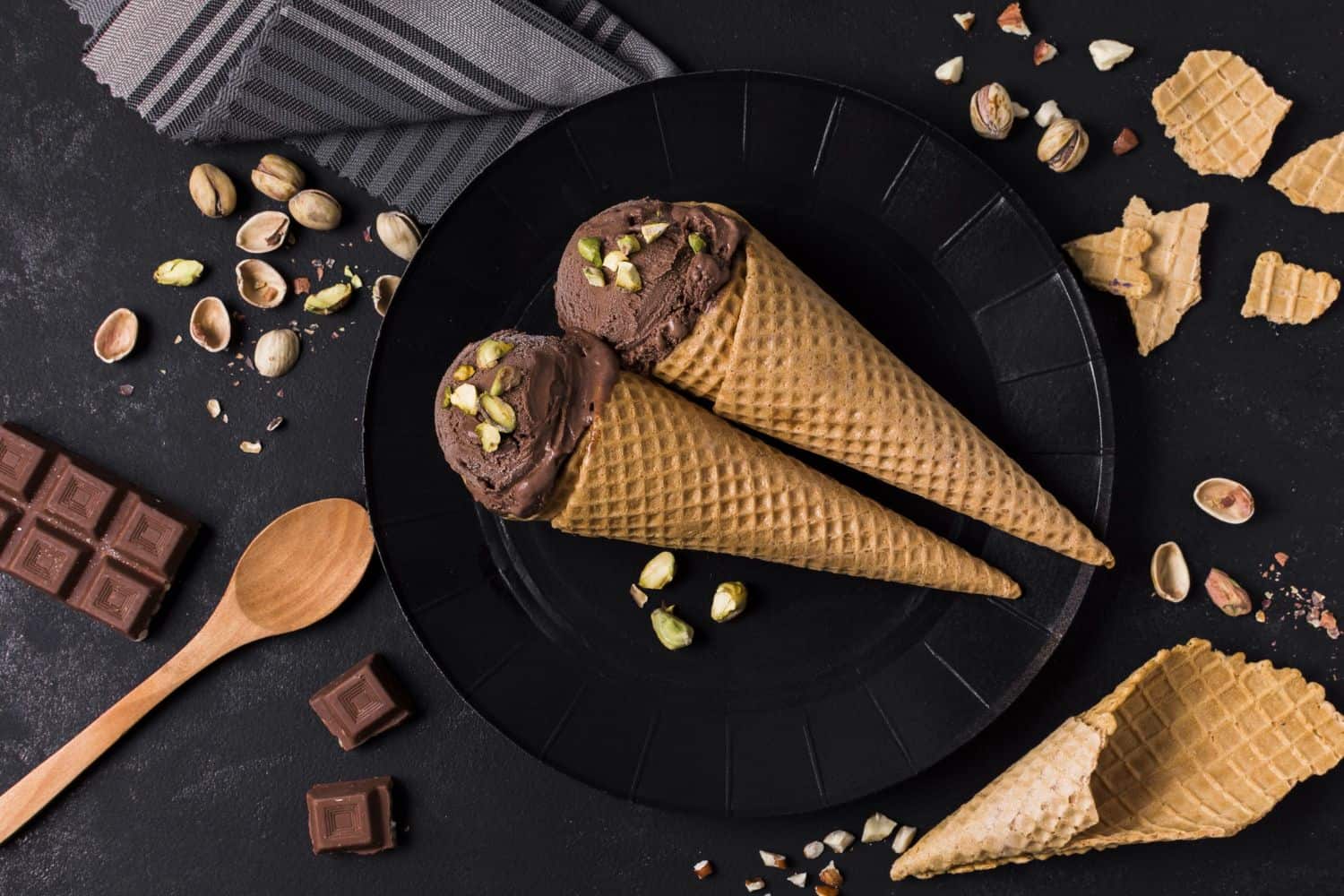
Italy is supposedly home to the deliciously refreshing gelato that gets one through summer days when the heat is scorching. They even have it for breakfast with a soft bun, calling it brioche con gelato, which is deemed one of the popular Italian street foods. We thought the same until a new fact emerged to shatter everything we ever believed in.
Ice cream is said to be originally Mongolian, yet another party claim that it’s Chinese. Since the two countries border one another, this doesn’t change the fact that ice cream is originally Asian. However, the old version of ice cream was a confection made of frozen milk. Yet, when this invention arrived in Italy, they were the ones to nurture it into the flavourful dessert we know today.
12. Croissants – Austria
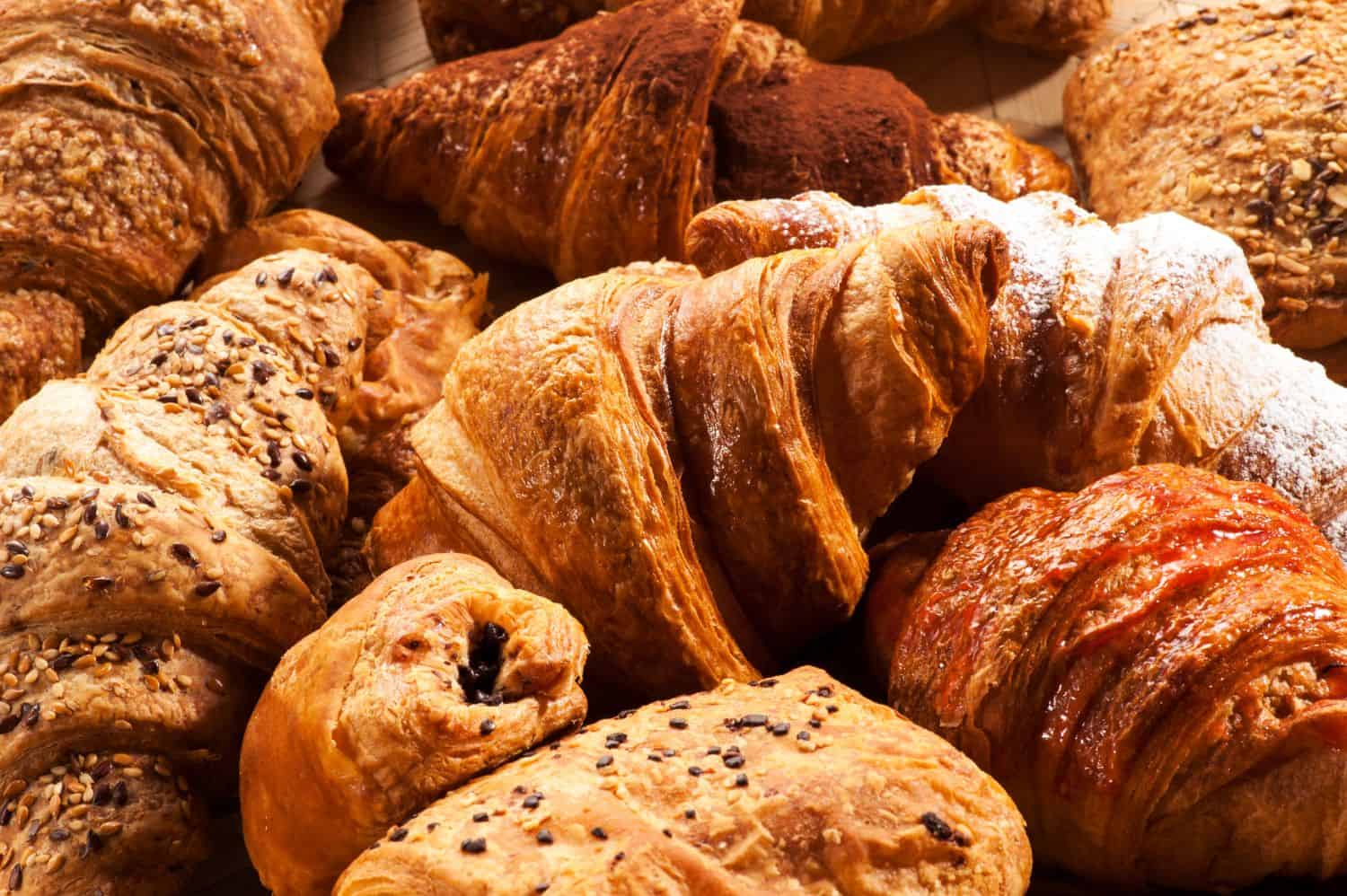
You can’t say croissants without trying to pronounce it with a French accent, even if it sounds terrible. Well, Austria should be the one taking credit for bringing those flaky pastries to the world, and that’s really a startling fact to know. Croissants became known as kipferl, a dough with a crescent shape and crispy texture.
Kipferl was originally a sweet delicacy that tasted vanilla and was enjoyed during Christmas. That was long before France barged in and added its own spin, making croissants an art that France takes pride in. Croissants became France’s innovation after they were made with puff pastry, becoming more buttery and turning into a savoury delicacy. It’s safe to say that the French croissant is the grandchild of an Austrian kipferl.
13. Hot Dogs – Germany
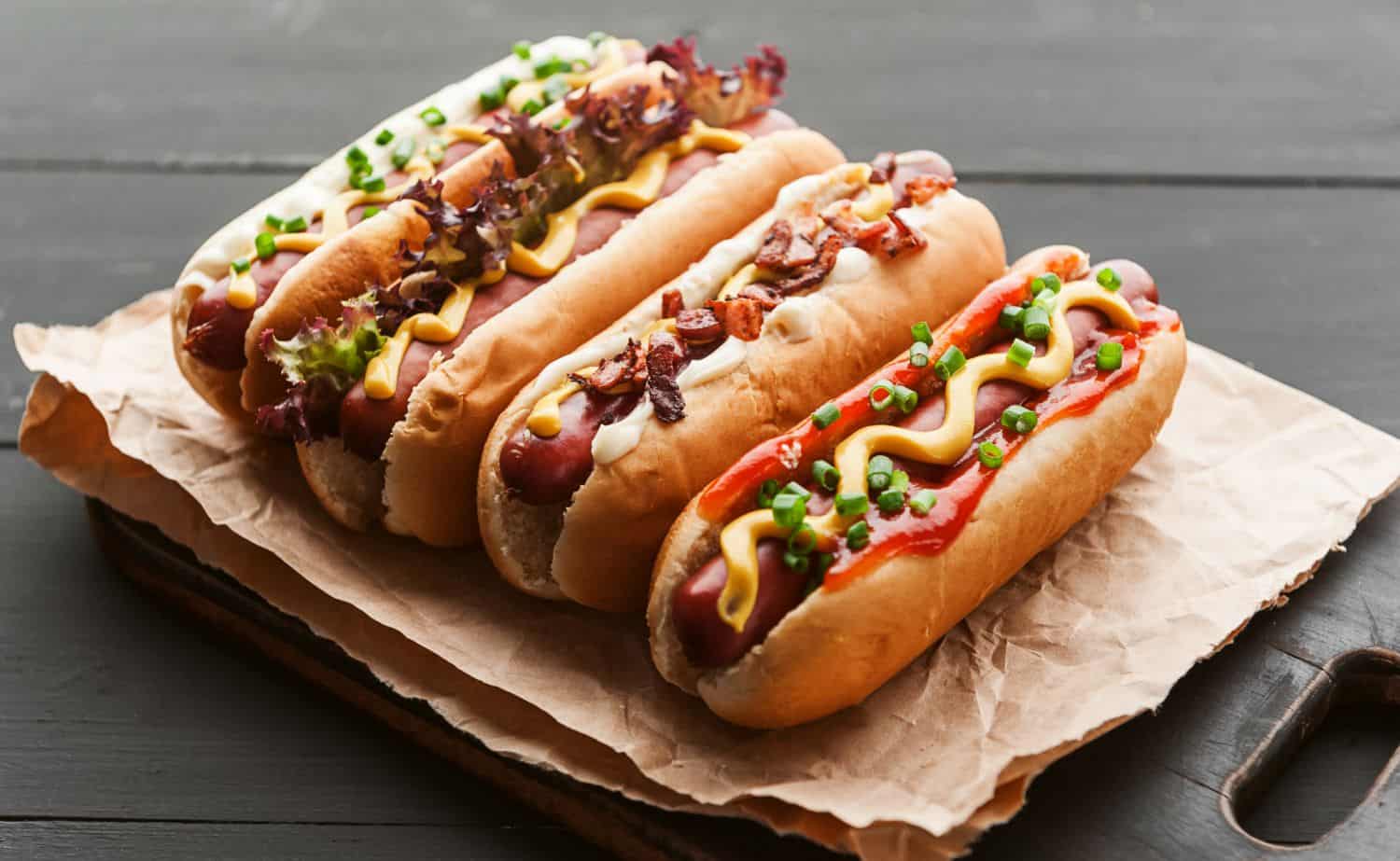
Hot dog sandwiches with a dash of zigzagged mustard, shredded mozzarella, and lots of ketchup are popular American street food, right? Wrong. Hot dogs are originally German, coming to life in Frankfurtcity, where people used to call it dachshund sausage. They go way back to the 15th century.
Hot dogs travelled all the way from Germany to the United States by immigrants back in the 17th century. It soon became widespread across different states, becoming a staple in New York City. Many street trucks started selling this delicious savour in slit-open buns, adding flavouring condiments and cheese, which captivated people’s attention in no time and became one of the most iconic sandwiches worldwide.
14. Churros – China
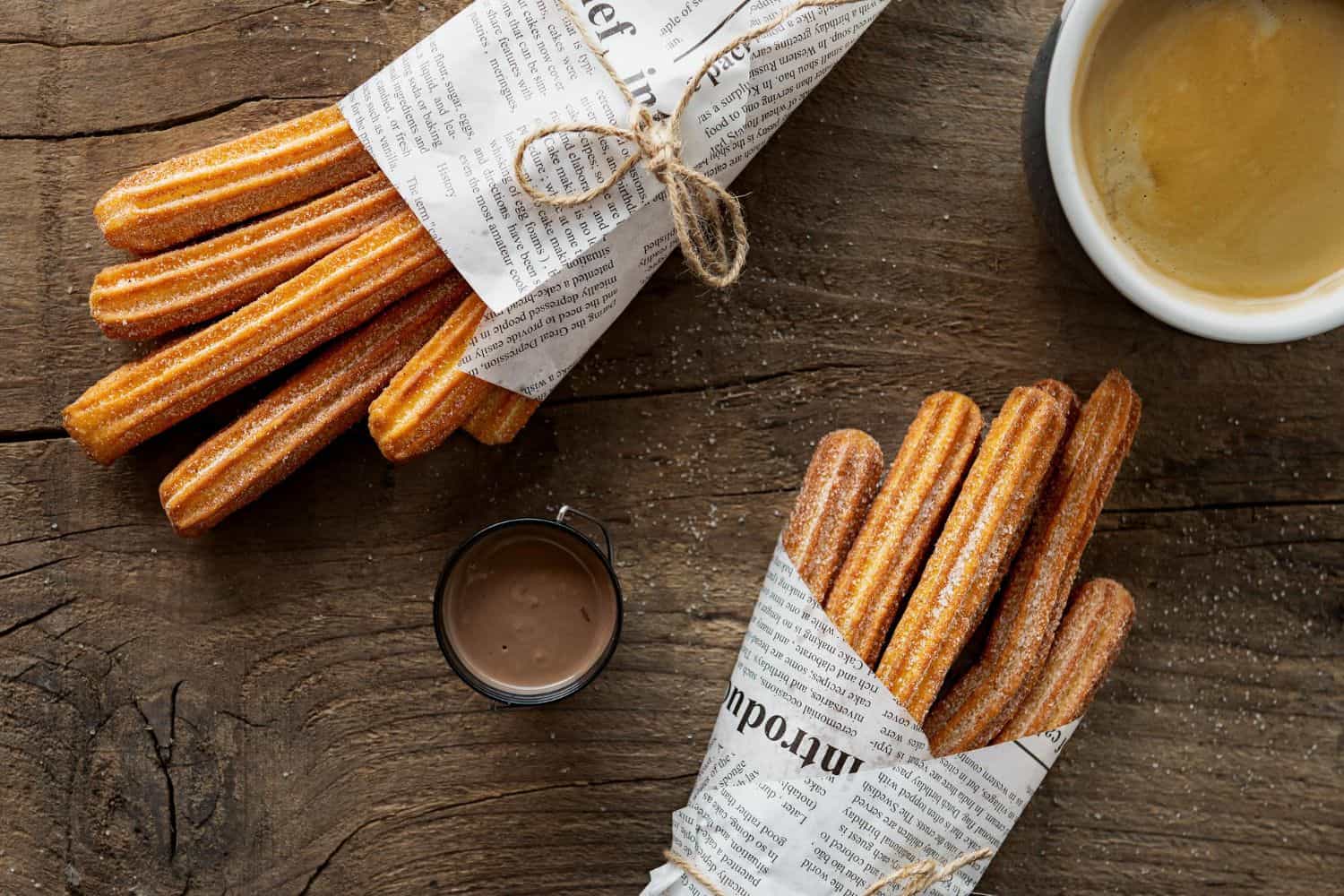
China seems to be full of surprises, being the original home to some of the world’s popular food, especially the ones we least expect. Churros is one of the popular foods that turned out to be Chinese when everyone thinks of it as Spanish. They were commonly known as Chinese fried dough or doughnut sticks but were salty.
Spanish chefs emerged, turning this delicacy into the churros we know today. It became a sweet dessert drenched in cinnamon and sugar and dipped in chocolate sauce. This dessert has become a popular food in Spain, travelling to Latin America and becoming a staple in Hispanic cuisine.
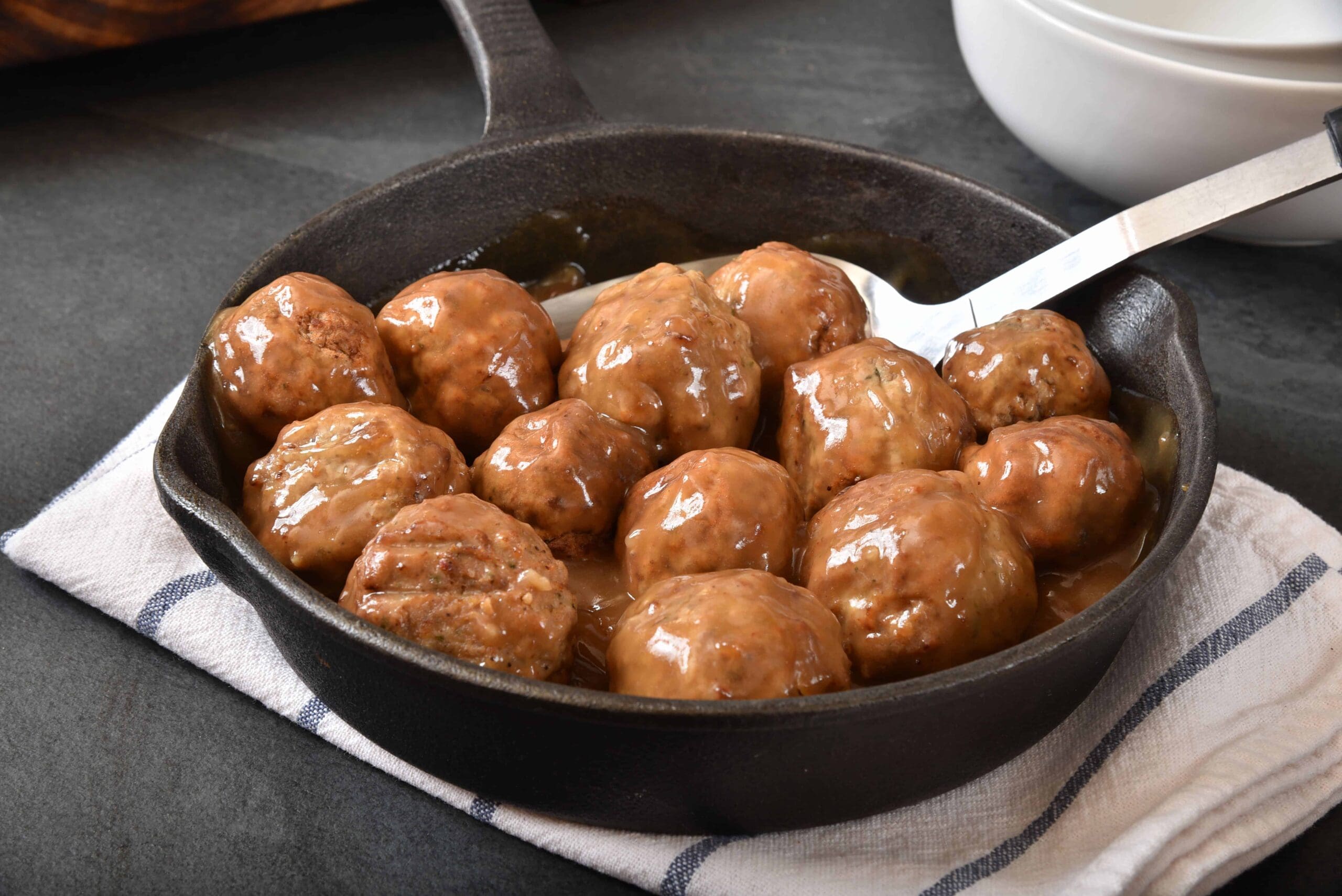
15. Swedish Meatballs – Turkey
Swedish meatballs have an unmistakable taste that puts them on a pedestal. They’re even the most popular food that IKEA, the renowned Swedish brand, serves within their premises. People leave IKEA with boxes of furniture items, great ideas for home revamping, and tummies full of Swedish meatballs.
That’s quite interesting until you learn that Swedish meatballs are Turkish. Ironic, isn’t it? This statement went viral in April 2018 on Twitter when Sweden’s official account stated that this delicacy arrived on their lands in the 18th century by King Charles XII. However, today’s Swedish meatballs are based on pork, which isn’t considered Halal meat in Turkey. Thus, we can safely say that the pork addition was purely a Swedish invention.
16. Fajitas – Texas
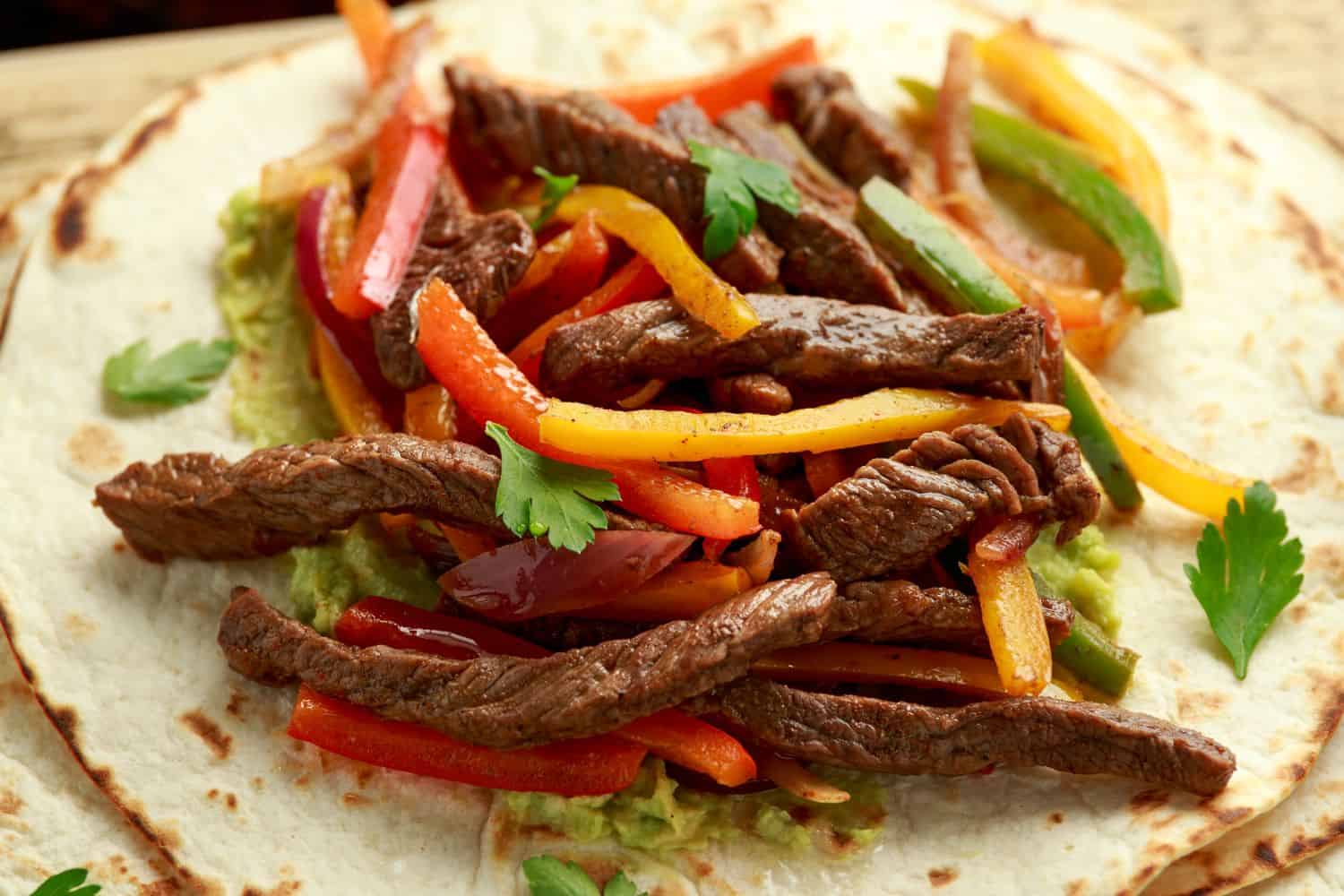
Interestingly, the United States seems to take credit for many popular food recipes around the world and leave the ones that are indeed theirs. We’re here referring to the fajitas, commonly known as popular food among Mexicans. Fajitas are originally American, coming to life in Rio Grande Valley in the late ’30s.
In the early ’40s, Mexican ranch workers and vaqueros, Spanish for cowboys, took this recipe home, where it became a daily staple. Years later, Texas and Mexico joined forces, creating their very own Tex-Mex cuisine, and that’s when the fajitas‘ origins started becoming blurry.
You may have been familiar with the origins of some of the popular foods on this list, but you can’t deny that some of them caught you by surprise. It’s nice to learn about the hometown of our favourite meals, yet this won’t stop us from enjoying them no matter how surprised we get.

 Salma Ihab
 Shaimaa Olwan