
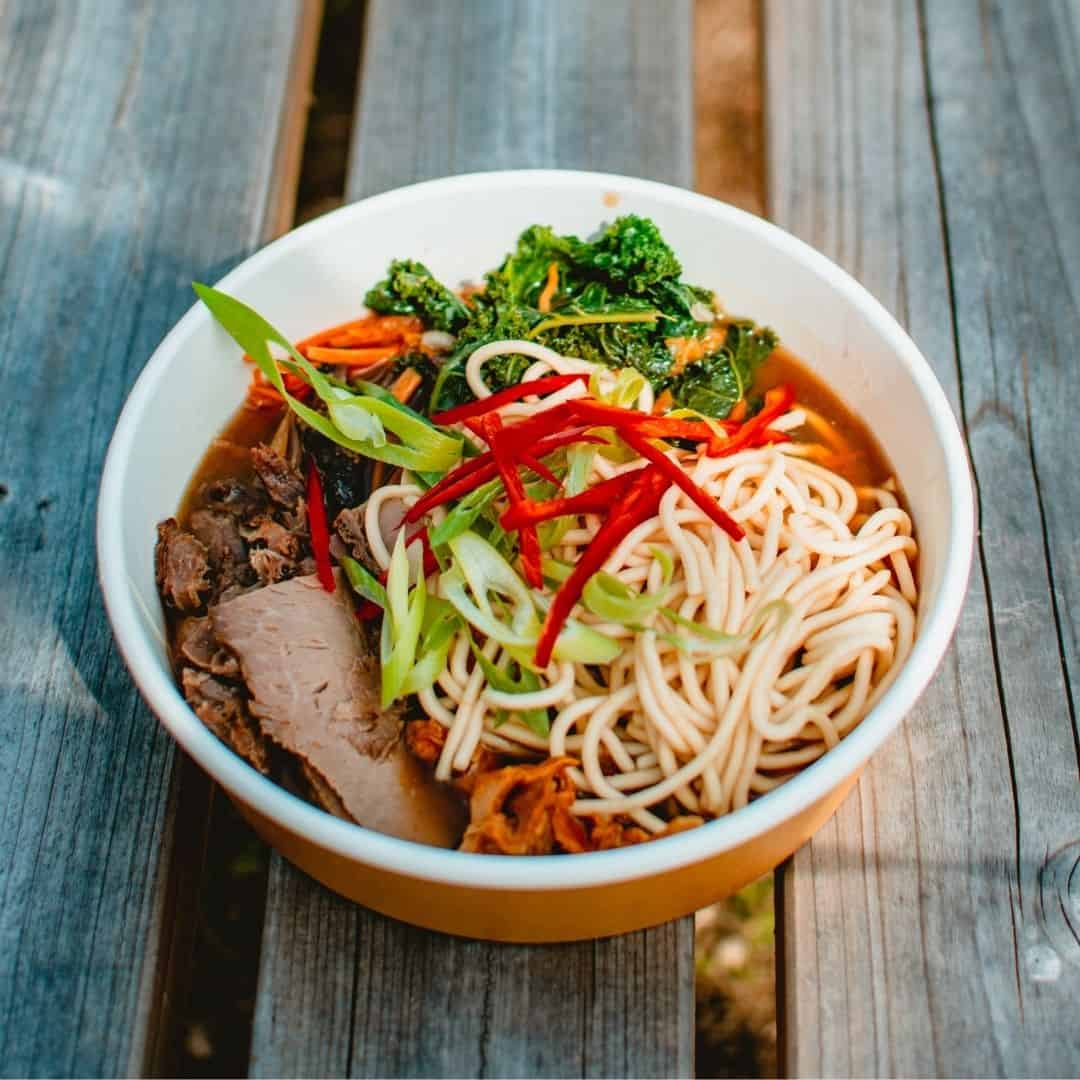
This easy beef ramen recipe transforms simple ingredients into a restaurant-quality bowl of comfort food that’s ready in just 30 minutes. Whether you’re craving authentic Japanese flavours or need a quick weeknight dinner, this homemade beef ramen delivers rich, satisfying taste with tender steak strips and perfectly cooked noodles.
Unlike complicated traditional beef ramen recipes that require hours of simmering, this simplified version uses clever shortcuts to create a deeply flavourful broth without compromising on taste. Perfect for busy families, students, or anyone wanting to enjoy delicious beef ramen noodles without the fuss.
From the aromatic ginger and garlic base to the perfectly seasoned beef stock, every element of this steak ramen recipe has been carefully balanced to create the ultimate comfort food experience. You’ll discover why this has become our most requested beef ramen bowl recipe.
Table of Contents
What Makes This Beef Ramen Special
This beef ramen recipe stands out because it achieves authentic Japanese flavours using accessible British ingredients. The secret lies in quickly building layers of flavour, starting with aromatic ginger and garlic and then developing a rich beef broth that rivals restaurant versions.
The key to perfect steak ramen is timing. By adding the thinly sliced beef at just the right moment, it cooks gently in the simmering broth, staying tender whilst infusing the soup with meaty richness. This technique ensures every spoonful delivers both satisfying protein and incredible flavour.
Understanding the cultural background of this dish helps appreciate why certain techniques and ingredients are essential for authentic results.
Origins of Beef Ramen
Whilst traditional ramen originated in China and was adapted in Japan, beef ramen (or “gyukotsu ramen”) represents a modern evolution of this beloved dish. Unlike pork-based tonkotsu ramen, beef versions offer a cleaner, more pronounced meaty flavour that appeals to Western palates.
Beef Ramen Ingredients
Success with this beef ramen noodles recipe depends on understanding how each ingredient contributes to the final dish. Rather than just following measurements, knowing the purpose of each component helps you create restaurant-quality beef ramen soup every time.
Each ingredient has been carefully selected not just for flavour, but for how it interacts with the others to create the perfect balance of taste, texture, and aroma that defines exceptional homemade beef ramen.
Essential Ingredients Breakdown
Understanding your ingredients is the key to mastering this easy beef ramen recipe. Each component plays a specific role in building the complex flavours that make homemade beef ramen so satisfying.
The Aromatic Foundation
Vegetable Oil: Forms the cooking base for our aromatics. Unlike olive oil, vegetable oil has a neutral flavour and high smoke point, allowing the ginger and garlic to develop without burning. This creates the foundation that will infuse your entire beef ramen broth.
Fresh Ginger: The soul of authentic beef ramen flavour. Fresh ginger provides warming heat and aromatic complexity that dried ginger cannot match. When grated, it releases essential oils that create the distinctive Asian flavour profile. Always use fresh ginger – the difference between good and exceptional ramen.
Garlic Cloves: They work in harmony with ginger to create the classic aromatic base found in traditional beef ramen recipes. Crushing releases more flavour compounds than slicing, ensuring maximum impact in your broth. Fresh garlic is essential—pre-minced versions lack the punch needed for authentic taste.
Spring Onions: They provide both an aromatic foundation and a fresh garnish. The white parts cook down to add subtle sweetness and depth to the broth, while the green tops remain crisp and provide colour contrast and mild onion flavour as garnish. This dual-purpose ingredient is why spring onions are preferred over regular onions in ramen.
The Broth Base
Beef Stock is the heart of any great beef ramen soup. Quality stock makes an enormous difference—it provides the meaty, rich foundation that defines beef ramen. Using stock cubes is perfectly acceptable for home cooking, but ensure they’re good quality. The stock should taste rich and beefy on its own.
Light Soy Sauce provides umami depth and saltiness without overwhelming the beef flavours. It is less intense than dark soy sauce, allowing the natural meat flavours to shine through. It adds essential amino acids that create the savoury satisfaction we crave in ramen.
Sugar: Balances the saltiness and adds subtle sweetness that rounds out the flavours. Even this small amount makes a significant difference, preventing the broth from being too salty or one-dimensional. The sugar helps create the complex flavour profile that makes you want another spoonful.
The Protein and Texture
Thin-Cut Beef Steaks: The star protein that transforms simple broth into satisfying beef ramen. Thin-cut steaks cook quickly and evenly in the simmering broth, staying tender whilst infusing the soup with rich, meaty flavours. The key is choosing tender cuts that won’t become tough with brief cooking.
Sugar Snap Peas: Add colour, crunch, and nutritional value to your steak ramen. They cook quickly, retaining their bright green colour and crisp texture, providing a fresh contrast to the rich broth and tender beef. Their natural sweetness complements the savoury elements perfectly.
Fine Egg Noodles: The vehicle that makes this a complete meal. Egg noodles have the right texture and flavour to absorb the broth whilst maintaining their structure. They’re substantial enough to be satisfying but delicate enough not to overpower the other ingredients.
Smart Substitutions
Spring Onions Alternative: White onions or leeks work perfectly when spring onions aren’t available. Use white onions for a milder flavour or leeks for a more subtle, sophisticated taste.
Beef Alternatives: Sirloin, rump, or even leftover roast beef can substitute for thin-cut steaks. The key is slicing against the grain for maximum tenderness, regardless of your chosen cut.
Vegetable Options: Sugar snap peas can be replaced with mange tout, broccoli florets, baby corn, or pak choi. Choose vegetables that cook quickly and retain their colour and texture.
Noodle Choices: Fresh ramen noodles are ideal, but dried egg noodles work excellently. Even instant ramen noodles (discarding the flavour packets) can work in a pinch, though the texture won’t be as good.
How to Make Beef Ramen from Scratch
Creating authentic beef ramen at home is simpler than you might think. This step-by-step guide ensures perfect results every time, from the aromatic base to the final garnish.
The technique follows traditional Japanese methods but adapts them for home kitchens, ensuring you can achieve restaurant-quality results without specialised equipment or hard-to-find ingredients.
Step 1: Build the Aromatic Foundation
Heat the vegetable oil in a large saucepan over medium heat. This forms the flavour base that will infuse your entire beef ramen broth. Add the grated ginger, crushed garlic, and the white parts of the spring onions.
Fry gently for 2 minutes until golden and fragrant. This step is crucial – the aromatics should sizzle gently without browning too quickly. The kitchen should fill with an irresistible ginger-garlic aroma that promises incredible flavour to come.
Step 2: Create the Beef Stock Base
Pour the prepared beef stock into the pan and gently simmer. Cover the pan to concentrate the flavours and simmer for 5 minutes. This allows the aromatics to infuse the stock completely, creating the foundation for your beef ramen soup.
The stock should be steaming hot but not boiling vigorously – gentle bubbling is perfect for developing deep flavours without making the broth cloudy.
Step 3: Season the Broth
Add the light soy sauce and sugar to the simmering broth. These ingredients balance the savoury beef flavours with subtle sweetness and umami depth. Stir well to ensure the sugar dissolves completely.
Taste the broth at this stage – it should be well-seasoned but not overpowering, as the beef will add additional richness when cooked.
Step 4: Prepare and Cook the Beef
Thinly slice the beef steaks into 1cm strips, cutting against the grain for maximum tenderness. This technique ensures the meat stays tender even with quick cooking.
Add the sliced beef to the gently simmering broth along with the sugar snap peas and noodles. The beef will cook quickly in the hot broth, so timing is essential.
Step 5: Final Cooking
Cook everything together for 5 minutes over medium-high heat. The beef should be cooked through but still tender, the vegetables bright and crisp, and the noodles perfectly al dente.
Stir occasionally to prevent sticking and ensure even cooking. The broth should be aromatic and rich, with the beef adding depth to the overall flavour.
Step 6: Serve Your Beef Ramen
Divide the beef ramen between 4 large bowls, ensuring each portion has an equal share of beef, vegetables, and noodles. Scatter the green parts of the spring onions over each bowl for a fresh, colourful finish.
Serve immediately whilst piping hot, with chopsticks and Asian soup spoons for the authentic experience.
Tips for the Best Ramen Broth
Creating exceptional beef ramen broth requires understanding both the ingredients and the techniques that combine them. These professional tips will help you achieve restaurant-quality results when making this easy beef ramen recipe.
Mastering these fundamentals will transform your homemade beef ramen from good to extraordinary, ensuring consistently delicious results that rival any restaurant.
What Beef to Use for Ramen?
The best beef for ramen is tender, quick-cooking cuts that won’t become tough with brief cooking. Sirloin, rump, or pre-cut stir-fry beef works excellently. Avoid slow-cooking cuts like braising steak, which need long cooking times to become tender.
For premium results, use ribeye or fillet steak, though these aren’t necessary for delicious results. The key is slicing thinly against the grain, which breaks down tough muscle fibres.
Enhancing Your Beef Ramen Broth
Depth of Flavour: For complexity, add a splash of mirin (Japanese rice wine) or dry sherry. A teaspoon of sesame oil stirred in at the end adds authentic nutty notes.
Spice Level: For spicy beef ramen, add a teaspoon of chilli garlic sauce or sriracha to the broth. Adjust to taste—you can always add more heat, but can’t remove it.
Richness: A tablespoon of miso paste (white or red) dissolved into the broth creates incredible umami depth. For best results, add it with the soy sauce.
Common Mistakes to Avoid
Overcooking the Beef: Thin beef strips cook very quickly. Add them in the final 5 minutes to prevent tough, chewy meat.
Boiling Too Vigorously: Aggressive boiling creates cloudy broth and can make noodles mushy. Gentle simmering is key.
Under-seasoning: Taste and adjust seasoning throughout cooking. The broth should be well-seasoned before adding the beef and noodles.
Beef Ramen Variations
One of the greatest joys of mastering this basic beef ramen recipe is discovering how easily it adapts to different flavour profiles and dietary preferences. These variations keep your meals interesting whilst building on the fundamental techniques you’ve learned.
Each variation maintains the core principles of great ramen making whilst introducing new flavours and ingredients that transform the dish into something entirely different yet equally satisfying.
Spicy Beef Ramen
Transform your basic recipe into fiery spicy beef ramen by adding:
Proper serving and storage techniques ensure your beef ramen experience is as enjoyable as possible, whether you’re serving it fresh or planning to enjoy leftovers later. These practical tips help you get the most from your homemade beef ramen.
Understanding the best practices for presentation and preservation ensures every bowl of your beef ramen noodles recipe tastes as good as the first.
Perfect Presentation
Serve this beef ramen recipe in deep bowls to contain the generous portions of broth. Traditional ramen bowls are ideal, but large soup bowls work perfectly.
Provide chopsticks and soup spoons for the authentic experience. Arrange the beef, vegetables, and noodles attractively in each bowl before ladling over the aromatic broth.
Storage and Reheating
Refrigeration: Store leftovers in the refrigerator for up to 2 days. Keep the broth and solids together in airtight containers.
Reheating: Reheat gently on the stovetop over low heat, stirring occasionally. Add a splash of water if the broth has thickened. Don’t microwave, as this can make the beef tough.
Freezing: The broth freezes well for up to 3 months, but cooked noodles don’t freeze successfully. Freeze the broth separately and cook fresh noodles when reheating.
Meal Prep Tips
This beef ramen noodles recipe is perfect for meal prep:
Make a double batch of broth and freeze portions
Keep raw sliced beef in the freezer, ready to add to hot broth
Pre-cut vegetables and store them in the refrigerator
Cook noodles fresh each time for the best texture
Frequently Asked Questions
How long does it take to make beef ramen?
This easy beef ramen recipe takes approximately 30 minutes from start to finish – 10 minutes preparation and 20 minutes cooking. It’s designed to be a quick weeknight dinner solution.
Can I make beef ramen broth ahead of time?
Yes! The broth can be made up to 2 days ahead and stored in the refrigerator. Reheat gently and add fresh beef, vegetables, and noodles when ready to serve.
What’s the best cut of beef for ramen?
Tender, quick-cooking cuts work best. Sirloin, rump, or pre-cut stir-fry beef are ideal. The key is slicing thinly against the grain for maximum tenderness.
How do I store leftover beef ramen?
Store in the refrigerator for up to 2 days in airtight containers. Reheat gently on the stovetop, adding a splash of water if needed. The flavours often improve after resting.
Can I make this beef ramen soup vegetarian?
For a vegetarian version, replace the beef stock with vegetable stock and omit the beef. Add extra vegetables like mushrooms, bamboo shoots, or tofu for protein.
This easy beef ramen recipe proves that restaurant-quality flavours are achievable at home in just 30 minutes. The combination of aromatic ginger and garlic, rich beef broth, and perfectly cooked steak creates a satisfying meal that rivals any takeaway.
The beauty of this homemade beef ramen lies in its adaptability—you can add your favourite vegetables, adjust the spice level, or incorporate leftovers to create new variations. It’s a recipe that grows with you, becoming more intuitive and personalised with each preparation.
Whether you’re cooking for family, impressing guests, or simply treating yourself to a comforting meal, this beef ramen noodles recipe delivers consistent, delicious results every time. The rich, warming broth and tender beef make it perfect for any season, whilst the quick cooking time ensures it fits into even the busiest schedules.
Remember to taste and adjust seasoning throughout cooking, and don’t be afraid to make this recipe your own. Great cooking is about understanding techniques and then adapting them to your preferences and available ingredients.
Save this recipe and share it with fellow ramen lovers. We’d love to hear about your variations and adaptations in the comments below!