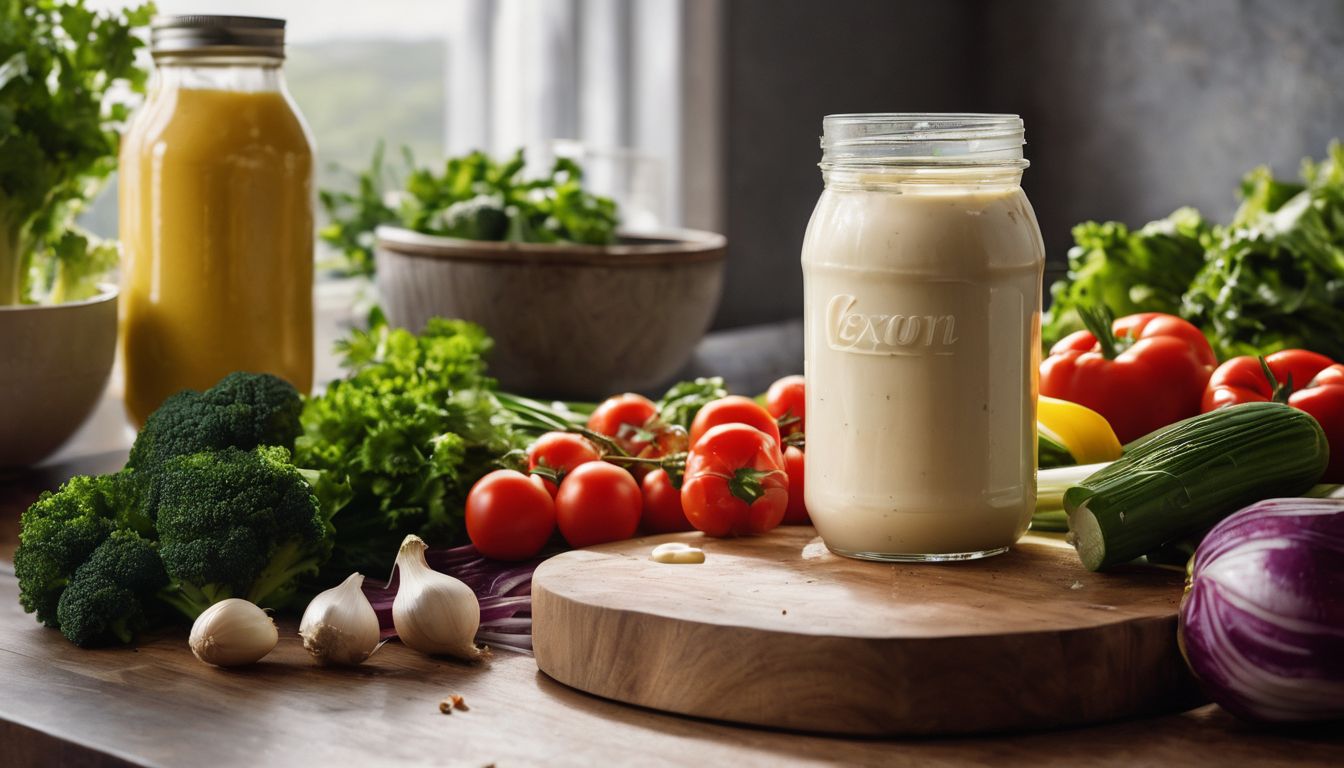
Foods to Help Boost Your Mental Health

20 Science-Backed Foods to Help Boost Your Mental Health

Author Avatar

Updated on April 1, 2026

Reviewed by Salma Ihab

We’ve all experienced the immediate lift from a piece of chocolate or the sluggish feeling after a heavy meal. But the connection between what we eat and how we feel runs far deeper than these momentary sensations. Mental health is an integral part of our overall well-being, affecting how we think, feel, and behave. Almost every person experiences at least one mental health challenge during their lifetime, making it vital to understand how our daily food choices can support our emotional resilience. That’s why learning about foods to help boost your mental health has become increasingly important in nutritional psychiatry.

Whilst medication and therapy remain essential tools for managing mental health conditions, emerging research in nutritional psychiatry reveals that our diet plays a more significant role than previously understood. What we eat can affect our mood, energy levels, and overall cognitive function. Certain foods contain specific compounds that can help us manage anxiety and depression symptoms.

The 20 foods and ingredients featured here have all been linked through scientific studies to improvements in mental health and mood stability. If you’re looking for foods to help boost your mental health, these aren’t exotic superfoods requiring specialist suppliers; they’re accessible ingredients you can find in markets worldwide, each with its own culinary heritage and traditional preparation methods that enhance their mood-boosting properties.

The Science Behind Food and Mood

Understanding why certain foods affect our mental state helps us make better choices in the kitchen. The connection between nutrition and mental health operates through multiple biological pathways, each supported by traditional food cultures worldwide.

The Gut-Brain Connection

Your gut and brain are in constant communication through what scientists call the gut-brain axis. Approximately 95% of your serotonin, the neurotransmitter that regulates sleep, appetite, and mood, is actually produced in your gastrointestinal tract, not your brain. This production depends on billions of beneficial bacteria in your microbiome.

When testing recipes with fermented ingredients like kimchi or traditional yoghurt, we’ve observed how these live-culture foods support this bacterial ecosystem. The health of your gut directly influences your mental well-being, which is why traditional food cultures that emphasise fermentation have intuitively supported mental health for centuries.

How Nutrients Support Brain Function

Your brain requires specific nutrients to produce neurotransmitters, protect cells from damage, and maintain optimal function. Omega-3 fatty acids form the structural components of brain cells. B vitamins help convert food into energy that your brain can use. Magnesium regulates neurotransmitters. Antioxidants protect delicate neural tissue from oxidative stress. Amino acids like tryptophan serve as building blocks for mood-regulating chemicals.

When preparing dishes with these ingredients, cooking methods matter. Gentle steaming preserves water-soluble B vitamins in greens. Low-temperature cooking protects omega-3s from degradation. Understanding these culinary techniques ensures you’re getting maximum nutritional benefit from your meals.

20 Scientifically-Backed Foods to Boost Your Mental Health

Each of these ingredients offers unique compounds that support mental wellness, backed by both scientific research and centuries of traditional use across global cuisines.

1. Fatty Fish

Foods to Help Boost Your Mental Health

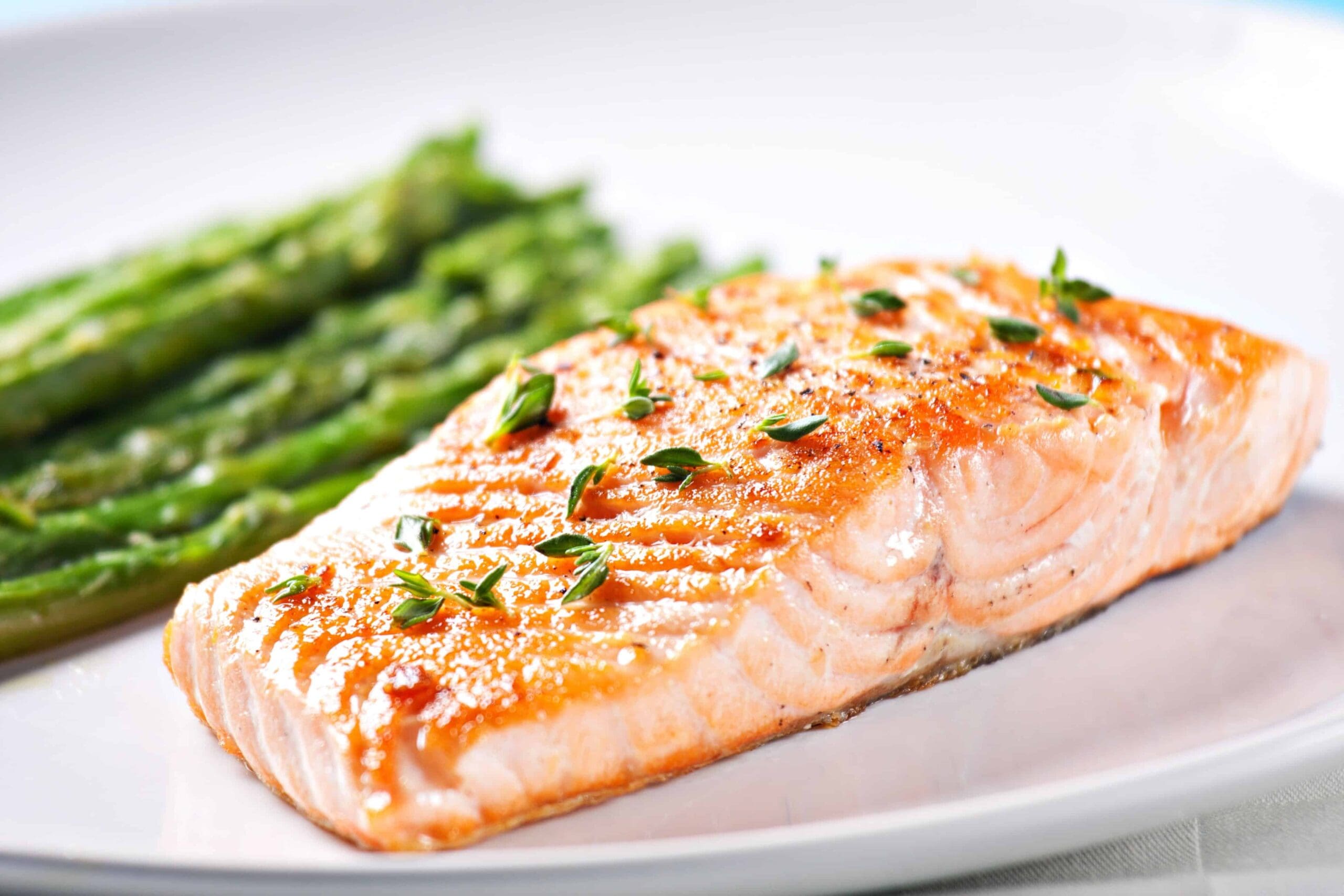
When searching for foods to help boost your mental health, fatty fish such as albacore tuna, salmon, mackerel, and sardines should be at the top of your list. These fish are exceptional sources of omega-3 fatty acids, specifically EPA and DHA, which have been linked to numerous mental health benefits. Research shows that omega-3 fatty acids can reduce inflammation, improve brain function, and help protect against conditions like depression and Alzheimer’s disease.

Culinary Wisdom from Coastal Traditions

In Nordic countries, where long, dark winters historically challenged mental health, fatty fish consumption has been a dietary staple for centuries. The traditional Norwegian practice of eating herring and mackerel throughout winter wasn’t just about preservation; it was nutritional wisdom passed through generations.

When cooking fatty fish, avoid high-heat methods that degrade omega-3s. Gentle poaching, steaming, or baking at temperatures below 180°C (350°F) preserves these delicate fats. After testing various techniques, we’ve found that a simple mackerel preparation lightly seasoned with sea salt and lemon, baked at 160°C (320°F) for 12-15 minutes, delivers both flavour and maximum nutritional benefit.

Look for MSC-certified sustainable options. Tinned sardines and mackerel in spring water offer excellent omega-3 content at budget-friendly prices, making brain-healthy eating accessible to everyone.

2. Dark Chocolate

Foods to Help Boost Your Mental Health

When it comes to foods that help boost your mental health, dark chocolate (with 70% cocoa or higher) consistently ranks highly. Dark chocolate contains flavonoid plant compounds known to improve cognitive function and protect against age-related cognitive decline. It also provides caffeine for alertness and theobromine, a compound that reduces stress and anxiety.

The Aztecs and Mayans of Central America consumed cacao as a ceremonial drink, believing it provided wisdom and vitality. Modern science confirms what these ancient cultures understood intuitively: cacao compounds genuinely affect brain chemistry.

When preparing recipes with dark chocolate, we always specify the cacao percentage. Dark chocolate with 70-85% cacao provides optimal flavonoid content whilst maintaining palatability. Avoid “Dutch-processed” chocolate, as this alkalization reduces beneficial flavonoids by up to 60%. A 30g portion (about 3-4 squares) provides mood benefits without excessive sugar or calories.

3. Walnuts

Foods to Help Boost Your Mental Health

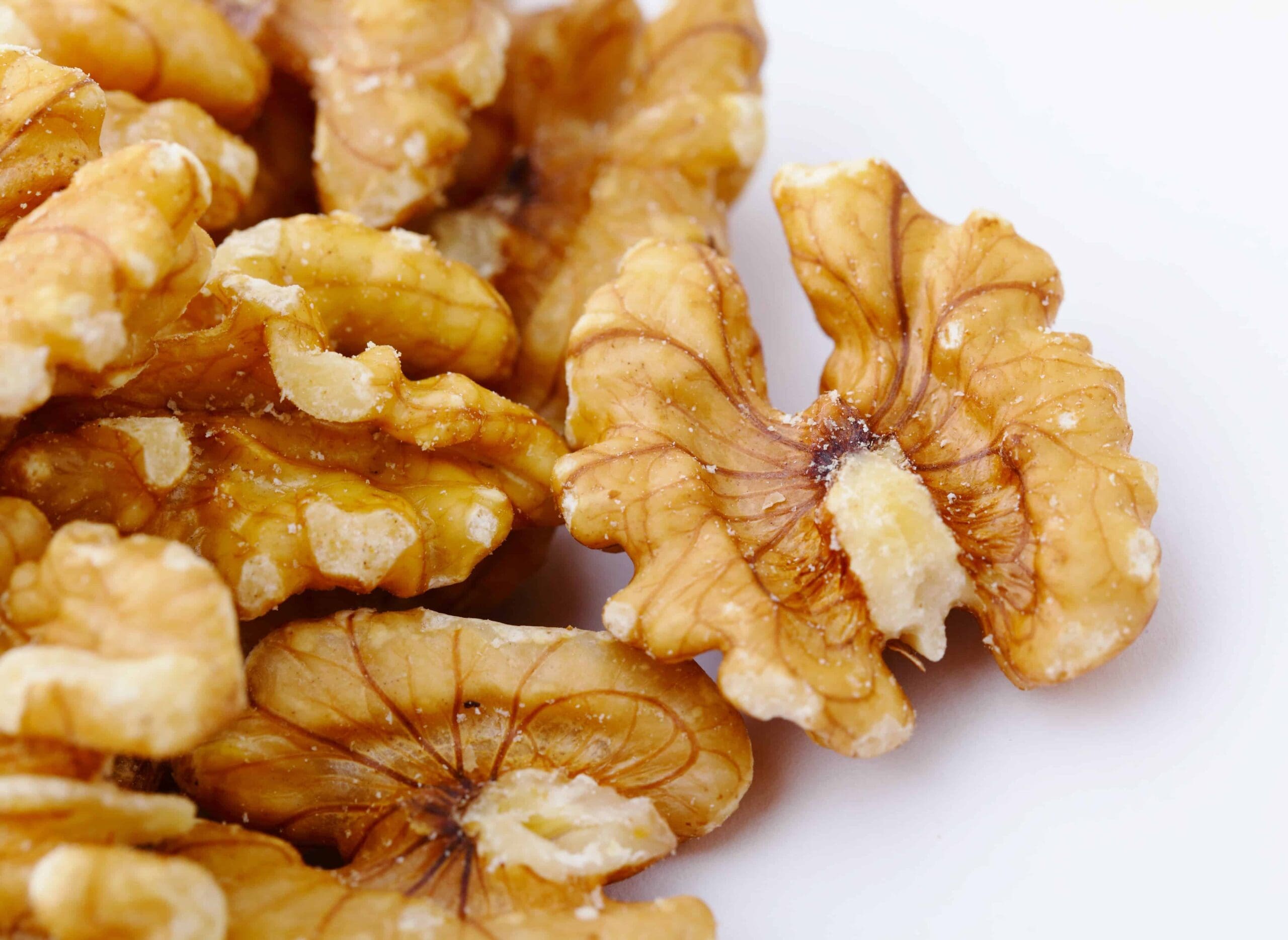
Walnuts are a frequently overlooked superfood offering myriad benefits for mental health. Packed with nutrients like vitamin E, omega-3 fatty acids (specifically alpha-linolenic acid), and magnesium, walnuts are among nature’s most effective foods for boosting mood and safeguarding mental health.

Studies have shown that walnuts can help improve cognitive function, relieve stress, and even combat depression. Research published in nutritional journals demonstrates that regular walnut consumption correlates with improved mood scores and reduced depression symptoms.

In Persian cuisine, walnuts form the base of fesenjan, a rich stew traditionally served during celebrations. This isn’t a coincidence; cultures worldwide have intuitively incorporated these nutrient-dense nuts into comfort foods. Store walnuts in an airtight container in the fridge for up to three months, or freeze for longer storage. Lightly toasting walnuts (5-7 minutes at 160°C/320°F) develops their flavour without damaging their beneficial fats.

4. Almonds

Foods to Help Boost Your Mental Health

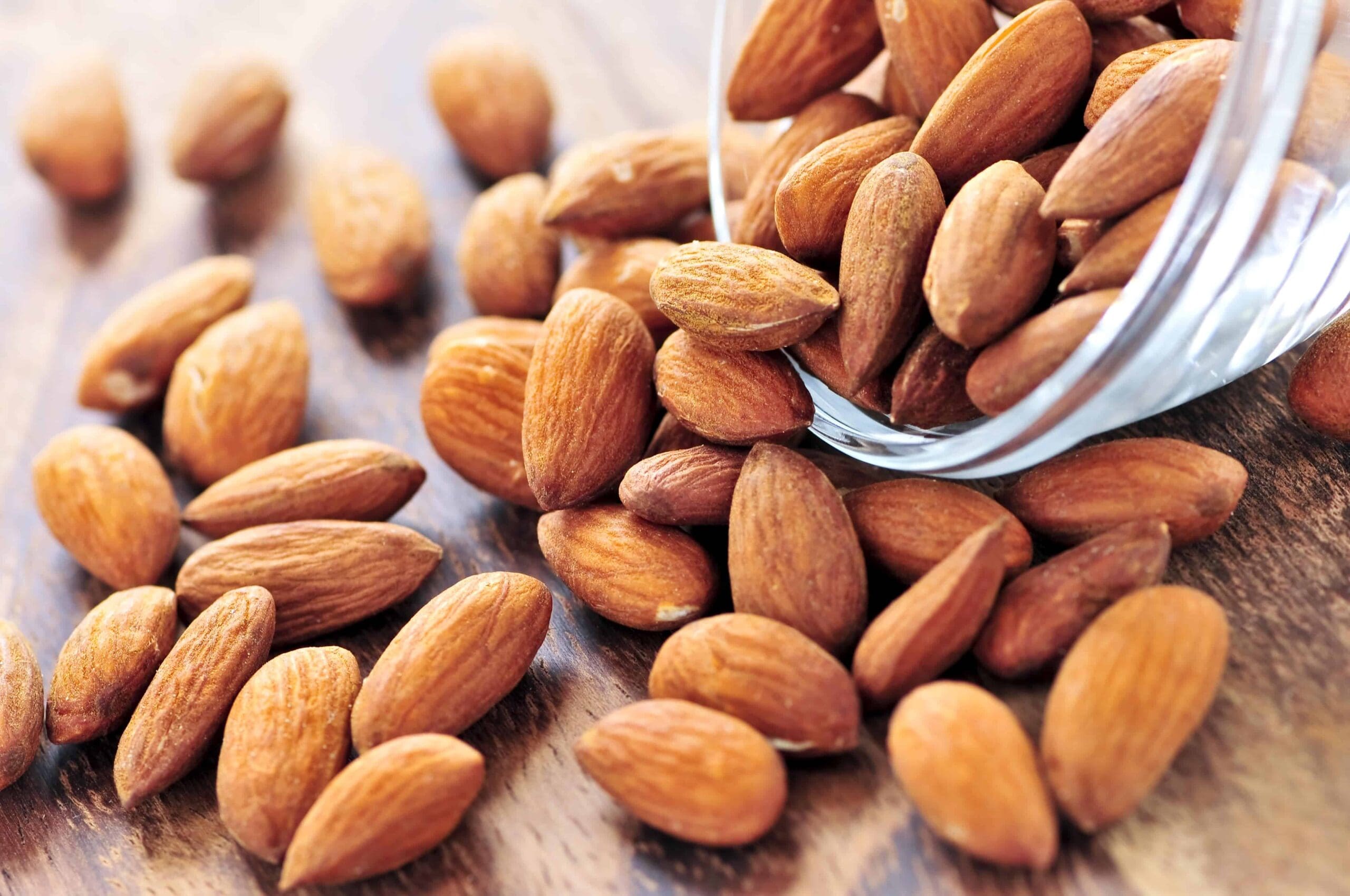
Almonds aren’t just for topping desserts; they’re powerful mood-regulators. These nuts are packed with nutrients that improve mood and cognitive function. Almonds provide vitamin E, an antioxidant that protects brain cells from damage, and phenylalanine, a compound proven to help the brain produce dopamine, a neurotransmitter essential for motivation and pleasure. They also contain magnesium, a mineral shown to reduce stress and anxiety levels, plus healthy fats essential for optimal brain function.

In Ayurvedic medicine, almonds soaked overnight and consumed first thing in the morning are believed to enhance memory and concentration. Soaking activates enzymes and increases nutrient bioavailability. A small handful (about 23 almonds or 28g) provides these benefits without excessive calories. We’ve found that incorporating them into morning porridge or mid-afternoon snacks helps maintain steady energy and mood throughout the day.

5. Avocados

Foods to Help Boost Your Mental Health

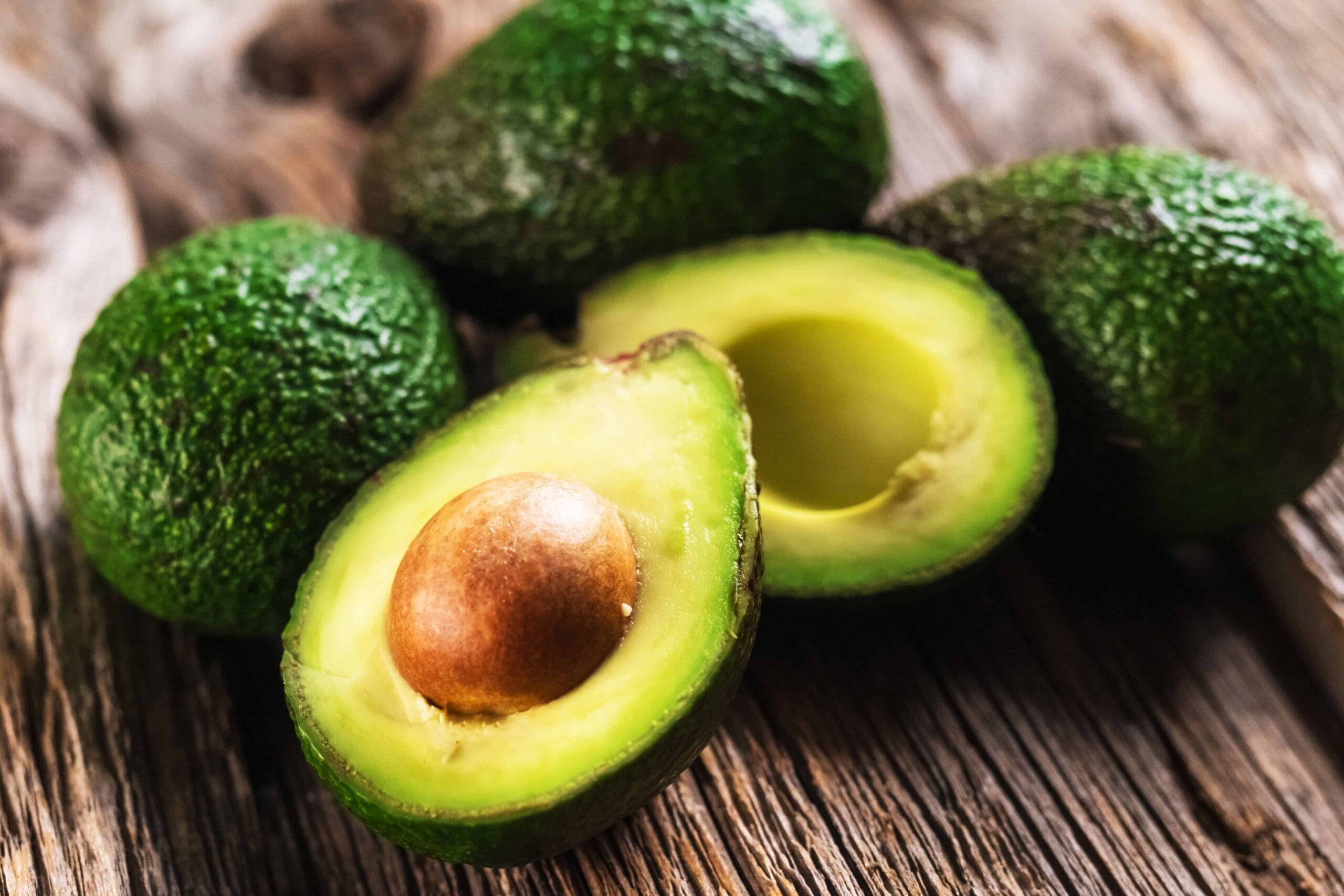
Avocados are rich in healthy monounsaturated fats and nutrients, making them an excellent choice for boosting mental health. Avocados provide vitamin B6, essential for serotonin production, a neurotransmitter that plays a crucial role in mood regulation. They’re also high in folate, a nutrient shown to reduce depression risk, whilst their healthy fats support optimal brain function.

In Mexican cuisine, fresh guacamole isn’t merely a dip; it’s a nutrient-dense dish traditionally prepared with a molcajete (lava stone mortar), which releases oils and creates the perfect texture. The addition of lime juice not only provides flavour but also slows oxidation, preserving the avocado’s delicate nutrients. After extensive testing, we’ve learned that perfectly ripe avocados yield slightly to gentle pressure. Beyond toast, try blending avocado into smoothies for creaminess, mashing it into egg salads, or using it as a butter substitute in baking.

6. Spinach

Foods to Help Boost Your Mental Health

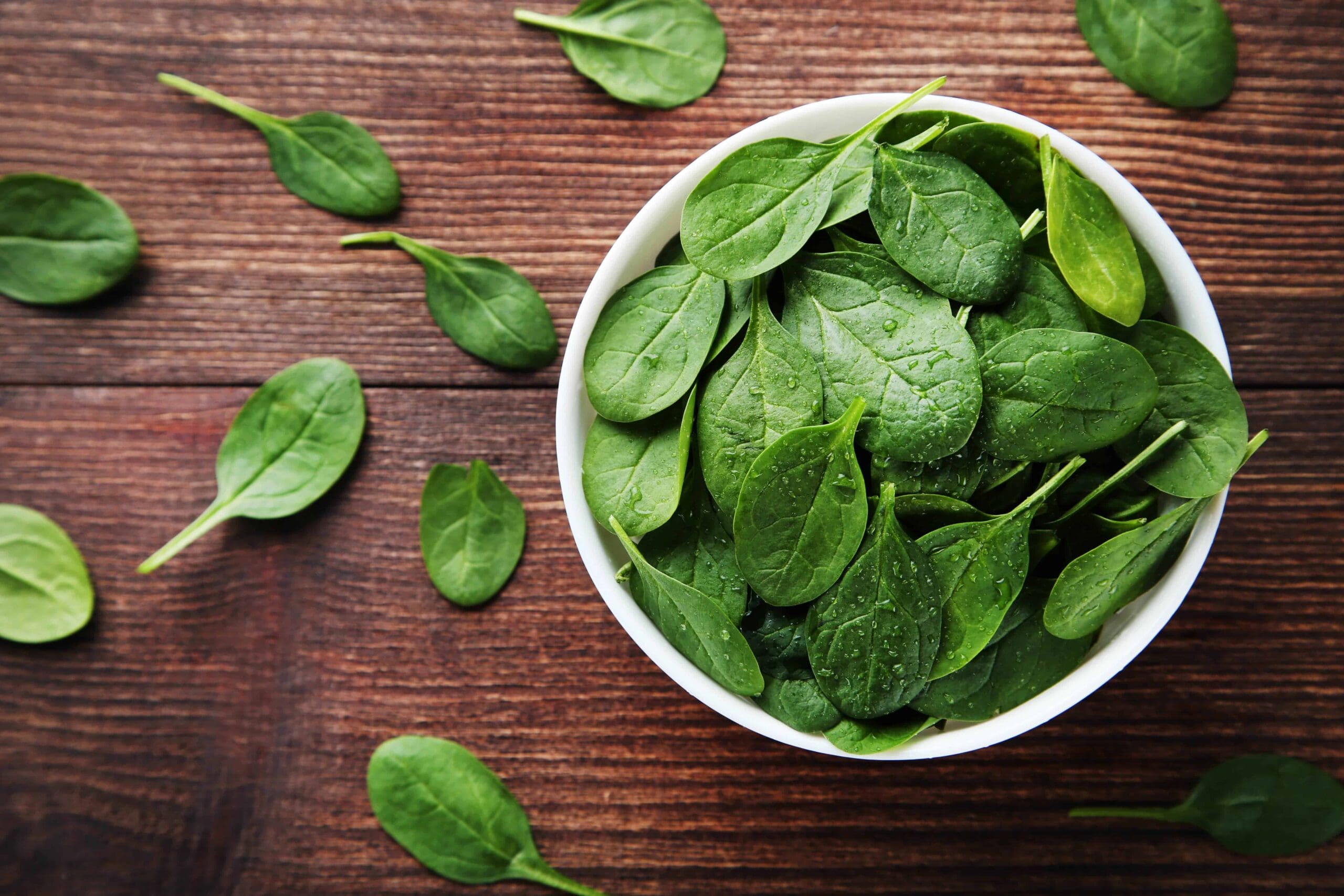
Spinach is a leafy green vegetable packed with nutrients. It’s exceptionally high in iron, calcium, and vitamins A and C. Spinach also contains magnesium, a mineral linked with improved mental health. Magnesium helps regulate neurotransmitters, chemicals that play a role in mood and emotion. Low magnesium levels have been linked with depression and anxiety, making spinach an effective mood food.

Beyond mood benefits, spinach is a brilliant source of energy. It contains thylakoid compounds that help regulate metabolism and has a high fibre content, which keeps you feeling satisfied after meals.

Raw spinach in salads provides maximum vitamin C, but lightly cooking spinach actually increases the bioavailability of iron and calcium. We recommend a quick sauté (2-3 minutes) with garlic and olive oil, which also helps your body absorb the fat-soluble vitamins A and E. In Indian cuisine, saag (spiced spinach curry) combines spinach with warming spices like ginger and turmeric, creating a dish that’s both comforting and nutritionally dense.

7. Berries

Foods to Help Boost Your Mental Health

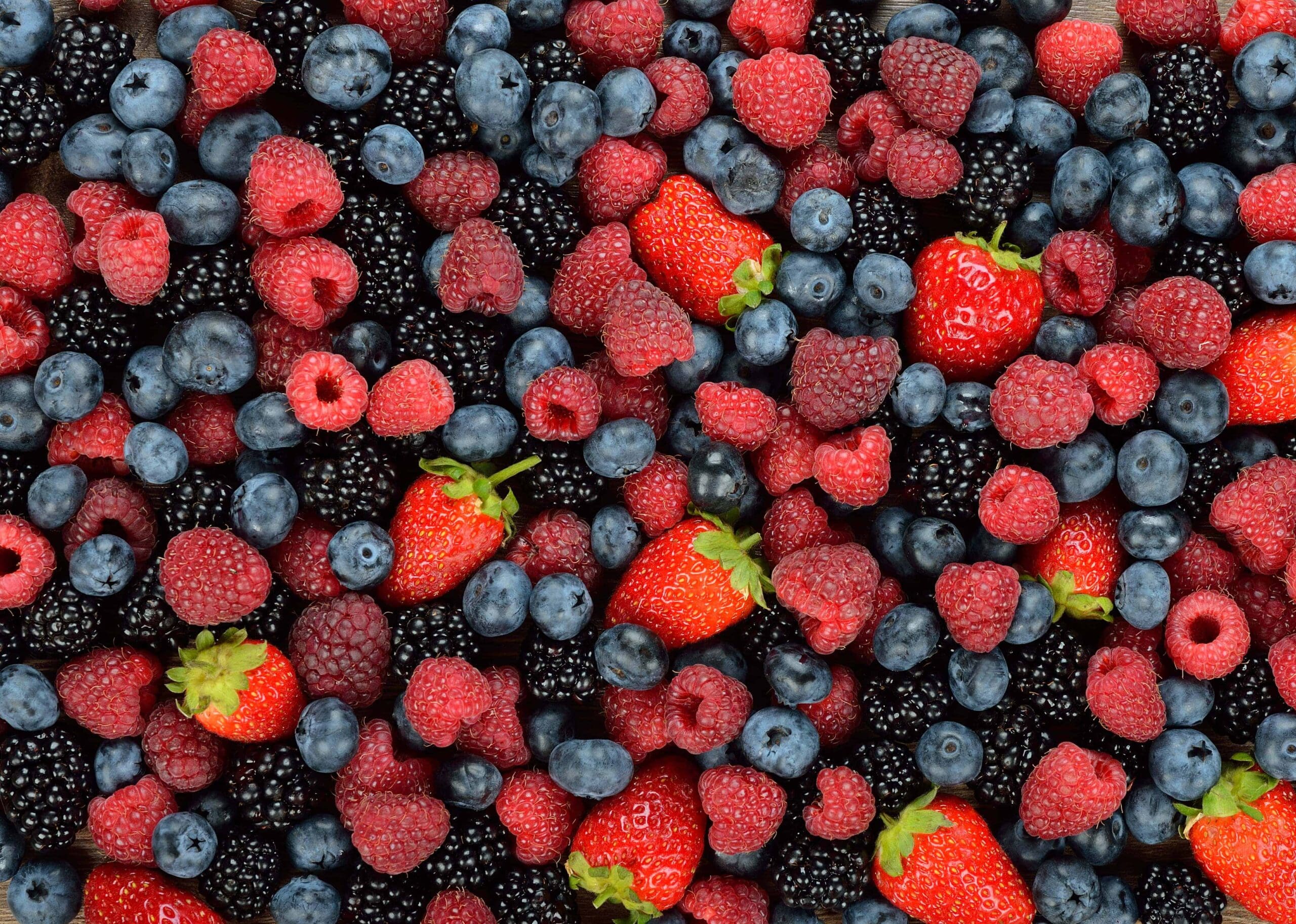
Berries, including blueberries, raspberries, strawberries, and blackberries, are among the best foods to help boost your mental health. They’re rich in antioxidants and other nutrients that promote a healthy nervous system.

Studies have shown that berries can help improve memory and cognitive function. They also reduce inflammation and protect the brain from damage caused by stress. Additionally, berries are a good source of fibre, essential for a healthy digestive system. Fibre promotes regularity and prevents constipation, which can contribute to feelings of irritability.

We’ve observed that locally-grown, in-season berries not only taste better but also contain higher antioxidant levels. In the UK, British strawberries peak from May through September. Frozen berries picked at peak ripeness often contain more nutrients than fresh berries shipped long distances. Aim for 80-150g (about a cupful) daily. Add berries to morning porridge, blend into smoothies, or keep frozen berries on hand for quick snacks.

8. Tomatoes

Foods to Help Boost Your Mental Health

Tomatoes are among the most popular and nutritious foods globally. They’re a good source of vitamins C and E, plus lycopene, a powerful phytonutrient. Lycopene has been linked to various health benefits, including delaying Alzheimer’s disease progression. Research shows lycopene can help improve attention, logical thinking, concentration, and memory capacity. Tomatoes also provide fibre for digestive regulation and contain folic acid and alpha-lipoic acid, both excellent for fighting depression.

After testing various preparation methods, we’ve learned that cooking tomatoes actually increases lycopene bioavailability. When tomatoes are heated with olive oil, the lycopene becomes easier for your body to absorb. This is why traditional Mediterranean tomato sauces, simmered slowly with olive oil, are so nutritionally beneficial. Heritage varieties like San Marzano contain higher concentrations of beneficial compounds. Tinned San Marzano tomatoes (tinned at peak ripeness) often outperform fresh supermarket tomatoes in both flavour and nutrition.

9. Beans

Foods to Help Boost Your Mental Health

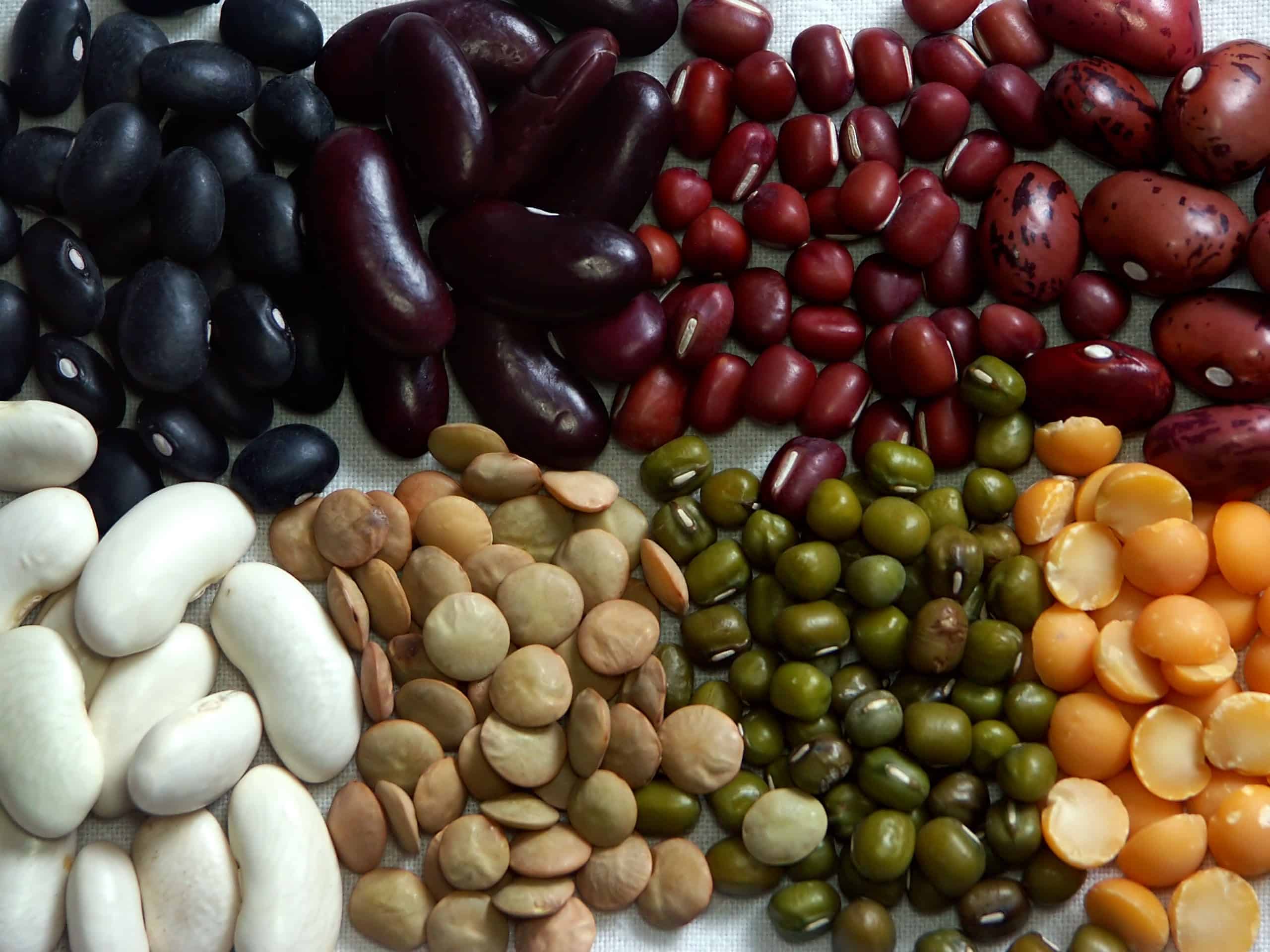
When it comes to a good-mood diet, beans should be at the top of your ingredients list. Beans are packed with nutrients essential for good mental health, including folate, iron, magnesium, and omega-3 fatty acids. Studies have shown that foods rich in these nutrients can help improve mood, reduce anxiety and depression, and promote cognitive health.

Beans are also a good source of protein, essential for maintaining healthy brain function. Beyond mental health benefits, beans are a low-calorie food that can help control weight.

Different cultures have traditional bean preparations that maximise digestibility and nutrition. In Mexican cuisine, beans are often cooked with epazote, an herb that reduces gas and aids digestion. Japanese cuisine uses kombu (kelp) when cooking beans, which softens them naturally and adds minerals. After testing various methods, we recommend soaking dried beans overnight with a strip of kombu, then rinsing before cooking. Try black beans (rich in anthocyanins), chickpeas (high in tryptophan), kidney beans (excellent folate source), and lentils (quick-cooking and versatile).

10. Seeds

Foods to Help Boost Your Mental Health

Seeds are often overlooked as a nutritional source, but they’re actually powerhouses of nutrients. They provide protein, fibre, healthy fats, vitamins, and minerals.

Seeds also contain phytochemicals with health-promoting properties. Pumpkin seeds contain substances that improve mood and cognitive function. Chia seeds are high in omega-3 fatty acids, linked to improved mental health. Flaxseeds contain lignans, which act as antioxidants and protect against chronic diseases.

In Middle Eastern cuisine, za’atar spice blend includes sesame seeds, a tradition that provides both flavour and minerals like zinc and magnesium. Ground flaxseeds provide better nutrient absorption than whole seeds, as their hard outer shell can pass through your digestive system intact. We recommend grinding small batches fresh (they oxidise quickly once ground) and storing them in the fridge. Two tablespoons of mixed seeds daily provides substantial omega-3s, protein, and minerals.

11. Whole Grains

Foods to Help Boost Your Mental Health

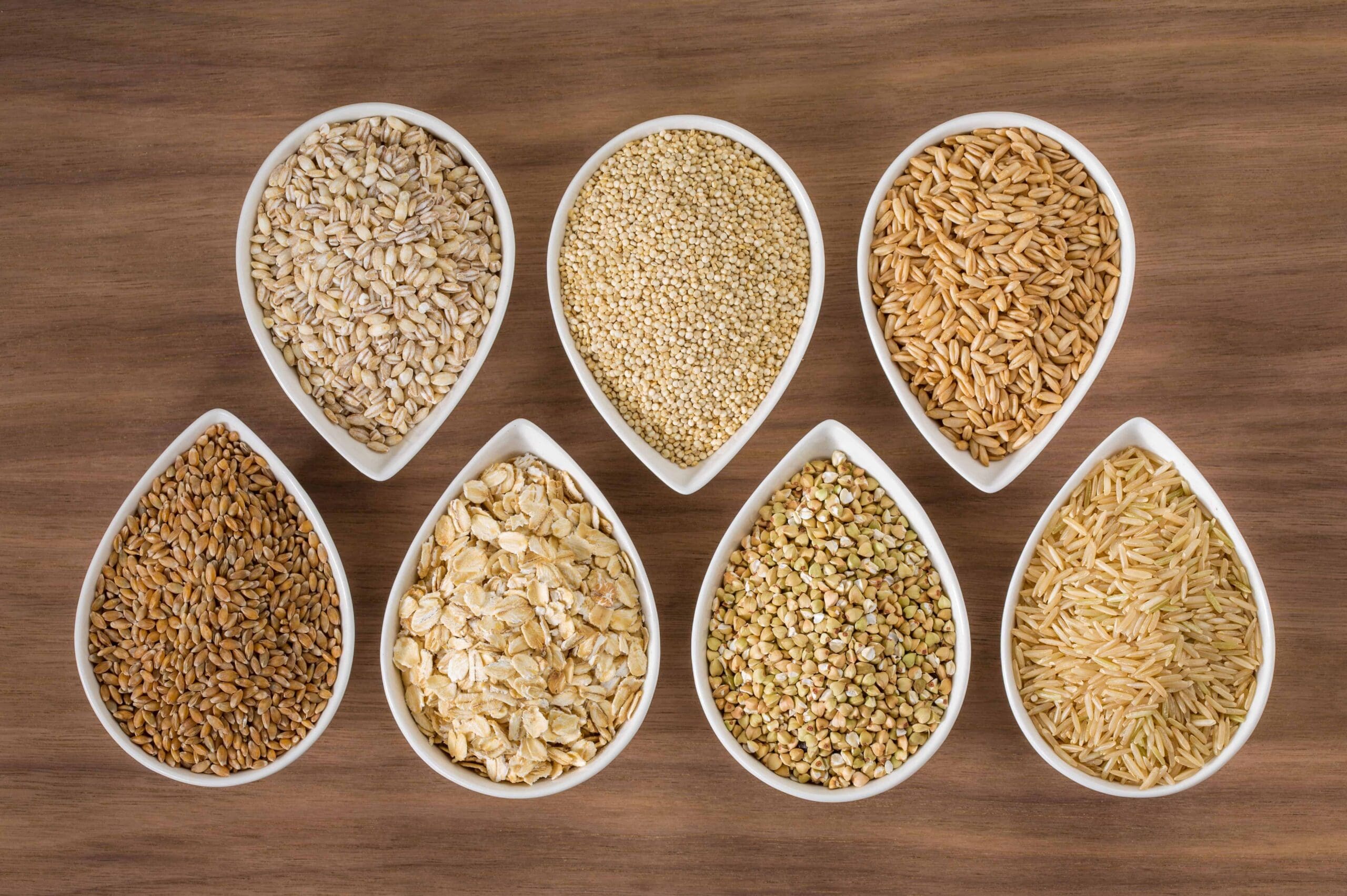
Whole grains are an important part of a healthy diet and have been linked to various health benefits. Whole grains provide fibre, which helps regulate digestion and prevent constipation. They also contain essential vitamins and minerals, including iron, folate, and magnesium. Studies show that whole grain consumption is associated with lower rates of heart disease, stroke, and type 2 diabetes. Beyond physical health benefits, whole grains are excellent foods to help boost your mental health. Foods high in whole grains have been linked to lower rates of depression and anxiety.

The difference between whole and refined grains significantly impacts mental health. Whole grains contain the bran, germ, and endosperm, providing B vitamins, minerals, and fibre that stabilise blood sugar. After testing recipes with various grains, we’ve observed that meals based on whole grains provide sustained energy without the mood crashes associated with refined carbohydrates. Whilst wholewheat is beneficial, exploring heritage grains like freekeh (Levantine), farro (Italian), or teff (Ethiopian) provides variety and broader nutrient profiles.

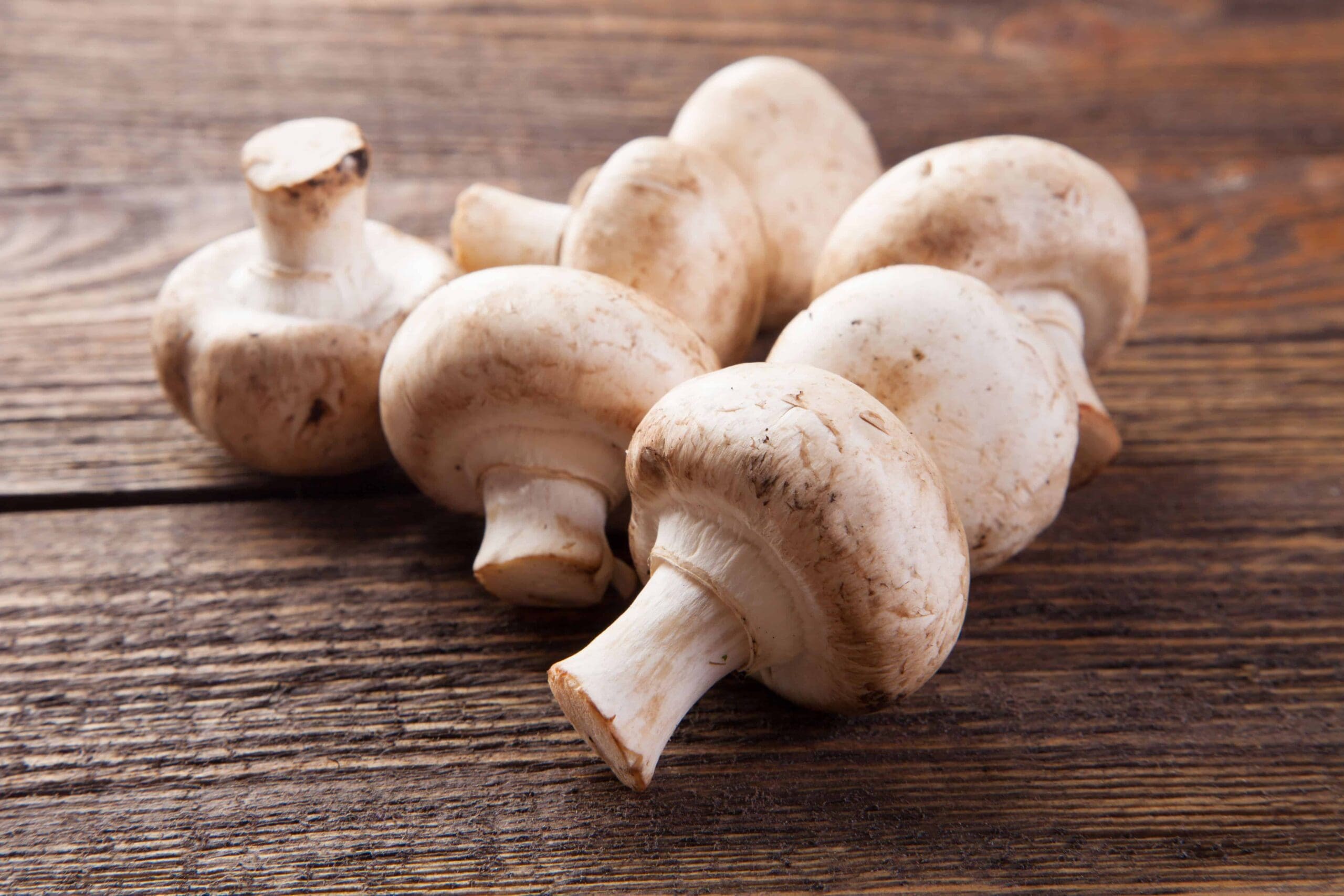
12. Mushrooms

Foods to Help Boost Your Mental Health

Mushrooms are a good source of several nutrients important for mental health, including vitamin D, selenium, and copper. Vitamin D is involved in brain development and has been linked to lower rates of depression and anxiety. Selenium is an antioxidant that helps protect the brain from inflammation damage. Copper is essential for proper neurotransmitter function.

Beyond their nutrient content, mushrooms contain compounds with positive effects on brain health. Ergothioneine is an antioxidant shown to improve cognitive function in older adults. Studies suggest that certain mushroom compounds can increase serotonin levels, a neurotransmitter that plays a crucial role in mood stability.

Different mushroom varieties offer distinct benefits. Shiitake mushrooms (traditionally used in Japanese and Chinese cuisine) are particularly high in B vitamins. Common button mushrooms, when exposed to sunlight for 15-20 minutes before cooking, produce vitamin D naturally. We’ve found that roasting mushrooms at 200°C (400°F) for 20-25 minutes concentrates their umami flavour whilst preserving nutrients.

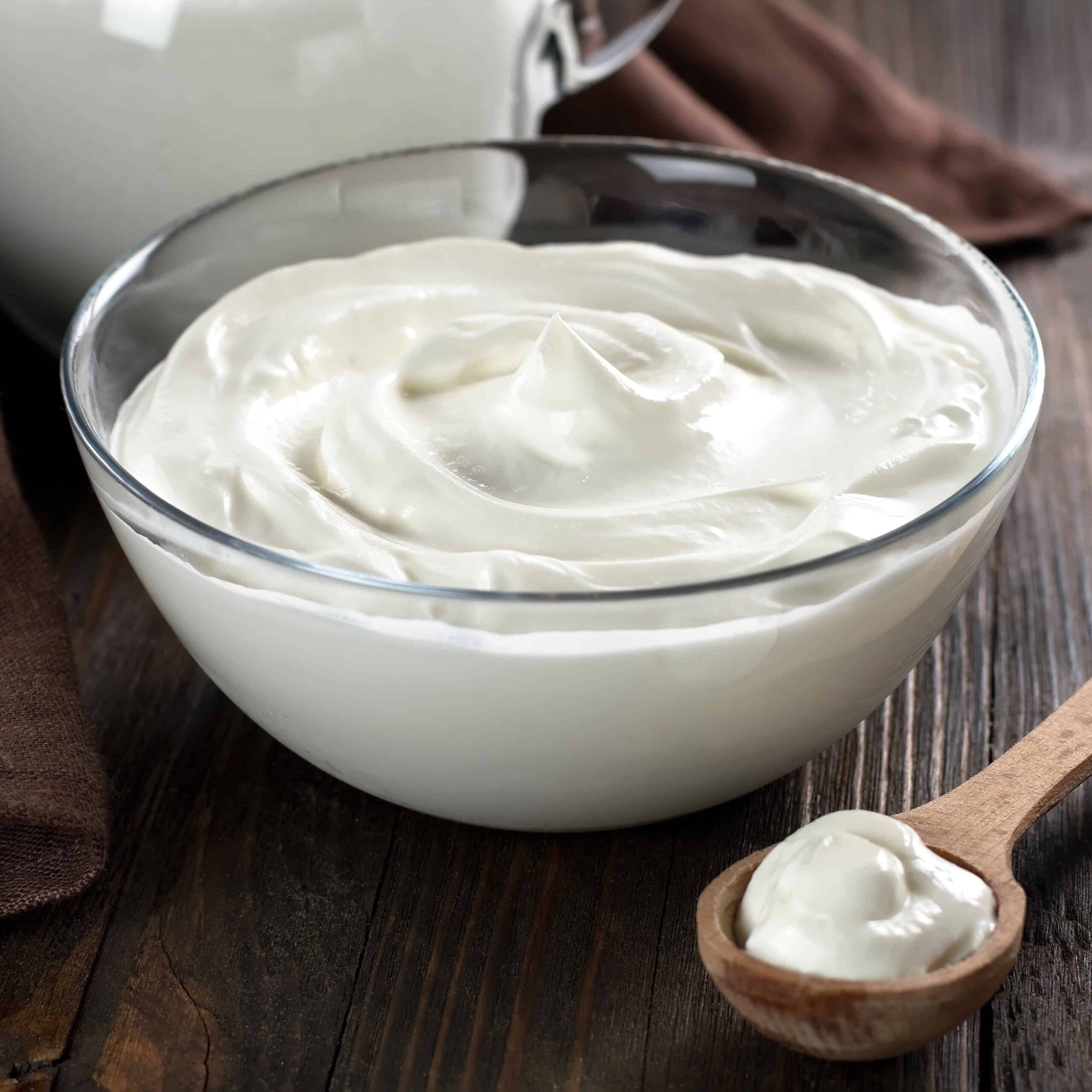
13. Yoghurt

Foods to Help Boost Your Mental Health

When considering foods to help boost your mental health, yoghurt is one of the good-mood foods you should incorporate into your diet. A cup of yoghurt daily has been found to improve memory and cognitive function. The nutrients in yoghurt help protect the brain from age-related decline. Yoghurt is also rich in probiotics, beneficial bacteria shown to reduce anxiety and depression by supporting the gut-brain axis.

Not all yoghurt provides equal benefits. After testing numerous brands, we strongly recommend choosing “live and active cultures” yoghurt. Many commercial yoghurts are pasteurised after fermentation, killing the beneficial bacteria. Look for labels stating “contains live cultures” and check the ingredients list; it should be short (milk, cultures, perhaps a small amount of sugar). Beyond breakfast bowls, yoghurt serves many purposes. In Indian cuisine, it’s blended into lassi drinks. In Greek cooking, strained yoghurt becomes tzatziki.

14. Extra Virgin Olive Oil

Foods to Help Boost Your Mental Health

Extra virgin olive oil is more than just a healthy cooking oil; it’s a mood-boosting powerhouse. Numerous studies have shown that foods rich in healthy fats, like olive oil, can help improve mental health. One study found that people following a Mediterranean diet, which is high in healthy fats like olive oil, were 30% less likely to suffer from depression.

The reason healthy fats are so beneficial for mood is that they support cell function and protect brain cells. Healthy fats also promote blood flow and reduce inflammation throughout the body and brain.

True extra virgin olive oil (first cold pressing, acidity below 0.8%) contains the highest levels of polyphenol antioxidants that protect brain cells. When testing recipes, we’ve observed significant flavour and nutritional differences between supermarket “olive oil” and quality extra virgin varieties. Store olive oil in a cool, dark place in a dark glass bottle. For maximum health benefits, use olive oil raw (drizzled over finished dishes) or for low-temperature cooking.

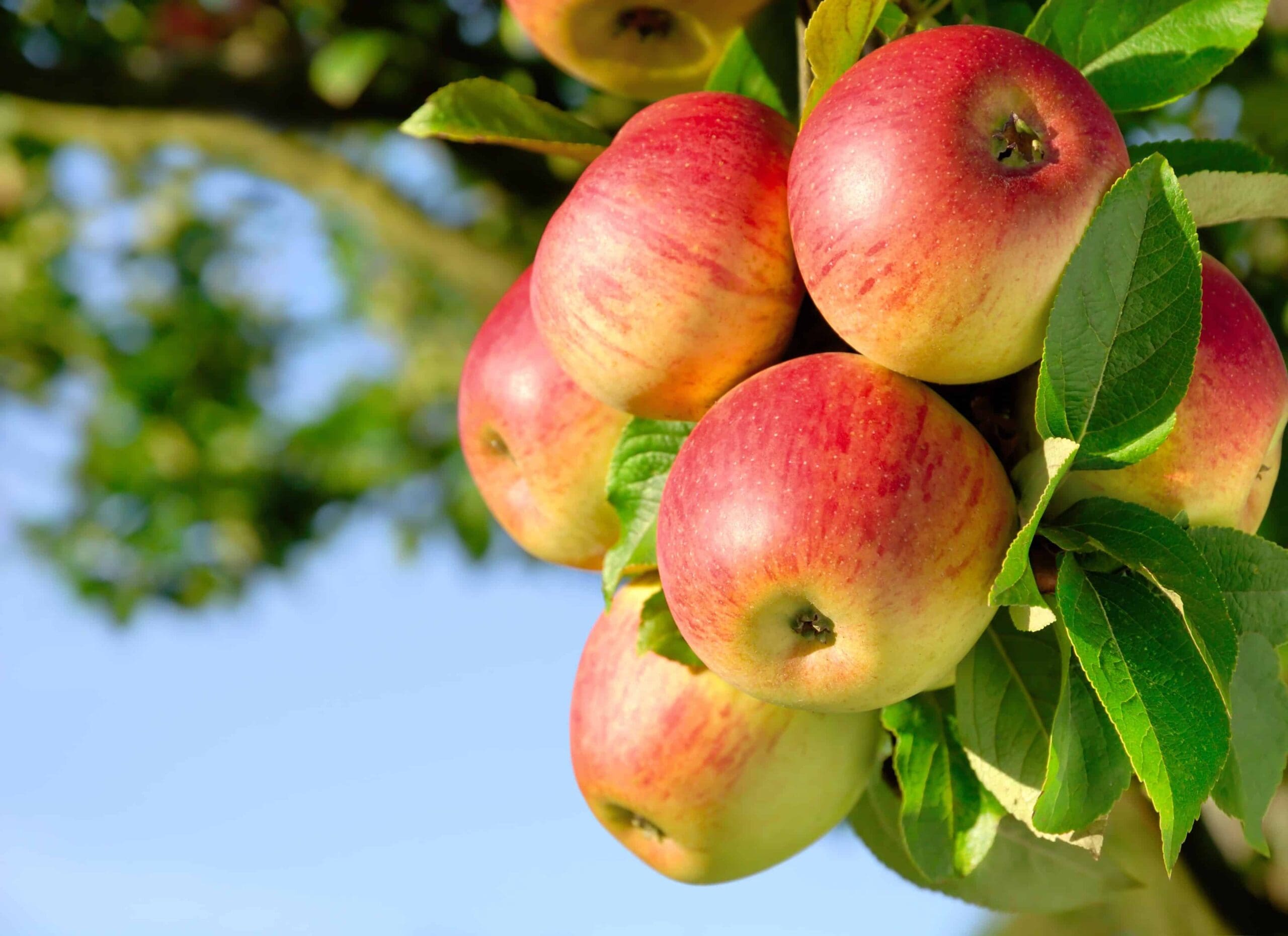
15. Apples

Foods to Help Boost Your Mental Health

Apples are among the most popular fruits globally for good reason. Not only are they delicious, but they also offer numerous health benefits. Apples are a good source of fibre, which helps regulate digestion and prevent constipation. They provide vitamins A and C, essential for maintaining healthy skin and eyesight, plus antioxidants that protect cells from damage. However, apples aren’t just good for physical health; they can also boost mental health. Research has shown that eating apples can improve mood, cognitive function, and mental well-being.

Different apple varieties provide slightly different benefits. Granny Smith apples contain the highest fibre content, whilst Red Delicious apples have the most antioxidants in their skin. We recommend eating apples with the skin on (after washing thoroughly), as the skin contains the majority of beneficial compounds. Combining apples with a source of protein or healthy fat (like almond butter) slows sugar absorption, providing sustained energy without blood sugar spikes that can affect mood.

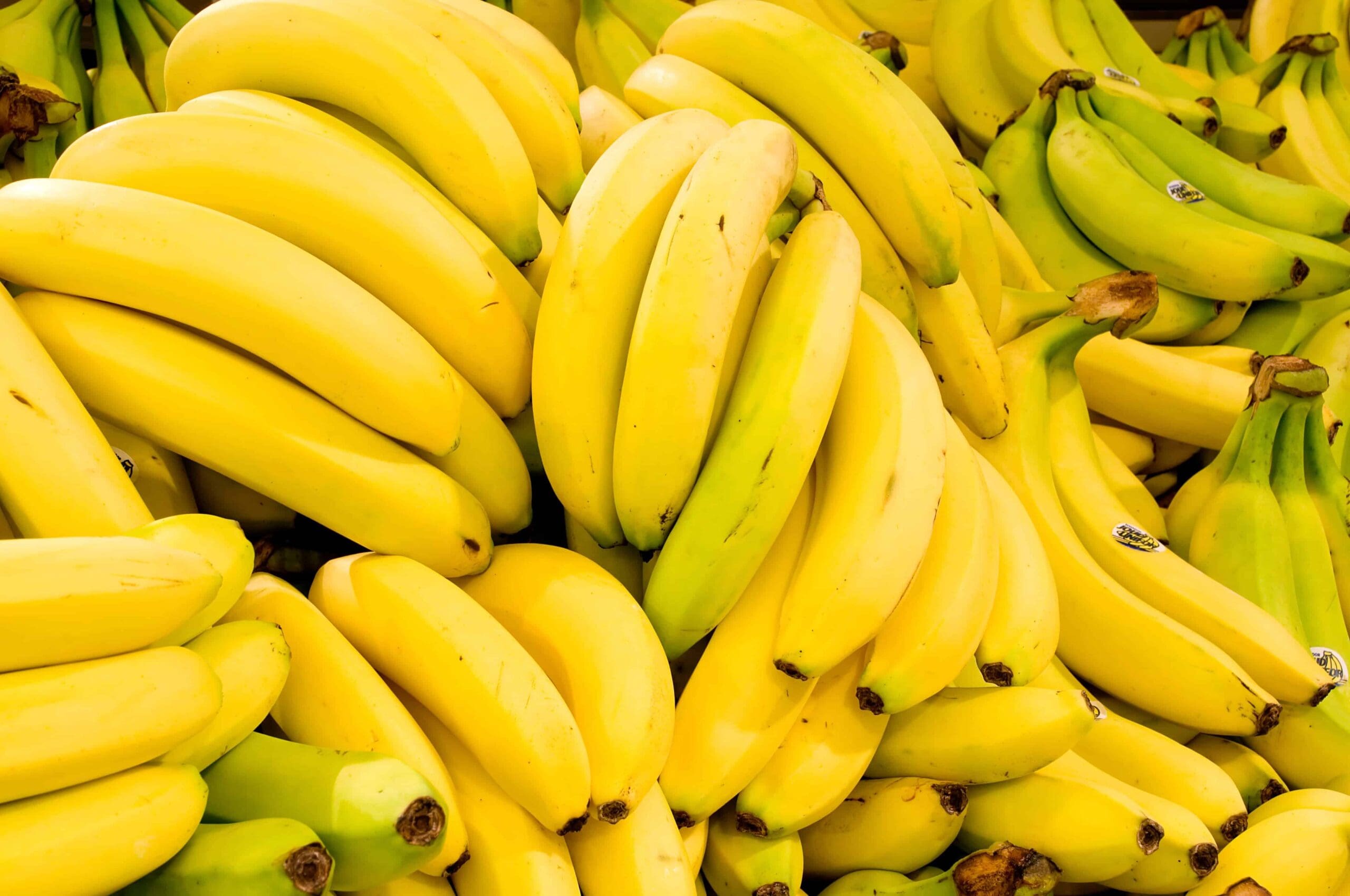
16. Bananas

Foods to Help Boost Your Mental Health

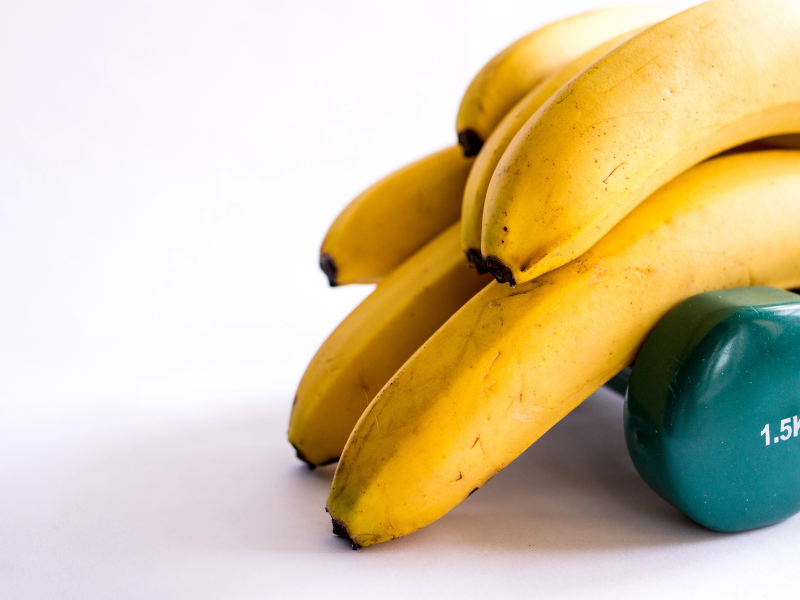
Bananas are often referred to as a “good mood food” due to their high levels of tryptophan, which converts into serotonin, the “happy hormone.” But that’s not all bananas can do for mental health. They’re also packed with vitamin B6, which helps reduce anxiety and stress levels. Furthermore, bananas contain high levels of potassium, shown to improve cognitive function.

The ripeness of bananas affects their nutritional profile. Greener bananas contain more resistant starch (beneficial for gut health), whilst riper bananas with brown spots contain higher levels of antioxidants and are easier to digest. Both stages offer benefits. In many tropical cultures, bananas are cooked as well as eaten fresh. Overripe bananas needn’t go to waste; peel and freeze them for smoothies, or use them in baking where their higher sugar content provides natural sweetness without added sugar.

17. Eggs

Foods to Help Boost Your Mental Health

Eggs are among the most nutrient-dense foods on the planet, containing a wide range of vitamins and minerals essential for good health.

Beyond being an excellent source of protein, eggs contain nutrients that boost mood and mental health. Eggs are a good source of omega-3 fatty acids (especially in pasture-raised eggs), known to improve cognitive function. They contain vitamin D, which is associated with lower depression risk. The choline in eggs is essential for memory and brain development, whilst tryptophan boosts serotonin production.

When testing recipes, we’ve found that pasture-raised eggs from chickens with outdoor access contain significantly higher levels of omega-3 fatty acids and vitamin D compared to conventional eggs. The deeper orange yolks indicate higher nutrient density. Soft-boiling or poaching keeps the yolk runny, preserving heat-sensitive nutrients like choline. Eggs feature prominently in mood-supporting cuisines worldwide. Japanese tamago, Middle Eastern shakshuka, and Spanish tortilla all provide satisfying, nutrient-dense meals.

18. Lentils

Foods to Help Boost Your Mental Health

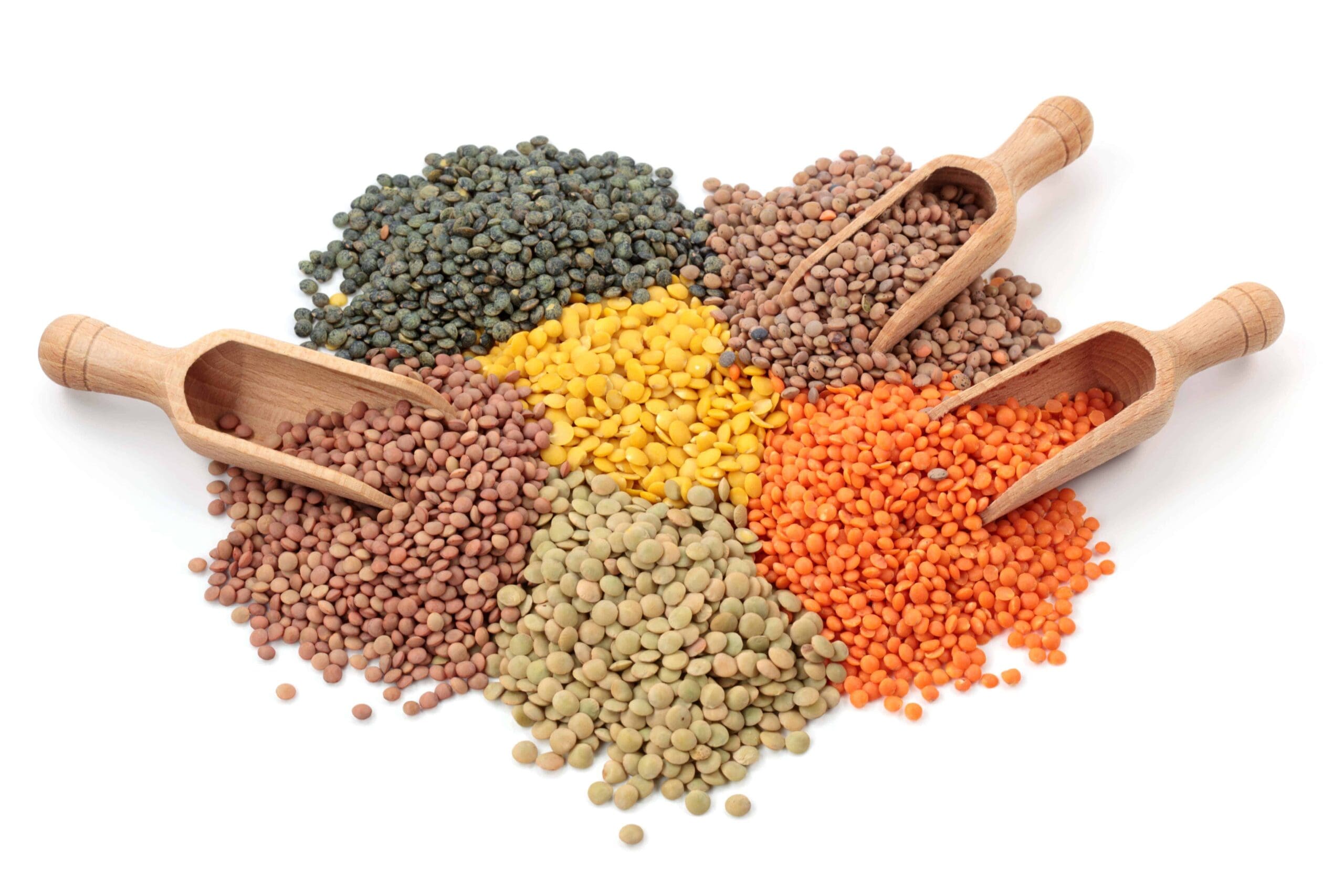
Lentils are a good source of folate, a water-soluble vitamin necessary for serotonin production. Serotonin is a neurotransmitter that helps regulate mood and plays a vital role in maintaining stable mental health. Additionally, lentils are high in fibre, which helps improve digestion and gut health whilst promoting feelings of fullness.

Different lentil varieties suit different preparations. Red lentils cook quickly (15-20 minutes) and break down, making them perfect for dal or soups. Green and brown lentils hold their shape and work well in salads. In Indian cuisine, dal (spiced lentil stew) is a daily staple, providing plant-based protein and minerals. In Middle Eastern cuisine, mujadara (lentils with rice and caramelised onions) has been feeding families for centuries. Unlike many beans, lentils don’t require overnight soaking.

19. Sweet Potatoes

Foods to Help Boost Your Mental Health

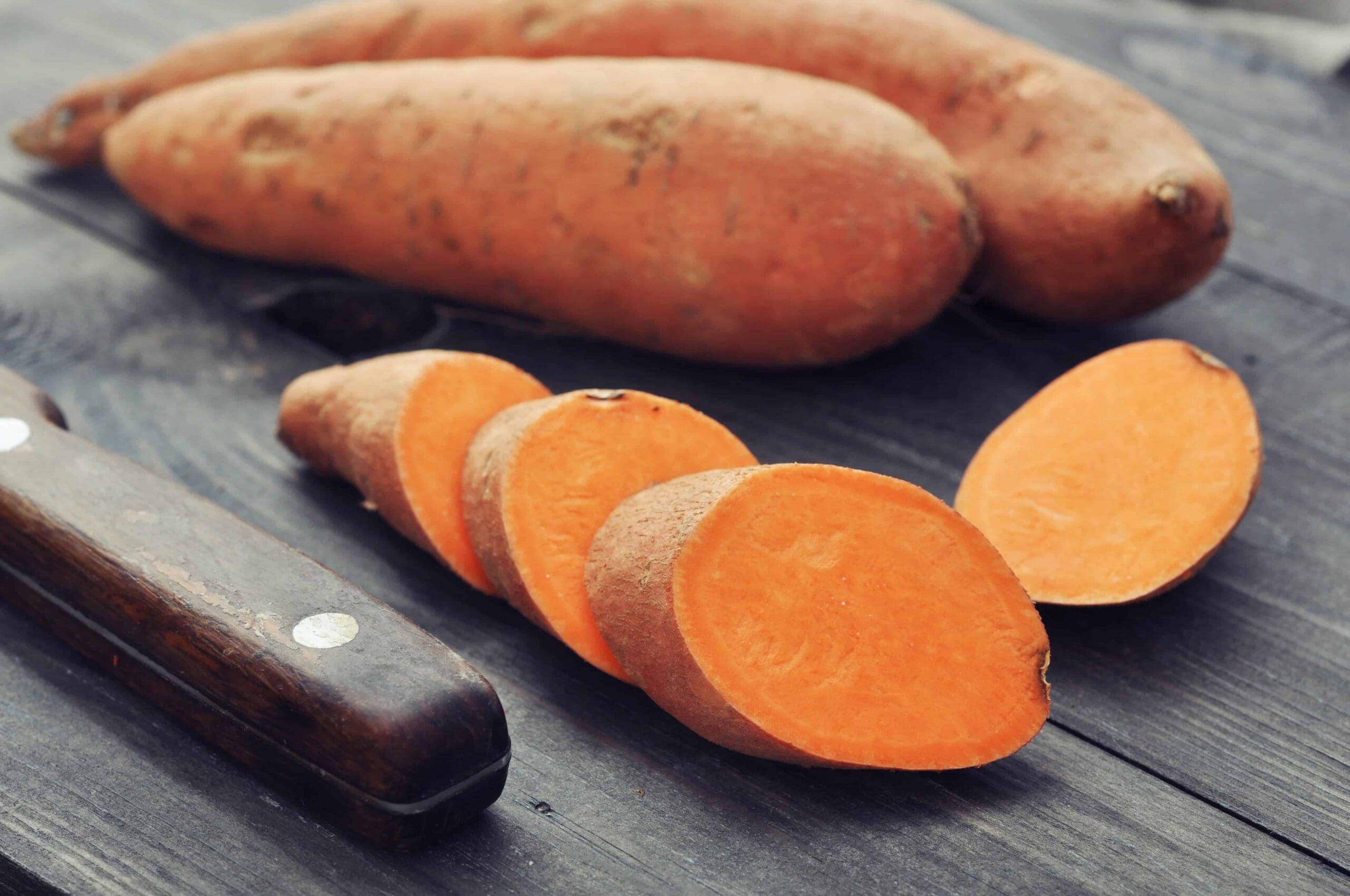
Whilst many foods can help maintain and improve mental health, sweet potatoes are an excellent choice. Sweet potatoes are rich in vitamins and minerals, including magnesium, potassium, and iron. They contain high levels of fibre, which helps regulate digestion and promote feelings of fullness. Furthermore, sweet potatoes are a good source of beta-carotene, an antioxidant linked to improved cognitive function.

Orange-fleshed sweet potatoes contain the highest beta-carotene levels, whilst purple sweet potatoes (popular in Asian cuisine) contain anthocyanins, powerful antioxidants that support brain health. We’ve found that baking sweet potatoes at 200°C (400°F) until tender (45-60 minutes depending on size) concentrates their natural sweetness whilst preserving nutrients. The skin is entirely edible and contains additional fibre.

20. Cheese

Foods to Help Boost Your Mental Health

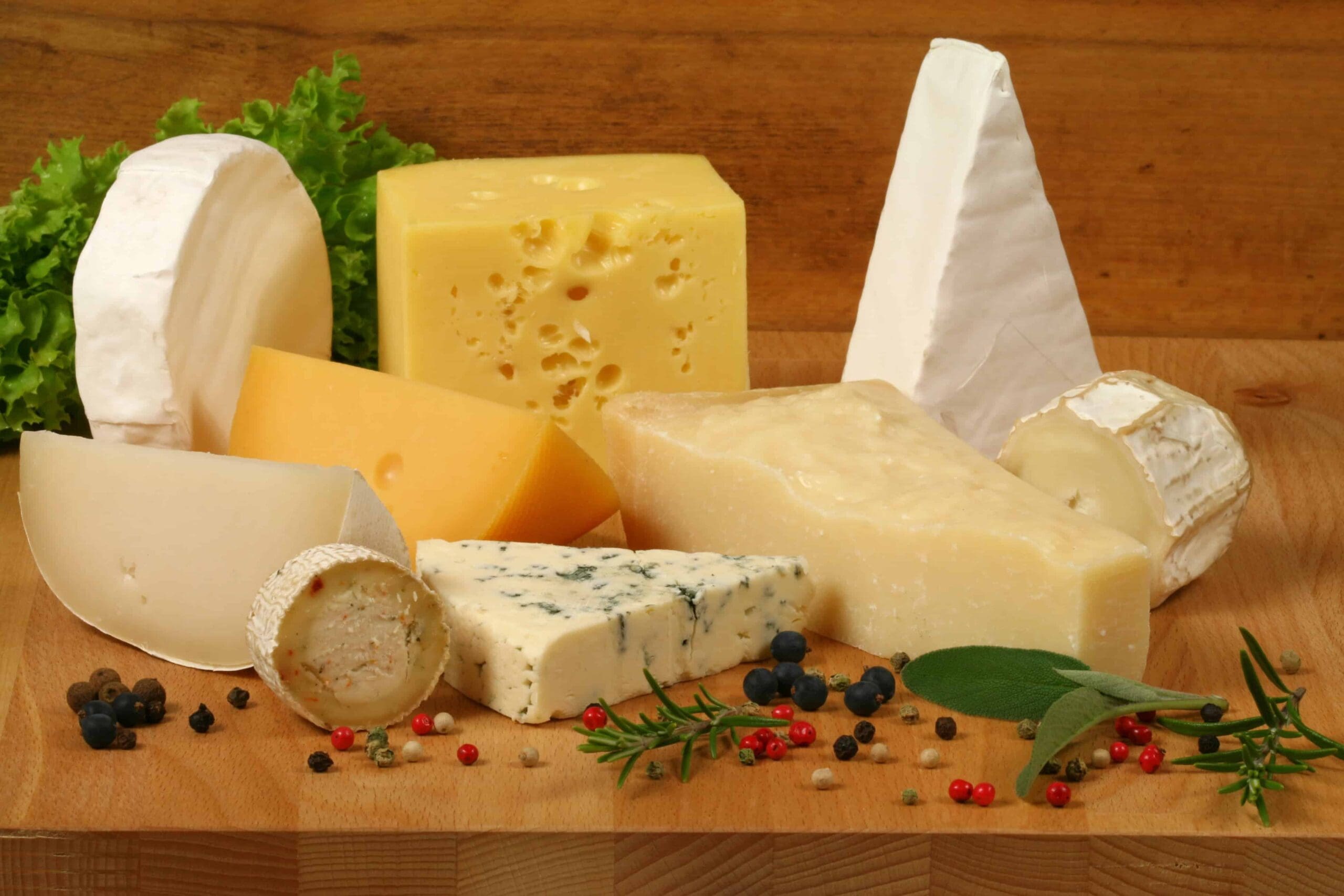
Cheese is a good source of omega-3 fatty acids (particularly aged cheeses and those from grass-fed animals), which are essential for brain health. As mentioned, omega-3s can help improve mood, reduce anxiety, and even improve cognitive function. Beyond omega-3s, cheese is packed with vitamins and minerals like calcium, phosphorus, and vitamin B12. These nutrients are all essential for proper brain function. Vitamin B12, in particular, has been linked to increased energy levels and improved mood.

Not all cheese provides equal benefits. After testing various types, we recommend choosing aged, traditional cheeses made from the milk of grass-fed animals. These contain higher levels of omega-3s and vitamin K2. Aged cheeses like Parmesan, Gruyère, and aged Cheddar also contain less lactose, making them easier to digest for those with mild lactose sensitivity. Whilst cheese provides benefits, it’s also calorie-dense. A 30g serving (about the size of a small matchbox) provides nutrients without excessive calories.

Cooking for Mental Wellness: Practical Guidance

Transforming your kitchen into a source of mental wellness doesn’t require expensive ingredients or complex techniques. These practical strategies help you build sustainable habits that support both culinary enjoyment and emotional well-being.

Building Your Mood-Boosting Kitchen

Stocking your kitchen with these 20 foods to help boost your mental health needn’t be expensive or overwhelming. Start with what’s accessible and affordable. Tinned fish, frozen berries, dried beans and lentils, and seasonal vegetables provide excellent nutrition at budget-friendly prices.

We recommend building meals around 2-3 of these ingredients per meal. For example, breakfast might include eggs and berries, lunch could feature a lentil and spinach soup, and dinner might include salmon with roasted sweet potatoes and a side salad with olive oil dressing.

Seasonal Availability and Cultural Connections

Many of these ingredients have optimal seasons when they’re most nutritious and affordable. Berries peak in the summer months. Root vegetables like sweet potatoes are autumn and winter harvests. Leafy greens thrive in cooler weather. Eating seasonally not only supports local agriculture but often provides better nutrition and flavour.

Traditional food cultures worldwide have developed recipes that combine these ingredients in ways that maximise both taste and mental health benefits. Mediterranean cuisine combines olive oil, tomatoes, and fish. Asian cuisines pair fermented foods with vegetables and whole grains. Learning from these culinary traditions provides practical frameworks for building meals that support mental wellness.

The Therapeutic Act of Cooking

Beyond the nutritional benefits of these ingredients, the actual process of cooking can support mental health. Chopping vegetables becomes a form of meditation. The rhythmic motion of stirring a pot, the sensory experience of smelling herbs, and the satisfaction of creating something nourishing all contribute to well-being.

When preparing recipes with these mood-boosting ingredients, we encourage you to slow down and engage with the process. Notice the colours, textures, and aromas. This mindful approach to cooking and eating enhances the mental health benefits of the food itself.

The journey towards better mental health through food isn’t about perfection or deprivation. It’s about gradually incorporating more of these nutrient-dense, mood-supporting ingredients into your daily meals. When you explore foods to help boost your mental health, start with one or two changes, perhaps adding walnuts to your morning porridge or including a portion of oily fish twice weekly. Small, sustainable changes accumulate into significant improvements over time.

Remember that food is deeply personal and cultural. These 20 ingredients appear in cuisines worldwide because cultures have intuitively understood their benefits for centuries. Find preparation methods and recipes that resonate with your own heritage or the culinary traditions that appeal to you.

If you’re exploring foods to help boost your mental health, the items on this list provide an excellent starting point. From berries and dark chocolate to fatty fish and avocados, there’s something for every taste preference and dietary requirement. Share your experiences with us. Which of these foods makes the biggest difference to your mood? What traditional recipes incorporating these ingredients does your family enjoy?

Bon appétit, and here’s to nourishing both body and mind!

FAQs

1. How quickly will I notice mental health improvements from eating these foods?

Some effects, like the energy boost from whole grains or the calming effect of dark chocolate, may be noticed within hours. However, for significant improvements in mood and cognitive function, consistency is key. Research suggests that following a diet rich in these foods for 12 weeks typically produces measurable improvements in depression and anxiety symptoms. Think of it as building a nutritional foundation rather than seeking instant results.

2. Can I still take medication whilst using a diet to support mental health?

Absolutely. These foods should complement, not replace, prescribed mental health treatments. Always consult your GP or psychiatrist before making changes to your medication. Many healthcare professionals now recommend dietary approaches alongside conventional treatments for better outcomes.

3. I’m a vegetarian or vegan, can I still get these benefits?

Certainly, whilst fatty fish provide unique omega-3s, plant-based sources include walnuts, flaxseeds, chia seeds, and hemp seeds. For protein, combine legumes with whole grains. For vitamin B12 (found in eggs and cheese), vegetarians can use fortified nutritional yeast or supplements. Many of these 20 foods are naturally plant-based.

4. What if I don’t like some of these foods?

Focus on the ones you enjoy. There’s significant overlap in the nutrients these foods provide. If you don’t like fatty fish, emphasise walnuts and flaxseeds for omega-3s. If you’re not keen on spinach, other dark leafy greens like kale or chard provide similar benefits. Food should be enjoyable; forcing yourself to eat foods you dislike isn’t sustainable.

5. Can children benefit from these foods too?

Absolutely. These whole foods support brain development and emotional regulation in children. Focus on making them appealing smoothies with berries and bananas, whole grain pancakes, nut butter on apple slices, scrambled eggs, and yoghurt with honey. Involving children in cooking these foods can also increase their willingness to try them.

Share with our social media

Leave a Reply

Your email address will not be published. Required fields are marked *