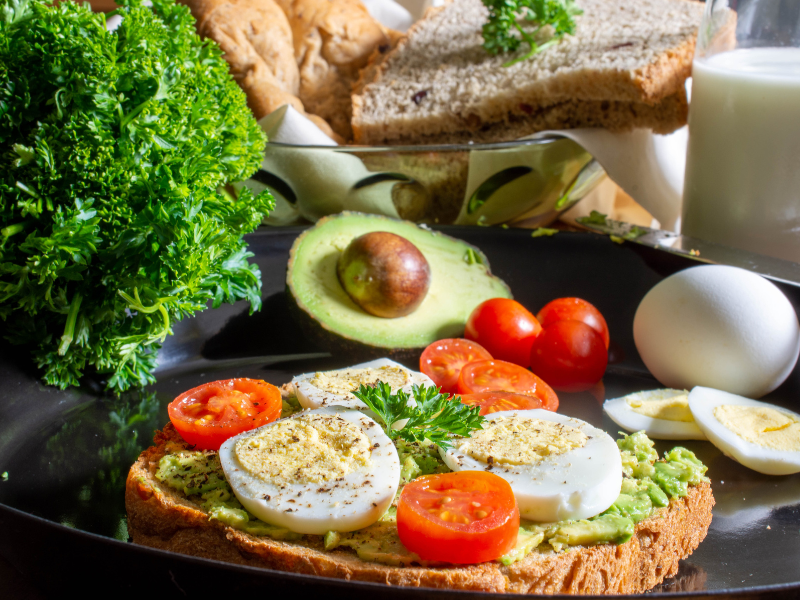
Forget soggy cereal and bland toast! Today, we’re declaring war on breakfast boredom and unveiling a world of deliciousness where gluten, dairy, and eggs are just uninvited guests. Buckle up, friends, because we’re about to embark on a culinary adventure that proves restriction-free breakfasts can be a symphony of taste and a celebration of freedom.
Get ready to unleash your inner breakfast ninja. We’ve got savoury scrambles that’ll tantalise your taste buds, muffins that rise like fluffy clouds, and breakfast juice that are basically edible rainbows.
So, grab your whisk, your spatula, and your appetite for adventure. Let’s paint the breakfast canvas with vibrant flavours and textures and prove that deliciousness knows no dietary boundaries. It’s time to rise and shine, restriction-free style!
Jumping into the world of gluten-free, dairy-free, egg-free breakfasts opens a whole new door to delicious and nutritious possibilities!
Here are some homemade breakfast options you can whip up to kickstart your day:
Gluten-Free, Dairy-Free, Egg-Free Pancakes Recipe
Making gluten-free, dairy-free, egg-free pancakes recipe is easy. This homemade breakfast option suits people with dietary restrictions. These pancakes are allergy-friendly. They cater to those who can’t eat gluten, dairy, or eggs.
Here’s a delicious recipe for fluffy and flavorful gluten-free, dairy-free, egg-free pancakes that will wow your taste buds while avoiding common allergens:
Whisk together the gluten-free flour blend, tapioca flour, rice flour, flaxseed meal, baking powder, baking soda, and salt in a large bowl.
Dry ingredients for gluten-free, dairy-free, egg-free pancakes
Whisk together the plant-based milk, applesauce, oil, and vanilla extract in a separate bowl.
Gradually add the wet ingredients to the dry ingredients, stirring until just combined. Don’t overmix!
If desired, gently fold in your chosen add-ins.
Heat a lightly greased griddle or frying pan over medium heat. For each pancake, pour about 1/4 cup of batter onto the griddle.
Cook for 2-3 minutes or until bubbles appear on the surface and the edges start to set.
Flip the pancakes and cook for an additional 1-2 minutes or until golden brown.
Serve warm with your favourite toppings, such as maple syrup, fresh fruit, vegan whipped cream, or nut butter.
Tips
For thicker pancakes, use slightly less milk. For thinner pancakes, use somewhat more milk.
Add a tablespoon or two of plant-based milk if the batter is too thick.
Don’t overmix the batter, as this can make the pancakes tough.
Serve these pancakes immediately for the best results.
Feel free to get creative with your add-ins! You can also experiment with different types of gluten-free flour blends.
httpss://youtu.be/LexTnUKqTqU?si=30vk9MItRWwofTxW
Gluten-free, Dairy-free, Egg-free Pancakes
Gluten-Free, Dairy-Free, Egg-Free Waffles Recipe
Are you craving crispy waffles without gluten, dairy, or eggs? Look no further! Here’s a delicious recipe for fluffy and golden gluten-free, dairy-free, egg-free breakfast waffles that will satisfy your morning cravings:
Ingredients
1 cup gluten-free flour blend (such as Bob’s Red Mill or King Arthur)
Whisk together the gluten-free flour blend, brown rice flour, tapioca flour, potato starch, flaxseed meal, baking powder, baking soda, and salt in a large bowl.
Whisk together the plant-based milk, applesauce, coconut oil (or vegetable oil), and vanilla extract in a separate bowl.
Gradually add the wet ingredients to the dry ingredients, stirring until just combined. Don’t overmix!
Pour about 1/2 cup of batter into each waffle iron compartment (depending on your waffle iron size).
Close the waffle iron and cook for 3-5 minutes or until golden brown and crispy.
Repeat with the remaining batter.
Tips
For thicker waffles, use slightly less milk. For thinner waffles, use slightly more milk.
Add a tablespoon or two more plant-based milk if the batter is too thick.
The batter rests for 5-10 minutes before cooking for best results.
Don’t overfill the waffle iron; the batter will expand as it cooks.
Feel free to get creative with your add-ins! You can also experiment with different types of gluten-free flour blends.
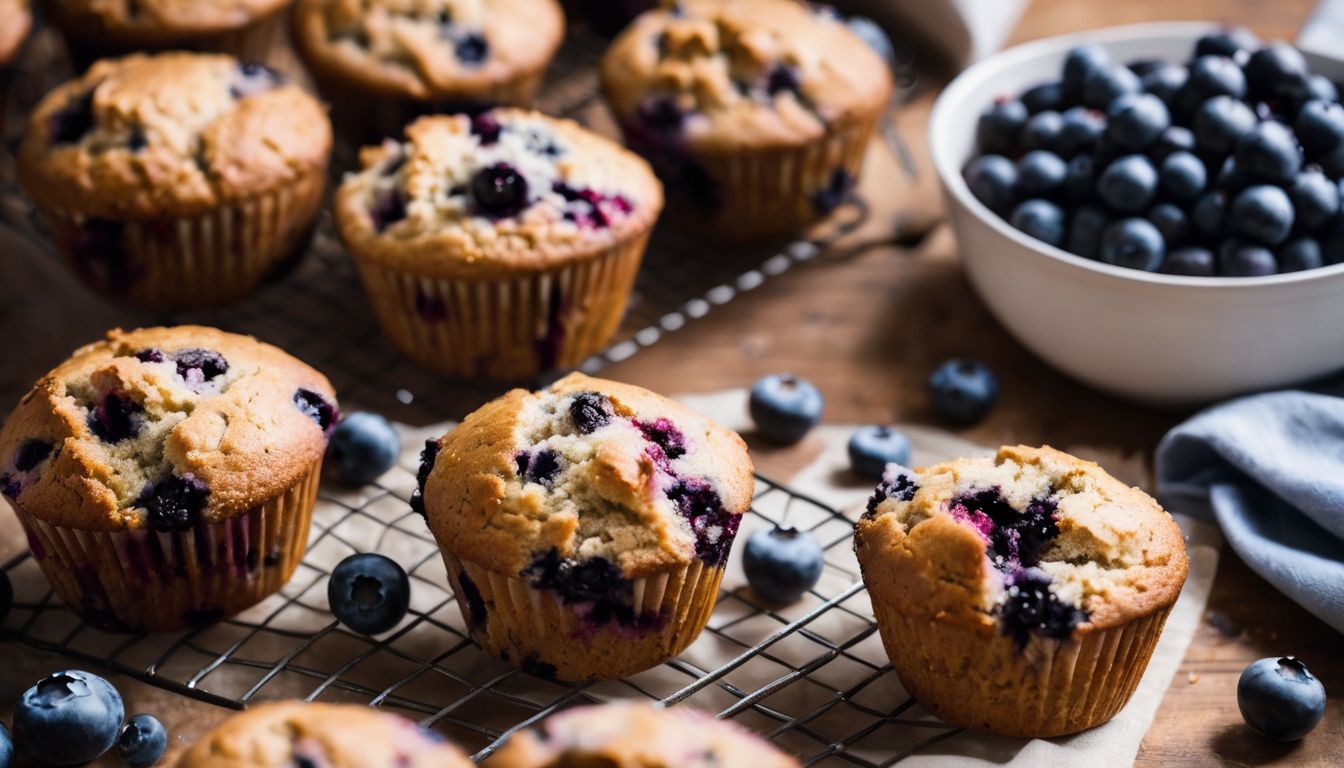
Gluten-Free, Dairy-Free, Egg-Free Muffins Recipe
Here’s a delicious and easy recipe for gluten-free, dairy-free, and egg-free muffins that you can enjoy for breakfast, snacks, or even dessert!
Ingredients
2 Tbsp flaxseed meal
6 Tbsp water
1 2/3 cups blanched almond flour
1/3 cup tapioca flour or arrowroot flour
1 tsp baking soda
1/4 tsp fine sea salt
3/4 cup cashew butter or almond butter
6 Tbsp pure maple syrup
1/2 cup unsweetened applesauce
1 Tbsp lemon juice
1 tsp pure vanilla extract
1 cup fresh blueberries (optional)
Instructions
Preheat your oven to 350°F (175°C) and line a 12-cup muffin pan with parchment liners.
In a small bowl, mix together the flaxseed meal and water. Set aside for 10 minutes to thicken, creating a flaxseed “egg.”
Whisk together the almond flour, tapioca flour, baking soda, and salt in a large bowl.
Whisk together the cashew butter, maple syrup, applesauce, lemon juice, and vanilla extract in a separate bowl until smooth.
Stir the flaxseed “egg” into the wet ingredients until well combined.
Add the dry ingredients to the wet ingredients and stir until just combined. Don’t overmix!
Fold in the blueberries (or other mix-ins of your choice) gently.
Divide the batter evenly among the prepared muffin cups.
Bake for 20-25 minutes, or until a toothpick inserted into the centre comes out clean.
Let the muffins cool in the pan for a few minutes before transferring them to a wire rack to cool completely.
Tips
You can use any nut butter in this recipe, such as peanut butter, sunflower seed butter, or tahini.
If you don’t have applesauce, you can use mashed banana or pumpkin puree instead.
Add 1/2 cup of dairy-free chocolate chips to the batter for a chocolate chip twist.
These muffins can be stored in an airtight container at room temperature for up to 3 days or in the freezer for up to 3 months.
Gluten-Free, Dairy-Free, Egg-Free Donuts Recipe
httpss://www.youtube.com/watch?v=UNxysBCDKbY
Here’s a fantastic recipe for gluten-free, dairy-free, and egg-free doughnuts that are light, fluffy, and bursting with flavour. They’re perfect for indulging in a sweet treat without compromising on your dietary needs.
Ingredients
For the Dough
1 1/2 cups gluten-free flour blend
1/3 cup tapioca starch
1/4 cup unsweetened applesauce
1/4 cup dairy-free milk (such as almond milk, soy milk, or oat milk)
2 tablespoons melted dairy-free butter or vegan butter
2 tablespoons granulated sugar
1 1/2 teaspoons baking powder
1/2 teaspoon baking soda
1/4 teaspoon salt
1 teaspoon vanilla extract
For the Glaze (optional)
1 cup powdered sugar
2-3 tablespoons dairy-free milk
1/2 teaspoon vanilla extract
Food coloring (optional)
Instructions
Preheat oven to 375°F (190°C) and grease or lightly flour a doughnut pan.
Whisk together the gluten-free flour blend, tapioca starch, baking powder, baking soda, and salt in a large bowl.
Whisk together the applesauce, dairy-free milk, melted butter, sugar, and vanilla extract in a separate bowl until smooth.
Gradually add the wet ingredients to the dry ingredients, mixing until just combined. Don’t overmix!
Transfer the batter to a piping bag fitted with a doughnut tip. Alternatively, you can use a spoon to fill the doughnut pan cavities.
Bake for 8-10 minutes or until the golden brown doughnuts spring back when gently pressed.
Let the doughnuts cool in the pan for a few minutes before transferring them to a wire rack to cool completely.
For the Glaze (optional)
Whisk together the powdered sugar, dairy-free milk, and vanilla extract in a small bowl until smooth and thin enough to drizzle.
Add a few drops of food colouring if desired.
Dip the cooled doughnuts in the Glaze or drizzle it over the tops.
Let the glaze set before enjoying.
Tips
For a cake-like doughnut, bake for 12-15 minutes.
For mini doughnut bites, you can also bake these doughnuts in a mini muffin pan.
Get creative with your toppings! Try sprinkling cinnamon sugar, chopped nuts, or vegan sprinkles over the glazed doughnuts.
Gluten-Free, Dairy-Free, Egg-Free, French Toast Recipe
httpss://www.youtube.com/watch?v=Io2zc7JVLUU
This gluten-free, dairy-free, and egg-free French toast recipe is a great way to enjoy a classic breakfast without compromising your dietary needs. It’s simple to make, delicious to eat, and sure to become a new favourite!
Here’s a delicious recipe for gluten-free, dairy-free, and egg-free French toast that’s perfect for a satisfying breakfast or brunch!
Ingredients
For the batter:
1 cup unsweetened non-dairy milk (almond, oat, soy, etc.)
1/4 cup chickpea flour
2 tablespoons maple syrup or brown sugar
1 teaspoon ground cinnamon
1/2 teaspoon vanilla extract
1/4 teaspoon ground nutmeg (optional)
Pinch of salt
For the toast:
4 slices gluten-free bread (thick slices work best)
Dairy-free butter or vegan butter for frying
For the toppings (optional):
Maple syrup or other sweetener
Fresh fruit, like berries or bananas
Chopped nuts or seeds
Coconut whipped cream (dairy-free)
Instructions
Make the batter: In a shallow bowl, whisk together the non-dairy milk, chickpea flour, maple syrup or brown sugar, cinnamon, vanilla extract, nutmeg (if using), and salt until smooth and no lumps remain.
Dip and fry: Dip each slice of bread into the batter, coating both sides completely. Let the excess batter drip off slightly before carefully placing the bread in the hot pan.
Cook until golden: Fry each side for 2-3 minutes or until golden brown and crispy.
Serve and enjoy: Transfer the French toast to a plate and top with your favourite toppings. Enjoy warm!
Tips
Choose a thicker gluten-free bread that can withstand the batter and frying. Look for brands that are specifically designed for French toast.
If the batter seems too thick, add a little more non-dairy milk to thin it out. Conversely, add a tablespoon more chickpea flour if it’s too thin.
Don’t overcrowd the pan when frying. Cook the French toast in batches if needed.
For a richer flavour, you can add a teaspoon of chia seeds or flax seeds to the batter after mixing.
Feel free to get creative with your toppings! Try different fruits, nuts, seeds, or even a drizzle of vegan chocolate sauce.
For those looking for quick and convenient breakfast options, several store-bought choices that cater to individuals with egg and dairy allergies are available.
Bruegger’s Bagels: This bagel cafe chain offers dairy-free and vegan options, making it a great choice if you’re looking for a quick breakfast on the go.
Einstein Bros Bagels: While they don’t offer gluten-free bagels, they do provide vegan options that are both dairy-free and egg-free.
Paleo-Friendly Bagels: Another option is to make all bagels using almond flour. These bagels are not only gluten-free but also paleo-friendly.
Gluten-Free Dairy-Free Egg-Free Cereal
Finding gluten-free, dairy-free, and egg-free cereals can be challenging, but options are available. Here are five cereals that meet these dietary requirements:
Nature’s Path Organic Gluten-Free Cereal: This cereal is made with whole grains and is both gluten-free and dairy-free. It comes in various flavours, including chocolate, cinnamon, and berry.
Enjoy Life Foods Crunchy Rice Cereal: Made with crispy rice flakes, this cereal is free from gluten, dairy, eggs, soy, nuts, and other common allergens. It provides a delicious crunch without any artificial ingredients.
Freedom Foods TropicO’s: These fruity cereal loops are gluten-free, dairy-free, and egg-free. They are made with real fruit juice and do not contain any artificial colours or flavours.
Erewhon Crispy Brown Rice Cereal: This crispy rice cereal is both gluten-free and dairy-free. It is lightly sweetened with organic brown rice syrup and contains no artificial ingredients.
Three Wishes Cereal: Made from chickpeas, pea protein, tapioca flour, and only a few other simple ingredients, this cereal is not only gluten-free but also free from dairy and eggs. It comes in flavours like cinnamon and honey.
Gluten-Free Dairy-Free Egg-Free Granola
httpss://www.youtube.com/watch?v=3EsvtV2WUQM
A bowl of tasty and healthful granola to start the day is ideal. Finding the right kind of granola can be difficult for those of us who have to stick to a gluten-free, dairy-free, and egg-free diet. But, happily, several excellent solutions are available that satisfy our dietary requirements. Here are some gluten-free, dairy-free, and egg-free granolas that we enjoy:
Bob’s Red Mill Gluten-Free Granola: This granola is just right—it’s crispy, not too sweet, and has the perfect cluster size. Plus, it’s made with natural ingredients and is free from gluten, dairy, and eggs.
Bear Naked Grain Free Almond Coconut Granola: This granola is perfect for those who also avoid nuts. It’s made with almonds and coconut flakes for a crunchy and satisfying breakfast option.
Baker’s Breakfast Cookie Homestyle Granola With Ancient Grains: This granola is packed with healthy ancient grains like quinoa and amaranth. It’s tasty, nutritious, and free from gluten, dairy, and eggs.
Finally, Start Your Day Strong & Healthy
Many delicious and nutritious options are available for gluten-free, dairy-free, and egg-free breakfasts. Whether you prefer homemade recipes or store-bought alternatives, there is something for everyone.
With various protein options and allergen-friendly choices, you can start your day right without compromising taste or dietary needs. So go ahead and explore the wide range of egg and dairy-free breakfast ideas to make mornings both enjoyable and satisfying!

 Asmaa Alhashimy