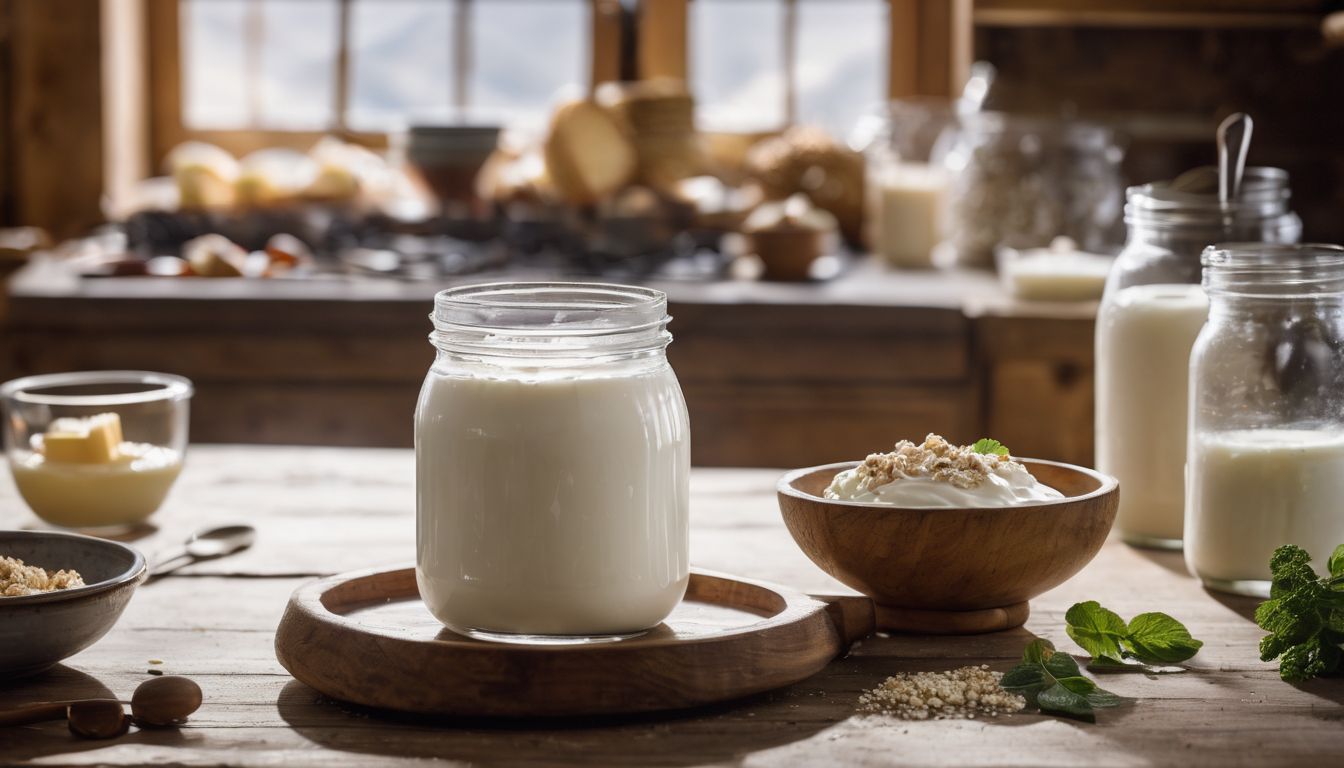
Lectin-free eating has gained popularity in recent years, focusing on minimising the intake of lectins, a type of protein found in certain plants. While lectins aren’t inherently harmful, some people find they experience digestive discomfort after consuming them. However, this doesn’t mean giving up on a satisfying breakfast.
A lectin-free breakfast can be a powerful way to jumpstart your day with sustained energy, improved gut health, and a delightful array of textures and tastes. Let’s discover the key ingredients used in lectin-free breakfasts and explore a variety of mouthwatering breakfast recipes and additional egg-free options for those with dietary restrictions or preferences. These lectin-free breakfast recipes are not only easy to prepare but also burst with flavour and essential nutrients.
What is a Lectin-Free Diet?
A lectin-free diet is a dietary approach that involves minimising or eliminating foods high in lectins, which are plant proteins that can be difficult to digest and may cause inflammation or digestive issues in some individuals. Lectins are found in various foods, including grains, legumes, nightshade vegetables (such as tomatoes and peppers), and certain fruits.
The premise of a lectin-free diet is to reduce the intake of these potentially problematic proteins to support gut health and overall well-being. Advocates of the lectin-free diet suggest that avoiding high-lectin foods may help alleviate symptoms associated with digestive disorders, autoimmune conditions, and inflammation.
Key Ingredients in Lectin-Free Breakfasts
When following a lectin-free diet, incorporating the right ingredients is essential to create satisfying and nutritious breakfast meals. Here are some key ingredients commonly used in lectin-free breakfast recipes.
Vegetables: Focus on non-nightshade vegetables such as leafy greens (spinach, kale, Swiss chard), cruciferous vegetables (broccoli, cauliflower, Brussels sprouts), asparagus, zucchini, and mushrooms.
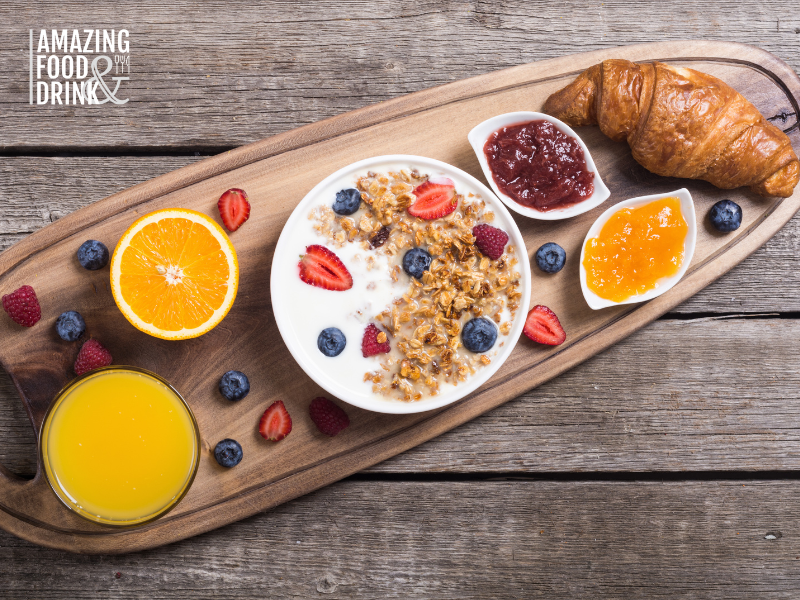
Fruits: Opt for lectin-free fruits such as berries (blueberries, strawberries, raspberries) and citrus fruits (lemons, oranges).
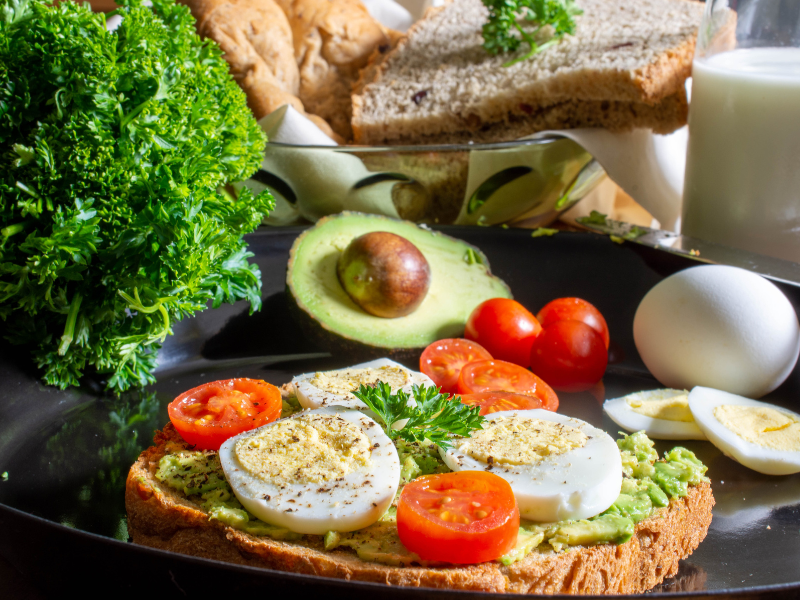
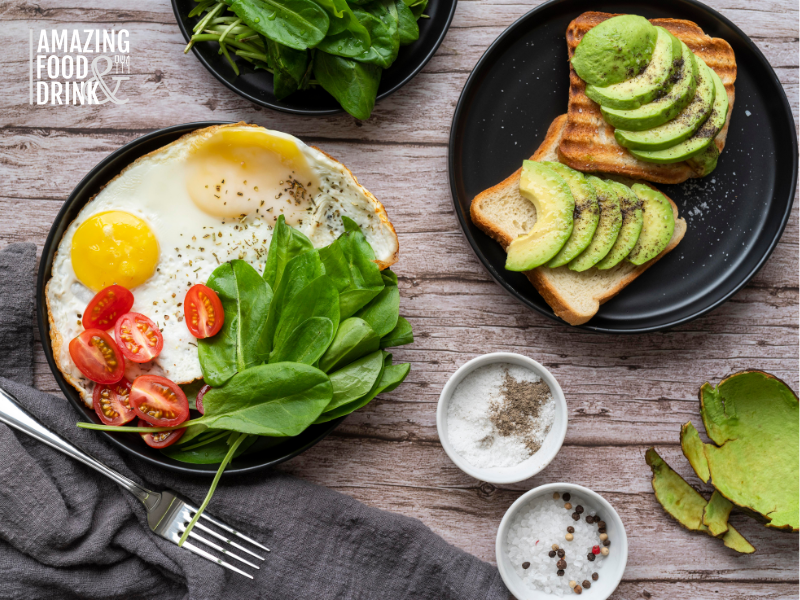
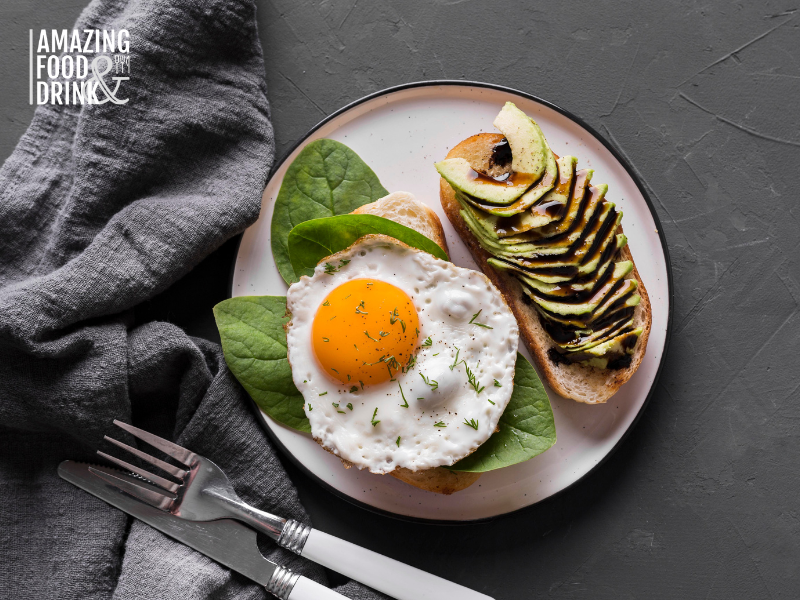
Proteins: Include animal-based proteins like eggs, fish, poultry, and grass-fed meats. Eggs are lectin-free and can be a versatile and nutritious addition to your lectin-free breakfast.
Healthy Fats: Use healthy fats such as avocado, olive oil, coconut oil, and ghee (clarified butter). These fats provide essential nutrients and add richness to your lectin-free breakfast dishes.
Dairy Alternatives: Choose lectin-free dairy alternatives like almond milk, coconut milk, and cashew milk instead of cow’s milk.
Grains and Flours: Use lectin-free flour and grains such as almond flour, coconut flour, cassava flour, and millet.
Herbs and Spices: Flavour your breakfast dishes with fresh herbs (parsley, cilantro, basil) and spices (turmeric, ginger, garlic) that are low in lectins.
Lectin-Free Breakfast Recipes
Start your day with these delicious and nutritious lectin-free breakfast recipes that are free from high-lectin ingredients and packed with flavour. These recipes are rich in nutritious ingredients that align with a lectin-free diet.
1. Greens and Sweet Potato Hash Bowl
This vibrant lectin-free breakfast bowl packs a protein punch and is bursting with flavour. It’s a fantastic way to incorporate a variety of lectin-free vegetables and customise it to your preferences.
2 eggs (optional) or cooked chicken sausage slices (optional)
Salt and pepper to taste
Chopped fresh herbs (optional, for garnish)
Instructions
Preheat the oven to 180°C (350°F).
Toss chopped sweet potato with olive oil and a pinch of salt and pepper. Spread on a baking sheet and roast for 20-25 minutes or until tender and slightly golden brown.
While the sweet potato roasts, heat the remaining olive oil in a pan over medium heat. Sauté the diced onion for about 5 minutes until softened.
Add the spinach and cherry tomatoes to the pan and cook until the spinach wilts—about 2 minutes. Season with salt and pepper to taste.
To assemble the bowls, divide the roasted sweet potato between two bowls. Top with the wilted greens and vegetables.
If desired, fry two eggs to your liking or heat up pre-cooked chicken sausage slices. Add the protein of your choice on top of the vegetables.
Garnish with chopped fresh herbs (optional) and enjoy!
2. Lectin-Free Sausage Frittata
httpss://youtu.be/VP0Tu9xY3hU?si=5X_3xGwfP7SRm9OW
Frittatas are a classic breakfast option, and this lectin-free version is no exception! It’s a hearty and satisfying breakfast, packed with vegetables and protein, and perfect to start your day.
1 cup chopped lectin-free vegetables (bell peppers, mushrooms, asparagus)
8 cherry tomatoes, halved
6 eggs, beaten
1/4 cup crumbled feta cheese (lectin-free option) or nutritional yeast
Salt and pepper to taste
Chopped fresh herbs (optional, for garnish)
Instructions
Preheat oven to 180°C (350°F). Heat olive oil in a cast-iron skillet or oven-safe pan over medium heat.
Sauté the diced onion and chopped vegetables for 5 minutes until softened.
Add the cherry tomatoes and cook for an additional minute. Season with salt and pepper to taste.
Pour the beaten eggs over the vegetables in the pan. Sprinkle with crumbled feta cheese or nutritional yeast.
Transfer the pan to the preheated oven and bake for 15-20 minutes or until the eggs are set and the top is golden brown.
Garnish with chopped fresh herbs (optional), and enjoy warm!
3. Almond Flour Pancakes
Indulge in fluffy almond flour pancakes that are both gluten-free and lectin-free. These pancakes are light, airy, and perfect for a leisurely weekend lectin-free breakfast.
Ingredients
1 cup almond flour
2 eggs
1/4 cup almond milk
1 tablespoon coconut oil, melted
1 tablespoon maple syrup (optional)
1/2 teaspoon baking powder
Pinch of salt
Instructions
In a mixing bowl, whisk together almond flour, eggs, almond milk, melted coconut oil, maple syrup (if using), baking powder, and salt until smooth.
Heat a non-stick skillet or griddle over medium heat. Lightly grease with coconut oil.
Pour batter onto the skillet to form pancakes of desired size.
Cook until bubbles form on the surface, then flip and cook until golden brown on the other side.
Serve warm with fresh berries and a drizzle of maple syrup, if desired.
Breakfast just wouldn’t be complete without a bagel option! These lectin-free breakfast bagels use alternative flours and creative methods to achieve a satisfying bagel experience.
Ingredients
2 cups cassava flour
1/2 cup arrowroot flour
1 tablespoon baking powder
1 teaspoon sea salt
2 large eggs
2 tablespoons apple cider vinegar
2 tablespoons olive oil
1/2 cup warm water
Optional toppings: Sesame seeds, poppy seeds, or toasted onion flakes.
Instructions
Preheat your oven to 190°C (375°F) and line a baking sheet with parchment paper.
Combine cassava flour, arrowroot flour, baking powder, and sea salt in a large mixing bowl. Mix well to combine.
In a separate bowl, whisk together eggs, apple cider vinegar, olive oil, and warm water.
Pour the wet ingredients into the dry ingredients. Mix until a dough forms. If the dough is too dry, add a little more water, one tablespoon at a time, until it comes together.
Transfer the dough onto a clean surface dusted with cassava flour. Knead the dough for about 5 minutes until smooth and elastic.
Divide the dough into 4 equal portions. Roll each portion into a ball, then use your fingers to poke a hole in the centre and shape it into a bagel shape.
Place the bagels on the lined baking sheet and, if desired, sprinkle sesame seeds, poppy seeds, or toasted onion flakes on top of the bagels.
Transfer the baking sheet to the preheated oven and bake for 25-30 minutes or until the bagels are golden brown and cooked through.
Allow the lectin-free bagels to cool slightly before slicing and serving. Enjoy your homemade lectin-free bagels with your favourite toppings or spreads!
5. Chocolate Chip Raspberry Muffins
Indulge in these delightful lectin-free muffins bursting with juicy raspberries and rich chocolate chips. They are perfect for a grab-and-go lectin-free breakfast or a sweet treat any time of the day.
½ cup chopped dark chocolate chips (choose lectin-free chocolate chips)
Instructions
Preheat oven to 180°C (350°F). Line a muffin tin with paper liners.
In a large bowl, whisk together the tapioca or arrowroot flour, baking soda, cinnamon, and salt.
In a separate bowl, whisk together the eggs, melted coconut oil, maple syrup or honey, coconut milk, and vanilla extract until well combined.
Gradually add the wet ingredients to the dry ingredients, mixing until just combined. Be careful not to overmix.
Gently fold in the fresh or frozen raspberries and chopped dark chocolate chips.
Divide the batter evenly among the prepared muffin cups.
Bake for 15-20 minutes or until a toothpick inserted into the centre comes out clean.
Let cool slightly before enjoying!
Lectin-Free Breakfast Recipes Without Eggs
For some people, eggs might be off-limits due to allergies or personal preferences. However, lectin-free breakfasts can still be incredibly delicious and satisfying even without eggs! Here are some mouthwatering lectin-free breakfast ideas that are egg-free and suitable for various dietary preferences.
1. Millet Porridge
Millet porridge is a hearty alternative to oatmeal that’s naturally gluten-free and lectin-free. Start your day with this creamy and comforting dish that’s packed with protein and fibre.
Ingredients
½ cup millet, rinsed
1 cup unsweetened nut milk (almond, coconut, etc.)
½ cup water
½ teaspoon ground cinnamon
Pinch of salt
Maple syrup or honey (optional, for sweetener)
Optional toppings: Fresh berries or chopped lectin-free nuts
Instructions
Combine the rinsed millet, nut milk, water, cinnamon, and salt in a saucepan. Bring to a boil over medium heat.
Reduce heat to low, cover the pan, and simmer for 20-25 minutes or until the millet is cooked through and the liquid is absorbed.
Remove from heat and let sit for a few minutes to thicken slightly.
Pour into a bowl and top with fresh berries, chopped nuts, a drizzle of maple syrup or honey (optional), and enjoy!
2. Lectin-Free Granola
Ditch the store-bought granola loaded with grains and sugar! This lectin-free version offers a delicious and crunchy breakfast option. This granola recipe is customisable and packed with wholesome ingredients.
Ingredients
1 cup millet (toasted for extra crunch)
½ cup unsweetened shredded coconut
¼ cup chopped dried fruits (cranberries, cherries, chopped figs)
¼ cup almond flour or coconut flour
2 tablespoons melted coconut oil
1-2 tablespoons maple syrup or honey
½ teaspoon ground cinnamon
Pinch of salt
Instructions
Preheat oven to 150°C (300°F).
Combine the millet, shredded coconut, and chopped dried fruits in a large bowl.
Whisk together the melted coconut oil, maple syrup or honey, cinnamon, and salt in a separate bowl.
Pour the wet ingredients over the dry ingredients and toss to coat evenly. Ensure everything is well coated.
Spread the granola mixture on a baking sheet and bake for 15-20 minutes, stirring occasionally, until golden brown and fragrant.
Let cool completely before storing in an airtight container. Enjoy with unsweetened nut milk or on top of a bowl of berries.
3. Basil Seed Pudding
httpss://youtu.be/tR6B9XjSHLA?si=gk9G4_QfTqqZ_dra
Basil seed pudding is a unique twist on chia pudding that’s packed with antioxidants and fibre. This refreshing and light pudding is perfect for those mornings when you crave something sweet yet healthy.
Ingredients
¼ cup basil seeds
1 ½ cups unsweetened coconut milk
½ teaspoon vanilla extract
Pinch of ground cinnamon
Fresh berries or chopped nuts (optional, for toppings)
Natural sweetener (optional, to taste)
Instructions
Whisk together the basil seeds, coconut milk, vanilla extract, and cinnamon in a small jar or bowl.
Cover and refrigerate for at least 2 hours, or overnight, to allow the basil seeds to soak up the liquid and thicken.
When ready to serve, stir the pudding and adjust the sweetness with a natural sweetener of your choice (optional).
Top with fresh berries, chopped nuts, or a drizzle of nut butter for added flavour and texture. Enjoy!
4. Purple Root Vegetable Latkes
These vibrant latkes are a fun and healthy twist on the traditional potato latkes. They’re packed with nutrients and perfect for a savoury, lectin-free breakfast.
Ingredients
1 medium beet, peeled and grated
1 medium parsnip, peeled and grated
1 medium carrot, peeled and grated
1/4 cup chopped onion
1/4 cup arrowroot flour or tapioca flour
1 tablespoon olive oil
Salt and pepper to taste
Chopped fresh herbs (optional, for garnish)
Apple sauce or unsweetened yoghurt (optional for serving)
Instructions
Grate the beet, parsnip, and carrot in a large bowl. Add the chopped onion and toss to combine.
Using a clean kitchen towel or cheesecloth, squeeze out as much excess moisture from the grated vegetables as possible. This will help the latkes to crisp up nicely.
Whisk together the arrowroot flour or tapioca flour with a pinch of salt and pepper in a separate bowl.
Add the flour mixture to the grated vegetables and toss to coat evenly.
Heat olive oil in a pan over medium heat. Once hot, scoop out heaping tablespoons of the vegetable mixture and flatten slightly into patties.
Cook the latkes for 3-4 minutes per side or until golden brown and crispy.
Serve warm with a dollop of apple sauce or unsweetened yoghurt (optional) and top with chopped fresh herbs (optional).
Matcha tea is a fantastic source of antioxidants and boasts a unique earthy flavour. This lectin-free matcha latte is a healthy and delightful alternative to traditional coffee-based drinks. It’s an energising way to start your day!
Ingredients
1 cup unsweetened nut milk (almond, coconut, etc.)
Heat the nut milk over medium heat in a small saucepan until simmering (not boiling).
Using a milk frother (or whisk vigorously), froth the hot nut milk until slightly foamy.
In a separate mug, whisk together the matcha powder, maple syrup or honey (optional), cinnamon (optional), and ginger (optional).
Pour the hot, frothed nut milk over the matcha mixture and stir well to combine.
Enjoy as is, or top with whipped coconut cream for extra flavour.
Final Notes & Further Inspiration
Ultimately, you can create delicious and satisfying lectin-free breakfast meals that support your dietary goals by focusing on lectin-free ingredients like non-nightshade vegetables, lectin-free fruits, animal-based proteins like eggs, and healthy fats. Remember, variety is key to maintaining a balanced and enjoyable lectin-free diet. So, experiment with different recipes and ingredients to keep your lectin-free breakfasts interesting and nutritious.
For further inspiration, explore our website’s vast recipe collection! We offer a wide variety of breakfast options, including our collection of easy and delicious egg-free Paleo breakfast recipes packed with nutrient-rich ingredients to keep you feeling full and energised. You can also check out our collection of dairy-free breakfast recipes, which are perfect for those following a vegan or dairy-free lifestyle.

 Asmaa Alhashimy