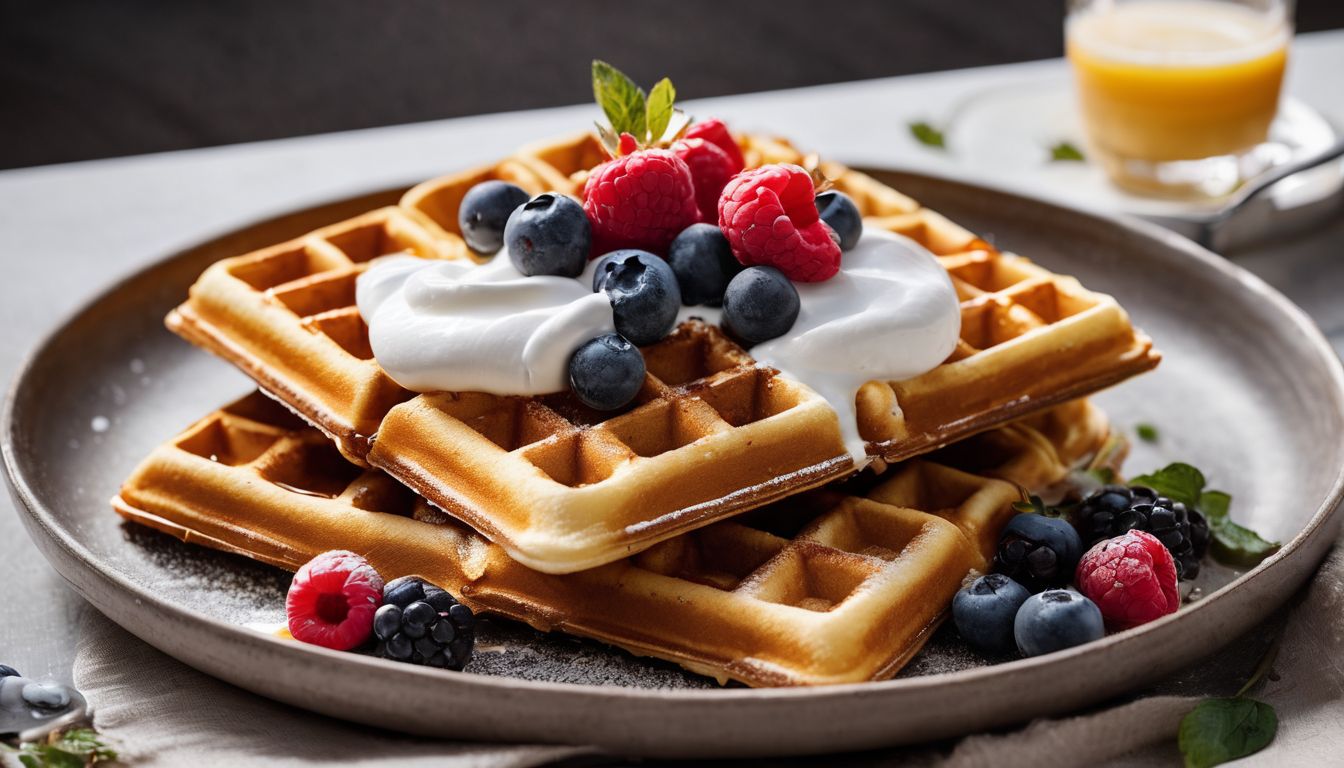
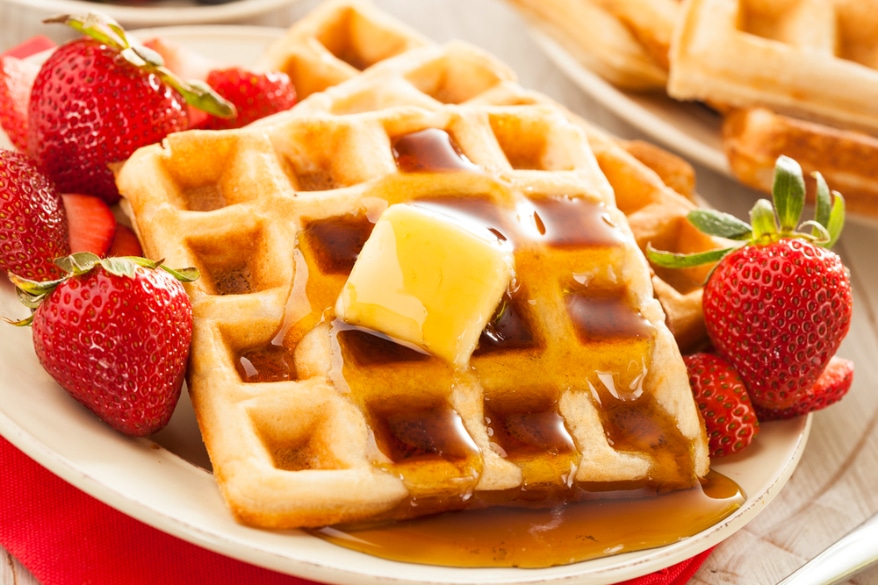
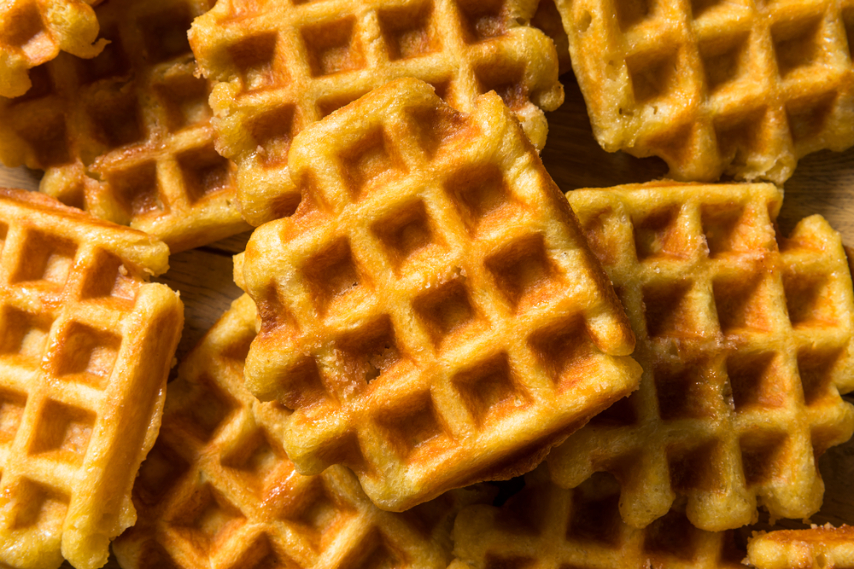
Craving waffles but want to avoid incorporating eggs in your cooking? We’ve developed a scrumptious eggless waffle recipe that delivers the same crispy exterior and pillowy interior as the classic counterpart but without the slightest trace of eggs. After testing this waffle recipe without eggs across multiple waffle iron types and flour brands, we’ve perfected a technique that produces consistently excellent results.
Whether you’re managing egg allergies, following a vegan lifestyle, adhering to dietary restrictions, or simply facing an empty egg carton on a Sunday morning, this egg-free waffle recipe proves that exceptional texture and flavour don’t require eggs. The secret lies in understanding the chemistry of eggless batter and how to replicate the binding, leavening, and browning properties eggs typically provide.
Get ready to whip up batches of fluffy goodness, experiment with sweet and savoury flavours, and uncover the secrets for making perfect eggless waffles that will impress even traditional waffle enthusiasts. Let’s get started!
Table of Contents
Understanding Your Eggless Waffle Ingredients
Each ingredient in this waffle recipe without eggs serves a specific purpose in creating the perfect texture and flavour. Understanding how these components work together will help you troubleshoot issues and adapt the recipe to your preferences.
All-Purpose Flour: The Foundation
All-purpose flour provides the structural backbone for your eggless waffles. When flour meets liquid, its proteins (gluten) form networks that give the waffle its shape. The moderate protein content of all-purpose flour (approximately 10-12%) creates the ideal balance; enough structure to hold the waffle together, but not so much that it becomes tough. Cake flour would produce overly delicate waffles that fall apart, whilst bread flour would create dense results. The starch in flour also contributes to browning through the Maillard reaction when exposed to heat.
Sugar: Beyond Sweetness
Sugar’s role in egg-free waffles extends beyond flavour. Sugar is hygroscopic, meaning it attracts and retains moisture, keeping your waffles tender even as they cool. It also promotes browning; the caramelisation of sugar creates that beautiful golden exterior. In the absence of egg proteins (which brown readily), sugar becomes particularly important for achieving proper colour. Sugar also helps tenderise the waffle by interfering with gluten development. Even if you prefer less sweet waffles, reducing sugar too dramatically will result in pale, tough waffles that dry out quickly.
Baking Powder: The Leavening Powerhouse
Baking powder is the star player in eggless waffle recipes, replacing the leavening role that eggs typically provide. When moistened, it produces carbon dioxide bubbles that expand during cooking, creating the characteristic fluffy interior. Most baking powder is “double-acting,” releasing gas when mixed with liquid and again when exposed to heat. Fresh baking powder (less than six months old) is crucial; expired baking powder loses effectiveness, resulting in dense, flat waffles. When testing this recipe, we found that one tablespoon per two cups of flour produces optimal lift without imparting a bitter aftertaste.
Salt: The Flavour Enhancer
Salt is essential for balanced flavour in your waffles without eggs. Salt enhances sweetness and suppresses bitterness, making other flavours more pronounced. It also strengthens gluten networks, contributing to better texture and structure. Without adequate salt, waffles taste flat and one-dimensional, regardless of how well they’re cooked. The amount specified provides seasoning without making the waffles taste salty.
Non-Dairy Milk: Liquid and Structure
Non-dairy milk hydrates the flour and provides the liquid medium for the baking powder’s leavening action. The choice of non-dairy milk affects the final result significantly. Soy milk, with its higher protein content, promotes better browning and creates sturdier waffles most similar to those made with dairy milk. Oat milk produces tender, slightly sweet waffles with excellent texture. Almond milk creates lighter, more delicate waffles with subtle nutty notes. Avoid rice milk, which is too thin and lacks the body needed for proper waffle texture. Room temperature or slightly warm milk (around 25-30°C) helps activate baking powder more effectively than cold milk.
Vegetable Oil: The Moisture and Crispness Agent
Vegetable oil is crucial for achieving both tenderness and crispness in egg-free waffles. Oil coats flour particles and inhibits gluten development, resulting in a tender texture. It also provides moisture that keeps waffles from drying out. Importantly, oil is 100% fat with no water content, unlike butter which contains 15-20% water. This distinction is critical in eggless baking; the absence of water means less steam during cooking, which promotes the crispy exterior we desire. During testing, we found that waffles made with melted butter emerged softer and less crisp than those made with oil. Neutral oils like sunflower, rapeseed (canola), or vegetable oil blends work best.
Vanilla Extract: The Flavour Enhancer
Vanilla extract adds depth and complexity to your eggless waffles, rounding out the flavour profile. Pure vanilla extract contains flavour compounds that enhance our perception of sweetness and mask any potentially “floury” taste that can sometimes occur in eggless baking. The small amount used won’t make waffles taste distinctly of vanilla but rather creates a harmonious backdrop that allows other flavours to shine. Pure vanilla extract produces superior results compared to artificial vanilla flavouring.
This comprehensive eggless waffle recipe walks you through every step of creating perfect waffles without eggs. The technique has been tested extensively to ensure consistent results.
Preheating Your Waffle Iron
Begin by preheating your waffle iron according to the manufacturer’s instructions; this typically takes 5-7 minutes. Adequate preheating is critical for achieving crispy waffles without eggs. A properly heated iron creates immediate searing when batter hits the surface, forming that signature golden crust whilst the interior remains fluffy. Most electric waffle irons have indicator lights that signal when they’ve reached temperature. You can test readiness by flicking a few drops of water onto the plates; they should sizzle and evaporate immediately. Set your waffle iron to medium-high or the second-highest setting for best results.
Preparing the Dry Ingredients
In a large mixing bowl, whisk together the all-purpose flour, sugar, baking powder, and salt until thoroughly combined. This step ensures even distribution of the baking powder and salt throughout the flour. Uneven distribution means some parts of your waffle will rise properly whilst others remain dense. Use a balloon whisk and make at least 20-30 vigorous strokes. After whisking, create a well in the centre of the dry ingredients; this helps prevent lumps when you add the wet ingredients.
Mixing the Wet Ingredients
In a separate bowl or large measuring jug, whisk together the non-dairy milk, vegetable oil, and vanilla extract until relatively combined. The oil may not fully emulsify, which is normal. If your non-dairy milk has been refrigerated, allow it to sit at room temperature for 10-15 minutes before using, as room temperature liquids combine more readily and activate baking powder more effectively.
Combining Wet and Dry Components
Pour the wet ingredient mixture into the well you created in the dry ingredients. Using a wooden spoon or spatula, gently fold the ingredients together with broad, sweeping strokes from the bottom upward. Stop mixing as soon as you no longer see large pockets of dry flour; the batter should still contain small lumps. These lumps will disappear during cooking. The entire mixing process should take no more than 30-40 seconds. Overmixing develops excessive gluten, resulting in tough, chewy waffles rather than tender ones.
Resting the Batter
After mixing, allow the batter to rest undisturbed for exactly 5 minutes. During this resting period, the flour absorbs liquid fully, the baking powder begins its leavening work, and the gluten strands relax. When testing this recipe, we found that 5 minutes produces the optimal balance. Batters used immediately produce slightly denser waffles, whilst batters rested longer than 10 minutes begin losing leavening power. Set a timer for precision.
Greasing the Waffle Iron
Even with a non-stick waffle iron, lightly grease the plates before each waffle. Use either non-stick cooking spray (applied from about 20cm away) or brush the plates with a small amount of neutral oil using a pastry brush or paper towel. Don’t over-grease; excess oil creates greasy waffles and can cause smoking.
Pouring and Spreading the Batter
Give the rested batter a gentle stir to redistribute any settled ingredients. Using a ladle or measuring cup, pour the batter into the centre of the lower waffle plate. The amount needed varies by iron size, typically 1/2 to 3/4 cup for Belgian-style irons or 1/3 to 1/2 cup for standard irons. Pour enough to fill about 2/3 of the lower plate’s surface, as the batter will spread when you close the iron. Using a spatula, quickly spread the batter toward the edges whilst leaving about 1cm from the very edge to allow for expansion.
Cooking the Waffle
Close the waffle iron lid gently but firmly. Don’t press down forcefully. Resist opening the iron for at least 3 minutes; opening too early causes the waffle to split and stick. During cooking, you’ll notice steam escaping from the sides. As the waffle nears completion, the amount of steam will decrease significantly; when steam production nearly stops, the waffle is typically done. Most waffle irons take 4-5 minutes per waffle. The waffle should be deep golden brown with crisp edges.
Removing the Waffle
Once cooking is complete, open the waffle iron fully. The waffle should release easily. If it sticks, gently loosen it using a heat-resistant silicone spatula; never use metal utensils on non-stick coatings. Transfer the waffle immediately to a wire cooling rack to maintain the crispy exterior. If serving isn’t immediate, keep finished waffles warm in a 95°C (200°F) oven on a wire rack. Never stack hot waffles, as trapped steam will make them soggy.
Repeating the Process
Lightly re-grease the iron if needed, and repeat with the remaining batter. As you progress, you may find that subsequent waffles cook slightly faster than the first, as the iron maintains temperature more consistently. Adjust timing accordingly.
Chef’s Note: When testing this recipe across different waffle iron brands, we discovered that Belgian-style irons with deeper pockets require 30-60 seconds longer cooking time than shallow American-style irons.
Sweet & Savoury Waffle Variations
Eggless waffles are a delightful and versatile treat that offers endless possibilities for customisation. The base recipe adapts beautifully to both sweet breakfast indulgences and savoury brunch options. Here are some tested variations on the basic eggless waffle recipe that we’ve developed through extensive kitchen experimentation.
Sweet Eggless Waffle Variations
Chocolate Eggless Waffles: Add 1/4 cup cocoa powder to the dry ingredients, reducing flour by 1/4 cup to maintain proper batter consistency. For an extra decadent touch, fold in 1/2 cup chocolate chips. The cocoa intensifies the Maillard reaction, producing deeper colour and richer flavour in these egg-free waffles.
Banana Waffles Without Eggs: Mash 1 ripe banana and stir it into the wet ingredients, reducing the non-dairy milk by 1/4 cup to account for the banana’s moisture. The natural sugars in bananas promote excellent browning. Add a handful of chopped walnuts or pecans for extra crunch and textural contrast.
Pumpkin Eggless Waffles: Add 1/2 cup of canned pumpkin puree to the wet ingredients. Warm autumn spices like 1/2 teaspoon cinnamon, 1/4 teaspoon ginger, and 1/8 teaspoon nutmeg pair beautifully with the pumpkin flavour. This variation works particularly well during autumn months when pumpkin is at its seasonal peak.
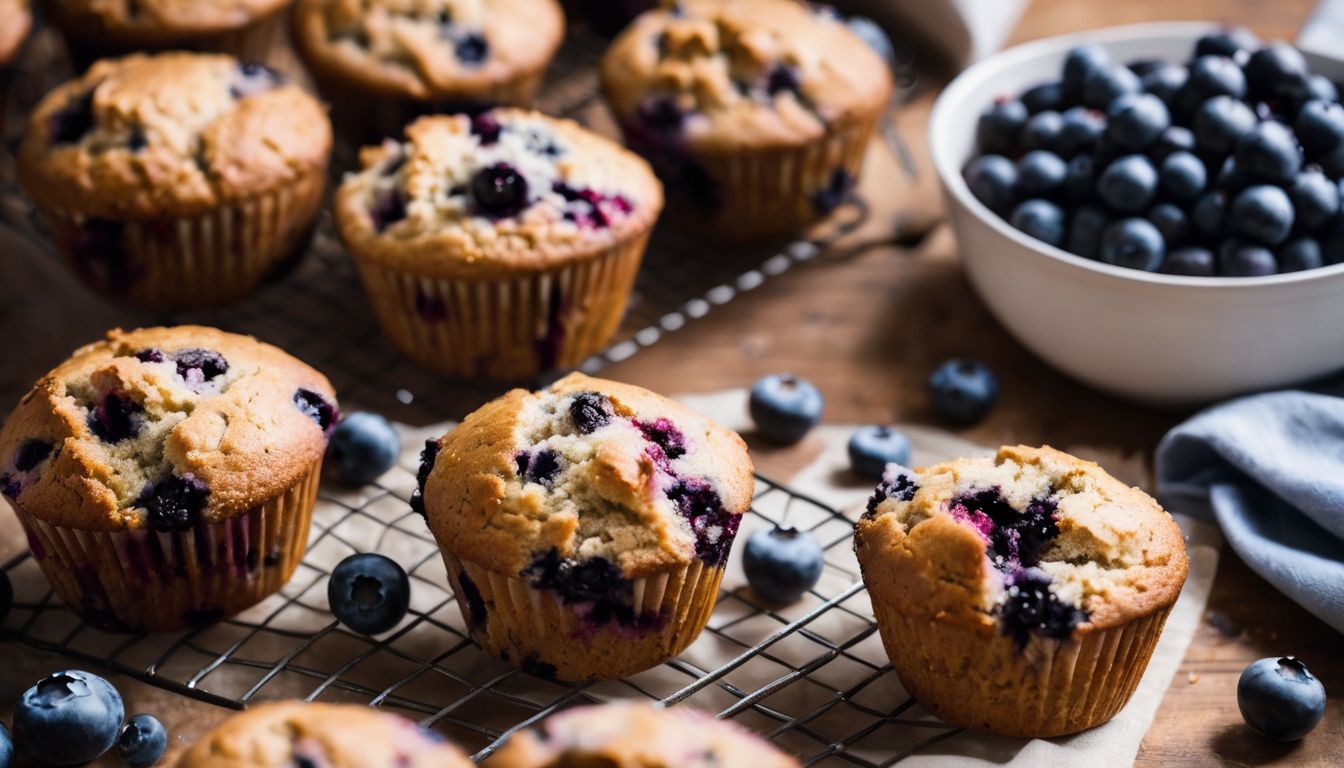
Blueberry Egg-Free Waffles: Fold 1/2 cup fresh or frozen blueberries into the batter just before cooking. If using frozen berries, don’t thaw them first; this prevents the colour from bleeding into the batter. The berries create pockets of jammy sweetness throughout the waffle. Drizzle with maple syrup or honey for extra sweetness.
Apple Pie Waffles Without Eggs: Add 1/2 cup finely chopped apples and 1/4 teaspoon cinnamon to the batter. For a truly indulgent dessert, top with a dollop of whipped cream and a drizzle of caramel sauce. This variation captures the essence of traditional apple pie in waffle form.
Coconut Cream Eggless Waffles: Add 1/4 cup shredded coconut to the batter and reduce flour by 2 tablespoons. Top your finished waffles with a dollop of whipped coconut cream and a sprinkle of toasted coconut flakes for a tropical twist that transports you to warmer climates.
Savoury Eggless Waffle Variations
Cheese Waffles Without Eggs Add 1/2 cup grated cheddar cheese to the batter, along with 1/4 teaspoon garlic powder. You can also add a pinch of cayenne pepper for subtle heat. Serve these savoury egg-free waffles with avocado, salsa, or even as a base for eggs benedict.
Potato and Onion Waffles Add 1/2 cup of finely grated potatoes (squeezed to remove excess moisture) and 1/4 cup of diced onions to the batter for a hearty and satisfying breakfast option reminiscent of traditional potato pancakes. Top with a fried egg and a dollop of sour cream for a complete meal.
Herb Eggless Waffles Add 1/4 teaspoon each of dried rosemary, thyme, and oregano to the batter. Reduce sugar to 1 tablespoon for a more savoury profile. These herb-infused waffles without eggs pair wonderfully with grilled vegetables, poached eggs, or as a unique base for chicken and waffles.
Pizza Waffle Recipe Prepare the basic eggless waffle recipe, then spread a thin layer of tomato sauce on the cooked waffles. Top with mozzarella cheese and your favourite pizza toppings like pepperoni, mushrooms, or peppers. Bake in a preheated oven at 190°C (375°F) for 5-7 minutes or until the cheese is melted and bubbly. This creative variation transforms breakfast waffles into a fun dinner option.
Spicy Black Bean Waffles Mash one 400g can of black beans and stir them into the batter along with 1/2 teaspoon of chilli powder, 1/4 teaspoon of cumin, and a pinch of cayenne pepper. These protein-rich eggless waffles work beautifully as a base for Mexican-inspired toppings. Serve with salsa, guacamole, and sour cream for a satisfying brunch that draws from Latin American flavour traditions.
Perfect Egg-Free Waffle Techniques
Achieving perfect eggless waffles consistently requires attention to several technical details. After preparing this waffle recipe without eggs hundreds of times, we’ve identified the key techniques that separate good waffles from exceptional ones.
Essential Waffle-Making Tips
Proper Iron Preheating: Preheat your waffle iron thoroughly, at least 5 minutes, before cooking. An adequately heated iron ensures that the waffles cook evenly and develop that signature crispy exterior. Many home cooks underestimate this step, resulting in pale, soft waffles that lack the textural contrast that makes waffles special.
Choosing the Right Liquid: Buttermilk is a traditional choice for waffles as it adds tangy flavour and helps keep the interior moist whilst promoting browning. For these eggless waffles, you can create a buttermilk substitute by adding 1 tablespoon of lemon juice or vinegar to your chosen non-dairy milk and letting it sit for 5 minutes. Plant-based options like soy milk and oat milk work particularly well due to their protein content, which aids in structure and browning. Almond milk produces slightly lighter waffles with a subtle nutty flavour.
Avoiding Overmixing: Don’t overmix the batter; a few lumps are perfectly acceptable. When preparing eggless waffle batter, overmixing develops gluten strands that make your waffles tough and dense rather than light and fluffy. Gently fold the wet ingredients into the dry until just combined, even if the mixture appears slightly lumpy. These lumps will disappear during cooking.
Proper Iron Preparation: Make sure to use cooking spray or brush a thin layer of neutral oil on the waffle iron grates before pouring in each batch of batter. This prevents sticking and ensures your egg-free waffles release easily. Even non-stick waffle irons benefit from a light coating, particularly when making waffles without eggs, as the absence of egg proteins can sometimes cause increased sticking.
Correct Portion Control: Don’t overcrowd the waffle iron. Pour just enough batter to fill the cavities without overflowing, typically 1/2 to 3/4 cup depending on your iron’s size. Overfilling leads to messy overflow and unevenly cooked waffles. Underfilling produces thin, crisp wafers rather than substantial waffles with fluffy interiors.
Timing the Flip: Be careful not to open the waffle iron too early. Let the waffles cook until steam stops escaping from the sides; typically 4-5 minutes. Opening too soon causes the waffle to split and stick. A gentle lift with a fork will tell you if they’re ready. If you encounter resistance, close the iron and continue cooking for another 30-60 seconds.
Achieving Golden Perfection: Aim for a deep golden brown colour with slightly crisp edges. Cooking time varies depending on your waffle iron and desired crispness, so monitor the first batch carefully and adjust subsequent cooking times accordingly. Lighter waffles will be softer; darker waffles achieve maximum crispness but risk bitterness if taken too far.
The Cooling Rack Secret: Transfer cooked waffles directly to a wire cooling rack rather than stacking them on a plate. This allows air circulation around all surfaces, maintaining the crispy texture you’ve carefully developed. If serving isn’t immediate, you can keep waffles warm in a 95°C (200°F) oven on a wire rack, though they’re undeniably best enjoyed fresh from the iron.
Troubleshooting Common Issues
Soggy or Soft Waffles: If your eggless waffles emerge soft rather than crispy, several factors might be at fault. Ensure your iron is adequately preheated. Increase cooking time by 30-60 seconds. Check that you’re not using excessive liquid; measure carefully. Consider adding 1-2 tablespoons of cornstarch to the dry ingredients, which helps achieve crispness in waffles without eggs.
Dense or Heavy Texture: Dense waffles typically result from overmixing or expired baking powder. Mix the batter just until combined, and always check your baking powder’s expiration date. Baking powder loses effectiveness over time, which is particularly problematic in eggless recipes where it provides the primary leavening. If your baking powder is more than 6 months old, replace it.
Waffles Sticking to Iron: Sticking problems usually indicate insufficient greasing or opening the iron too soon. Grease the iron before each batch, even if it’s non-stick. Ensure the iron is properly preheated, as waffles stick more readily to cooler surfaces. Allow adequate cooking time; opening too early causes tearing.
Pale Waffles: If your waffles aren’t browning adequately, increase the sugar content by 1 tablespoon, as sugar promotes browning. Ensure your iron reaches full temperature before cooking. Consider switching to soy milk, which browns more readily than almond or oat milk due to its protein content.
Storage & Reheating Guide
You can enjoy delicious eggless waffles any time with proper storage and reheating techniques. Here’s how to keep your egg-free waffles fresh and crispy.
Proper Storage Techniques
Immediate Cooling: Let the waffles cool completely on a wire rack before storing; this takes about 15-20 minutes. Never stack hot waffles, as this creates condensation that makes them soggy.
Refrigerator Storage: Place cooled waffles in an airtight container or wrap them individually in plastic wrap. Layer waffles with parchment paper between each one to prevent sticking. Refrigerate within 2 hours of cooking. Waffles keep well in the refrigerator for up to 3 days.
Freezer Storage: For longer storage, wrap each waffle individually in plastic wrap or parchment paper to prevent freezer burn. Place wrapped waffles in a freezer-safe zip-top bag, removing as much air as possible. Label with the date; frozen eggless waffles maintain quality for up to 2 months. You can reheat directly from frozen or thaw in the refrigerator overnight.
Reheating Options
Toaster Method (Best for Crispness): The toaster is optimal for restoring crispy texture. Set to medium heat and toast refrigerated waffles for 2-3 minutes or frozen waffles for 3-4 minutes. The dry heat perfectly recreates the crispy exterior whilst warming the fluffy interior.
Oven Method (Best for Multiple Waffles): Preheat your oven to 175°C (350°F). Place waffles in a single layer directly on the oven rack or on a baking sheet. Bake refrigerated waffles for 5-7 minutes, or frozen waffles for 10-12 minutes. For maximum crispness, place waffles directly on the oven rack rather than a baking sheet.
Microwave Method (Quickest but Softest): Place the waffle on a microwave-safe plate and heat on 50% power for 30-60 seconds for refrigerated waffles. Never use full power, as this creates tough, rubbery waffles. After microwaving, you can restore some crispness by transferring the waffle to a toaster for 30-60 seconds.
Waffle Iron Method (Restaurant Quality): For restaurant-quality results, reheat waffles in the waffle iron itself. Preheat the iron to medium-high, place the waffle inside, and close gently without pressing down. Heat for 1-2 minutes until crispy and warmed through. This produces results virtually indistinguishable from freshly made waffles.
Pro Tip: Before reheating using any method, lightly mist the waffle surface with water using a spray bottle; just 2-3 spritzes per side. This helps restore moisture and prevents drying during reheating, making a remarkable difference in final texture.
Seasonal Variations & Cultural Traditions
Whilst waffles are enjoyed year-round, different seasons and cultural traditions inspire unique variations on this beloved breakfast item. Understanding these contexts enriches your eggless waffle experience and connects your cooking to broader culinary traditions.
Seasonal Ingredient Adaptations
Spring: Fresh berries come into season, making this the ideal time for strawberry, raspberry, or mixed berry eggless waffles. The natural tartness of spring berries balances the waffle’s subtle sweetness. Consider folding in fresh lemon zest for brightness.
Summer: Stone fruits like peaches, nectarines, and plums reach peak season. Dice these into small pieces and fold into the batter, or serve fresh slices atop finished waffles. Summer is also ideal for coconut variations, as the tropical flavours align with warm-weather dining.
Autumn: This season calls for warming spices and harvest ingredients. Pumpkin, apple, and pear variations shine during the autumn months. Incorporate cinnamon, nutmeg, and ginger for cosy flavours that complement cooler weather. Pecans and walnuts are freshly harvested in autumn, making this the optimal time for nut-topped variations.
Winter: Chocolate and citrus variations feel particularly appropriate during winter months. Orange or mandarin zest brightened with chocolate chips creates a festive combination reminiscent of traditional winter flavours. Gingerbread-spiced waffles also suit winter celebrations.
Cultural Waffle Traditions
Waffle-making traditions exist across numerous cultures, each with distinctive approaches that can inspire your eggless waffle experiments.
Belgian Tradition: Belgian waffles are characteristically thicker with deeper pockets than American-style waffles. Traditionally made with yeast for complex flavour, eggless versions achieve similar results through extended resting time and the addition of sparkling water for lightness.
Scandinavian Heart Waffles: Norwegian and Swedish heart-shaped waffles (vafler) are thinner and often served with jam and sour cream. These waffles historically contained less sugar, making them suitable for both sweet and savoury applications; a tradition that aligns beautifully with our savoury waffle variations.
Hong Kong Egg Waffles: Despite the name, these bubble waffles can be successfully prepared without eggs. The distinctive spherical shape comes from specialised irons, whilst the crispy-yet-fluffy texture derives from proper batter chemistry; exactly what our eggless recipe achieves.
Dutch Stroopwafels: While Dutch stroopwafels are technically a different category (thin waffle cookies sandwiched with syrup), their cultural significance demonstrates waffles’ versatility. Consider preparing thinner eggless waffles and sandwiching them with caramel or jam for a similar effect.
Modern Dietary Considerations
The rise of plant-based eating and increased awareness of food allergies has made eggless waffle recipes more relevant than ever. According to food industry data, searches for egg-free recipes have increased significantly over the past five years, reflecting broader dietary trends.
Eggless waffles fit seamlessly into vegan diets, eliminating one of the most common animal products in breakfast cooking. They also accommodate egg allergies; one of the most prevalent food allergies affecting approximately 2% of children. For those following kosher dietary laws, eggless waffles simplify meal planning by eliminating concerns about mixing dairy and eggs.
Complete Eggless Waffle Recipe
This tested eggless waffle recipe delivers consistently crispy exteriors and fluffy interiors without any eggs. Perfect for vegans, those with egg allergies, or anyone looking to make delicious waffles without eggs.
1 3/4 cups non-dairy milk (soy, almond, or oat milk)
1/3 cup vegetable oil
1 teaspoon vanilla extract
Instructions
Preheat the waffle iron for 5-7 minutes until fully heated.
Whisk together flour, sugar, baking powder, and salt in a large bowl until well combined.
In a separate bowl, whisk together non-dairy milk, vegetable oil, and vanilla extract.
Pour wet ingredients into dry ingredients and stir gently until just combined. Leave small lumps.
Rest batter for 5 minutes.
Lightly grease the waffle iron with oil or non-stick spray.
Pour 1/2 to 3/4 cup batter onto the iron (amount varies by size). Spread evenly.
Close iron and cook for 4-5 minutes until golden brown and crisp, until steam stops escaping.
Remove carefully and place on a wire rack. Serve immediately.
Repeat with remaining batter, re-greasing the iron between batches.
Notes
Don’t overmix the batte; lumps are fine and will disappear during cooking
Use room temperature ingredients for best results
Place finished waffles on a wire rack, never stack hot waffles
Adjust cooking time based on your waffle iron and desired crispness
Batter can be refrigerated for up to 2 hours; add 1/2 teaspoon extra baking powder if stored
Nutrition Per Waffle (approximate)
Calories: 220
Carbohydrates: 32g
Protein: 4g
Fat: 9g
Fibre: 1g
Sugar: 5g
More Eggless Recipe Inspiration
Mastering eggless baking opens doors to inclusive cooking that welcomes everyone to the table. These crispy, fluffy waffles without eggs prove that exceptional texture and flavour transcend traditional ingredient lists; sometimes the path around constraints leads to the most satisfying destinations.
Plenty of other delicious and satisfying dishes can be made without eggs. Our website offers extensive inspiration for egg-free cooking across various cuisines and meal types. Explore our collection of fluffy egg-free pancake recipes, perfect for breakfast or brunch alongside your mastered waffle recipe. With the wide variety of ingredients and substitutes available, the possibilities are genuinely endless for creating exceptional egg-free versions of beloved recipes.