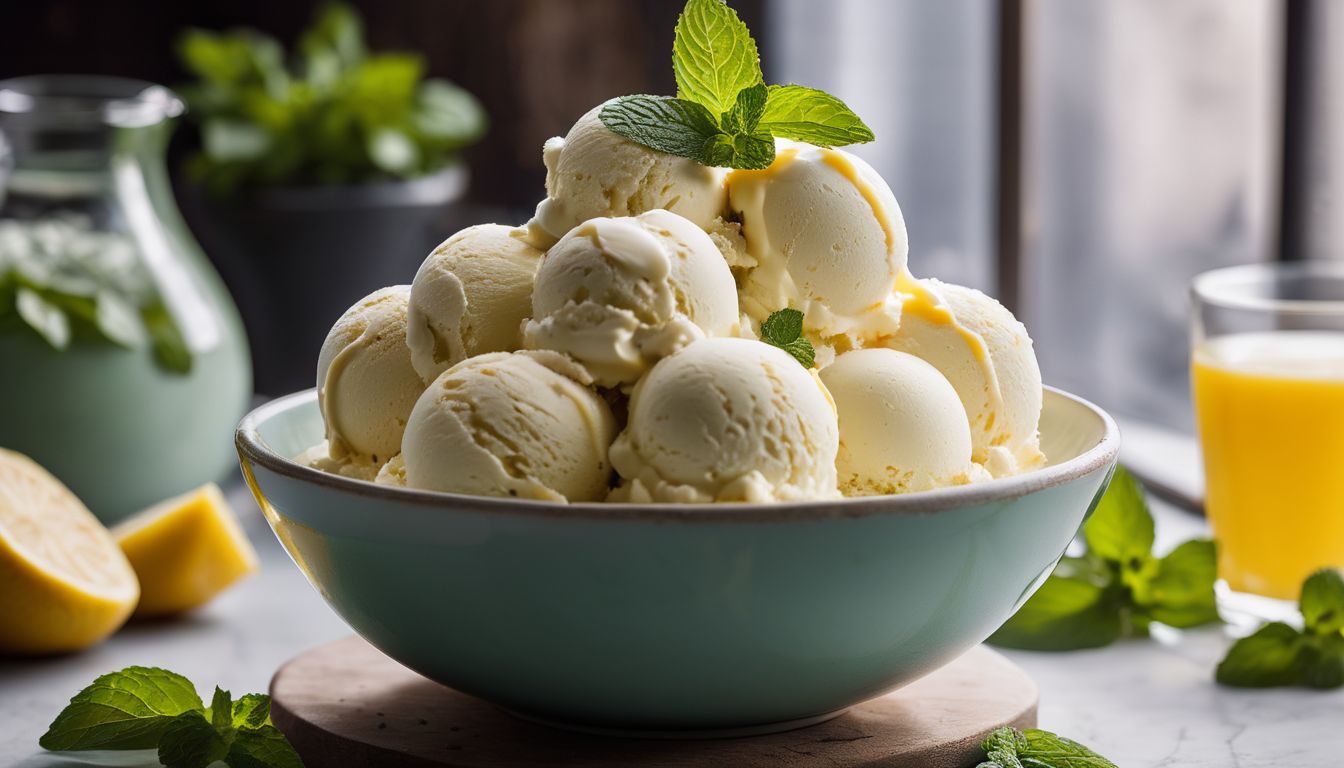
Egg-Free Vanilla Ice Cream

Egg-Free Vanilla Ice Cream: The Philadelphia-Style Masterclass

Author Avatar

Updated on February 1, 2026

Reviewed by Salma Ihab

Move over, chocolate chip cookie dough! The dessert world has a new contender that’s scooping up attention for its creamy texture, pure vanilla flavour, and inclusive appeal. Egg-free vanilla ice cream, often called Philadelphia-style, is more than just a dietary alternative. This frozen treat represents the purist’s approach to ice cream-making, where the absence of eggs isn’t a compromise but a deliberate choice that allows the delicate complexity of vanilla to shine through undiluted.

Traditionally, French-style ice cream relies on egg yolks for structure, richness, and that custard-like base. But eggs aren’t the only route to ice cream greatness. Philadelphia-style ice cream emerged in the late 18th century as a lighter, cleaner alternative that showcases milk, cream, and vanilla in their purest form. Without the masking richness of sulphur-heavy yolks, the floral, woody, and complex notes of high-quality vanilla beans resonate with remarkable clarity.

This egg-free approach is ideal for those with egg allergies or sensitivities, vegans seeking plant-based alternatives, and anyone who appreciates a lighter, more refreshing frozen dessert. The technique has roots in American confectionery tradition, where Quaker influence in Philadelphia championed simpler, more direct flavours over European elaboration. Modern adaptations work beautifully with both dairy-free protein shakes and traditional cream bases.

Why Egg-Free Works: The Clean Palate Principle

The Philadelphia-style method creates a “clean palate” experience where vanilla flavour shines through unmasked by egg yolks. In elite gelaterias worldwide, Fior di Latte (Flower of Milk) is always egg-free because it serves as the ultimate test of milk quality and vanilla mastery.

When you remove egg yolks, which contain lecithin and fats that coat the tongue, the bright top notes of vanilla come through clearly. This is why Philadelphia-style remains the connoisseur’s choice for pure vanilla flavour. The lighter texture also refreshes the palate, making it perfect alongside traditional Spanish desserts or fruit-based dishes.

This 18th-century American technique, influenced by Philadelphia’s Quaker community, emphasised simplicity and ingredient quality over European elaboration. Today, this approach has renewed relevance as more people seek allergen-free options with cleaner ingredient lists whilst still demanding exceptional flavour and texture.

Essential Ingredients Guide: Building the Perfect Base

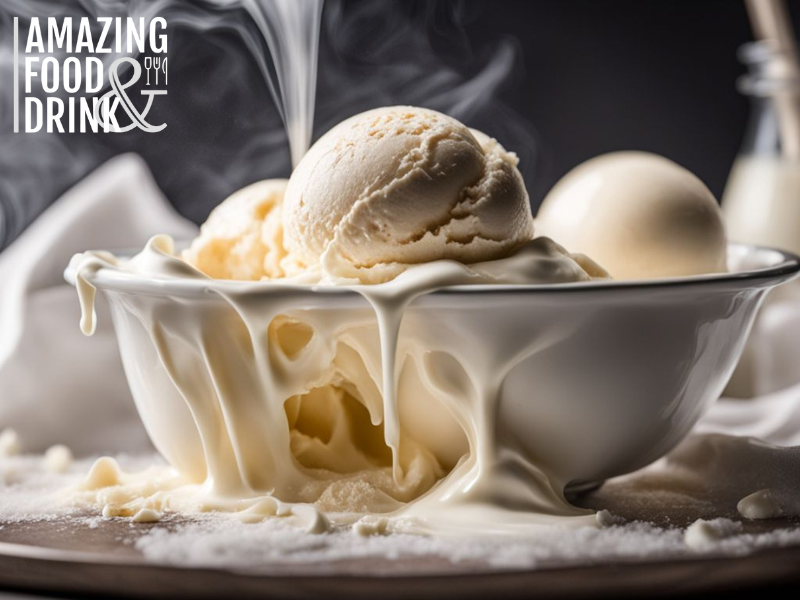
Egg-Free Vanilla Ice Cream

Creating exceptional egg-free vanilla ice cream requires understanding how ingredients contribute to texture and flavour. Without egg yolks to emulsify fats and water, achieving professional-quality results demands attention to ingredient ratios.

The Critical Fat Ratio

To prevent large ice crystals, your base needs 18-20% butterfat. In the UK, blend Double Cream (48% fat) with Whole Milk. In the US, use Heavy Cream (36% fat) with less milk. The exact ratio depends on the desired richness:

  • UK: 500ml Double Cream + 250ml Whole Milk (rich) | 400ml + 350ml (balanced) | 350ml + 400ml (lighter)
  • US: 500ml Heavy Cream + 250ml Whole Milk (rich) | 450ml + 300ml (balanced) | 400ml + 350ml (lighter)

For keto dietary approaches, use full-fat cream with minimal milk for lower carbohydrates, whilst maintaining a smooth texture.

Vanilla Selection

Without eggs to mask subtle notes, bean selection becomes crucial:

  • Madagascar Bourbon: Creamy, sweet notes with hints of caramel, the classic choice offering a familiar flavour that stands up well after freezing.
  • Tahitian: Floral and fruity with cherry undertones. These delicate beans shine in egg-free bases where nothing interferes with their subtle complexity.
  • Mexican: Bold and spicy with woody, cinnamon-like notes, adding depth for a more complex experience.

Use pure vanilla extract rather than imitation. “Double Fold” extract contains twice the standard concentration, providing the intensity needed for frozen applications where cold temperatures dull flavour.

Stabilising Without Eggs

Skimmed milk powder (2-3 tablespoons per litre) absorbs excess water, preventing jagged ice crystals. Cornflour provides thickening that mimics egg yolk texture, creating smooth, professional consistency. A pinch of salt heightens vanilla flavour whilst balancing sweetness.

Classic Recipe Method: Machine-Churned Philadelphia Style

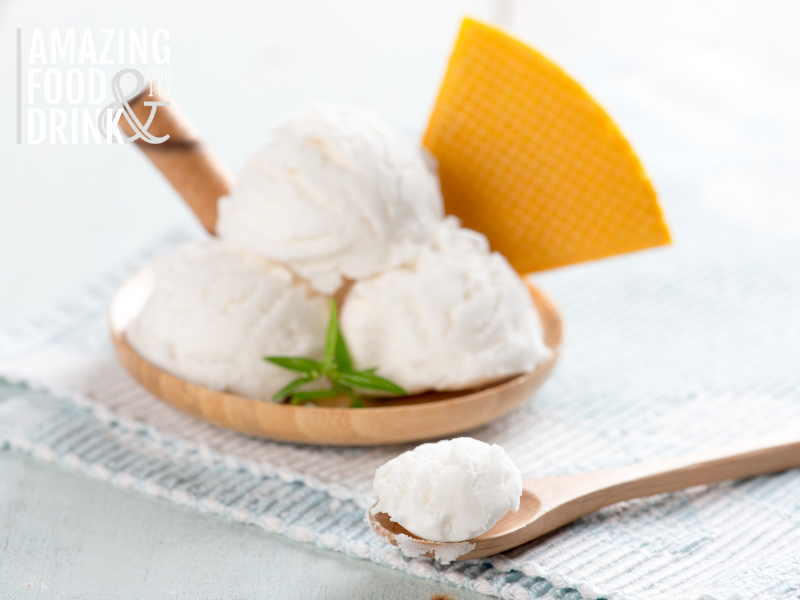
Egg-Free Vanilla Ice Cream

This tested recipe creates approximately 1 litre of exceptional egg-free vanilla ice cream with professional texture and pure vanilla flavour. The method requires an ice cream maker for optimal results, though a no-churn variation follows in the next section.

Ingredients

For the Base:

  • 500ml Double Cream (UK) or Heavy Cream (US)
  • 250ml Whole Milk
  • 150g Granulated Sugar (adjust to taste)
  • 2 Madagascar Vanilla Beans (or 2 tablespoons pure vanilla extract)
  • 2 tablespoons Skimmed Milk Powder
  • 1 tablespoon Cornflour
  • Pinch of Salt

Equipment Needed:

  • Medium saucepan
  • Whisk
  • Fine-mesh sieve
  • Ice cream maker
  • Airtight freezer-safe container

Step-by-Step Instructions

Step 1: Infuse the Vanilla

Pour the cream and milk into your saucepan. If using vanilla beans, split them lengthwise with a sharp knife and scrape out the tiny black seeds with the back of the knife. Add both the seeds and the scraped pods to the cream mixture; the pods contribute additional flavour during infusion.

Gently warm the mixture over medium-low heat, stirring occasionally, until just warm to the touch (approximately 60°C/140°F). Do not allow it to boil, as this can scald the cream and create an unpleasant cooked flavour. Remove from heat and set aside to infuse for at least 30 minutes. For a deeper vanilla flavour, cover and refrigerate overnight. This extended infusion develops remarkable complexity.

Step 2: Create the Thickened Base

If you infused vanilla pods, use a fine-mesh sieve to strain the mixture and remove them. Discard the pods (or rinse and dry them for adding to sugar containers, where they’ll impart vanilla scent).

Return the infused cream to the saucepan and add the sugar, whisking until completely dissolved. The sugar granules should disappear entirely; undissolved sugar creates an unpleasant grainy texture.

In a small bowl, whisk together the cornflour and 2 tablespoons of the milk mixture until smooth with no lumps. Slowly pour this slurry back into the saucepan whilst whisking constantly to prevent lumps from forming. Add the skimmed milk powder and salt, whisking until thoroughly incorporated.

Step 3: Chill Completely

Transfer the mixture to a clean container, cover with cling film pressed directly onto the surface (this prevents a skin from forming), and refrigerate for at least 4 hours or overnight. Proper chilling is crucial—the mixture must be thoroughly cold (below 4°C/39°F) before churning. Cold mixture churns faster and incorporates less air, creating denser, creamier ice cream.

Chilling also allows the cornflour to finish thickening and gives the flavours time to meld. Many professional ice cream makers insist on overnight chilling as the secret to superior texture.

Step 4: Churn to Perfection

Follow your ice cream maker’s instructions for churning. Most machines require 20-30 minutes to reach the proper consistency. The ice cream should resemble thick soft-serve when ready. Don’t over-churn, as this can incorporate too much air and create a fluffy rather than dense texture.

If your machine has variable speed settings, use medium speed for the smoothest results. The goal is gradual, controlled freezing that creates tiny ice crystals imperceptible to the tongue.

Step 5: Freeze Until Firm

Transfer the churned ice cream to an airtight container, pressing cling film directly onto the surface before sealing with the lid. This double protection prevents freezer burn and ice crystal formation. Freeze for at least 4 hours or until firm enough to scoop.

Home freezers typically operate at -18°C, which is colder than necessary and can make ice cream rock-hard. If your ice cream becomes too firm to scoop easily, let it sit at room temperature for 5-10 minutes before serving. Professional ice cream shops store their products at -12°C to -14°C for optimal scoopability.

The No-Churn Method: Artisan Ice Cream Without Machinery

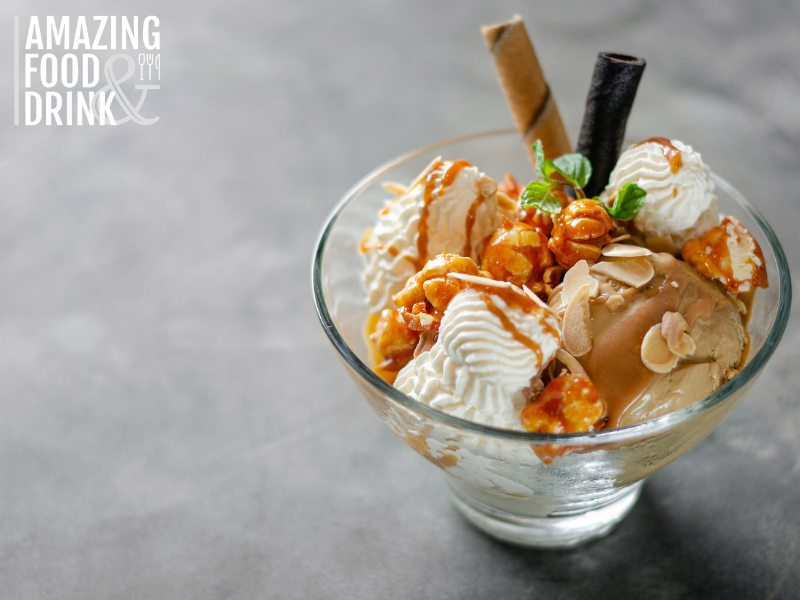
Egg-Free Vanilla Ice Cream

Not everyone owns an ice cream maker, but that shouldn’t prevent you from making exceptional egg-free vanilla ice cream. This no-churn method achieves creamy results through manual aeration and careful freezing technique.

The key lies in incorporating air before freezing something machines do automatically. Without mechanical churning, we whip cream to create tiny air bubbles that prevent a dense, icy texture.

No-Churn Ingredients

  • 300ml Double Cream (very cold)
  • 200ml Sweetened Condensed Milk
  • 2 teaspoons Pure Vanilla Extract (or seeds from 1 vanilla bean)
  • Pinch of Salt

No-Churn Instructions

Step 1: Whip the Cream

Using an electric mixer, whip very cold double cream until stiff peaks form. The cream should hold its shape when lifting the whisk (3-5 minutes electric, 8-10 minutes by hand). Don’t over-whip, as this causes graininess. Stop when glossy, not dry.

Step 2: Combine Carefully

In a separate bowl, stir together condensed milk, vanilla extract, and salt. Gently fold into whipped cream using a rubber spatula with a lifting motion to preserve air. Fold until just combined with no streaks.

Step 3: Freeze and Stir

Pour into an airtight container and freeze. Every hour for the first 3-4 hours, stir vigorously with a fork, scraping the sides and breaking up ice crystals forming along the edges. This manual “churning” prevents large crystals. After 3-4 stirs, leave undisturbed for at least 4 hours or overnight.

This works beautifully for variations; fold in crushed traditional Chinese desserts like sesame brittle, or swirl fruit compotes before final freezing.

Troubleshooting Common Issues: Avoiding the Icy Pitfall

Even with careful technique, egg-free ice cream can present challenges. Understanding what causes common problems helps you adjust your approach for consistently excellent results.

Problem: Ice Cream is Too Hard to Scoop

  • Causes: Insufficient fat content, over-freezing, or sugar imbalance.
  • Solutions: Increase the cream-to-milk ratio to achieve a higher butterfat content. Add 1-2 tablespoons of alcohol (vodka or rum) that doesn’t freeze solid, keeping the ice cream softer. Ensure you’re using enough sugar, which acts as antifreeze, lowering the freezing point. If your ice cream is already made, let it sit at room temperature for 10-15 minutes before scooping, or store it in a slightly warmer part of the freezer.

Problem: Ice Crystals Form During Storage

  • Causes: Temperature fluctuations, improper storage, or inadequate stabilisation.
  • Solutions: Always press cling film directly onto the ice cream surface before sealing the container. This prevents moisture from condensing and forming crystals. Store ice cream at the back of the freezer where the temperature is most stable, not in the door, where it fluctuates with opening and closing. Increase the skimmed milk powder to 3 tablespoons per litre for better stabilisation. Avoid repeatedly thawing and refreezing, which creates large ice crystals.

Problem: Ice Cream Tastes Bland After Freezing

  • Causes: Cold temperatures dull flavour perception.
  • Solutions: Increase vanilla quantity by 25-50% compared to recipes for room-temperature desserts. Use vanilla beans rather than extract for a more pronounced flavour. Add a pinch more salt to enhance the vanilla notes. Slightly over-sweetening the base before churning will make it taste balanced once frozen. Consider using brown sugar instead of white for deeper flavour complexity.

Problem: Texture is Grainy Rather Than Smooth

  • Causes: Undissolved sugar, over-churning, or protein separation.
  • Solutions: Ensure sugar is completely dissolved before chilling. Warm the mixture gently if needed to help dissolve stubborn granules. Don’t over-churn, and stop when the mixture reaches soft-serve consistency. If using plant-based milks, ensure they’re “barista” or “creamy” versions designed for high-fat applications, as thin plant milks can separate when churned.

Dietary Adaptations: Inclusive Excellence

Egg-Free Vanilla Ice Cream

Egg-free vanilla ice cream adapts beautifully to various dietary requirements through thoughtful ingredient substitutions.

Vegan and Dairy-Free Variations

For those avoiding animal products or managing lactose intolerance, plant-based options work remarkably well. Choose high-fat plant creams and milks that mimic dairy’s richness.

Coconut Cream: Use 400ml full-fat coconut cream blended with 200ml coconut milk for tropical undertones complementing vanilla.

Cashew Cream: Blend 200g soaked raw cashews with 400ml plant milk (oat or almond) and 100ml melted cocoa butter for richness. The cocoa butter adds necessary fat without chocolate flavour, mimicking dairy’s mouthfeel.

Oat Cream: Choose commercial oat creams with 10-12% fat content. Oats’ natural sweetness means you can reduce added sugar slightly.

Replace dairy thickeners with guar gum or xanthan gum (1/4 teaspoon per litre) and use coconut milk powder instead of skimmed milk powder.

Low-Sugar and Keto-Friendly Options

Sugar affects freezing point and texture, so alternative sweeteners require careful balancing.

Erythritol: Use 200g per litre, slightly more than sugar, as it’s less sweet. Combine with 1/4 teaspoon stevia extract to boost sweetness and counteract erythritol’s cooling sensation.

Allulose: This rare sugar behaves most like regular sugar in frozen applications. Use a 1:1 ratio, replacing regular sugar. Excellent for keto-friendly meal plans.

Monk Fruit Blend: Commercial blends typically replace sugar 1:1. Taste before churning and adjust as needed.

For low-sugar versions, increase fat content slightly and consider adding a tablespoon of vodka or rum to improve scoopability.

Global Variations: Infusing International Flavours

Different cultures have developed unique approaches to vanilla ice cream. Incorporating these global influences creates exciting variations whilst maintaining the egg-free foundation.

Southeast Asian: Pandan Vanilla Ice Cream

Egg-Free Vanilla Ice Cream

In Singapore, Malaysia, and the Philippines, pandan leaves add a distinctive fragrance to desserts.

Prep Time: 15 minutes (+ 4 hours chilling)
Churn Time: 25 minutes
Total Time: 4 hours 40 minutes
Servings: 1 litre

Ingredients

  • 500ml Double Cream
  • 250ml Whole Milk
  • 150g Granulated Sugar
  • 1 Vanilla Bean (split and scraped)
  • 4-5 Fresh Pandan Leaves (tied in a knot)
  • 2 tablespoons Skimmed Milk Powder
  • 1 tablespoon Cornflour
  • Pinch of Salt

Instructions

  1. Pour cream and milk into a saucepan. Add vanilla bean seeds and pod along with the knotted pandan leaves.
  2. Warm gently over medium-low heat until just warm (60°C/140°F). Remove from heat and steep for 1 hour for a deep pandan flavour.
  3. Strain mixture to remove vanilla pod and pandan leaves. Return to the saucepan.
  4. Whisk in sugar until dissolved. In a small bowl, mix cornflour with 2 tablespoons of the mixture until smooth, then whisk back into the saucepan.
  5. Add skimmed milk powder and salt. Whisk thoroughly.
  6. Transfer to a container, cover, and refrigerate for at least 4 hours or overnight.
  7. Churn in ice cream maker according to manufacturer’s instructions (20-30 minutes).
  8. Transfer to an airtight container and freeze for 4 hours until firm.

Tips: Fresh pandan leaves are available at Asian grocers. If using pandan extract instead, add 1-2 teaspoons after chilling the base. The ice cream will have a pale green colour and a tropical, coconut-like aroma.

Middle Eastern: Saffron Pistachio Vanilla Ice Cream

Egg-Free Vanilla Ice Cream

Persian and Arab traditions use saffron for its golden colour and floral notes. A luxurious Persian-inspired ice cream with saffron, pistachios, and rose water

Prep Time: 20 minutes (+ 4 hours chilling)
Churn Time: 25 minutes
Total Time: 4 hours 45 minutes
Servings: 1 litre

Ingredients

  • 500ml Double Cream
  • 250ml Whole Milk
  • 150g Granulated Sugar
  • 1 Vanilla Bean (split and scraped)
  • 1/4 teaspoon Saffron Threads
  • 2 tablespoons Warm Milk (for saffron)
  • 2 tablespoons Skimmed Milk Powder
  • 1 tablespoon Cornflour
  • 2 tablespoons Crushed Pistachios
  • 1 teaspoon Rose Water
  • Pinch of Salt

Instructions

  1. Steep saffron threads in 2 tablespoons of warm milk for 10 minutes until golden.
  2. Pour cream and milk into a saucepan. Add vanilla bean seeds and pod. Warm gently over medium-low heat until just warm.
  3. Add the saffron-infused milk (with threads) to the cream mixture. Remove from heat and steep for 30 minutes.
  4. Strain to remove vanilla pod. Return to the saucepan and whisk in sugar until dissolved.
  5. Mix the cornflour with 2 tablespoons of the mixture until smooth, then whisk it back into the saucepan. Add skimmed milk powder and salt.
  6. Transfer to a container, cover, and refrigerate for at least 4 hours or overnight.
  7. Churn in an ice cream maker for 20-25 minutes. During the last 5 minutes of churning, add crushed pistachios.
  8. Once churned, gently fold in rose water.
  9. Transfer to an airtight container and freeze for 4 hours until firm.

Tips: Use Persian or Kashmiri saffron for the best colour and flavour. Toast pistachios lightly before crushing for a deeper flavour. Rose water is available at Middle Eastern grocers and should be used sparingly as it’s potent.

Latin American: Mexican Cinnamon Vanilla Ice Cream

Egg-Free Vanilla Ice Cream

In Mexican helado, cinnamon is a traditional complement to vanilla. A warming Latin American variation with Ceylon cinnamon and cardamom

Prep Time: 10 minutes (+ 4 hours chilling)
Churn Time: 25 minutes
Total Time: 4 hours 35 minutes
Servings: 1 litre

Ingredients

  • 500ml Double Cream
  • 250ml Whole Milk
  • 150g Granulated Sugar
  • 1 Mexican Vanilla Bean (split and scraped) or 2 teaspoons pure vanilla extract
  • 1 teaspoon Ground Ceylon Cinnamon
  • 1/4 teaspoon Ground Cardamom (optional)
  • 2 tablespoons Skimmed Milk Powder
  • 1 tablespoon Cornflour
  • Pinch of Salt

Instructions

  1. Pour cream and milk into a saucepan. Add vanilla bean seeds and pod (or vanilla extract).
  2. Warm gently over medium-low heat until just warm (60°C/140°F). Remove from heat and steep for 30 minutes.
  3. If using vanilla pod, strain the mixture to remove it. Return to the saucepan.
  4. Whisk in sugar, ground cinnamon, and cardamom (if using) until the sugar dissolves.
  5. Mix cornflour with 2 tablespoons of the mixture until smooth, then whisk back into the saucepan.
  6. Add skimmed milk powder and salt. Whisk thoroughly.
  7. Transfer to a container, cover, and refrigerate for at least 4 hours or overnight.
  8. Churn in ice cream maker according to manufacturer’s instructions (20-30 minutes).
  9. Transfer to an airtight container and freeze for 4 hours until firm.

Tips: Use Ceylon cinnamon rather than cassia for a sweeter, more delicate flavour that complements rather than overpowers vanilla. Mexican vanilla beans have natural spicy notes that work beautifully with cinnamon. This ice cream is perfect for autumn and winter, especially alongside apple crumble, churros, or Mexican chocolate desserts.

Seasonal & Cultural Updates: Vanilla Through the Year

Egg-Free Vanilla Ice Cream

Egg-free vanilla ice cream adapts beautifully to seasonal ingredients and cultural celebrations throughout the year.

Spring and Summer: Light and Refreshing

During warmer months (May-September in the UK), vanilla ice cream pairs perfectly with fresh berries. Create ripple effects by folding slightly sweetened fruit compotes through ice cream during final churning. Gently crush 200g fresh berries with 50g sugar and lemon juice, simmer for 5 minutes until jammy, cool completely, then swirl through.

Stone fruits reach their peak in July and August. Roasting first concentrates flavour and reduces moisture. Halve and roast at 180°C for 20 minutes, cool, then fold into ice cream.

Autumn and Winter: Warming Spice Variations

As temperatures drop (September-February), vanilla takes on warming spices. The “Spiced Vanilla”. Add 1 teaspoon ground cinnamon, 1/2 teaspoon freshly grated nutmeg, and 1/4 teaspoon ground ginger before churning. Perfect with apple crumble or Christmas pudding.

For Diwali (October-November), incorporate cardamom and saffron. Crush and grind 6-8 green cardamom pods, steep with a cream base. This bridges cultures beautifully.

Sourcing Quality Ingredients

Vanilla harvests occur July-November in Madagascar. Beans purchased shortly after harvest offer the most pronounced flavour. Look for plump, oily pods that feel flexible. Grade A “gourmet” beans work best for visible specks; Grade B “extract” beans provide more intense flavour. Store in airtight containers in cool, dark cupboards; never refrigerate.

Egg-free vanilla ice cream represents the purest expression of frozen dessert craftsmanship. The Philadelphia-style method proves that constraint breeds creativity without egg yolks; we engage more deeply with ingredients, understanding how fat ratios, stabilisers, and vanilla quality create exceptional results.

Whether creating classic vanilla or experimenting with pandan-infused variations, or developing your own signature blend, the principles remain constant: quality ingredients, proper technique, and respect for the vanilla bean.

With cream, milk, sugar, and vanilla or their plant-based equivalents, you can create ice cream rivalling professional gelaterias. The journey teaches patience, precision, and appreciation for simplicity done supremely well.

Gather your finest vanilla beans and begin your egg-free ice cream journey.

FAQs

1. Can I make egg-free vanilla ice cream without an ice cream maker?

Yes. Whip 300ml very cold double cream to stiff peaks, fold in 200ml sweetened condensed milk mixed with 2 teaspoons vanilla extract. Freeze in an airtight container, stirring vigorously every hour for 3-4 hours to prevent ice crystals. The texture won’t be quite as smooth as machine-churned but remains wonderfully creamy and scoopable.

2. Why does my egg-free ice cream turn rock-hard in the freezer?

This stems from insufficient fat content or an imbalance in sugar. Ensure your base contains at least 18% butterfat using enough double cream relative to milk. Use approximately 150-180g sugar per litre; it acts as an antifreeze. Add 1-2 tablespoons of vodka to further lower the freezing point. Store it at the back of your freezer where the temperature is stable, and let it sit at room temperature for 10 minutes before scooping.

3. How long does homemade egg-free vanilla ice cream keep in the freezer?

Properly stored egg-free ice cream maintains optimal quality for 2-3 weeks and remains safe to eat for up to 2 months. Always press cling film directly onto the ice cream surface before sealing the container to prevent freezer burn. Store in the back of your freezer in an airtight container. Quality gradually declines as ice crystals form, so consume within the first month for best results.

4. Can I use plant-based milk for a vegan version?

Absolutely. Full-fat coconut cream (400ml coconut cream + 200ml coconut milk) provides the richest texture. Cashew cream (200g soaked blended cashews + 400ml plant milk + 100ml melted cocoa butter) creates a neutral flavour. Commercial oat creams with 10-12% fat also work excellently. Avoid thin almond or soy milks; boost with coconut cream or blended cashews for necessary richness. Replace dairy thickeners with guar gum or xanthan gum (1/4 teaspoon per litre).

5. What’s the difference between Philadelphia-style and French-style ice cream?

Philadelphia-style (egg-free) uses cream, milk, sugar, and flavourings with no eggs, creating lighter, cleaner-tasting ice cream where vanilla shines through. French-style recipes use egg yolks as a custard base, resulting in a richer, denser texture but dulling subtle flavour notes. Philadelphia-style originated in 18th-century Philadelphia and is the purist’s choice for experiencing unadulterated vanilla. It’s why elite gelaterias make their Fior di Latte egg-free.

Share with our social media

Leave a Reply

Your email address will not be published. Required fields are marked *