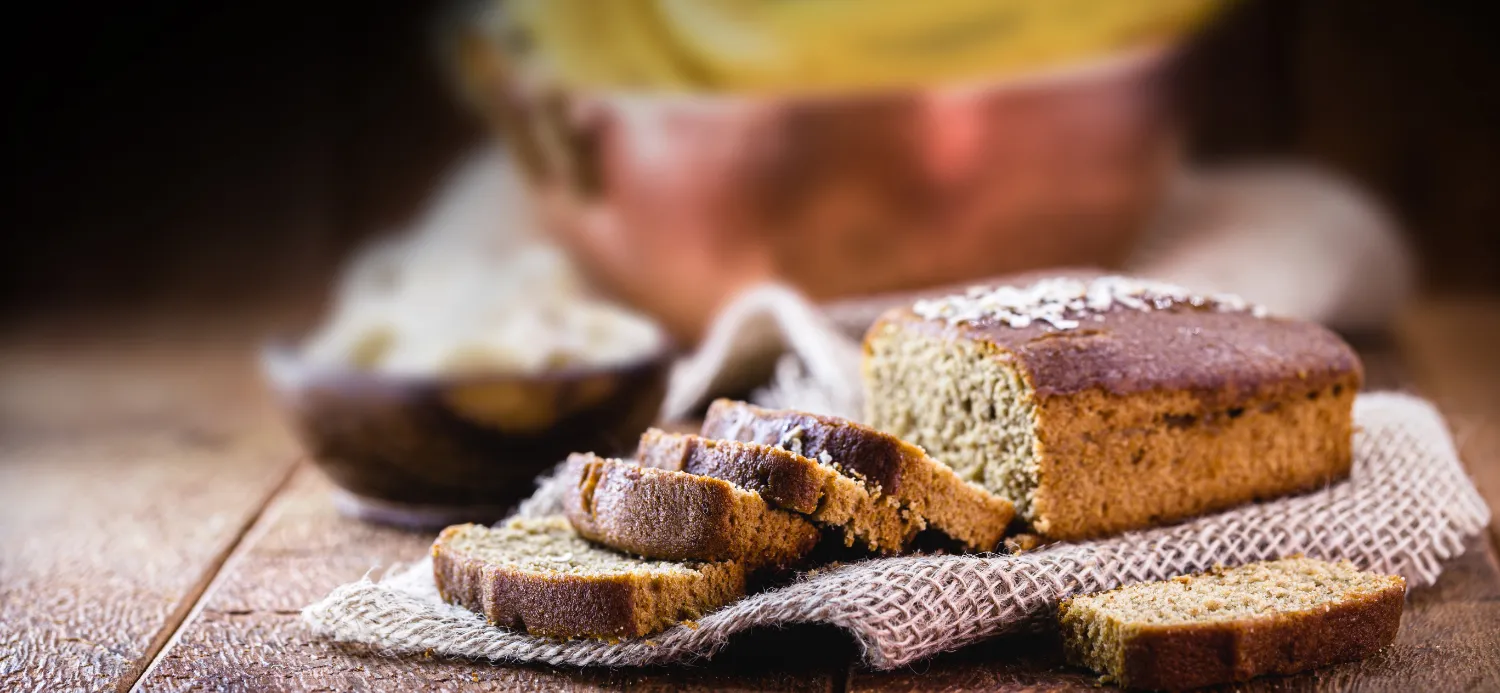
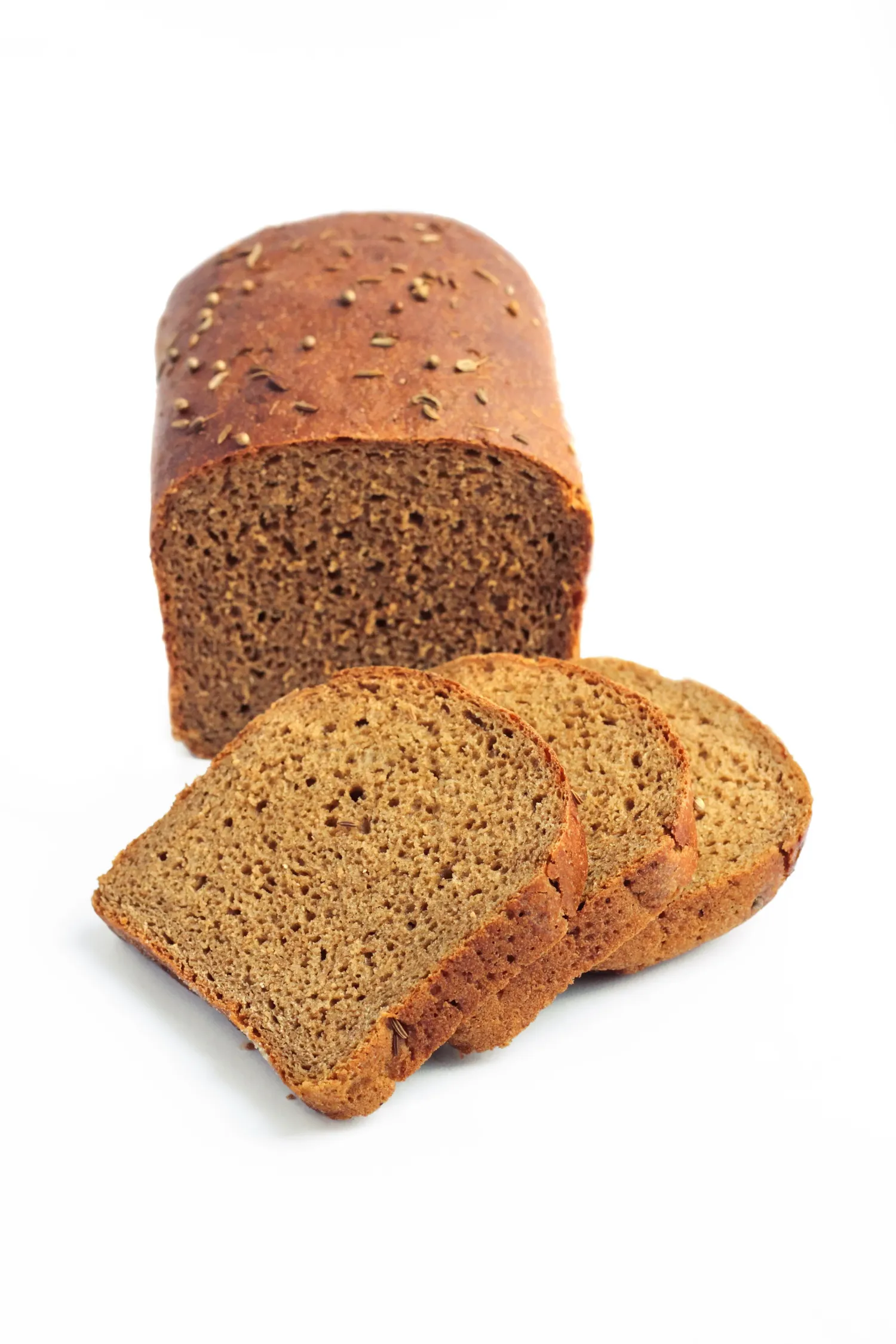
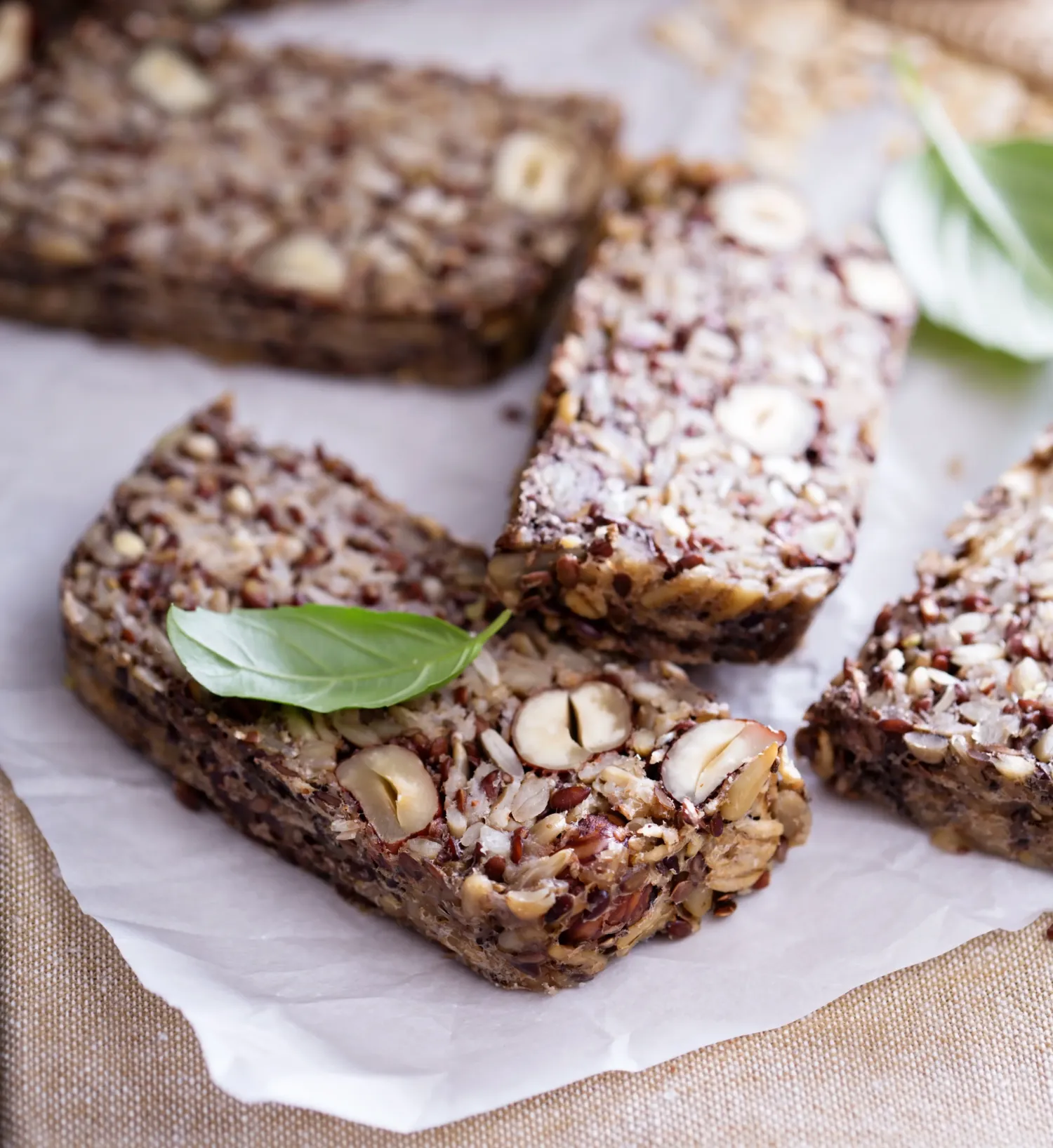
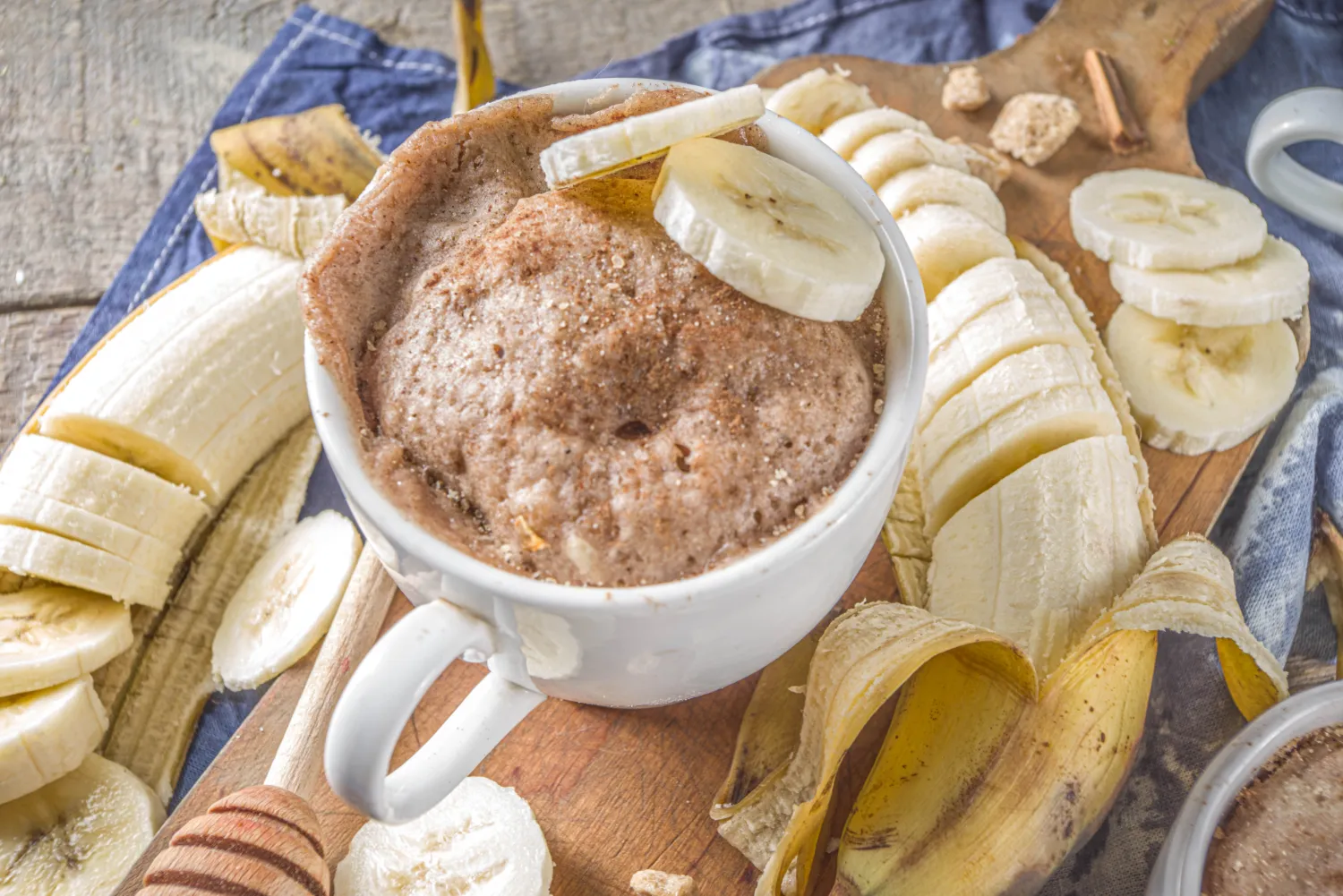
If you struggle to find gluten-free dairy-free bread loaves at local markets or remain disappointed with shop-bought options that fail to deliver on taste and texture, whilst carrying a hefty price tag, then mastering gluten-free dairy-free bread machine recipes is your solution. The secret to success doesn’t lie in luck or countless failed attempts; it lies in understanding that gluten-free, dairy-free bread machine baking operates on completely different principles from traditional wheat-based bread making.
When testing these gluten-free, dairy-free bread machine gluten dairy free bread machine recipes over multiple batches, we discovered that the most common failures stem from treating gluten-free dough like its wheat-based counterpart. This guide moves beyond surface-level tips to explore the precise science, machine calibration, and heritage grain traditions that separate dense, sunken “bricks” from beautifully risen, golden-crusted loaves.
Table of Contents
The GF/DF Bread Paradox: Why Machines Often Fail (And How We Fixed It)
After preparing gluten-free, dairy-free bread machine recipes numerous times across various machine models, we identified the critical difference that transforms results: understanding the “batter” versus “dough” distinction.
The Fundamental Science
In traditional baking, gluten acts as an elastic protein network that traps carbon dioxide produced by yeast, creating the characteristic rise and airy crumb. Without gluten and without the structural proteins found in dairy (casein and whey), your gluten-free, dairy-free bread machine mixture lacks this scaffolding entirely.
The most common mistake beginners make is adding too much flour in an attempt to create a recognisable “dough ball.” A successful gluten-free, dairy-free bread machine loaf should resemble thick cake batter rather than kneadable dough. If your machine struggles to form the mixture into a ball, you’re likely on the right track.
The Protein Deficit Challenge
Dairy-free baking introduces a second hurdle for gluten-free dairy-free bread machine recipes: the absence of casein and whey, which contribute to the Maillard reaction, the chemical process creating a golden-brown crust. When testing different dairy alternatives in our bread machine, we found that unsweetened soy milk or pea protein milk provides a protein structure mimicking cow’s milk, resulting in significantly better “spring” and a darker, more professional crust.
The Single-Rise Rule
Most bread machines program in a “punch down” phase after the first rise, which is catastrophic for gluten-free bread. Because the structure relies on fragile binders like xanthan gum or psyllium husk rather than elastic gluten, the dough cannot effectively “re-rise.” This explains why many gluten-free loaves collapse in the final stage.
Machine Setting Recommendation: Use the “Gluten-Free” setting on your machine, typically a single-rise programme. If your machine lacks this setting, we’ll show you how to use the “Custom” function to bypass the second knead entirely in our calibration section.
Global Heritage Grains: Beyond the Basic Flour Blend
One of the most overlooked aspects of gluten-free dairy-free bread machine baking is the rich history of naturally gluten-free grains used across cultures for millennia. Rather than viewing gluten-free baking as mere “substitution,” we can draw on authentic culinary traditions to create superior gluten-free, dairy-free bread machine loaves.
Sorghum (Jowar): Africa and India’s Ancient Grain
Sorghum has been a dietary staple in Sub-Saharan Africa and India for over 5,000 years. When milled into flour, it provides a mild, slightly sweet flavour with excellent moisture retention, crucial for gluten-free baking. Sorghum flour contains approximately 10% protein and is rich in antioxidants.
Baking Properties: Produces a tender crumb with good structure when combined with binding agents. Works particularly well in fruit and nut loaves.
Teff: Ethiopia’s Nutritional Powerhouse
This tiny grain forms the basis of injera, Ethiopia’s traditional flatbread. Teff flour offers the highest protein content of any gluten-free grain (13-14%) and brings a subtle nutty, malty flavour to baked goods.
Baking Properties: Creates a denser, more substantial loaf with rich colour. Best used in combination with lighter flours (25-30% of total flour weight).
Rice Flour: Asia’s Versatile Foundation
Brown rice flour provides a neutral flavour and fine texture, making it the backbone of most gluten-free flour blends. White rice flour produces a lighter, more delicate crumb but offers less nutritional value.
Baking Properties: Excellent for creating tender texture; works well as 40-50% of your flour blend. Brown rice flour adds a slight nuttiness; white rice flour keeps the colour pale.
Millet: Asia and Africa’s Underutilised Gem
Millet flour offers a mild, slightly sweet flavour similar to cornmeal. It has been cultivated in China and Africa for over 10,000 years and provides good nutritional value, including B vitamins and minerals.
Baking Properties: Adds subtle sweetness and creates a soft, cake-like crumb. Use 20-30% of your flour blend.
Essential Ingredients for the Perfect GF/DF Crumb
Understanding the role of each ingredient transforms your gluten-free, dairy-free bread machine success. These components work together to replicate the structure and texture that gluten and dairy naturally provide.
Binding Agents: Your Gluten Replacement
Xanthan Gum: The most common binding agent, derived from fermented corn sugar. Use 1-2 teaspoons per 500g flour blend. Provides elasticity and prevents crumbling.
Psyllium Husk Powder: A fibre-rich alternative that creates exceptional rise and structure. Use 2-3 teaspoons per 500g flour blend. Produces a chewier, more “bread-like” texture, but it can add a slightly purple tinge to the crumb.
Ground Flax Seeds: Adds binding properties plus nutritional benefits. Use 2 tablespoons per loaf, often in combination with xanthan gum.
Dairy-Free Fats: Choosing Wisely
The type of fat you choose affects both flavour and texture. Each option brings unique properties to your loaf.
Extra Virgin Olive Oil: Adds moisture and a slight fruity flavour. Works well in savoury loaves and Mediterranean-inspired variations.
Coconut Oil: Creates a tender crumb with subtle sweetness. Solid at room temperature, so it was melted before adding it to the bread machine.
Avocado Oil: Neutral flavour with a high smoke point. Excellent for achieving a professional, bakery-quality crumb.
Dairy-Free Milk Selection
Choosing the right dairy-free milk significantly impacts your bread’s structure, rise, and crust colour.
Unsweetened Soy Milk: Highest protein content (7-9g per cup), best for structure and crust development.
Almond Milk: Light flavour, lower protein (1-2g per cup). Best for banana bread and sweet loaves.
Oat Milk: Creamy texture, moderate protein (3-4g per cup). Creates tender crumb with slight sweetness.
Coconut Milk (Full-Fat): Rich and creates a brioche-like texture. Use light coconut milk for standard loaves; full-fat for enriched breads.
Machine Calibration: Settings for Panasonic, Sage, and Zojirushi
After testing these gluten-free, dairy-free bread machine recipes across multiple bread machine brands, we’ve identified the optimal settings for consistent results.
Panasonic SD-YR2550
Recommended Setting: Programme 17 (Gluten-Free)
Total cycle: 2 hours 10 minutes
Single rise cycle
Adjustable crust colour (recommend Medium)
Produces excellent results with a slightly domed top
Custom Programme (if needed):
Knead: 20 minutes
Rest: 5 minutes
Rise: 50 minutes
Bake: 55 minutes
Sage Custom Loaf Pro
Recommended Setting: Programme 9 (Gluten-Free)
Total cycle: 2 hours 50 minutes
Longer rise time (beneficial for gluten-free)
Automatic fruit/nut dispenser timing is perfect for add-ins
Note: Tends to produce taller loaves; reduce ingredients by 10% if overflow occurs
Zojirushi BB-PDC20
Recommended Setting: Menu Course 10 (Gluten-Free)
Total cycle: 2 hours
Dual kneading blades create superior mixing
Built-in thermometer ensures optimal dough temperature
Produces consistently even texture
Generic Machines Without Gluten-Free Setting
Custom Programme Setup:
Select “Dough” cycle for mixing only (typically 1 hour 30 minutes)
Allow the dough to complete its rise in the machine
Switch to “Bake Only” setting for 55-65 minutes at 180°C
Critical Notes for All Machines:
Never use the “Quick” or “Rapid” setting for gluten-free bread
Avoid machines with an automatic “punch down” if no gluten-free programme is available
Preheat function (if available) benefits gluten-free dough rise
5 Tested Gluten-Dairy Free Bread Machine Recipes
These proven gluten-free and dairy-free bread machine recipes have been extensively tested to ensure consistent results across different machine brands and environmental conditions.
Essential Tips for Success
Check the Texture: The mixture should resemble thick cake batter, not traditional dough. It should be slightly sticky; this moisture creates a tender crumb rather than a dense, crumbling consistency.
Ensure Proper Rising: Gluten-free bread typically rises 40-60% less than regular bread. A warm environment (24-27°C) helps yeast activity.
Use Fresh Ingredients: Gluten-free flours and dairy substitutes deteriorate faster than conventional counterparts. Always check expiration dates and store in cool, dry conditions.
Bread Storage: Allow complete cooling before storing in a sealed bag at room temperature. Refrigeration accelerates staling. Slice and freeze portions you won’t consume within 2-3 days.
1. Heritage Grain Fruit, Nut, and Chocolate Loaf
This gluten-free, dairy-free bread machine recipe showcases three ancient grains: sorghum from Africa, teff from Ethiopia, and a gluten-free flour blend base, creating a nutritionally dense loaf with complex flavour.
Add ingredients to the bread pan in order: liquids first (egg, olive oil, dairy-free milk, water), then oils, all dry ingredients, and finally yeast on top.
When the machine beeps (typically after the first mix cycle), add raisins, walnuts, and chocolate chips to the fruit/nut dispenser. If your machine lacks this feature, add these ingredients with other dry ingredients.
Place the pan in the machine, select Gluten-Free mode, choose Medium crust, and if available, select 1kg loaf size.
Start the machine and allow the full cycle to complete without opening the lid.
Once baking finishes, remove the pan and cool the loaf on a wire rack for at least 1 hour before slicing. This cooling period allows the structure to set properly.
Nutritional Information (per slice): Approximately 215 kcal, 8g fat, 32g carbohydrates, 4g fibre, 5g protein
Storage: Keep in a sealed container at room temperature for 2-3 days or slice and freeze for up to 1 month.
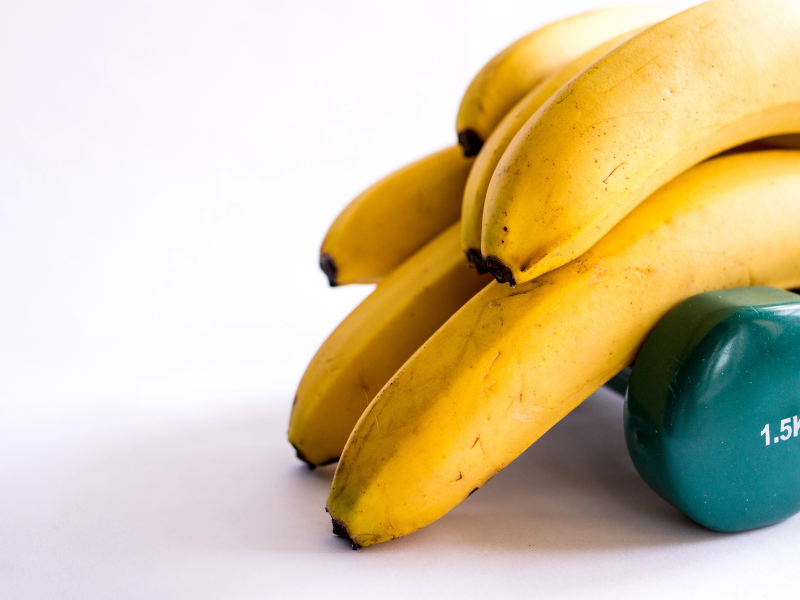
2. One-Bowl Gluten-Free Banana Bread
Perfect for breakfast, dessert, or snacks, this gluten-free, dairy-free bread machine banana bread can be modified to become vegan by using a flax egg. The banana’s natural moisture creates an exceptionally tender crumb.
30-45ml (2-3 tbsp) maple syrup (adjust based on banana ripeness; honey works for non-vegan)
3 medium ripe bananas (approximately 337g/1½ cups when mashed)
2.5ml (½ tsp) pure vanilla extract
14g (3½ tsp) baking powder
4g (¾ tsp) sea salt
2.5g (½ tsp) ground cinnamon
180ml (¾ cup) unsweetened almond milk or dairy-free milk of choice
140g (1¼ cups) almond meal
140g (1¼ cups) gluten-free flour blend
140g (1¼ cups) gluten-free oats
Instructions
Unplug the bread machine and remove the pan. Add liquid and soft ingredients first: mashed bananas, vanilla extract, almond milk, egg (or flax egg), oil, and maple syrup.
Add dry ingredients: cane sugar, brown sugar, almond meal, gluten-free flour blend, oats, baking powder, ground cinnamon, and sea salt.
Important: Use the Quick Bread/Cake setting or the cycle designed for baking powder/soda leavening. Do not use yeast-based cycles, as this will result in overdone, dense bread.
After the first mixing cycle (approximately 5 minutes), use a spatula to scrape down the sides, ensuring no dry flour remains stuck to the pan.
Allow the machine to complete its cycle. Once finished, unplug, remove the pan, and cool completely for 2 hours before slicing. This cooling time is essential; the bread will firm up and develop its characteristic golden-brown, slightly crackled surface.
Serve as is or with a spread of dairy-free butter and honey (for a non-vegan version) or nut butter.
Nutritional Information (per slice): Approximately 235 kcal, 9g fat, 35g carbohydrates, 4g fibre, 5g protein
Baker’s Note: The riper your bananas, the sweeter your loaf. Overripe bananas with brown spots provide maximum flavour and moisture.
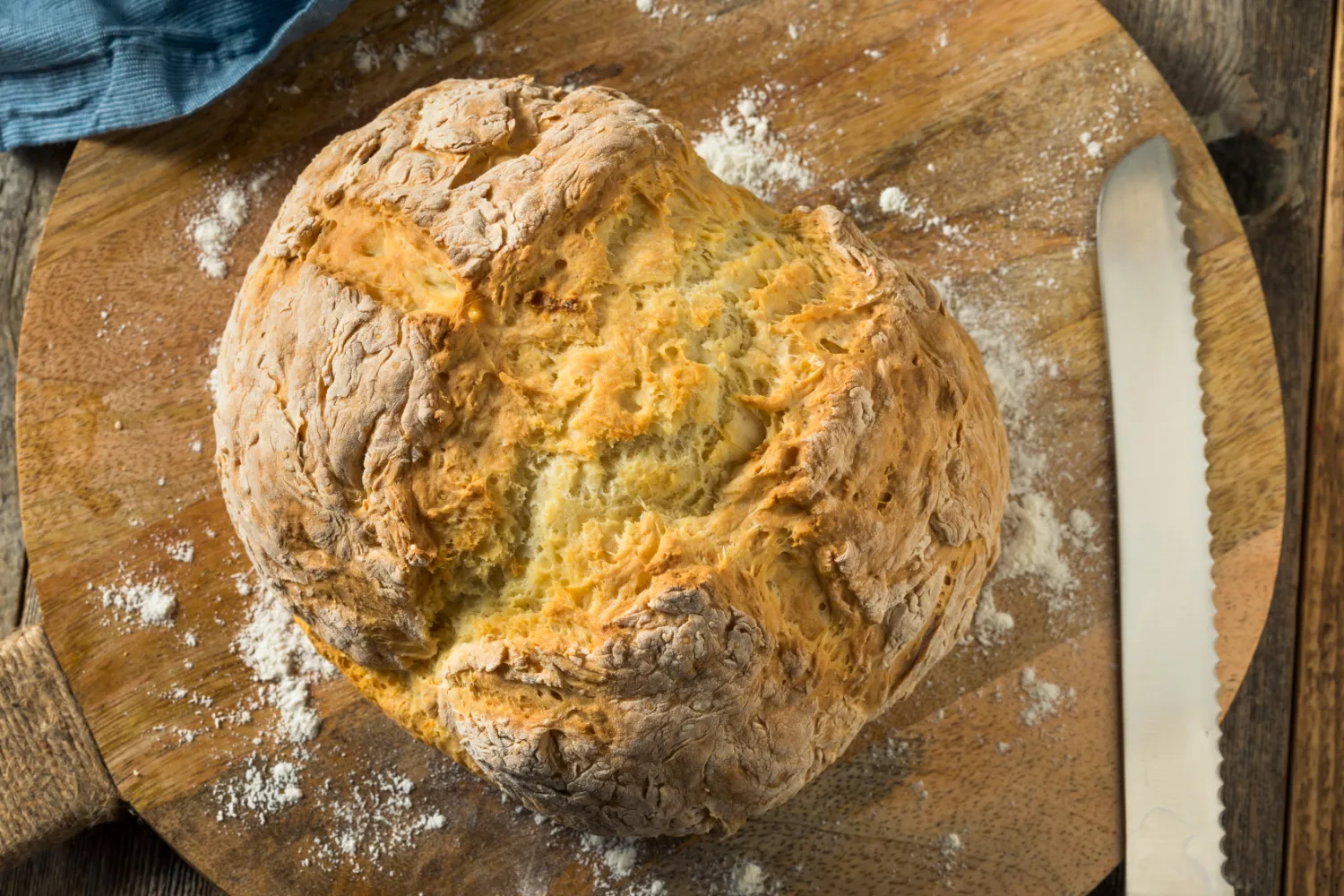
3. Traditional Irish Soda Bread (Gluten-Free & Dairy-Free Adaptation)
This gluten-free, dairy-free bread machine recipe adapts Ireland’s beloved traditional bread for modern dietary needs. Inspired by Teri Gruss, MS, and Connie Sarros’s “Wheat-Free, Gluten-Free, Reduced-Calorie Cookbook,” this version maintains the characteristic light texture and subtle spicing of authentic Irish soda bread.
Cultural Note: Traditional Irish soda bread dates back to the 1830s when bicarbonate of soda became widely available. Irish households, often lacking yeast and bread ovens, created this quick bread using simple ingredients. The cross traditionally cut on top wasn’t just decorative; it was believed to “let the fairies out” and helped the bread cook evenly.
Ingredients
75g (½ cup) currants or raisins
15ml (1 tbsp) sugar or honey
10g (2 tsp) gluten-free baking soda
15g (1 tbsp) gluten-free dairy-free margarine or butter substitute, cold and diced
5g (1 tsp) gluten-free baking powder
3g (1 tsp) cinnamon
1.5g (½ tsp) nutmeg
15ml (1 tbsp) apple cider vinegar
2 large eggs
240ml (1 cup) light coconut milk, plus 15ml (1 tbsp) reserved for brushing
15ml (1 tbsp) gluten-free mayonnaise (acts as an emulsifier and a moisture source)
240g (2 cups) gluten-free all-purpose flour mix, plus 30-45g (2-3 tbsp) additional for shaping
3g (½ tsp) salt
Instructions
Add wet ingredients to bread machine pan: coconut milk, apple cider vinegar, gluten-free mayonnaise, dairy-free margarine (cut into small pieces), and eggs.
Select standard bread setting (or Quick Bread if available) and start the machine.
After the initial mixing phase completes (approximately 10 minutes), add raisins or currants. Scrape down sides with a spatula, then restart the machine to continue the cycle.
The machine handles the remaining mixing, rising, and baking. Once complete, remove and cool on a wire rack.
Nutritional Information (per slice): Approximately 180 kcal, 6g fat, 28g carbohydrates, 2g fibre, 4g protein
Traditional Serving Suggestion: Slice whilst still slightly warm and serve with dairy-free butter or alongside traditional Irish stew.
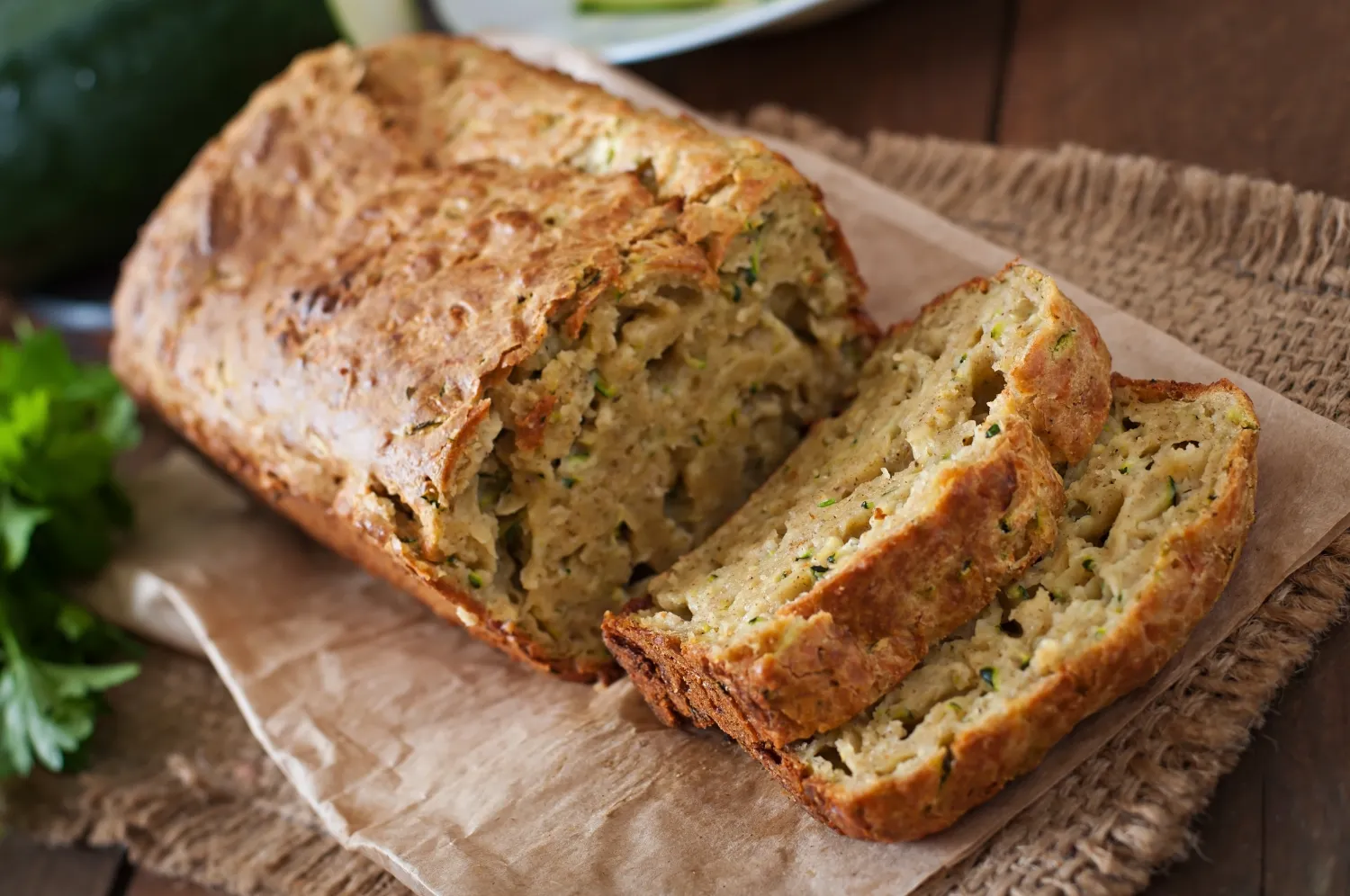
4. Nutrient-Rich Gluten-Free Courgette Loaf
This healthful gluten-free dairy-free bread machine loaf incorporates grated courgette (zucchini) for moisture and nutrition. The vegetable’s mild flavour disappears during baking whilst contributing vitamins A and C, plus potassium.
80ml (⅓ cup) vegetable oil or preferred neutral oil
120g (1 cup) gluten-free 1:1 baking flour
100g (½ cup) white sugar
2 eggs
10g (2 tsp) baking powder
2.5g (½ tsp) baking soda
30g (¼ cup) almond flour
150g (1 cup) finely grated courgette (from approximately 1 large courgette), excess water squeezed out
3g (½ tsp) salt
1g (¼ tsp) nutmeg
5ml (1 tsp) lemon juice
10ml (2 tsp) vanilla extract
60ml (¼ cup) almond milk, room temperature
5g (1½ tsp) cinnamon
60g (½ cup) crushed walnuts or dairy-free chocolate chips
Instructions
Courgette Preparation: Grate courgette finely using a box grater or food processor. Place in a clean tea towel and squeeze firmly over the sink to remove excess moisture. This step is crucial to prevent a soggy loaf.
Add wet ingredients to bread machine pan: eggs, lemon juice, almond milk, grated courgette (squeezed), oil, and vanilla extract.
Add dry ingredients: brown sugar, white sugar, almond flour, gluten-free baking flour, baking soda, baking powder, salt, nutmeg, and cinnamon.
Select the Quick Bread or Cake setting. Start the machine.
When the machine beeps after the first mix cycle (approximately 10 minutes), add crushed walnuts or chocolate chips.
Once baking completes, leave bread in pan for 10 minutes, then transfer to a wire rack for complete cooling (approximately 1 hour).
Store any leftovers wrapped tightly in plastic wrap at room temperature for up to 3 days, or slice and freeze.
Nutritional Information (per slice): Approximately 200 kcal, 9g fat, 27g carbohydrates, 2g fibre, 4g protein
Baker’s Tip: This recipe works equally well with grated carrot or yellow squash. The key is removing excess moisture from whichever vegetable you choose.
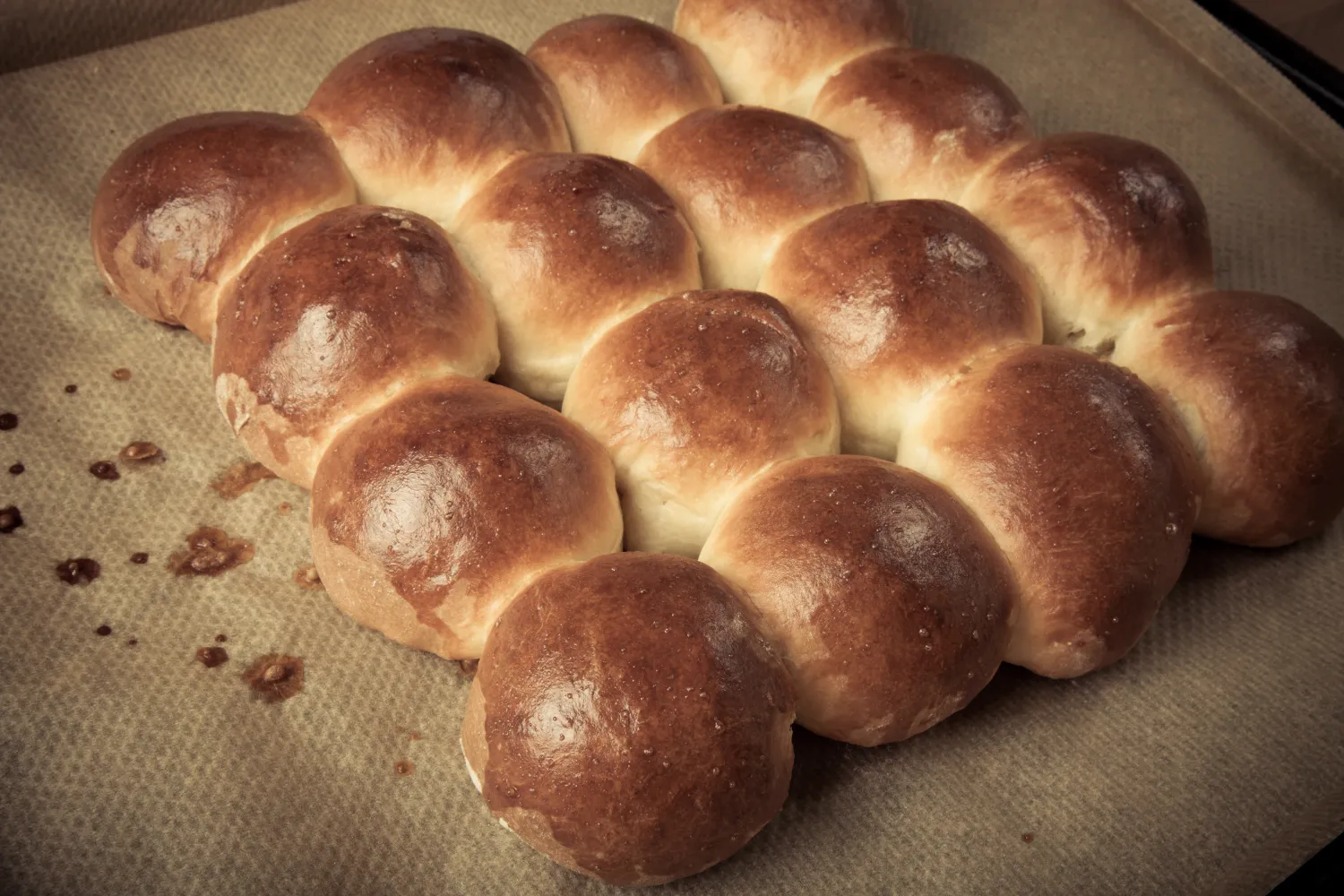
5. Dinner Rolls: Gluten-Free Yeast Rolls
Perfect for family dinners or festive occasions, these gluten-free, dairy-free bread machine pull-apart rolls provide warm, fresh bread without the need for hand shaping and oven baking. This tested recipe produces consistently tender rolls with a golden crust.
6g (2 tsp) SAF instant yeast (ensure gluten-free certification)
Instructions
Add the ingredients to the bread machine pan in the following order: egg, cider vinegar, dairy-free butter (softened or melted), and warm water.
Add dry ingredients: gluten-free flour blend, xanthan gum, SAF instant yeast, sugar, and salt.
Select the “Dough” cycle and start the machine. This cycle typically runs 1 hour and 30 minutes, mixing and allowing the first rise.
When the cycle is complete, gently punch down the dough to release the air. Remove from the machine pan.
Prepare a 20cm or 23cm (8″ or 9″) round cake tin or pie plate by coating it with cooking spray.
Using a 5cm (2″) scoop or ⅓ cup measuring cup, portion nine equal mounds of dough. Place one mound in the centre of the tin, and arrange the remaining eight evenly around the perimeter.
Dip fingers in warm water and smooth the top of each roll. Continue moistening fingers as needed to prevent sticking.
Cover the rolls with a dry tea towel and place them in a warm location (24-27°C) for 45-60 minutes, until they have noticeably risen.
Near the end of the rise time, preheat the oven to 200°C (400°F). If rolls are rising in the oven, remove during preheating.
Bake for 25-28 minutes, until the tops turn golden brown and the internal temperature reaches 95°C (200°F), as measured with an instant-read thermometer.
As a finishing touch, brush rolls with an additional 7-15ml (½-1 tbsp) melted dairy-free butter.
Nutritional Information (per roll): Approximately 165 kcal, 4g fat, 30g carbohydrates, 2g fibre, 3g protein
Serving Suggestions: These rolls complement soups, stews, and roasted meals beautifully. They’re particularly excellent alongside traditional Irish colcannon or hearty vegetable broths.
Troubleshooting: Common Pitfalls and Solutions
Even experienced bakers encounter challenges with gluten-free, dairy-free bread machine recipes. Here are the most common issues and their proven solutions.
The Dense “Brick” Loaf
Problem: Loaf is extremely dense with little to no air pockets. Causes:
Too much flour added (mixture should be batter-like, not dough-like)
Expired or insufficient yeast
Water temperature incorrect (should be 40-43°C)
Insufficient binding agent (xanthan gum or psyllium)
Solutions:
Reduce flour by 30-50g next batch
Verify yeast is fresh and specifically gluten-free
Use a thermometer to confirm the water temperature
Increase xanthan gum by ½ teaspoon
Sunken or Collapsed Top
Problem: Loaf rises beautifully, then collapses in the centre during or after baking. Causes:
Excessive liquid creates a too-soft structure
The dough rose too quickly or too much in a warm environment
Machine’s second “punch down” cycle deflated the structure
Solutions:
Reduce the liquid by 30ml in the next batch
Ensure the rising environment is 24-27°C, not hotter
Confirm using the “Gluten-Free” setting without the second knead cycle
Add 15-30g more flour blend for structure
Gummy or Under-Baked Centre
Problem: The Outer crust is golden, but the centre remains wet and sticky. Causes:
Insufficient baking time
Pan overcrowded (reduce recipe size for smaller machines)
Too many liquid or fruit additions
Solutions:
Extend bake time by 5-10 minutes using “Bake Only” setting
Reduce recipe by 15-20% for compact machines
Pat the fruit additions dry before adding
Allow complete cooling (2 hours) before slicing the structure, which continues setting
Pale, Under-Browned Crust
Problem: Loaf cooks through but remains pale. Causes:
Lack of dairy proteins that typically contribute to Maillard browning
Insufficient sugar for caramelisation
“Light” crust setting selected
Solutions:
Use soy or pea protein milk instead of almond milk
Add 1 additional tablespoon of sugar
Select “Medium” or “Dark” crust setting
Brush the top with dairy-free milk before the baking cycle starts
Large Hole in Bottom from Paddle
Problem: Massive cavity in the base of the loaf where the paddle sat. Causes:
This is normal, but can be minimised
Solutions:
Remove paddle immediately after baking whilst loaf is still hot (use heat-proof tongs)
Some machines allow paddle removal before baking. Check the manual
Slice the loaf from the middle outward to minimise wastage
Loaf Sticks to Pan
Problem: Cannot remove finished loaf without damaging it. Causes:
Insufficient lubrication
Pan’s non-stick coating degraded
Solutions:
Generously coat the pan with dairy-free butter or cooking spray before adding ingredients
Replace the pan if the non-stick surface shows wear
Allow the loaf to cool for 5-10 minutes before attempting to remove it. Slight contraction helps release
Cultural Variations: Adapting the Master Loaf for Global Flavours
Once you’ve mastered the foundational gluten-free, dairy-free bread machine technique, these cultural adaptations add authentic flavours inspired by global bread traditions.
Mediterranean Herb Loaf
Add to any savoury gluten-free dairy-free bread machine recipe:
15g (2 tbsp) fresh rosemary, finely chopped
15g (2 tbsp) fresh thyme leaves
30g (3 tbsp) sun-dried tomatoes, oil-drained and chopped
15g (2 tbsp) black olives, pitted and chopped
30ml (2 tbsp) extra virgin olive oil (increase from base recipe)
Asian-Inspired Sesame Loaf
Add to base recipe:
30g (3 tbsp) black sesame seeds (toast briefly for deeper flavour)
15ml (1 tbsp) toasted sesame oil
5g (1 tsp) white sesame seeds for topping
Pinch of sea salt flakes for finish
Northern European Seed Bread
Add to any savoury recipe:
45g (¼ cup) mixed seeds: pumpkin, sunflower, flax
30g (2 tbsp) whole grain mustard
15g (1 tbsp) honey or maple syrup
5g (1 tsp) caraway seeds (traditional in Scandinavian breads)
Indian Spiced Loaf
Add to base recipe:
5g (1 tsp) ground cumin
5g (1 tsp) ground coriander
2g (½ tsp) turmeric
30g (2 tbsp) fresh coriander (cilantro), chopped
15g (1 tbsp) nigella seeds (kalonji)
Storage, Slicing, and Sustainability
Proper storage and handling extend the life of your gluten-free, dairy-free bread machine loaves while maintaining quality and reducing waste.
Optimal Storage Methods
Room Temperature (2-3 days):
Cool completely (minimum 1 hour, ideally 2)
Store in a sealed plastic bag or an airtight container
Keep away from direct sunlight and heat sources
Never refrigerate this, as it accelerates staling
Freezing (up to 1 month):
Slice the loaf completely before freezing
Place parchment paper between slices for easy separation
Store in a freezer bag, removing excess air
Label with date and recipe name
Toast directly from frozen, no thawing required
Slicing Techniques
Gluten-free, dairy-free bread machine loaves require a specific slicing approach:
Use a serrated bread knife with a long blade
Allow complete cooling before slicing
Use a gentle sawing motion rather than pressing down
Slice thicker (1.5-2cm) than wheat bread for structural integrity
Wipe the blade clean between slices to prevent crumb buildup
Reducing Food Waste
Stale Gluten-Free Dairy-Free Bread Transformations:
Breadcrumbs: Process in a food processor; store in freezer for coating fish or vegetables
Bread Pudding: Cube stale bread, soak in dairy-free milk with cinnamon, bake
Croutons: Cube, toss with olive oil and herbs, bake at 180°C for 12-15 minutes
Panzanella: Cube and toss with tomatoes, cucumber, olive oil, vinegar
Seasonal & Cultural Updates
Adapting your gluten-free, dairy-free bread machine recipes to seasons and celebrations adds variety whilst honouring culinary traditions.
Autumn/Winter Variations
During cooler months, enhance your gluten-free, dairy-free bread machine loaves with:
Spiced Apple Loaf: Add 100g (¾ cup) diced apples, increase cinnamon to 15g (1 tbsp), and add 3g (½ tsp) ground ginger
Cranberry Orange: Add 75g (½ cup) dried cranberries, 15ml (1 tbsp) orange zest, 30ml (2 tbsp) fresh orange juice (reduce other liquid by 30ml)
Spring/Summer Variations
Lighter, brighter flavours work well in your gluten-free dairy-free bread machine:
Lemon Poppy Seed: Add 45g (3 tbsp) poppy seeds, 30ml (2 tbsp) lemon zest, 30ml (2 tbsp) fresh lemon juice (reduce other liquid by 30ml)
Christmas/Holiday Season: Traditional fruitcake adaptation for your gluten-free, dairy-free bread machine. Soak 150g (1 cup) mixed dried fruits (raisins, sultanas, cranberries, chopped apricots) in 60ml (¼ cup) orange juice or brandy overnight. Drain and add to fruit/nut dispenser. Increase spices: 10g (1 tbsp) mixed spice, 5g (1 tsp) cinnamon, 2g (½ tsp) nutmeg.
St. Patrick’s Day: The Irish Soda Bread gluten-free, dairy-free bread machine recipe (Recipe 3) is authentically appropriate for this celebration.
Passover (Gluten-Free): Many gluten-free grains are naturally kosher for Passover, but verify specific certification. Substitute potato starch for regular flour blend.
Creating gluten-free, dairy-free bread that rivals bakery quality requires understanding the fundamental science, respecting traditional grain heritage, and mastering the specific characteristics of your bread machine. By following these tested gluten-free, dairy-free bread machine recipes and calibration guidelines, you’ll consistently produce loaves with tender crumbs, golden crusts, and satisfying texture, proving that dietary restrictions need never mean compromising on the simple joy of fresh, homemade bread.
FAQs
1. Why does my gluten-free, dairy-free bread machine loaf always turn out dense and heavy?
The most common cause is adding too much flour. Gluten-free, dairy-free bread machine dough should resemble thick cake batter, not traditional dough. Additionally, ensure your yeast is fresh and gluten-free certified, and that water temperature is precisely 40-43°C (105-110°F).
2. What’s the best gluten-free flour blend to use for bread machine recipes?
Look for blends specifically designed for baking that include a mix of rice flour, tapioca starch, and potato starch. Quality UK brands include Doves Farm Freee, Sainsbury’s Freefrom, and Bob’s Red Mill 1-to-1 Baking Flour. Avoid blends with bean flours for bread machine baking, as they create a denser texture.
3. What dairy-free milk works best for gluten-free bread machine recipes?
Unsweetened soy milk produces the best results due to its higher protein content (7-9g per cup), which contributes to structure and crust development. Pea protein milk is the second choice. Almond milk works but produces a less risen and paler crust.
4. Why is my gluten-free, dairy-free bread machine loaf gummy in the middle, even though it looks done?
This indicates insufficient baking time or too much liquid. Allow bread to cool completely (2 hours). The structure continues setting during cooling. If the problem persists, reduce the liquid by 30ml in the next batch or extend the bake time by 10 minutes.
5. How long does a homemade gluten-free dairy-free bread machine loaf last?
At room temperature in a sealed container: 2-3 days. Sliced and frozen: up to 1 month. Gluten-free, dairy-free bread stales faster than wheat bread. Always slice and freeze portions you won’t consume within 2 days.