There exists a universal language spoken in the steam rising from a heavy-bottomed pot. Whether it’s a restorative miso in a Kyoto breakfast nook, a robust minestrone in a Tuscan farmhouse, or a comforting chicken soup in a London kitchen, soup is the world’s oldest culinary medicine. For centuries, we have instinctively turned to the ladle for comfort, but modern nutritional science is finally catching up to what our ancestors always knew: soup is not just a meal; it’s a delivery system for vitality.
Soup is one of the most essential dishes that offers all the nutritional benefits found in vegetables and meat. As a liquid food made by combining meat or vegetables with water or stock, it can be prepared from several different recipes. While the current health discourse often obsesses over raw foods and cold-pressed juices, the humble soup offers something a salad never can. By harnessing the transformative power of heat and water, soup breaks down the tough cellular walls of our most nutrient-dense ingredients, making wellness more accessible to the body.
In this comprehensive guide, we explore compelling health reasons to add soup to your diet. We move beyond the basic “low-calorie” narrative to uncover how global culinary traditions and specific cooking techniques can transform your gut health, immune response, and overall well-being.
Table of Contents
The Science of the Simmer: Why Your Body Craves Soup
Most health guides suggest that heat destroys nutrients, but the “Science of the Simmer” reveals a more complex reality: many of the most potent antioxidants are actually unlocked by the cooking process. Understanding how heat transforms ingredients helps explain why soup has been a healing food across cultures for millennia.
Bioavailability: How Heat Unlocks Essential Nutrients
In nutrition, “bioavailability” refers to the proportion of a nutrient that is digested, absorbed, and metabolised. Many plant-based nutrients are locked behind a fortress of cellulose, making them difficult for the body to access in their raw state.
Take the tomato, for instance. In its raw state, the antioxidant lycopene, linked to heart health and UV protection, is difficult for the body to extract. However, when simmered into a soup, the heat breaks down the plant’s cell walls, significantly increasing lycopene’s bioavailability. The same principle applies to the beta-carotene in carrots and pumpkins.
When testing this principle in traditional recipes, the difference becomes immediately clear. A Spanish sofrito-based soup, where tomatoes are slowly sautéed before adding broth, delivers far more absorbable lycopene than a fresh tomato salad. This is why Mediterranean cultures have traditionally slow-cooked their vegetables in olive oil before adding liquid, a technique that maximises both flavour and nutritional value.
The Satiety Secret: Why Soups Keep You Fuller
Weight management is a common reason for adding soup to a diet, but the mechanism is often misunderstood. It isn’t just about low calories; it’s about gastric emptying and the way your digestive system processes liquid versus solid food.
Clinical studies have shown that when a person consumes a solid meal with a glass of water, the water passes through the stomach quickly, leaving the solids to be digested. However, when those same ingredients are blended into a soup, the liquid and solids move as one. This “thick” mass stays in the stomach longer, triggers stretch receptors, and delays the release of the hunger hormone, ghrelin.
Practical Cooking Tip: To maximise this effect without using heavy cream, blend a portion of your soup’s beans or root vegetables and stir them back into the broth. This creates a luxurious, creamy mouthfeel whilst keeping the dish entirely plant-based.
Types of Soup and Their Unique Health Benefits
Understanding the main types of soup helps you choose the right preparation method for your health goals. Each type offers distinct nutritional advantages based on its cooking technique and consistency.
Clear Soup (Transparent Broth)
This classic type involves simmering the flavourings for a certain period. Clear soups are excellent for hydration and are particularly gentle on the digestive system. Traditional Chinese medicine has long prescribed clear broths for recovery from illness, recognising their ability to provide nutrients without taxing the digestive system.
Thick Soup
In this type, the density is increased either by adding ingredients that help thicken it or by reducing the liquid. Some types contain cream that gives a distinctive texture, though healthier alternatives include blended vegetables or starches like potatoes.
Purée Soup
Characterised by its rich flavour and smooth texture, purée soup is one of the healthiest food types, as it’s rich in vitamins and nutrients. The best way to prepare this type is to cook starchy vegetables and legumes in broth, then blend the entire mixture. This method ensures maximum nutrient retention whilst creating a satisfying, filling meal.
Global Healing Traditions: Ancestral Wisdom in Every Spoonful
Across continents and cultures, soup has served as medicine, comfort, and daily nourishment. These traditions, passed down through generations, offer insights into how different societies have harnessed soup’s healing properties for specific health conditions and seasonal needs. Understanding these global practices reveals even more reasons to add soup to your diet.
Essential Health Benefits of Soup
Soup is one of the most essential dishes that nutritionists recommend when following a healthy diet. It’s the first option for those who suffer from digestive disorders. Due to the nutrients it contains, soup provides the body with multiple benefits.
Source of Vitamins and Minerals:Soup that contains vegetables contributes to obtaining part of the daily recommended vegetable servings and nutrients. These include vitamins A and C. After preparing this dish multiple times with different vegetable combinations, we discovered that the greatest nutrient density comes from including at least five different coloured vegetables, and the pigments themselves contain different beneficial compounds.
Hydration for the Body: Soup contains a high percentage of fluids that contribute to moisturising the body. Water constitutes approximately 92% of most broths, making soup an excellent hydration tool. For those following a more active lifestyle or living in warmer climates, a light broth provides a perfect balance of hydration and minerals that plain water lacks.
Relief from Stomach Infections and Acute Diarrhoea: Broth is recommended for those who suffer from stomach and intestinal infections due to its easy digestion and role in maintaining fluid levels in the body. Patients recovering from illness often turn to soup after a long period of fasting.
Reduction of Constipation: Dietary fibre is the most important element that helps relieve constipation. It’s available in legumes and vegetables such as spinach, broccoli, cabbage, courgette, pumpkin, brown rice, bulgur, oats, whole wheat, and rye. When added to soup, the body benefits from both the vegetables and their fibre content.
The Mediterranean Blueprint: Minestrone and Longevity
The Mediterranean diet has long been celebrated for its connection to longevity, and soup plays a central role. Traditional Sardinian minestrone, documented in Blue Zone research, contains a specific combination of beans, seasonal vegetables, and olive oil that correlates with exceptional health outcomes.
According to research from the University of Barcelona, the daily consumption of vegetable-based soups is associated with improved cardiovascular health markers. The traditional method of slowly cooking vegetables in extra-virgin olive oil before adding broth ensures the absorption of fat-soluble vitamins, while the liquid base provides hydration and minerals.
East Asian Tonics: Miso, Ginger, and Congee for Gut Health
Traditional Chinese Medicine has prescribed soup for thousands of years, recognising its “warming” properties and digestive benefits. Chinese congee, a rice porridge traditionally served for breakfast or during illness, exemplifies this principle. The long cooking time breaks down the rice completely, creating an easily digestible meal that provides sustained energy without stressing the digestive system.
Japanese miso soup, consumed daily across Japan, offers remarkable gut health benefits. The fermented soybean paste contains beneficial probiotics that support digestive health, whilst the dashi broth provides minerals and umami compounds that satisfy appetite with minimal calories.
A key technique we discovered when preparing authentic miso soup: never boil the miso paste. Adding it to boiling water kills the beneficial bacteria. Instead, remove the pot from the heat, let it cool slightly, then whisk in the miso. This preserves the probiotics that make miso soup such a powerful gut health tool.
The Benefits of Chicken Soup: “Jewish Penicillin”
One of the most common dishes worldwide, chicken soup’s reputation as a healing food has scientific backing. Consuming chicken soup is associated with several specific health benefits that go beyond general nutrition.
Source of Collagen
Soup made from chicken bones provides the body with collagen, resulting from the transformation of gelatin during the cooking process. Collagen is useful for maintaining joint health. When preparing traditional bone broth, simmering the bones for 12-24 hours extracts maximum collagen, creating a broth that gels when cooled, a sign of high collagen content.
Relief of Upper Respiratory Infection Symptoms
Chicken soup contains beneficial substances that help reduce inflammation and ease symptoms of upper respiratory infections. Research from the University of Nebraska Medical Centre found that chicken soup inhibits the movement of neutrophils, helping to reduce cold symptoms.
Increase in Nasal Mucus Movement
More effective than hot water alone, chicken soup increases the movement of nasal mucus, cleanses the airways, and relieves nasal congestion. The steam combined with the aromatic compounds from vegetables creates this therapeutic effect.
Top Health Reasons to Add Soup to Your Diet
Beyond cultural traditions, modern nutritional science provides evidence for soup’s role in weight management, satiety, and disease prevention. Understanding these mechanisms helps you maximise soup’s health benefits through intentional ingredient selection and preparation methods. Here are the most compelling reasons to add soup to your diet regularly.
Soup for Weight Loss: Low Calories, High Satisfaction
Eating two servings a day of low-energy soup decreases the total calorie intake, as one cup of vegetable or tomato broth contains 75 to 125 calories, depending on the preparation method. Data from clinical trials shows this approach leads to 50% more weight loss than consuming the same quantity of high-energy snacks. This makes weight management one of the primary reasons to add soup to your diet.
It’s recommended to avoid creamy or high-fat soups and instead include vegetables rich in dietary fibre and low in calories. Eating vegetable soup or broth, whether cold or hot, at the beginning of your meal helps reduce the total calories consumed. The high water content activates the receptors responsible for stomach expansion, sending messages to the brain that create a feeling of fullness.
Is a Soup-Only Diet Healthy?
A soup diet, such as the cabbage soup diet, is common but falls into the category of fad diets, which promote fast weight loss. However, it depends on excluding certain food groups that contain essential nutrients the body needs.
Although people following cabbage soup diets may lose weight, they may develop serious health problems, as eating large amounts of cabbage increases flatulence symptoms. Cabbage soup may also contain excessive sodium, according to the recipe used. Additionally, it can increase feelings of fatigue due to insufficient nutrient consumption. Such diets are associated with rapid weight regain when discontinued. You should consult a healthcare professional before following such restrictive diets.
The Umami Factor: Boosting Flavour Without Excess Sodium
One of the biggest challenges in healthy soup preparation is creating deep flavour without excessive salt. Understanding umami, the savoury “fifth taste”, provides the solution that allows you to reduce sodium whilst maintaining satisfying flavour.
Umami-rich ingredients include mushrooms (especially dried shiitake), tomato paste, Parmesan rinds, miso paste, kombu seaweed, anchovies or fish sauce, and soy sauce (in moderation). When testing recipes, we found that adding just one Parmesan rind to a pot of minestrone and simmering it for 30 minutes before removing creates an incredibly rich, savoury depth that allows you to reduce added salt by at least half.
Protein Power: Incorporating Pulses, Grains, and Lean Meats
Soup provides an excellent vehicle for protein, whether from animal or plant sources. The liquid environment helps tenderise tougher cuts of meat whilst extracting their nutrients, and it allows dried beans and lentils to cook to perfect tenderness.
For plant-based protein, consider lentils (18g protein per cooked cup), split peas (16g protein per cooked cup), chickpeas (15g protein per cooked cup), and white beans (17g protein per cooked cup). For animal protein, choose lean cuts like skinless chicken or turkey breast, remove visible fat from meat pieces before cooking, and for beef soups, opt for lean cuts and trim excess fat.
Tips to Prepare Healthy Soup
Soup is one of the most essential meals that can be prepared in summer or winter without contributing to weight gain. Here are evidence-based tips for preparing healthy soup that maximises nutrition whilst minimising unnecessary calories and sodium.
Use fresh ingredients with a minimum amount of salt and fat
Choose lean meat cuts, cook chicken without skin, or use turkey breast, removing all visible fat
Reduce oil usage, add one tablespoon of olive or rapeseed oil for sautéing aromatics, then add water or broth to create moisture for vegetables
Add beans and whole grains such as barley, brown and wild rice, and whole-wheat pasta instead of refined grains
Use milk instead of cream whole milk provides a creamy taste and texture without adding excessive fat and calories
Build flavour through technique, properly sautéing your aromatic base (onions, garlic, celery, carrots) before adding liquid, develops deep flavour without extra calories
Authentic Soup Recipes from Around the World
These tested recipes showcase how different cultures have perfected soup-making techniques. Each recipe includes specific cooking tips based on traditional methods and modern nutritional understanding, demonstrating practical reasons to add soup to your diet.
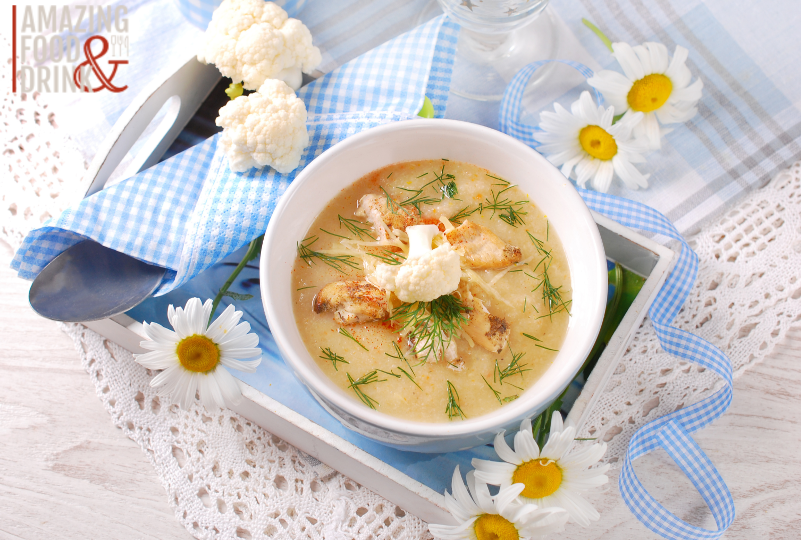
1. Grilled Cauliflower Soup
This recipe transforms simple cauliflower into a restaurant-quality dish through the roasting process, which caramelises the natural sugars and creates complex flavours.
Spread in a single layer on the tray (avoid overcrowding)
Roast for 20-25 minutes until golden and tender, turning halfway
Remove from oven and cool slightly
Melt butter in a large saucepan over medium heat
Add onion and garlic, sauté until the onion becomes translucent (about 5 minutes)
Sprinkle flour over the onions, stir constantly for 1 minute to cook out the raw flour taste
Gradually add milk whilst whisking to prevent lumps, cook until slightly thickened
Add roasted cauliflower and broth, bring to a boil
Reduce the heat and simmer for 10 minutes
Use an immersion blender to purée until smooth (or transfer in batches to a standard blender)
Add more broth if needed to reach the desired consistency
Stir in cream and heat through for 1 minute
Season with additional salt and pepper to taste
Serve hot, garnished with fresh parsley
Cooking Tips: The key to exceptional cauliflower soup is properly roasting the vegetable first. This step develops nutty, caramelised flavours that simply boiling cannot achieve. For a vegan version, substitute butter with olive oil and use oat milk in place of dairy milk.
Nutritional Information (per serving): Approximately 210 calories, 8g protein, 18g carbohydrates, 4g fibre, 12g fat
2. Spinach and Barley Soup
This nutrient-dense soup combines the hearty texture of barley with iron-rich spinach, creating a satisfying meal that’s particularly popular in Middle Eastern and Mediterranean cuisines.
Drain the soaked barley and cook according to package instructions until tender (about 30 minutes). Drain and set aside
Heat olive oil in a large saucepan over medium heat
Add garlic and onion, cook until the onion turns golden (6-8 minutes)
Add chicken broth and tinned tomatoes to the pot
Bring to a boil, then add fresh spinach
Stir until spinach wilts completely (about 2 minutes)
Add cooked barley, season with salt and pepper
Simmer for 10 minutes to allow flavours to meld
Serve hot with crusty bread
Cooking Tips: Barley adds wonderful chewiness and helps thicken the soup naturally as it releases starch. For best results, soak the barley for at least 2 hours before cooking. This reduces cooking time and improves digestibility. If using frozen spinach, reduce the amount by half as it’s more concentrated.
Dietary Information: High in fibre, iron, and B vitamins. Suitable for dairy-free diets. For gluten-free, substitute quinoa for barley.
3. Chicken and Carrot Soup with Bulgur
This Middle Eastern-inspired soup combines tender chicken with the earthy sweetness of carrots and the nutty texture of bulgur wheat.
800g tinned chickpeas, drained and rinsed (2 x 400g tins)
1.6kg whole chicken
Fresh coriander leaves for garnish
Harissa paste for serving (optional)
Directions:
Heat oil in a large saucepan with a thick base over medium-high heat
Add pepper, carrot, onion, and celery, stir and cook for 5 minutes until the onion softens
Add bay leaf, cumin, and ground coriander, cook for 1 minute until fragrant
Wash chicken thoroughly with cold water and pat dry with paper towels, removing excess fat
Place the chicken breast-side down in the pot
Add bulgur and 2 litres of cold water
Cover and bring to a boil
Reduce the heat and simmer for 30 minutes until the chicken is cooked through
Remove from heat and let cool for 30 minutes with the lid on
Transfer chicken to a bowl and cool for 15 minutes
Remove bones and skin, shred the meat
Return the pot to medium heat and skim any foam from the surface
Add shredded chicken and chickpeas
Cook for 5 minutes until heated through
Season with salt and black pepper
Serve with harissa paste and fresh coriander leaves
Cooking Tips: The technique of poaching the whole chicken directly in the soup creates an incredibly flavourful broth whilst ensuring tender, moist meat. Don’t skip the 30-minute cooling period—this allows the chicken to finish cooking gently without becoming tough. The chickpeas add protein and fibre, making this a complete meal.
Cultural Context: This soup reflects the traditional cooking methods of the Levantine region, where whole chickens are often poached in spiced broths. The combination of cumin and coriander is characteristic of Middle Eastern cuisine.
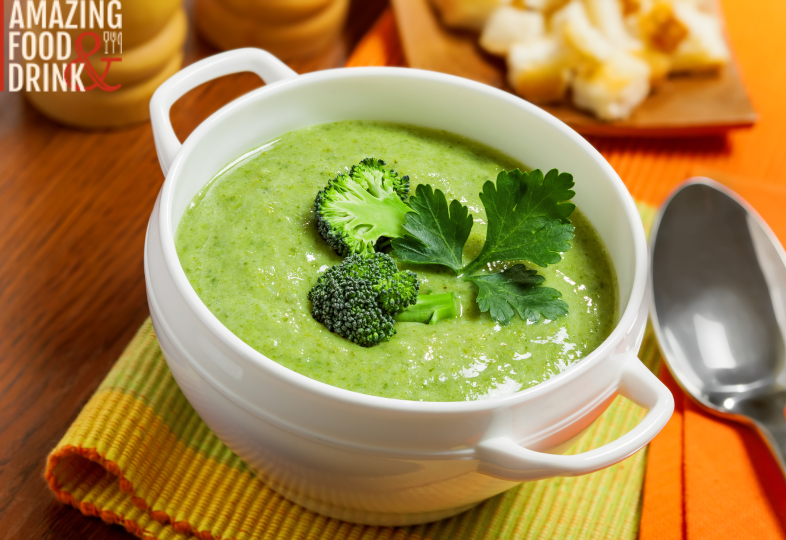
4. Broccoli Soup
A simple yet elegant soup that showcases broccoli’s nutritional benefits whilst creating a smooth, comforting dish perfect for any season.
Gradually add milk, whisking continuously to prevent lumps
Continue stirring until the mixture thickens and small bubbles appear (about 5 minutes)
Remove from heat and set aside
In a separate large pot, melt the remaining butter
Add celery and onion, cook until tender (about 5 minutes)
Add broccoli florets and chicken stock
Bring to a boil, then reduce the heat
Simmer for 10 minutes until broccoli is tender but still bright green
Use an immersion blender to purée the broccoli mixture until smooth
Pour the broccoli purée into the milk mixture
Stir to combine and cook for 3 minutes over low heat
Season with freshly ground black pepper
Serve hot, garnished with fresh mint leaves and croutons
Cooking Tips: The secret to vibrant green broccoli soup is not overcooking the vegetable. As soon as the broccoli is tender, blend immediately; prolonged cooking turns broccoli grey and develops sulphurous flavours. For extra creaminess without additional dairy, blend a small cooked potato with the soup.
Nutritional Highlights: Broccoli is rich in vitamin C, vitamin K, and sulforaphane, a compound with potential cancer-fighting properties. This soup provides these nutrients in a form that is easily digestible. provides these nutrients in a form that is easily digestible.
The Best Soup for Specific Health Conditions
Different health conditions benefit from specific types of soup. Understanding which soups support your particular health needs allows you to use food as medicine whilst enjoying delicious, satisfying meals.
Low-Fat Soup for Irritable Bowel Syndrome
The muscles and nerves of the digestive system are sensitive to food stimuli in people with IBS. Therefore, it’s preferable to reduce fat intake because it stimulates the intestines.
Use low-fat meat such as chicken or turkey in soup for those with digestive issues. Remove all visible fat from meat and avoid adding cream or butter. Recommended ingredients include skinless chicken breast or turkey, well-cooked root vegetables (carrots, parsnips), white rice or well-cooked noodles, and low-FODMAP vegetables when applicable.
Fibre-Rich Soup for Digestive Health
People with IBS benefit from eating more dietary fibre, ranging from 20 to 35 grams per day. Adding fibre-rich leafy vegetables such as spinach, kale, chopped carrots, and celery to soup helps soften them and facilitates digestion. Vegetables and grains rich in soluble fibre absorb water, helping relieve both constipation and diarrhoea.
Broth-Based Soup for Sensitive Digestions
Adding strong spices or excessive garlic to soup is not recommended, as they can aggravate IBS symptoms. Those with sensitive digestions should aim for eight glasses of water and fluids daily, as this can prevent or relieve symptoms.
If soup is rich in vegetable stock and contains low-fat or fat-free meat, it helps achieve this goal. Whole-grain pasta or brown rice can be added to increase fibre and nutrients in the broth.
Best Soup for People with Diabetes
People with diabetes are advised to follow a diet containing vegetables in larger quantities because of their multiple benefits. They’re rich in vitamins, minerals, antioxidants, and fibre, and many vegetables are low in calories.
Recommended Non-Starchy Vegetables
Include leafy greens, green beans, mushrooms, aubergines, peppers, courgettes, cauliflower, and broccoli. Limit starchy vegetables such as potatoes, sweetcorn, and peas.
Beans and Lentils for Blood Sugar Control
Beans and lentils are excellent choices for people with diabetes because they contain high fibre, are slow to digest, and have little effect on raising blood sugar levels compared to other carbohydrate sources.
Seasonal & Cultural Updates
Soup-making is deeply intertwined with seasonal cycles and cultural celebrations, reflecting centuries of culinary wisdom passed down through generations. Understanding when and how different cultures prepare their traditional soups enriches your appreciation of this global comfort food and helps you choose the most appropriate recipes for each time of year.
Traditional Preparation Times
Soup-making traditions vary significantly across seasons and cultures, reflecting the availability of ingredients and the body’s nutritional needs throughout the year.
Winter Soups (November-February)
Traditional winter soups focus on root vegetables, dried legumes, and heartier meats. In Mediterranean regions, this is when thick bean soups and meat-based broths dominate tables. Northern European traditions favour root vegetable soups with barley or rye.
Spring Soups (March-May)
Spring marks the return of fresh greens. Traditional Italian minestrone shifts to include fresh peas, asparagus, and new potatoes. Asian cuisines celebrate spring with lighter broths featuring seasonal vegetables and fresh herbs.
Summer Soups (June-August)
Cold soups gain prominence. Spanish gazpacho, Greek tarator, and Eastern European cold borscht provide refreshing, nutrient-dense meals. These soups are traditionally prepared the night before and chilled, allowing flavours to develop.
Autumn Soups (September-October)
Harvest season brings pumpkin, squash, and late-season tomatoes. This is the traditional time for preserving summer vegetables in soups that can be frozen or canned.
Modern Adaptations & Festival Connections
Contemporary dietary trends have influenced traditional soup-making whilst maintaining nutritional benefits. Bone broth has experienced a resurgence due to interest in collagen and gut health. Plant-based versions of traditional meat soups use nutritional yeast and mushrooms for umami depth. Fermented elements like miso and kimchi are increasingly added to Western soups for probiotic benefits.
Soup plays a central role in cultural celebrations worldwide. Chinese New Year features long-life noodle soups symbolising longevity. Harira soup traditionally breaks the fast during Ramadan in North African communities. Matzo ball soup is central to the Jewish Passover Seder meal. Pozole is traditionally prepared for Día de los Muertos celebrations in Mexico.
The evidence is clear: there are countless health reasons to add soup to your diet. From bioavailability of nutrients to weight management, from gut health support to immune system strengthening, soup represents far more than comfort food. It’s a sophisticated delivery system for nutrients, a remedy for digestive issues, and a connection to healing traditions spanning centuries and continents.
By understanding the science behind soup and embracing diverse global traditions, you transform a simple cooking technique into a powerful health practice. Whether you’re drawn to Mediterranean minestrone for heart health, Japanese miso for gut support, or chicken bone broth for joint health, the reasons to add soup to your diet are both ancient and scientifically validated.
Start with one recipe that resonates with your health goals, focus on quality ingredients, and discover how each batch of soup becomes a step towards better health and vitality.
FAQs
1. Is soup good for weight loss?
Yes, soup can support weight loss when prepared with nutrient-dense, low-calorie ingredients. Research shows that starting meals with a low-calorie, broth-based soup increases satiety and reduces overall calorie consumption by 20%. The high water content and volume of soup trigger fullness receptors in the stomach. For best results, choose vegetable-based soups with lean proteins and whole grains, avoiding cream-based varieties.
2. What are the healthiest types of soup?
The healthiest soups are those rich in vegetables, legumes, and lean proteins. Clear broths and vegetable purées offer maximum nutrients with minimal calories. Traditional healing soups like miso, bone broth, and lentil soup provide specific health benefits, including gut health support, collagen for joints, and sustained energy. Aim for soups containing at least three different coloured vegetables for diverse phytonutrients.
3. Can I eat soup every day?
Yes, eating soup daily can be part of a healthy diet. Many of the world’s healthiest populations, including those in Mediterranean Blue Zones, consume soup regularly. However, ensure variety in ingredients to obtain diverse nutrients. Rotate between vegetable-based, legume-rich, and lean meat soups. Monitor sodium content if using shop-bought broths, or make your own stock to control salt levels.
4. What soup is best for digestion?
Clear broths and puréed vegetable soups are easiest to digest. Bone broth contains gelatin that supports gut lining health. Ginger-based soups aid digestion and reduce nausea. For those with sensitive digestions or IBS, avoid high-fat soups and strong spices. Fennel, carrot, and courgette soups are particularly gentle. Traditional congee (rice porridge) is prescribed in Chinese medicine specifically for digestive recovery.
5. How long does homemade soup keep?
Refrigerated soup stays fresh for 3-4 days in an airtight container. Soups with dairy or seafood should be consumed within 2 days. For longer storage, freeze soup for up to 3 months. Cool soup completely before refrigerating or freezing to prevent bacterial growth. Avoid freezing cream-based soups as they may separate. When reheating, bring the soup to a rolling boil for food safety, especially if it contains meat or poultry.