

All About Lactose-Free Meal Replacement Drinks

In the whirlwind of daily life, fitting in a healthy and tasty meal can feel like a luxury. For those with lactose intolerance, the quest for convenient, nutritious fuel becomes even more challenging. Skipping meals on the other hand, or resorting to sugary snacks as many people unfortunately do can wreak havoc on your energy levels and pretty much your entire health.
Thankfully, a new wave of innovation is offering a solution: lactose-free meal replacement drinks. These on-the-go beverages provide a balanced blend of nutrients, keeping you satiated and energised without the digestive discomfort associated with lactose.
This article dives deep into the world of lactose-free meal replacements. We will explore their different types, benefits, and how to choose the right one for your individual needs. Whether you are an occupied professional, a fitness enthusiast, or simply looking to streamline your mornings, there is a lactose-free meal replacement waiting to become your new go-to for a balanced and satisfying boost.
Fancy some pleasantly nutritious variety? Let’s dive straight in.
What Are Meal Replacement Drinks?
As their name suggests, meal replacement drinks are nutritional beverages designed to serve as a substitute for a traditional meal. They typically come in the form of ready-to-drink shakes or powdered mixes that can be mixed with water or another liquid to create a drinkable meal.
Since these beverages act exactly like meals, they are formulated to provide a balanced combination of macronutrients, such as protein, carbohydrates, and fats, as well as essential vitamins, minerals, and other nutrients. The exact composition does change depending on the brand and product, but they are generally designed to offer a complete and convenient source of nutrition, which some actual meals, like fast food, may actually lack.
Besides their nutritional value, many people choose to drink their meals because they, the beverages, barely take any time to prepare at all, and there is no cleanup except for the shaker bottle used to prepare them. They are also more convenient than cooking and eating solid foods, especially for individuals with busy lifestyles.
As they come in pre-measured portions, meal replacement drinks help individuals manage their calorie intake and portion sizes more effectively and avoid overeating. They help cut down on cravings as they do not include extra unnecessary fat or sugar. They also keep individuals full for longer, so they are less likely to snack in between meals. This is particularly useful for weight management.
Medically speaking, meal replacement drinks are a great help for people with difficulty digesting solid foods because of conditions such as irritable bowel syndrome (IBS), Crohn’s disease, or gastroparesis. Drinking meals in the form of smoothies or shakes can be easier on their digestive system. Those recovering from surgery or undergoing certain medical treatments may also, even if temporarily, rely on liquid nutrition to meet their dietary needs.
Now, there is a huge variety of meal replacement drinks available out there and many types and brands allow individuals to customise the nutrient content based on their specific dietary restrictions or preferences. For instance, some meal replacement drinks are dairy-based and may contain ingredients like milk protein, whey protein, or casein protein. These options typically offer a creamy texture and provide a good source of high-quality protein.
However, many meal replacement drinks are also plant-based and do not contain any dairy ingredients. These typically use protein sources such as pea protein, rice protein, hemp protein, or soy protein to provide the necessary amino acids. Plant-based meal replacement drinks are suitable for vegans and vegetarians, those with lactose intolerance, or individuals who prefer to avoid dairy for other reasons.
The lactose-free meal replacement drinks are precisely what we are covering next.
Lactose-Free Meal Replacement Drinks
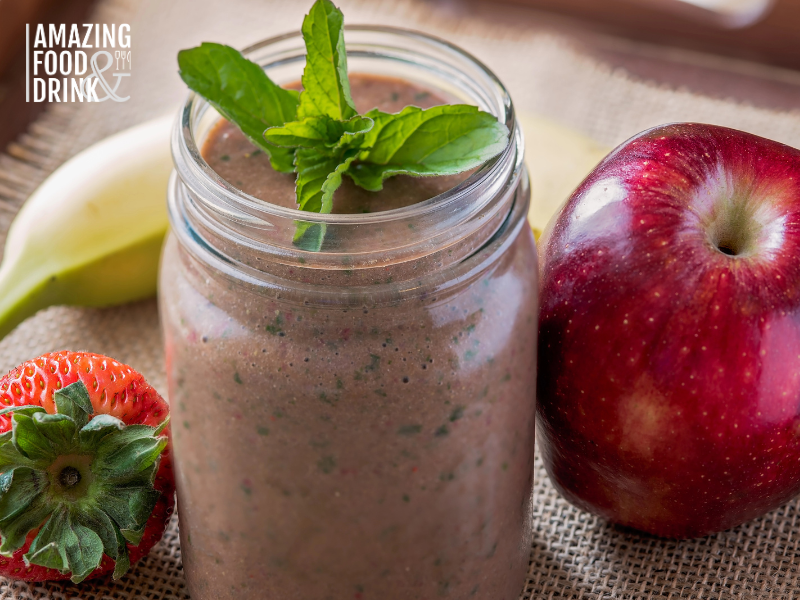
If you do not know about it already, lactose intolerance is quite a common digestive condition where individuals lack enough of an enzyme called lactase, which is needed to break down lactose, the sugar found in all dairy products. Without sufficient lactase, lactose remains undigested in the digestive system, which leads to symptoms such as abdominal pain, bloating, gas, diarrhoea, nausea, or vomiting after consuming dairy products.
This condition varies in severity among individuals and may require dietary adjustments, such as avoiding or limiting dairy intake, using lactase enzyme supplements, or opting for lactose-free dairy products to manage symptoms effectively, like lactose-free meal replacement drinks.
As mentioned a few paragraphs ago, those drinkable meals do not incorporate any milk or other dairy products; however, they do have other ingredients that provide the same amount of nutrients as dairy milk.
Choosing a Lactose-Free Meal Replacement Drink

Choosing a lactose-free meal replacement drink might at first sound straightforward. But once you pay that nearby supermarket a visit or access a website that offers such drinks, you will not but feel stunned and overwhelmed by the huge variety available out there. It is not just that your meal replacement drink is lactose-free, but there are so many other variables the adding and subtracting of each creates a new type.
So here are some things to look for to help make choosing your lactose-free meal replacement drinks less demanding.
1. Protein Content
Protein is one super important nutrient that should be included not just in your lactose-free meal replacement drink but pretty much in all the food you consume. Protein is indispensable for building and repairing muscles, which is especially vital if you have muscle-building goals.
Additionally, protein can help manage appetite and keep you feeling full for longer periods of time. So, look for lactose-free shakes that are high in protein to ensure you are getting the nutrients your body needs.
Some options include Genisoy Soy Protein Shakes with zero grams of lactose and Soylent, which contains 20 grams of protein per serving.
2. Nutrient Profile
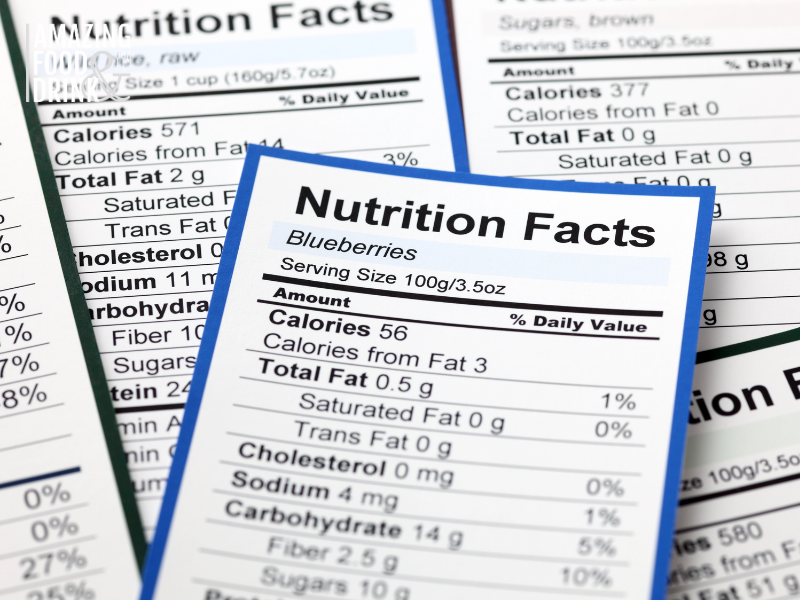
That being said, protein is not the only thing that should be included in your meal replacement drinks. Other things that you must ensure exist are carbohydrates, fats, and necessary vitamins and minerals such as calcium and certain B vitamins. Such nutrients are vital for maintaining overall health and preventing nutrient deficiencies.
So, look at the nutrient profile of your choice of lactose-free drink content and ensure it fits your dietary needs. Are you going low carb? Then, stay away from those containing oats. Do you follow a ketogenic diet? Then, choose something that is high in fats.
Whatever your choice is, remember that different brands may offer different nutritional profiles, so it is important to read labels and choose one that aligns with your nutritional goals.
3. Taste and Flavour Options
No matter how old we get, deep down, we are still kids and will always be. Can you think of someone who does not, at the very least, go, “Yecch!” or use some improper language when taking a bitter liquid medicine—all liquid medicine are just as bitter as cactus mucilage!
It is a no-brainer that taste matters. So, if you are really planning on considering lactose-free meal replacement drinks as a consistent part of your diet, then you need to find some tastes that you enjoy. Do you like chocolate? Vanilla-infused drinks? Strawberry or caramel? Whatever you are looking for and much more is waiting for you on some physical or virtual grocery store shelf, for there are plenty of taste and flavour options available.
4. Allergen Information
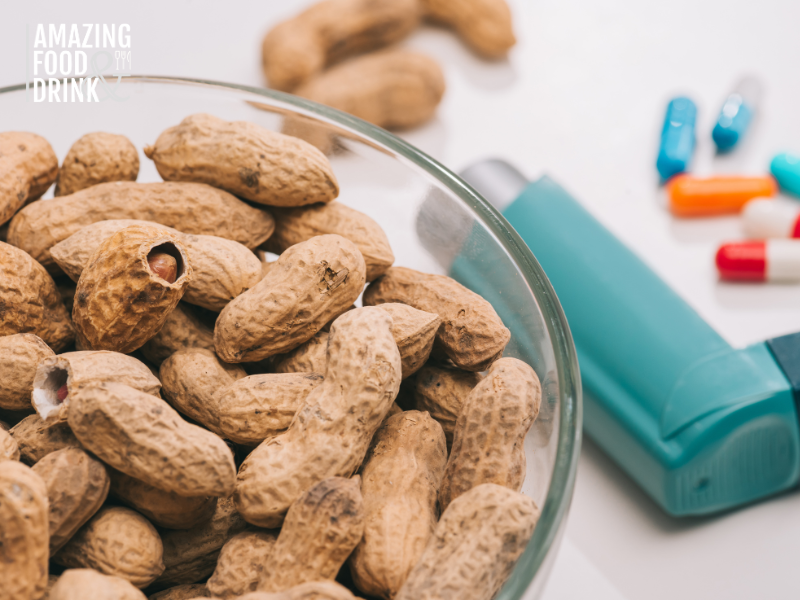
Besides lactose intolerance, is there anything you are allergic to? Anything that irritates your digestive system?
When choosing a lactose-free meal replacement drink, it is important to consider the allergen information. Make sure you carefully read labels and check for any potential allergens before purchasing a meal replacement shake. Some common allergens to look out for include nuts soy, gluten, sesame, and eggs.
5. Price and Availability
Another important factor to pay attention to when considering a lactose-free meal replacement drink is the price. You want to find a shake that fits within your budget while still providing the nutrients you need.
It is worth noting that there are different brands available at various price points, so you can choose one that works for you. Yet, keep in mind that sometimes cheaper options may compromise on taste or nutrition.
But fear not! Statistically speaking, with the estimated market size for meal replacement drinks expected to reach over USD 19.4 billion by 2026, there surely are plenty of affordable options to suit your needs.
You also need to make sure the lactose-free meal replacement drinks you found suitable for your dietary needs and financial capability are actually available in your local market or at least within your reach.
Consuming Lactose-Free Meal Replacement Drinks
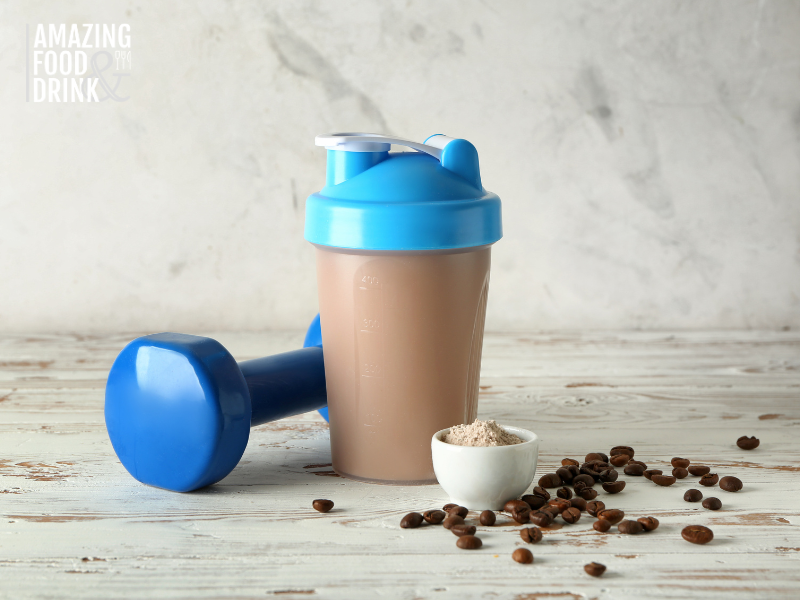
By now, you must be wondering, “How exactly do I incorporate those meal replacement drinks into my diet? Which meal do I replace them with?”
First of all, lactose-free meal replacement drinks work best as quick and healthy breakfast options. They provide the energy boost necessary to kick-start the day. Their convenience also comes in handy if you are always late and all over the place in the morning. With them, and despite how messy your mornings are, those drinks guarantee you never skip breakfast.
That does not, however, those drinks are confined to mornings. In fact, they also work best as an on-the-go nutritious meal or snack to grab when you are running from one meeting to another.
After a tough workout, it is important to give your body the nutrients it needs to recover and rebuild muscles, and this is when lactose-free meal replacement drinks come into the scene as well. Make sure your drink is rich in protein to help your body recover the muscles that were torn when you exercised.
Popular Lactose-Free Meal Replacement Drink Brands
Now that you know everything there is to know about lactose-free meal replacement drinks, let’s explore some popular brands that you can hopefully find in your local store or definitely online.
1. Garden of Life
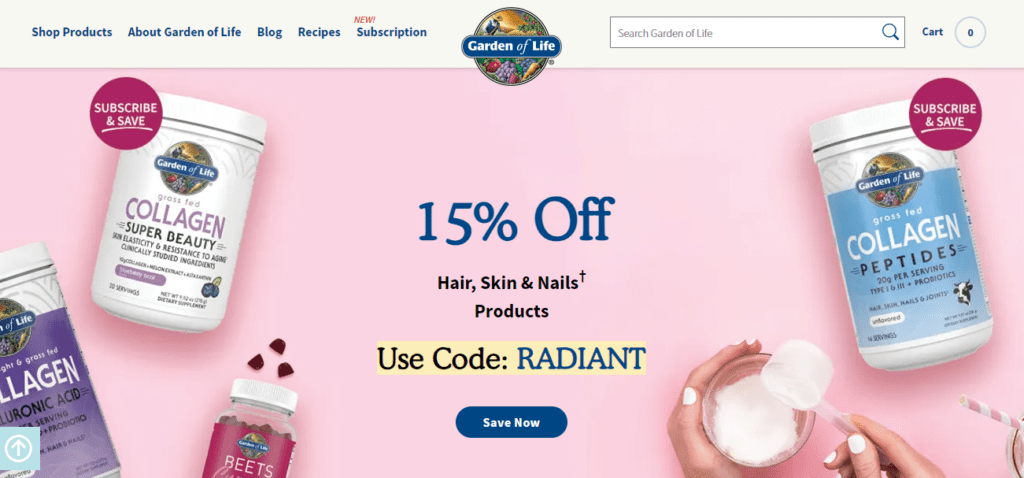
First, we have Garden of Life. This is a health and wellness brand that primarily focuses on producing organic and non-GMO supplements, vitamins, and other nutritional products. Founded in 2000, Garden of Life emphasises using natural, whole-food ingredients to create its products, catering to individuals seeking healthier alternatives for their dietary needs.
The brand offers a quite large array of products, including multivitamins, probiotics, protein powders, digestive enzymes, and lactose-free options, among other meal-replacement drink products. One notable example is the “Raw Organic Meal” line, which includes lactose-free and vegan options.
Another tasty option is an organic vanilla shake packed with 44 superfoods. They also offer a delicious chocolate shake with a complete plant-based protein from greens and rice. If you prefer vanilla, they also have an organic vanilla shake that is gluten-free and dairy-free.
2. Soylent
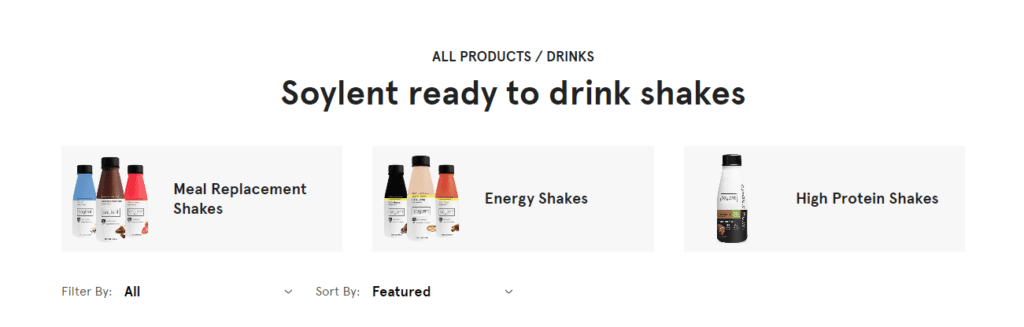
Soylent is a brand specialising in meal replacement products, typically in the form of ready-to-drink shakes, powders, and snack bars, all of which are designed to provide a convenient and nutritionally complete option for individuals seeking quick and easy meals. The company was founded in 2013 with the aim of addressing the challenges of obtaining balanced nutrition in a fast-paced modern lifestyle.
Their original flavour shake is creamy and delicious, packed with 28 vitamins and minerals, 20 grams of plant protein, and only one gram of sugar per serving.
3. LyfeFuel
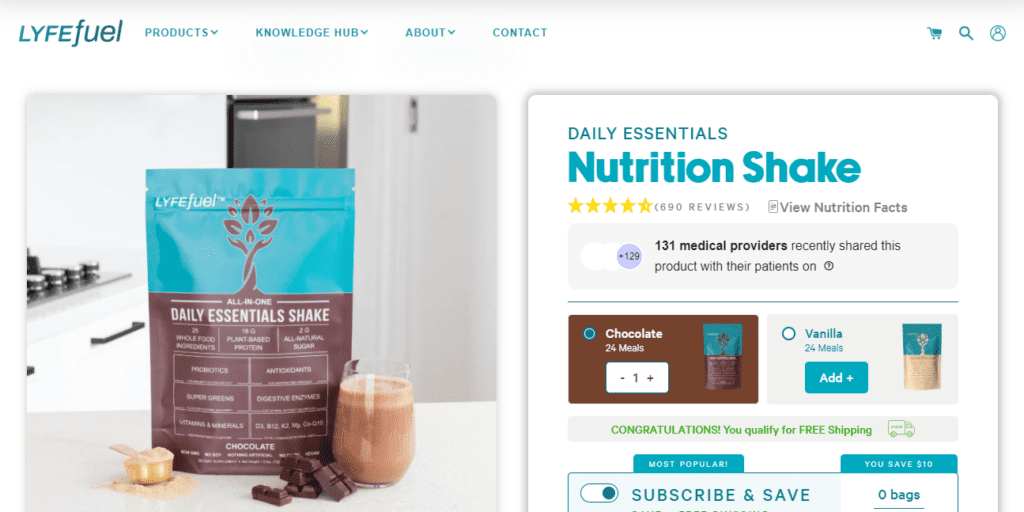
Another famous health and wellness brand that focuses on producing nutrition products is LyfeFuel. They offer meal replacement shakes, protein powders, and supplements with an emphasis on using organic, non-GMO, and sustainably sourced ingredients in their products.
Similar to Soylent, LyfeFuel offers convenient meal replacement options for individuals seeking quick and nutritious alternatives to traditional meals. However, LyfeFuel’s products are specifically formulated with plant-based ingredients, catering to those following vegan or vegetarian diets, as well as individuals looking to reduce their consumption of animal products.
LyfeFuel shakes are packed with 18 grams of plant-based protein, healthy fats, and fibre to keep you feeling satisfied and full. They are also made with high-quality ingredients, most of which are organic, soy-free, vegan, gluten-free, and lactose-free. Whether you are on a plant-based diet or have specific dietary needs, LyfeFuel is an excellent choice for providing complete nutrition in one easy-to-enjoy shake.
4. Kate Farms
Like LyfeFuel, Kate Farms specialises in plant-based nutrition products, particularly meal replacement shakes and nutritional formulae. The company was founded in 2011 by Richard and Michelle Laver, inspired by their daughter Kate, who struggled with a medical condition that made it difficult for her to consume traditional foods.
Kate Farms’ products are formulated with organic, non-GMO, and plant-based ingredients. Their shakes are also free from common allergens like eggs, milk,fish, shellfish, tree nuts, peanuts, wheat, and gluten. In addition to being allergy-friendly, Kate Farms shakes also provide phytonutrients through their use of organic ingredients.
The company’s flagship product is Kate Farms Komplete Shake, which comes in various flavours and is fortified with key vitamins, minerals, and other nutrients. Kate Farms aims to provide convenient and nourishing options for individuals who require specialised nutrition support while prioritising sustainability and ethical sourcing practices in their ingredient selection.
Whether you are looking for a quick breakfast option or a nutritious snack on the go, Kate Farms has you covered with its nutrient-rich shakes.
5. KOS
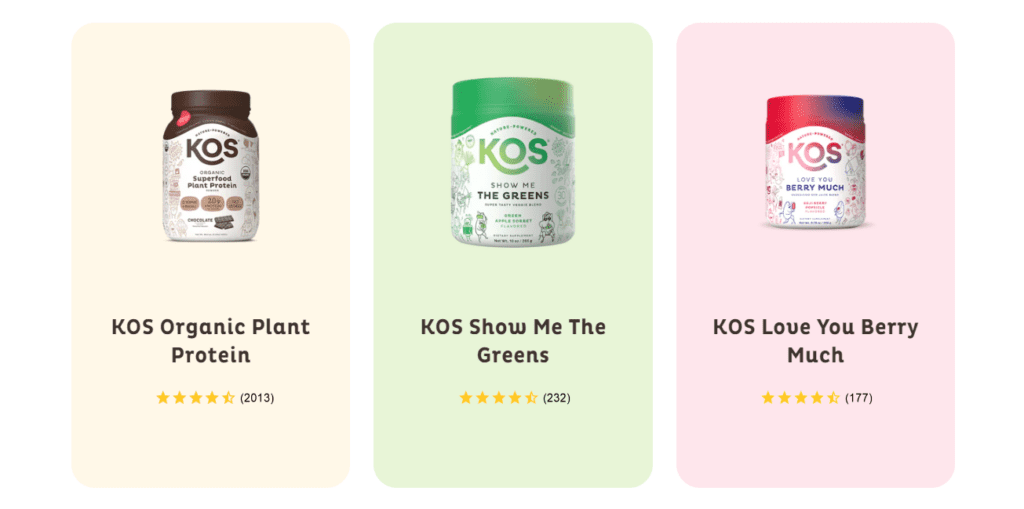
Last but not least, we have KOS, another wellness company offering a range of plant-based nutrition products, including protein powders, supplements, and superfood blends. The company also focuses on creating products that are not only organic but also non-GMO, gluten-free, and free from artificial additives or preservatives.
KOS products are designed to support various health goals, including muscle recovery, energy enhancement, and overall wellness. Their protein powders typically utilise plant-based protein sources such as pea protein, hemp protein, and brown rice protein, making them suitable for vegans and those with dietary restrictions or preferences. Their supplements are also free from soy, gluten, dairy, and artificial sweeteners.
One popular product example is the KOS Vegan Protein Powder, which is made with USDA and responsibly sourced organic ingredients, with only 160 calories per serving and only a couple of grams of sugar.
Conclusion
Lactose-free meal replacement drinks offer a convenient and accessible option for individuals with lactose intolerance or those seeking to avoid dairy products. With the growing demand for dietary alternatives, many companies like Garden of Life have developed innovative solutions to meet diverse nutritional needs.
These lactose-free options not only provide a convenient source of balanced nutrition but also ensure that individuals having lactose intolerance can enjoy the benefits of meal replacement drinks without discomfort or digestive issues. Whether as a quick meal option for busy schedules or a solution for managing dietary restrictions, lactose-free meal replacement drinks provide a versatile and practical choice for individuals striving for optimal health and wellness.