
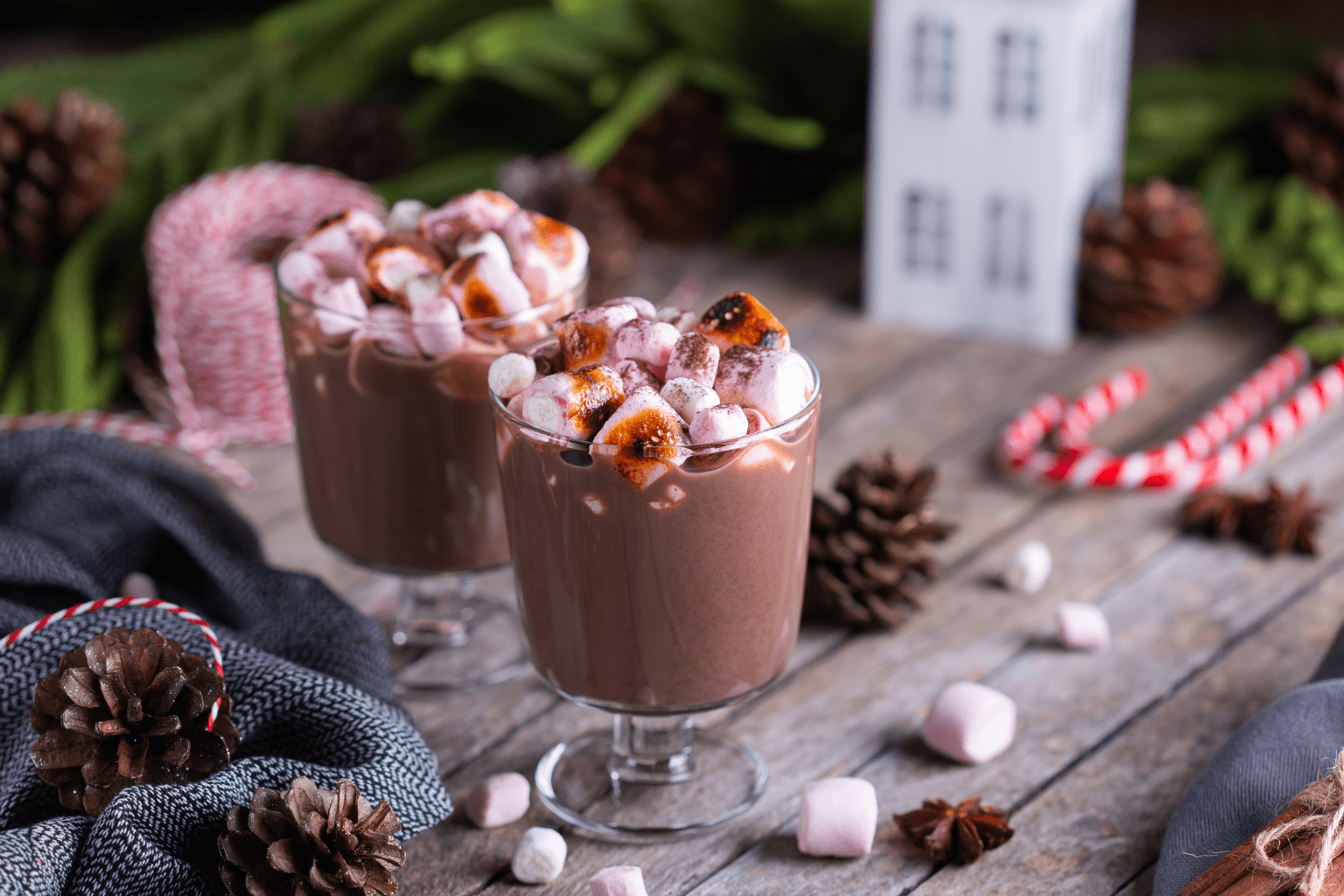
10 Ways to Elevate Your Hot Cocoa Experience

Forget the instant packets and predictable mugs! This winter, prepare to dive into a world of hot chocolate artistry, where familiar comfort meets flavour fusion and playful presentation. We’re showcasing ten unique methods to transform your hot chocolate from a simple drink to a decadent experience your taste buds will never forget.
So, grab your whisks, dust off your cocoa powder, and get ready to embark on a delicious journey through the world of hot chocolate. We’ll unveil secrets like infusing chocolate with exotic spices, crafting silky smooth foams with unexpected ingredients, and even creating edible art with molten chocolate.
Ready to ditch the predictable and embrace the extraordinary? Let’s begin!
10 Hot Cocoa Twists that Go Beyond the Basics
Imagine velvety white chocolate swirls dancing with raspberry bursts in a blizzard of whipped cream. Also, picture yourself embracing the warm hug of Mexican hot chocolate spiked with just the right kick of chilli. Feeling adventurous? We’ve got you covered with matcha masterpieces and hot chocolate bombs ready to explode into your mug like edible glitter grenades.
Prepare to be amazed, prepare to be warmed, prepare to be cocoa-fied into oblivion!
1. Classic Hot Cocoa
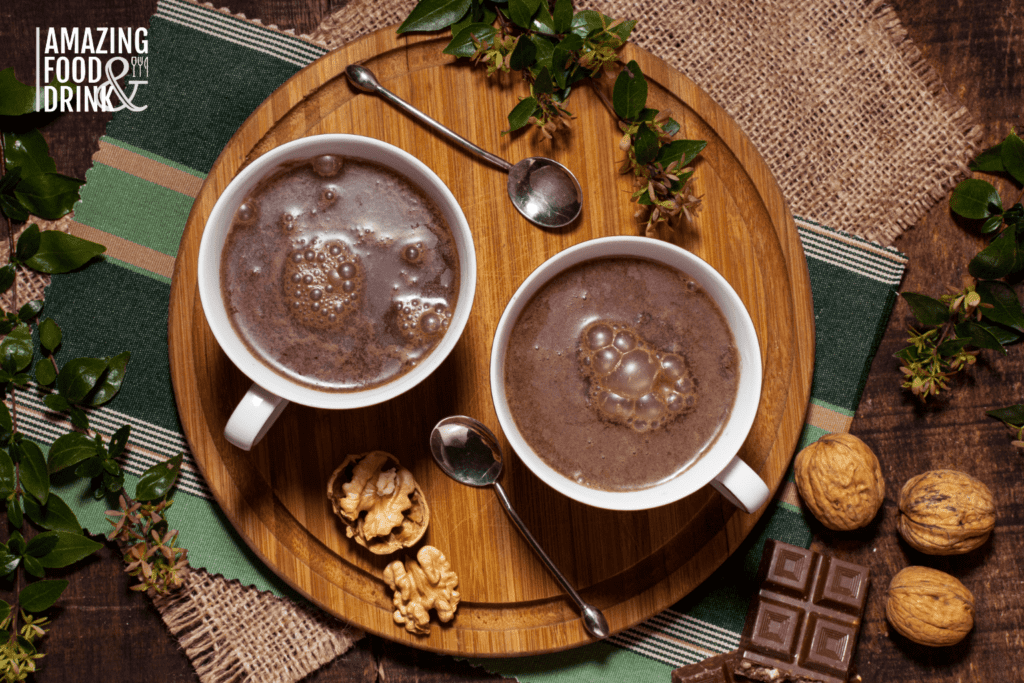
Classic Hot Cocoa is a timeless recipe made with milk, cocoa powder, sugar, and a pinch of salt. It’s simple to customise with your favourite toppings, like marshmallows, whipped cream, or chocolate shavings. Here are the ingredients and instructions:
Ingredients
- ⅓ cup cocoa powder, unsweetened
- ¼ cup granulated sugar
- ¼ teaspoon salt
- 4 cups milk (whole milk for the creamiest hot chocolate)
- ½ cup bittersweet chocolate, chopped (60% cacao or higher)
- 1 teaspoon vanilla extract
- Whipped cream and marshmallows for serving (optional)
Instructions
- Mix the cocoa powder, sugar, and salt in a medium saucepan.
- Gradually whisk in the milk until smooth.
- Place the saucepan over medium heat and bring to a simmer, whisking constantly.
- Reduce heat to low and stir in the chopped chocolate until melted.
- Remove from heat and stir in the vanilla extract.
- Pour into mugs and top with whipped cream and marshmallows, if desired.
Tips
- For an extra-rich hot chocolate, use heavy cream instead of milk.
- You can use semi-sweet chocolate if you don’t have bittersweet chocolate, but the flavour will be sweeter.
- Add a pinch of cinnamon or nutmeg to the hot chocolate for extra flavour.
- For a vegan option, use dairy-free milk and chocolate.
2. Mexican Hot Cocoa
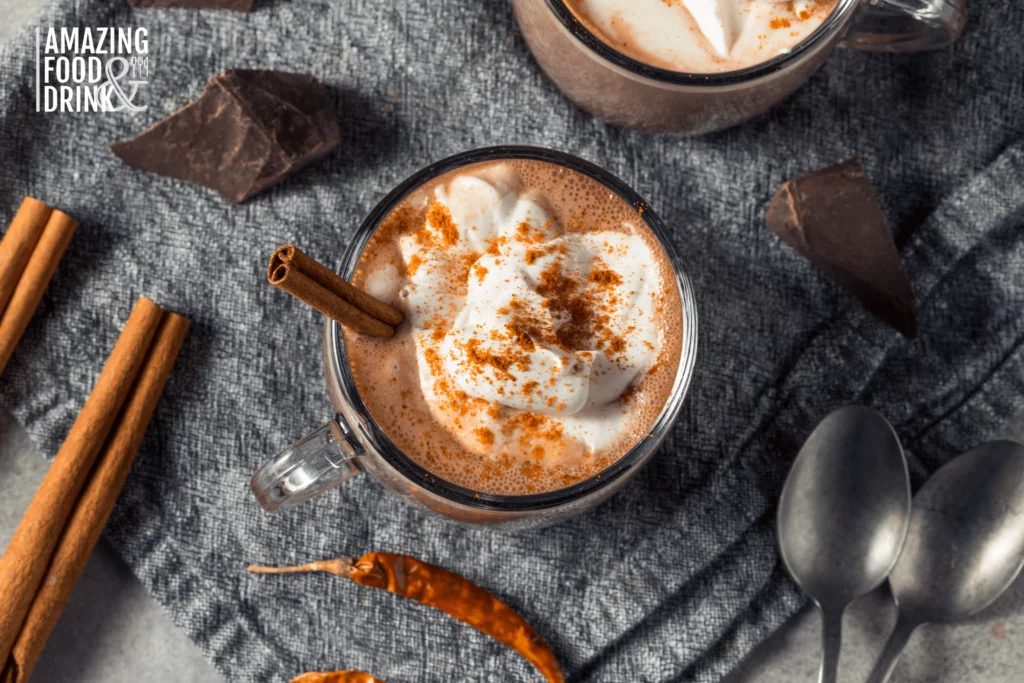
Mexican Hot Cocoa is a spicy twist on the classic featuring cinnamon, chilli powder, and a hint of cayenne pepper. It’s perfect for a chilly day and can be topped with a dollop of cinnamon whipped cream. Here is how we can do it.
Ingredients
- 6 cups water
- 4 ounces Mexican chocolate, chopped
- ¼ cup piloncillo (unrefined cane sugar), grated (or substitute with ⅓ cup brown sugar)
- 1 cinnamon stick
- ¼ teaspoon ground cinnamon
- ⅛ teaspoon ground chilli powder
- 1 cup whole milk
- ⅛ teaspoon ground cayenne pepper (optional)
- Whipped cream and cinnamon sticks for garnish (optional)
Instructions
- In a medium saucepan, combine the water, Mexican chocolate, piloncillo, cinnamon stick, ground cinnamon, chilli powder, and cayenne pepper (if using).
- Bring to a simmer over medium heat, stirring occasionally, until the chocolate and piloncillo are melted.
- Reduce heat to low and simmer for ten minutes, stirring occasionally.
- Remove from heat and stir in the milk. Heat through without boiling.
- Strain the hot chocolate through a fine-mesh sieve into mugs.
- Serve it topped with whipped cream and a cinnamon stick, if desired.
Tips
- You can find Mexican chocolate and piloncillo at most Latin American grocery stores.
- If you can’t find piloncillo, you can substitute it with brown sugar, but the flavour will differ slightly.
- The amount of chilli powder and cayenne pepper you use is up to your personal preference. Start with a little bit and add more to taste.
- Add a cornstarch slurry (1 tablespoon cornstarch mixed with 2 tablespoons water) to the simmering mixture for a thicker hot chocolate.
- Mexican hot chocolate is traditionally served with pan dulce (sweet bread).
3. Peppermint Hot Cocoa
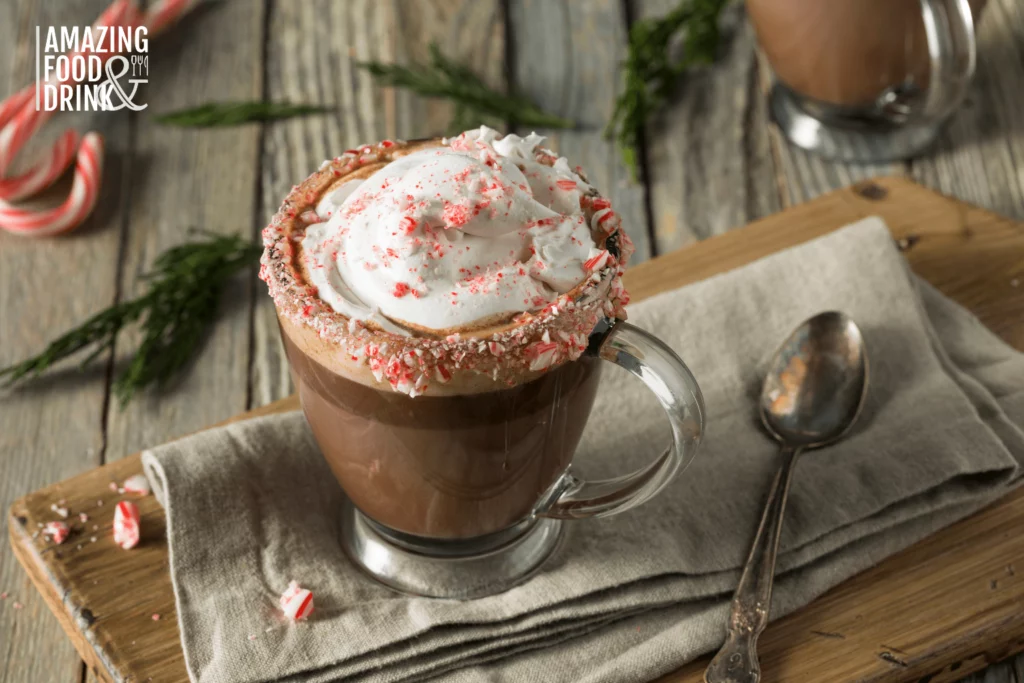
Get into the holiday spirit with this festive cocoa. It’s flavoured with peppermint extract and topped with crushed candy canes or a candy cane stirrer. Let’s delve into this recipe and know how we can customise it to our preference.
Ingredients
- 1 cup milk (whole milk for extra richness)
- ¼ cup heavy cream
- 1 to 2 tablespoons granulated sugar (adjust to your sweetness preference)
- Pinch of salt
- 3 ounces semi-sweet chocolate, finely chopped (or substitute with chocolate chips)
- ¼ teaspoon vanilla extract
- ⅛ teaspoon peppermint extract
- Whipped cream and crushed candy canes for garnish (optional)
Instructions
- Mix the milk, heavy cream, sugar, and salt in a medium saucepan with a whisk.
- Heat over medium-low heat until bubbles start forming around the pan’s edges.
- Reduce heat to low and then add the chocolate, vanilla, and peppermint extract.
- Whisk continuously until the chocolate melts and the mixture becomes smooth and glossy.
- Pour the hot chocolate into mugs and top with whipped cream and crushed candy canes, if desired.
Tips
- You can add a few drops of peppermint oil to the mixture for an even stronger peppermint flavour.
- If you don’t have candy canes, you can garnish the hot chocolate with a sprig of fresh mint or a drizzle of chocolate sauce.
- To make this recipe vegan, use dairy-free milk and chocolate alternatives.
4. Salted Caramel Hot Cocoa
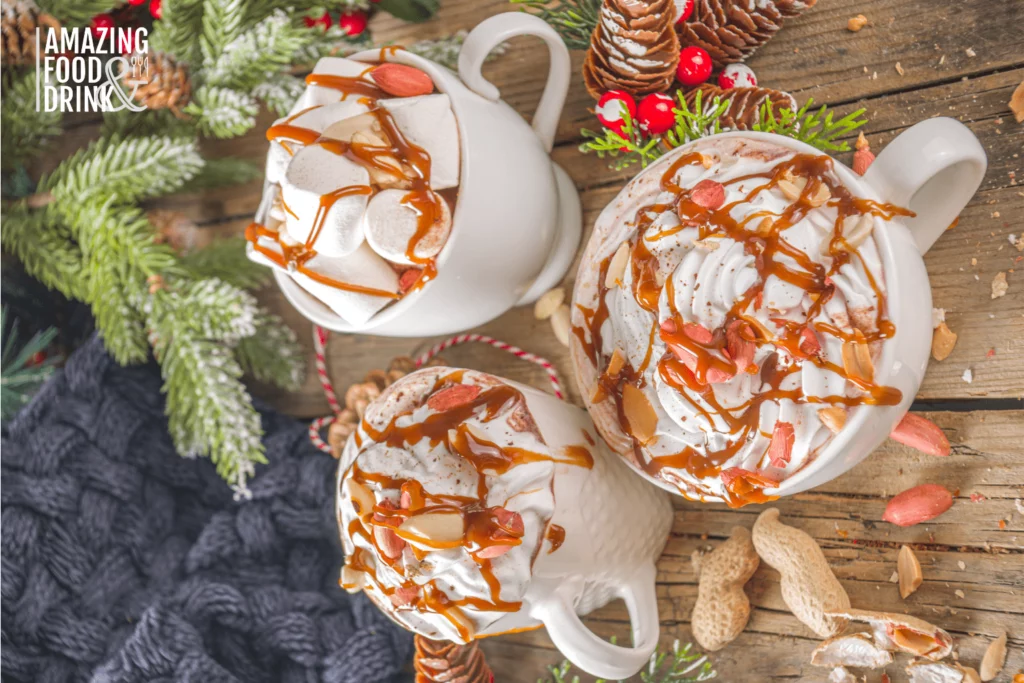
Salted Caramel Hot Cocoa is a decadent drink made with caramel sauce and topped with a drizzle of salted caramel sauce and flaky sea salt. Here are the ingredients and instructions.
Ingredients
- 1 cup milk (whole milk for the creamiest hot chocolate)
- ¼ cup unsweetened cocoa powder
- 2 tablespoons granulated sugar
- ¼ teaspoon salt
- ½ cup bittersweet chocolate, chopped (60% cacao or higher)
- ¼ cup caramel sauce
- Pinch of sea salt
- Whipped cream and caramel sauce for garnish (optional)
Instructions
- In a medium saucepan, whisk the milk, cocoa powder, sugar, and salt together.
- Place the saucepan over medium heat and bring to a simmer, whisking constantly.
- Reduce heat to low and stir in the chopped chocolate until melted.
- Stir in the caramel sauce and sea salt until combined.
- Pour into mugs.
- If desired, top with whipped cream and a drizzle of caramel sauce.
Tips
- For an extra-rich hot chocolate, use heavy cream instead of milk.
- You can use semi-sweet chocolate if you don’t have bittersweet chocolate, but the flavour will be sweeter.
- Add a pinch of cinnamon or nutmeg to the hot chocolate for extra flavour.
- For a vegan option, use dairy-free milk and chocolate.
Variations
- Spiced Salted Caramel Hot Chocolate: Add a pinch of ground ginger, cloves, or cardamom to the hot chocolate for a warm and cosy flavour.
- Chocolate Chip Salted Caramel Hot Chocolate: Stir a handful of chocolate chips into the hot chocolate for a melty and delicious treat.
- Salted Caramel Mocha Hot Chocolate: Add a shot of espresso to each mug for a coffee lover’s treat.
5. White Chocolate Hot Cocoa
White Chocolate Hot Cocoa is a creamy and sweet cocoa made with white chocolate chips and milk. It’s a great option for those who don’t like dark chocolate.
Ingredients
- 4 cups milk (whole milk for extra richness)
- 1 cup white chocolate chips
- ¼ cup granulated sugar (adjust to your sweetness preference)
- Pinch of salt
- ½ teaspoon vanilla extract
- Whipped cream and marshmallows for garnish (optional)
Instructions
- Heat the milk in a medium saucepan over medium heat until simmering but not boiling.
- Reduce heat to low and add the white chocolate chips, sugar, and salt.
- Whisk continuously until the chocolate melts and the mixture becomes smooth and creamy.
- Stir in the vanilla extract and heat through for a few more seconds.
- After pouring the hot chocolate into mugs, top with whipped cream and marshmallows, if desired.
Tips
- You can use heavy cream instead of milk for an even richer flavour.
- You can use chopped white chocolate bars if you don’t have white chocolate chips.
- Add a pinch of cinnamon or nutmeg to the hot chocolate for extra flavour.
- For a vegan option, use dairy-free milk and white chocolate alternatives.
Variations
- White Chocolate Raspberry Hot Chocolate: Add a few tablespoons of raspberry syrup or puree to the hot chocolate for a fruity twist.
- White Chocolate Peppermint Hot Chocolate: Add ⅛ teaspoon of peppermint extract to the hot chocolate for a festive touch.
- White Chocolate Mocha Hot Chocolate: Add a shot of espresso to each mug for coffee lovers.
6. Pumpkin Spice Hot Cocoa
Pumpkin Spice Hot Cocoa is fall-flavoured cocoa made with pumpkin puree, pumpkin spice, and maple syrup. It’s topped with whipped cream and a sprinkle of pumpkin pie spice. Here are the ingredients, instructions, and some tips to customise to your preference.
Ingredients
- 1 cup milk (whole milk for extra richness)
- ½ cup pumpkin puree
- ¼ cup cocoa powder, unsweetened
- 2 tablespoons brown sugar
- ½ teaspoon pumpkin pie spice
- ¼ teaspoon ground cinnamon
- Pinch of nutmeg
- Pinch of salt
- Whipped cream and a sprinkle of pumpkin pie spice for garnish (optional)
Instructions
- In a medium saucepan, whisk the milk, pumpkin puree, cocoa powder, brown sugar, pumpkin pie spice, cinnamon, nutmeg, and salt.
- Heat the mixture over medium heat, whisking constantly, until the cocoa powder and pumpkin puree are fully dissolved and the mixture steams hot.
- Reduce heat to low and simmer for a few minutes, stirring occasionally, to allow the flavours to meld.
- Pour the hot chocolate into mugs. You can top it with whipped cream and a sprinkle of pumpkin pie spice, if desired.
Tips
- Use dairy-free milk and chocolate alternatives for a vegan option.
- You can adjust the amount of pumpkin puree and brown sugar to your preference.
- If you don’t have pumpkin pie spice, you can make your own by combining equal parts ground cinnamon, nutmeg, ginger, cloves, and allspice.
- Add a drizzle of caramel sauce or melted chocolate to your hot chocolate for an extra decadent treat.
7. Mocha Hot Cocoa
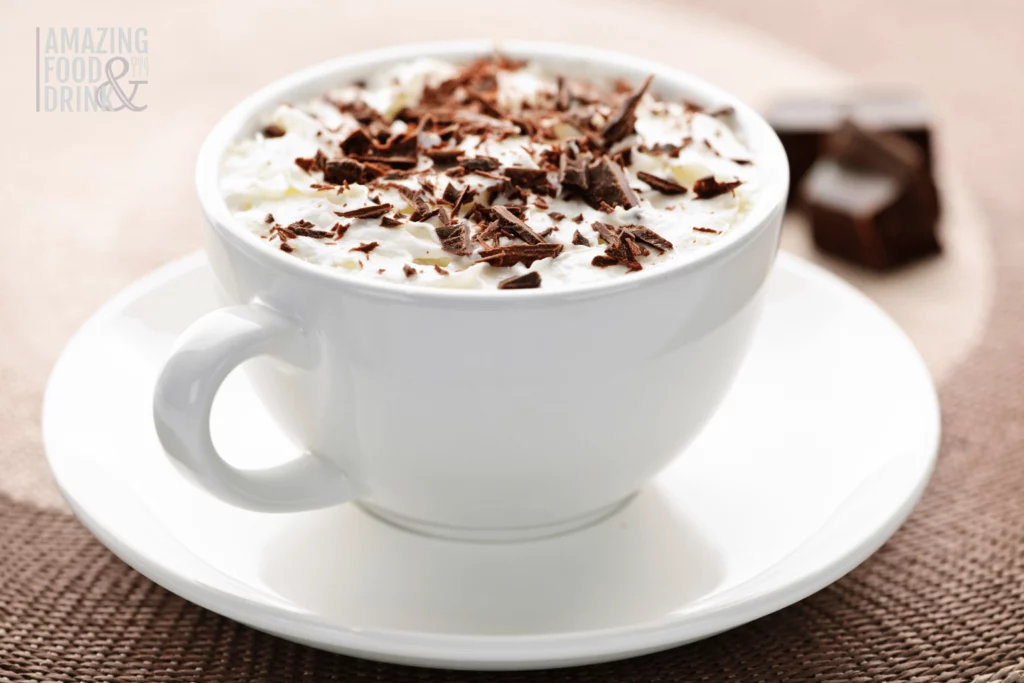
Mocha Hot Cocoa is coffee-infused cocoa made with espresso or strong-brewed coffee. It’s a great way to get your caffeine fix and satisfy your chocolate craving. Want to know how to make it? Here is the recipe!
Ingredients
- 1 cup milk (whole milk for extra richness)
- ⅓ cup cocoa powder, unsweetened
- 2 tablespoons sugar (adjust to your sweetness preference)
- Pinch of salt
- ½ cup bittersweet chocolate, chopped (60% cacao or higher)
- ¼ cup brewed coffee or 1 shot of espresso
- ½ teaspoon vanilla extract
- Whipped cream and chocolate shavings for garnish (optional)
Instructions
- Mix the milk, cocoa powder, sugar, and salt with a whisk in a medium saucepan.
- Heat over medium heat, whisking constantly, until simmering.
- Reduce heat to low and stir in the chopped chocolate until melted.
- Add the coffee or espresso and vanilla extract. Stir to combine and heat through without boiling.
- If desired, top it with whipped cream and chocolate shavings after pouring it into mugs.
8. Peanut Butter Hot Cocoa
Peanut Butter Hot Cocoa is rich and creamy cocoa made with peanut butter and milk. It’s a fun twist on the classic and can be topped with chopped peanuts or peanut butter chips.
Ingredients
- 1 cup milk (whole milk for extra richness)
- ¼ cup cocoa powder, unsweetened
- 2 tablespoons granulated sugar
- Pinch of salt
- ¼ cup creamy peanut butter
- ½ teaspoon vanilla extract
- Optional toppings: whipped cream, chopped peanuts, peanut butter drizzle
Instructions
- In a medium saucepan, mix the milk, cocoa powder, sugar, and salt with a whisk.
- Heat over medium heat, whisking constantly, until simmering.
- Reduce heat to low and stir in the peanut butter until melted and smooth.
- Remove from heat and stir in the vanilla extract.
- Pour into mugs and top with your favourite options, like whipped cream, chopped peanuts, or a drizzle of peanut butter sauce.
9. Matcha Hot Cocoa
Matcha Hot Cocoa is healthy and delicious cocoa made with matcha powder and milk. It’s a great way to get antioxidants and enjoy a unique flavour. Let’s find out how we can make this recipe and customise it to our preference.
Ingredients
- 1 cup milk (whole milk for extra richness, almond milk for a vegan option)
- ½ teaspoon matcha powder
- 1 tablespoon cocoa powder, unsweetened
- 1 tablespoon honey or maple syrup (adjust to your sweetness preference)
- Pinch of salt
- Optional toppings: whipped cream, dark chocolate shavings, matcha powder sprinkle
Instructions
- Using a whisk, mix the matcha powder with a little warm water in a small bowl until smooth and frothy. Then, set aside.
- In a saucepan, heat the milk until simmering but not boiling.
- Whisk in the cocoa powder, honey or maple syrup, and salt until thoroughly combined and melted.
- Slowly pour the matcha mixture into the hot chocolate, whisking continuously to avoid clumps.
- Heat through for a few seconds, without boiling, to allow the flavours to meld.
- Pour into mugs and top with your chosen garnishes, if desired.
10. Hot Chocolate Bombs

Hot Chocolate Bombs are fun and festive treats made with chocolate shells filled with cocoa mix and marshmallows. The shell melts and releases the cocoa inside when placed in hot milk.
Ingredients For the Chocolate Shells
- 12 ounces of high-quality chocolate (semi-sweet, dark, or milk, depending on your preference)
- 1 tablespoon vegetable oil (optional, helps make the chocolate smoother)
Ingredients For the Filling
- ¼ cup hot cocoa mix (choose your favourite brand or flavour)
- ¼ cup mini marshmallows
- Optional additions: mini chocolate chips, sprinkles, crushed candy canes, etc.
Equipment
- Silicone chocolate bomb mould (can be found online or at craft stores)
- Small paintbrush (optional)
- Microwave-safe bowl
- Baking sheet lined with parchment paper
Instructions
- Melt the chocolate with the vegetable oil (if using) in a microwave-safe bowl in 30-second intervals, stirring until smooth. Be careful not to overheat.
- Gently brush a thin layer of melted chocolate onto the inside of each mould cavity using the paintbrush. This creates a smoother shell.
- Pour enough melted chocolate to reach about ⅔ of the way up each mould cavity. Tap the mould gently to remove any air bubbles.
- Place a teaspoon of hot cocoa mix and a few mini marshmallows into each mould cavity. You can also add other optional ingredients like chocolate chips or sprinkles.
- Pour more melted chocolate over the filling to seal each mould cavity completely. Make sure there are no gaps or holes.
- Place the mould in the refrigerator for at least two hours or until the chocolate is completely hardened.
- Gently pop the chocolate bombs out of the mould. If they stick a little, tap the mould on a counter.
- Enjoy! Heat some milk (dairy or non-dairy) and gently drop a hot chocolate bomb into your mug. Watch as it melts and releases the cocoa mix and marshmallows, creating a delicious and decadent cup of hot chocolate.
Tips
- You can decorate the bombs with melted chocolate, sprinkles, or edible glitter after they are unmoulded.
- Store your hot chocolate bombs in an airtight container at room temperature for up to a week.
- These make amazing gifts! Package them individually in cellophane bags or boxes with ribbons.
- Feel free to experiment with different hot cocoa mixes and fillings to create unique flavours.
Warm Up Your Winter
So, gather your mugs, fire up the stove, and embark on a journey of hot cocoa discovery. With each simmering pot, you’ll unlock a new realm of taste and warmth, proving that this humble beverage is far from one-dimensional. It’s a canvas for creativity, a source of comfort, and a delightful way to chase away the chill. So, go forth and let your hot cocoa dreams come true!