In the vast world of international cuisine, there’s a culinary gem that has charmed taste buds far beyond its Hawaiian roots. Say aloha to the delightful Loco Moco, a dish that’s as rich in history as it is in flavour.
Join us as we unravel what makes Loco Moco tick, from its intriguing origins to crafting the perfect plate. Expect insights into its core ingredients, the meaning of its Hawaiian name, and how to relish every mouthful. Whether you’re planning to cook up a storm or just curious about this Hawaiian classic, we’ve got you covered.
Loco Moco: A Hawaiian Culinary Icon
Loco Moco proudly flies the Hawaiian flag. It is a homegrown sensation, born and bred amid the breathtaking landscapes and vibrant culture of the Hawaiian Islands.
Hawaii’s unique culinary landscape is a delightful blend of cultures and influences from around the world. It is a place where diverse traditions have come together to create something truly special. Loco Moco reflects this fusion, making it a symbol of Hawaiian food culture.
What Does Loco Moco Mean in Hawaiian?
At first glance, you might wonder how these two words relate to a delicious plate of food. While it may sound a bit strange, there’s a playful logic to it.
“Loco”: In Spanish, “loco” translates to “crazy” or “wild.” It’s a fitting description for this dish because, trust us, when you experience its generous portions and bold flavours, you might just go a little “loco” with delight.
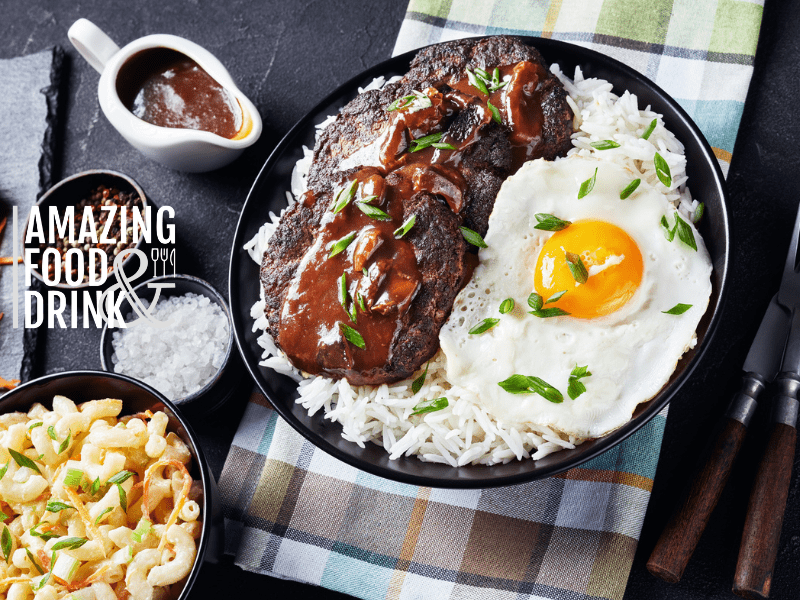
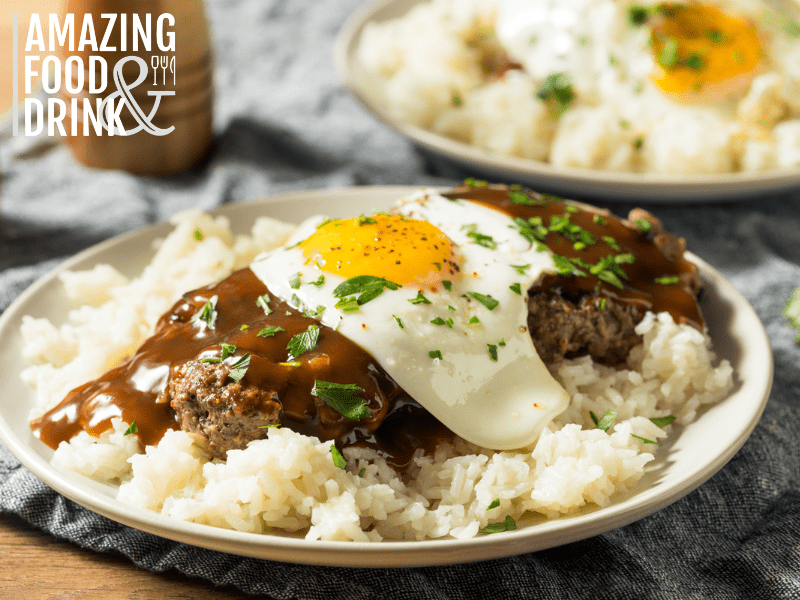
“Moco”: This part of the name refers to the dish’s appearance, specifically the sunny-side-up or over-easy egg that crowns the rice and hamburger patty. In Hawaiian slang, “moco” loosely means “snot” or “mucus.” It’s not as unappetising as it sounds; it’s simply a playful nod to how the egg yolk resembles a droplet of, well, you guessed it, mucus!
So, when you put it all together, “Loco Moco” playfully translates to “crazy mucus” or “wild snot.” While the name might raise an eyebrow or two, there’s nothing crazy about the incredible flavours and satisfying comfort that Loco Moco brings to the table. It’s a true testament to the creativity and unique spirit of Hawaiian cuisine.
Loco Moco Recipe: A Taste of Hawaii
Loco Moco, the beloved Hawaiian comfort food, is surprisingly easy to make. With this straightforward recipe, you’ll be enjoying this island delight in no time.
Ingredients
For the Hamburger Patties
500g minced beef
1 small onion, finely chopped
1 clove garlic, minced
Salt and pepper to taste
For the Gravy
2 tablespoons unsalted butter
2 tablespoons plain flour
500ml beef stock
Salt and pepper to taste
For Assembly
4 large eggs
4 cups cooked white rice, warm
Optional toppings: chopped green onions, sliced mushrooms, or fried onions
Instructions
Prepare the Hamburger Patties.
Combine the minced beef, finely chopped onion, garlic, salt, and pepper in a mixing bowl.
Shape the mixture into four equally-sized hamburger patties.
Heat a skillet over medium-high heat. Cook the patties for about 3-4 minutes per side or until done to your preference.
Remove from the heat and set aside.
Make the Gravy.
In the same skillet used for the patties, melt the unsalted butter over medium heat.
Stir in the plain flour and cook for about 2 minutes or until it turns a light golden brown.
Gradually whisk in the beef stock, ensuring there are no lumps.
Keep cooking and stirring until the gravy thickens, which usually takes 5-7 minutes.
Season with salt and pepper to taste. Keep warm.
Fry the Eggs.
In a separate skillet, fry the eggs sunny-side-up or over-easy, depending on your preference.
Ladle a generous amount of the warm gravy over the eggs and patties.
Add optional toppings such as chopped green onions, sliced mushrooms, or fried onions if desired.
Serve immediately and Enjoy.
Loco Moco Serving Suggestions: Elevate Your Experience
Eating and serving Loco Moco isn’t just about satisfying your hunger; it’s about indulging in a delightful experience that captures the essence of Hawaiian comfort food. So, here are a few thoughtful serving suggestions that can take your experience to the next level.
Fresh Tropical Fruit. Complement the rich flavours of Loco Moco with a side of fresh tropical fruit. Slices of juicy pineapple, papaya, or mango can provide a refreshing contrast to the hearty dish.
Macaroni Salad. A classic accompaniment to Loco Moco in Hawaiian diners is macaroni salad. Its creamy, tangy goodness pairs perfectly with the dish’s savoury components.
A Side of Greens. Balance the meal with a simple green salad dressed with a light vinaigrette. The crispness of the greens can add a refreshing element to the plate.
Sweet Chilli Sauce. Some Loco Moco enthusiasts enjoy a drizzle of sweet chilli sauce for an extra layer of flavour. It adds a touch of heat and sweetness to the dish.
Coconut Water or Tropical Juice. Quench your thirst with a glass of cold coconut water or freshly squeezed tropical fruit juice. These beverages complement the meal’s tropical theme.
Ice-Cold Beverage. Enjoy your Loco Moco with a glass of iced tea or soda for a more traditional pairing. The cold, fizzy beverage can balance the dish’s richness.
Fresh Herbs. Sprinkle fresh herbs like parsley over the Loco Moco just before serving. This can add a burst of freshness and vibrant colour to the plate.
Ultimately, the beauty of Loco Moco lies in its versatility. You can customise it with your favourite sides and beverages to create a memorable dining experience that suits your taste.
Loco Moco’s Nutritional Value
Loco Moco is undoubtedly a treat for your taste buds, but it’s also quite hearty. Let’s look at its nutritional value to help you make better eating choices.
Calories
A typical serving of Loco Moco can range from 600 to 800 calories. It’s a meal that can fill you up deliciously.
Protein
Loco Moco is protein-packed, thanks to its hamburger patty and eggs. You can expect around 30-40 grams of protein per serving.
Carbohydrates
The main source of carbs in Loco Moco is rice. Depending on the rice quantity, you’ll find about 50 to 80 grams of carbs in a serving.
Fat
Loco Moco can be somewhat rich in fat, particularly due to the patty and gravy. A serving may contain 20 to 40 grams of fat, depending on how it’s prepared.
Fibre
Loco Moco isn’t known for its fibre content. You’ll usually get just 1-2 grams per serving since it lacks veggies or whole grains.
Sodium
Be mindful of sodium. A single serving might contain 1000-1500 milligrams or more, a significant portion of your daily intake.
Vitamins and Minerals
Loco Moco offers vital nutrients like iron, B vitamins, and selenium from the meat and eggs. However, it’s not a veggie-packed dish. Consider adding a side salad or fruit for extra nutrients.
Note: These nutritional values are approximate and can vary depending on factors like the serving size, specific ingredients used, and cooking methods.
If you’re looking for a healthier version of Loco Moco, consider making some modifications, such as using leaner meat or brown rice or adding vegetables to increase the nutrient content. While it’s not the most diet-friendly dish, Loco Moco can still be enjoyed as an occasional treat while maintaining a balanced diet.
Loco Moco Etiquette: Embracing the Spirit of Aloha
When you dive into the world of Loco Moco, it’s not just about the food; it’s also about embracing the rich cultural traditions of Hawaii. Whether you’re a local or a curious traveller, here’s a glimpse into the world of Loco Moco etiquette:
Using Chopsticks: In Hawaii, some locals opt for chopsticks when enjoying their Loco Moco. It’s not a strict rule but a playful nod to the island’s diverse culinary influences. Give it a go if you fancy; it’s a unique way to relish this dish.
Slow Dining: Loco Moco is more than a meal; it’s an experience. Take your time with each bite, allowing the medley of flavours to dance on your palate.
Share the Aloha: Hawaiians are known for their warm hospitality. Sharing a Loco Moco with friends or family is a cherished tradition, turning the meal into a delightful and social occasion.
Explore Local Variations: While in Hawaii, be open to trying different regional takes on Loco Moco. Each diner or eatery may add its unique twist to the classic dish, making culinary exploration a delightful adventure.
Be Respectful: Respect the local traditions and etiquette when dining out. Politeness and a friendly attitude go a long way in making your dining experience enjoyable.
Ask and Learn: If you’re unsure about local customs or ingredients, don’t hesitate to ask your server. Hawaiians are typically happy to share their culture and culinary knowledge.
By following these etiquettes, you’ll not only enjoy a delicious meal but also connect with the heart and soul of Hawaiian culture.
A Hawaiian Delight Awaits You at Home
After exploring the world of Loco Moco and its rich Hawaiian traditions, why not embark on your own culinary adventure? With our simple Loco Moco recipe, you can bring the taste of Hawaii into your kitchen. Embrace the traditions, relish the flavours, and let Loco Moco transport you to the very heart of Hawaii with every delightful bite.
But don’t stop here! Our website has a wealth of diverse culinary experiences waiting for you to explore. Whether you’re tempted by the vibrant flavours of Hispanic cuisine, the exotic aromas of Turkish dishes, or the Mediterranean’s sun-kissed delights, we have a world of recipes and resources at your fingertips.
The joy of cooking and sharing these delectable dishes knows no bounds, and the adventure is just a click away. Aloha!




 Salma Ihab
 Shaimaa Olwan